INTERNACIONAL
What is the papal conclave: Inside the ancient process of choosing the next pope

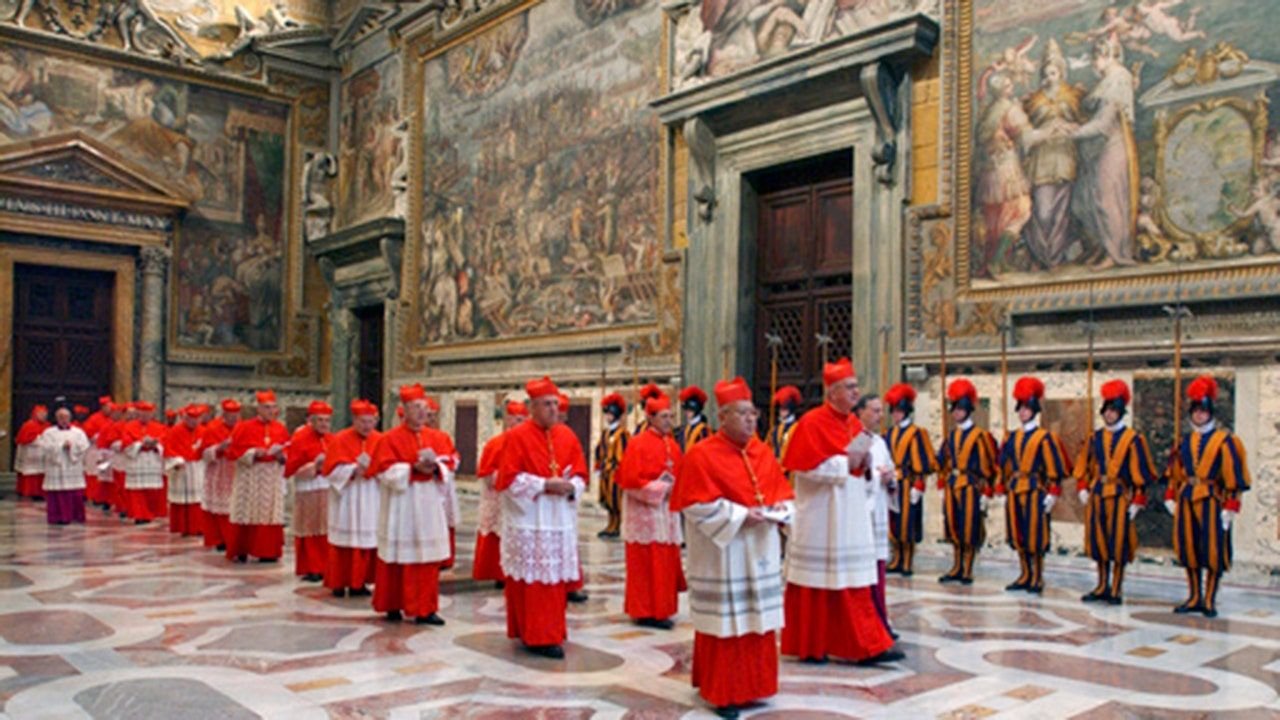
After a pope dies, the Catholic Church chooses its next leader through an ancient electoral process called the «papal conclave.»
In practice, since at least 1276, the conclave gathers the church’s top bishops – called the College of Cardinals – from around the globe. Though there are more than 240 cardinals currently, only those under the age of 80 are eligible to vote in the conclave and the number of cardinal electors is limited to 120.
Nearly all prefects of Vatican offices lose their jobs when a pope dies, but a few stay on, including the foreign minister and the master of liturgical ceremonies, who play a key role in assembling the conclave.
The conclave takes place in the Vatican’s Sistine Chapel and cardinals are kept in strict isolation to keep them far from any outside influence from the rest of the world. This isolation is so important in the process that even the name conclave comes from the Latin «con clavis,» which means «with key,» indicating how the cardinal electors are locked up while they deliberate over who will be the new pope.
POPE FRANCIS DEAD AT 88, VATICAN SAYS
Incense is cast over the coffin of Pope John Paul II by German Cardinal Joseph Ratzinger during the funeral Mass in St. Peter’s Square on April 8, 2005, in Vatican City. (Peter Macdiarmid/Getty Images)
There is also an emphasis on choosing a pope quickly to lessen the amount of time the church spends without a leader. The cardinals cast their first vote the day the conclave begins. They then cast votes at least twice every day after – in the morning and evening – until a pope is selected.
The common practice in the modern Catholic Church is for the cardinals to choose a pope from among their own ranks, though this was not always the case.
POPE FRANCIS REVEALED BURIAL WISHES JUST DAYS AFTER BECOMING POPE IN 2013
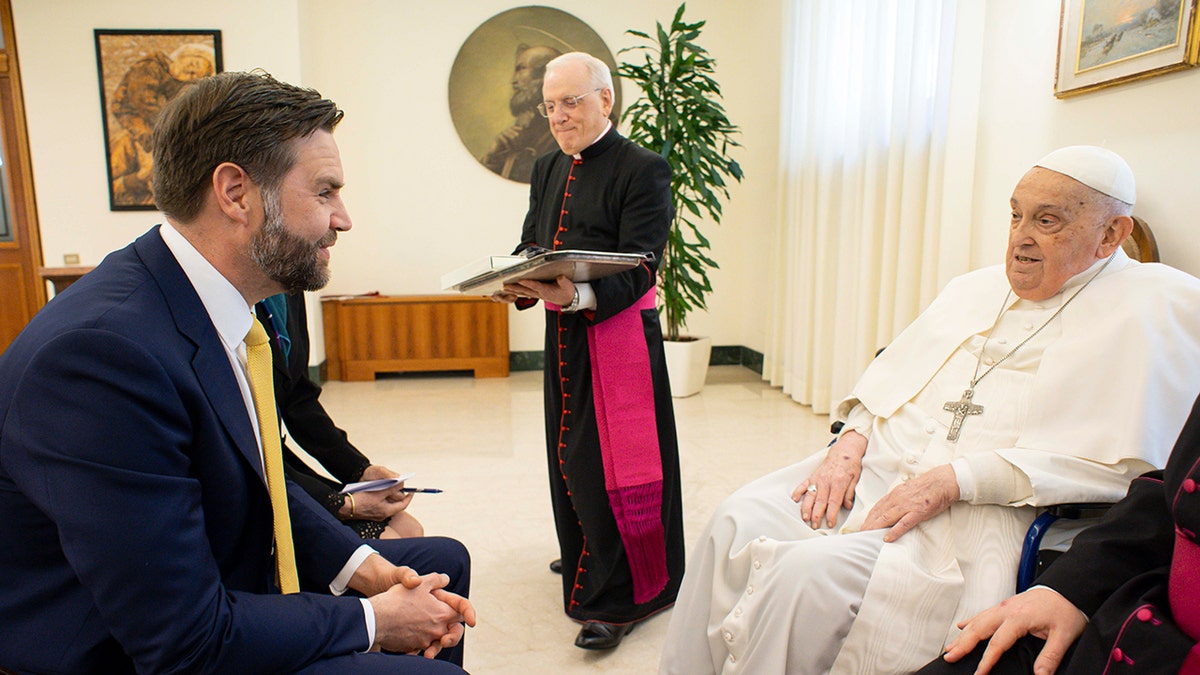
Pope Francis receives Vice President JD Vance, at the Vatican on Easter Sunday, April 20, 2025. (Vatican Media via AP, HO)
Conclaves will typically begin with a special Mass celebrated in St. Peter’s Basilica, in which the cardinals invoke the Holy Spirit for guidance.
Cardinals vote for the pope through a secret ballot. At each vote, a cardinal will write his choice on a piece of paper, process up to Michaelangelo’s giant fresco of the last judgment – which serves as a reminder of the gravity and sacredness of their responsibility – and drop his ballot in a chalice.
THEOLOGIAN ON ‘CONCLAVE’ ACCURACY, EXPECTATIONS FOR NEXT SECRETIVE EVENT AFTER POPE FRANCIS’ DEATH
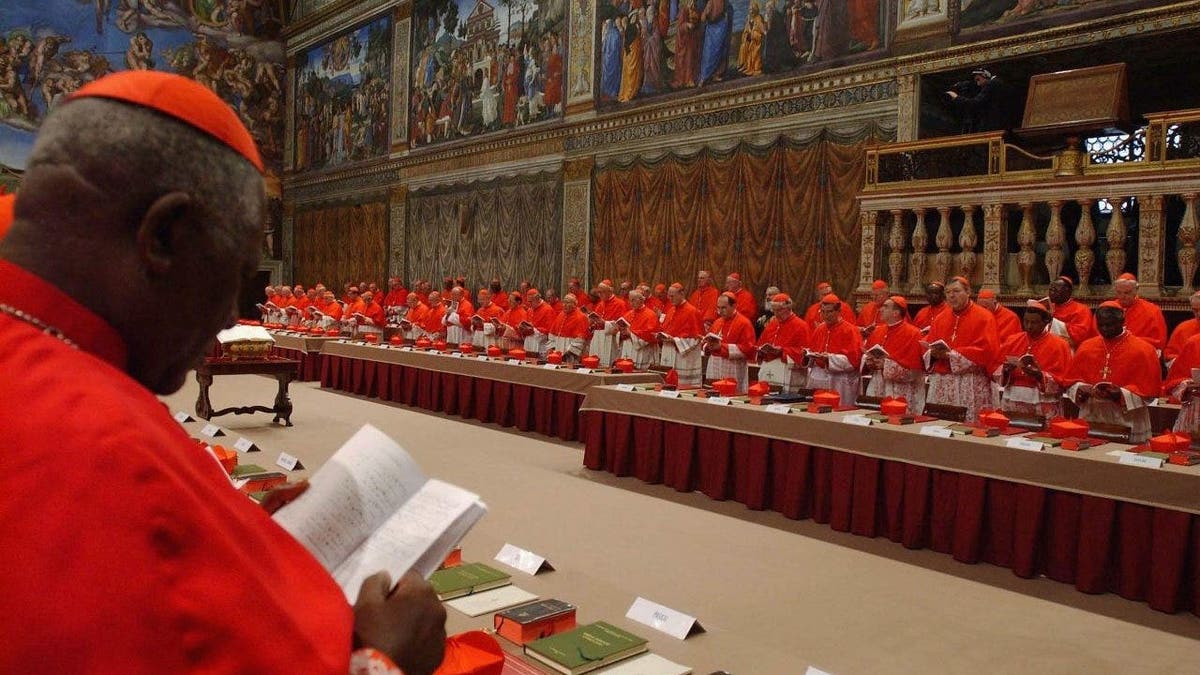
Cardinals of the Catholic Church attend the election conclave in the Sistine Chapel on April 18, 2005, at the Vatican. (Arturo Mari – Vatican Pool/ Getty Images)
A two-thirds majority of votes is needed to select a new pope. More than two-thirds of the eligible cardinal electors were appointed by Pope Francis. However, these cardinals hold a diverse set of viewpoints and come from all different parts of the world.
After each vote, the ballots are burned and the ashes are used to send a signal to the rest of the world about whether a decision has been made. Black smoke rising from the Sistine Chapel means there has not been a consensus, while white smoke means a pope has been chosen.
PRESIDENT-ELECT TRUMP APPOINTS OUTSPOKEN CONSERVATIVE AS VATICAN AMBASSADOR: ‘BLESSINGS AND RESPONSIBILITIES’
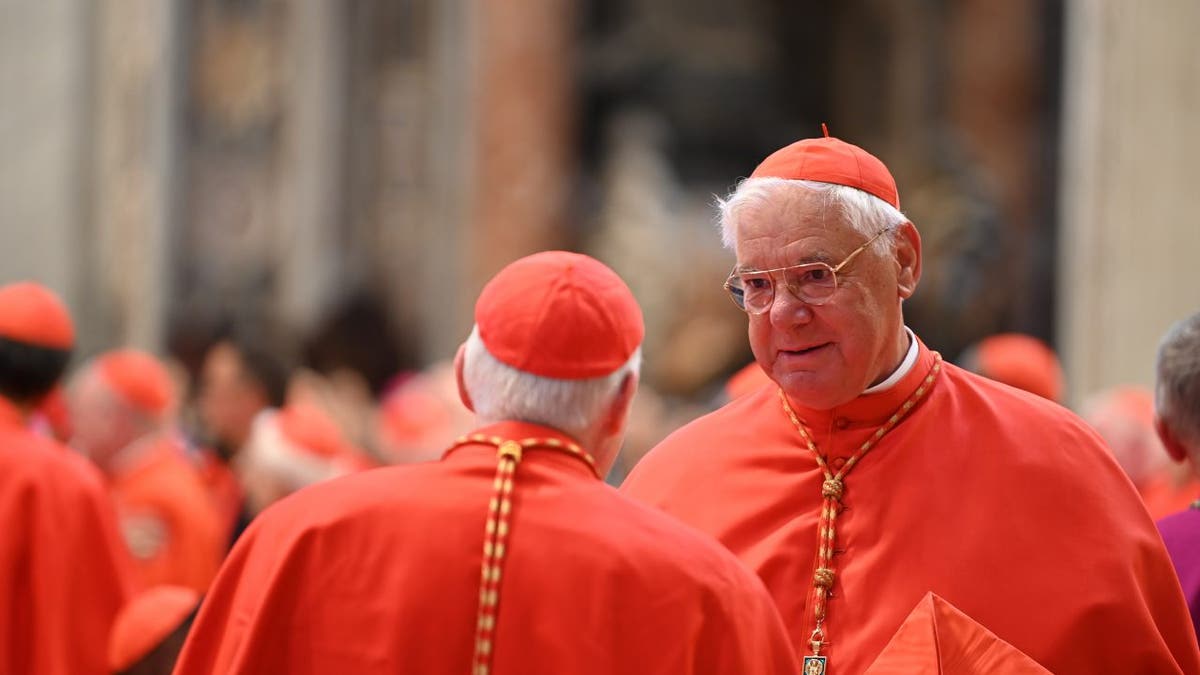
Gerhard Ludwig Cardinal Müller, right, during a consistory in St. Peter’s Basilica. (Johannes Neudecker/picture alliance)
Once a cardinal receives a two-thirds majority of the votes, the dean of the College of Cardinals asks him if he is willing to accept the position. If he accepts, he must then choose his papal name. Cardinal Jose Mario Bergoglio chose the name «Pope Francis,» becoming the first pope to choose this name.
CLICK HERE TO GET TO THE FOX NEWS APP
After the world is alerted through the burning of white smoke, the new pope is announced with the most senior cardinal proclaiming «Habemus papam!» – «We have a pope» – after which the newly elected pontiff processes out and imparts his first blessing to the city of Rome and the rest of the world.

INTERNACIONAL
Taiwán detectó 130 aeronaves militares del régimen chino durante las maniobras militares de Beijing alrededor de la isla
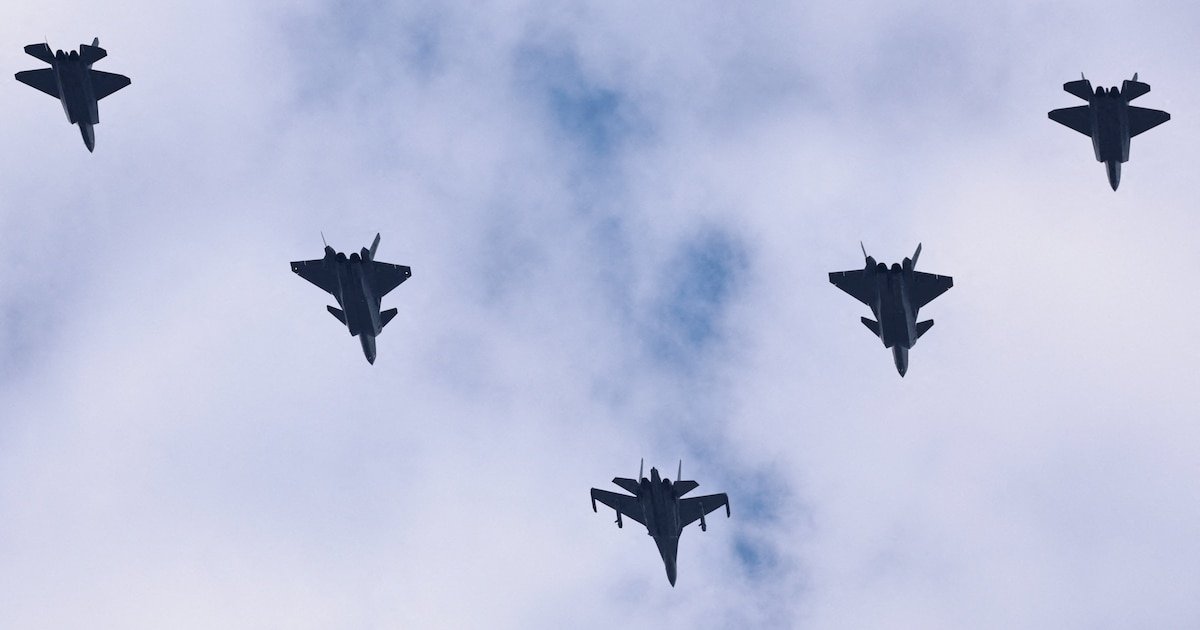
El régimen de China intensificó este martes su presión militar sobre Taiwán tras la detección de 130 aeronaves militares del Ejército Popular de Liberación (EPL) en las inmediaciones de la isla en un lapso de 24 horas, en el marco del segundo día de ejercicios con fuego real que Beijing presentó como una simulación de bloqueo de puertos estratégicos.
El Ministerio de Defensa de Taiwán informó que, desde las primeras horas del lunes hasta la mañana del martes, sus sistemas de vigilancia identificaron la presencia de 130 aviones militares chinos, además de 14 buques de guerra y ocho embarcaciones gubernamentales no especificadas. Según las autoridades de Taipéi, las maniobras constituyen un acto de intimidación militar con efectos directos sobre rutas de navegación marítima y aviación internacional.
La actividad aérea representó uno de los mayores despliegues registrados en un solo día alrededor de Taiwán. El ministerio taiwanés señaló que los aviones operaron en distintas zonas cercanas a la isla, en coordinación con unidades navales, en un contexto de ejercicios de gran escala anunciados por Beijing.
En paralelo, imágenes captadas por AFP mostraron el lanzamiento de cohetes desde Pingtan, una isla bajo control chino situada en el punto más cercano al territorio principal de Taiwán. Periodistas de la agencia observaron una salva alrededor de las 9:00 hora local, con estelas de humo blanco visibles en el cielo.
Al menos diez cohetes despegaron con segundos de diferencia y los estruendos se escucharon en distintos sectores de la isla. Turistas se acercaron a barricadas de madera frente al mar para registrar la escena con teléfonos móviles.

Poco después, el Ejército Popular de Liberación difundió un comunicado oficial. “A las 9:00 del 30 de diciembre, las fuerzas terrestres del Comando del Teatro Oriental del EPL realizaron ejercicios de fuego real de largo alcance en las aguas al norte de la isla de Taiwán y lograron los efectos deseados”, indicó la declaración.
Las maniobras, denominadas “Justice Mission 2025”, comenzaron el lunes y se extendieron durante dos días. Según el EPL, las fuerzas desplegaron destructores, fragatas, cazas y bombarderos, con el objetivo de ejecutar ejercicios de identificación y verificación, advertencia y expulsión, ataques simulados, asaltos a objetivos marítimos, además de operaciones antiaéreas y antisubmarinas.
El Comando del Teatro Oriental afirmó que los ejercicios realizados en aguas al norte y al sur de Taiwán “pusieron a prueba las capacidades de coordinación mar-aire y de bloqueo y control integrados”.
En ese contexto, el portavoz militar Shi Yi sostuvo que las maniobras constituyen “una severa advertencia contra las fuerzas separatistas de ‘independencia de Taiwán’ y una acción legítima y necesaria para salvaguardar la soberanía y la unidad nacional de China”.

La televisión estatal CCTV informó que uno de los ejes centrales del operativo consiste en un bloqueo de puertos taiwaneses estratégicos, entre ellos Keelung, en el norte de la isla, y Kaohsiung, en el sur. Autoridades chinas publicaron un mapa con cinco grandes zonas alrededor de Taiwán destinadas a los ejercicios, previstos hasta las 18:00 del martes hora local.
Desde Taipéi, el gobierno rechazó la operación. El Ministerio de Defensa afirmó que las zonas designadas por China, algunas situadas dentro de las 12 millas náuticas de la costa taiwanesa, afectaron el tránsito marítimo y aéreo internacional. En otro comunicado, sostuvo que las acciones del régimen chino “confirman aún más su naturaleza de agresor y lo convierten en el mayor destructor de la paz”.
La escalada se produjo tras una ronda de ventas de armas de Estados Unidos a Taiwán y declaraciones del primer ministro de Japón sobre la posibilidad de una respuesta militar de Tokio ante el uso de la fuerza contra la isla.
En Beijing, el canciller del régimen chino Wang Yi respondió con dureza. “En respuesta a las continuas provocaciones de las fuerzas pro independencia en Taiwán y las ventas de armas a gran escala de Estados Unidos a Taiwán, debemos, por supuesto, oponernos resueltamente y contrarrestarlas con firmeza”, afirmó en un discurso.
Añadió que cualquier intento de obstruir la unificación “inevitablemente terminará en fracaso”.

Por su parte, el presidente taiwanés Lai Ching-te aseguró en una publicación en Facebook que el territorio no busca “escalar el conflicto” ni provocar disputas. Un día antes, su oficina declaró que China mostró “desprecio por las normas internacionales y el uso de la intimidación militar para amenazar a países vecinos”.
El régimen de China considera a Taiwán parte de su territorio y no descarta el uso de la fuerza para tomar control de la isla, mientras el gobierno taiwanés rechaza esas pretensiones y denuncia el aumento de la presión militar en su entorno inmediato.
(Con información de AFP)
Asia / Pacific,Defense,BEIJING
NEWYou can now listen to Fox News articles!
President Donald Trump and his administration are reviving the Monroe Doctrine — more than a decade after former President Barack Obama’s Secretary of State John Kerry said the centuries-old policy was dead.
The restoration of the Monroe Doctrine, which sought to limit European influence in Latin America and to protect U.S. influence in the region, comes as the Trump administration released its National Security Strategy this month that redirects U.S. attention to the Western Hemisphere in an intentional effort to better prioritize protecting the U.S. homeland amid the Trump administration’s crusade against the influx of drugs into the U.S. from Latin America.
«President Trump has prioritized enforcing the Monroe Doctrine unlike any other President in decades,» White House spokeswoman Anna Kelly said in a statement to Fox News Digital. «He was elected on his promise to eliminate the scourge of drug deaths in our country, including his commitment to secure the southern border and take on the cartels. He has delivered on both fronts by stopping the flow of drugs by land and by sea.»
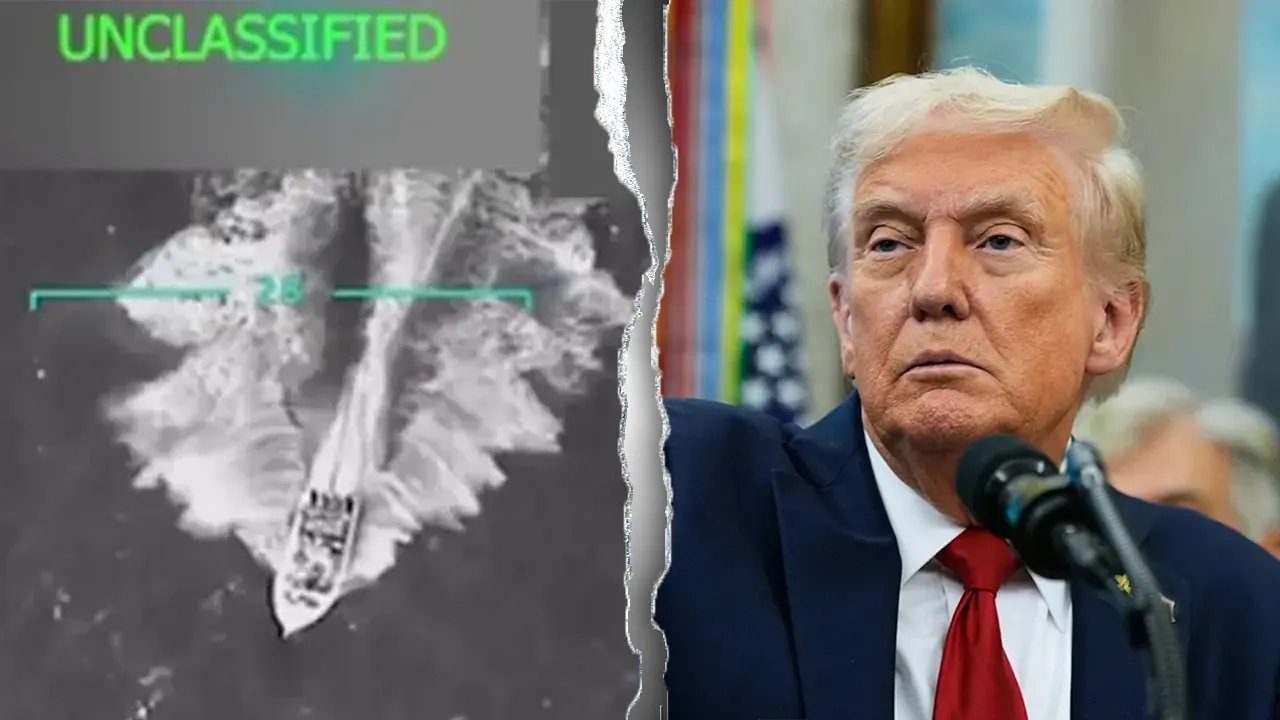
A Venezuelan vessel was destroyed during a U.S. military strike off of Venezuela on Sept. 2, 2025. (@realDonaldTrump via Truth Social)
TRUMP SAYS US SEIZES MASSIVE VENEZUELAN OIL TANKER AS SHOWDOWN WITH MADURO ERUPTS INTO NEW PHASE
«The President will continue to put Americans first by securing our Hemisphere, protecting our homeland, and striking designated narcoterrorists bringing deadly poison to our shores, just as he was elected to do,» Kelly said.
The Monroe Doctrine, first introduced in 1823 by then-President James Monroe, specifically cautioned European nations against further colonization in Central and South America. Later, it was used to justify U.S. actions in the region as an «international police power» under former President Theodore Roosevelt, according to the National Archives.
The Trump administration’s approach is a stark departure from precedent laid out during the Obama administration, where Kerry ripped the longstanding policy to shreds. Then, Kerry claimed that the policy wasn’t necessary as the U.S. sought a more equal relationship with Latin American countries — rather than one hinging upon interventionism.
«The era of the Monroe Doctrine is over,» Kerry said in 2013 at the Organization of American States.
«The relationship that we seek and that we have worked hard to foster is not about a United States declaration about how and when it will intervene in the affairs of other American states,» Kerry said. «It’s about all of our countries viewing one another as equals, sharing responsibilities, cooperating on security issues, and adhering not to doctrine, but to the decisions that we make as partners to advance the values and the interests that we share.»
The Trump administration’s National Security Strategy explicitly calls for reviving the Monroe Doctrine as a means of reasserting U.S. influence in the Western Hemisphere. The document dubs the effort the «Trump Corollary,» a nod to Roosevelt’s expansion of the original doctrine.
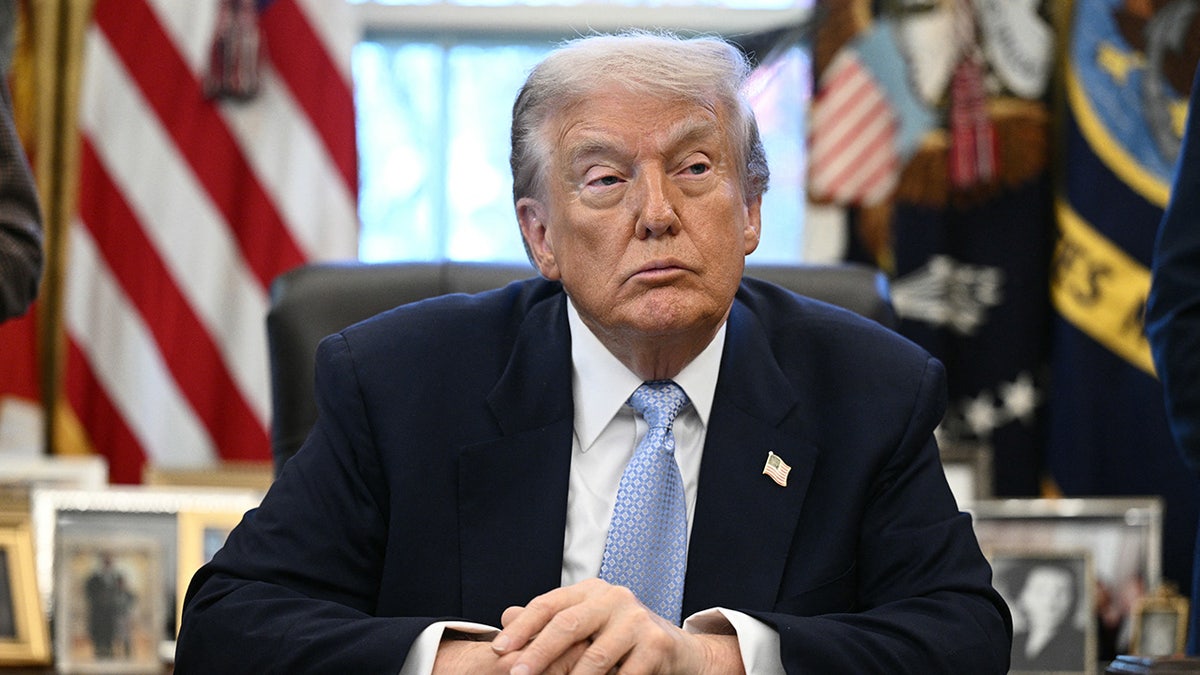
President Donald Trump looks on during a meeting with the White House Task Force on the FIFA World Cup 2026 in the Oval Office of the White House in Washington, on Nov. 17, 2025. (Brendan Smialowski/AFP via Getty Images)
TRUMP TARGETS MADURO AS WESTERN HEMISPHERE BECOMES ‘FIRST LINE OF DEFENSE’ IN NEW STRATEGY
«After years of neglect, the United States will reassert and enforce the Monroe Doctrine to restore American preeminence in the Western Hemisphere, and to protect our homeland and our access to key geographies throughout the region,» the National Security Strategy said.
«We will deny non-Hemispheric competitors the ability to position forces or other threatening capabilities, or to own or control strategically vital assets, in our Hemisphere,» the document said. «This ‘Trump Corollary’ to the Monroe Doctrine is a common-sense and potent restoration of American power and priorities, consistent with American security interests.»
The Trump administration has taken an aggressive approach toward cracking down on the entry of drugs into the U.S., and it has designated drug cartel groups like Tren de Aragua, Sinaloa and others as foreign terrorist organizations.
Additionally, Trump announced that he had declared Venezuelan President Nicolás Maduro’s regime a foreign terrorist organization, as the Trump administration has conducted more than 20 strikes in Latin American waters since September targeting alleged drug boats.
«The illegitimate Maduro Regime is using Oil from these stolen Oil Fields to finance themselves, Drug Terrorism, Human Trafficking, Murder, and Kidnapping,» Trump said in a social media post on Dec. 16. «For the theft of our Assets, and many other reasons, including Terrorism, Drug Smuggling, and Human Trafficking, the Venezuelan Regime has been designated a FOREIGN TERRORIST ORGANIZATION.»
GRAHAM ISSUES ‘FATAL’ WARNING IF MADURO STAYS IN POWER AS US BUILDUP RAISES STAKES
The strikes have put even more pressure on Maduro to step down, and Trump said on Dec. 22 that he believed it would be «smart» for Maduro to depart his post. The Trump administration has routinely said it does not consider Maduro a legitimate head of state and claims he is the leader of a drug cartel.
Additionally, the strikes have attracted increased scrutiny from Democrats and some Republicans on Capitol Hill. While some lawmakers questioned the strikes’ legality from the outset, scrutiny has intensified in recent weeks after reports revealed a second strike was carried out on a vessel that initially left survivors in September.
CLICK HERE TO DOWNLOAD THE FOX NEWS APP
For example, Senate Minority Leader Chuck Schumer, D-N.Y., and Sens. Tim Kaine, D-Va.; Adam Schiff, D-Calif.; and Rand Paul, R-Ky., introduced a war powers resolution on Dec. 3 to bar Trump from using U.S. armed forces to engage in hostilities within or against Venezuela.
The Trump administration has routinely stated it has the authority to conduct those attacks.
white house,donald trump,barack obama,venezuelan political crisis
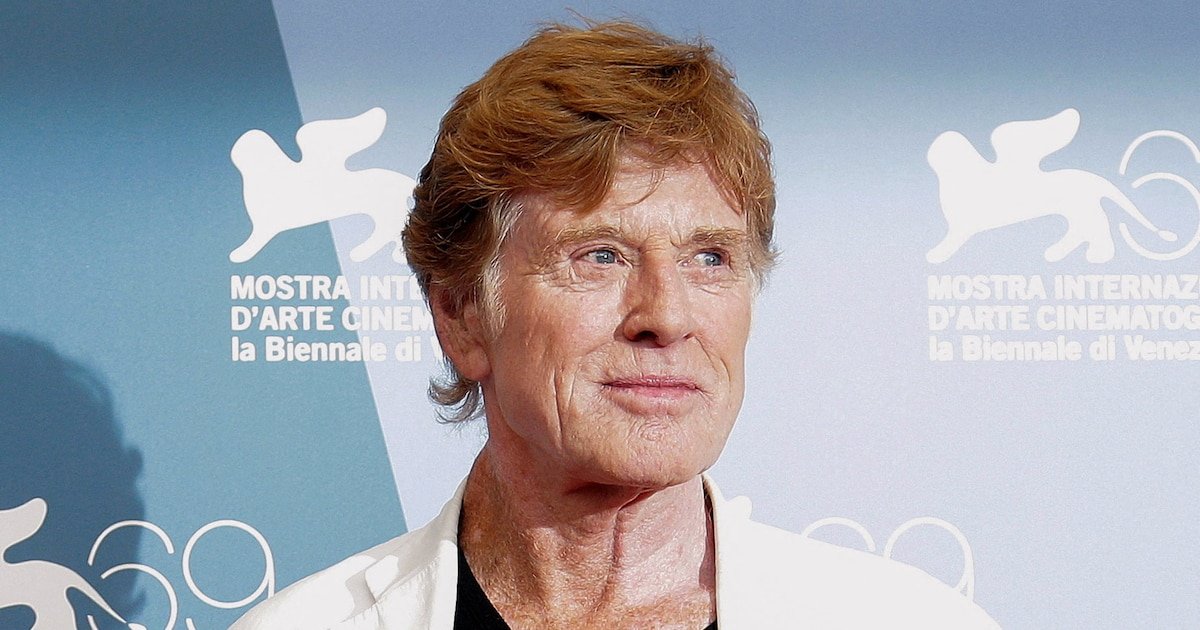
Gente como uno (Ordinary People), la película dirigida por Robert Redford, ha sido reconocida por especialistas en salud mental como una de las representaciones más respetuosas y precisas de los conflictos emocionales en el entorno familiar.
A más de 40 años de su estreno, el filme continúa siendo recomendado por profesionales, quienes destacan su capacidad para abordar temas complejos como la depresión y el suicidio con una sensibilidad inusual en la industria cinematográfica.
En una época donde la preocupación por la salud mental crece y el debate público exige representaciones responsables en los medios, Gente como uno emerge como un referente. El largometraje, que obtuvo un gran reconocimiento en los Premios Oscars, está protagonizado por Donald Sutherland, Mary Tyler Moore y Timothy Hutton. La historia sigue a los Jarrett, una familia de clase media alta en las afueras de Chicago, que intenta reconstruirse tras una tragedia devastadora: la muerte de uno de los hijos adolescentes en un accidente náutico.
El otro hijo, Conrad Jarrett, sobrevive al accidente, pero sufre las consecuencias emocionales y, poco después, intenta quitarse la vida. Tras pasar cuatro meses internado, Conrad regresa a casa, donde la normalidad es solo una fachada. El guion narra cómo cada integrante de la familia afronta el dolor de manera diferente, exponiendo las grietas emocionales y la dificultad para comunicarse.
La situación lleva a Conrad a retomar la terapia psiquiátrica con el Dr. Berger, un proceso que revela tanto el sufrimiento individual como la dinámica disfuncional de los Jarrett.
Especialistas en salud mental han elogiado el tratamiento que Robert Redford otorga a la enfermedad mental dentro del núcleo familiar. Brett Wean, miembro de la Fundación Americana de Prevención del Suicidio, explicó: “A lo largo de la película se puede ver cómo se rompe la relación entre los dos padres”.
Wean destaca que los personajes de Sutherland y Tyler Moore representan dos formas opuestas de enfrentar la enfermedad de su hijo, mostrando la complejidad de esos vínculos y el impacto que la depresión puede tener en toda la familia.
El filme no solo centra su atención en los síntomas de la depresión de Conrad, sino que también pone en primer plano la incapacidad de los padres para comprender y acompañar a su hijo. Esta aproximación ha sido destacada por expertos, quienes consideran que la película logra “una gran respuesta para los cineastas que desean incluir una representación visual de un intento de suicidio en sus películas”.
La obra de Redford evita el sensacionalismo y apuesta por el realismo, aportando una herramienta valiosa para quienes buscan comprender el sufrimiento adolescente y el papel del entorno familiar en la recuperación.

Aunque con el paso del tiempo algunos críticos han puesto en duda su legado por imponerse en los Oscars a títulos como Toro salvaje, Gente como uno mantiene su relevancia en el debate contemporáneo sobre salud mental. Los especialistas insisten en que es una película “importante que rescatar”, no solo por la calidad de sus interpretaciones, sino por su enfoque pionero y respetuoso.
La película se distingue por mostrar el proceso de recuperación emocional sin caer en fórmulas fáciles. La terapia de Conrad se presenta como un espacio de honestidad, donde el personaje puede explorar sus emociones y reconstruir la confianza en sí mismo. Al mismo tiempo, la relación con sus padres evoluciona, evidenciando la dificultad de sanar cuando el entorno no está preparado para afrontar el dolor.
Gente como uno ofrece un retrato que sigue vigente y que resulta útil tanto para familias como para profesionales de la salud mental. Su valor reside en la capacidad de abrir conversaciones necesarias sobre temas que suelen ser silenciados. “La película es ejemplar a la hora de tratar el riesgo del suicidio del joven”, afirmó Brett Wean, planteando así una problemática que requiere atención y empatía en todos los ámbitos sociales.

Valentina Zenere y Sebastián Ortega, enamorados en Punta del Este: almuerzo al aire libre y el look urbano de la actriz

Allanan la casa de Javier Faroni, el empresario ligado a Claudio «Chiqui” Tapia que es investigado por el desvío de millones de dólares de la AFA en el exterior

Mathieu Flamini: el exfutbolista que tiene más dinero que Barça, Madrid y varios ‘gigantes’ más juntos

Allanan la casa del empresario Javier Faroni y la sede de la AFA

Taiwán detectó 130 aeronaves militares del régimen chino durante las maniobras militares de Beijing alrededor de la isla

¿La Argentina es cara o barata?: cuánto cuesta comprar los mismos productos en comparación con otros 9 países

Una legisladora de izquierda enfrentará un juicio oral por expresiones antisemitas

Calendario de pagos de ANSES de enero 2026: cuándo cobran jubilados, pensionados y beneficiarios de planes sociales

Milei logra su primera ley de Presupuesto: dólar e inflación en 2026 y una herramienta para Caputo

Patricia Bullrich destacó la aprobación del Presupuesto 2026 y la ruptura del peronismo en el Senado

 ECONOMIA2 días ago
Calendario de pagos de ANSES de enero 2026: cuándo cobran jubilados, pensionados y beneficiarios de planes sociales
- POLITICA2 días ago
Patricia Bullrich destacó la aprobación del Presupuesto 2026 y la ruptura del peronismo en el Senado
- DEPORTE2 días ago
Jana Maradona, hija de Diego: «Toda la vida estuve en juicio con mi papá»