INTERNACIONAL
What would Trump’s use of the Insurrection Act look like in Minnesota?

NEWYou can now listen to Fox News articles!
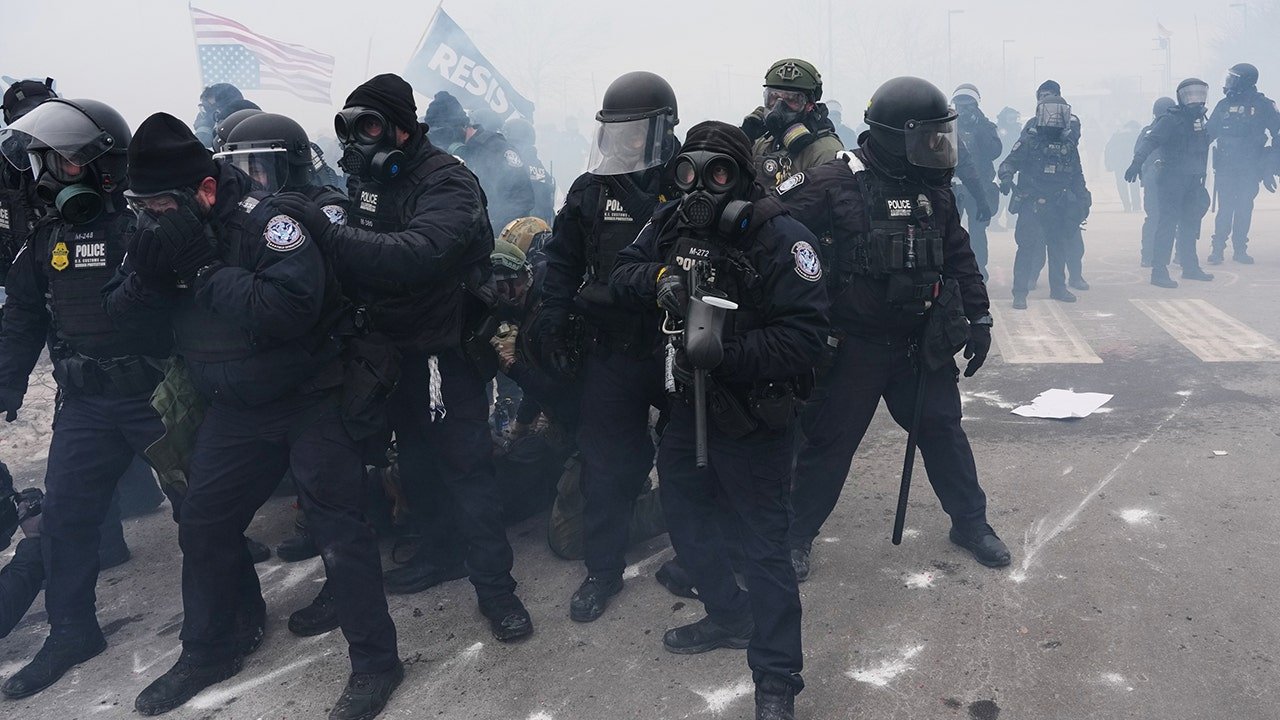
President Donald Trump responded to unrest in Minnesota this week by threatening to invoke the Insurrection Act, which critics said would amount to federal overreach and unnecessarily militarize cities.
Trump’s potential use of the Insurrection Act would be the latest of several instances of presidents using it and would allow active-duty U.S. military troops to conduct law enforcement within the state.
The statute authorizes the president to take the extraordinary step of deploying the military in the country under certain circumstances, including, according to the text of the law, when «unlawful obstructions, combinations, or assemblages, or rebellion» make it «impracticable to enforce the laws.»
TRUMP THREATENS TO INVOKE INSURRECTION ACT IN MINNESOTA IF AGITATORS KEEP ATTACKING FEDERAL OFFICERS
Federal immigration officers stand outside Bishop Henry Whipple Federal Building Jan. 15, 2026, in Minneapolis. (John Locher/AP)
The powerful law allows the president to «take such measures as he considers necessary to suppress [an] insurrection» when state officials are unwilling or unable to. The law functions as an exception to the Posse Comitatus Act, which says the military cannot be used as a domestic police force, and it allows the president to bypass Congress.
Trump seeks to stop ‘professional agitators’
Trump framed the possible use of the Insurrection Act as a means of addressing what he said were failures by Minnesota’s Democratic leadership.
«If the corrupt politicians of Minnesota don’t obey the law and stop the professional agitators and insurrectionists from attacking the Patriots of I.C.E., who are only trying to do their job, I will institute the INSURRECTION ACT,» he wrote.
On Friday, he told reporters he did not plan to use it, for now, but that he has not ruled it out.
«It has been used by 48% of the presidents as of this moment,» Trump said. «If I needed it, I’d use it. I don’t think there’s any reason right now to use it, but if I needed it, I’d use it.»
His remarks come as protests and instances of vandalism and violence continue to rock Minneapolis. Tensions skyrocketed this month after an ICE agent shot and killed Renee Good, a 37-year-old U.S. citizen who had an altercation with ICE that the FBI is now investigating as a possible assault on the agent.
DHS ARRESTS ARMED MAN WITH EXTRA AMMUNITION FOR ASSAULTING FEDERAL OFFICER AT LATE-NIGHT MINNEAPOLIS RIOT
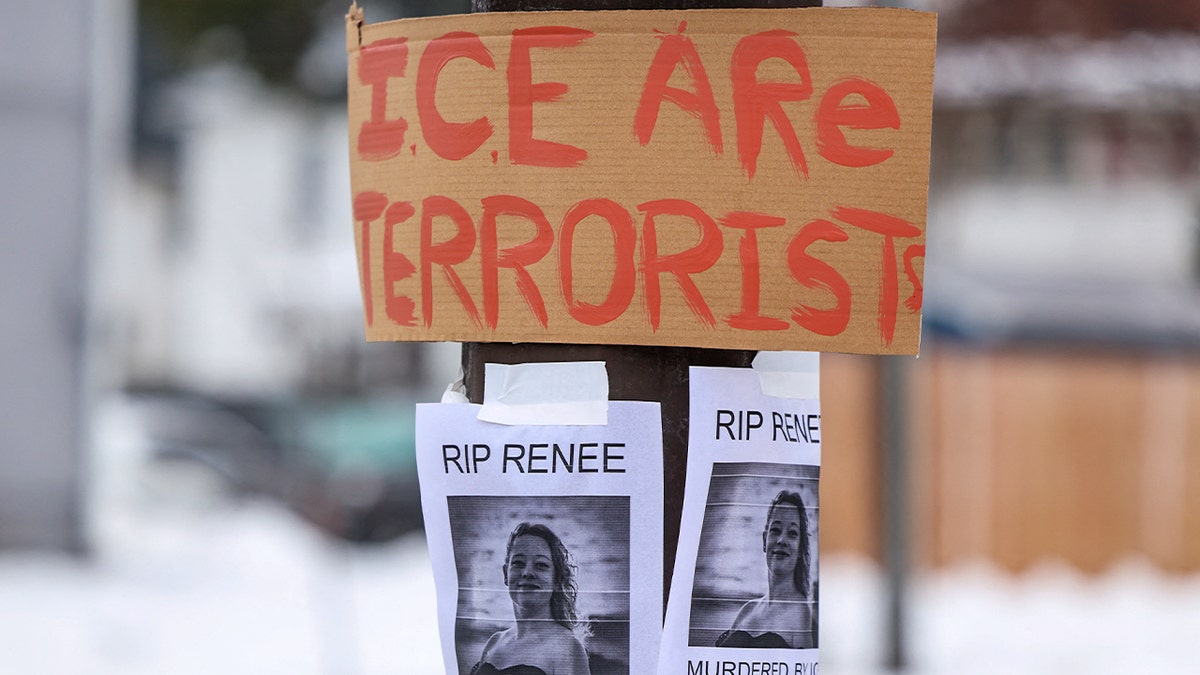
A picture of Renee Good is displayed Jan. 8, 2026, near a makeshift memorial for Good, who was shot and killed at point-blank range Jan. 7 by an Immigration and Customs Enforcement agent as she apparently tried to drive away from agents who were crowding around her car in Minneapolis. (Charly Triballeau/AFP via Getty Images)
The shooting happened after DHS deployed thousands of ICE agents to Minnesota in recent weeks as part of Operation Metro Surge, which has led to at least 2,000 arrests, according to court papers filed as part of a lawsuit Minnesota’s leaders brought against the administration over the crackdown.
A federal judge recently denied Minnesota’s request for an emergency order that would have paused ICE’s work.
Minnesota’s leaders, openly at odds with the administration, argued the Insurrection Act would improperly militarize a domestic conflict that should be handled by the state.
«Minnesota needs ICE to leave, not an escalation that brings additional federal troops beyond the 3,000 [ICE agents] already here,» Minneapolis Mayor Jacob Frey wrote on X. «My priority is keeping local law enforcement focused on public safety, not diverted by federal overreach.»
Gov. Tim Walz responded to Trump’s call by asking him to «turn the temperature down.»
Asked about what would justify the use of the Insurrection Act, Chad Wolf, America First Policy Institute’s chair of homeland security and immigration, told Fox News Digital the president could have «little choice» but to invoke the Insurrection Act.
«If the situation on the ground in Minneapolis continues to grow violent, with ICE officers being targeted and injured as well as other violent acts, and Governor Walz and Mayor Frey continue to restrict local law enforcement from doing their job and encouraging their residents to resist ICE, President Trump will have little choice,» Wolf, former acting secretary of DHS, said.
«Local leadership is currently taking all the wrong steps and making the situation worse. I hope common sense will eventually prevail.»
What could the military do in Minnesota?
There are few restrictions on how Trump could use the military in Minnesota if he were to do so under the Insurrection Act, which legal experts say is lacking in specifics and gives the president wide latitude.
The Trump administration would first draft an order outlining which military forces would be used and how.
MIKE DAVIS: WHAT IS HAPPENING IN MINNESOTA IS WHY WE HAVE THE INSURRECTION ACT
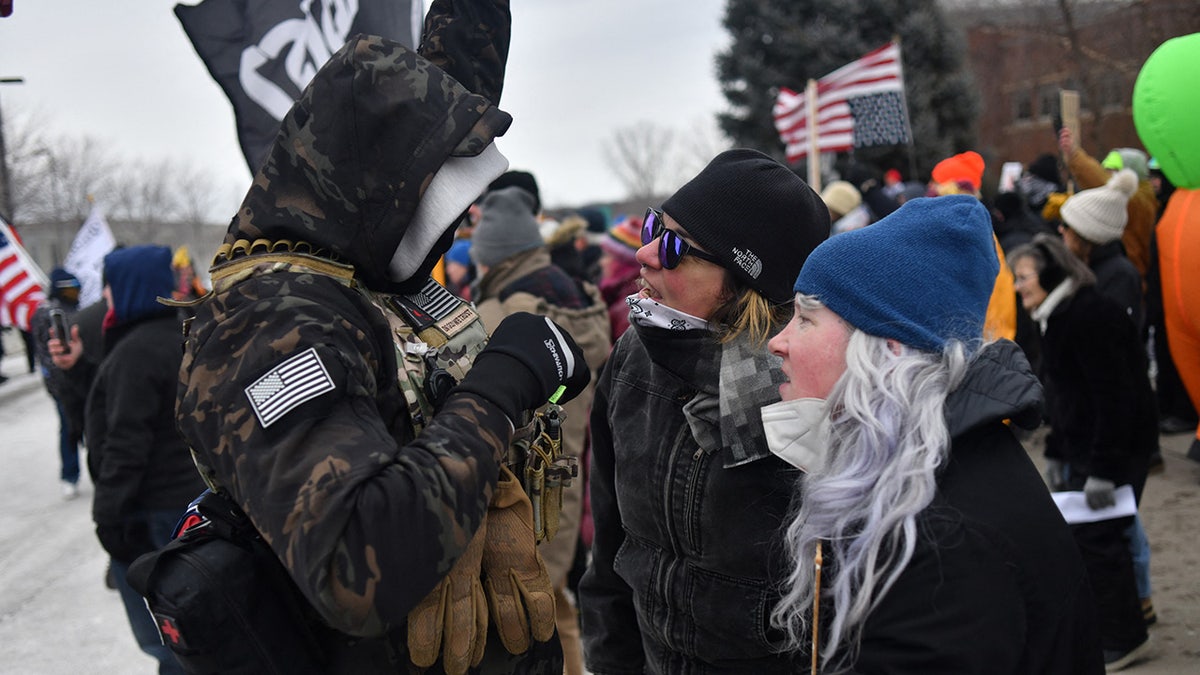
A confrontation between protesters and an ICE supporter during a demonstration outside the Bishop Whipple Federal Building in Minneapolis Jan. 15, 2026. (Octavio Jones/AFP via Getty Images)
The president could then direct the troops to carry out numerous tasks, such as enforcing federal laws, breaking up protests or otherwise suppressing what Trump deems to be rebellious activity.
What else have presidents used it for?
The Insurrection Act dates back to 1807, and although it has been used several times, Trump would be the first to invoke it since President George H.W. Bush used it to quell Los Angeles riots in 1992.
President Abraham Lincoln used what amounted to Insurrection Act powers to respond to a rebellion within the Confederacy in the Civil War era.
In the 1940s, President Franklin Roosevelt deployed 6,000 Army troops to Detroit under the Insurrection Act in response to race riots .
President Dwight Eisenhower used the law to deploy the 101st Airborne Division to Little Rock, Arkansas, in the 1950s to enforce civil rights laws in the face of resistance from the state. President John F. Kennedy later used the military for similar purposes in Alabama.
Would the Insurrection Act stand up in court?
Trump federalized the National Guard under Title 10, a separate statute, to respond to anti-ICE activity in Illinois and Oregon, but the Supreme Court recently halted those deployments.
Trump would be testing out an alternative by invoking the Insurrection Act, which has faced minimal scrutiny in the courts.
Jonathan Turley, a law professor at George Washington University, told Fox News Digital he hoped the use of the Insurrection Act could be avoided but that Trump would have a solid legal argument if it were challenged in court.
CLICK HERE TO GET THE FOX NEWS APP
«The rhetoric of the mayor and the governor has only strengthened the case for the administration in fueling the rage and protests,» Turley said. «The relative lack of support from local police is analogous to the conditions used by prior presidents to invoke the act. While the Justice Department has one internal opinion emphasizing the need for a breakdown of law and order, the act itself is highly permissive and generally worded.»
immigration,judiciary,donald trump,federal courts,minnesota







INTERNACIONAL
Senate Republicans push for House GOP rebellion against funding package, voter ID legislation
NEWYou can now listen to Fox News articles!
A pair of Senate Republicans are pushing their House counterparts to reject the Trump-backed shutdown deal unless it includes Homeland Security funding and election integrity legislation.
Sens. Rick Scott, R-Fla., and Mike Lee, R-Utah, are calling on House Republicans to push back against the Senate-passed funding package, which includes bills to fund five agencies, including the Pentagon, as a partial government shutdown continues.
They contended that the package needs to be retooled, and must include a modified version of the Safeguarding American Voter Eligibility Act, dubbed the SAVE America Act, and the Homeland Security (DHS) funding bill, which was stripped out after Senate Democrats threatened to blow up the government funding process.
HOUSE DEMOCRATS MUTINY SCHUMER’S DEAL WITH WHITE HOUSE, THREATENING LONGER SHUTDOWN
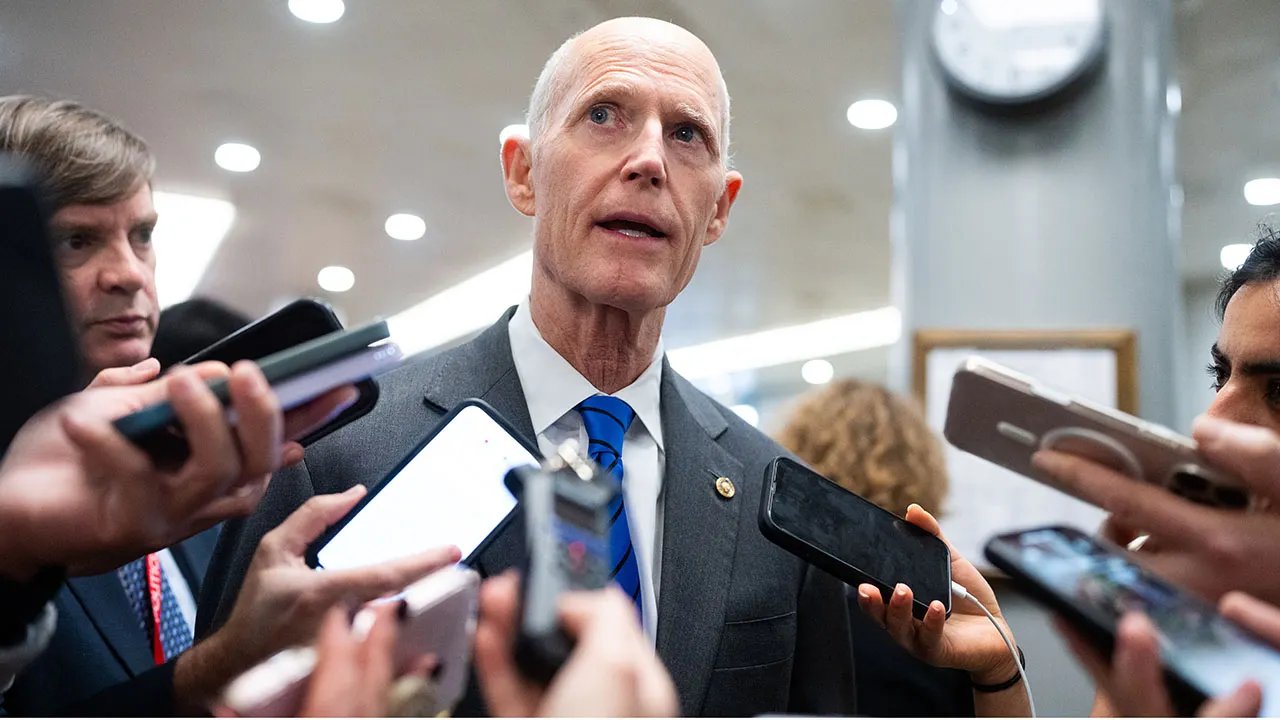
Sen. Rick Scott demanded that his House Republican colleagues reject the Senate-passed funding package unless it included DHS spending and voter ID legislation. (Bill Clark/CQ-Roll Call, Inc via Getty Images)
Doing so could extend what was expected to be a short-term shutdown.
Scott said congressional Democrats would «NEVER fund DHS» and Immigration and Customs Enforcement (ICE). He voted against the package twice, arguing that the spending levels would further bloat the nation’s eye-popping $38 trillion national debt, and that the billions in earmarks betrayed Republicans’ previous vows of fiscal restraint.
«If House Republicans don’t put the DHS bill back in, add the SAVE America Act and remove the wasteful earmarks, Democrats win,» Scott said. «We must protect our homeland, secure our elections and end the reckless spending NOW!»
HOUSE CONSERVATIVES THREATEN EXTENDED SHUTDOWN OVER ELECTION INTEGRITY MEASURE

Sen. Mike Lee wants House Republicans to push back against the Trump-backed government funding deal, and demanded that it include DHS funding and his voter ID legislation. (Bill Clark/CQ-Roll Call, Inc via Getty Images)
Lee also rejected the package in the Senate because of earmarks. He also agreed with Scott, and pushed for his SAVE America Act, which he introduced alongside Rep. Chip Roy, R-Texas, to be included.
«To my friends in the House GOP: Please put DHS funding back in, then add the SAVE America Act,» Lee wrote on X.
The updated version of the SAVE Act would require that people present photo identification before voting, states obtain proof of citizenship in-person when people register to vote and remove noncitizens from voter rolls.
But their demands run counter to the desire of President Donald Trump, who brokered a truce with Senate Minority Leader Chuck Schumer, D-N.Y., to strip the DHS bill following the fatal shooting of Alex Pretti during an immigration operation in Minneapolis in order to ram the funding package through the Senate.
GOVERNMENT SHUTS DOWN AGAIN AFTER DEMOCRATS REVOLT OVER DHS FUNDING
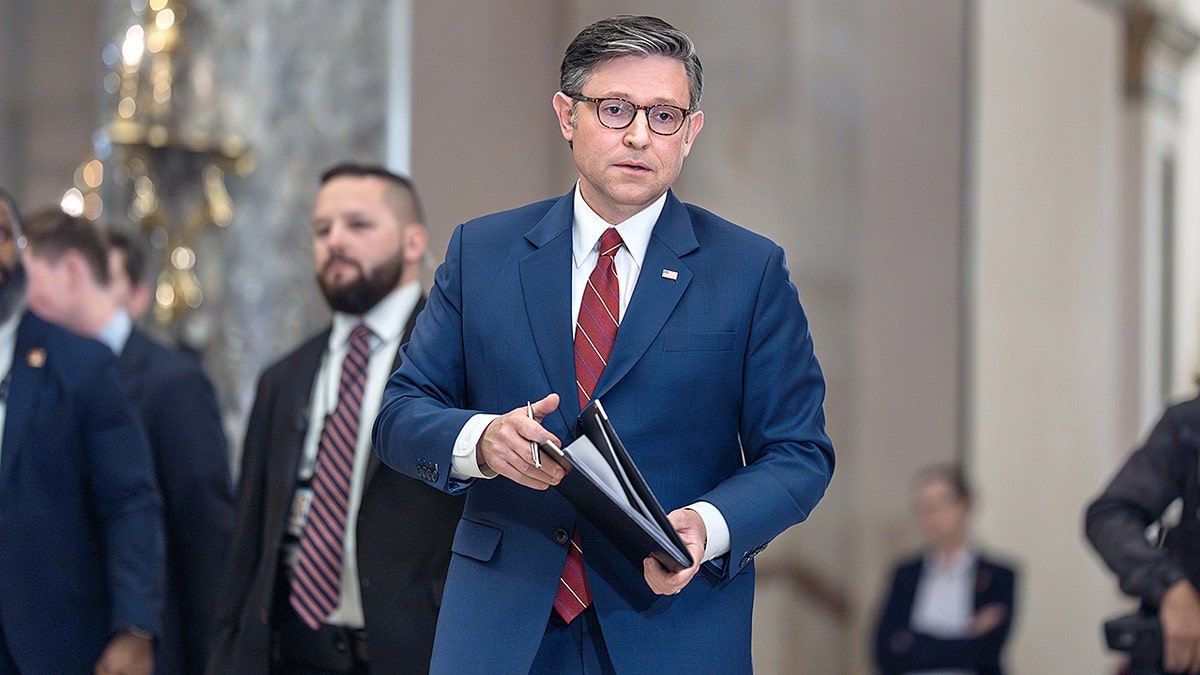
Speaker Mike Johnson walks from the chamber after the final vote to bring the longest government shutdown in history to an end, at the Capitol, Nov. 12, 2025. (J. Scott Applewhite/AP Photo)
And any changes to the deal, like including the SAVE America Act or adding the DHS bill, would send the package back to the Senate, where Schumer and his caucus would likely reject it.
That would create a back-and-forth between the chambers that would further prolong what was meant to be a temporary shutdown.
CLICK HERE TO DOWNLOAD THE FOX NEWS APP
Their demands also place House Speaker Mike Johnson, R-La., in a precarious position, given that several House Republicans want to extract concessions from congressional Democrats. Rep. Anna Paulina Luna, R-Fla., is already leading a charge to include the SAVE Act in the funding package.
Johnson will have to shore up any resistance among his conference, given that House Minority Leader Hakeem Jeffries, D-N.Y., made clear to the speaker that any attempt to fast-track the legislation on Monday, when the House returns, would fail.
politics,senate,government shutdown,house of representatives politics,donald trump
INTERNACIONAL
El Salvador está en la recta final para modificaciones en el DUI, previo a comicios de 2027
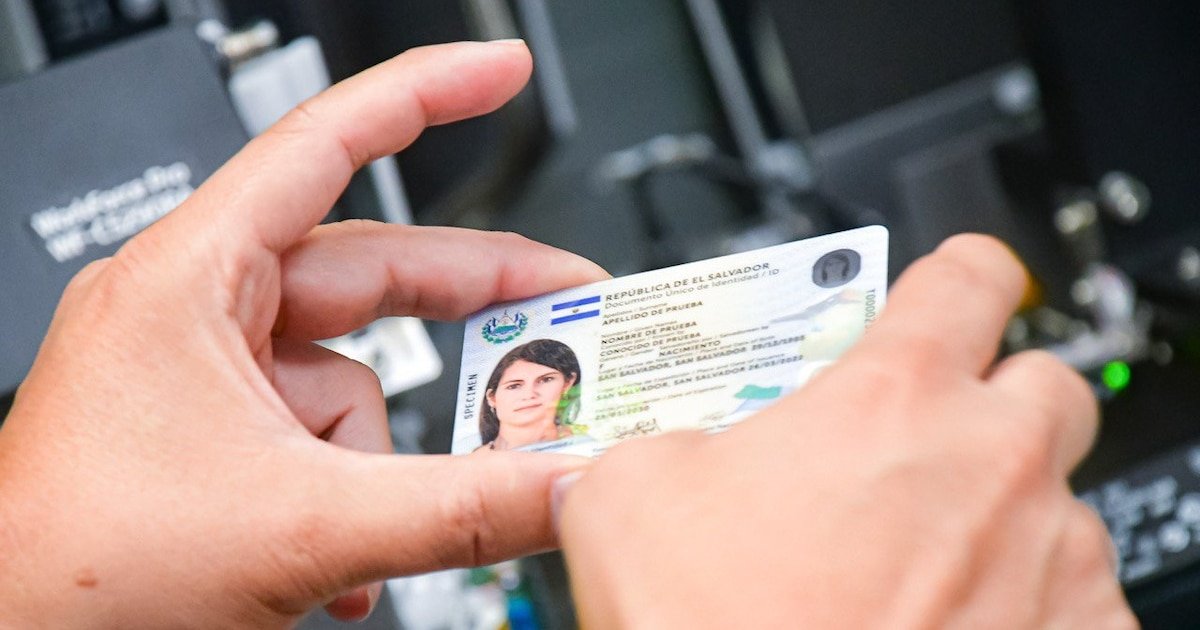
Los salvadoreños tienen 27 días para realizar cambios en el Documento Único de Identidad (DUI), antes que el Tribunal Supremo Electoral (TSE) cierre el plazo otorgado para las modificaciones, un proceso esencial de cara a las elecciones generales previstas para el 28 de febrero de 2027.
En octubre de 2025, el entonces presidente del Registro Nacional de Personas Naturales (RNPN), Fernando Velasco, informó en entrevista televisiva la fecha límite para realizar cambios al documento de identidad salvadoreño.
“Los ciudadanos tienen hasta el 27 de febrero de 2026 para hacer cualquier modificación en cuanto a la dirección que aparece dentro del Documento Único de Identidad (DUI)”, dijo.
En ese sentido, quedan solo 27 días para realizar modificaciones, esto de acuerdo con los plazos establecidos en la normativa electoral de El Salvador.

Según las autoridades, la dirección registrada en el DUI incide en la elaboración del registro electoral, conocido popularmente como padrón electoral, pues sirve de referencia para definir dónde votará cada salvadoreño, y en qué municipio y departamento deberá emitir el sufragio para elegir al concejo municipal y diputados a la Asamblea Legislativa.
El artículo 14 del Código Electoral indica que el registro está “constituido por todos los ciudadanos y ciudadanas salvadoreños y salvadoreñas que de acuerdo con la Constitución y las leyes de la República se encuentran en capacidad de ejercer el sufragio”.
Al modificar la información en el DUI, se facilita que el RNPN proporcione datos certeros al TSE, como los nombres y apellidos; departamento, municipio, día, mes y año de nacimiento; nombre y apellido de la madre; nombre y apellido del padre; profesión u oficio y nivel de estudios realizados; estado familiar; municipio y lugar de residencia; sexo; firma y huella, entre otros, de acuerdo con lo estipulado en el artículo 17 del mismo Código.
Esta información también es vital para poder asignarle a cada ciudadano el centro de votación más cercano a su lugar de residencia y facilitar de esta manera la emisión del sufragio.

El cierre del plazo para este trámite no es algo antojadizo, responde a los periodos establecidos en el artículo 20 del Código. “El registro electoral suspenderá el proceso de inscripción de ciudadanos y ciudadanas 180 días antes de la fecha señalada para celebrar las elecciones; y la modificación de residencias de ciudadanos y ciudadanas un año antes, debiéndose cerrar definitivamente 120 días antes de la fecha de las elecciones”, reza el mencionado artículo.
De acuerdo con el calendario electoral publicado por el TSE en su sitio web, al finalizar este proceso el ente colegiado iniciará con la fase II, misma que comprende la convocatoria y realización de elecciones internas de partidos políticos para elegir candidatos, cuya fecha límite prevista es el 29 de julio de este año.
Los tiempos varían para el extranjero de acuerdo con el calendario. Actualmente, el RNPN impulsa en el exterior una jornada extraordinaria para trámites de duis. En su cuenta de X la institución ha informado sobre jornadas que se están realizando en Estados Unidos, España y Canadá.
Un punto importante a considerar es que el proceso coincide este año con la renovación masiva de duis (más de 1.6 millones de documentos que se deben renovar); a raíz de ello, el RNPN ha programado reforzar las 24 oficinas que se encuentran alrededor del mundo con personal y equipo para atender trámites de renovaciones y cambios de dirección de residencia, entre otras diligencias, previo los comicios de 2027.
INTERNACIONAL
Rusia mató a 12 trabajadores mineros en un ataque con dron contra un autobús en el este de Ucrania
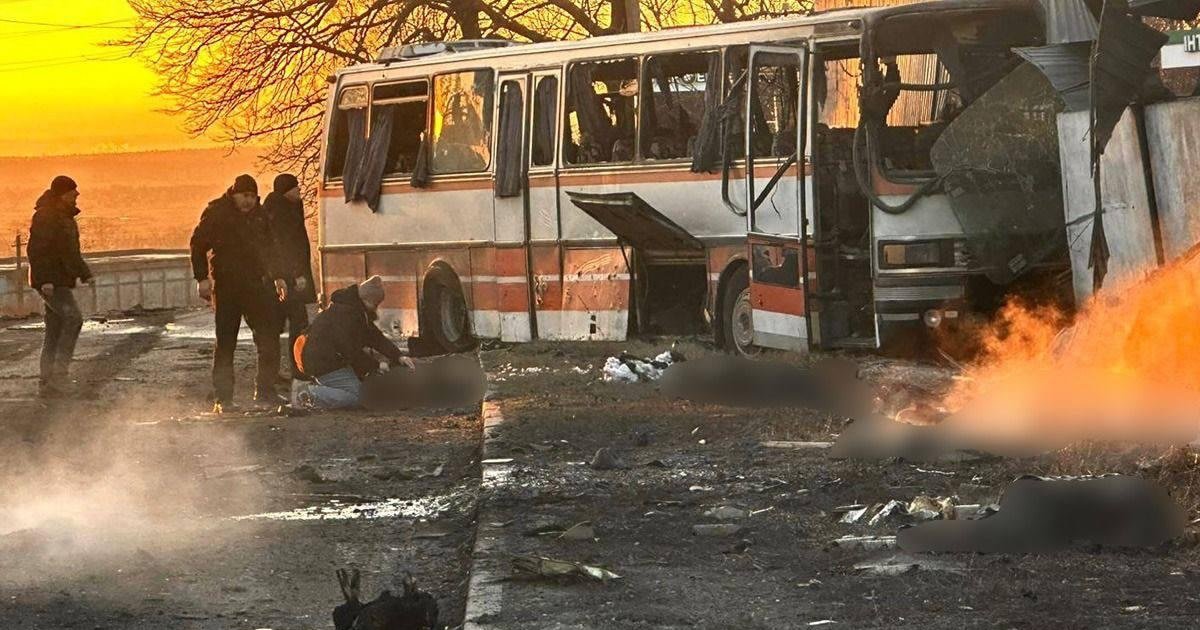
Al menos 12 personas murieron y otras siete heridas cuando un dron ruso impactó un autobús que trasladaba trabajadores mineros en la región de Dnipropetrovsk, en el centro-este de Ucrania, este domingo, según informaron las autoridades regionales.
El autobús se encontraba en las inmediaciones de Ternivka, una localidad ubicada a aproximadamente 65 kilómetros de la línea del frente, según indicó la policía.
“El dron enemigo impactó cerca de un autobús de transporte de empresa en el distrito de Pavlograd. Preliminarmente, 12 personas murieron y otras siete más resultaron heridas”, dijo Oleksandr Ganzha, jefe de la administración militar regional, en un mensaje en Telegram.

DTEK, la mayor empresa privada de energía de Ucrania, confirmó que las víctimas eran trabajadores que regresaban de una de sus instalaciones mineras en la región tras terminar su turno.
Imágenes publicadas por el servicio de emergencias del Estado ucraniano mostraron el autobús aparentemente vacío, con las ventanas laterales destrozadas y el parabrisas colgando de la parte delantera del vehículo.

Los ataques se produjeron el mismo día en que debía finalizar la reducción unilateral de los ataques rusos contra Ucrania anunciada por el presidente estadounidense Donald Trump. Trump señaló el jueves que el presidente ruso Vladimir Putin había acordado cesar los ataques contra Kiev y “varias ciudades” durante el periodo de bajas temperaturas, aunque los términos del acuerdo no fueron del todo claros y el Kremlin no vinculó la supuesta tregua al clima.

Los ataques no se limitaron a la región de Dnipropetrovsk. Un ataque previo con drones en la misma provincia durante la noche mató a un hombre y a una mujer en la ciudad central de Dnipro, según informó Ganzha en un mensaje anterior.
Más temprano el mismo día, un dron ruso impactó un hospital de maternidad en la región sureña de Zaporizhzhia, hiriendo a al menos siete personas, incluyendo a dos mujeres que se sometían a exámenes médicos en el momento del ataque, según el gobernador regional Ivan Fedórov. Las imágenes publicadas por Fedórov mostraron consultorios devastados, ventanas rotas y escombros dispersos por el suelo del centro sanitario.
En la ciudad de Kherson, en el sur del país, un bombardeo ruso alcanzó el centro urbano la misma mañana del domingo, dejando gravemente herida a una mujer de 59 años.
La fuerza aérea ucraniana indicó en su informe matinal que las defensas del país lograron neutralizar 76 de un total de 90 drones lanzados por Rusia durante la última jornada. Aproximadamente 60 de estos aparatos fueron del modelo Shahed, aunque también se identificaron drones de otros tipos. Los ataques se produjeron entre las 18:00 del sábado y las 8:30 del domingo, lanzados desde regiones rusas y zonas ocupadas en Donetsk. De los 90 drones, 14 lograron impactar en nueve ubicaciones distintas del país.
Estos ataques ocurren mientras las negociaciones de paz entre Rusia, Ucrania y Estados Unidos se preparan para retomar esta semana. El presidente ucraniano Volodimir Zelensky anunció este domingo que la segunda ronda de conversaciones trilaterales está programada para el 4 y 5 de febrero en Abu Dabi.
Zelensky declaró que durante el mes de enero, Rusia lanzó más de 6.000 drones, 5.500 bombas aéreas y 158 misiles contra territorio ucraniano, con ataques dirigidos principalmente contra el sistema energético, las vías férreas y la infraestructura civil. El mandatario ucraniano hizo un nuevo llamado a sus aliados para que suministren más misiles antiaéreos y cazabombarderos F-16.

El Chaqueño Palavecino negó ser “alcahuete del poder” y habló de su gesto con Milei en el festival de Jesús María

Matías Alé contó el motivo por el que echó a Alfa de su obra en Mar del Plata: “Me perjudicaba”

“Préstamo del año”: el oleoducto de USD 2000 millones que transformará Vaca Muerta ganó un premio internacional

Canales para ver el Atlético Tucumán vs. Huracán por el Torneo Apertura

Senate Republicans push for House GOP rebellion against funding package, voter ID legislation

Milei adelanta la campaña electoral con viajes al interior, pero mantiene el “pacto de no agresión” con gobernadores dialoguistas

La escandalosa prohibición de María Susini: por qué no quiere que Facundo Arana se acerque a sus hijos

¿Nuevo romance en el espectáculo? El video que involucró a dos famosos muy reconocidos

A qué hora puede llover hoy en CABA, según el Servicio Meteorológico Nacional

Julieta Díaz contó por qué no funcionó su noviazgo con Luciano Castro en medio de la separación con Griselda Siciliani

 CLIMA NOTICIAS2 días ago
A qué hora puede llover hoy en CABA, según el Servicio Meteorológico Nacional
- CHIMENTOS2 días ago
Julieta Díaz contó por qué no funcionó su noviazgo con Luciano Castro en medio de la separación con Griselda Siciliani
- POLITICA3 días ago
Maximo Kirchner propuso que Axel Kicillof presida el PJ Bonaerense