INTERNACIONAL
Why did Pope Francis restrict the ancient Latin Mass?

One of the most controversial aspects of Pope Francis’ legacy as the leader of the Catholic Church is his decision to restrict an older form of the Catholic liturgy known as the Traditional Latin Mass.
Francis explained that he decided to restrict the Latin Mass because he was concerned its use was leading to division in the Church. Francis said he felt the more ancient mass was «being used in an ideological way» in reaction to modernity, including the more modern Vatican II mass.
The mass — from the Latin word «missa,» which means «sacrifice» — consists of the «Liturgy of the Word» and «Liturgy of the Eucharist,» the latter of which is considered the most sacred and highest form of worship by Catholics.
The Latin Mass, which was formalized by Pope St. Pius V in 1570 and continues to be practiced by some Catholics today, has several key differences from the more common Vatican II mass, which was instituted in 1969. These differences include the entirety of the mass being said in Latin and the priest facing «ad orientem» («to the east») rather than facing the congregation.
BELLS TOLL AT VATICAN TO MARK POPE FRANCIS’ DEATH
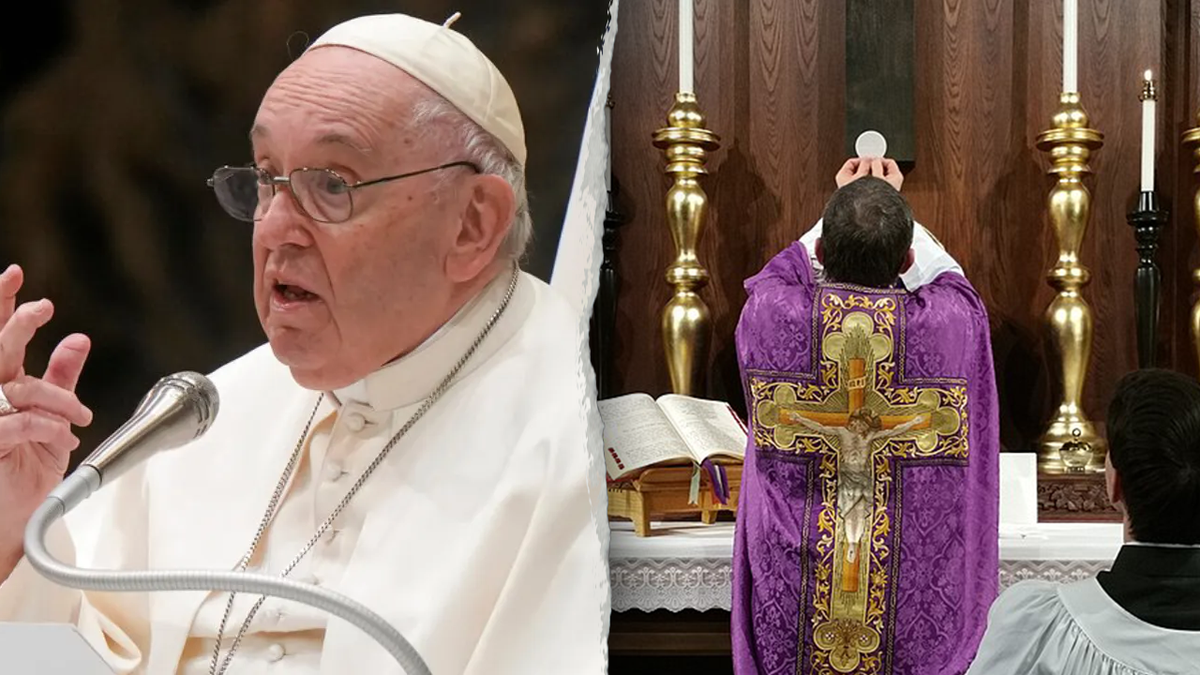
One of the most controversial aspects of Pope Francis’ legacy as the leader of the Catholic Church is his decision to restrict an older form of the Catholic liturgy known as the Traditional Latin Mass. (AP Photo/Andrew Medichini)
During his 12-year pontificate, Francis took several actions to limit the use of the Latin Mass throughout the world. The result was that the Latin Mass was relegated to a very limited number of churches, with it often only being offered by priests belonging to specific orders expressly devoted to it.
In 2021, Francis issued a set of instructions, called a «motu proprio,» in which he placed sweeping restrictions on the Latin Mass, including requiring priests wanting to say the mass to seek express approval from their local bishops. In 2023, Francis issued additional restrictions on the Latin Mass, requiring bishops to obtain express approval from the Vatican to allow it to be said in their jurisdictions and barring newly ordained priests from saying it.
The instructions diverged from the policy of Francis’ predecessor, Pope Benedict XVI, who had allowed all priests to say the Latin Mass.
In a conversation with Jesuits in 2023, Francis explained that he felt his predecessor’s allowances «were being used in an ideological way, to go backward.»
VANCE WAS ONE OF POPE FRANCIS’ LAST VISITORS
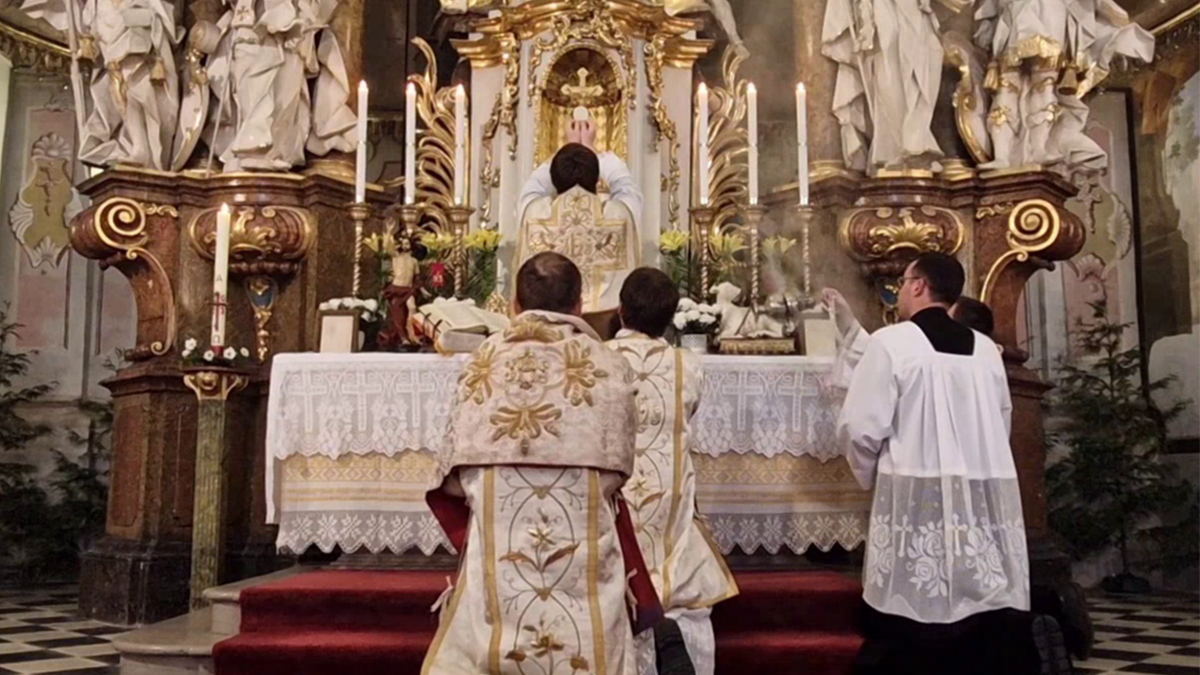
During his 12-year pontificate, Francis took several actions to limit the use of the Latin Mass throughout the world.
«The danger today is indietrismo, the reaction against the modern. It is a nostalgic disease,» he said. «This is why I decided that now the permission to celebrate according to the Roman Missal of 1962 [the Latin Mass] is mandatory for all newly consecrated priests.»
Francis said the restriction was «necessary to stop this indietrismo, which was not in the pastoral vision of my predecessors.»
CLICK HERE TO GET THE FOX NEWS APP
Despite this, Francis clarified that specific orders of priests, such as the Priestly Fraternity of St. Peter (FSSP), were not impacted by the restrictions.
After a 2024 meeting between Francis and Father Andrzej Komorowski, the head of FSSP, the order released a communique in which it said «in the course of the audience, the pope made it clear that institutes such as the Fraternity of St. Peter are not affected by the general provisions of the motu proprio … since the use of the ancient liturgical books was at the origin of their existence and is provided for in their constitutions.»

NEWYou can now listen to Fox News articles!
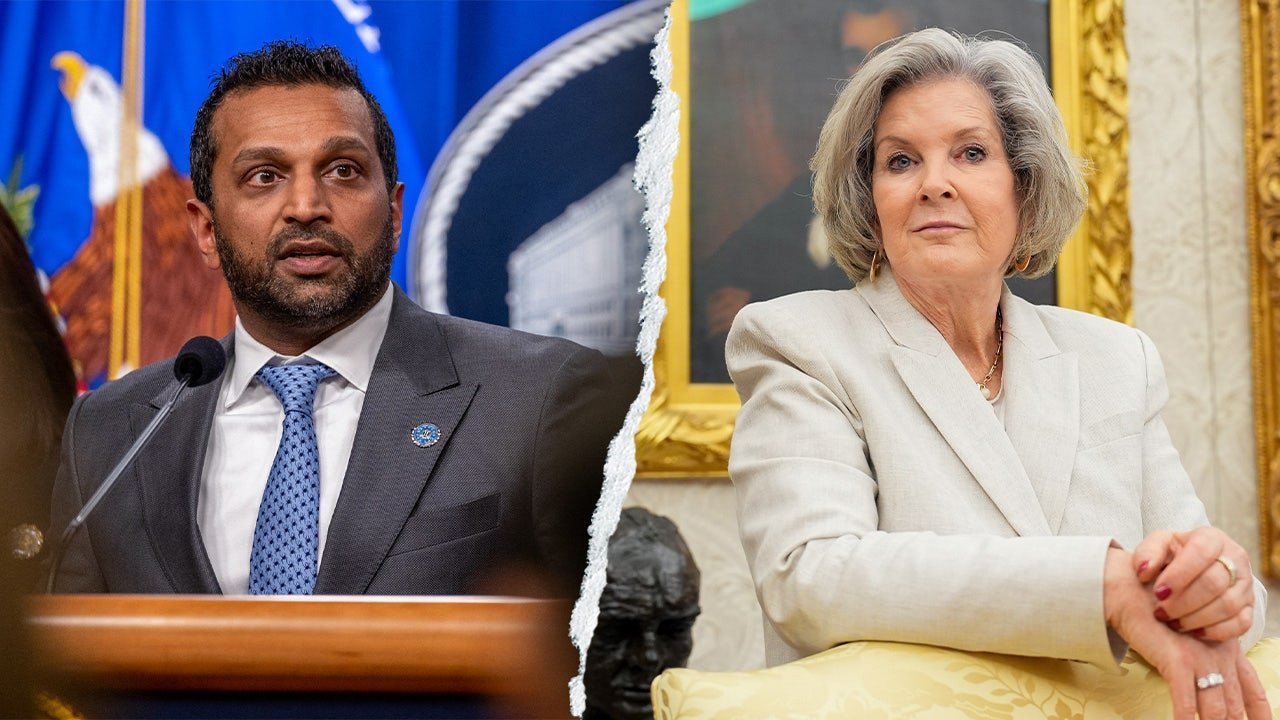
At least a dozen FBI employees were fired amid revelations the bureau under the Biden administration allegedly subpoenaed Kash Patel and Susie Wiles’ phone records in 2022 and 2023 as part of a federal probe into then-former President Donald Trump.
More than 10 FBI employees were fired Wednesday, and at least two more FBI employees were terminated Friday, Fox News has learned.
The FBI allegedly subpoenaed Patel’s and Wiles’ records in 2022 and 2023 while they were private citizens.
Patel now serves as the director of the FBI, and Wiles serves as the White House chief of staff.
The names of the fired bureau employees were not shared due to privacy reasons, and the FBI Agents Association (FBIAA) criticized the firings earlier in the week.
Kash Patel and Susie Wiles (Getty Images)
«The FBIAA condemns today’s unlawful termination of FBI special agents, which — like other firings by Director Patel — violates the due process rights of those who risk their lives to protect our country,» the organization said in a statement.
JACK SMITH TRACKED PRIVATE COMMUNICATIONS, CALLS OF NEARLY A DOZEN GOP SENATORS DURING J6 PROBE, FBI SAYS
«These actions weaken the bureau by stripping away critical expertise and destabilizing the workforce, undermining trust in leadership and jeopardizing the Bureau’s ability to meet its recruitment goals, ultimately putting the nation at greater risk.»
Reuters first disclosed the subpoenas, which were issued during the Biden administration while special counsel Jack Smith was investigating Trump’s alleged efforts to overturn the 2020 election and his handling of classified documents at Mar-a-Lago, Florida.
Smith ended up charging Trump in 2023 with multiple felony offenses related to alleged efforts to challenge the results of the 2020 election and Trump’s handling of the documents after he left office.
TOP 5 MOMENTS FROM JACK SMITH’S TESTIMONY ON CAPITOL HILL
A federal judge later dismissed the election interference case after Smith moved to drop it following Trump’s re-election, citing a Justice Department policy against prosecuting a sitting president.
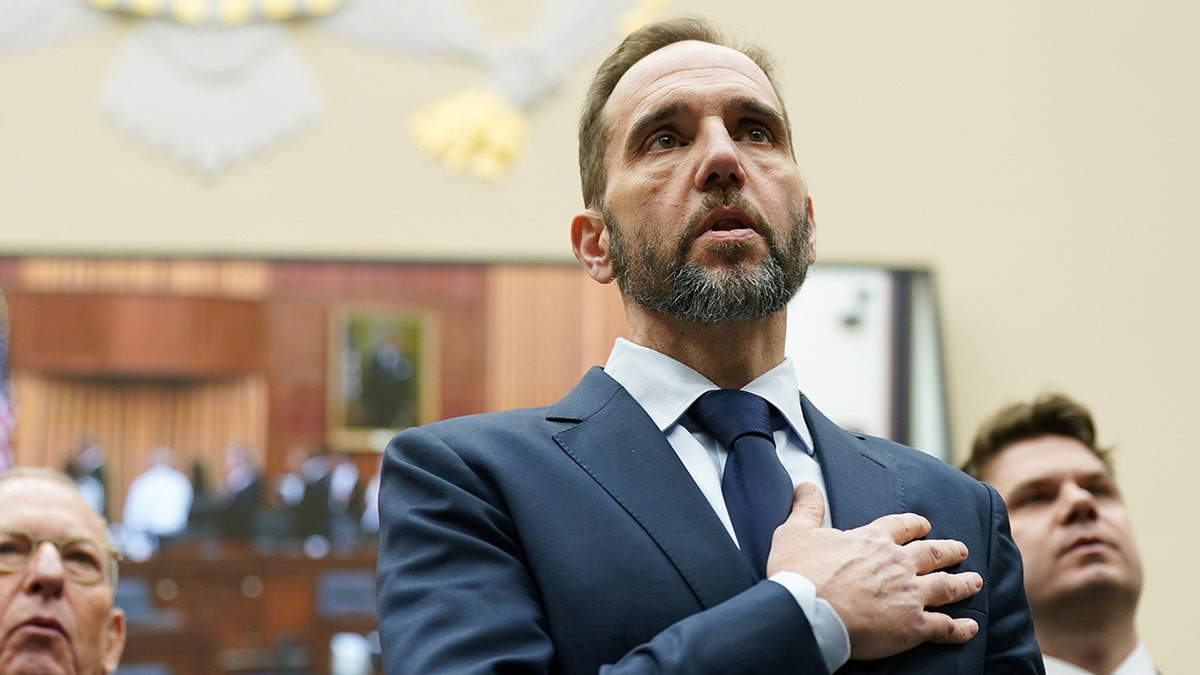
Former special counsel Jack Smith says the Pledge of Allegiance before he prepares to testify during a hearing before the House Judiciary Committee in the Rayburn House Office Building on Capitol Hill Jan. 22, 2026, in Washington, D.C. (Al Drago/Getty Images)
Smith also dropped the Justice Department’s appeal of a separate ruling that dismissed the classified documents case. Trump has denied any wrongdoing in both matters.
In a statement to Fox News Wednesday, Patel called the move to seize the phone records «outrageous and deeply alarming.»
«It is outrageous and deeply alarming that the previous FBI leadership secretly subpoenaed my own phone records — along with those of now White House chief of staff Susie Wiles — using flimsy pretexts and burying the entire process in prohibited case files designed to evade all oversight,» he said.
The FBI said it discovered the information in the bureau’s newly discovered «prohibited case file.»
FBI FIRES AGENTS, DISMANTLES CORRUPTION SQUAD AFTER PROBE UNVEILS MONITORING OF GOP SENATORS, PATEL SAYS
Patel also said he recently ended the FBI’s ability to categorize files as «prohibited.»
Fox News also learned from two FBI officials that, in 2023, FBI agents allegedly recorded a phone call between Wiles and her attorney.
According to those officials, Wiles’ attorney was aware the call was being recorded and consented, but Wiles was not informed.
Wiles’ 2023 attorney disputes those claims.
«If I ever pulled a stunt like that I wouldn’t — and shouldn’t — have a license to practice law,» the unidentified attorney said, according to Axios. «I’m as shocked as Susie.»
Smith testified in 2025 that records of members’ calls helped investigators verify the timeline of events surrounding the Jan. 6 Capitol riot.
CLICK HERE TO DOWNLOAD THE FOX NEWS APP
He said prosecutors «followed all legal requirements in getting those records» and told a House panel the records obtained from lawmakers did not include the content of conversations.
Fox News’ Emma Bussey and Emma Colton contributed to this report.
Related Article
fbi,white house,kash patel
INTERNACIONAL
El fin de la paciencia de Islamabad: por qué Pakistán decidió atacar Afganistán y qué rol juegan China y Rusia


NEWYou can now listen to Fox News articles!
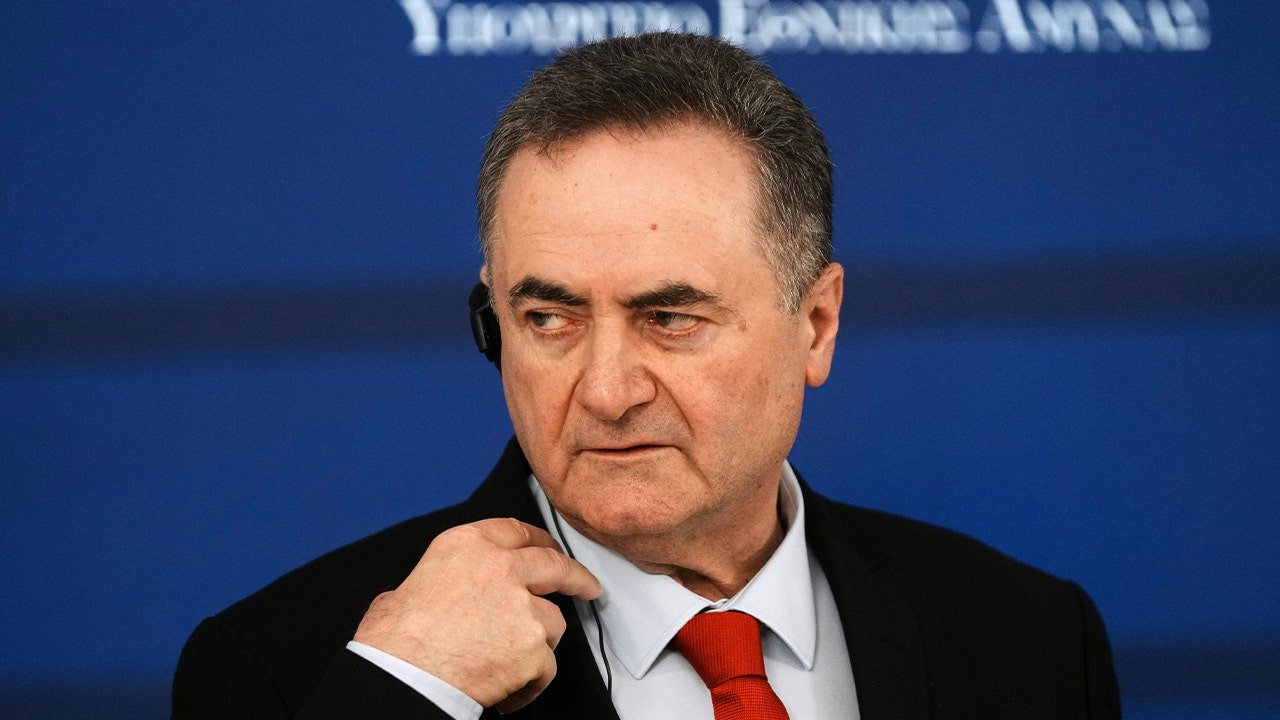
Israel launched a preemptive strike against Iran early Saturday, according to an announcement from Israeli Defense Minister Israel Katz.
Israeli Defense Minister Israel Katz makes statements with his Greek counterpart Nikos Dendias after their meeting in Athens, Greece, Tuesday, Jan. 20, 2026. (AP Photo/Thanassis Stavrakis)
Katz declared a special and immediate state of emergency across the entire country.
He said the strike was «to remove threats» against the state of Israel.
This is a developing story; please check back for updates.
CLICK HERE TO DOWNLOAD THE FOX NEWS APP
israel,iran,world,conflicts

FBI fires a dozen after Biden-era subpoenas of Patel, Wiles come to light

Cuándo se vota la reforma laboral de Javier Milei hoy, viernes 27 de febrero

El Gobierno evalúa gestos para las provincias de cara al 2027 y creen que podría haber más alianzas

El fin de la paciencia de Islamabad: por qué Pakistán decidió atacar Afganistán y qué rol juegan China y Rusia

Israel launches preemptive strike against Iran, defense minister says

Vacaciones, indemnizaciones y banco de horas: qué cambia tras la aprobación de la reforma laboral

Jorge Macri prepara su discurso para abrir el año legislativo: el deseo de reelección y el espejo en Bukele

Crisis en la industria: otra multinacional se achica y cierra una planta en la Argentina

Alarma por la salud de Divina Gloria tras salir de Gran Hermano: “La internaron directamente en terapia intensiva”

Uno por uno, todos los famosos que saludaron a Mirtha Legrand por sus 99 años

 POLITICA3 días ago
Jorge Macri prepara su discurso para abrir el año legislativo: el deseo de reelección y el espejo en Bukele
- ECONOMIA2 días ago
Crisis en la industria: otra multinacional se achica y cierra una planta en la Argentina
- CHIMENTOS1 día ago
Alarma por la salud de Divina Gloria tras salir de Gran Hermano: “La internaron directamente en terapia intensiva”