INTERNACIONAL
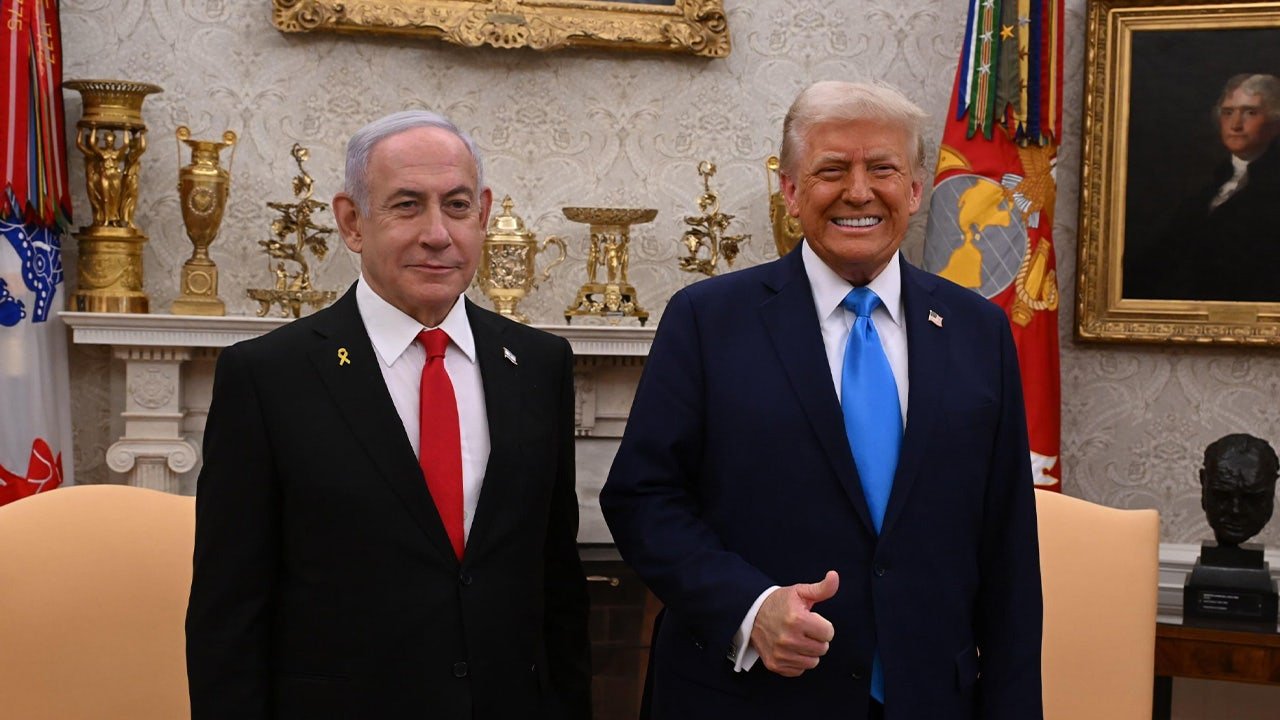
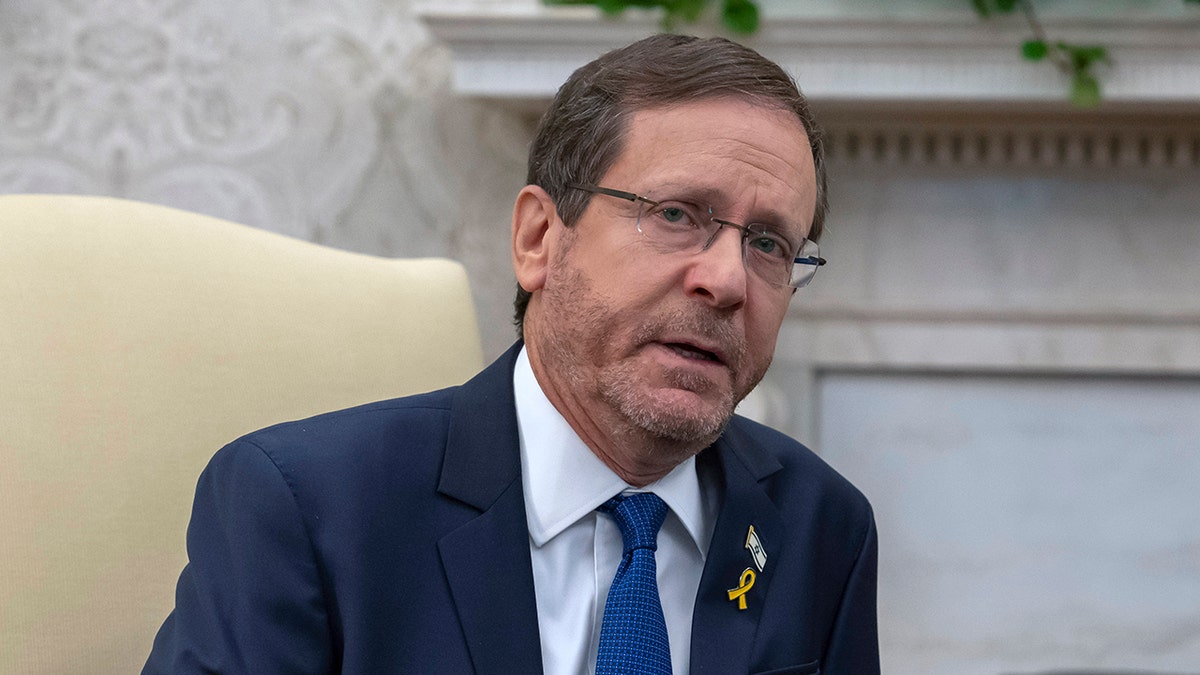
World leaders praise ‘landmark’ Israel-Hamas peace deal mediated by US: ‘New horizon of hope’


hannity,donald trump,middle east,israel,benjamin netanyahu












INTERNACIONAL
Israel pounds Hezbollah targets, daring Lebanon to reclaim sovereignty from Iran-backed terror proxy
NEWYou can now listen to Fox News articles!
Amid the ongoing conflict with Iran, analysts say the Trump administration should pressure Lebanon to fulfill its commitments to disarm the Iran-backed terrorist group as it drags the country into another war with Israel.
David Schenker, a former U.S. assistant secretary of state for Near Eastern Affairs who oversaw Lebanon’s policy during the first Trump administration and now directs the Program on Arab Politics at the Washington Institute for Near East Policy, said: «The U.S. should make clear to Lebanon that it is time for the state to honor its ceasefire commitment to disarm Hezbollah,» he told Fox News Digital. Schenker warned if Beirut «doesn’t pursue disarmament, it will remain a failed state.»
The warning comes as the IDF attacked multiple Hezbollah targets Friday in response to the terror group’s launching of rockets and drones toward Israel on March 2, its first attack since a November 2024 ceasefire ended the previous round of fighting.
Smoke billows following strikes on Beirut’s southern suburbs, following an escalation between Hezbollah and Israel amid the U.S.-Israeli conflict with Iran, as seen from Baabda, Lebanon, March 5, 2026. (Mohamed Azakir/Reuters)
Since the first day of the renewed fighting, the IDF has carried out over 200 strikes across Lebanon targeting Hezbollah’s military, media and financial infrastructure, as well as operatives from the group and affiliated networks, according to a March 5 analysis by the Foundation for Defense of Democracies’ Long War Journal. Israeli Defense Minister Israel Katz also threatened Hezbollah Secretary-General Naim Qassem.
The renewed fighting has exposed deep tensions inside Lebanon’s government, which in recent days called on Hezbollah to disarm and ordered security agencies to prevent attacks on Israel from Lebanese territory.
IRAN COULD ‘ACTIVATE’ HEZBOLLAH IF US TARGETS REGIME, TRUMP’S INNER CIRCLE TO DECIDE: EXPERT
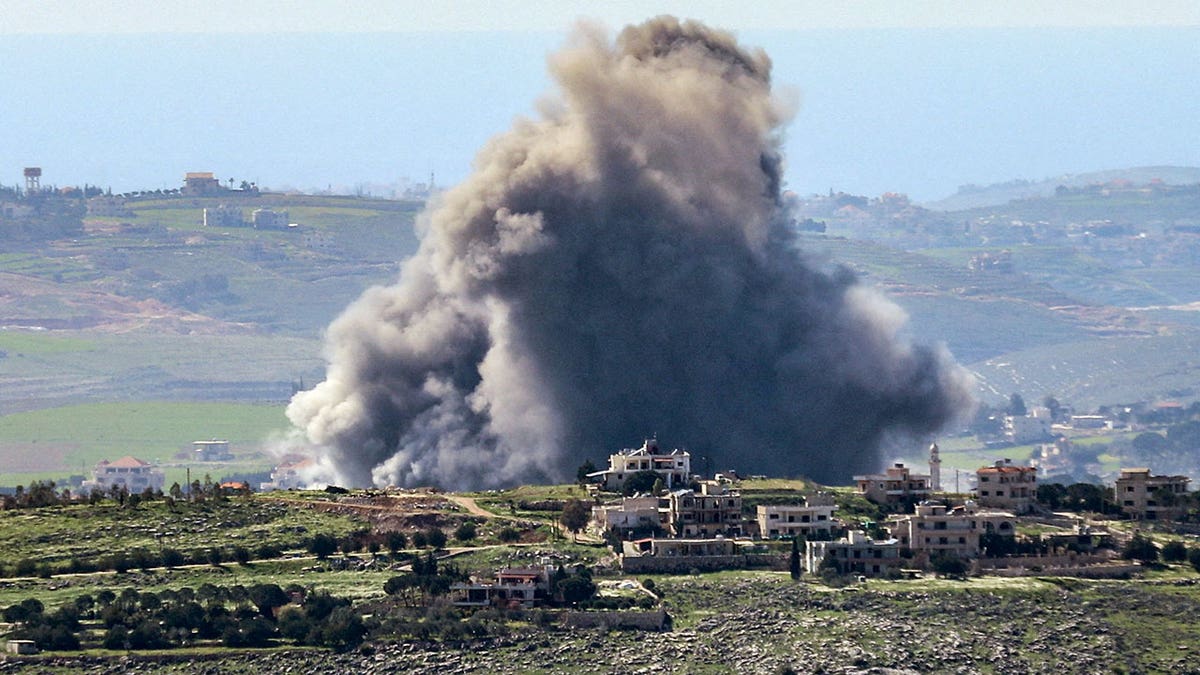
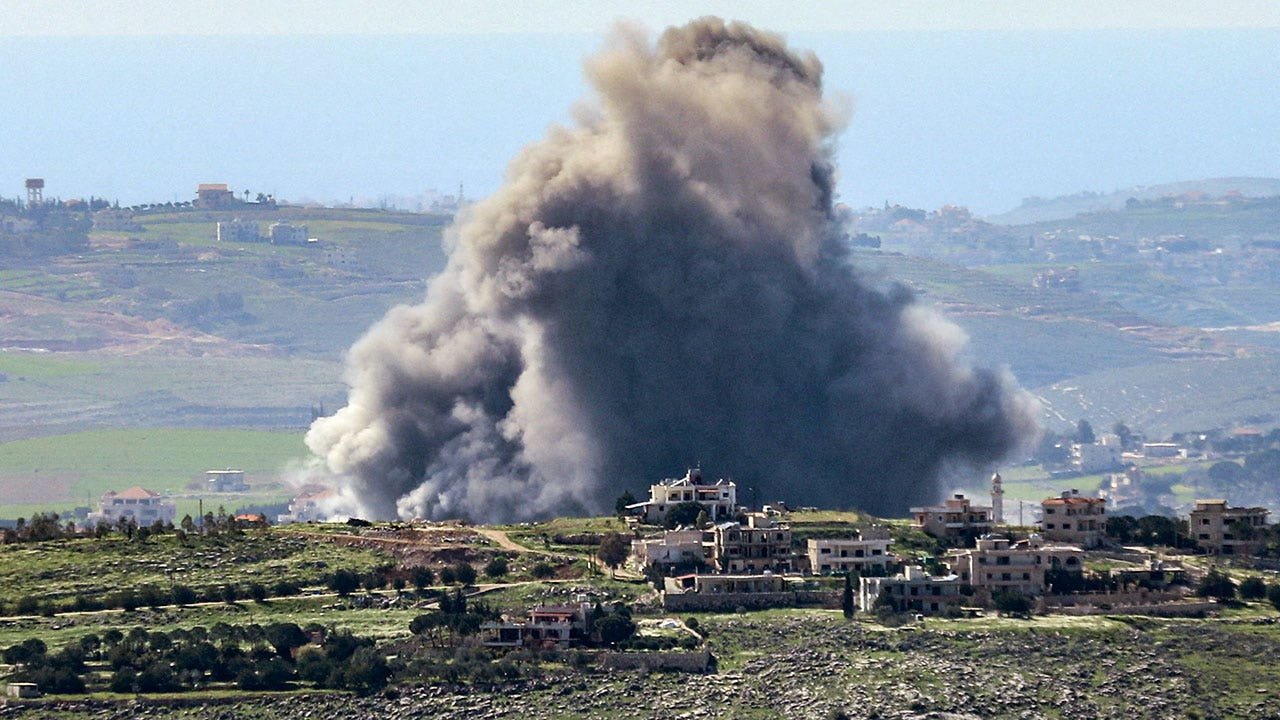
Smoke rises after Israeli strikes in Lebanon, following an escalation between Hezbollah and Israel amid the U.S.-Israeli conflict with Iran, as seen from Marjayoun, Lebanon, March 5, 2026. (Karamallah Daher/Reuters)
Schenker says the move reflects frustration in Beirut rather than a fundamental policy shift. «The Government of Lebanon’s latest cabinet vote on Hezbollah disarmament is nothing new,» Schenker said. «It is a reiteration of the cabinet decision last August mandating the disarmament of Hezbollah. The language is perhaps more strident, but the message is the same.»
«It is a reflection of the Government’s frustration and desperation over Hezbollah dragging Lebanon into yet another war with Israel,» he added. «It also reflects the Lebanese Armed Forces’ failure to date to take its mission of disarmament seriously.»
Hezbollah’s latest attacks appear to have caught Lebanese officials off guard. Reports suggest the group had previously assured officials it would not intervene in a broader regional conflict tied to Iran.
Schenker said the episode underscores a longstanding reality in Lebanon’s political system. «The government of Lebanon has never tried to control Hezbollah,» he said. «The few months that the LAF devoted to disarmament in south Lebanon was performed with Hezbollah’s consent and coordinated with the militia.»
Still, public frustration inside Lebanon may be shifting the political environment. «Given the population’s growing anger toward Hezbollah now, the political environment should be more conducive for the LAF to confront Hezbollah,» Schenker said.
ON MADURO’S ‘TERROR ISLAND,’ HEZBOLLAH OPERATIVES MOVE IN AS TOURISTS DRIFT OUT
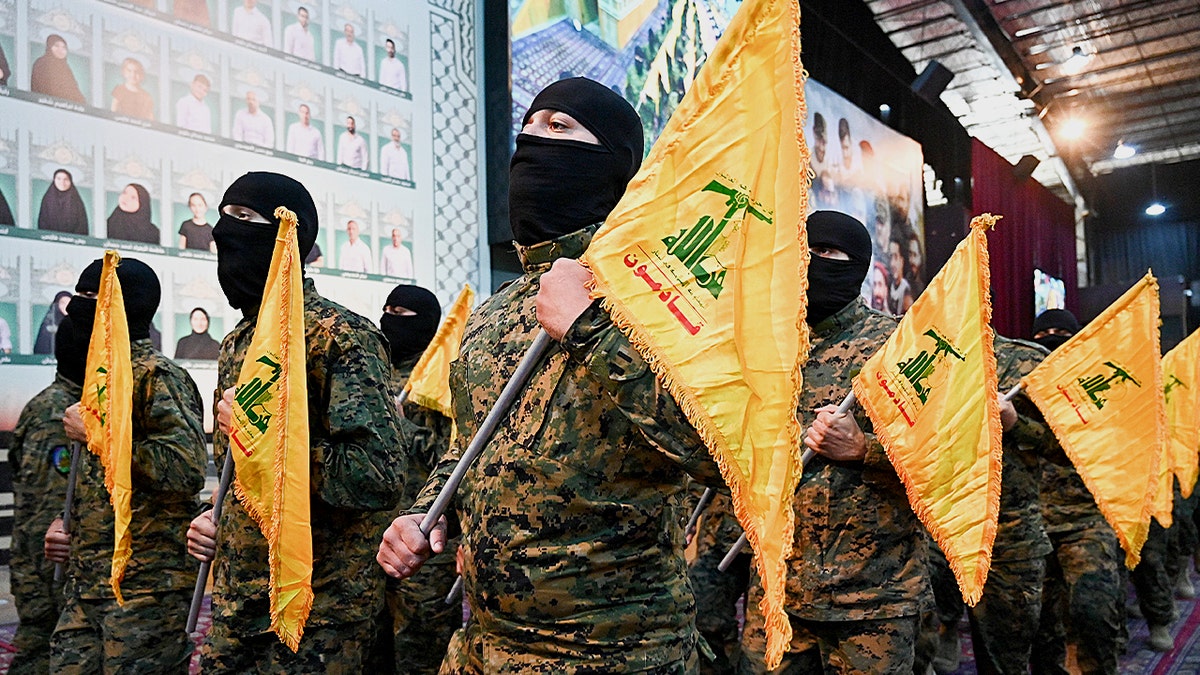
Iran rebuilds Hezbollah ties as Trump gives a 10-15 day deadline. (Fadel Itani/NurPhoto via Getty Images)
«The fear of ‘civil war’—i.e., Hezbollah perpetrating violence against the Government—remains,» he added. «But increasingly, Lebanese prefer taking that risk and possibly gaining sovereignty than being in a state of perpetual war with Israel.»
In a clip posted on X by the Center for Peace Communications, Lebanese people angrily responded to Hezbollah’s actions with one man telling Jusoor News: «If Hezbollah leader Naim Qassem wants to commit suicide, let him go do it in Tehran, not Lebanon.»
According to David Daoud, senior fellow at the Foundation for Defense of Democracies, Hezbollah’s decision to attack Israel despite the ceasefire reflects the group’s willingness to escalate the conflict even as Lebanon’s government seeks to avoid another war.
The crisis has also drawn international attention. French President Emmanuel Macron called for urgent steps to prevent Lebanon from sliding deeper into war.
«Everything must be done to prevent this country, so close to France, from once again being drawn into war,» Macron wrote in a statement posted on X on March 5 after speaking with Donald Trump, Benjamin Netanyahu and Lebanese leaders.
CLICK HERE TO DOWNLOAD THE FOX NEWS APP

Lebanese President Joseph Aoun (R) meets with U.S. President Donald Trump’s Deputy Special Representative for the Middle East, Morgan Ortagus (L) at the Baabda Palace in Beirut, Lebanon, on Feb. 7, 2025. (Photo by Lebanese Presidency / Handout/Anadolu via Getty Images)
Macron said Hezbollah «must immediately cease its fire toward Israel,» while urging Israel to avoid expanding military operations inside Lebanon.
For now, analysts say the outcome may depend on whether Lebanon’s government is willing to confront Hezbollah directly or continue to tolerate Iran’s terror proxy that has long operated outside the control of the government’s control.
Related Article
war with iran,lebanon,terrorism
INTERNACIONAL
Dem Senate hopeful holds event at bookstore selling ‘ABOLISH ICE’ merch despite pledge to ‘secure the border’

NEWYou can now listen to Fox News articles!
A Democratic Senate hopeful in Iowa is pitching himself as a candidate who believes in the party’s «old Democratic values.»
However, on Saturday, State Senator Zach Wahls hosted a campaign event at a radical activist bookstore, Dog-Eared Books, that has been vocal about abolishing ICE, financially supports anti-ICE nonprofits, holds drag story time for kids, and promotes books banned in schools for their sexually explicit content, among other far-left activism the store engages in.
Fox News Digital asked Wahls ahead of the event if he was aware of the bookstore’s radical track record and whether he regretted holding a campaign event there, but Wahls never responded.
Meanwhile, Wahls’ campaign website promises Iowans he will work to «secure the border and fix our broken immigration system,» and in posts on social media he has insisted that the nation must have an immigration system based on «law and order.»
Democratic Iowa State Sen. Zach Wahls (right) next to an image of Dog-Eared Books located in Ames, Iowa. (Getty Images/Fox News)
«I believe in the old Democratic values of hard work and family, not handouts for billionaires and insiders,» Wahls also touts in a campaign video pinned to the top of his X account.
Video obtained by Fox News Digital from outside the Ames, Iowa, bookstore where Wahls held his campaign meet-and-greet event at alongside his novelist wife, titled «Reading and Running: A conversation with Zach Wahls and Chloe Angyal,» showed at least one sign right next to the front entrance reading «ICE IS NOT WELCOME HERE» in bold capital letters. The store has hosted events for Wahls’ wife in the past prior to Saturday, and sells her romance novels.
In the wake of the federal agent-involved shootings of Renee Good and Alex Pretti in Minneapolis, the bookstore created a logo of a dog in sunglasses holding a protest sign that reads «ABOLISH ICE,» and even put it on a stickler the store is selling on its website.
Following the shootings of Good and Pretti, the store also pledged to donate 25% of its sales to a network of mostly anonymous philanthropic groups called the Immigrant Rapid Response Fund. Some of the groups that have been publicly reported to be affiliated with the fund, include anti-ICE groups like the George Soros-funded Headwaters Foundation for Justice, which says it «believe[s] in a future without ICE,» and the Black Collective Foundation Minnesota.
DEMOCRAT IN KEY SENATE PRIMARY SAYS SHE ‘REGRETS’ VOTE ON LAKEN RILEY ACT, DRAWS GOP BACKLASH
«Do not retreat. Do not back down. Double Down,» Lulete Mola, president and co-founder of the group, said following the ICE shootings in Minneapolis, according to Inside Philanthropy.

A sign reading «ICE IS NOT WELCOME HERE» sits in the window right next to the door at Dog-Eared Books on the night U.S. Senate candidate from Iowa held a campaign event there to meet with constituents. (Fox News)
Besides being staunchly anti-ICE, the bookstore where Wahls held his meet-and-greet event on Saturday also has a history of supporting child gender transitions and has worked against Republican lawmakers’ efforts aimed at protecting women by removing «gender identity» from the state’s list of protected classes under Iowa’s civil rights laws.
Dog-Eared Books also has a history of holding drag story time events for kids, including one that featured a 14-year-old teenage drag queen, and touts selling «banned» books that are frequently removed from school districts due to what critics deem is non-age appropriate sexually explicit content. Among them being sold is «All Boys Aren’t Blue,» by George Johnson, which Dog-Eared books notes on social media is «one of the most frequently banned books in Iowa,» and «Gender Queer,» by Maia Kobabe, a book widely banned in schools for its’ graphic sexual imagery.
Meanwhile, the store has also exhibited alignment with radical anti-Israel folks, claiming in a Facebook event post for a «Tattoos For Palestine» event that Israel is «committing a Genocide» with its actions that followed the attacks of Oct. 7, 2023. And, a web page on the bookstore’s website, encourages people to join their letter-writing campaign to lawmakers, aimed at promoting its values that include «No human is illegal. All people deserve access to reproductive healthcare. Healthcare is a human right,» and other policy positions that skew to the far-left.

Books on display at Dog-Eared Books include American Federation of Teachers President Randi Weingarten’s titled «Why Fascists Fear Teachers» and «How Fascism Works» by Yale progessor Jason Stanley. (Fox News)
CLICK HERE TO DOWNLOAD THE FOX NEWS APP
Fox News Digital also reached out to Wahls after the event and did not receive a response. The bookstore did not provide a response either.
Wahls is vying to take over the U.S. Senate seat being vacated by junior Iowa Sen. Joni Ernst, R-Iowa, and if he were to win, would sit alongside longtime senior Iowa Sen. Chuck Grassley. Wahls, a former Iowa Senate Minority Leader, is taking on a field of opponents for his upcoming primary race in June. Among his main contenders is Democrat State Rep. Josh Turek.
Before entering politics, Wahls went viral as a young adult after giving a speech in the Iowa legislature about growing up with two moms, amid efforts in the state to amend the portion of the state’s constitution tied to same-sex marriage. He and his novelist wife credit the event for their meeting.
Related Article

democrats elections,iowa,senate elections,elections,midterm elections,democratic party
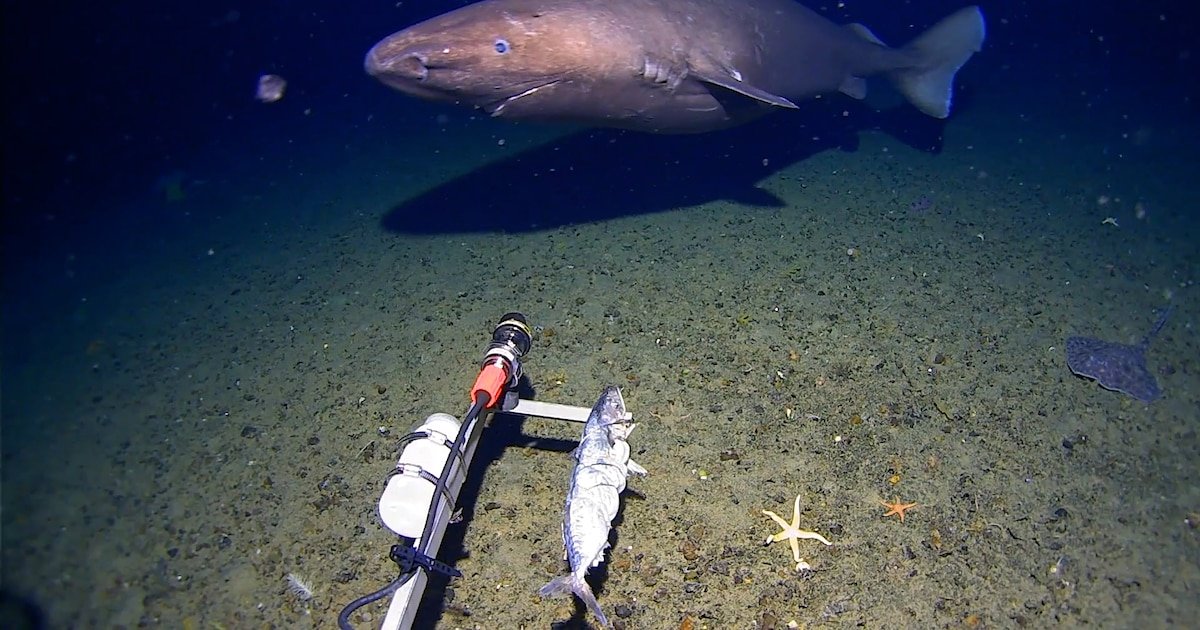
En una imagen capturada por una cámara sumergida a 500 metros de profundidad, científicos documentaron la presencia de un tiburón “dormilón” en aguas antárticas, un lugar donde hasta hace poco se creía poco habitual hallar a estos grandes depredadores.
La escena se desarrolló cerca de las islas Shetland del Sur, en un entorno donde las temperaturas del agua apenas superan el punto de congelación. El equipo del Centro de Investigación Oceánica Profunda Minderoo-UWA detectó a este tiburón gracias a una cámara instalada para monitorear la biodiversidad marina. Alan Jamieson, profesor de la Universidad de Australia Occidental y director del centro, recordó el asombro del grupo: “Todos nos quedamos perplejos, pensando: ‘No creo que haya tiburones en la Antártida’”, explicó a National Geographic.
Hasta ese momento, los registros de tiburones en la región se limitaban a aguas del Ártico y el Pacífico Norte, pero nunca tan al sur. El ejemplar, de entre dos y tres metros de longitud, pertenece al grupo de los tiburones dormilones, conocidos por su metabolismo extremadamente lento y su capacidad para vivir en ambientes hostiles.
La capacidad de los tiburones dormilones para soportar condiciones extremas se debe a una serie de adaptaciones únicas. Estos animales crecen menos de un centímetro al año y rara vez superan los cuatro kilómetros por hora de velocidad. Su bajo consumo energético les permite sobrevivir en entornos fríos y con escasez de alimento. Ese metabolismo reducido tiene ventajas claras. Al consumir muy poca energía, estos tiburones pueden sobrevivir en entornos donde el alimento es escaso y las temperaturas son extremadamente bajas.
La ciencia ha descubierto que sus tejidos contienen altas concentraciones de urea y N-óxido de trimetilamina (TMAO). La urea ayuda a mantener el equilibrio osmótico con el agua marina, aunque puede desestabilizar las proteínas del organismo. En ese punto, el TMAO actúa como estabilizador y permite que las proteínas funcionen a temperaturas cercanas al punto de congelación. “Aunque todos los tiburones tienen TMAO en su organismo, los tiburones dormilones tienen mucho más que la mayoría”, explicó el investigador Dave Ebert.

Otro aspecto sorprendente es la longevidad de estos animales. Estudios genéticos recientes han identificado duplicaciones en genes relacionados con la reparación del ADN y la protección contra el estrés oxidativo, un mecanismo que podría explicar por qué algunos tiburones de Groenlandia —parientes del ejemplar hallado— viven más de 400 años. Como la mayoría de los tiburones dormilones, este individuo puede haber estado vivo durante la era de Bellingshausen y James Clark Ross en el siglo XIX.
La cámara que permitió el hallazgo operaba en una zona donde una corriente de agua relativamente cálida fluye sobre el fondo marino. En este canal, la temperatura llegó a 1,27℃, lo que podría haber facilitado la presencia del tiburón en aguas tan australes.

El responsable de la investigación, Alan Jamieson, no oculta su incertidumbre: “Hay diferentes tipos de rareza en el mundo, y este tipo es absolutamente astronómico”, expresó. El propio Jamieson confesó que, en 25 años de carrera, solo había visto cuatro tiburones dormilones y nunca en la Antártida.
El hallazgo plantea interrogantes sobre la presencia de una posible población estable en el área. “Lo difícil es saber cuántos tiburones viven en aguas antárticas”, señaló Jamieson. Los científicos creen que la cámara pudo captar al tiburón porque se encontraba en una zona de agua ligeramente más cálida, lo que sugiere la existencia de corredores que permiten a estos animales explorar regiones más australes.
De momento, no existen datos suficientes para determinar si se trata de una aparición aislada o del indicio de una comunidad poco conocida. Como concluyó el propio Jamieson: “El descubrimiento de un tiburón dormilón en aguas antárticas sugiere que realmente no hay ningún lugar en el océano donde los tiburones no puedan sobrevivir”.

«A mí no me van a llevar puesto como a Macri», aseguró el Presidente antes de viajar otra vez a EE.UU.

Israel pounds Hezbollah targets, daring Lebanon to reclaim sovereignty from Iran-backed terror proxy

Supermercados liquidan pequeños electrodomésticos con descuentos de hasta el 50% y cuotas

Eduardo Coudet fue presentado como nuevo entrenador de River Plate

Yanina Latorre contó cómo fue la escandalosa separación de Ian Lucas y Evangelina Anderson: «Él la dejó porque ella lo negaba todo el día»

Oscar Ahumada reveló qué le atrajo de Javier Milei y recomendó a un ídolo de River para la política

Puertas adentro, Villarruel explotó: «El esfuerzo no lo hizo la política» y demolió el relato económico de Milei

Pampita se mudó a un castillo francés de detalles alucinantes: «1000 metros, 14 ambientes, vale 11 millones de dólares»

El drama que vive Oriana Sabatini a horas del nacimiento de su hija con Paulo Dybala: se complicó la salud de su abuela de 90 años

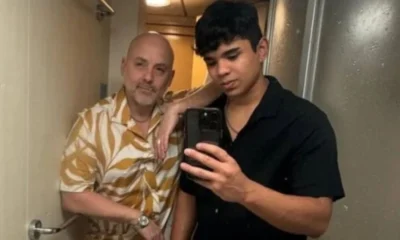
El hijo adoptivo de José María Muscari tomó una tajante decisión de vida a los 18 años

 CHIMENTOS2 días ago
El hijo adoptivo de José María Muscari tomó una tajante decisión de vida a los 18 años
- CHIMENTOS2 días ago
¡Interna total! Pablo Layus explotó y blanqueó quiénes son los que arruinan Intrusos: «Te matan»
- CHIMENTOS3 días ago
Ángel de Brito contó la oscura verdad de Jorge Rial para no ir a LAM: “Es un…”