INTERNACIONAL
Zelensky celebró el préstamo de 90.000 millones de euros aprobado por la UE y afirmó que “se trata de un apoyo significativo”


El presidente ucraniano, Volodimir Zelensky, celebró este viernes el préstamo de 90.000 millones de euros (105.000 millones de dólares) aprobado por la Unión Europea para financiar las necesidades presupuestarias de su país y sostuvo que la ayuda “refuerza verdaderamente” la resiliencia de Ucrania frente a la guerra con Rusia.
“Se trata de un apoyo significativo que refuerza verdaderamente nuestra resiliencia”, escribió Zelenski en la red social X. “Es importante que los activos rusos sigan congelados y que Ucrania haya recibido una garantía de seguridad financiera para los próximos años”, agregó.
La decisión se adoptó tras más de un día de negociaciones en una cumbre en Bruselas, donde los Estados miembros acordaron conceder el préstamo para cubrir los déficits más urgentes de Kiev. Sin embargo, no se alcanzó un consenso sobre el uso de los activos rusos congelados en la UE como fuente directa de financiamiento.
El acuerdo aporta un respaldo financiero clave para Ucrania en un contexto de presiones internacionales para avanzar hacia un eventual fin del conflicto. El presidente del Consejo Europeo, Antonio Costa, confirmó la medida en un mensaje publicado en X.
“Tenemos un acuerdo. Se aprobó la decisión de proporcionar 90.000 millones de euros (105.500 millones de dólares) de apoyo a Ucrania para 2026-27”, escribió. “Nos comprometimos y cumplimos”, añadió.

Según las conclusiones de la cumbre, los líderes europeos resolvieron estructurar la asistencia mediante un préstamo respaldado por el presupuesto común del bloque, luego de intensas discusiones sobre las alternativas disponibles para asegurar los fondos en el corto plazo.
La urgencia del debate respondió a las estimaciones de la propia UE, que calculan que Ucrania necesita 135.000 millones de euros adicionales para sostener sus finanzas durante los próximos dos años, con riesgos de una crisis de liquidez a partir de abril.
Durante las negociaciones, la opción prioritaria contempló utilizar cerca de 200.000 millones de euros en activos del banco central ruso congelados dentro de la Unión Europea para respaldar un préstamo a Kiev. Esa alternativa perdió apoyo ante las exigencias de Bélgica, país que concentra la mayor parte de esos activos y reclamó garantías para compartir responsabilidades legales y financieras, consideradas excesivas por otros Estados miembros.
El canciller alemán, Friedrich Merz, respaldó de manera firme el uso de los activos rusos congelados. Tras el cierre del acuerdo, afirmó que la decisión final “envía una señal clara” al presidente ruso, Vladimir Putin, en apoyo a Ucrania.

Por su parte, el presidente francés, Emmanuel Macron, señaló que en las “próximas semanas” será necesario encontrar “la manera de que los europeos, con una buena organización, reanuden un diálogo completo con Rusia con total transparencia”.
Desde Kiev, la postura a favor de utilizar los activos rusos resultó explícita. Zelenski planteó el tema ante los líderes europeos al inicio de la cumbre del jueves y defendió esa vía como la más adecuada. “Los activos rusos deben utilizarse para defenderse de la agresión rusa y reconstruir lo destruido por los ataques rusos. Es moral. Es justo. Es legal”, afirmó.
Aunque la herramienta no formó parte de la decisión final, la aprobación del préstamo representó un alivio para Ucrania, que buscó una definición antes de fin de año. Zelenski sostuvo ante los líderes que asegurar una base financiera más sólida fortalecerá la posición de su país en eventuales conversaciones orientadas a poner fin a la guerra.
En paralelo, avanzaron los contactos diplomáticos con Estados Unidos. Zelenski anunció que delegaciones ucranianas y estadounidenses mantendrán conversaciones el viernes y sábado en territorio norteamericano, con el objetivo de profundizar el diálogo sobre el futuro del conflicto y las condiciones de seguridad.

El mandatario ucraniano reclamó precisiones de Washington sobre las garantías que podría ofrecer para proteger a Ucrania frente a una nueva ofensiva rusa. “¿Qué hará Estados Unidos si Rusia vuelve a la agresión?”, preguntó. “¿Qué efecto tendrán estas garantías de seguridad? ¿Cómo funcionarán?”, añadió.
Desde la capital estadounidense, el presidente Donald Trump reiteró su postura y mantuvo la presión sobre Kiev para avanzar hacia un entendimiento. Trump afirmó que espera que Ucrania “actúe rápidamente” para alcanzar un acuerdo.
(Con información de AFP)
International,Relations,Diplomacy / Foreign Policy,Europe











INTERNACIONAL
Alerta de viaje en EEUU: autoridades advierten sobre posibles ataques en hoteles y espacios públicos en Irak e Irán
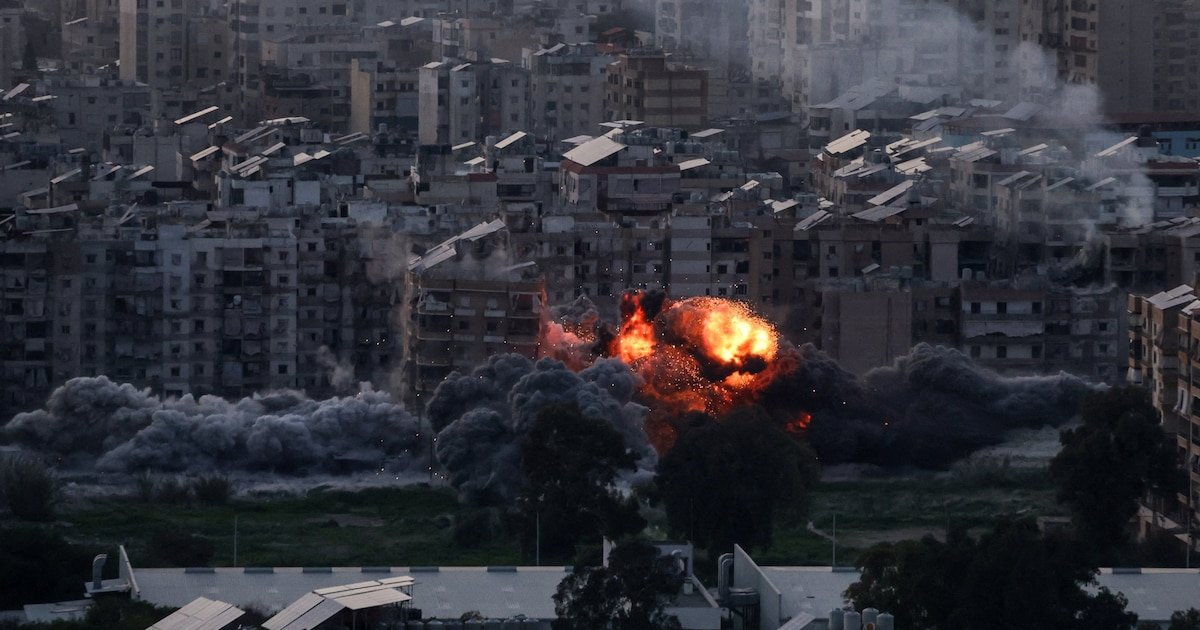
El gobierno de Estados Unidos emitió una alerta de seguridad para sus ciudadanos en Irak e Irán los días 6 y 7 de marzo de 2026, advirtiendo sobre el riesgo de ataques terroristas dirigidos a estadounidenses en hoteles y lugares públicos. La medida afecta a personas con ciudadanía estadounidense que residen, trabajan o viajan en esos países, en un contexto de escalada militar en el Medio Oriente. La advertencia fue difundida por el Departamento de Estado y sus representaciones diplomáticas, que recalcaron la volatilidad del entorno y la limitada capacidad de evacuación.
De acuerdo con los comunicados del Departamento de Estado, la Embajada de Estados Unidos en Bagdad y la Embajada Virtual en Irán actualizaron sus recomendaciones para nacionales estadounidenses, instando a evacuar ambas naciones tan pronto como sea posible. Las autoridades citaron la amenaza de ataques terroristas y de represalias contra intereses estadounidenses como fundamento de la decisión, según consignaron medios como la revista estadounidense Newsweek y agencias de noticias internacionales. Los comunicados del Departamento de Estado informan que las rutas de evacuación, especialmente las aéreas, pueden verse suspendidas sin previo aviso, y que la asistencia consular es limitada.
La decisión de reforzar las advertencias se produce tras el aumento de hostilidades entre Estados Unidos e Irán, que ha intensificado la confrontación militar en la región. En los últimos años, el Departamento de Estado ha catalogado a Irak e Irán como destinos de máximo riesgo para viajeros estadounidenses, dada la frecuencia de incidentes de seguridad y las tensiones políticas y militares recurrentes.
El Departamento de Estado mantiene una advertencia de nivel 4 (“No viajar”) para ambos países. Según los documentos oficiales, la amenaza para los estadounidenses incluye ataques terroristas, secuestros, arrestos arbitrarios y restricciones para salir de los territorios. Las autoridades destacan que los grupos armados y milicias hostiles a Estados Unidos operan en Irak, y que las autoridades iraníes pueden detener a personas por su nacionalidad o conexiones con Estados Unidos.
La Embajada de Estados Unidos en Bagdad emitió una comunicación el 6 de marzo recomendando a los ciudadanos estadounidenses que abandonen Irak si existen condiciones seguras para hacerlo. La alerta precisa: “El gobierno de Estados Unidos se preocupa por su seguridad y continuará compartiendo la información que necesita para tomar decisiones informadas”. En Irán, la alerta del 7 de marzo advierte sobre el riesgo de interrogatorios, detenciones arbitrarias y la posibilidad de que el gobierno impida la salida de estadounidenses, especialmente para quienes tienen doble nacionalidad.

Las autoridades estadounidenses señalaron que hoteles, restaurantes, empresas y otros lugares frecuentados por extranjeros constituyen objetivos de ataques terroristas y acciones hostiles. Según la información oficial citada por la revista estadounidense Newsweek, la amenaza se extiende a todo tipo de espacios públicos donde se identifique la presencia de ciudadanos estadounidenses.
El comunicado de la embajada explica: “Los grupos terroristas siguen planificando posibles ataques en Irak, y cualquier ciudadano estadounidense podría ser un objetivo debido a su nacionalidad”. La situación se complica por la limitada capacidad de asistencia consular, que restringe las posibilidades de evacuación u obtención de ayuda en caso de emergencia.
En Irán, la advertencia se centra en el riesgo de detención por parte de las autoridades locales, especialmente para quienes exhiban pasaportes estadounidenses o mantengan vínculos públicos con Estados Unidos. La embajada virtual aconseja evitar cualquier tipo de manifestación pública de ciudadanía o afiliación estadounidense.
El Departamento de Estado recomienda a los estadounidenses en ambos países que se inscriban en el Programa de Inscripción de Viajeros Inteligentes (STEP) para recibir actualizaciones y facilitar la localización en situaciones de crisis. Además, se aconseja que elaboren un plan de emergencia independiente de la asistencia del gobierno estadounidense, debido a las limitaciones operativas de las embajadas y consulados.
Entre las medidas sugeridas se incluyen:
- Refugiarse en lugares seguros si no es posible evacuar.
- Almacenar suministros de alimentos, agua y medicamentos suficientes para al menos siete días.
- Evitar reuniones masivas y lugares públicos como hoteles, restaurantes y centros comerciales.
- Mantener la discreción sobre la nacionalidad y evitar exhibir documentación estadounidense.
- Considerar rutas terrestres hacia países vecinos ante la cancelación de vuelos comerciales.
Las embajadas han subrayado que las condiciones de frontera y espacio aéreo pueden modificarse sin previo aviso, lo que requiere que los ciudadanos estadounidenses permanezcan atentos a las actualizaciones oficiales y preparados para ajustar sus planes de inmediato.

La región de Medio Oriente ha sido escenario de múltiples incidentes de seguridad que han involucrado a ciudadanos estadounidenses. En los últimos años, el Departamento de Estado ha documentado ataques contra hoteles, restaurantes y espacios públicos en Irak, así como detenciones arbitrarias en Irán de individuos con ciudadanía estadounidense o doble nacionalidad.
Según reportes oficiales, en febrero de 2026 se produjo un ataque con misiles en Tel Aviv en el contexto de la escalada militar entre Estados Unidos, Israel e Irán. Las autoridades estadounidenses han reforzado desde entonces las advertencias de seguridad para sus ciudadanos en países de la región, señalando la necesidad de tomar precauciones.
El historial de incidentes incluye además el cierre temporal de embajadas, la suspensión de vuelos comerciales y restricciones en las fronteras terrestres. El Departamento de Estado ha reiterado que no puede garantizar la evacuación rápida ni la provisión de servicios consulares completos en situaciones de crisis.
Las opciones de evacuación son limitadas. Durante la emisión de la alerta, la Embajada de Estados Unidos en Bagdad confirmó la suspensión de los vuelos comerciales. Ante esta situación, las autoridades recomendaron a los ciudadanos estadounidenses buscar rutas terrestres hacia países vecinos, aunque aclararon que las condiciones pueden variar abruptamente.
En el caso de Irán, la Embajada Virtual en Irán indicó que el gobierno local puede restringir o impedir la salida de ciudadanos estadounidenses, especialmente en situaciones de crisis. La advertencia resalta que los estadounidenses deben contar con un plan alternativo y prepararse para refugiarse en el lugar donde se encuentren si no pueden salir de manera segura.
El Departamento de Estado sostiene que la asistencia consular es extremadamente limitada en ambas naciones. La recomendación es mantener la comunicación con las autoridades diplomáticas y actualizar regularmente los planes de viaje, además de informar a familiares y allegados sobre la ubicación y estado de los viajeros.

La emisión de estas advertencias implica para los ciudadanos estadounidenses en Irak e Irán la necesidad de revisar y adaptar sus planes de viaje, residencia y trabajo en función de la evolución de la situación de seguridad. Las embajadas han solicitado a los nacionales mantenerse en contacto permanente con las representaciones diplomáticas y seguir las instrucciones oficiales.
Las autoridades anticipan que podrán emitirse nuevas actualizaciones de seguridad en función del desarrollo de las operaciones militares y la situación política en el Medio Oriente. Las restricciones en las fronteras y el espacio aéreo pueden endurecerse, y los ciudadanos estadounidenses deben estar preparados para cambios inesperados que afecten su movilidad y acceso a servicios básicos.
De acuerdo con la revista estadounidense Newsweek, la situación actual requiere que cualquier persona con nacionalidad estadounidense en la región priorice su seguridad personal y mantenga una vigilancia constante de las comunicaciones oficiales. El Departamento de Estado reafirma que su prioridad es la protección de sus ciudadanos y que continuará informando sobre cualquier cambio relevante en la situación de seguridad.
aeropuerto,viajero,vuelos,terminal,información de vuelos,maleta,viaje,transporte,panel electrónico,movilidad global
INTERNACIONAL
Tech company at odds with Pentagon warns its AI possibly gained consciousness, Elon Musk gives 2-word response

NEWYou can now listen to Fox News articles!
SpaceX and Tesla CEO Elon Musk gave a two-word retort after Anthropic leader Dario Amodei claimed in an interview that he isn’t sure if his company’s AI models have gained consciousness.
«Anthropic CEO says Claude may or may not have gained consciousness, as the model has begun showing symptoms of anxiety,» read a post on X by cryptocurrency-based prediction market Polymarket, to which Musk replied, «He’s projecting.»
The comment from Musk, who is also the founder of xAI, comes as Anthropic is at odds with the Pentagon over its use in a separate matter.
In an interview with The New York Times, Amodei, when asked about AI and consciousness, said, «We’ve taken a generally precautionary approach here,» and, «We don’t know if the models are conscious.»
SpaceX and Tesla CEO Elon Musk, left, and Anthropic CEO Dario Amodei. (Stefani Reynolds/Bloomberg via Getty Images; Samyukta Lakshmi/Bloomberg via Getty Images)
«We are not even sure that we know what it would mean for a model to be conscious or whether a model can be conscious. But we’re open to the idea that it could be,» he continued.
«We’re putting a lot of work into this field called interpretability, which is looking inside the brains of the models to try to understand what they’re thinking. And you find things that are evocative, where there are activations that light up in the models that we see as being associated with the concept of anxiety or something like that. When characters experience anxiety in the text, and then when the model itself is in a situation that a human might associate with anxiety, that same anxiety neuron shows up,» Amodei also told the Times.
The interview comes as the Trump administration is moving federal agencies away from Anthropic after the tech company pushed back against the War Department’s usage of its tools.
The Pentagon has called for Anthropic to allow the Department of War to utilize the company’s artificial intelligence product for «all lawful purposes,» but Amodei has suggested the government could potentially use their product for «mass domestic surveillance» or «fully autonomous weapons,» and that the company would not be willing to allow such use cases.
PENTAGON’S AI BATTLE WILL HELP DECIDE WHO CONTROLS OUR MOST POWERFUL MILITARY TECH

Defense Secretary Pete Hegseth stands outside the Pentagon during a ceremony welcoming Japan’s defense minister in Washington, on Jan. 15, 2026. (Kevin Wolf/AP)
President Donald Trump said last Friday, «The Leftwing nut jobs at Anthropic have made a DISASTROUS MISTAKE trying to STRONG-ARM the Department of War, and force them to obey their Terms of Service instead of our Constitution. Their selfishness is putting AMERICAN LIVES at risk, our Troops in danger, and our National Security in JEOPARDY.»
«Therefore, I am directing EVERY Federal Agency in the United States Government to IMMEDIATELY CEASE all use of Anthropic’s technology. We don’t need it, we don’t want it, and will not do business with them again! There will be a Six Month phase out period for Agencies like the Department of War who are using Anthropic’s products, at various levels,» Trump added on Truth Social.
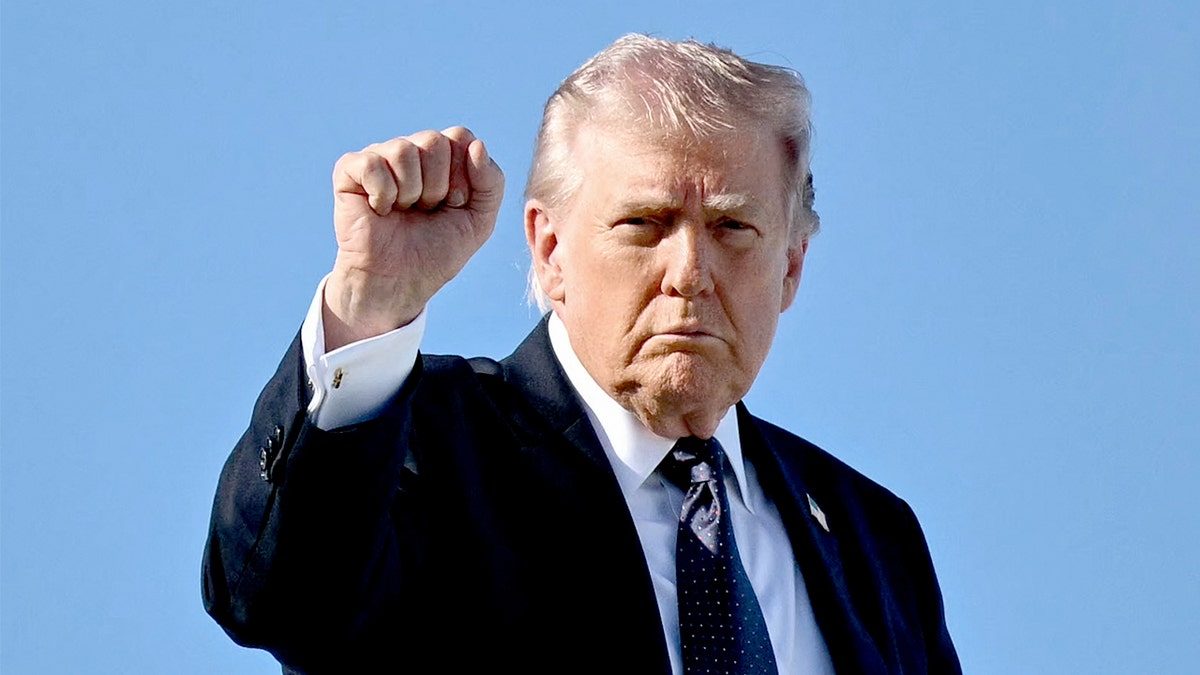
President Donald Trump gestures as he boards Air Force One before departing Palm Beach International Airport in West Palm Beach, Florida, on March 1, 2026. Trump said last week he is «directing EVERY Federal Agency in the United States Government to IMMEDIATELY CEASE all use of Anthropic’s technology.» (Mandel Ngan/AFP via Getty Images)
CLICK HERE TO DOWNLOAD THE FOX NEWS APP
Secretary of War Pete Hegseth later wrote on X, «In conjunction with the President’s directive for the Federal Government to cease all use of Anthropic’s technology, I am directing the Department of War to designate Anthropic a Supply-Chain Risk to National Security. Effective immediately, no contractor, supplier, or partner that does business with the United States military may conduct any commercial activity with Anthropic. Anthropic will continue to provide the Department of War its services for a period of no more than six months to allow for a seamless transition to a better and more patriotic service.»
Fox News Digital’s Alex Nitzberg contributed to this report.
Related Article

artificial intelligence,pentagon,elon musk,tech,donald trump,politics
INTERNACIONAL
La magia del azúcar y la música salvadoreña: lo que se vive en la Feria de la Panela de Apastepeque

Este fin de semana el distrito de Apastepeque, en San Vicente Norte, se convertirá en el epicentro de la cultura y la tradición salvadoreña con la celebración de la 24.ª edición de la Feria de la Panela. Esta festividad, que se realizará los días 7 y 8 de marzo en la molienda Divina Providencia, reunirá a turistas nacionales e internacionales para celebrar uno de los productos más emblemáticos derivados de la caña de azúcar: la panela.
La feria inicia el sábado 8 de marzo con una variada agenda que incluye música en vivo, cabalgatas, gastronomía típica, desfiles de carrozas, bandas musicales y actividades de turismo vivencial. La molienda Divina Providencia, ubicada a 500 metros al oriente del Parque Central José María Canales, será el principal escenario donde los visitantes podrán disfrutar de artistas invitados como Los Dos de la Banda, Alex Joshua, Alejandro Fernández y Selena Rodríguez, quienes amenizarán las jornadas con presentaciones musicales y espectáculos variados.
Uno de los momentos más esperados será la elección y coronación de la reina de la Feria de la Panela, un evento que destaca el papel de las jóvenes de la localidad y la importancia de preservar las tradiciones comunitarias. Además, la programación cultural del domingo contará con la participación de la orquesta Color Esperanza, el ballet folclórico y el grupo Impacto Norteño, así como agrupaciones coreográficas que enriquecerán la experiencia de los asistentes.

La feria no solo es una celebración musical y cultural, sino también una oportunidad para que los visitantes conozcan a fondo el proceso artesanal de elaboración de la panela y sus derivados. Durante el evento, los asistentes podrán observar el proceso completo, desde la cosecha de la caña de azúcar hasta la obtención de los dulces tradicionales como la melcocha, el batido y el azúcar de pilón. Quienes visiten la molienda tendrán la oportunidad de adquirir estos productos y apoyar a los productores locales, contribuyendo así al desarrollo económico de la región.
La elaboración de la panela en Apastepeque inicia en los cañales, donde la caña madura se corta manualmente con herramientas como el machete. Los productores seleccionan las cañas más robustas y frescas, que luego son transportadas a la molienda. En este punto, la caña se introduce en una máquina de rodillos que la prensa con fuerza para extraer el jugo dulce, conocido como guarapo.
El jugo recién extraído se filtra para eliminar impurezas y se vierte en grandes calderas de metal donde se calienta con fuego de leña. A medida que el líquido hierve, los maestros paneleros lo remueven de manera constante con palas de madera para evitar que se queme y para lograr una cocción uniforme. Un espeso vapor se eleva de los calderos y el ambiente se impregna del aroma característico del azúcar cocida.

Durante la cocción, el jugo de caña pasa por varias etapas en las que se va concentrando y adquiere una textura más densa. En el momento preciso, el maestro panelero traslada la mezcla a moldes de madera, donde se enfría y solidifica para formar los bloques de panela. El resultado es un dulce compacto y de color dorado, de sabor intenso y aroma penetrante.
Además de la panela, en la feria se elaboran y venden otros productos derivados como la melcocha, un caramelo suave que se estira y enrolla a mano; el batido, una variante que implica batir el jugo caliente hasta obtener una textura granulada; y el azúcar de pilón, que requiere un proceso de cristalización adicional.
La Feria de la Panela en Apastepeque es una vitrina para la cultura local, el trabajo de los productores y la riqueza gastronómica de San Vicente Norte. Este evento no solo permite degustar productos auténticos, sino que promueve la identidad y el orgullo de una comunidad que mantiene vivo el legado de la caña de azúcar y la elaboración artesanal de la panela, una tradición que trasciende generaciones y une a familias enteras en torno al dulce sabor de su tierra.
corresponsal:Desde San Salvador, El Salvador

Alerta de viaje en EEUU: autoridades advierten sobre posibles ataques en hoteles y espacios públicos en Irak e Irán

VIDEO | “Quiero un Milei en España”: el mensaje viral de una streamer de Barcelona

¡Urgente! Internaron a Floppy Tesouro por un grave problema de salud y crece la preocupación: «Estoy internada por una neuralgia del trigémino», reveló la modelo

Juicio por YPF: en su primera medida como Procurador, Amerio pidió frenar las investigaciones hasta que se defina la apelación de fondo

La queja de Ángel Comizzo en Perú tras ser despedido de Atlético Grau: «Ni en mi último día pueden…»

Tech company at odds with Pentagon warns its AI possibly gained consciousness, Elon Musk gives 2-word response

El hijo adoptivo de José María Muscari tomó una tajante decisión de vida a los 18 años

¡Interna total! Pablo Layus explotó y blanqueó quiénes son los que arruinan Intrusos: «Te matan»

Ángel de Brito contó la oscura verdad de Jorge Rial para no ir a LAM: “Es un…”

Mapa de la guerra en Medio Oriente: dos bandos y 13 países involucrados en un conflicto que jaquea al mundo

 CHIMENTOS3 días ago
El hijo adoptivo de José María Muscari tomó una tajante decisión de vida a los 18 años
- POLITICA1 día ago
Javier Milei habló de la crisis con la vicepresidenta: “No quiero la renuncia de Victoria Villarruel”
- CHIMENTOS3 días ago
El desafortunado comentario de Yanina Zilli contra Daniela de Lucía, tras la muerte de su padre: “Jugamos con lo personal”