INTERNACIONAL
Oil-rich UAE makes massive AI bet as Sam Altman unveils ambitious plan to transform energy industry


NEWYou can now listen to Fox News articles!
ABU DHABI, United Arab Emirates — At the opening of the world’s largest energy conference in Abu Dhabi, artificial intelligence took center stage alongside oil and gas as OpenAI CEO Sam Altman joined senior UAE officials for the announcement of a major partnership aimed at bringing advanced AI into the energy industry.
The opening ceremony of ADIPEC 2026, attended by Fox News Digital, brought together senior government officials and energy industry leaders at a time when the war involving Iran and disruptions to the Strait of Hormuz have placed extraordinary pressure on global energy supplies.
But amid discussions about oil production, shipping routes and energy security, Dr. Sultan Al Jaber, the UAE’s minister of industry and advanced technology and chief executive of state-owned energy giant ADNOC, delivered a different challenge to the technology industry.
OIL SQUEEZE TIGHTENS AS IRAN-BACKED ATTACKS CRIPPLE HORMUZ ESCAPE ROUTES
From left, Mark Chen, Chief Research Officer at OpenAI; Sam Altman, CEO at OpenAI; Sheikh Khaled bin Mohamed bin Zayed Al Nahyan, Crown Prince of Abu Dhabi; Ahmed Al Kuttab, Chairman at the Department of Government Enablement – Abu Dhabi (DGE) announce the Machine-Readable Government initiative in Abu Dhabi (Abu Dhabi Media Office)
«From the moment ChatGPT was born, the world has asked what energy can do for AI. And now, together, we will find out what AI can do for energy,» Al Jaber told the audience, introducing a partnership between ADNOC, OpenAI and Abu Dhabi-based technology company G42.
The announcement marked a significant step in the UAE’s ambition to become a global center for artificial intelligence, using its energy resources, financial strength and growing partnerships with American technology companies to help shape the industry’s future.
Yet the question of what AI can actually deliver for the energy industry goes beyond the technology announcements.
THE AI REVOLUTION WILL GO WHEREVER THERE’S ELECTRICITY — AND CHINA KNOWS IT

OpenAI CEO Sam Altman speaks at the opening ceremony of ADIPEC 2026 in Abu Dhabi, United Arab Emirates, on Nov. 2, 2026, as ADNOC, OpenAI and G42 announced a major partnership to bring artificial intelligence into the energy industry. (Efrat Lachter/Fox News Digital)
Speaking exclusively to Fox News Digital on the sidelines of the conference, Dr. Angela Wilkinson, secretary general and CEO of the World Energy Council, said the most encouraging element of the presentations by Altman and Al Jaber was their focus on the role of people.
«That it isn’t about AI taking decisions for humanity, it’s about AI enabling people to make better decisions,» Wilkinson said.
Wilkinson argued that the growing relationship between energy and AI should be understood not simply as a way to automate industrial processes, but as an opportunity to expand human capabilities.
«I think what really cheered me up most is the recognition that it’s a people-centric conversation on both sides of the equation,» she said.
ONE OF AMERICA’S OLDEST MANUFACTURERS SAYS AI IS CREATING JOBS — NOT REPLACING THEM

Dr. Angela Wilkinson, secretary general and CEO of the World Energy Council, speaks with Fox News Digital at ADIPEC 2026 in Abu Dhabi, United Arab Emirates, about the future of global energy markets, the growing role of artificial intelligence and the need for greater resilience amid regional instability. (Efrat Lachter/Fox News Digital)
Amos Hochstein, a managing partner at TWG Global and a former senior adviser to President Joe Biden, welcomed the potential benefits of the new OpenAI-UAE partnership but warned that the rapid expansion of artificial intelligence must be balanced against its financial and societal costs.
Speaking to Fox News Digital at ADIPEC, Hochstein said, «The energy sector is going to be one of the big beneficiaries of AI coming into the sector.» But he cautioned that the U.S. must remain a leader in advanced AI while ensuring Americans are not left paying the price for its expansion, calling on the Trump administration to work more closely with industry and other sectors of society to maximize the benefits and minimize the risks.
The ADNOC partnership is intended to connect advanced AI systems across the company’s operations, from oilfield development and reservoir management to refining, logistics and commercial trading.
According to ADNOC, one of the initial applications will bring together decades of information from thousands of oil wells, multiple reservoirs and hundreds of facilities, with the goal of completing complex development plans in hours rather than months.
The company says the technology could improve operational efficiency, lower costs and help energy producers respond more quickly to changing market conditions. Those projected improvements have not yet been independently demonstrated.
For the UAE, the initiative represents something larger than a single agreement.
AI ISN’T JUST A PROBLEM, IT’S A SOLUTION. SOME PEOPLE ARE ALREADY MAKING THE MOST OF IT

Unmanned AI-led vessels on display at the 2026 ADIPEC conference on Nov. 2, 2026. (Efrat Lachter/ Fox News Digital)
The country is already a partner in the planned Stargate UAE project, a major computing infrastructure initiative involving American technology companies. The project is part of Abu Dhabi’s broader effort to establish itself as an international AI hub.
In a separate interview with Fox News Digital in Dubai, Mohammed Baharoon, director general of the research center B’huth, described the country’s technological ambitions as an evolution from exporting barrels of oil to exporting digital computing capacity.
Baharoon said the rise of AI could produce an economic transformation comparable to previous industrial revolutions, creating new industries and opportunities even as existing professions are disrupted.
But he cautioned that governments are struggling to keep pace with the technology’s development.
«We will need to bring in the concepts of regulation at the point of development, not after the development has happened,» Baharoon told Fox News Digital.
He argued that governments and technology companies need to begin addressing potential dangers while systems are being created, rather than waiting until they have already entered widespread use.
THE BIGGEST THREAT IN AMERICA’S RACE WITH CHINA ISN’T BEIJING, TECH EXECUTIVE WARNS

Attendees gather at ADIPEC 2026, one of the world’s largest energy conferences, held in Abu Dhabi, United Arab Emirates, Nov. 2–5, 2026, as industry leaders discuss global energy security, technological innovation and the growing role of artificial intelligence. (Efrat Lachter/Fox News Digital)
The question of human control was also central to Altman’s remarks at ADIPEC.
During a panel, Altman argued that AI should remain a tool serving people rather than replacing human decision-making.
The OpenAI chief also acknowledged a fundamental challenge facing his own industry: The enormous amount of energy required to power increasingly capable AI systems.
Asked to identify his biggest challenge, Altman answered with a single word: «Energy.»
The exchange illustrated the complicated relationship between two industries that are becoming increasingly dependent on each other.
AI companies need vast quantities of electricity to operate data centers, while energy producers are increasingly looking to AI to improve efficiency, optimize production and identify vulnerabilities before they disrupt supplies.
AI BOOM: DEMAND FOR DATA CENTERS DRIVES INNOVATION BY ENERGY, TECH INDUSTRIES TO PRODUCE NEW POWER SOURCES
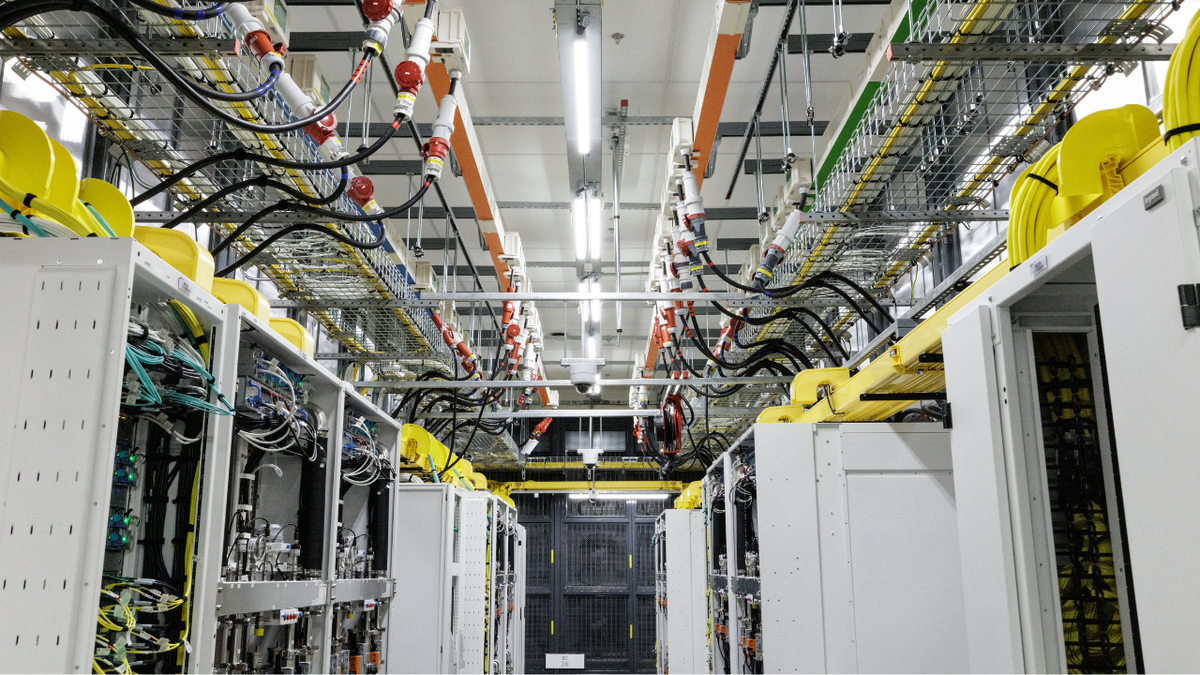
Racks of graphics processing units (GPUs) with a closed-loop liquid cooling system are seen inside an operational Microsoft data center. (Yasuyoshi Chiba/AFP/Getty Images)
The stakes are particularly high in the Gulf, where the war involving Iran and disruption to shipping through the Strait of Hormuz have forced energy producers to reconsider how they protect infrastructure and ensure supplies reach international markets.
In his opening address, Al Jaber warned that nearly a billion barrels had been drawn from global oil inventories since the disruption of Hormuz, illustrating how quickly geopolitical instability can affect global energy supplies.
The ADNOC chief presented artificial intelligence as one element of a broader effort to strengthen operational resilience, arguing that companies must develop systems capable of anticipating problems rather than simply responding after disruptions occur.
ONE OF THE WORLD’S HOTTEST INDUSTRIES IS SPARKING A BLUE-COLLAR JOBS BOOM

The exhibition floor at ADIPEC 2026 in Abu Dhabi, United Arab Emirates, where global energy companies showcased new technologies and innovations amid growing concerns over energy security and regional instability. (Efrat Lachter/Fox News Digital)
Altman, meanwhile, praised the UAE’s commitment to adopting AI across government and industry, describing it as the world’s most forward-looking country in embracing the technology.
For Abu Dhabi, the emerging partnership between its traditional energy industry and the world’s leading AI companies offers an opportunity to extend its economic influence beyond oil exports.
But whether these investments ultimately deliver the promised improvements in productivity, energy security and technological innovation remains to be seen.
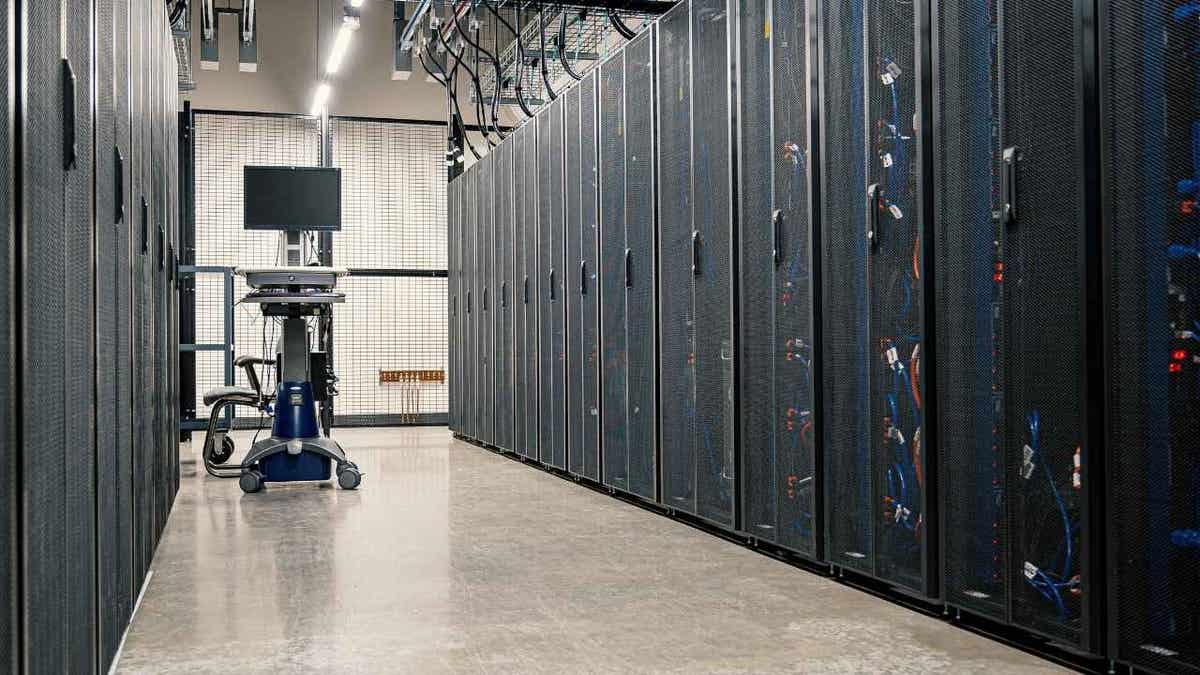
AI data center. (Kurt «CyberGuy» Knutsson)
As the discussions at ADIPEC demonstrated, the question is no longer simply how much energy the AI revolution will require, but whether artificial intelligence can help solve some of the very energy challenges its growth is creating.
world, artificial intelligence, innovation, technology










INTERNACIONAL
Venezuela elimina el requisito de visa para los panameños tras años de tensiones diplomáticas

Venezuela anunció la eliminación del requisito de visa para los ciudadanos panameños, una medida que marca un nuevo capítulo en las relaciones entre ambos países, deterioradas tras las controvertidas elecciones presidenciales venezolanas de julio de 2024.
La decisión fue anunciada este viernes 27 de noviembre por Delcy Rodríguez, quien instruyó al canciller venezolano, Oliver Blanco, a eliminar la exigencia migratoria como parte de las iniciativas para impulsar el turismo internacional.
El anuncio se produjo durante la celebración del 56.º aniversario de Consecomercio, un día después de que Copa Airlines inaugurara sus operaciones comerciales hacia la isla de Margarita, ampliando la conectividad aérea entre ambos países.
La mandataria indicó que la eliminación de las visas debía aplicarse desde este viernes, aunque durante su intervención no precisó el período de permanencia autorizado ni las condiciones migratorias aplicables a los viajeros panameños.
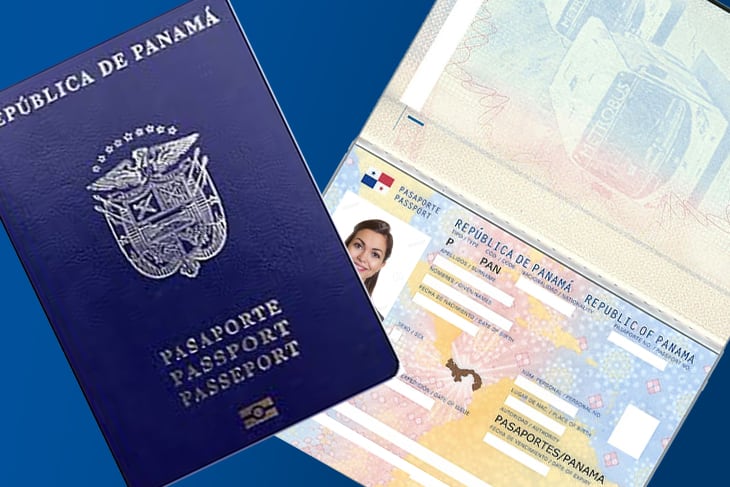
La exigencia de visa para los panameños se remonta a octubre de 2017, cuando el gobierno venezolano adoptó una medida de reciprocidad migratoria, después de que Panamá estableciera ese requisito para los ciudadanos de nacionalidad venezolana.
Las relaciones bilaterales atravesaron uno de sus momentos más críticos después de las elecciones presidenciales del 28 de julio de 2024, cuando el Consejo Nacional Electoral (CNE) proclamó ganador al entonces mandatario Nicolás Maduro.
El presidente panameño, José Raúl Mulino, cuestionó los resultados y anunció el 29 de julio el retiro del personal diplomático acreditado en Caracas, además de suspender las relaciones hasta que se realizara una revisión del escrutinio electoral.
Mulino también respaldó al candidato opositor Edmundo González Urrutia y promovió discusiones sobre la situación venezolana ante la Organización de los Estados Americanos (OEA), reclamando transparencia en los resultados electorales.
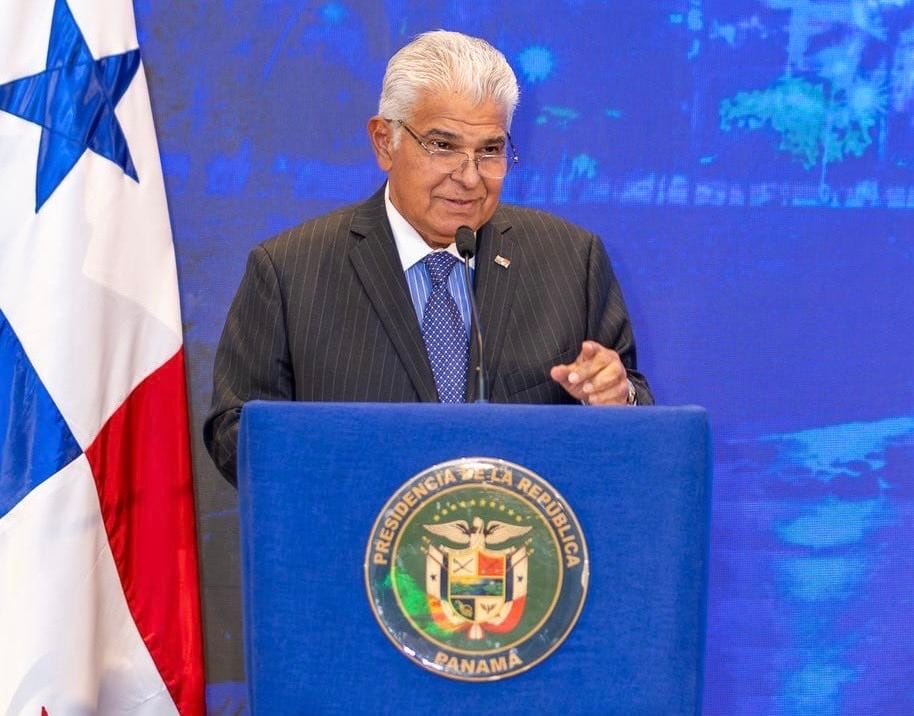
Las tensiones derivaron en la suspensión de las operaciones aéreas comerciales entre ambos países, afectando a miles de viajeros, las conexiones internacionales de Copa Airlines y las actividades de empresas establecidas en la Zona Libre de Colón.
En mayo de 2025, las autoridades aeronáuticas autorizaron el restablecimiento de los vuelos comerciales, después de casi diez meses de interrupción, permitiendo a la aerolínea panameña recuperar progresivamente sus frecuencias hacia el mercado venezolano.
Posteriormente, ambos gobiernos acordaron reactivar los servicios consulares, una decisión orientada a facilitar la atención de sus ciudadanos y atender asuntos relacionados con el comercio bilateral y los procesos de retorno de migrantes venezolanos.
Mulino aclaró en septiembre de 2025 que la recuperación de los servicios consulares no implicaba el restablecimiento de las relaciones diplomáticas, aunque permitía atender algunas de las consecuencias humanitarias y comerciales del distanciamiento entre ambos gobiernos.
Con la incorporación de Porlamar, Copa Airlines amplía su oferta a 47 frecuencias semanales entre Panamá y Venezuela, distribuidas entre seis destinos, según la programación anunciada por la compañía para noviembre de 2026.

La oferta contempla 14 vuelos semanales hacia Caracas e igual cantidad hacia Valencia, siete a Maracaibo, cinco a Barcelona, cuatro a Barquisimeto y tres hacia la isla de Margarita.
Antes de los terremotos del 24 de junio, la aerolínea operaba tres vuelos diarios hacia Caracas. Las operaciones se reanudaron el 1 de septiembre, mientras que la segunda frecuencia diaria fue restablecida dos semanas después.
La suspensión temporal estuvo relacionada con los daños ocasionados por los movimientos sísmicos en el Aeropuerto Internacional Simón Bolívar de Maiquetía, principal terminal aérea venezolana, cuya recuperación permitió el retorno gradual de las operaciones comerciales.
El vuelo inaugural hacia Margarita transportó a 166 pasajeros y aterrizó en el Aeropuerto Internacional Santiago Mariño, en el estado Nueva Esparta. La ruta opera con aeronaves Boeing 737-800 los días martes, jueves y domingos.
La nueva conexión representa una oferta aproximada de 3,500 asientos mensuales entre ambos sentidos y permite enlazar la isla venezolana con más de 85 destinos internacionales mediante el centro de conexiones de Panamá.

La eliminación del requisito de visa busca favorecer la llegada de turistas panameños y dinamizar actividades económicas vinculadas con la hotelería, la gastronomía y el transporte, en momentos en que Venezuela procura ampliar su conectividad aérea internacional.
Disasters / Accidents,South America / Central America
INTERNACIONAL
US military disables tanker ship attempting to slip through Iran blockade on Thanksgiving Day
NEWYou can now listen to Fox News articles!
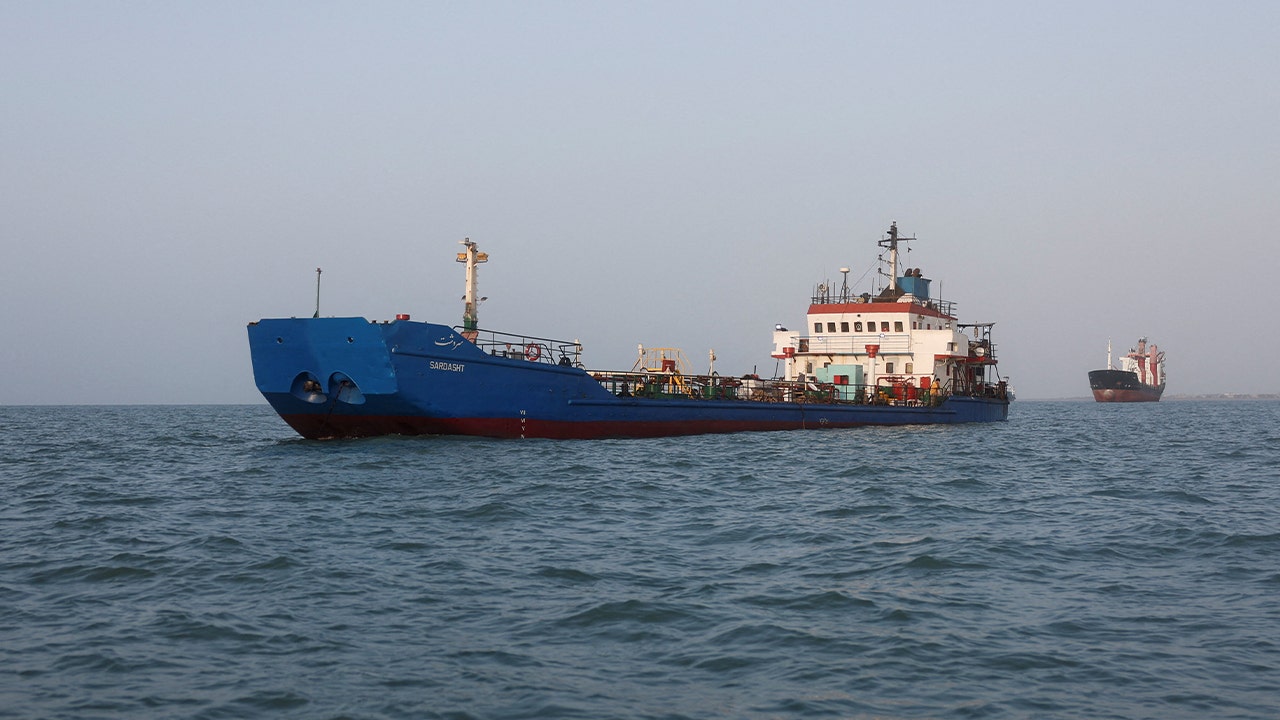
A U.S. military aircraft disabled a commercial vessel in the Gulf of Oman on Thursday after it tried to evade the naval blockade of all Iranian ports, which has been in effect since mid-July.
The Palau-flagged M/V Pacific Archer left Bandar Abbas, a major port city on Iran’s southern coast, before the U.S. Central Command (CENTCOM) fired precision munitions at the ship’s stern, destroying its propulsion.
A video released by the military shows a projectile hitting the back of the ship and causing an explosion. The civilian crew was unharmed in the strike, CENTCOM said.
So far, U.S. forces have redirected 158 compliant commercial vessels and disabled six that refused to comply.
The moment a U.S. military aircraft struck a Palau-flagged commercial ship in the Gulf of Oman on Nov. 26, 2026. The ship left Bandar Abbas and tried to slip through the U.S. naval blockade. (U.S. Central Command)
TRUMP DARES IRAN TO BREACH US PORT BLOCKADE AS TEHRAN REPORTEDLY READIES 14 OIL TANKERS
President Donald Trump said Thursday, while celebrating Thanksgiving at Mar-a-Lago in Palm Beach, Florida, that victory in the Iran war would come «whenever I want it.»
«We have victory at hand. It’s going to be whenever, sort of, whatever I want it to be. To be honest, and we’re trying to be nice, we’re giving them every chance to make a deal and save a lot of lives. But I am not sure if they are going to take advantage of that,» he said in a phone call to U.S. service members.
Trump also praised U.S. troops for their role in preventing Iran from obtaining a nuclear weapon.

President Donald Trump and first lady Melania Trump speak with participate in calls with U.S. service members from Mar-a-Lago on Thanksgiving Day, on Nov. 26, 2026 in Palm Beach, Florida. (Daniel Heuer/Getty Images)
TRUMP PAUSES TURKEY PARDON TO SALUTE US TROOPS GUARDING STRAIT OF HORMUZ: ‘WATCH OVER AND PROTECT’
«Each of you is playing an essential role to protect not only our country today but future generations of Americans by ensuring that Iran will never have a nuclear weapon. They will never have a nuclear weapon. That I can tell you,» he said.
Trump added that the U.S. has launched 150 missiles to intercept threats targeting commercial shipping in the Strait of Hormuz.
Asked whether Moscow and Beijing are providing Iran with intelligence to help it target U.S. military bases, Trump minimized the likelihood and said China was not heavily involved. He maintained that both countries are interested in helping the U.S. bring the war to a close.

Vessels in the Strait of Hormuz are visible near the beach of Bandar Abbas, Iran, August 27, 2026. (Majid Asgaripour/WANA (West Asia News Agency))
Trump said that if the U.S. were to resume strikes, CENTCOM forces would «absolutely hit Pickaxe Mountain,» an underground complex near Iran’s Natanz enrichment complex.
The likelihood of Iran agreeing to a deal proposed by the U.S. is low, Trump also told reporters.
war with iran, donald trump, military, foreign policy, middle east, navy
INTERNACIONAL
Honduras: salarios y aguinaldos inyectarán USD 1,060 millones a la economía durante diciembre, según el Cohep

El pago de salarios y aguinaldos durante diciembre inyectará alrededor de 27.000 millones de lempiras (aproximadamente USD 1.060 millones) a la economía de Honduras, un movimiento de recursos que podría impulsar el comercio, aumentar la liquidez de los hogares y generar un repunte en la actividad económica durante la temporada navideña.
La estimación fue compartida por Lester Amador, oficial de Política Económica del Consejo Hondureño de la Empresa Privada (Cohep), quien explicó que esta inyección de dinero corresponde a los desembolsos que realizarán tanto el Gobierno como las empresas privadas para cumplir con sus obligaciones laborales al cierre de 2026.
En declaraciones a Noticieros Hoy Mismo de TSi, Amador detalló que el sector público prevé desembolsar aproximadamente 13.000 millones de lempiras (USD 511 millones), correspondientes al salario ordinario de diciembre y al decimotercer mes de salario de sus empleados.
A esta cantidad se sumarán otros 14.000 millones de lempiras (USD 550 millones) que el sector privado destinará al pago del aguinaldo, una prestación laboral que reciben los trabajadores hondureños durante el último mes del año.
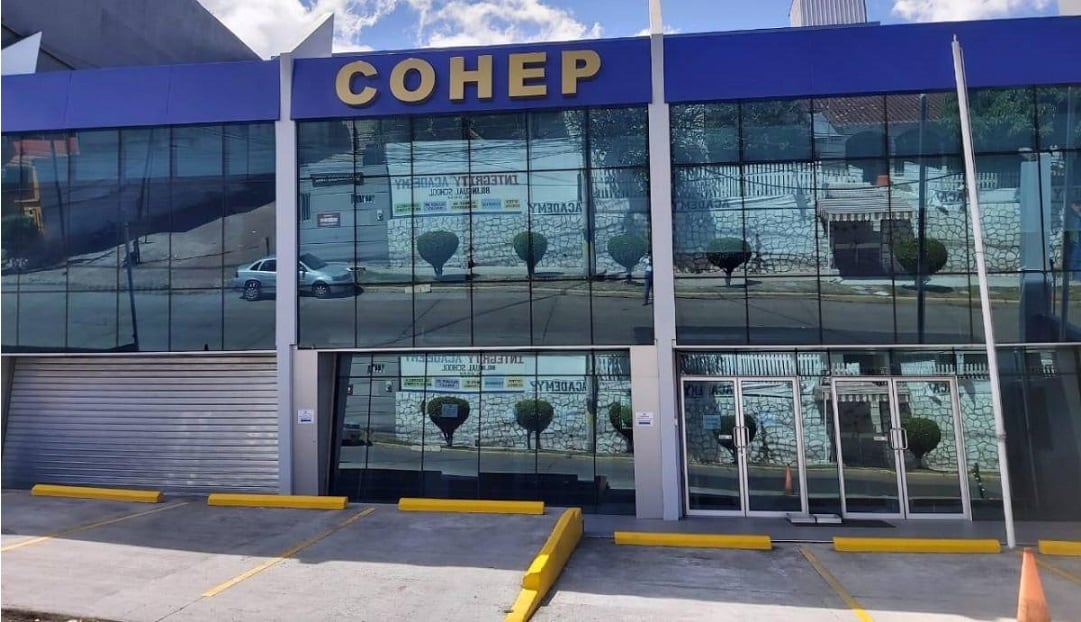
«Estamos hablando de 27 mil millones de lempiras», precisó el representante del Cohep al referirse al volumen de recursos que llegará a las familias hondureñas durante diciembre.
La cifra representa uno de los movimientos de dinero más importantes de la economía nacional durante el año, debido a que coincide con una temporada caracterizada por el incremento del consumo, las compras navideñas y una mayor demanda de productos y servicios.
Amador señaló que la disponibilidad de estos recursos constituye una oportunidad para recuperar parte de la actividad económica que no habría alcanzado el dinamismo esperado durante otros meses de 2026.
Según explicó, diciembre tradicionalmente concentra un mayor movimiento comercial porque miles de trabajadores reciben ingresos adicionales que destinan a compras, pagos pendientes, actividades familiares y preparativos para las celebraciones de Navidad y Año Nuevo.
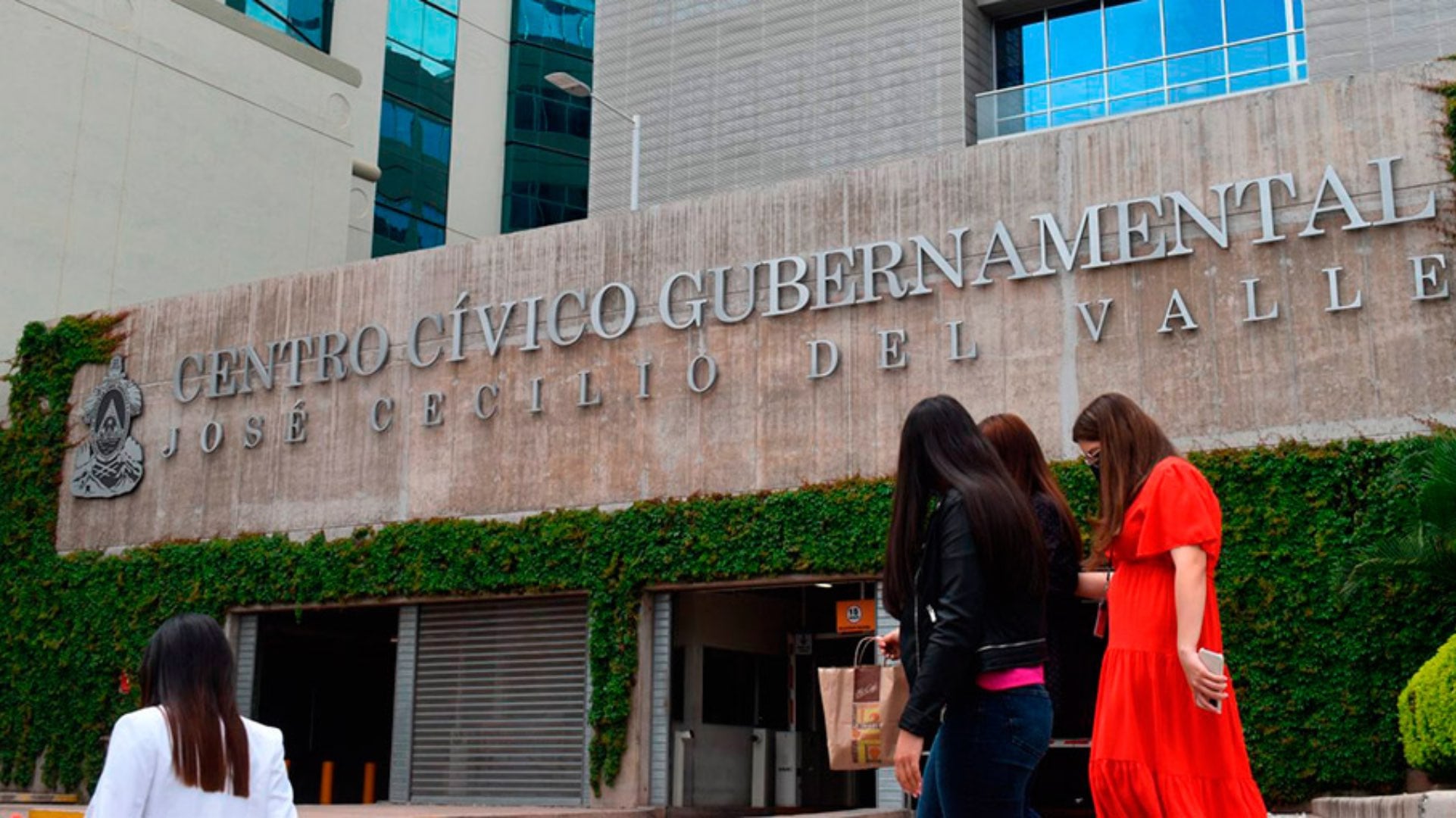
«Es una época en donde el comercio puede movilizarse, donde las familias hondureñas pueden recuperar esa actividad económica que quizás no han tenido en meses anteriores», manifestó el funcionario del Cohep.
El comportamiento del consumo durante estas semanas será importante para distintos sectores productivos, especialmente los establecimientos comerciales, supermercados, tiendas de ropa, mercados, restaurantes y negocios que dependen de las compras de temporada.
La llegada de más de USD 1.000 millones en salarios y aguinaldos también representa una oportunidad para los pequeños y medianos negocios, que suelen concentrar una parte importante de sus ventas durante las festividades de diciembre.
Sin embargo, el impacto de esta inyección de recursos dependerá de cómo las familias distribuyan sus ingresos y de cuánto dinero destinen efectivamente al consumo. Una parte también estará orientada al pago de deudas, compromisos financieros y necesidades básicas que los hogares mantienen durante todo el año.
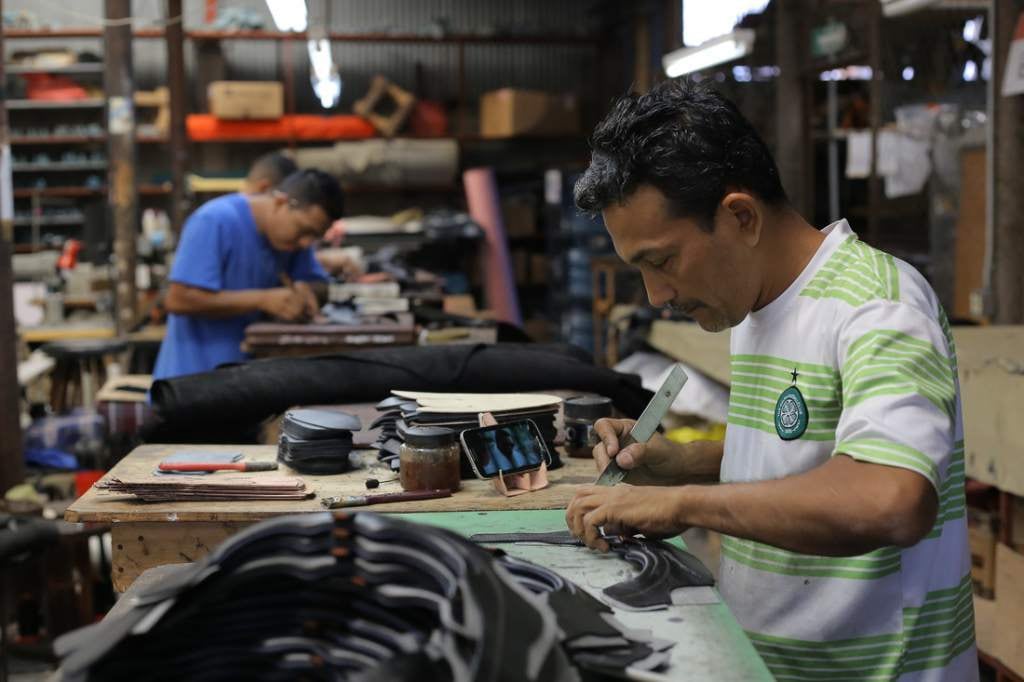
Cohep recomienda cuidar el aguinaldo
Aunque el ingreso extraordinario representa un alivio para miles de trabajadores, el Cohep recomendó administrar el aguinaldo con responsabilidad, especialmente ante los compromisos económicos que aparecen después de las celebraciones de fin de año.
Lester Amador aconsejó a los hondureños revisar sus finanzas familiares, identificar las obligaciones pendientes y establecer prioridades antes de destinar el dinero a compras navideñas o gastos que no sean indispensables.
El representante empresarial también destacó la importancia de reservar una parte de estos recursos para cubrir los gastos de enero y febrero de 2027, dos meses en los que muchas familias enfrentan dificultades para reorganizar sus presupuestos después de los desembolsos de diciembre.
Entre los compromisos que suelen acumularse al comenzar el año figuran los gastos escolares, la compra de útiles y uniformes, el pago de servicios básicos, las cuotas de préstamos y otras obligaciones familiares.

La recomendación busca evitar que los trabajadores utilicen la totalidad del aguinaldo durante las festividades y comiencen el nuevo año con problemas de liquidez o la necesidad de recurrir nuevamente al endeudamiento.
Amador insistió en que la planificación financiera permitirá aprovechar mejor el dinero recibido y convertir este ingreso adicional en una herramienta para mejorar la estabilidad económica de los hogares.
La inyección de USD 1.060 millones representa, por tanto, una oportunidad para dinamizar el comercio hondureño durante la Navidad, pero también plantea el desafío de que las familias distribuyan sus recursos de manera que puedan cubrir tanto las celebraciones de diciembre como sus necesidades durante los primeros meses de 2027.
corresponsal:Desde Tegucigalpa, Honduras

Con el proyecto por Malvinas como eje principal, el Gobierno delineó la hoja de ruta para las sesiones extraordinarias

Venezuela elimina el requisito de visa para los panameños tras años de tensiones diplomáticas

El Banco Central retomó la compra de dólares y cortó una racha de cuatro ruedas consecutivas sin sumar divisas

Descubrieron una segunda quinta de casi $100 millones adquirida por una empresa vinculada a “Chiqui” Tapia

La filosa respuesta de Mauricio Pochettino antes de un partido clave del Manchester United en la lucha por evitar el descenso

US military disables tanker ship attempting to slip through Iran blockade on Thanksgiving Day

“Estoy preparada para ser presidenta”: fuerte desafío de Patricia Bullrich a Javier Milei

Efecto reforma electoral: la suspensión de las PASO divide la estrategia de los “outsiders”

El economista Luis Secco cuestionó el programa económico de Milei: “Estamos estancados desde fines del primer trimestre de 2025″

“Lo real es que estamos estancados”: el análisis de un economista tras la caída de la actividad

 POLITICA2 días ago
“Estoy preparada para ser presidenta”: fuerte desafío de Patricia Bullrich a Javier Milei
- POLITICA12 horas ago
Efecto reforma electoral: la suspensión de las PASO divide la estrategia de los “outsiders”
- ECONOMIA3 días ago
El economista Luis Secco cuestionó el programa económico de Milei: “Estamos estancados desde fines del primer trimestre de 2025″