INTERNACIONAL
Panamá inicia inspecciones de árboles de Navidad ante la llegada de miles de ejemplares importados

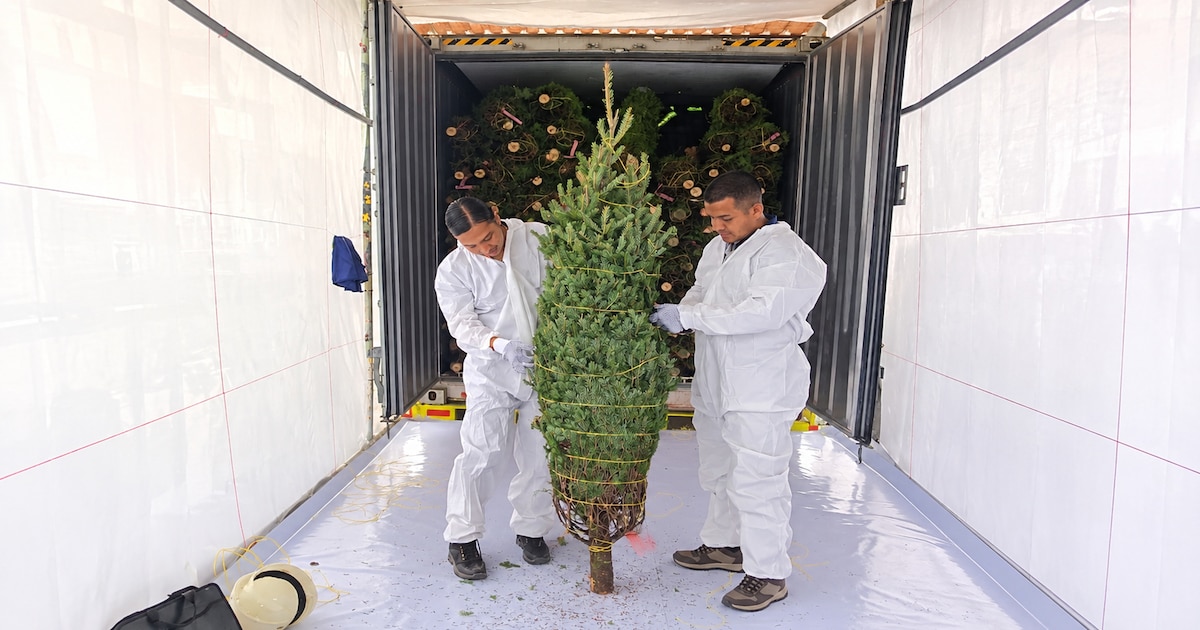
La temporada navideña comenzó a movilizar los primeros cargamentos de árboles naturales hacia Panamá, donde numerosas familias mantienen la tradición de decorar sus hogares con pinos importados para las celebraciones de diciembre.
El Ministerio de Desarrollo Agropecuario (MIDA) inició las inspecciones fitosanitarias de los primeros cuatro contenedores procedentes de Canadá, como parte de un operativo que busca impedir el ingreso de plagas y enfermedades capaces de afectar la agricultura nacional.
Para este año, las autoridades proyectan la importación de aproximadamente 45 contenedores de árboles navideños, provenientes principalmente de Canadá y del estado de Oregón, en Estados Unidos.
Cada unidad transporta entre 400 y 900 ejemplares, dependiendo de sus dimensiones, por lo que el volumen potencial oscilaría entre 18.000 y 40.500 árboles, aunque la cantidad definitiva dependerá de los pedidos realizados por las empresas importadoras.

La llegada de estos productos responde a una costumbre arraigada entre numerosas familias panameñas, que durante las semanas previas a diciembre adquieren árboles naturales para decorar sus residencias.
Su aroma característico, apariencia y presencia en las celebraciones familiares mantienen vigente una tradición que convive con los árboles artificiales, especialmente durante las festividades de Navidad y Año Nuevo.
En Panamá, la comercialización de estos ejemplares se concentra tradicionalmente durante noviembre y las primeras semanas de diciembre, cuando los establecimientos comienzan a ofrecer árboles de diferentes tamaños.
Aunque las opciones artificiales pueden reutilizarse durante varios años, los árboles naturales conservan un mercado propio entre los consumidores que prefieren su apariencia y fragancia características.
Sin embargo, detrás de esta actividad comercial existe un proceso de vigilancia sanitaria que comienza antes de la llegada de los cargamentos. Los árboles naturales pueden transportar insectos, ácaros, hongos y otros organismos adheridos a sus ramas, troncos o follaje, por lo que las autoridades deben verificar que cumplan los requisitos fitosanitarios establecidos para proteger los cultivos y ecosistemas del país.

El MIDA explicó que los árboles procedentes del estado estadounidense de Oregón son inspeccionados directamente en su lugar de origen por profesionales de Cuarentena Agropecuaria.
Estas verificaciones permiten comprobar las condiciones de los cargamentos antes de su embarque y reducir el riesgo de introducir organismos perjudiciales, conforme a las disposiciones de la Dirección Nacional de Sanidad Vegetal.
Una vez que estos contenedores lleguen a territorio panameño, los cargamentos previamente inspeccionados deberán completar la revisión documental correspondiente antes de recibir autorización para su liberación.
Este procedimiento permite agilizar el ingreso de la mercancía sin eliminar los controles establecidos, mientras los productos que no hayan sido verificados en origen requieren inspecciones fitosanitarias al arribar a los puertos nacionales.
Los primeros cuatro contenedores provenientes de Canadá ingresaron por la terminal SSA Marine MIT, donde comenzaron las verificaciones sanitarias correspondiente
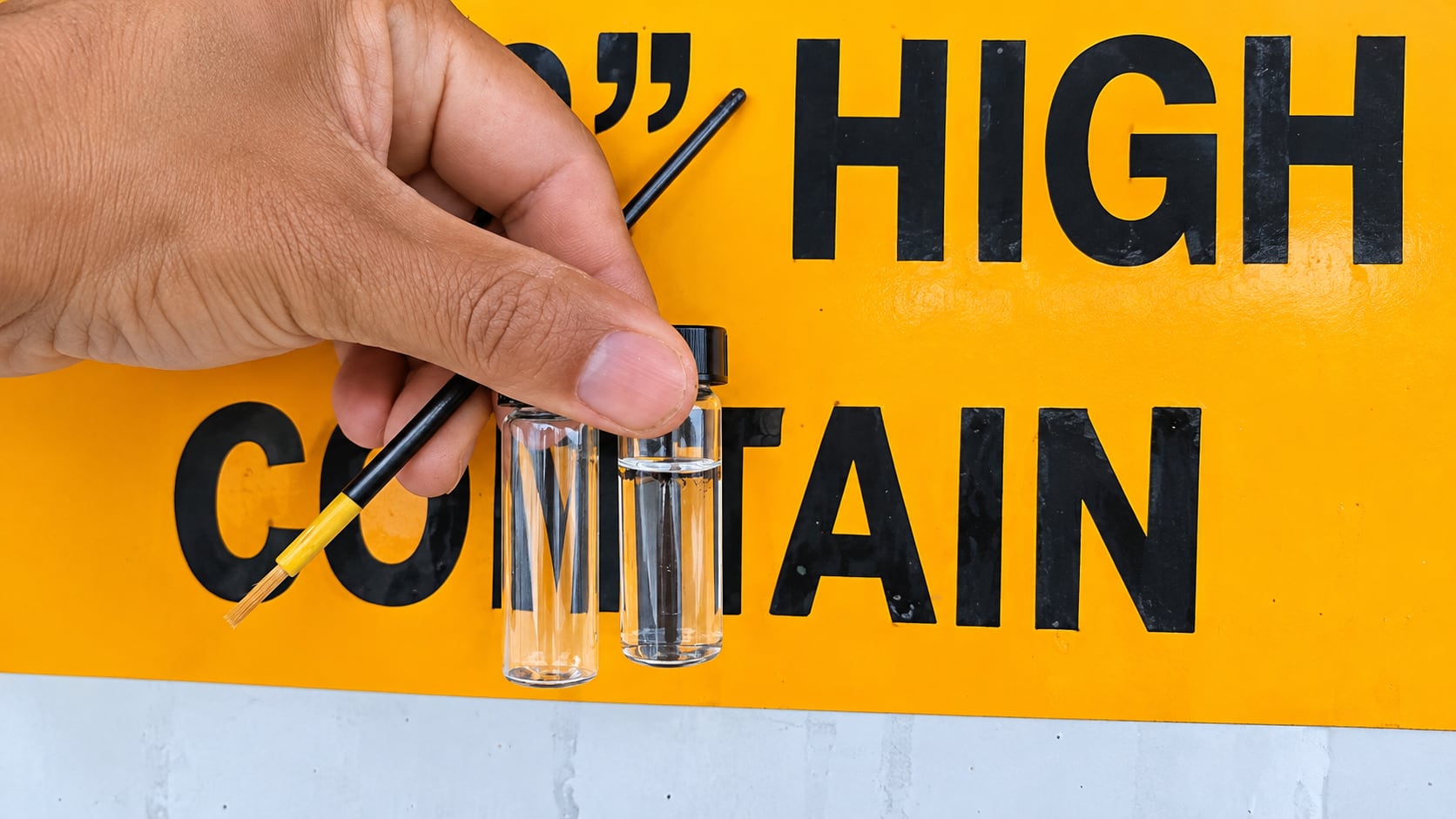
Los inspectores revisan las condiciones de los árboles y buscan posibles organismos perjudiciales, mientras las empresas importadoras coordinan la distribución de los cargamentos para abastecer los comercios durante las semanas previas a Navidad.
Las cifras de años anteriores permiten dimensionar el movimiento comercial asociado con esta tradición navideña. En noviembre de 2024, el MIDA proyectaba la llegada de entre 70 y 80 contenedores, con aproximadamente 450 a 650 árboles por unidad, lo que representaba un volumen potencial de entre 31.500 y 52.000 ejemplares provenientes de Canadá y Estados Unidos.
Para 2025, las autoridades inicialmente estimaron la importación de unos 60 contenedores con árboles naturales. El 26 de noviembre de ese año, el MIDA informó que habían ingresado 47 contenedores de 40 pies, equivalentes a aproximadamente 38.000 árboles, mientras mantenía una proyección final de entre 60 y 65 unidades de carga.
Para 2026, la previsión comunicada es de aproximadamente 45 contenedores, aunque la cantidad definitiva dependerá de las notificaciones de los importadores y de los embarques autorizados antes de concluir el período.
La vigilancia fitosanitaria tiene especial importancia porque algunas plagas presentes en otras regiones pueden encontrar condiciones favorables para establecerse en nuevos territorios.

La introducción de organismos exóticos representa un riesgo para determinadas especies vegetales y actividades agrícolas, razón por la cual los controles buscan detectar posibles amenazas antes de autorizar la distribución comercial de los árboles importados.
Cuando los inspectores encuentran organismos sospechosos, las muestras pueden enviarse a los laboratorios de Sanidad Vegetal para determinar si representan un riesgo cuarentenario.
Durante la temporada anterior se detectaron algunos insectos que, según los análisis oficiales, no constituían una amenaza, mientras los cargamentos con plagas de importancia pueden ser retenidos y devueltos a su país de procedencia.
La temporada de importación continuará hasta mediados de noviembre, según el calendario comunicado por las autoridades agropecuarias, aunque el volumen definitivo de mercancía dependerá de las operaciones comerciales.
Los controles realizados tanto en origen como en los puertos panameños permiten verificar el cumplimiento de las condiciones sanitarias exigidas antes de que los ejemplares lleguen a los puntos de venta.
Con estas verificaciones, el MIDA busca facilitar el abastecimiento de árboles naturales sin comprometer la seguridad fitosanitaria, en una temporada que moviliza importadores, transportistas y establecimientos comerciales.
La llegada de los primeros cargamentos marca así el comienzo de la comercialización de uno de los productos tradicionales de las celebraciones de fin de año en Panamá.

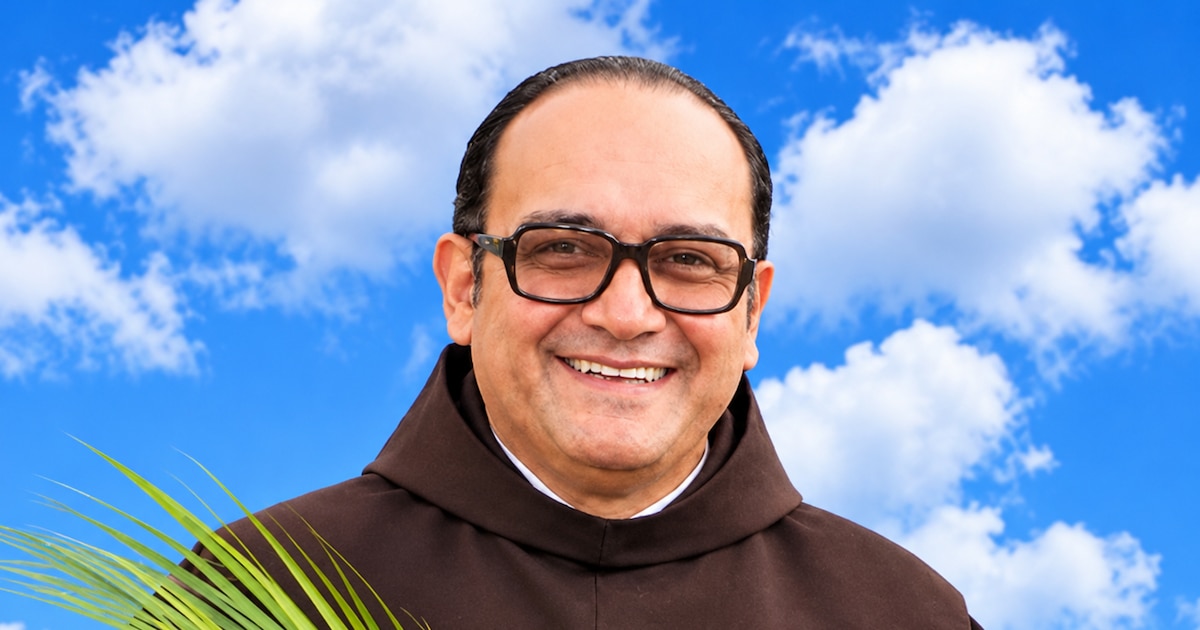
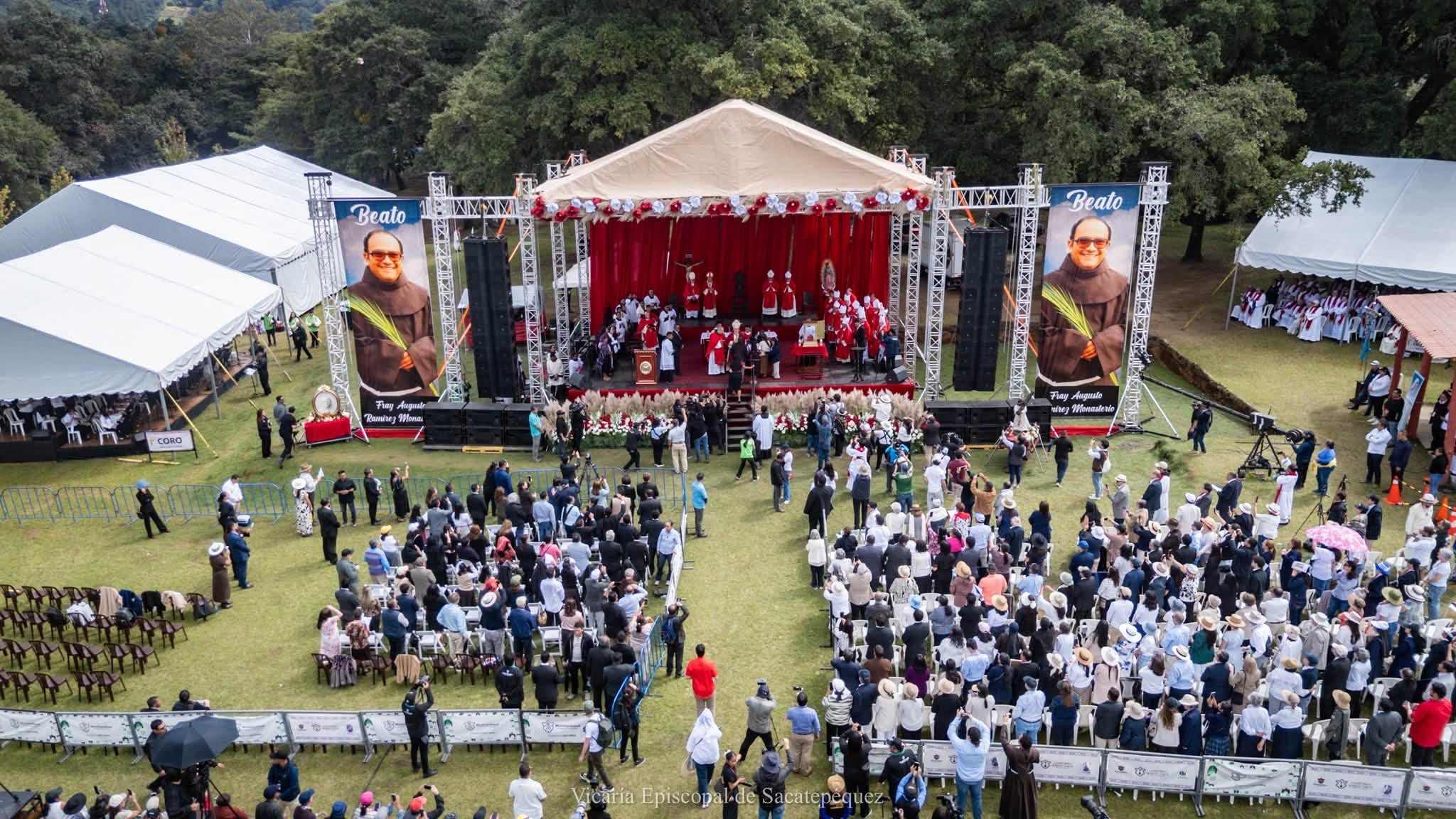
La Iglesia católica proclamó beato este sábado 7 de noviembre a fray Augusto Rafael Ramírez Monasterio, sacerdote franciscano asesinado en 1983 tras proteger el secreto de confesión, durante una ceremonia en la Finca Municipal Florencia, en Santa Lucía Milpas Altas, Sacatepéquez. La celebración coincidió con los 43 años de su muerte y convirtió al religioso en el primer sacerdote guatemalteco elevado a los altares.
La causa había comenzado tres décadas antes, cuando la Conferencia Episcopal de Guatemala presentó por primera vez el nombre de Ramírez Monasterio ante el papa Juan Pablo II en 1996. La solicitud fue reiterada durante la segunda visita papal al país, en 2000.
Más de 15.000 fieles de distintos puntos de Guatemala asistieron a la eucaristía, presidida por el cardenal mexicano José Francisco Robles Ortega, arzobispo de Guadalajara y delegado del papa León XIV. También participaron el arzobispo metropolitano de Santiago de Guatemala, Gonzalo de Villa y Vásquez, 27 obispos, dos cardenales, el nuncio apostólico y unos 300 sacerdotes.
Robles Ortega, de 77 años, fue designado representante pontificio el 4 de octubre y encabezó su primera misión de este tipo. La ceremonia comenzó a las 10:00 en la finca municipal.
El reconocimiento del martirio sin un milagro acreditado
El Vaticano formalizó el reconocimiento del martirio el 22 de enero de 2026, después de una audiencia de León XIV con el cardenal Marcello Semeraro, prefecto del Dicasterio para las Causas de los Santos. Esa condición permitió continuar el proceso sin acreditar un milagro, que suele ser un requisito para las causas que no corresponden a mártires.
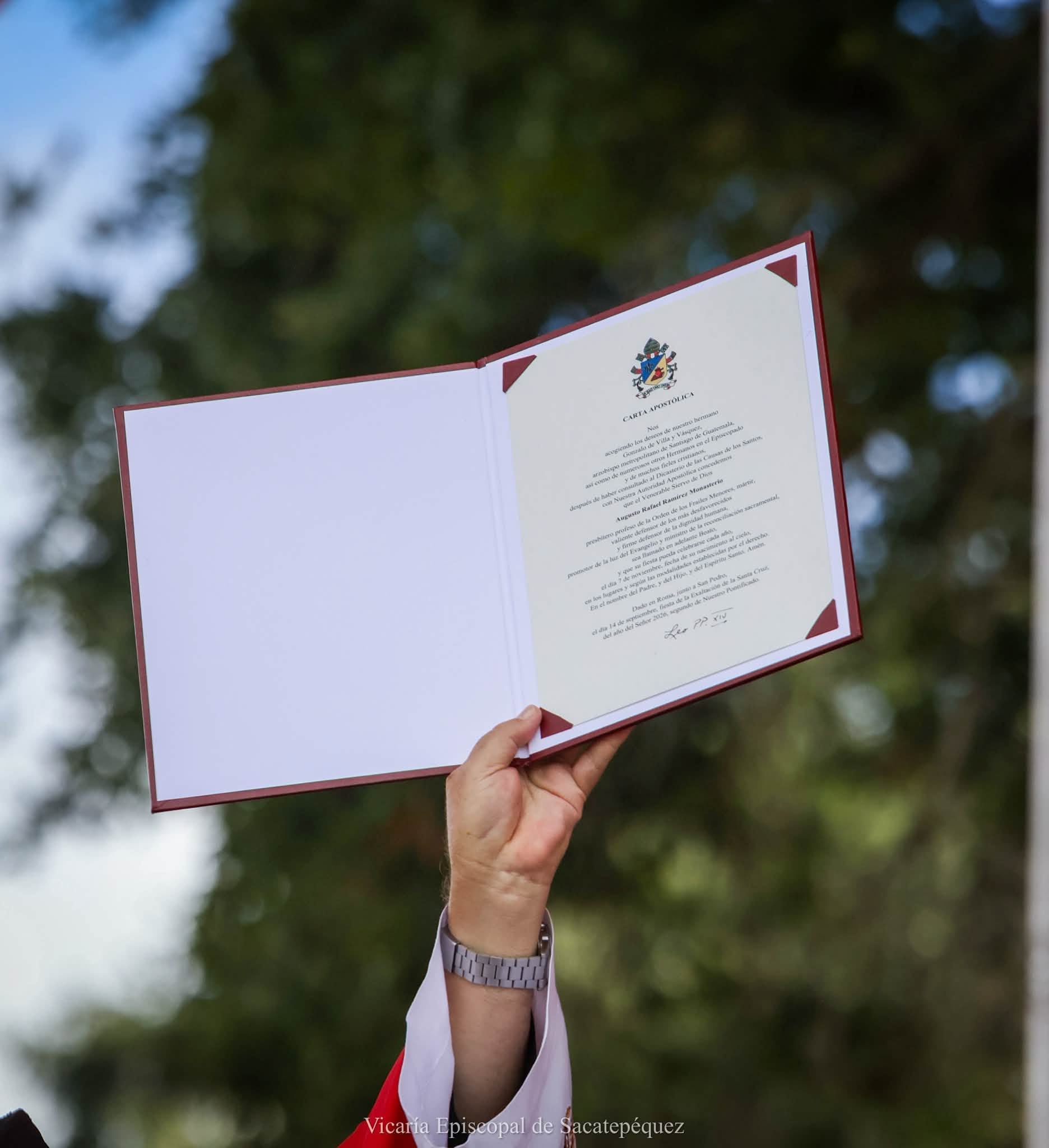
El vicepostulador de la causa, fray Edwin Alvarado, leyó el decreto pontificio firmado en Roma el 14 de septiembre, fecha de la fiesta de la Exaltación de la Santa Cruz. El documento definió al franciscano como “presbítero, profeso de la Orden de Frailes Menores y mártir, valiente defensor de los más desfavorecidos y firme defensor de la dignidad humana, promotor de la luz del Evangelio y ministro de la reconciliación sacramental”.
Tras la lectura del texto, Alvarado anunció: “Fray Augusto Rafael Ramírez Monasterio ha sido inscrito en el número de los beatos”. Luego se develó la imagen oficial destinada a la veneración del nuevo beato.
El secreto de confesión y las torturas antes del asesinato
El cardenal Robles Ortega situó la defensa del secreto de confesión en el centro de su homilía. “Se llegó el día en el que la Iglesia se pronuncia y lo eleva a los altares por su defensa heroica del secreto de confesión”, afirmó ante los asistentes.
La imagen oficial muestra las manos de Ramírez Monasterio cubiertas por las mangas de su hábito. El prelado explicó que el religioso había sido secuestrado y torturado días antes de su muerte: sus captores lo colgaron del techo con esposas de hierro, lo que dejó sus manos moradas y quemadas, y el sacerdote decidió ocultarlas cuando le solicitaron una fotografía.
El pretexto para el crimen surgió en junio de 1983, cuando el franciscano confesó a un campesino vinculado con la guerrilla. A partir de aquel episodio fue acusado de simpatizar con los sublevados, aunque Robles Ortega sostuvo que “siempre había permanecido ajeno a la política”.
El 7 de noviembre de 1983, Ramírez Monasterio fue secuestrado por segunda vez y asesinado a tiros en las afueras de la ciudad de Guatemala. Las autoridades de entonces presentaron el homicidio como un supuesto intento de fuga del vehículo que lo trasladaba.
Los compromisos planteados para el clero actual
La homilía definió al confesionario como un “sagrario de la misericordia” y vinculó el martirio del nuevo beato con la inviolabilidad de la conciencia. Robles Ortega afirmó que el secreto de confesión “no es un simple privilegio eclesiástico ni una forma jurídica que pueda negociarse bajo amenazas o presiones políticas”.
El cardenal sostuvo que esa reserva nace de la santidad del sacramento, en el que el sacerdote actúa en nombre de Cristo. A partir de esa idea, propuso para los sacerdotes dos compromisos: la confidencialidad absoluta ante las conciencias de los fieles y la cercanía con el sufrimiento de los pueblos.
Guatemala fue definida por Robles Ortega como “una hermosa y dolorosa tierra de mártires”, cuyo suelo “ha sido regado generosamente con la sangre de hombres y mujeres” que antepusieron la fidelidad al Evangelio durante los años de violencia. El cardenal relacionó esa cercanía pastoral con la expresión del papa Francisco sobre sacerdotes “con olor a oveja”.
Al final de su intervención, Robles Ortega citó un fragmento de una homilía pronunciada por Ramírez Monasterio en 1982, uno de los pocos textos conservados del sacerdote. Ese pasaje será incorporado al oficio de lectura de la liturgia de las horas.
La ceremonia concluyó con la invocación: “Beato Augusto, ruega por nosotros y protégenos siempre”. Después del rito, la reliquia fue trasladada en una procesión a pie desde el puente del Matasano hasta el templo de San Francisco El Grande, en Antigua Guatemala, donde una pantalla gigante permitió seguir la transmisión.
Corpus Christi,Sacatepéquez,obispo,relicario,liturgia
INTERNACIONAL
Melania Trump secures $7.2M for foster care scholarships at LSU ahead of Alabama showdown
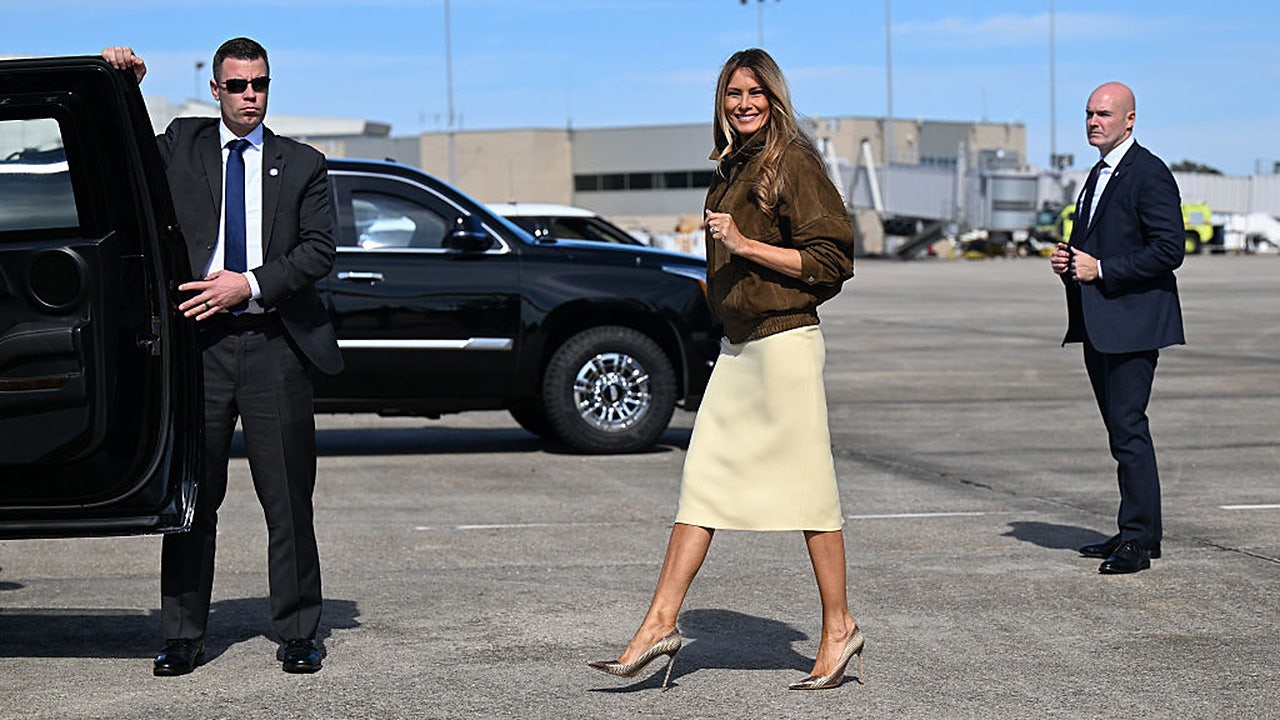
BATON ROUGE, La. — First lady Melania Trump announced a $7.2 million scholarship endowment at Louisiana State University (LSU) on Saturday, delivering a message of hope to young Americans who have experienced foster care before receiving a special football tribute ahead of the Tigers’ rivalry showdown against Alabama.
Trump wore a Dalma suede bomber jacket by Nour Hammour, paired with an Adam Lippes skirt and Manolo Blahnik BB pumps for the occasion, blending her signature polished style with a more relaxed look suited to a college football weekend.
The first lady’s visit unfolded against a distinctly LSU backdrop, with purple-and-gold tailgating crowds lining the motorcade route and a massive American flag hanging above the stage inside Patrick F. Taylor Hall.
LSU cheerleaders flanked Trump during her remarks, and the Tiger mascot presented her with both scholarship checks while wearing a signature «Be Best» T-shirt.
MELANIA TRUMP CHALLENGES CONGRESS TO MAKE HER FOSTER CARE EXECUTIVE ORDER PERMANENT LAW: ‘THEIR BIRTHRIGHT’
There, university officials, donors and students gathered for an announcement supporting young Americans who have experienced foster care through Trump’s «Fostering the Future» initiative.
«This achievement will give young people from foster care an anchor of stability, a strong educational foundation, and a chance to build a wonderful life,» Trump told attendees.
The permanent endowment includes a $5 million commitment from MMR Group, led by LSU alumnus James B. «Pepper» Rutland, and an additional $2.2 million raised from 75 LSU Foundation donors.
LSU Foundation President and CEO Krista Raney said the contributions had brought the scholarship fund to «more than $7.2 million and growing.»
LSU President Wade Rousse said the $5 million leadership gift is expected to generate approximately $200,000 annually, helping students cover tuition, fees, books and room and board.
ED ORGERON-LANE KIFFIN PAIRING ALREADY PAYING DIVIDENDS FOR LSU TIGERS DURING PIVOTAL RECRUITING WEEKEND
«At LSU, we believe talent is everywhere, but we understand that opportunity is not,» Rousse said.
The university also embraced the occasion with several football-themed gifts for the first lady.
Trump received a custom purple-and-gold LSU jersey bearing the name «MELANIA» and the number 14, along with a Tigers helmet featuring her BE BEST Fostering the Future logo.
Former LSU coach Ed Orgeron, known to fans as Coach O, joined the presentation with a specially designed commemorative football created by Big Game USA, a company owned by LSU alumnus Chris Calandra.
The initiative extended beyond the ceremony, with special patches on LSU players’ jerseys, helmet decals, cheerleader uniforms, mascot attire and commemorative fan towels, according to the White House.
COLLEGE FOOTBALL’S FIRST FULL SATURDAY IS HERE AND IT’S A CELEBRATION OF AMERICA AT ITS BEST
The celebration continued at Tiger Stadium, where the first lady’s Fostering the Future initiative received a special on-field recognition during LSU’s highly anticipated matchup against Alabama.
Students joined LSU’s Mike the Tiger mascot and others on the field for a ceremonial check presentation highlighting the $7.2 million scholarship endowment. Trump also appeared on the stadium’s massive Jumbotron as fans cheered and chants of «USA» echoed through the stadium.
The game-day atmosphere included a military flyover above Tiger Stadium, adding to the spectacle as thousands of fans gathered for the SEC rivalry.
The first lady’s visit extended beyond the scholarship announcement, with LSU incorporating Fostering the Future branding into players’ jerseys, helmets and other game-day elements.
A special Melania Trump challenge coin was also designated for the game’s opening coin toss, according to the White House.
The legendary LSU-Alabama rivalry even found its way into the scholarship announcement.
After Trump revealed that LSU has 14 Fostering the Future scholars compared with Alabama’s nine, Raney offered a lighthearted observation.
«Mrs. Trump, what I heard you say is that LSU has 14 scholarship recipients and Alabama has nine,» Raney said. «So I think that means we’ve already won the first point.»
Trump told attendees that 26 universities nationwide are supporting 100 Fostering the Future scholars this semester.
«While most eyes will be on the athletes today, I encourage you to recognize LSU’s Fostering the Future scholars, who are just as remarkable,» she said.
Louisiana Gov. Jeff Landry, Louisiana first lady Sharon Landry and House Majority Leader Steve Scalise, R-La., were among those in attendance.
Trump also received a handcrafted wooden bowl made from a fallen limb of one of LSU’s historic oak trees, a gift symbolizing the lasting impact of the scholarship initiative.
Fostering the Future, launched in 2021 as part of Trump’s BE BEST initiative, seeks to expand educational opportunities for young people who have experienced foster care.
«A great education does more than prepare someone for work life,» Trump said. «It gives something no one can ever take away.»
She closed with an encouraging message to scholarship recipients.
«To the Fostering the Future scholars here today, and throughout America: I see you. I believe in you. And I will keep working to create new opportunities with you,» she said.
melania trump, louisiana, lsu tigers, college, education, politics
Israeli government deadlocked after inconclusive election
Chief correspondent Jonathan Hunt reports from Tel Aviv, Israel, on deadlocked coalition negotiations as political factions meet with President Isaac Herzog. Following the elections, Benjamin Netanyahu and political rival Gadi Eisenkot make bids to secure the recommendations needed to form a government.
NEWYou can now listen to Fox News articles!
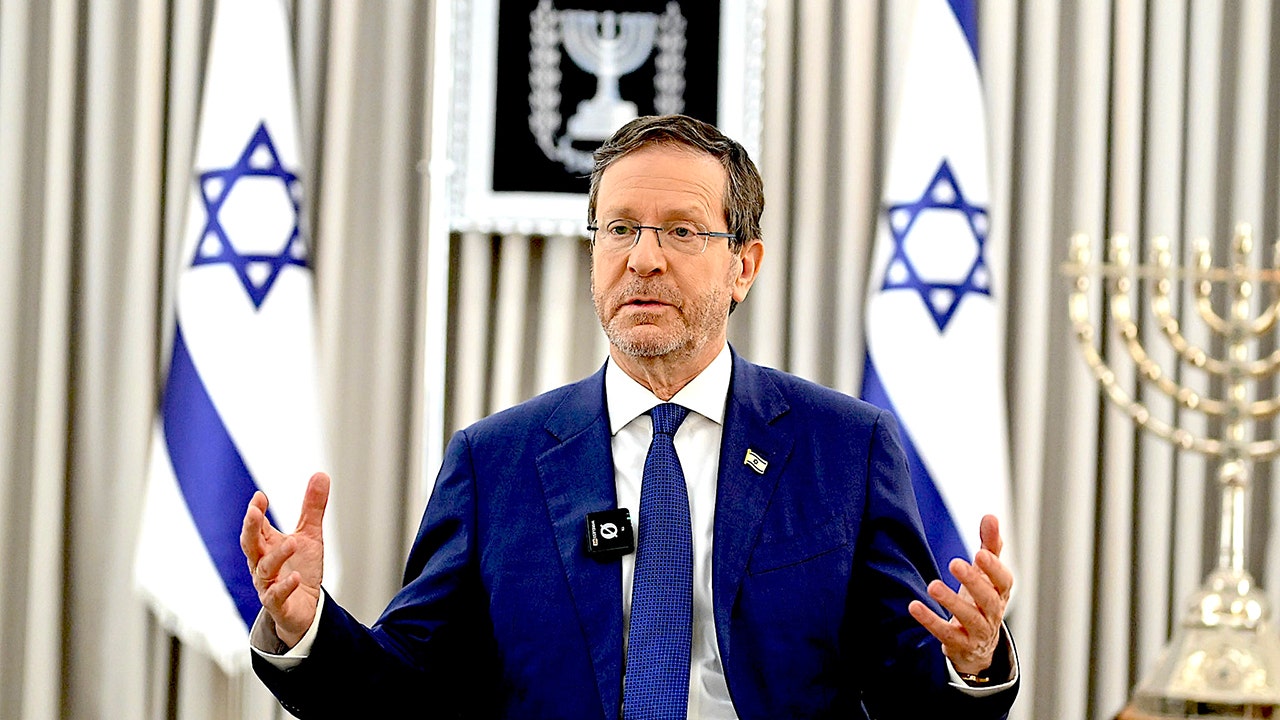
Israeli President Isaac Herzog announced Saturday that he has chosen opposition leader Gadi Eisenkot to form the country’s next government, handing Prime Minister Benjamin Netanyahu’s chief rival the first opportunity to build a coalition following an inconclusive national election.
Herzog announced his decision on Nov. 7, but the formal presentation of the mandate is scheduled for Sunday, November 8, at 5 p.m. Israeli time. Eisenkot will then have 28 days to assemble a government, with a possible 14-day extension.
The decision could mark a significant step toward ending Netanyahu’s tenure, but it would also launch a difficult round of coalition negotiations, with deep disagreements among parties seeking to replace him.
NETANYAHU DEFIES EXIT POLLS AS VOTE SHIFTS IN HIS FAVOR, BUT MAJORITY REMAINS ELUSIVE
Gadi Eisenkot, leader of the Yashar («Straight») party, waves an Israeli flag onstage following the release of the first exit poll results in Israel’s general election in Tel Aviv, Israel, Wednesday, Oct. 28, 2026. (Ariel Schalit/AP Photo)
Following two days of consultations with Israel’s newly elected parliament, Herzog announced Thursday that factions representing 67 of the Knesset’s 120 members had recommended Eisenkot, chairman of the Yashar party, to form the next government. Netanyahu received the backing of 46 lawmakers, while seven members of the ultra-Orthodox United Torah Judaism party declined to endorse either candidate.
«The results of the consultations may appear clear,» Herzog said in his Nov. 5 statement, but cautioned that competing political demands and vetoes have left the prospects for forming a government uncertain.
The challenge facing Eisenkot is that the 67 endorsements do not translate into a 67-seat governing coalition.
In the October 27 election, Netanyahu’s Likud emerged as the largest single party with 27 seats, while his wider political bloc won 53. The four-party alliance seeking to replace him secured just 48 seats.
The remaining endorsements for Eisenkot came from two Arab-led parties, the Joint List and Ra’am, which together hold 19 seats. Although both recommended Eisenkot to the president, their support presents a dilemma for some of his prospective coalition partners, who have ruled out depending on Arab parties to establish a government.
NETANYAHU GAINS OVERNIGHT AS ISRAEL ELECTION HEADS TOWARD POLITICAL DEADLOCK
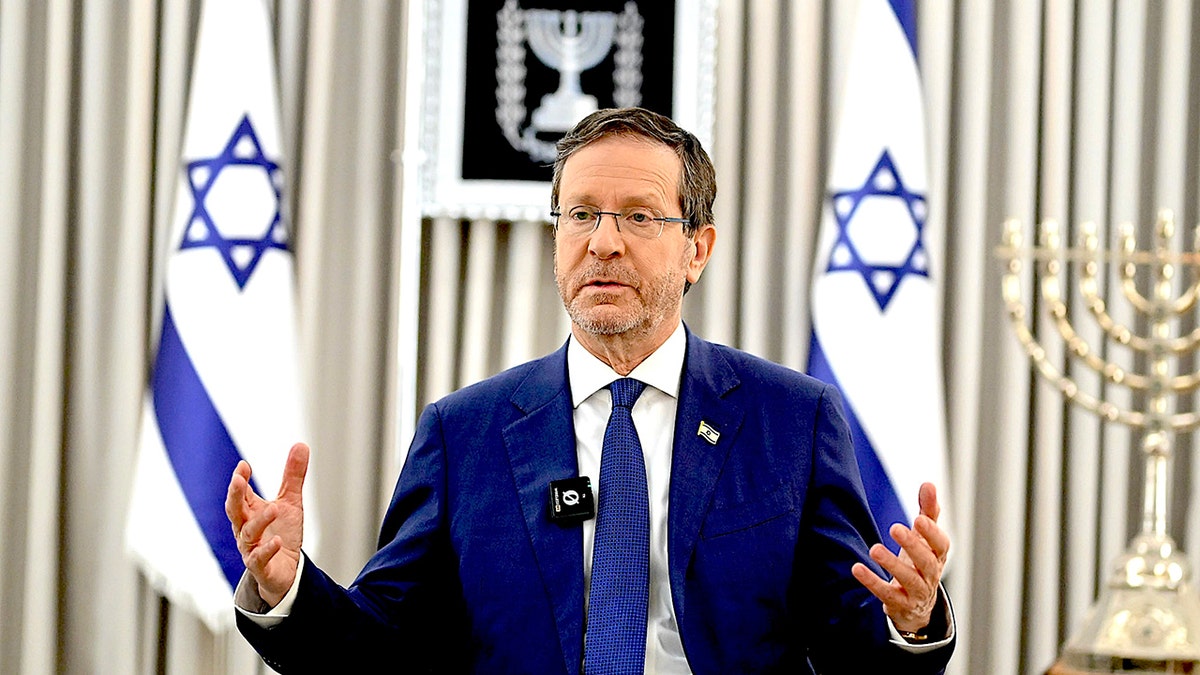
Israeli President Isaac Herzog during an interview with Fox News Digital in Jerusalem, Israel. (Yoav Dudkevitch/TPS-IL for Fox News Digital)
In a lengthy statement Friday, Eisenkot outlined his plan to establish what he called a National Emergency Government, initially based on the four parties committed to replacing Netanyahu, while leaving the door open for additional parties and lawmakers to join.
«Israel is facing a genuine, tangible and dangerous national emergency,» Eisenkot said. He accused the outgoing government of threatening Israeli democracy and warned that continued political instability could deepen the country’s security and diplomatic challenges.
Eisenkot said negotiations with his political partners had already produced significant progress and that further talks were underway.
His proposed government would be based on four founding principles: recognition of Israel as a Jewish and democratic state; acceptance of the values of Israel’s Declaration of Independence; universal military, national or civilian service; and recognition of Hamas as a terrorist organization, alongside a commitment to dismantle its military and governing capabilities.
ISRAEL HEADS INTO DEEPLY DIVIDED ELECTION AS OCT. 7 RECKONING LOOMS: WHAT TO KNOW
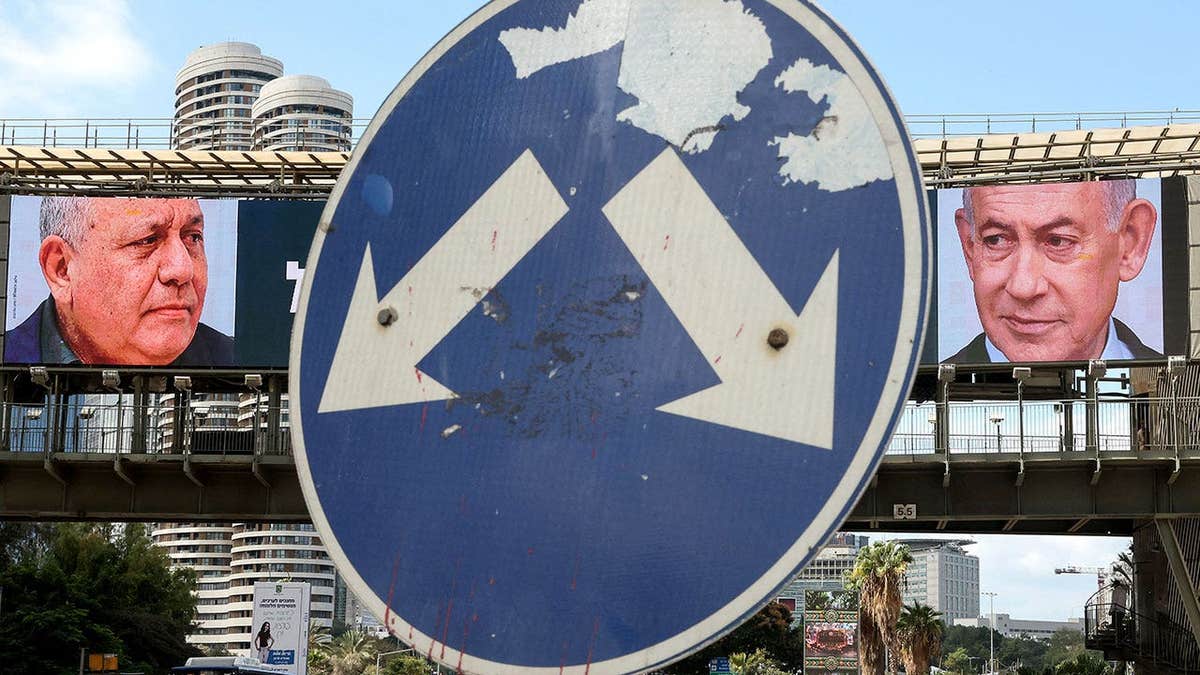
A road sign stands in front of a large billboard featuring Israel’s Prime Minister Benjamin Netanyahu (R) of the Likud party and former military chief and leader of the centrist Yashar party, Gadi Eisenkot, in Ramat Gan on October 20, 2026. Israel heads to the polls on October 27 in its first election since the October 7, 2023, Hamas-led attack, in what is seen as a referendum on the prime minister. (Jack Guez / AFP via Getty Images)
Eisenkot said he would invite lawmakers from across the political spectrum to join his government if they accepted those principles.
But even within the bloc seeking to replace Netanyahu, disagreements remain over how to secure the parliamentary support needed to govern.
One potentially significant development came Friday when Avigdor Lieberman, leader of the secular nationalist Yisrael Beitenu party, signaled a willingness to compromise on military conscription for ultra-Orthodox Jews, reversing a position that had long prevented political cooperation with religious parties.
In a statement posted on X, Lieberman argued that preventing another election and ending Netanyahu’s time in office would require difficult political compromises.
He identified three conditions: ending the Netanyahu era, avoiding another election and refusing to establish a government dependent on the abstention of the Joint List and Ra’am.
On other matters, including the contentious military draft law, Lieberman said political leaders must be prepared to compromise.
BENJAMIN NETANYAHU’S LEGACY AND POLITICAL FUTURE ON THE LINE IN ISRAEL’S OCT 27 ELECTION
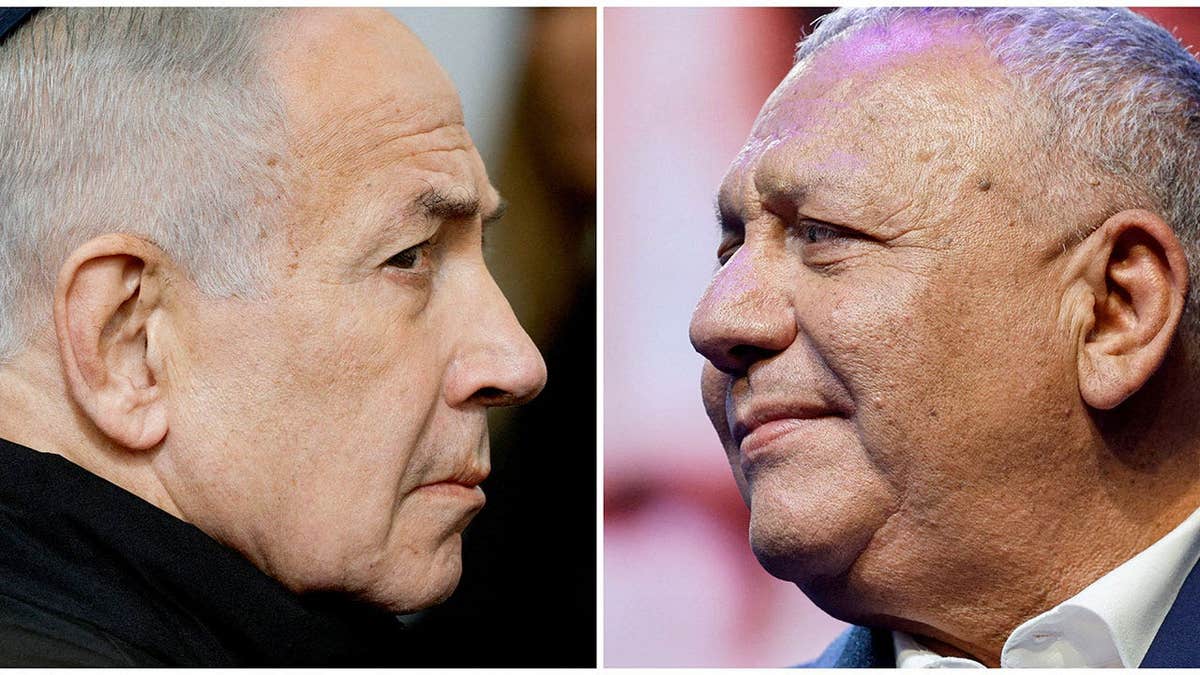
A combination picture shows Israeli Prime Minister Benjamin Netanyahu as he attends a memorial service held for Ran Gvili, an off-duty police officer who was killed fighting militants that had infiltrated Israel during the deadly October 7, 2023, attack by Hamas, and the last hostage recovered from Gaza, in Meitar, Israel, January 28, 2026, and Israeli opposition leader and former military chief, Gadi Eisenkot, as he launches an election campaign for Yashar, his new political party, at an event near Hod Hasharon, Israel, June 30, 2026. (Amir Cohen/Reuters)
The shift could open a path to negotiations with United Torah Judaism, whose seven lawmakers withheld their recommendation from Netanyahu despite the party’s long standing political alliance with him.
United Torah Judaism leader Yaakov Asher welcomed Lieberman’s flexibility Friday, but said his party had not yet received a concrete proposal and that any agreement would require approval from its religious leadership.
The conscription dispute remains a major obstacle. Ultra-Orthodox parties have sought legal protections for yeshiva students who study religious texts rather than serve in the military, while Eisenkot and several of his partners campaigned on expanding the obligation to serve.
Even bringing United Torah Judaism into the four-party opposition bloc would leave Eisenkot short of the 61 seats needed for an outright parliamentary majority. The religious Shas party, which holds six seats, recommended Netanyahu to Herzog.
A different possibility would be a minority government established with the help of abstentions from parties outside the coalition, an option discussed by Eisenkot’s allies but explicitly rejected by Lieberman if it depends on the Arab factions.
The disagreement exposes the central difficulty facing Eisenkot: although a majority of lawmakers recommended that he receive the first opportunity to form a government, they have not agreed on how such a government should be constituted.
Meanwhile, Netanyahu remains caretaker prime minister as the political negotiations continue.
The prime minister has also challenged aspects of the election results amid an investigation into suspected voting irregularities. However, Israel’s Central Elections Committee said the integrity of the election had not been compromised, according to Reuters on November 5.
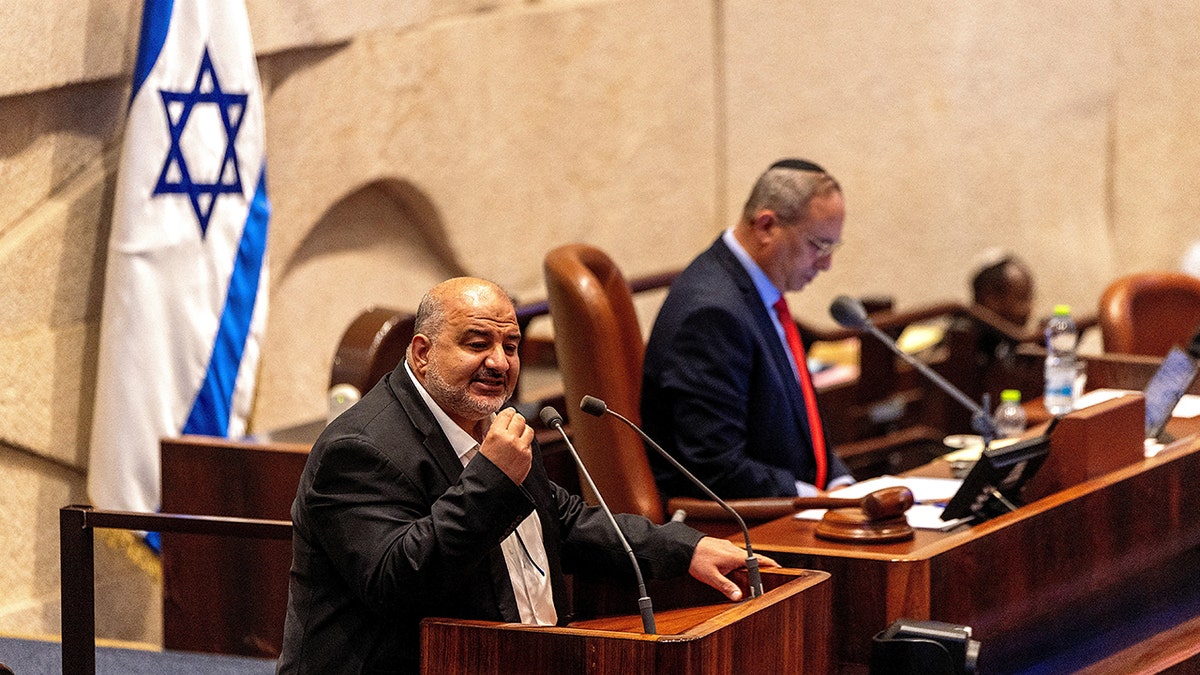
Mansour Abbas, leader of the Ra’am party, speaks at the plenum at the Knesset, Israel’s parliament, in Jerusalem, July 13, 2026 (Ronen Zvulun/Reuters)
For Eisenkot, receiving the presidential mandate would be an important political milestone. But turning his broad parliamentary endorsement into a functioning government will require agreements among parties divided over some of Israel’s most contentious domestic issues, particularly military service and cooperation with Arab lawmakers.
Failure to bridge those divisions could leave Israel facing further political deadlock — and potentially another election.
israel, elections, world, politics

La SIDE informó que detuvo a una persona por “amenazas de muerte” contra el Papa

La SIDE anunció la detención de una persona que amenazó de muerte al papa León XIV antes de su llegada a la Argentina

Así fue el íntimo festejo de Luciana Salazar: los famosos invitados y su look súper sensual

Papelón en Rosario: Rosario Central festejó un título antes de tiempo y se hizo viral

Mapa de cortes en CABA por la visita del papa: cómo es el trámite para circular dentro del vallado

El papa León XIV llega a la Argentina, una visita histórica que moviliza al país

La oposición cuestionó la suspensión de embargos a las pymes y criticó el plan económico: “Llegaron tarde”

El embajador de EEUU ratificó el apoyo de Trump a la Argentina tras la derrota republicana: “Nuestro compromiso es firme”

Sindicatos del transporte y de la industria se diferencian de la estrategia de la CGT y deciden acciones propias

Santiago Peña renunció a la Presidencia de Paraguay por el escándalo del Ueno Bank

 POLITICA3 días ago
El embajador de EEUU ratificó el apoyo de Trump a la Argentina tras la derrota republicana: “Nuestro compromiso es firme”
- INTERNACIONAL2 días ago
Santiago Peña renunció a la Presidencia de Paraguay por el escándalo del Ueno Bank
- INTERNACIONAL3 días ago
Cámara periscópica de 50 MP y tecnología NXTPAPER en pantalla AMOLED: así es el nuevo smartphone que llega a Perú