INTERNACIONAL
‘Red carpet for a despot’: Trump’s lavish Xi welcome collides with GOP anti-communism message

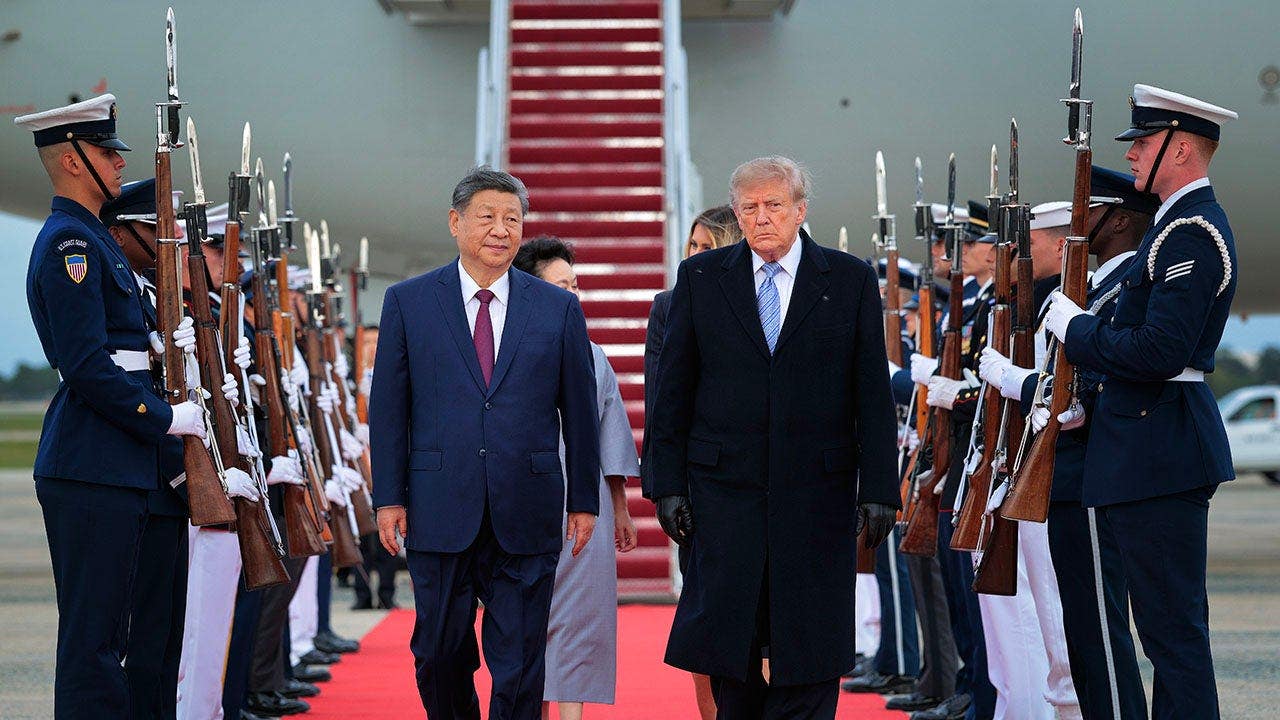
As President Donald Trump’s summit with Chinese President Xi Jinping comes to its end, some Republicans aren’t happy with the red carpet treatment the face of the Chinese Communist Party (CCP) received.
«Quite frankly, had the White House asked me for advice, I would have suggested the president not invite Xi Jinping to Washington for such a lavish welcome here in the United States of America, based on all of the troubling issues we have with President Xi and the Chinese Communist Party,» Sen. Roger Wicker, R-Miss., said.
Wicker, who chairs the Senate Armed Services Committee, has been one of the more vocal Republicans about his disdain for the meeting, which kicked off Wednesday afternoon when Trump met Xi at Joint Base Andrews — the first time a president has met with a foreign dignitary there since 2015.
BIPARTISAN DUO WANTS TO REMIND CONGRESS, TRUMP OF CHINA’S ‘ATROCITIES’ AHEAD OF XI VISIT
The White House argued in a statement to Digital that Trump was returning the sentiment to Jinping after his visit to Beijing earlier this year.
«President Xi hosted President Trump in China for a historic summit this summer, and President Trump is reciprocating his hospitality by welcoming the Chinese delegation for a reciprocal visit this week,» White House spokeswoman Anna Kelly said. «The President will forge relationships with anyone in order to advance our national interests and make good deals for the American people.»
It comes as Republicans are running to hold onto power in the Senate. They departed their midterm convention in Dallas earlier this month with a rallying cry: «Common sense versus communism,» as progressive candidates surge across the country.
The convention was designed to remind voters that while his name is not on the ballot, Trump’s agenda is. But his meeting with Xi, optically, runs afoul of that.
«I mean, the president campaigned on an anti-China policy,» Sen. Thom Tillis, R-N.C., said. «You go look at those MAGA rallies and look at everybody cheering when he said he’s gonna take it to China.»
«Any time we roll out the red carpet for a despot from Russia, or a despot from China, I feel the same way,» he continued. «It’s kind of not good.»
GOP FACES BRUTAL MIDTERM HEADWINDS AS REPUBLICANS PAINT ELECTION AS ‘COMPETITION WITH COMMUNISM’
Sen. John Cornyn, R-Texas, said he was not «enthusiastic» about the summit, and said that China, Russia, Iran and North Korea were an «axis opposed» to the U.S.
«I hope the president’s clear-eyed about who he’s dealing with,» Cornyn told Digital. «I mean, he tends to call some of these dictators friends, and they’re no friend. I can guarantee.»
Some Republicans are willing to accept that a meeting between Trump and Xi is a necessary step in building a relationship between the two superpowers, even with the lavish nature of the summit.
«I think there’s value in being able to talk with your adversaries,» Senate Majority Leader John Thune, R-S.D., told Digital. «And I think, in this case, you know, our two countries, the biggest economies in the world, have a symbiotic relationship.»
Sen. Steve Daines, R-Mont., was invited to attend the dinner after spending years working in China before running for office.
Daines told Digital that he understood his colleagues’ apprehension, but that the U.S. and China, and particularly Trump and Xi’s relationship, had to work.
TRUMP-XI SUMMIT COULD HOLD KEY TO LOWER GAS PRICES, GOP CHAIRMAN SAYS
«This relationship is too big to fail, and it’s only appropriate that President Trump and his team extends respect to Xi Jinping, and it’s really reciprocal to what they did for President Trump back in May when they showed him great respect when he showed up in Beijing,» Daines said.
Still, that doesn’t mean Republicans have to like it.
«It is one of his strengths, his ability to sort of win individuals over with hospitality,» Sen. Kevin Cramer, R-N.D., told Digital. «He’s in the business. So I don’t, again, I’m not gonna second guess it. You know, I hate seeing it at a personal level, but I trust his instincts on it.»
Lawmakers hoped that the two-and-a-half-day summit would yield deals on the artificial intelligence (AI) race, trade deals that would end the trade war between the U.S. and China and for Xi to use his influence to get oil and natural gas flowing through the Strait of Hormuz again.
Trump kept tight-lipped about the nature of their bilateral meeting in the Oval Office on Thursday, but so far, Xi has promised two new pandas while the president is mulling allowing Chinese electric vehicles to be built in the U.S.
Sen. John Kennedy, R-La., took no issue with the meeting, but hoped that Trump would see through any smokescreen Xi deployed.
«I just suggested, and I don’t think he will — the president’s a pretty good judge of character — not to believe President Xi’s bulls—, because he’s lying. Particularly about helping Iran, and Xi could get the Strait open immediately if he wanted,» Kennedy told Digital.
politics, donald trump, xi jinping, republicans elections, senate, china













INTERNACIONAL
Antigua Guatemala reunió a más de 300 especialistas en el FEL Summit 2026 para analizar la transformación digital de los sistemas fiscales en América Latina

Antigua Guatemala reunió el 15 de octubre a más de 300 especialistas, autoridades tributarias y empresas tecnológicas de al menos 10 países en el FEL Summit 2026, un encuentro dedicado a los cambios que la inteligencia artificial, la automatización y la ciberseguridad imponen sobre los sistemas fiscales de América Latina.
La jornada contó con más de 20 expositores internacionales, representantes de 25 compañías y funcionarios de administraciones tributarias de la región.
El encuentro fue organizado por la empresa guatemalteca INFILE y tuvo la coorganización técnica de la Superintendencia de Administración Tributaria de Guatemala.
El debate abarcó la digitalización de los trámites fiscales y financieros, pero también la relación entre los Estados y las empresas. La expansión de los procesos electrónicos durante la última década aceleró esa transformación y planteó exigencias de supervisión, protección de datos y adaptación institucional.

La inteligencia artificial en la administración tributaria
La inteligencia artificial concentró buena parte de las exposiciones por su capacidad para automatizar validaciones, agilizar procedimientos y ampliar el análisis de grandes volúmenes de datos. Los participantes también abordaron los riesgos vinculados con el tratamiento de información y la gestión de amenazas digitales.
José Eduardo Gutiérrez, representante del Banco Mundial, presentó la conferencia “El futuro fiscal de América Latina: tecnología, confianza y desarrollo en una economía digital”. Luego participó de un conversatorio junto con Erick Echeverría, intendente de Recaudación de la SAT, sobre tecnología, formalización y tributación como herramientas para impulsar el desarrollo económico.
Echeverría expuso el recorrido de Guatemala desde la implementación de la factura electrónica hasta su actual objetivo de crear un ecosistema fiscal integrado. Ese modelo busca vincular los comprobantes digitales con otros procesos de administración, control y cumplimiento tributario.
La coordinación entre países surgió como una condición para extender la modernización fiscal en América Latina y el Caribe. Las administraciones de la región avanzan a ritmos distintos: algunas llevan años con la factura electrónica obligatoria, mientras otras todavía comienzan su transición hacia sistemas digitales.
El panel regional reunió al superintendente de la SAT, Werner Ovalle, con especialistas de Panamá, República Dominicana, Honduras, Costa Rica y Perú. Las experiencias compartidas incluyeron modelos de automatización, digitalización y evolución de las obligaciones de los contribuyentes.
La protección de datos y el uso financiero de las facturas
La ciberseguridad ocupó otro lugar central en la agenda por el aumento de los riesgos de fraude digital y robo de identidad. La protección de la información tributaria fue presentada como una condición para sostener la confianza de empresas y contribuyentes en los sistemas electrónicos.
Guillermo Bran, presidente ejecutivo de INFILE, definió el alcance del encuentro: “Conectamos autoridades tributarias, líderes empresariales, especialistas en tecnología y actores del ecosistema financiero, conversando en un mismo espacio sobre contabilidad electrónica, factura electrónica, cumplimiento tributario, factoraje, inteligencia artificial y ciberseguridad”.
“No es una conferencia teórica; es un espacio para entender hacia dónde va la transformación fiscal de la región”, agregó Bran. La convocatoria integró a actores públicos y privados vinculados con los sistemas tributarios, financieros y tecnológicos.
La factura electrónica también fue analizada como una herramienta que puede exceder el cumplimiento fiscal. Entre las posibilidades discutidas figuró su uso como activo financiero y su vínculo con el factoring digital, un mecanismo de financiamiento mediante el cual una empresa cede sus facturas por cobrar para obtener liquidez anticipada.
Estos modelos podrían facilitar el acceso al financiamiento de pequeñas y medianas empresas, que suelen enfrentar mayores dificultades para obtener crédito en la banca tradicional. La agenda incluyó además experiencias regionales sobre el uso de inteligencia artificial en pagos entre empresas y en la contabilidad electrónica.
Los organizadores situaron en 2030 la próxima etapa de los sistemas fiscales latinoamericanos, marcada por la convergencia entre factura electrónica, contabilidad digital, factoring electrónico y transformación tecnológica. El desafío planteado fue combinar innovación, seguridad y capacidad institucional para supervisar los nuevos procesos.
factura electrónica,conferencia,orador
INTERNACIONAL
Democrats’ latest gun-control push runs into inconvenient fact about how school killer was stopped
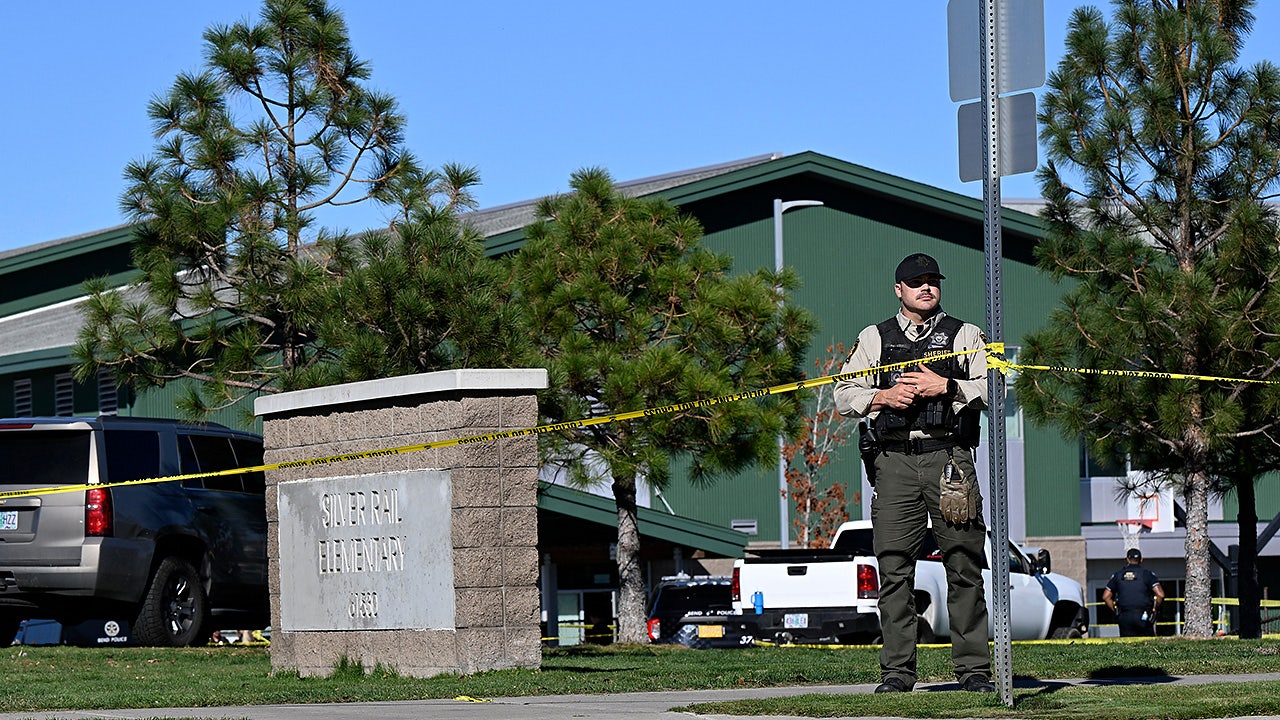
Democrats renewed calls for tougher gun laws after three children and a teacher were killed in an Oregon school shooting, but gun-rights advocates say the circumstances of the attack bolster their case against new restrictions.
The teenage shooter reportedly opened fire with a shotgun purchased by his mother before armed father-of-two-students Kaylub Giamanco pursued him into Silver Rail Elementary School and fatally shot him. Second Amendment advocates argue additional gun restrictions would not have stopped the killer and could make it harder for armed civilians like Giamanco to intervene.
«Democrats are shamefully weaponizing this tragedy in Oregon to advance their political agenda on gun control,» Aidan Johnston, director of federal affairs for Gun Owners of America, told Digital.
«But more gun control isn’t the solution: the school was a gun-free zone and the killer didn’t use a so-called ‘assault weapon.’ What did stop the mass murderer and save lives was an armed bystander with good aim.»
FEDERAL APPEALS COURT UPHOLDS CONTROVERSIAL ILLINOIS BAN ON SEMIAUTOMATIC GUNS
Gun-rights researcher John Lott, president of the Crime Prevention Research Center, separately argued that restrictions on carrying firearms can leave potential victims defenseless.
«These gun-free zones actually serve as a magnet for these attacks rather than stopping them from occurring,» Lott told Digital.
Lott pointed to CPRC research examining active shootings from 2014 through 2024, which he said found that legally-armed civilians stopped more attacks than police did.
The National Rifle Association similarly questioned whether new restrictions would have changed the outcome.
«Oregon already has nearly every gun-control measure on the anti-gun wish list—including an A- rating from groups that push them—yet that did not prevent this attack,» the NRA said in a statement to Digital. «The armed bystander who pursued the shooter inside and ended the threat is the clearest reminder that when seconds count, a prepared law-abiding citizen can stop a killer.»
Sen. Ron Wyden, D-Ore., was among the lawmakers calling for action after the shooting at Silver Rail Elementary School in Bend, where Bend-LaPine school policy bans firearms, including concealed ones.
«The best way to honor these victims is to at long last pass common-sense gun laws that reduce the risks of more children, parents, teachers and staff forced to live in fear of similar nightmares for their schools,» Wyden said in a statement.
JONATHAN TURLEY: JAMES TALARICO’S DEFENSE OF GUN CONTROL LEAVES OUT A KEY WORD
Rep. Janelle Bynum, D-Ore., whose district includes Bend, also called for action while acknowledging the armed bystander’s intervention.
«When are we going to practice that same bravery that that bystander had?» Bynum asked during a vigil, after urging action to keep firearms away from people who should not have them.
Senate Armed Services Committee ranking member Jack Reed, D-R.I., also cited the shooting in calling for additional gun laws and urging the Supreme Court to change course:
«It is far past time for the Roberts Court to make it clear their decision on guns does not endorse unfettered and unregulated access to weapons,» Reed said.
«In the absence of the Supreme Court ceasing its pro-gun rulings, Republicans need to join Democrats in enacting commonsense policies that could prevent these kinds of tragedies,» Reed added.
The Roberts Court has issued consequential gun-rights rulings, including District of Columbia v. Heller — which struck down the District of Columbia’s handgun ban in 2008 — and New York State Rifle & Pistol Assn. v. Bruen, which struck down New York’s requirement that applicants show a special need to obtain a license to carry a handgun in public.
LA GUN OWNERS STUCK WAITING YEARS FOR CONCEALED CARRY PERMITS SCORE MAJOR DOJ VICTORY
The political fighting is unfolding as investigators examine how the teenage gunman gained access to his mother’s shotgun — a key question in determining whether existing or proposed gun laws could have made a difference.
Asked specifically about universal background checks and red-flag laws, the NRA argued that neither would likely have prevented the shooting, citing initial reports that the teenager obtained a family member’s firearm.
The organization noted that background checks generally apply to firearm transfers, not unauthorized access to a firearm already owned by someone else. It also argued that a red-flag order would likely have been ineffective, although the circumstances surrounding the teenager’s access to the shotgun remain unclear.
Lott also pointed to a 2021 change in Oregon law that allowed individual school districts to prohibit concealed carry permit holders from bringing firearms onto school property, arguing that such restrictions can leave schools more vulnerable.
Before that change, Lott said, Oregon teachers with concealed carry permits generally could carry firearms at schools, although some districts imposed employment-related restrictions. He estimated that roughly 25 of the state’s 197 school districts have adopted prohibitions since then.
SIGN UP TO GET THE POLITICS NEWSLETTER
«All the school shootings where anybody has been wounded or killed have occurred in places where people, teachers and staff are banned from having guns,» Lott said, citing CPRC research.
Lott said his organization is updating the research through 2025. He also argued that uniformed school resource officers face tactical disadvantages because attackers can identify them, avoid them or target them first.
«Having somebody in uniform is like having a neon sign above them that says, shoot me first,» Lott said.
Lott also questioned whether penalties for violating gun-free-zone restrictions would deter someone already facing multiple life sentences for murder.
«They may be facing six or seven life sentences [on murder counts and the like]. Does taking five years away from their seventh or eighth life [sentence] going to matter? Is that a penalty for them? And the answer is no,» he said.
The NRA also cited research finding that 94% of mass shootings since 1950 occurred in gun-free zones, echoing Lott’s argument.
«Law-abiding Americans have the right to defend themselves and their communities rather than rely solely on a sign or sticker. The tragedy in Bend is a clear example of how an armed citizen who is prepared and willing to act can stop an attacker and save lives. Policies that keep responsible people disarmed near schools leave those locations more vulnerable, not safer,» an NRA spokesperson said.
Lott maintained that gun-free-zone restrictions can therefore disadvantage lawful gun owners without meaningfully deterring someone planning a mass shooting.
James Cirrone and the Associated Press contributed to this report.
mass shootings, oregon, second amendment, state and local, politics, police and law enforcement
INTERNACIONAL
La opositora venezolana María Corina Machado calificó de corrupto al nuevo socio petrolero de Trump
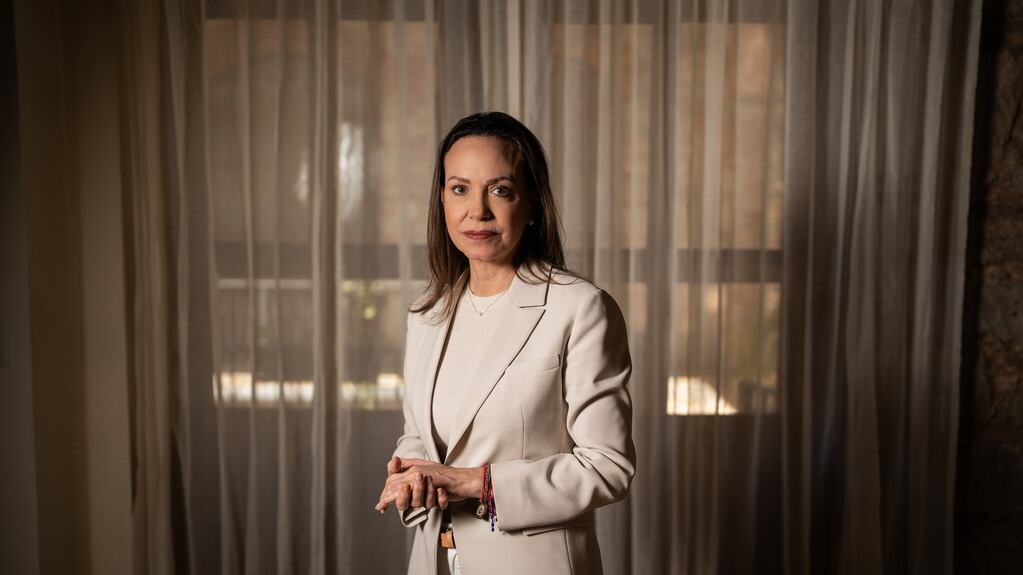
La líder opositora venezolana en el exilio, María Corina Machado, dijo en una extensa entrevista esta semana que el nuevo socio petrolero de Washington en Venezuela, Alejandro Betancourt, era responsable de una “corrupción obscena” y no lo consideraría un socio comercial viable si ella asumiera el poder.
Fue la primera vez que Machado opinó de manera pública sobre Betancourt, quien hace poco concretó un lucrativo acuerdo con el gobierno de Donald Trump para controlar alrededor de una quinta parte de las reservas de petróleo de Venezuela.
El acuerdo puso a Betancourt, un adinerado empresario objeto de investigaciones de corrupción, en el centro de la estrategia de Washington para Venezuela y a la transformación del país en un Estado vasallo de facto por parte del gobierno de Trump.
La conversación con Machado tuvo lugar después de meses en los que el gobierno de Estados Unidos la ha mantenido a cierta distancia, pasándola por alto al favorecer en enero a una líder autocrática, Delcy Rodríguez, como dirigente del país y concretando acuerdos a puerta cerrada con figuras controvertidas como Betancourt.
Betancourt hizo una fortuna gracias a contratos sin licitación para plantas eléctricas, los cuales implicaban sobrefacturar a entidades estatales, según un auditor de energía independiente de Venezuela.
A Machado, una excongresista que ha liderado la oposición durante los últimos tres años, no se le ha permitido volver a su país, ni siquiera con el enorme control que Washington ejerce ahora sobre Venezuela y a pesar de las repetidas declaraciones del secretario de Estado, Marco Rubio, de que el objetivo final es una transición democrática.
En la entrevista, realizada en Panamá, donde la líder se hospeda por ahora, Machado dijo que Estados Unidos no la había incluido en las negociaciones actuales entre el gobierno venezolano y otra facción de la oposición, mismas que se están llevando a cabo esta semana en Caracas, la capital.
Trump

La increíble confesión de un campeón del mundo: «Tengo suerte de estar vivo» :: Olé

En medio de las negociaciones del PRO con La Libertad Avanza, Mauricio Macri celebró el reclamo que un intendente le hizo a Milei

Jornada financiera: cayeron las acciones argentinas y el riesgo país volvió a tocar máximos de 2026

Lo llaman el Haaland ecuatoriano, le pusieron Juan Riquelme en honor al ídolo de Boca y Marcelo Gallardo lo convocó a la selección

Antigua Guatemala reunió a más de 300 especialistas en el FEL Summit 2026 para analizar la transformación digital de los sistemas fiscales en América Latina

Bullrich acusó al procurador penitenciario de trabar el traslado de presos de Devoto y exigió que vaya al Senado

Más de 2.000 islas sin hospitales: así funciona la red de clínicas flotantes de India

La angelita de LAM que reveló la peor infidelidad que sufrió en un matrimonio: «Encontré mensajes con otras mujeres y…»

Autos chinos en Argentina: el caso de Noruega reaviva las alertas por espionaje y riesgos para la seguridad nacional

Milei tildó a Lula de comunista, ratificó su alineamiento con Trump y pidió “defender el legado de occidente”

 CHIMENTOS3 días ago
La angelita de LAM que reveló la peor infidelidad que sufrió en un matrimonio: «Encontré mensajes con otras mujeres y…»
- POLITICA2 días ago
Autos chinos en Argentina: el caso de Noruega reaviva las alertas por espionaje y riesgos para la seguridad nacional
- POLITICA2 días ago
Milei tildó a Lula de comunista, ratificó su alineamiento con Trump y pidió “defender el legado de occidente”