INTERNACIONAL
She grew up under Soviet rule; now the EU’s top diplomat, she warns Europe against giving Russia what it wants

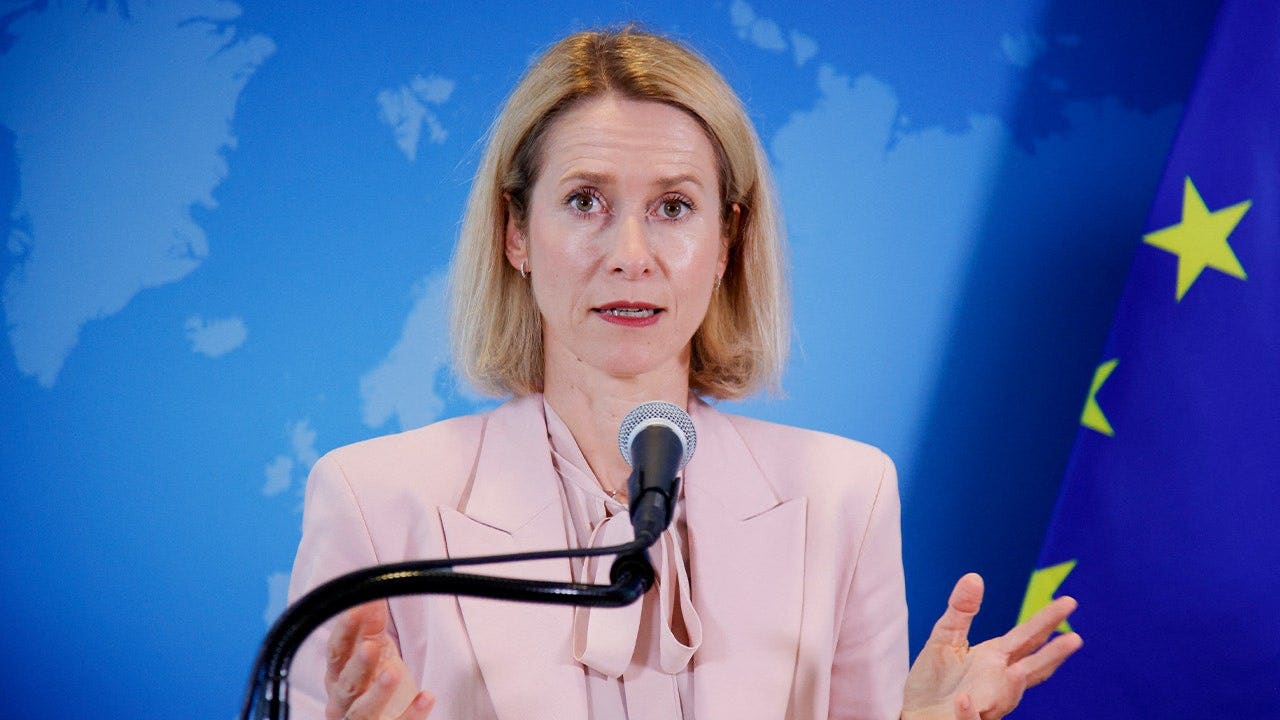
NEW YORK — Russia is trying to scare Europe into backing off its defense in the region, European Union’s top diplomat, Kaja Kallas, claims, warning it will only lead to Moscow becoming more aggressive if it succeeds.
«Their goal is to intimidate us from not supporting Ukraine, from refraining to support them and pressuring Russia,» Kallas told Digital in an interview on the sidelines of the U.N. General Assembly.
«What is important for us is that we are not afraid,» she continued. «Because, otherwise, this kind of intimidation actually pays off, and then we will see more of it across the world.»
For Kallas, Russia’s attempts to intimidate its European neighbors carry a history that reaches well beyond the war in Ukraine.
FRONTLINE NATO ALLY SHARES SHOCKING TAKE ON RUSSIAN INVASION THREAT
Her mother, Kristi, was just six months old in 1949 when Soviet authorities deported her — along with her mother and her grandmother — to Siberia during Stalin’s mass deportations from the Baltic States. Kallas’ maternal grandfather was separately sent to a Siberian prison camp.
Kallas has recounted how her mother was transported east in a cattle car with fellow deportees drying the infant’s diapers against their own bodies during the freezing journey. The family spent roughly a decade in Siberia before being allowed to return to Soviet-occupied Estonia in 1959.
Kallas was born in Tallinn in 1977 and spent the first 14 years of her life under Soviet rule. Estonia restored its independence in 1991 as the Soviet Union collapsed.
Her family would go on to become deeply entwined with the new democratic Estonia. Her father, Siim Kallas, became the first president of the Bank of Estonia after gaining its independence, later serving as foreign minister and prime minister before moving to Brussels as a European commissioner.
Kaja Kallas followed her own path from lawyer to member of Estonia’s parliament and then the European Parliament.
In 2021, she became Estonia’s first female prime minister and three years later was chosen as the European Union’s high representative for foreign affairs and security policy. It was a historic moment putting a politician who grew up under Soviet occupation at the center of Europe’s response to Russian aggression on the continent.
That history has made Kallas one of Europe’s most prominent voices on Moscow even as officials in her native Estonia and elsewhere along NATO’s eastern flank now caution against interpreting Russia’s recent provocations as preparations for a conventional invasion.
Russia invaded Ukraine more than 4½ years ago and shows no signs of backing off despite repeated promises that negotiations for an end to the war are ongoing.
Asked whether she agreed with Estonian and other Baltic officials who say they do not see Russia preparing for such an attack, Kallas instead pointed to Moscow’s growing use of sabotage and the importance of deterrence.
«We see that Russia is actually increasing their sabotage acts in Europe,» Kallas said. «But, of course, how far they will go depends very much on us and whether we are investing enough in defense so that it acts as a deterrent.»
The debate comes as NATO countries confront a string of Russian aircraft and drone incursions, along with suspected sabotage and other hybrid activity across Europe. The incidents have fueled warnings in some European capitals that Moscow is probing the alliance for weaknesses, while officials closer to Russia have cautioned against equating those provocations with preparations for an invasion.
US ALLIES NEED TO SHOOT DOWN RUSSIAN AIRCRAFT TESTING NATO BOUNDARIES, CZECH PRESIDENT WARNS
Estonian Foreign Minister Margus Tsahkna told Digital in a separate interview this week that his country’s intelligence services see no indication Russia is preparing for a full-scale attack on NATO.
«We have more and more this kind of panic in Europe that Russia will invade and will be full-scale aggressive against NATO and Europe and the Baltic States, Poland, but we don’t see it,» Tsahkna said. «Our intelligence, we see very, very deep into Russia. We don’t see any change.»
Kallas, however, argued that Moscow’s actions are designed to weaken Western support for Ukraine rather than simply test NATO’s defenses.
«Their goal is to intimidate us from not supporting Ukraine, from refraining to support them and pressuring Russia,» she said.
The pressure campaign comes as Washington continues its push for a negotiated end to the war. Kallas said Moscow has yet to demonstrate that it is serious about reaching one.
«They should start with stopping bombing the civilians,» she said, pointing to recent Russian attacks on Kyiv. «If they are serious about this, they should agree to a ceasefire, sit down at the negotiation table and talk to the Ukrainians.»
Kallas said Ukraine has already agreed to an unconditional ceasefire while «Russia is just playing games,» arguing that coordinated pressure from Washington and its European allies could change Moscow’s calculations.
«If America, Europe, U.K. (and) other strong players are all acting together in the same way to put in the sanctions, then actually we could have the effect that Russia understands that this is serious, and they will sit down and negotiate,» she said.
europe, russia, ukraine, foreign affairs, nato, politics












INTERNACIONAL
El régimen norcoreano busca avanzar con la tecnología de su arsenal: probó un sistema de torpedos guiados por IA
Corea del Norte anunció este sábado que probó un “nuevo tipo” de torpedo de precisión con inteligencia artificial (IA), diseñado para detectar objetivos y guiar su trayectoria bajo el agua. El ensayo del sistema submarino supersónico Zam-2.0 ocurrió el jueves y tuvo como objetivo “confirmar el éxito de la actualización técnica” del arma.
El anuncio se suma a la estrategia del dictador norcoreano Kim Jong-un para incorporar IA a los sistemas de defensa del país. En septiembre, el líder del régimen pidió elevar “el nivel de inteligencia artificial” de ese tipo de armamento. Según informó la agencia estatal KCNA, “la tecnología aplicada para la detección de objetivos y la función de guiada del nuevo tipo de torpedo de precisión”.
A comienzos de este mes, Pyongyang también comunicó el lanzamiento de un misil hipersónico de alcance intermedio asistido por IA. En aquella ocasión, las autoridades norcoreanas afirmaron que “no hay forma de evadir” ese misil, que sería “capaz de cambiar su órbita de vuelo a baja altitud”.
La prueba tuvo lugar en un contexto de competencia militar entre las dos Coreas por el desarrollo de misiles hipersónicos. Estas armas superan cinco veces la velocidad del sonido y pueden modificar su trayectoria durante el vuelo, características que dificultan su detección e intercepción. Los torpedos apuntan a objetivos submarinos y operan a alta velocidad.
Días después de que Corea del Norte informara el ensayo de su misil hipersónico de alcance intermedio, Corea del Sur probó un arma similar, que Seúl calificó como una “ventaja clave estratégica capaz de cambiar el curso de las operaciones en el campo de batalla”.
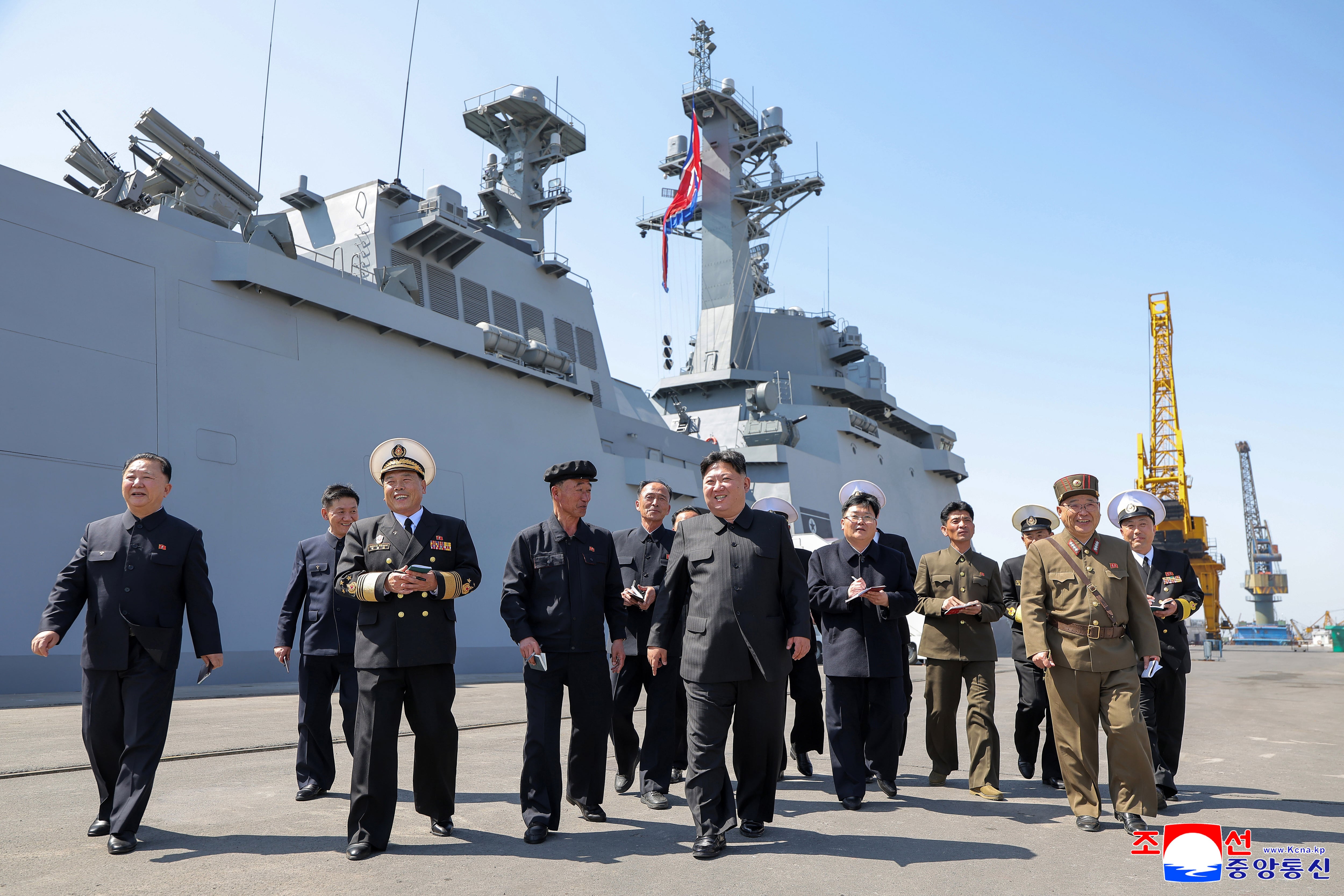
Analistas citados por la agencia AFP sostienen que el uso de IA podría otorgarles capacidad para ejecutar maniobras evasivas y tomar decisiones autónomas ante las defensas enemigas. “Corea del Sur y Estados Unidos desplegaron objetivos de distracción para desviar torpedos, pero la IA podría potencialmente ayudar a distinguir objetivos reales de señuelos”, afirmó Lim Eul-chul, profesor de la Universidad de Kyungnam.
Varios analistas consideran que Rusia podría colaborar con Pyongyang para acelerar sus avances en tecnología misilística, a cambio del envío de tropas norcoreanas para combatir junto a las fuerzas rusas en la guerra de Ucrania.
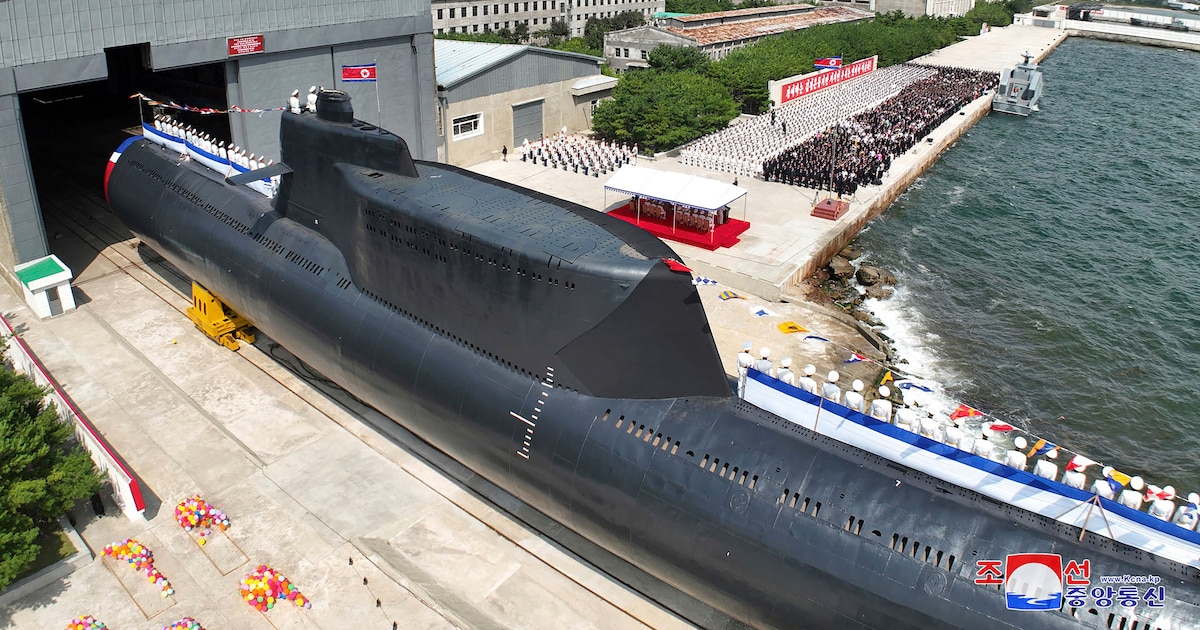
Las pruebas de misiles realizadas por Corea del Norte sugieren que el país comenzó a evaluar el armamento destinado al submarino “Hero Kim Kun Ok”, una nave que Pyongyang presentó en 2023 como plataforma para lanzar armas nucleares tácticas, según analistas surcoreanos.
El Estado Mayor Conjunto de Corea del Sur detectó los lanzamientos y concluyó que los dos misiles partieron de un submarino norcoreano. Uno salió desde un tubo de lanzamiento vertical y el otro desde un tubo lanzatorpedos, aunque las autoridades surcoreanas no identificaron de inmediato la embarcación involucrada.
Durante años, Pyongyang desarrolló misiles concebidos para ser disparados desde el mar, una capacidad que dificulta su detección antes del lanzamiento. Hasta las pruebas del jueves, los ensayos submarinos del país se realizaban desde un submarino de 2.000 toneladas equipado con un solo tubo de lanzamiento. Especialistas consideran que esa nave funciona como plataforma de pruebas y no como un submarino operativo. El “Hero Kim Kun Ok”, en cambio, dispone de al menos 10 tubos lanzamisiles, además de los tubos para torpedos, de acuerdo con fotografías difundidas por los medios estatales cuando fue botado en septiembre de 2023.
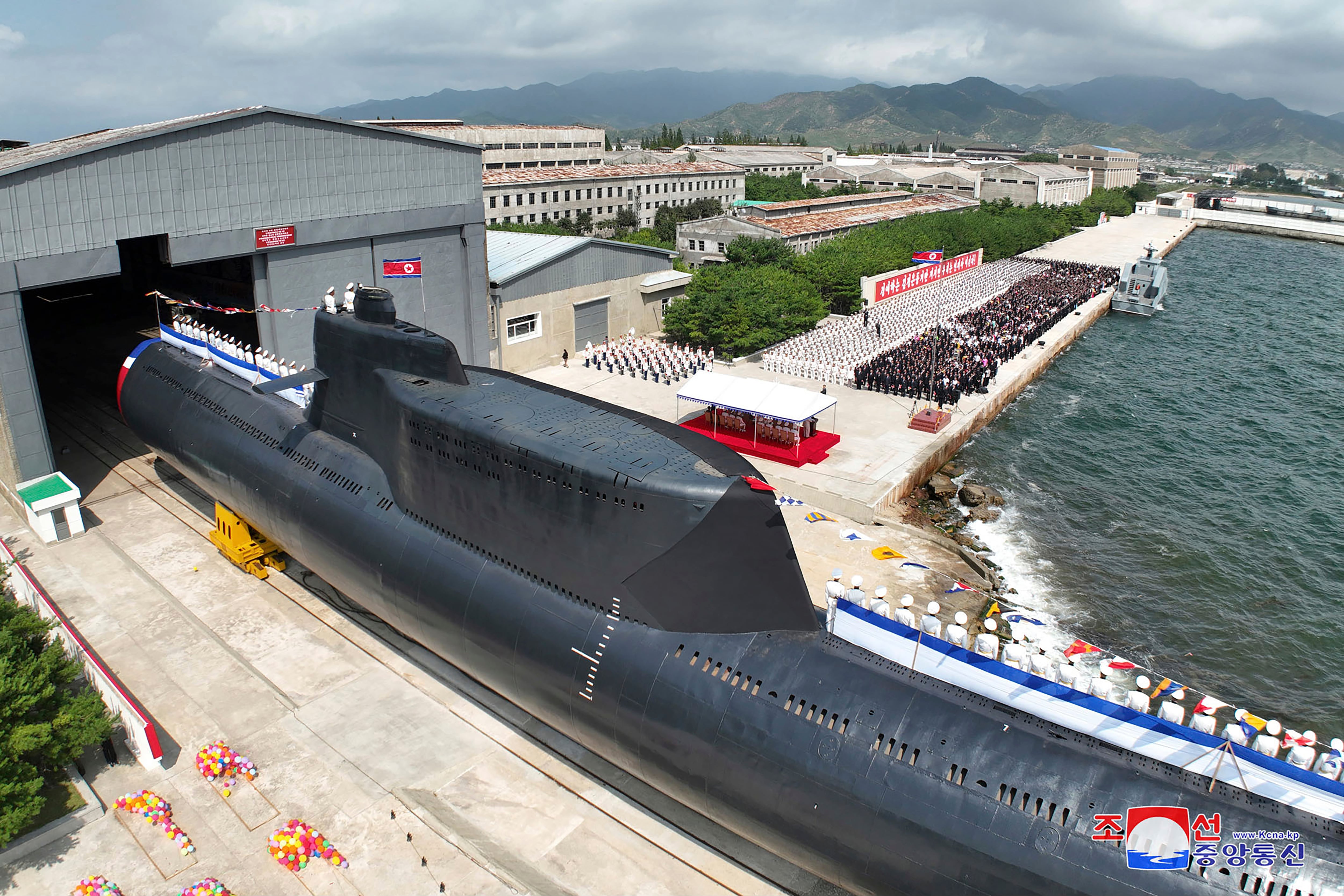
En aquel momento, expertos extranjeros cuestionaron la descripción oficial de la embarcación. Varios sostuvieron que se trataba de una modificación de un submarino diésel antiguo y no de una nave con las capacidades anunciadas por Corea del Norte.
La falta de pruebas de armamento conocidas durante los últimos tres años alimentó las dudas sobre problemas técnicos del submarino, incluso respecto de su capacidad para recuperar la posición tras una maniobra. Para Shin Jong-woo, analista del Foro de Defensa y Seguridad de Corea del Sur, los lanzamientos del miércoles indican que el país resolvió parte de esas dificultades.
Shin consideró probable que Pyongyang también ensaye misiles balísticos desde el submarino antes de incorporarlo a la Armada. El despliegue de la nave supondría una amenaza para Corea del Sur y Estados Unidos, señaló el experto en submarinos Moon Keun-sik.
“Armas formidables que desconocemos cuándo y dónde podrían ser disparadas”, afirmó Moon, profesor de la Universidad Hanyang de Seúl, al referirse a los misiles lanzados desde submarinos.
(Con información de AFP y Associated Press)
Defence,Asia / Pacific,Defense
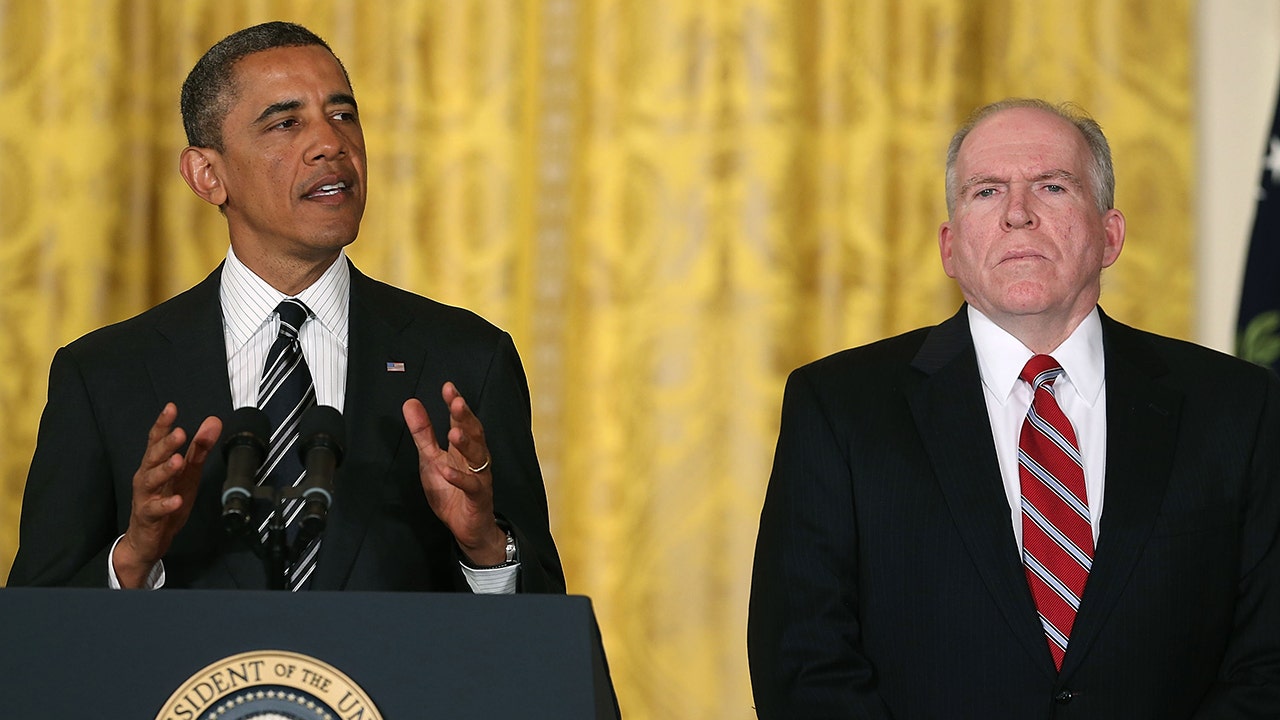
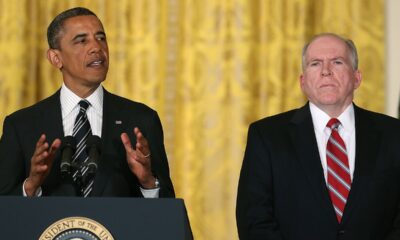
A Biden-appointed judge dismissed former CIA Director John Brennan’s lawsuit against President Donald Trump and senior administration officials, ruling that his concerns about the potential destruction of evidence needed for a future criminal defense were too «speculative.»
The dismissal comes as Brennan faces two federal investigations, including a Justice Department probe into whether former intelligence officials conspired to violate Trump’s civil rights through investigations into alleged ties between his 2016 presidential campaign and Russia.
A separate investigation is examining whether Brennan made false statements during 2023 congressional testimony about the Steele dossier’s role in a 2017 intelligence assessment of Russian interference in the presidential election.
FORMER CIA DIRECTOR BRENNAN SUBPOENAED TO TESTIFY IN FEDERAL TRUMP CONSPIRACY CASE
Trump has repeatedly accused Brennan, President Barack Obama and other former intelligence officials of orchestrating the «Russia collusion hoax,» but they have rejected those accusations, claiming that the administration is attempting to discredit legitimate intelligence findings about Russian interference in the 2016 election.
While Judge Jia Cobb called Brennan’s allegations that the Trump administration was targeting him for opposing the president «deeply concerning,» she ruled that he lacked standing to sue because he had not shown that officials were likely destroying records relevant to a potential defense, and the injury he feared depended on a series of events that had not yet occurred.
«For Brennan’s constitutional injury to actually accrue, a series of dominoes must fall, and Defendants’ deletion of records is just one of those dominoes,» Cobb wrote.
«There is no dispute about this: Defendants describe this domino chain in their motion to dismiss … and Brennan accepts it in his response.»
Brennan has been identified as a target in two federal investigations that have involved three grand jury inquiries — two in the Southern District of Florida and one in Washington, D.C. — but he has not been charged with a crime. The former CIA director was subpoenaed to testify before a federal grand jury in Fort Pierce, Florida, Oct. 15, though his scheduled appearance was postponed.
Brennan filed his lawsuit naming Trump, FBI Director Kash Patel, Attorney General Todd Blanche, CIA Director John Ratcliffe and other officials July 1, 2026. The 46-page lawsuit accused the Justice Department of handling its investigation into Brennan with «unprecedented, irregular conduct» that was driven by the «president’s retribution agenda.»
DELETED EMAIL DETAILS ALLEGED TRUMP-TARGETING PUSH INSIDE LETITIA JAMES’ OFFICE: ‘FIND AND PURSUE CRIMES’
Brennan argued that key evidence could disappear before he had a chance to challenge any future indictment. He pointed to deleted social media posts, the administration’s use of Signal and other messaging tools with auto-delete features, unpreserved texts and direct messages, AI queries, Microsoft Teams chats and alleged failures to preserve discovery in other cases, including the prosecution of Rep. LaMonica McIver, D-N.J.
He said the loss of those records could make it harder to determine whether the investigations were based on legitimate law enforcement concerns or political retaliation.
«With this lawsuit, Director Brennan has served notice that the government’s conduct and its document preservation will be carefully scrutinized in the event of any future indictment,» Brennan’s lawyers, Ken Wainstein and Dan Gelber, told the AP.
«Director Brennan will continue to vigorously defend himself against these baseless investigations, and he will challenge any attempt to use the criminal justice system for personal and political retribution.»
The lawsuit also pointed to what it described as irregularities in the Justice Department’s handling of the investigation.
It cited the removal of longtime DOJ prosecutor Maria Medetis Long, who was reportedly taken off the Brennan investigation in April 2026 after expressing doubts about the strength of the case, as evidence of what it described as irregular conduct. She was replaced by Trump ally Joseph diGenova, who later resigned from his role overseeing the investigation amid reported internal disagreements over the handling of the case.
TRUMP SAYS HE WILL NOMINATE ACTING AG TODD BLANCHE TO PERMANENTLY LEAD JUSTICE DEPARTMENT
Brennan’s attorneys accused the Justice Department of «judge-shopping» by trying to steer grand jury proceedings toward Trump-appointed Judge Aileen Cannon in Fort Pierce, Florida, rather than allowing the case to proceed through the court’s normal assignment process. They also questioned why prosecutors were pursuing the investigation in Florida when much of the allegations occurred in Washington, D.C.
The complaint also accused DOJ and FBI leaders of improperly discussing details of the investigations publicly, raising questions about whether officials disclosed information that should have remained confidential.
It cited Attorney General Todd Blanche’s statements that DOJ had issued «200 grand jury subpoenas» and was investigating a «pattern of behavior» to «destroy» Trump, as well as FBI Director Kash Patel’s public discussion of the investigations and their targets.
Digital reached out to the Justice Department for comment.
cia, donald trump, justice department, white house, elections, investigations, politics
INTERNACIONAL
Wall Street profundizó las bajas este viernes ante la salida de fondos de las acciones tecnológicas
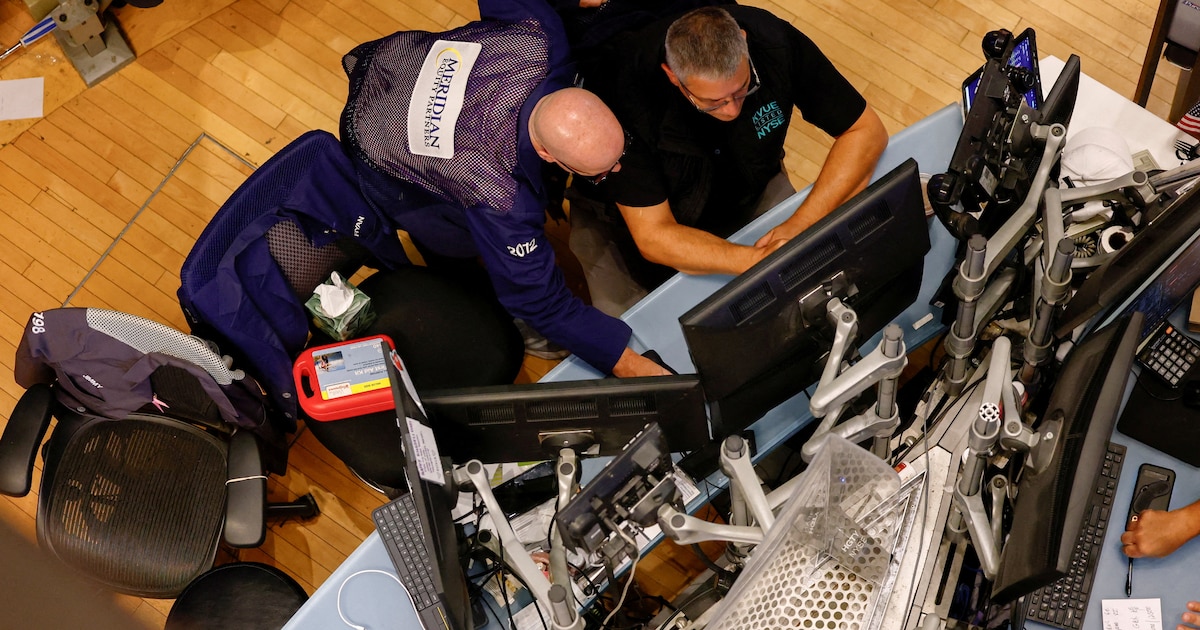
Los principales indicadores de Wall Street cerraron en baja este viernes, arrastrados por las acciones tecnológicas y las dudas sobre las valuaciones vinculadas a la inteligencia artificial. El Dow Jones de Industriales cedió 0,3%, mientras que el panel tecnológico Nasdaq cayó 2,1 por ciento.
El índice de referencia S&P 500 perdió 1,1%, ya que la preocupación por el sector de la inteligencia artificial ejerció presión sobre las acciones de software y semiconductores. Las bajas en tecnología contrastaron con el avance del sector de salud, que alcanzó máximos históricos.
CoreWeave, respaldada por Nvidia, sufrió la salida de fondos ante la persistente preocupación por el elevado endeudamiento del operador de centros de datos. La acción había rebotado el jueves luego de que Jensen Huang, director ejecutivo de Nvidia, expresara optimismo sobre la compañía.
Otras empresas de “neocloud”, como Nebius Group e Iren, también operaron en baja en una sesión marcada por la cautela sobre las firmas vinculadas a la expansión de infraestructura para inteligencia artificial.
El sector de los semiconductores volvió a perder terreno tras una semana volátil. El índice general de chips cedió, en un contexto de revisión de las apuestas que habían impulsado este año el avance de las compañías asociadas a la inteligencia artificial.
El S&P 500 y el Nasdaq registraron pérdidas semanales de 1,95% y 4,4%, respectivamente, mientras que el Dow Jones obtuvo una leve alza de 0,5 por ciento.
El S&P 500 y el Nasdaq registran pérdidas semanales de 2% y 4,5% respectivamente, mientras que el Dow Jones obtuvo una leve alza de 0,5%
El S&P 500 y el Nasdaq cerraron una semana negativa después de la venta de acciones de chips registrada en las ruedas previas.
La mayoría de las acciones de gran capitalización también registraron caídas: Meta cedió 3,7%, lo que presionó al sector de servicios de comunicaciones y al Nasdaq. Tesla, en cambio, cayó 2,1% tras presentar un rediseño de su modelo Roadster, dado que las expectativas sobre el balance trimestral que se conocerá la semana próxima pesó más que el llamativo lanzamiento.
El retroceso de las acciones de chips de memoria a principios de esta semana, debido al temor por la competencia china y a la preocupación por la deuda de CoreWeave, “proporcionó a los inversores una excusa para reducir su exposición a todas las empresas relacionadas con la IA”, dijo a Reuters David Morrison, analista senior de mercados de Trade Nation.
“Un tono más cauto ensaya Wall Street en la última rueda de la semana, aún a tiro de los máximos mientras navega a diario los vaivenes de los ¨headlines¨, lo cual condiciona a los activos domésticos, toda vez que siguen rehenes del humor externo y pesan los factores idiosincráticos», comentó el economista Gustavo Ber.
Vector Investments observó “un contraste entre la persistencia de la inflación estadounidense y una moderación reciente de los rendimientos de sus bonos. Los indicadores de precios de septiembre, publicados el miércoles y el jueves, sorprendieron al alza; sin embargo, los mensajes de la Reserva Federal mantienen abierta la evaluación sobre el ritmo de eventuales ajustes monetarios. La respuesta de los mercados no depende únicamente de los datos de inflación, sino también de las perspectivas de crecimiento y financiamiento”.
El S&P 500 y el Nasdaq cerraron la semana con pérdidas, condicionados por el retroceso del sector tecnológico y de las empresas relacionadas con la inteligencia artificial. El Dow Jones de Industriales, por su parte, concluyó el período con una variación acotada.
Los informes de esta semana sobre la inflación de los precios al consumo y al productor, más altos de lo esperado, confirmaron que las presiones sobre los precios se estaban traspasando desde la energía a otros productos.
En tanto, los precios del petróleo subieron más de 3% y anotaron ganancias semanales por la incertidumbre sobre el suministro en Oriente Medio. El mercado reaccionó a la escalada de los ataques de Irán en el estrecho de Ormuz.
Los futuros del crudo Brent del Mar del Norte treparon 3,5%, a USD 109,67 el barril para entregar en diciembre, mientras que los futuros del crudo WTI (West Texas Intermediate) de Estados Unidos avanzaron 3,8%, a USD 101,72 el barril para noviembre.
North America

El horóscopo de hoy: sábado 17 de octubre

El demoledor nocaut del argentino Emiliano Sordi en la PFL que le permitió volver a ganar una pelea tras cinco años

El gobernador Rolando Figueroa se sometió a un “narco test” y compartió el video

Tesla Roadster: cuánto cuesta y cuándo se podrá comprar el auto volador

El régimen norcoreano busca avanzar con la tecnología de su arsenal: probó un sistema de torpedos guiados por IA

Tras el triunfo ante Talleres, cuándo vuelve a jugar Boca y cómo sigue su fixture

Más de 2.000 islas sin hospitales: así funciona la red de clínicas flotantes de India

La angelita de LAM que reveló la peor infidelidad que sufrió en un matrimonio: «Encontré mensajes con otras mujeres y…»

Autos chinos en Argentina: el caso de Noruega reaviva las alertas por espionaje y riesgos para la seguridad nacional

Milei tildó a Lula de comunista, ratificó su alineamiento con Trump y pidió “defender el legado de occidente”

 POLITICA2 días ago
Autos chinos en Argentina: el caso de Noruega reaviva las alertas por espionaje y riesgos para la seguridad nacional
- POLITICA2 días ago
Milei tildó a Lula de comunista, ratificó su alineamiento con Trump y pidió “defender el legado de occidente”
- ECONOMIA2 días ago
El Índice de Incertidumbre Económica de septiembre alcanzó el nivel más alto de 2026, según la UCA