INTERNACIONAL
Ted Cruz says ‘blue tsunami’ took over Texas after Democrats swept statewide races


Sen. Ted Cruz, R-Texas, delivered a scathing assessment on Wednesday of Republicans’ sweeping midterm election losses, describing the results as a «blue tsunami» and warning that his party had lost touch with voters, particularly in the Lone Star State.
In a lengthy post on X, Cruz acknowledged that Republicans had suffered historic defeats, losing control of both chambers of Congress while Democrats swept statewide races in Texas.
«2026 was not simply a blue wave; it was a blue tsunami. It was an ass kicking,» Cruz wrote. «It was not simply a bad 2006 midterm election. It was a Watergate-level repudiation.»
His blunt assessment came after a landmark Democratic breakthrough in traditionally Republican strongholds across the country, including in his home state, where Democrats won every statewide race, ending decades of Republican dominance.
FLORIDA’S DESANTIS DESCRIBES GOP MIDTERMS WIPEOUT AS ‘CLOSE TO AN EXTINCTION-LEVEL EVENT’ FOR REPUBLICANS
«Nowhere are the consequences of this election greater than Texas,» Cruz wrote. «In the Lone Star State, we lost every single statewide election.»
«Texas is blue. That is a hard sentence to utter. But Texas, today at least, is blue,» he continued.
Democrats scored two major victories in Texas, with James Talarico defeating Republican Attorney General Ken Paxton in the U.S. Senate race — marking the first Democratic Senate victory in the Lone Star State in nearly four decades — and state Rep. Gina Hinojosa unseating longtime Republican Gov. Greg Abbott, according to the Decision Desk.
TRUMP’S GAMBLE ON KEN PAXTON BACKFIRES AS DEMOCRAT PULLS OFF HISTORIC TEXAS SENATE UPSET
Cruz argued that Republicans’ political defeat stemmed from their failure to address growing frustration over the cost of living, as voters continued struggling with everyday expenses.
«Food is too high, gas is too high, diesel is too high, insurance is too high, life is too high,» he wrote.
«Understandably, people were pissed off, and elected Republicans didn’t do enough to address their very real pain,» Cruz said.
He also criticized tariffs and the prolonged war with Iran, arguing that both had contributed to voter frustration.
CONSERVATIVES STUNNED BY ‘CATASTROPHIC’ MIDTERM BLUE TSUNAMI, BLAME TRUMP’S IRAN WAR, HIGH GAS PRICES
He said Republicans had lost support among blue-collar workers, young voters, farmers, ranchers and Hispanic voters, while evangelical Christians failed to turn out with the same enthusiasm as in previous elections, concluding that his party had «alienated rural America.»
Cruz said he called Talarico after the election to congratulate him on his victory.
«Last night, I called James Talarico. I congratulated him on his very impressive victory,» Cruz wrote, adding that the two had a «pleasant conversation» and that he was willing to work with the Democrat on issues benefiting Texas.
Despite the sweeping losses, which also included Democratic wins in the state’s lieutenant governor and attorney general races, Cruz expressed optimism that Republicans could regain ground in Texas.
DEMS SEIZE THE SENATE AS BLUE TIDAL WAVE CRASHES DEEP INTO TRUMP COUNTRY, TOPPLES GOP STRONGHOLDS
«But hear me now: we will bring Texas back,» he wrote. «Texas will be red again.»
Throughout the campaign, Talarico cast himself as a moderate dedicated to representing Texans rather than Democratic interests in Washington.
Paxton, along with President Donald Trump and other national Republicans, labeled Talarico a «communist» and a vegan in barbecue-loving Texas, pointing to his support for the transgender community while in the Texas Legislature and a floor speech in which he said God was «nonbinary.»
«We have not suddenly become a bunch of tofu-eating, gun-banning, tutu-wearing pinko commie liberals,» Cruz wrote. «That ain’t us. Texas is still Texas.»
«We will rebuild as a true blue-collar party, not by embracing socialism, but by being real free-market conservatives,» he continued, predicting a political comeback for Republicans.
«It is dark right now, but it is always darkest before the dawn, and morning is coming,» he said.
Digital’s Alex Miller, Elizabeth Elkind and Amanda Macias contributed to this report.
politics, ted cruz, midterm elections, texas, greg abbott, republicans elections







INTERNACIONAL
Qué países concentran los salarios mínimos más altos de Centroamérica y América Latina según el relevamiento de Bloomberg Línea
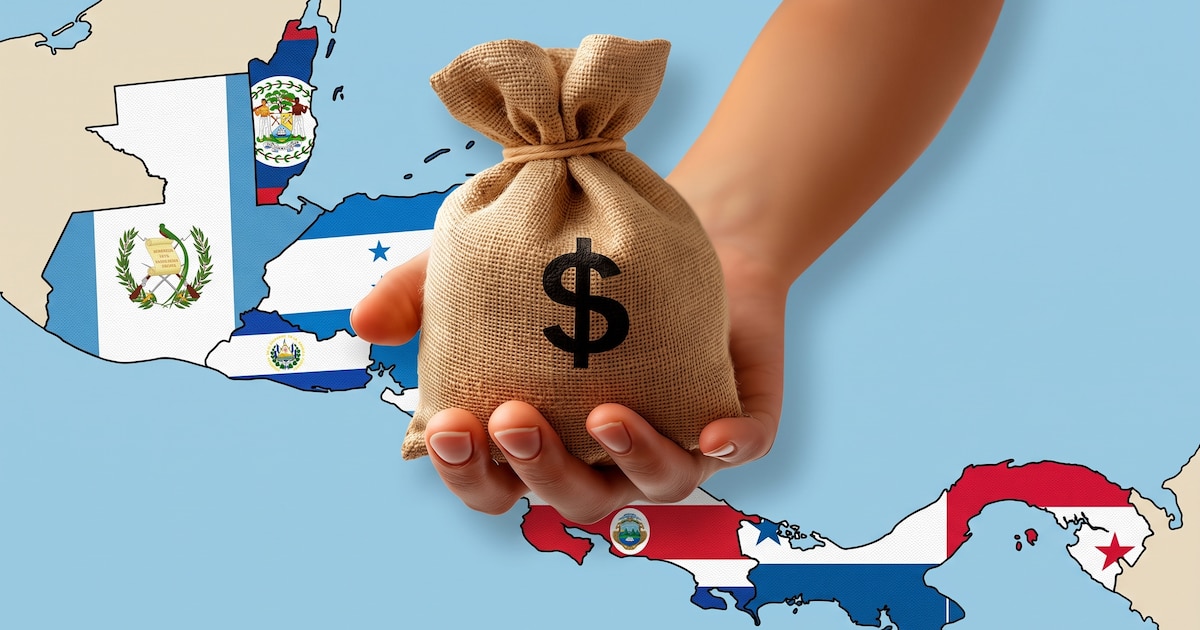
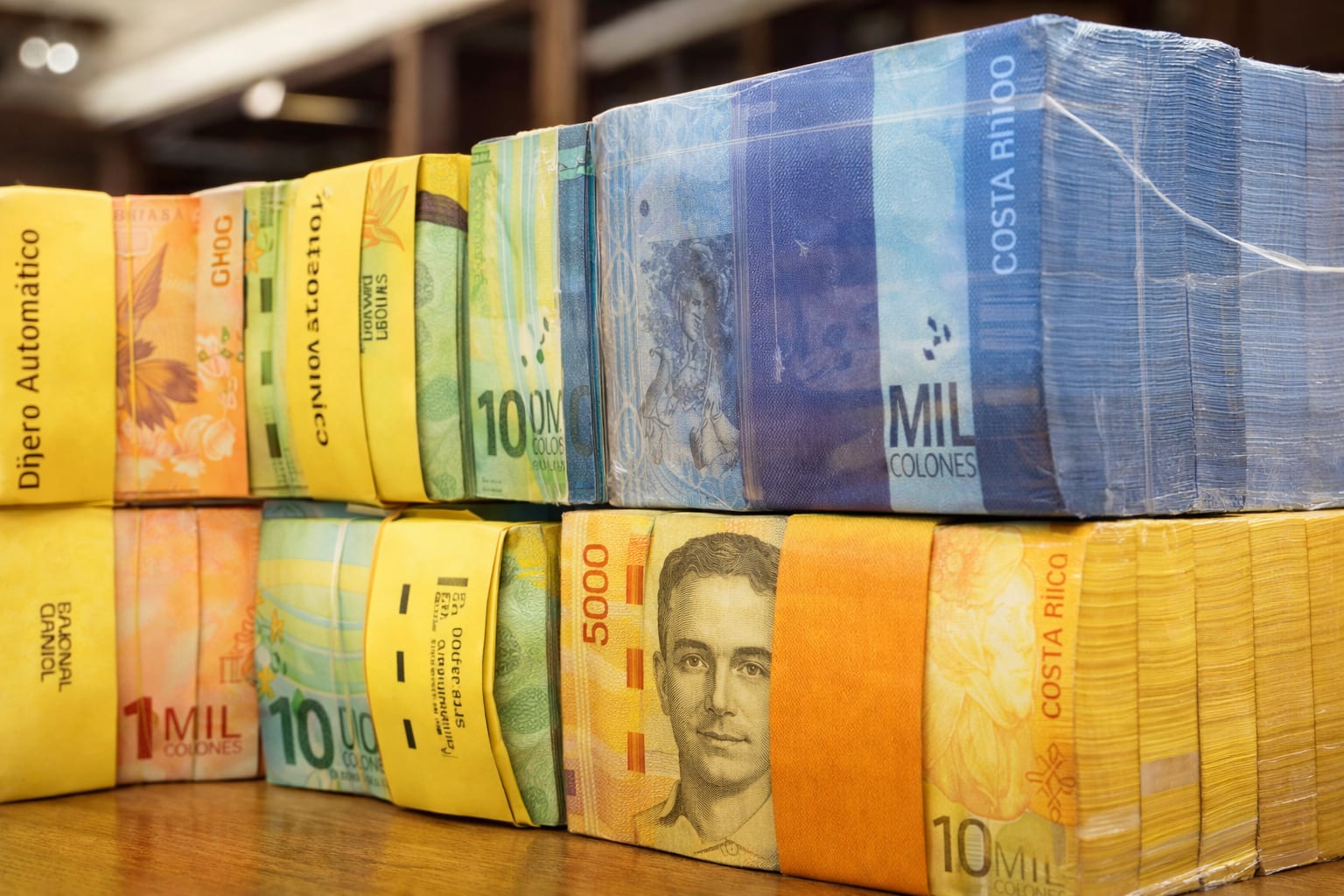
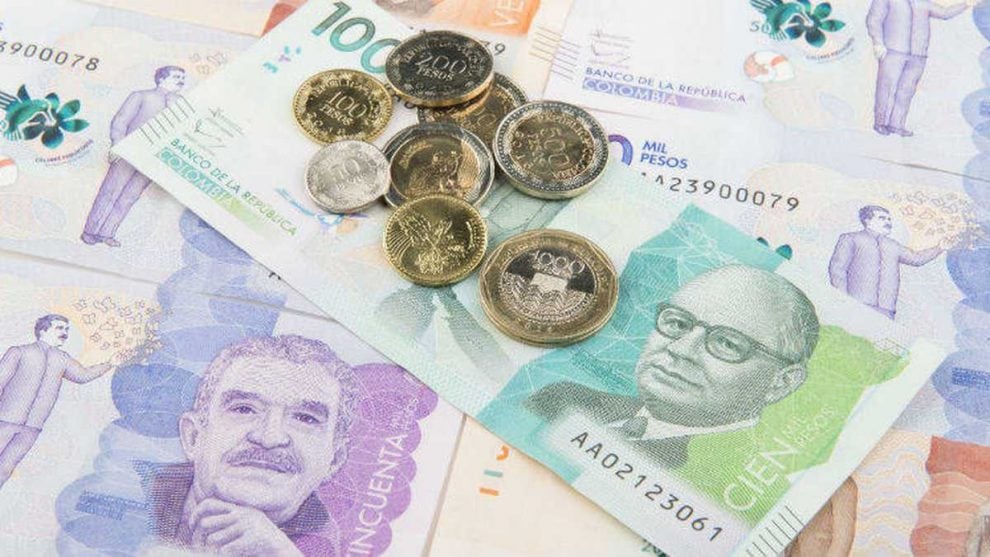
Costa Rica y Panamá concentran los salarios mínimos más altos de toda Centroamérica y también de América Latina. El país tico cerró 2026 con ₡373,092.30 mensuales, equivalentes a USD 841.17. Panamá se ubica en segundo lugar regional, con un salario cercano a los USD 706. Ambos datos surgen del relevamiento que hizo Bloomberg Línea, sitio de noticias financieras, sobre los pisos salariales vigentes en la región y publicado este jueves 26 de noviembre.
La comparación entre los países centroamericanos muestra una región fragmentada, con pisos salariales que van desde los USD 252 hasta los USD 841. Esa dispersión se repite, a mayor escala, en el resto del continente.
Centroamérica, entre los extremos más altos y más bajos
Dentro del istmo, Honduras y Guatemala ocupan un lugar intermedio. Honduras fijó un salario mínimo promedio de HNL$14,917, unos USD 555, tras un ajuste de entre 6% y 7,5%. Guatemala, por su parte, mantiene un esquema que va de Q3,659 a Q4,252 según el sector, lo que equivale a un rango de USD 478.76 a USD 556.48.
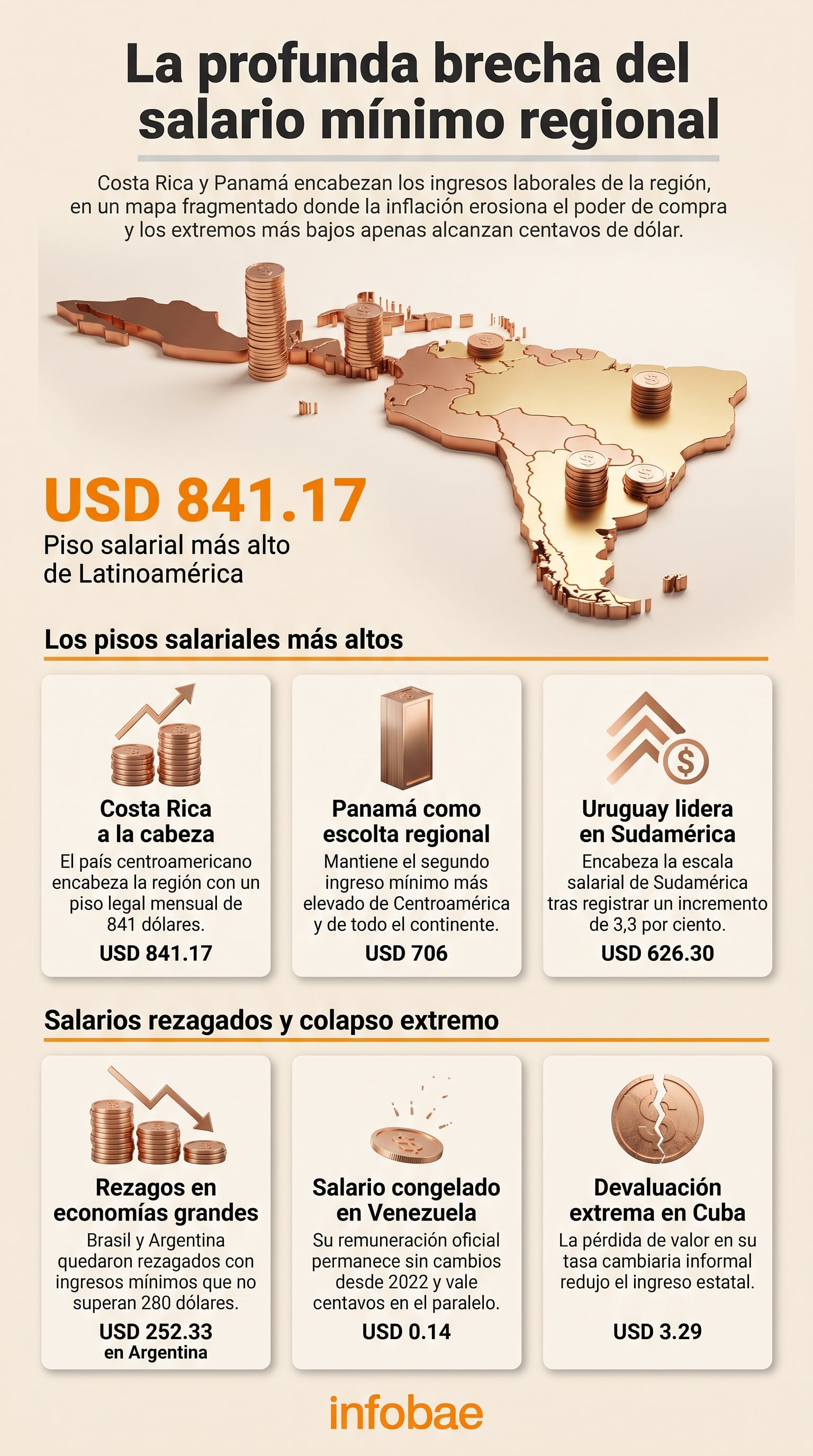
El Salvador no modificó su esquema este año. El último ajuste, vigente desde el 1 de junio de 2025, mantiene los montos entre USD 272.53 y USD 408.80 según la actividad laboral. Nicaragua, en cambio, cierra con el salario más bajo de Centroamérica: C$9,237,86 en promedio, unos USD 252, después de subir 4%.
República Dominicana, por su cercanía geográfica y económica con el istmo, completa el cuadro caribeño. Su salario mínimo osciló entre RD$16.993,20 y RD$29.988 según el tamaño de la empresa, lo que en dólares representa entre USD 283.90 y USD 500.90, tras un incremento nominal del 20% entre febrero de 2025 y febrero de 2026.
Sudamérica repite la brecha entre países ricos y pobres
En Sudamérica, Uruguay y Chile encabezan la lista con los salarios más altos. Uruguay llegó a UYU$25.383, unos USD 626.30, tras un alza del 3.3%. Chile fijó CLP$553.553, equivalentes a USD 531.11, con un ajuste del 2.7%.

Colombia registró el mayor incremento porcentual entre las economías grandes de la región: 23.8%, que llevó su salario mínimo a COP$1.746.882 (USD 481.41), sin contar el auxilio de transporte. Ecuador, por su parte, mantiene su ingreso mínimo directamente fijado en dólares: USD 482, tras subir 2.55%.
Brasil y México, las dos economías más grandes de América Latina, quedan rezagadas en la comparación por dólar. Brasil se ubica en USD 276.67 tras un aumento del 6,79%, mientras que México llega a USD 485,40 después de una suba del 13%. Argentina, con un ajuste de apenas 1.91%, cierra en ARS$406.400, unos USD 252.33.
Paraguay y Bolivia completan el panorama sudamericano con alzas más moderadas. Paraguay fijó PYG$3.044.000 (USD 475) tras subir 5%, y Bolivia llegó a BOB$3.300, unos USD 279,83, con el mayor incremento porcentual de toda la región: 20%.
Venezuela y Cuba, los casos más extremos del continente
En el extremo inferior de toda América Latina se ubican Venezuela y Cuba, con ingresos mínimos inferiores a USD 4 mensuales. Venezuela mantiene su salario congelado en 130 bolívares desde marzo de 2022, lo que representa apenas USD 0.14 al tipo de cambio paralelo.
Una familia venezolana de cinco integrantes necesitó en octubre USD 744.55 solo para cubrir gastos de alimentación, según el Centro de Documentación y Análisis Social (Cendas) de la Federación de Maestros. Cuba, con una devaluación del 53% en su tasa paralela, llegó a CUP$3,210, equivalentes a USD 3.29.
“Los salarios mínimos por sí solos están, en casi toda la región, por debajo de lo necesario para cubrir una canasta básica (alimentos, vivienda, transporte)”, explicó Clara Inés Pardo, doctora en Economía y profesora de la Universidad del Rosario, a Bloomberg Línea.
Pardo amplió que “las brechas se explican por la combinación de nivel de desarrollo económico, inflación, tipo de cambio, estructuras tributarias y grado de formalización laboral”. La académica advirtió además que un salario alto no garantiza poder adquisitivo si los precios de vivienda, transporte y alimentos también son elevados.
La inflación presiona los ingresos de toda la región
El aumento del costo de vida complica el panorama salarial en casi todos los países. Venezuela registró en octubre la inflación interanual más alta de América Latina, con 377%, seguida por Argentina con 33,1% y Cuba con 28,44%.
Honduras y Bolivia también muestran presiones relevantes, con tasas de 6,98% y 7,08% respectivamente. Colombia cerró octubre con una inflación del 6,3%, mientras que Perú alcanzó 5,25%, su mayor nivel desde 2023.

La volatilidad de los precios de la energía durante 2026, vinculada a la guerra en Medio Oriente, añadió presiones inflacionarias adicionales en la región. En diciembre de 2025, la mediana de la inflación anual en América Latina y el Caribe se ubicaba en 3,1%, según la Comisión Económica para América Latina y el Caribe (Cepal), nivel que se mantenía inalterado en mayo de 2026.
El organismo advirtió en su informe Panorama Social de América Latina y el Caribe 2026 que “el crecimiento proyectado del PIB regional para 2026 (2,2%) sería insuficiente para elevar de manera sostenida el ingreso por habitante”.
Perspectivas para las negociaciones de 2027
Las discusiones salariales de 2027 deberán equilibrar dos presiones opuestas: compensar la pérdida de poder adquisitivo sin alimentar una nueva ola inflacionaria. Analistas consultados por Bloomberg Línea describieron un escenario de mayores precios de la energía, tasas de interés elevadas y poco margen para impulsar aumentos reales.
“Los gobiernos tendrán que equilibrar dos objetivos: proteger el poder adquisitivo de los trabajadores, que se ha erosionado este año, y no alimentar nuevas presiones sobre los precios en un contexto en que los bancos centrales siguen atentos a la inflación”, dijo Nicolás Cruz, analista de investigaciones económicas de Corficolombiana, al sitio.
Cruz consideró probable que las decisiones “se apoyen más en criterios técnicos, como la inflación esperada y la productividad, y en el diálogo entre gobiernos, empresarios y trabajadores”. El analista agregó que las discusiones serán especialmente sensibles en Brasil, cuya inflación de 4,63% interanual en octubre superó el techo de su meta.
Argentina y Perú, pese a tener ya definidos sus esquemas de ajuste para el próximo año, también enfrentarán presiones adicionales por sus propios niveles inflacionarios, de acuerdo con la evaluación de Cruz.
América Central,dólar,economía,moneda
INTERNACIONAL
Norse Atlantic airline suspends all flights, on brink of bankruptcy amid rising fuel costs
NEWYou can now listen to Fox News articles!
Norwegian airline Norse Atlantic suspended all flights Thursday as its board warned the company may imminently file for bankruptcy if it can’t secure short-term financing.
«If a short-term financing solution is not secured urgently, it is the Board’s intention to file for bankruptcy,» the company said in a statement.
The airline, which provides long-haul flights between the U.S. and Europe, said it had been discussing with investors a possible takeover that «would include a financing solution.»
SHIPPING GIANT WARNS STRAIT OF HORMUZ CHAOS IS ‘NEW NORMAL’ AS TEHRAN SHIFTS 4M BARRELS
But, the company added, «There can be no assurance that a viable solution will be found.»
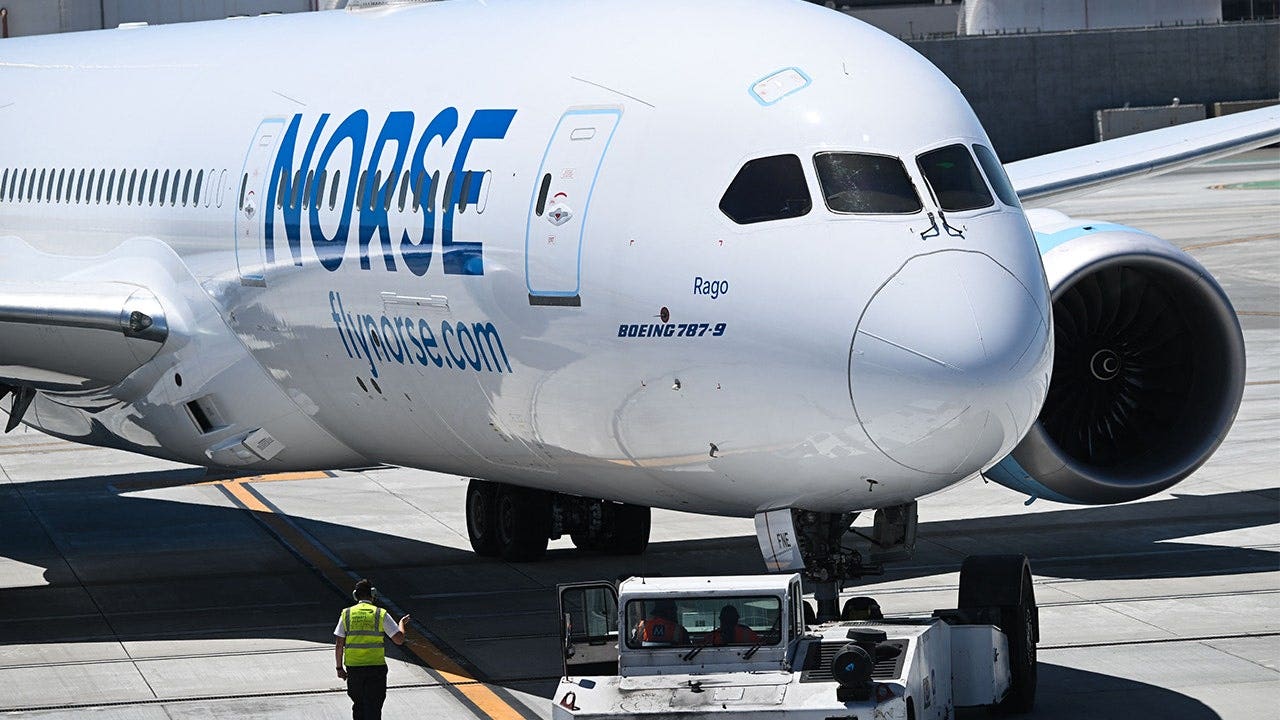
A Norse Atlantic Airways Boeing 787-9 aircraft is pushed back from a gate at Los Angeles International Airport in California on Aug. 10, 2022. (Patrick T. Fallon/AFP via Getty Images)
Pakistan International Airlines (PIA), which contracts jets from Norse through a wet-lease program, shifted all United Kingdom flights to its own Boeing 777 planes, claiming Norse announced the suspension with no notice as PIA passengers were preparing to board.
Norse, amid rising fuel costs from the Iran war, began leasing out its Boeing 787 fleet to other airlines as it struggled to make a profit on trans-Atlantic flights. In July, IndiGo, India’s largest carrier, announced it would conclude its own wet-lease program with Norse by the end of October.

An IndiGo Airlines aircraft prepares to land at Kempegowda International Airport in Bengaluru on Dec. 4, 2025. (Idrees Mohammed/AFP via Getty Images)
Norse’s stock price plummeted and closed down 85%. Most of its value has been wiped out since the start of the year and the stock is now trading at $0.010.
Jet fuel prices in Europe have more than doubled since March amid fallout from the Iran war and the restrictions on oil transit through the Strait of Hormuz, where up to 20% of the world’s petroleum flowed before the onset of the war in February.
The price increases have forced other airlines, most notably budget carrier Spirit Airlines, to shut down as well.
DUFFY BLAMES BIDEN-BUTTIGIEG TEAM FOR SPIRIT AIRLINES COLLAPSE AFTER BLOCKED MERGER
«Long-haul, low-cost is most exposed to high fuel costs as demand is subject to a high level of price elasticity. So maybe not a surprise,» aviation analyst James Halstead told Reuters.

Spirit Airlines jets sit on the tarmac at Fort Lauderdale-Hollywood International Airport in Florida on May 2, 2026. (Giorgio Viera/AFP via Getty Images)
Norse Atlantic did not immediately respond to Fox News Digital’s request for comment.
Reuters contributed to this report.
world, airlines, companies, corporations, corporations world, energy planet earth, trending news
INTERNACIONAL
‘Grave concerns’ mount as Army moves to restart DC helicopter training after deadly 2025 crash
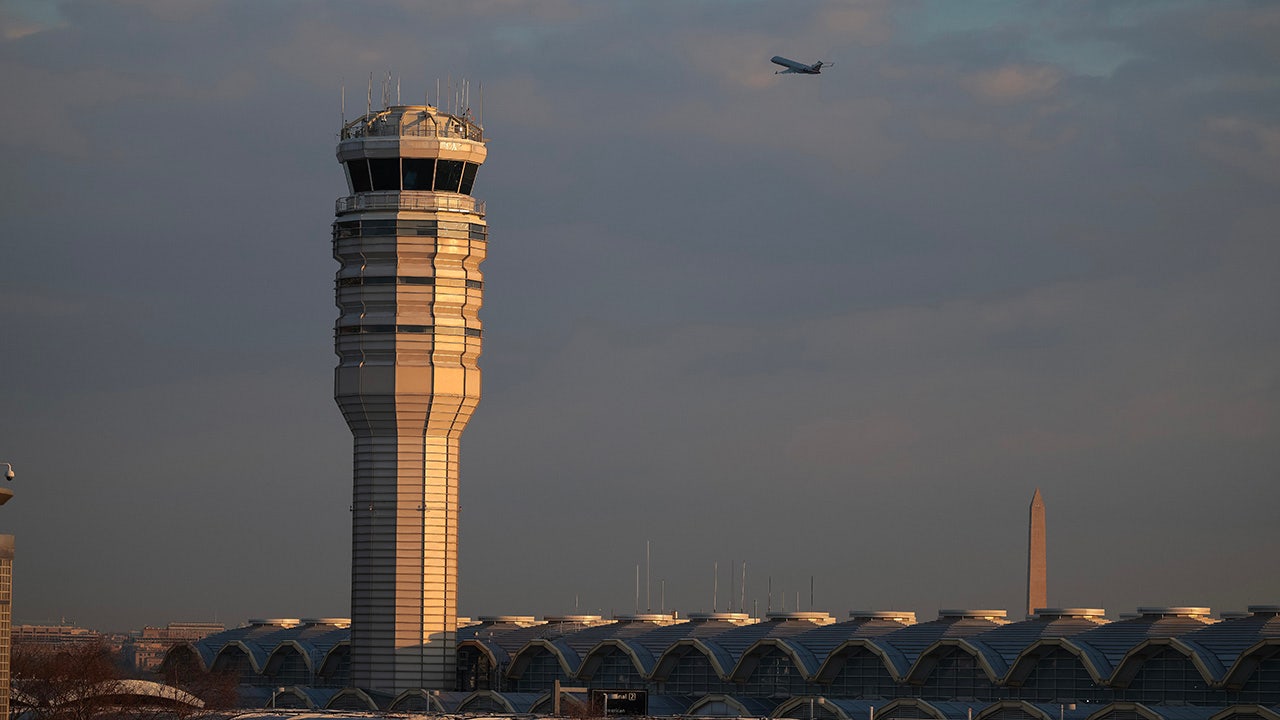
Criticism is mounting among experts concerned with the U.S. Army’s «risky» plan to resume helicopter training flights near Washington National Airport following a deadly midair collision in 2025.
The Army released a plan and told select members of Congress it wants to restart helicopter test flights near DCA — just a few miles from the Pentagon — as soon as Dec. 1, 2026. Backlash immediately ensued.
Rep. Don Beyer, D-Va., asserted on X he has «grave concerns about the decision to resume training flights before the NTSB’s safety recommendations have been fully implemented.»
A spokesperson for the Federal Aviation Administration (FAA) told Digital that it «has not received a formal request to resume military helicopter flights around Ronald Reagan Washington National Airport (DCA).»
«Approval from the agency is required before any training in the area can restart,» the spokesperson added.
FAA, NTSB INVESTIGATING POSSIBLE VIOLATION OF SAFETY PROTOCOL INVOLVING TRUMP, MARINE ONE
A U.S. Army Black Hawk helicopter collided with American Airlines Flight 5342 in January 2025, killing all 67 people aboard both aircrafts. The FAA subsequently halted military helicopter training flights in the area in May 2025 after another Black Hawk helicopter flew too close to DCA, forcing air traffic controllers to reroute some commercial flights.
In a March 14, 2025, statement the FAA said it was «permanently closing [helicopter] Route 4 between Hains Point and the Wilson Bridge and evaluating alternative helicopter routes as recommended by the NTSB.»
Rep. Don Beyer, D-Va., on Monday wrote in an X post that the Army told his office it had reached out to the FAA regarding its request to resume training flights and is currently «awaiting a response.»
«Army officials assured my office that no flights will take place unless they are approved by the FAA,» Beyer stated.
His office did not expand on specific concerns when reached by Digital on Tuesday.
An anonymous Army spokesperson told Politico on Monday «there is intent to resume flights,» acknowledging that the move would require approval from the FAA.
TRUMP HELICOPTER’S RADIO WARNINGS WENT UNHEARD BEFORE CLOSE CALL WITH PASSENGER JET, REPORT SAYS
The DOT referred Digital to the FAA when reached for comment.
«Members of the investigative team and I were briefed on the Army’s plans to begin the initial phase of a return to helicopter flights to the Pentagon through airspace near DCA as soon as December 1st,» NTSB Chairwoman Jennifer Homendy told Digital.
«It is our understanding that the FAA has yet to receive a formal request for these flights. We have not seen the Army’s concept of operations and look forward to reviewing it once it is formally submitted to the FAA for evaluation.»
FAA UNVEILS NEW AIR TRAFFIC CONTROLLER HIRING PLAN AFTER CHIEF WARNED SYSTEM WAS ‘CHRONICALLY UNDERSTAFFED’
When reached for comment on Tuesday, the Department of War referred Digital to the Army. The Army did not respond to request for comment.
Resuming helicopter training flights near DCA could pose «major» safety concerns, according to Randy Klatt, flight safety officer at the Foundation for Aviation Safety (FAS).
«Yes, [there are] major concerns considering that no entity — the airlines, DCA, FAA, or the Army — took any proactive action on the thousands of loss-of-separation incidents that preceded the midair collision. Helicopter Route 4 was a trap as designed, yet it was in use regularly until disaster struck,» Klatt told Digital on Tuesday. «Knowing this does not instill any confidence that the resumption of Army training flights will be done safely and in close coordination with the FAA.»
«There has been no mention of reopening Helicopter Route 4 but for the above reasons FAS would strongly oppose such an action,» he added.
Heritage Foundation senior research fellow and retired U.S. Navy Capt. Brent Sadler warned Digital that there is little justification to restart training flights «or even routine flights» in the DCA area.
«Interference to commercial [air] traffic remains a risk,» Sadler explained. «Training flights would be better served in a lower activity area at least from commercial civilian air traffic.»
«There is little reason to rationalize training flights or even routine flights in proximity to DCA,» Sadler continued.
politics, us army, national security, washington dc, airports, congress, transportation

El SUV más vendido del mercado tendrá dos nuevas versiones en 2027: cuáles son y qué novedades traen

Franco Colapinto bromeó sobre la imagen viral con el casco en un avión y contó los malabares que hizo para llevar sus pertenencias: “Tenía cuatro bolsos”

El “poroteo” final del Gobierno: los 40 votos que la Casa Rosada da por confirmados para lograr la suspensión de las PASO

Han hackeado el Tesoro de EE.UU. y acusan a su director de informática de estar ocupado clonando Civilization con IA mientras pasaba

Qué países concentran los salarios mínimos más altos de Centroamérica y América Latina según el relevamiento de Bloomberg Línea

Guillermo Barros Schelotto define su futuro: Vélez avanza para renovarle y Racing a la expectativa

“Estoy preparada para ser presidenta”: fuerte desafío de Patricia Bullrich a Javier Milei

Financial Times duda de la economía argentina: riesgo país, financiamiento e imagen Milei

El economista Luis Secco cuestionó el programa económico de Milei: “Estamos estancados desde fines del primer trimestre de 2025″

“Tenemos una buena relación, pero me pongo nervioso antes de encontrarme con él”: Jayson Tatum habló sobre su vínculo con Michael Jordan

 POLITICA1 día ago
“Estoy preparada para ser presidenta”: fuerte desafío de Patricia Bullrich a Javier Milei
- ECONOMIA2 días ago
El economista Luis Secco cuestionó el programa económico de Milei: “Estamos estancados desde fines del primer trimestre de 2025″
- ECONOMIA16 horas ago
“Lo real es que estamos estancados”: el análisis de un economista tras la caída de la actividad