INTERNACIONAL
Trump tries different approach with Russia to bring Americans relief amid ongoing war with Ukraine

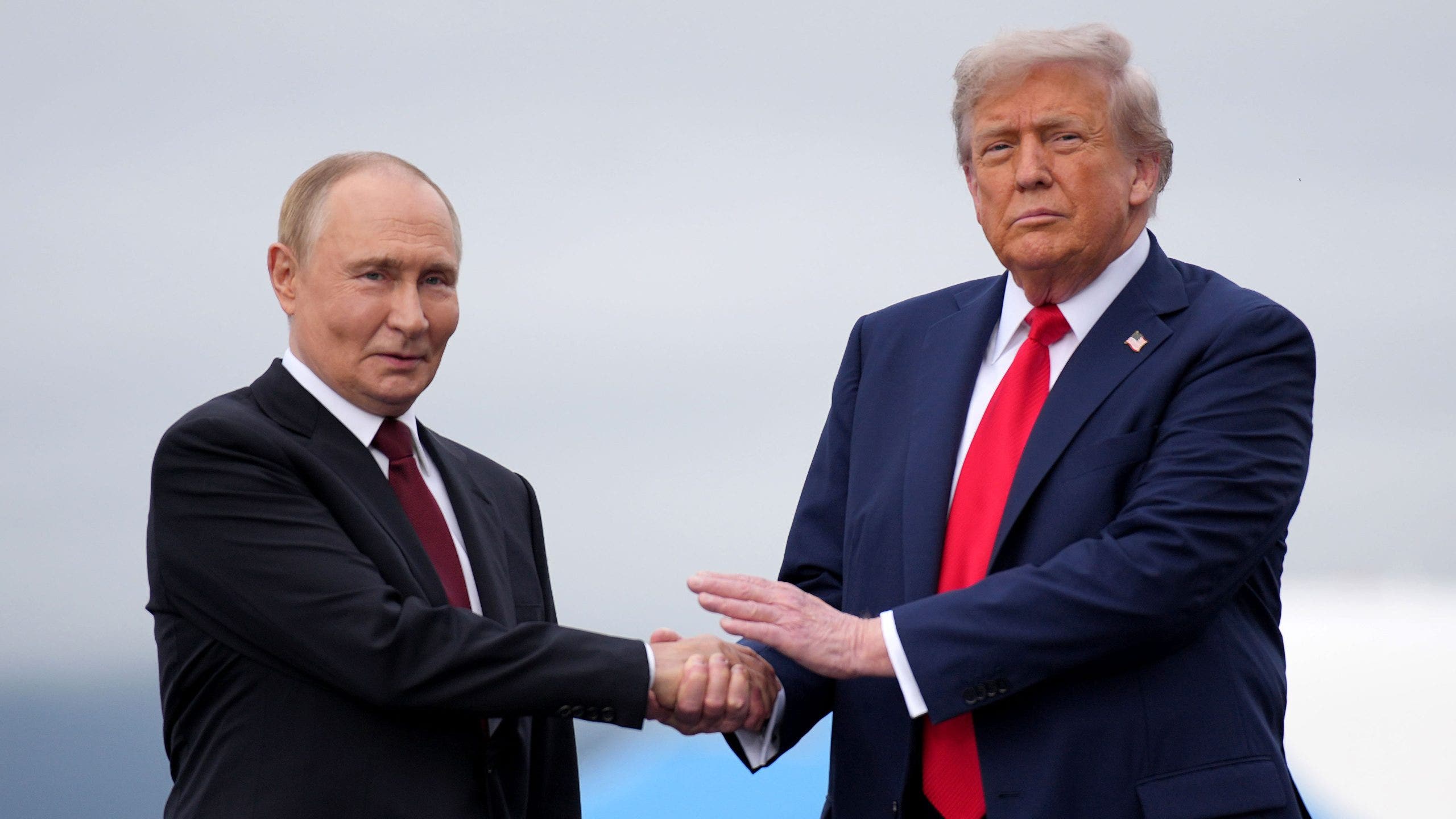
President Donald Trump is easing some of the economic pressure on Russia in hopes of bringing Vladimir Putin closer to a peace deal — a gamble that will test whether economic incentives can move Moscow where years of sanctions have not.
The administration’s decision to temporarily ease restrictions on Russian diesel has drawn opposition from Republicans on Capitol Hill and skepticism over whether the move will meaningfully lower prices for Americans.
Meanwhile, Russia has offered few public signs of concessions in return.
Six Republican senators joined Democrats this week in urging Trump to reverse the decision, while five House Republicans signed a separate bipartisan letter Thursday seeking to revoke the Treasury authorization.
The resistance comes as Washington approaches an Oct. 18, 2026, deadline to begin implementing a sweeping new sanctions law Congress overwhelmingly approved to increase economic pressure on Russia.
BIPARTISAN SENATORS DEMAND TRUMP SCRAP RUSSIA DIESEL DEAL, CALL IT ‘BETRAYAL’ OF US ALLIES
The administration argues that allowing Russian diesel back onto global markets could help bring down prices for American consumers while demonstrating the economic benefits Russia could gain through improved relations with the United States.
Trump has defended the agreement as a way to add supply to a global diesel market strained by high prices, stressing that the Russian fuel does not necessarily need to come state side to benefit American consumers.
«That’s a diesel deal that’s going to be released into the world for the world market because the world market suffers with high prices,» Trump told reporters Tuesday.
But energy analysts have questioned whether the volumes involved would meaningfully affect prices. Russia, meanwhile, continued striking Ukrainian energy infrastructure after Trump declared an immediate energy ceasefire Sunday.
John Hardie, deputy director of the Russia Program at the Foundation for Defense of Democracies, argued the diesel agreement would make more sense as part of a reciprocal deal under which Moscow and Kyiv both stopped attacking energy infrastructure.
«The Ukrainians could stomach it if it were part of a mutual energy truce where both Russia and Ukraine don’t strike each other’s infrastructure,» Hardie told Digital.
Instead, Hardie said, Trump pressed Ukraine to halt its refinery strikes without securing the same restraint from Putin.
«The better solution is to go back to the Kremlin and try to get that two-way solution,» he said.
Trump announced the diesel agreement Oct. 9 after a phone call with Putin, saying Russia would immediately supply more than 300,000 metric tons of diesel to the «American and Global Marketplace,» followed by another 500,000 tons in November, 1 million tons shortly thereafter and eventually another 3 million tons depending on the condition of its refineries.
TRUMP RUSSIA DEAL COULD FUEL PUTIN’S WAR, EX-NATO COMMANDER WARNS AS ZELENSKYY SAYS ‘NYET’
Treasury issued General License 135 the same day, temporarily authorizing transactions involving Russian-origin diesel through April 7, 2027.
The diesel dispute has become part of a broader strain between Trump and Ukrainian President Volodymyr Zelenskyy.
Trump has repeatedly pressed Kyiv to halt refinery attacks, while Zelenskyy has criticized the diesel deal and accused Russia of ignoring Trump’s energy ceasefire. Ukraine resumed attacks on Russian oil infrastructure this week after saying Moscow had failed to observe the pause.
Russia, meanwhile, has intensified attacks on Ukraine’s energy system as winter approaches. A major missile and drone attack Wednesday damaged dozens of energy facilities and left hundreds of thousands of Ukrainians without power, according to Ukrainian officials.
The White House says the deal serves two purposes: adding supply to global fuel markets and showing Moscow some of the economic benefits that could come with improved relations.
Trump envoys Steve Witkoff and Jared Kushner discussed the agreement with Ukrainian officials as part of an effort to revive peace negotiations, Reuters reported. One person briefed on the talks said the deal could help «soften» Moscow’s position by signaling that Trump remains open to doing business with Russia.
But analysts question how much genuinely new diesel Russia can provide.
«The amount of diesel Russia can provide would be a drop in the bucket compared to global demand,» Masha Kotkin, a fellow at the Center for Strategic and International Studies, told S&P Global.
«If you are asking about US diesel prices, I don’t think it’s going to make a difference,» she said.
Sergey Vakulenko, a senior fellow at the Carnegie Russia Eurasia Center and former Russian oil executive, similarly cautioned against treating the roughly $7 billion value of the diesel contemplated under the agreement as new revenue for Moscow, noting that Russia was already exporting substantial quantities despite Western sanctions.
He estimated the sanctions relief could instead benefit Russian exporters by roughly $30 to $40 per ton through better commercial terms and lower shipping costs — tens of millions of dollars per month, only part of which would reach the Russian state through taxes.
At the same time, Ukrainian strikes have sharply constrained Russia’s ability to increase supply. Vakulenko said Russian diesel available for export fell from roughly 3 million tons per month in April to about 325,000 tons in September, leaving both Russia’s additional financial benefit and the deal’s potential impact on global prices more limited than the headline figures suggest.
Hardie said signs of division between Washington and Kyiv could encourage Putin to increase military pressure rather than compromise.
«That message of irresolution and of division between Washington and Kyiv only encourages Putin to intensify military pressure, kind of seeing that opportunity,» Hardie said.
He said the administration had previously presented sanctions relief and renewed economic ties as benefits Russia could unlock through a negotiated settlement. Offering some of those benefits beforehand, he warned, could undermine that incentive.
«It’ll lead Putin to kind of digging his heels in on maximalist demands,» Hardie said.
The debate comes as Congress is moving in the opposite direction.
Trump signed the Lindsey O. Graham Sanctioning Russia and Iran Act into law Sept. 18, giving the administration new authorities to target Russian officials, financial institutions and entities helping sustain the war. Its first 30-day implementation deadline arrives Oct. 18.
Six Republican senators — Thom Tillis, Susan Collins, Alan Armstrong, Lisa Murkowski, Mitch McConnell and John Cornyn — joined six Democrats Tuesday in calling on Trump to rescind the diesel agreement and implement the new sanctions law.
The senators acknowledged the need to bring down energy costs but argued the Russian diesel would have a «negligible impact» on prices while generating additional revenue for Moscow.
A separate bipartisan group of 22 House lawmakers called on Trump Thursday to revoke the diesel authorization and fully implement the Graham law.
The White House has stood by the agreement, arguing Trump’s priority is lowering costs for Americans while continuing to pursue an end to the war.
Hardie questioned whether economic incentives would carry enough weight to change Putin’s calculations.
«Putin cares much more at this point about Ukraine and his legacy, and this broader kind of cocktail of grievances that led him to this war than he does about, you know, clearly Russia’s GDP or well-being, or else he never would have done this in the first place,» Hardie said.
The diesel agreement now puts Trump’s theory of leverage to an early test: whether giving Putin a glimpse of the economic benefits available through improved relations can draw him toward a settlement, or whether Moscow will see easing pressure before a ceasefire as a reason to hold out for more.
politics, sanctions, vladimir putin, russia, ukraine, economy, foreign policy









INTERNACIONAL
Ecuador registra 23 asesinatos diarios y atraviesa uno de los períodos más violentos de su historia
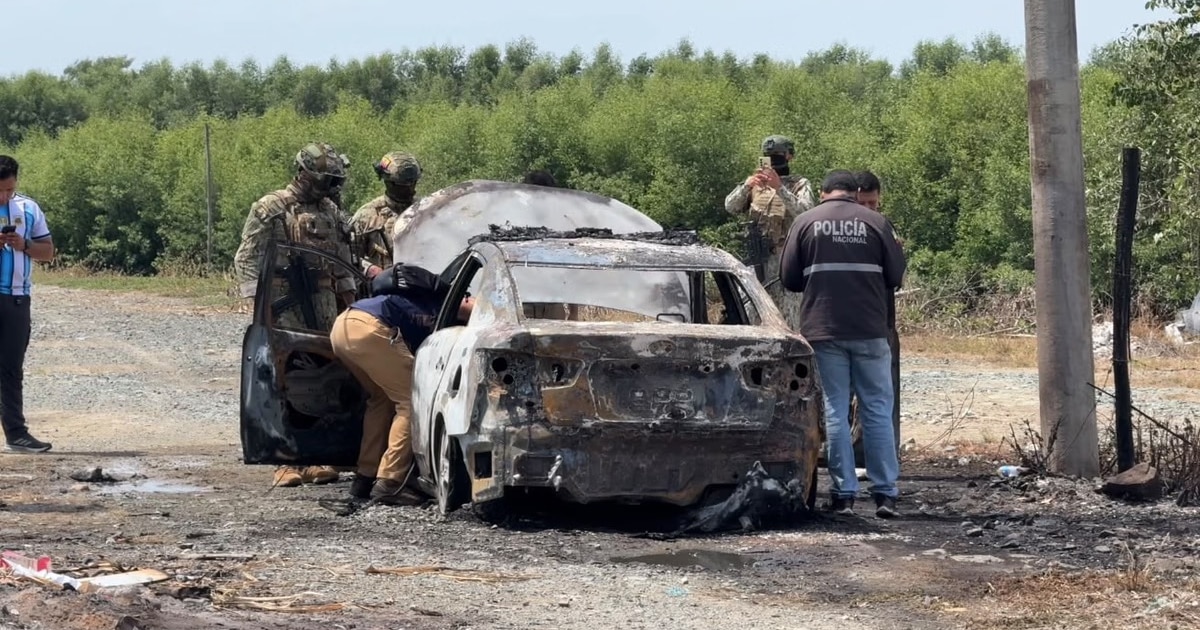
Ecuador continúa atrapado en una crisis de violencia que, pese a mostrar una reducción estadística respecto de 2025, mantiene al país entre los escenarios más críticos de su historia reciente. Durante los primeros seis meses de 2026 se registraron 4.145 homicidios intencionales, equivalentes a un promedio de 23 asesinatos diarios. La cifra convierte al período en el segundo primer semestre más violento desde que existen los registros analizados por el Observatorio Ecuatoriano de Crimen Organizado (OECO), una iniciativa de la Fundación Panamericana para el Desarrollo (PADF).
El informe publicado en octubre de 2026 muestra que los homicidios disminuyeron aproximadamente un 10,7% en comparación con el mismo período de 2025. Sin embargo, la reducción ocurre frente a un año excepcionalmente violento y no supone un retorno a los niveles de seguridad anteriores a la expansión del crimen organizado. Si la tendencia semestral se mantiene, el país podría cerrar 2026 con una tasa de entre 45 y 50 homicidios por cada 100.000 habitantes.
La distribución geográfica de los asesinatos constituye uno de los hallazgos centrales de la investigación. Guayas, la provincia más poblada del país y donde se encuentra Guayaquil, concentra el 42,39% de las muertes violentas registradas entre enero y junio. Su tasa semestral alcanza los 36,42 homicidios por cada 100.000 habitantes, lo que confirma su importancia dentro de la crisis de seguridad ecuatoriana.
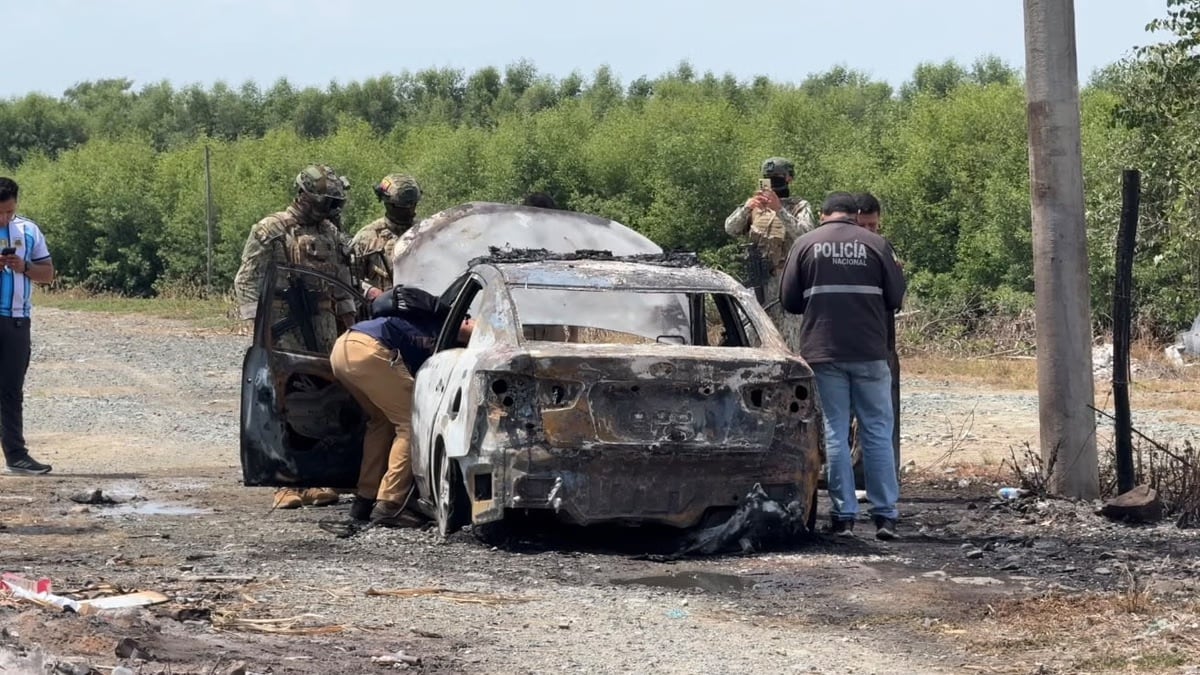
No obstante, el deterioro más pronunciado se observa en El Oro, provincia fronteriza con Perú. Allí, la tasa de homicidios alcanzó los 68,74 casos por cada 100.000 habitantes, la más elevada del territorio nacional. Según el OECO, los asesinatos aumentaron aproximadamente un 62% respecto del primer semestre de 2025 y representan el 12,54% de las muertes violentas contabilizadas en Ecuador durante el período estudiado.
La situación adquiere especial relevancia por las características territoriales de El Oro, donde confluyen actividades comerciales, agrícolas, portuarias y fronterizas. Su capital, Machala, y el cantón Huaquillas aparecen entre los principales focos de violencia letal. La concentración de asesinatos en estas localidades plantea interrogantes sobre las disputas por corredores estratégicos y mercados ilícitos, aunque los datos de homicidios, por sí solos, no permiten establecer las motivaciones individuales de cada crimen.
Huaquillas registra una tasa semestral de 125,97 homicidios por cada 100.000 habitantes, la más alta entre los cantones ecuatorianos. Machala, por su parte, alcanza los 68,17 casos por cada 100.000 habitantes y encabeza el indicador entre las ciudades con poblaciones superiores a 100.000 personas.
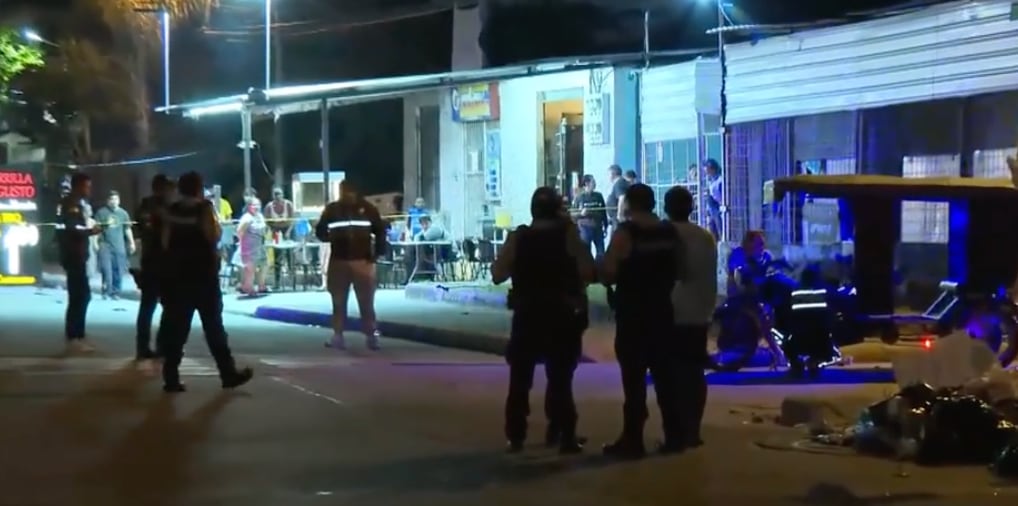
La comparación territorial permite identificar una transformación en el mapa de la violencia. Mientras algunos puntos históricamente afectados, como Durán, en Guayas, muestran disminuciones importantes, otras localidades registran incrementos que modifican la distribución del riesgo. El descenso nacional, por tanto, no describe necesariamente lo que ocurre en cada provincia o cantón.
Sucumbíos, en la frontera con Colombia, constituye otro territorio de preocupación. Con una tasa de 34,95 homicidios por cada 100.000 habitantes, ocupa el cuarto lugar provincial. El observatorio plantea posibles relaciones entre la violencia, la minería ilegal y las disputas por el control territorial, dinámicas que requieren investigaciones adicionales para determinar sus conexiones específicas.
El perfil de las víctimas también revela una dimensión particularmente grave. Los jóvenes de entre 20 y 24 años representan el 19,04% de las personas asesinadas durante el primer semestre, convirtiéndose en el grupo etario más afectado. Los adolescentes de entre 15 y 19 años concentran otro 11,80% y aparecen como el cuarto grupo de edad con mayor número de víctimas.
Estos porcentajes muestran que una parte significativa de la violencia letal recae sobre personas que atraviesan etapas de formación educativa, incorporación al mercado laboral o transición hacia la vida adulta. El fenómeno plantea desafíos que exceden las operaciones policiales y militares, especialmente en territorios donde las organizaciones criminales disputan espacios de influencia.

Otro de los indicadores más contundentes corresponde a los mecanismos utilizados para cometer los asesinatos. De acuerdo con el informe, 3.671 víctimas murieron por disparos de armas de fuego, equivalentes al 88,37% del total. En otras palabras, casi nueve de cada diez homicidios intencionales registrados en Ecuador durante el semestre fueron perpetrados con este tipo de armamento.
El predominio de las armas de fuego confirma una tendencia sostenida desde 2022 y constituye, según el observatorio, un indicio de la expansión del comercio ilícito de armas. La magnitud del fenómeno también plantea interrogantes sobre los mecanismos de abastecimiento, circulación y control del armamento utilizado en actividades criminales.
Los escenarios donde ocurren las muertes muestran diferencias importantes según la clasificación del delito. El 75% de los sicariatos se produjo en espacios públicos, proporción que alcanza el 72% en los asesinatos y el 64% en los homicidios simples. Estos datos evidencian la exposición de la población a episodios de violencia letal en calles y otros lugares abiertos.
La situación es distinta en los femicidios: el 73% ocurrió en espacios privados. Esta diferencia resulta relevante porque muestra que las manifestaciones de violencia homicida responden a contextos diversos y requieren intervenciones específicas, tanto en materia de seguridad pública como de protección frente a la violencia de género.
El informe utiliza registros del Ministerio del Interior y proyecciones poblacionales basadas en el Censo de 2022 del Instituto Nacional de Estadística y Censos (INEC). La comparación de tasas permite distinguir entre los territorios que acumulan más víctimas por su tamaño poblacional y aquellos donde el riesgo proporcional de morir asesinado es mayor.
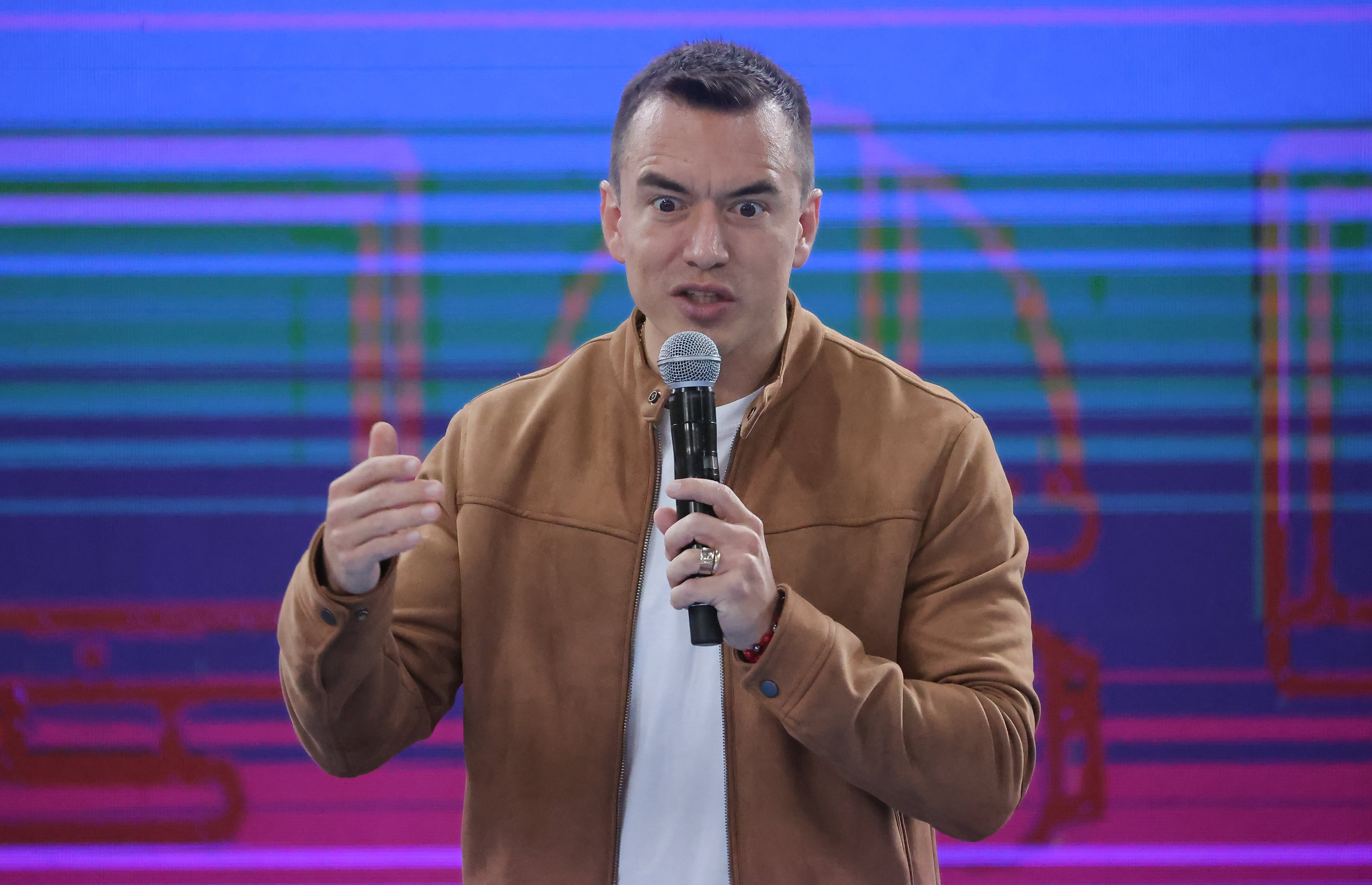
Desde enero de 2024, cuando el presidente Daniel Noboa declaró la existencia de un conflicto armado interno, Ecuador ha mantenido una estrategia de seguridad caracterizada por una mayor participación de las Fuerzas Armadas en operaciones contra organizaciones criminales. El Gobierno también ha recurrido a estados de excepción y otras medidas extraordinarias para enfrentar la violencia.
En ese contexto, la Policía Nacional ha destacado la disminución de las muertes violentas durante 2026 como parte de los resultados de sus operaciones preventivas e investigativas. Sin embargo, los indicadores presentados por el OECO muestran que la reducción nacional coexiste con incrementos territoriales, una elevada participación de armas de fuego y una considerable afectación de adolescentes y adultos jóvenes.
El balance del primer semestre deja así una conclusión estadística relevante: Ecuador registra menos asesinatos que durante el período equivalente de 2025, pero continúa soportando niveles de violencia extraordinariamente altos. La reducción de los homicidios constituye un cambio en la tendencia nacional, aunque todavía no permite afirmar que la crisis de seguridad haya sido superada.
INTERNACIONAL
El líder hutí que se considera un guía espiritual y dirige su guerra desde refugios clandestinos
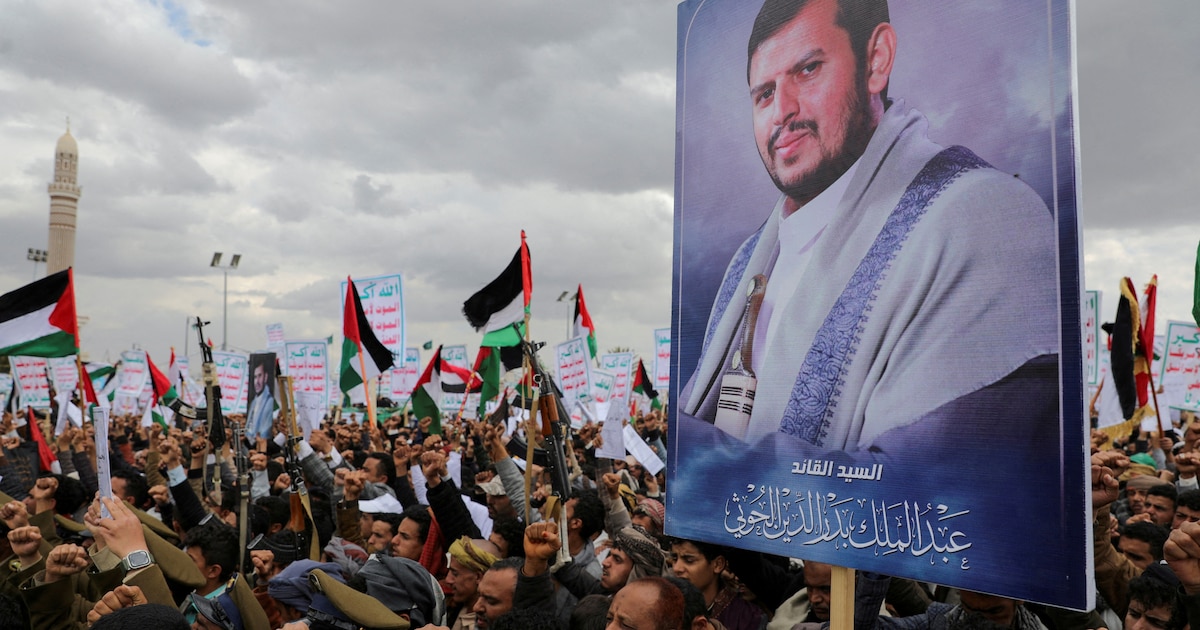
Como clara señal de sus inclinaciones ideológicas, los líderes hutíes nombraron, en abril de 2017, a Beraas Shams al-Din Muhammad Sharaf al-Din como nuevo muftí para desempeñarse como la principal autoridad religiosa en Saná. Sharaf al-Din fue educado en Irán y se cree que es uno de los vínculos más importantes entre Irán y el movimiento hutí. Y aquí está el elemento más importante de la jerarquía hutí: Shams al-Din no es la máxima autoridad religiosa del sistema hutí.
Las raíces ideológicas de Abdul-Malik al-Houthi provienen de una mezcla de zaidismo jarudí, el legado del movimiento Juventud Creyente (Shabab al-Mumin), fundado por su hermano Hussein Badr al-Din, y el modelo revolucionario de la Wilayat al-Faqih de Irán.
Basándose en sus discursos, textos ideológicos y análisis regionales, Abdul-Malik al-Houthi, el actual líder del movimiento, se considera a sí mismo un guía espiritual y militar designado divinamente, encargado de liderar una guerra santa contra la tiranía occidental y sionista. Descendiente del Profeta (sayyid): basándose en su linaje hachemita, afirma descender directamente del profeta Mahoma. En su opinión, este linaje le otorga un derecho intrínseco y religioso al liderazgo espiritual y político absoluto sobre la comunidad musulmana. El Guía Supremo y Reformador, reflejando el estatus del Líder Supremo de Irán. Defensor de la causa palestina. Guerrero desafiante.
Sabiendo que es un objetivo prioritario para los servicios de inteligencia extranjeros, su estilo de vida recluido —operando enteramente desde casas seguras ocultas y comunicándose solo a través de pantallas— ha alimentado una autoimagen de comandante disciplinado y resiliente que resiste un “asedio” sagrado junto a su pueblo.
Curiosamente, durante los ataques contra Israel y las respuestas israelíes, el muftí Sharaf al-Din apareció en internet como un simple soldado entrenándose para la defensa del país, una señal de cómo su posición es diferente de la de Abdul-Malik.
Abdul-Malik veía a Hassan Nasrallah con inmensa reverencia, considerándolo su mayor mentor ideológico, un modelo supremo de resistencia regional y una figura de hermano mayor. Dentro del “Eje de Resistencia”, la relación entre los dos líderes era excepcionalmente estrecha, construida sobre décadas de orientación fundamental de Hezbolá al movimiento hutí.
Tras el asesinato de Nasrallah, la percepción de al-Houthi sobre su propio papel dentro del Eje de Resistencia cambió significativamente. Con Nasrallah desaparecido y Hezbolá temporalmente desequilibrado, al-Houthi buscó honrar el legado de su mentor ocupando el vacío, con el objetivo de posicionarse como el líder de vanguardia más agresivo, desafiante e independiente operativamente que quedaba en la alianza regional.
Los hutíes son, de hecho, un grupo subordinado a Teherán, pero no como Hezbolá. Lograron fortalecer sus relaciones estratégicas con las dos grandes potencias, por encima de los dirigentes en Irán.
La relación de al-Houthi con Rusia se ha transformado de una neutralidad diplomática en una profunda alianza de seguridad clandestina.
Las relaciones con Pekín son más complicadas, al equilibrar una amplia adquisición encubierta con fricciones diplomáticas públicas por la seguridad energética.
Abdul-Malik al-Houthi considera estas relaciones como prueba de su creciente estatus como importante actor global. Su círculo íntimo se jacta abiertamente de que “las grandes potencias ahora llaman a las puertas de Saná”, lo que permite al movimiento explotar los recursos rusos y chinos para desafiar sistemáticamente la influencia estadounidense en todo Oriente Medio.
Tras el asesinato de Hassan Nasrallah, los hutíes y su líder Abdel Maleq se han convertido en el activo más importante de Teherán, debido a su resiliencia y ahora al control de Bab el-Mandeb, quizá más importante que Ormuz. Pero no me sorprendería que, si el régimen islámico en Irán se derrumba en algún momento, Abdel Malik al Houthi, si sobrevive, surja como líder de un nuevo eje chiita.
Es interesante que el Cuerpo de la Guardia Revolucionaria Islámica (CGRI) haya amenazado a Israel con una respuesta militar a gran escala si destruye el complejo subterráneo bajo la cresta Ali al-Taher, en el sur del Líbano. Las Fuerzas de Defensa de Israel (FDI) procedieron con la operación y anunciaron la destrucción completa de la infraestructura subterránea los días 10 y 11 de septiembre de 2026. No hubo respuesta iraní, pero sí hubo la importante operación hutí para tomar el control de los estrechos de Bab el-Mandeb. Coincidencia, o decisión de prioridad estratégica, y desinformación/manipulación de los actores regionales y globales.
*El autor es investigador sénior en el Instituto Internacional para la Lucha contra el Terrorismo (ICT, por sus siglas en inglés), Universidad Reichman
*El artículo es un extracto de la participación de Karmon en la conferencia del ICT
Democrats have expanded their once-narrow path to reclaiming the Senate majority with just over two weeks until Election Day, but they’ll need to win several competitive races to take control of the chamber.
If Democrats ride a massive blue wave in the midterm elections, they could end up with 52 or even 53 seats in the next Senate. But if Republicans out-perform the polls, they could hold their majority, which currently stands at 53-47.
Here’s a look at the current battlefield and both parties’ routes to securing a Senate majority in the midterms.
The latest Power Rankings point to Democrats and Republicans each taking 47 seats in the midterms, leaving six races rated as true toss-ups. Additionally, three races are rated as leaners — one step shy of a toss-up. These nine showdowns will likely determine whether the Democrats make a net gain of four seats to win control of the Senate or if the GOP holds the majority.
DEMS SEE NEW CHANCES TO FLIP SENATE SEATS BUT GOP’S MASSIVE CASH ADVANTAGE AN OBSTACLE
«Nine races will determine control of the Senate, and on the polling alone, you could call any of them toss-ups,» said Remy Numa, a contributor who steers the network’s Power Rankings.
The GOP is fighting political history, as the party in power in Washington has traditionally lost seats during midterm election years. Republicans also face a challenging political climate fueled by persistent inflation Americans see at the grocery store, high gas prices tied to what polls show is an unpopular war with Iran and President Donald Trump’s increasingly negative approval ratings.
With Republicans controlling the seats in six of the nine competitive races in the Power Rankings, the GOP is playing more defense than the Democrats.
The six toss-up states are Alaska, where Sen. Dan Sullivan is seeking re-election against Democratic challenger and former Rep. Mary Peltola; Iowa, where Rep. Ashley Hinson is trying to keep retiring Sen. Joni Ernst’s seat in GOP hands against Democratic state Rep. Josh Turek; and Maine, where longtime Republican Sen. Susan Collins is running for re-election against former state Senate President Troy Jackson, the Democratic challenger.
DEMOCRATS THINK A BLUE WAVE IS BUILDING – HERE ARE THREE FACTORS THAT COULD STOP IT
Also on the list is Ohio, where appointed GOP Sen. Jon Husted is running to serve the final two years of the term won in 2022 by now-Vice President JD Vance. He’s facing former longtime Democratic Sen. Sherrod Brown. And in Texas, state Attorney General Ken Paxton is battling Democratic state Rep. James Talarico in the race to succeed longtime GOP Sen. John Cornyn, who was ousted by Paxton in a bitter Republican primary.
Democrats are playing defense in Michigan, the sixth toss-up, where nominee Abdul El-Sayed is trying to keep party control of retiring Democratic Sen. Gary Peters’ seat, as he faces former GOP Rep. Mike Rogers.
SIGN UP TO GET THE POLITICS NEWSLETTER
Democrats are also on defense in New Hampshire, where Rep. Chris Pappas is aiming to keep retiring Sen. Jeanne Shaheen’s seat blue against former GOP Sen. John E. Sununu. The Power Rankings rate the race «Lean Democrat.»
It’s a similar story in Minnesota, where Democratic Lt. Gov. Peggy Flanagan is trying to keep retiring Sen. Tina Smith’s seat in party hands.
But the Power Rankings this past week shifted the race in the blue-leaning state toward the GOP, from Likely Democrat to Lean Democrat, as Republican nominee Michele Tafoya appears to gain traction.
DEMOCRACY ’26: STAY UP TO DATE WITH THE ELECTION HUB
Meanwhile, the GOP is on defense in red-leaning Kansas, where Republican Sen. Roger Marshall faces a difficult re-election fight against Democratic challenger Adam Hamilton, a pastor. The Power Rankings rate the race Lean Republican.
Numa, pointing to Kansas, Minnesota and New Hampshire, said that «the voter profiles and histories of those states are keeping them at ‘Lean D’ and ‘Lean R’ on the forecast, but this map has expanded, and with the exception of the North Star State, mostly into red territory.»
Meanwhile, two states are now pretty much off the table for the GOP.
Georgia was a top Republican target when the 2026 cycle began, but Democratic Sen. Jon Ossoff holds a solid lead over GOP challenger Rep. Mike Collins in the southeastern battleground. Republican outside groups have cut their spending significantly in Georgia, and the Power Rankings rate the race as Likely Democrat.
In neighboring North Carolina, Republicans appear to have conceded the seat held by retiring GOP Sen. Thom Tillis. Republican groups have pulled the plug on spending on behalf of GOP nominee Mike Whatley, who trails former Gov. Roy Cooper, the Democratic nominee, in polling. The Power Rankings also rate this race as Likely Democrat.
The Democrats win the majority if they run the table by holding Georgia, Michigan, Minnesota and New Hampshire, and flip North Carolina as well as at least three of the five GOP-controlled toss-up states.
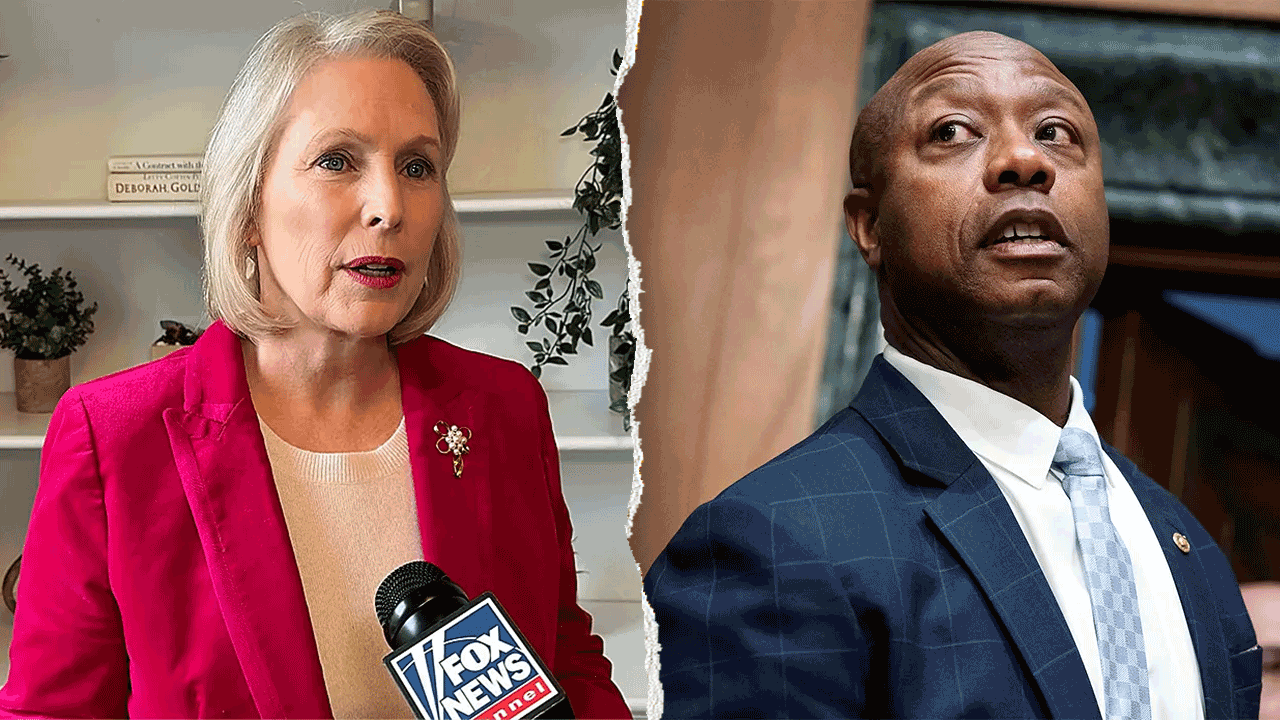
«Senate Democrats are in the strongest position yet to win the majority – with multiple paths to flip GOP-held seats and growing momentum across the map,» Sen. Kirsten Gillibrand of New York, the Democratic Senatorial Campaign Committee chair, touted in a recent statement.
Conversely, Republicans would keep control of the chamber by holding at least three of the toss-ups where they’re playing defense. A 50-50 Senate would remain in GOP hands, thanks to the tie-breaking vote of Vice President JD Vance.
Gillibrand’s counterpart, National Republican Senatorial Committee Chair Sen. Tim Scott of South Carolina, remains optimistic.
«I think it’s going very well for us,» Scott said Thursday in an interview on «America Reports.» «The momentum, frankly, is with us, not against us.»
The GOP majority could be bolstered if the party goes on offense. While chances of Sununu flipping New Hampshire appear to be receding, Republicans are optimistic Rogers can top El-Sayed in Michigan. Trump is expected to hold a rally with Rogers in the Great Lakes battleground later this month.
Meanwhile, Scott has his eyes on a flip in Minnesota.
«Michele Tafoya is running a very independent campaign, lots of traction,» he told Fox News. «I think we close that gap. And if there’s an October surprise, Minnesota goes Republican.»
power rankings, midterm elections, politics, senate, republicans elections, elections, polls

El Turco García y Mariela Prieto se casaron después de 30 años de relación: las imágenes de la ceremonia

Mientras mira de cerca la evolución de la economía, el Gobierno suma un frente de presión por su estrategia sobre Malvinas

Canales para ver en vivo el Racing vs Independiente por el Torneo Clausura 2026?

Trump tries different approach with Russia to bring Americans relief amid ongoing war with Ukraine

Fatal Fury: City of the Wolves detalla su precio y tamaño de descarga en Nintendo Switch 2 – Nintenderos

La increíble pelea por el título entre un boxeador 20 centímetros más alto que su rival que se definió por nocaut en el último segundo: “Fue dramático”

Autos chinos en Argentina: el caso de Noruega reaviva las alertas por espionaje y riesgos para la seguridad nacional

El Índice de Incertidumbre Económica de septiembre alcanzó el nivel más alto de 2026, según la UCA

La FIFA busca justificar el indulto a Balogun tras la llamada de Trump