INTERNACIONAL
Why the House let out early: a matter of debate as Johnson says chamber has ‘done its work’


It’s a matter of debate as to why House Speaker Mike Johnson, R-La., sent the House home a day early this week. This is in addition to the House lopping off two additional weeks from its schedule later this month and into early October.
«We’re going to modify the House schedule by a day. And let me explain to you why. The House has done its work,» said Johnson as House Members fled Capitol Hill early Wednesday night. «House Republicans are going now back to our districts. We’re going to make the case to the American people on what we have delivered on their behalf.»
The House isn’t scheduled to reconvene until November 9, just after the midterms.
But outgoing Rep. Thomas Massie, R-Ky., believes there’s a different reason Johnson cut everyone loose early. The Kentucky Republican introduced eight articles of impeachment for Pentagon chief Pete Hegseth. Because Massie’s push for impeachment is «privileged,» the House had 48 hours max to consider the articles.
THE HITCHHIKER’S GUIDE TO MASSIE SAYING JOHNSON IS SENDING THE HOUSE HOME EARLY TO PREVENT HEGSETH IMPEACHMENT
«I figured out why we canceled tomorrow,» said Massie. «Tomorrow would be the vote on impeaching Secretary of Defense Peter Bryan Hegseth. And it looks like that vote’s not going to happen.»
A senior House Republican leadership source insisted to Fox last week that Members would be on Capitol Hill «for a full week.»
But by Wednesday, the House had synced up with the Senate and passed the Russia sanctions bill. It okayed legislation to protect consumers from high electricity and water bills associated with data centers – foisting the cost on tech companies. Yes, there were calls by bipartisan lawmakers that the House should remain in session to address intensifying concerns about AI. But the House was running out of floor traffic.
Except for Massie’s measure to impeach Hegseth.
REPORTER’S NOTEBOOK: HOUSE CONTROL COULD HINGE ON WHETHER THE OLD POLITICAL RULES STILL APPLY
Now you can determine for yourself why Johnson dismissed lawmakers a day early – to say nothing of the plan for the House to cut town two weeks sooner than originally planned.
But you can imagine what Massie thought.
«Exactly what I predicted,» said Massie on the House floor. «Why did he just cut another day off the calendar?»
I found Massie off the floor after he concluded his speech.
«Do you think they adjourned the House because you have the votes on Hegseth?» asked yours truly.
«Chad, they cut two weeks off of the calendar to keep me from getting to 218 votes on the Epstein discharge petition. And then we came into this week and I introduced eight articles of impeachment against Peter Hegseth and they have 48 hours to vote on that,» replied Massie. «He cut off the day tomorrow to avoid the vote.»
Here are the parliamentary mechanics.
The House was compelled to consider Massie’s impeachment articles if it met this past Thursday. Otherwise, the resolution covering the eight impeachment articles would expire. The 48-hour window associated with such privileged resolutions disappears. Sure. Massie could bring them up when the House next meets in November. But that is seven weeks from now.
But let’s say the House met on Thursday and was forced to bring up Massie’s impeachment articles, Republicans would likely have offered «a motion to table.» This is an effort to kill Massie’s gambit. Thus the vote would not have been on impeaching Hegseth, but whether or not to set aside Massie’s plan.
If the House voted to table Massie’s articles of impeachment, the gig is up. It’s done. The House never even considered the actual impeachment resolutions. The vote was one step removed from a straight, up/down vote on actually impeaching Hegseth.
But let’s say the motion to table were to fail? That means the House immediately skips to the articles of impeachment. The possibility suddenly exists that Hegseth could face eight impeachment votes – even through there’s been no investigation. No committee hearings. No «process.»
Nowhere does it say in the Constitution that Congress is required to wrestle with the usual parliamentary volutions to impeach someone. If a simple majority in the House votes to impeach you, you’re impeached.
Nuff said.
REPORTER’S NOTEBOOK: CONGRESS MEETS AI AS FEARS OF HUMAN EXTINCTION JOLT CAPITOL HILL
This is why Republicans likely would have moved to table Massie’s impeachment articles. A vote to table inoculates Members from having to take a challenging vote on the underlying issue. Keep in mind that there are a number of House Republicans who are aggravated with Hegseth and beside themselves about the war in Iran. This vote would have put them in an interesting position – especially since many if not all Democrats may have voted to impeach.
So I asked Massie the following about the motion to table.
«That would have put (Members) in a tough spot. Or would if they had to vote on that, that would have passed?» I asked.
«A vote on a motion to table — he may not have survived that vote,» declared Massie.
In other words, Massie believes the House could have defeated the motion to table. That would have triggered votes on actually impeaching Hegseth. And, from Massie’s standpoint, that’s why Johnson sent the House home.
You might remember that there was a bipartisan effort last summer by Massie and Rep. Ro Khanna (D-Calif.) to go around Johnson and deposit a measure on the floor forcing release of the Epstein files. Johnson let the House out early for summer break then. Later, Johnson kept the House out of session for most of the 43-day government shutdown as the special effort to bring action on the resolution loomed.
The House voted to re-open the government in mid-November. And one of the first things the House did after that? Voted 427-1 to require a release of the files. The lone nay vote against releasing the files? Rep. Clay Higgins, R-La.
Even though there aren’t votes until early November, Massie is still a Member of the House. He’ll be a Member in the lame duck session through early January. Massie lost his primary to Republican Ed Gallrein — a candidate backed by President Donald Trump. And Hegseth took the unusual step of traveling to northern Kentucky this spring to campaign for Gallrein.
It’s unclear if the Hegseth articles of impeachment will return late this fall or winter. But Massie is back. At least for a little while. And whether Johnson adjourned the House to prevent a vote on the impeachment articles will remain a matter of debate.
congress, house of representatives politics, mike johnson, pete hegseth













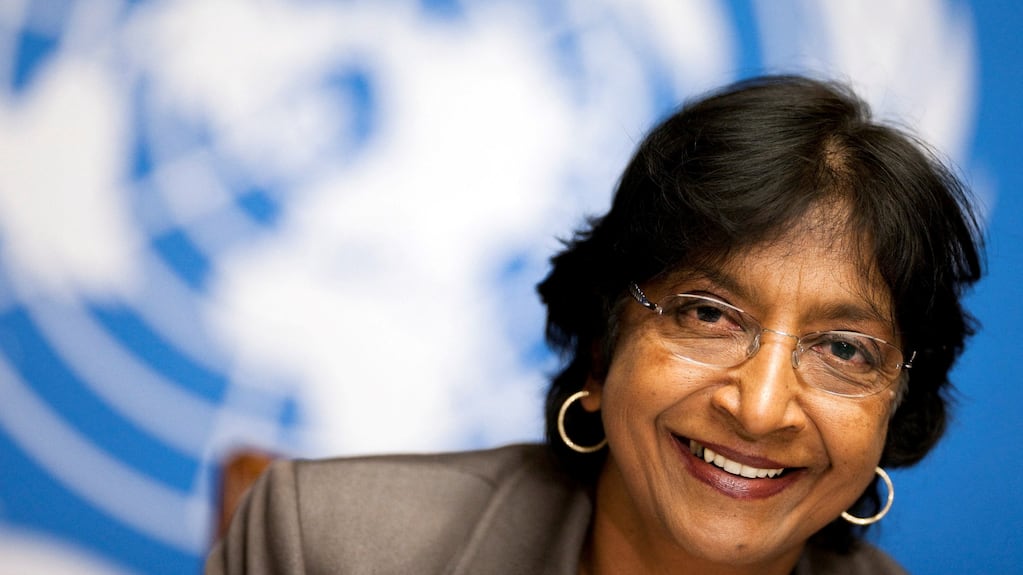
El Comité Noruego del Nobel distinguió este martes a la jurista sudafricana Navanethem Pillay con el Premio Nobel de la Paz 2026, en reconocimiento a sus esfuerzos para promover la paz y el derecho internacional.
“La galardonada de este año fue fundamental para garantizar que los crímenes de guerra, los crímenes de lesa humanidad y el genocidio sean perseguidos judicialmente”, declaró Jørgen Watne Frydnes, presidente del Comité Noruego del Nobel en Oslo.
“El compromiso de Navi Pillay con los principios jurídicos universales y su sólida brújula moral fueron constantes a lo largo de su larga trayectoria profesional”, destacaron
Quién es Navi Pillay
Pillay, nació en Durban en una familia de origen tamil bajo el régimen del apartheid, se convirtió en abogada y pionera en la defensa de los derechos humanos.
Desde sus primeros pasos, enfrentó la discriminación y la exclusión y defendió a figuras como Nelson Mandela y a otros opositores al sistema racista sudafricano. Ese compromiso la llevó a ocupar cargos clave en la justicia internacional.
Fue jueza en la Alta Corte de Sudáfrica, en el Tribunal Penal Internacional para Ruanda y en la Corte Penal Internacional. Además, se desempeñó como Alta Comisionada de las Naciones Unidas para los Derechos Humanos y presidió la comisión de investigación independiente de la ONU que acusó a Israel de cometer un genocidio en la Franja de Gaza.
Actualmente ejerce como jueza en la Corte Internacional de Justicia (CIJ), en el caso en el que Birmania está acusada de genocidio.
“En casos históricos ante tribunales internacionales, demostró que las herramientas legales pueden ayudar a prevenir actos de guerra y violencia”, destacaron desde el Comité Nobel.
“Su independencia, pericia y firmeza la convirtieron en una de las juristas internacionales más respetadas de nuestro tiempo”, agregaron.
El impacto de Pillay en la evolución del derecho internacional
En casos históricos, Pillay fue clave para que el Tribunal Penal Internacional para Ruanda reconociera que la violación y la violencia sexual pueden constituir crímenes de lesa humanidad y genocidio. También impulsó un precedente legal al lograr que, por primera vez, un acusado enfrentara cargos de incitación al genocidio solo por difundir propaganda.
“Navi Pillay les exigió responsabilidades a los estados y a los líderes nacionales, y les dio esperanza a las víctimas de la violencia y de conflictos. En todos los cargos que ocupó, hizo hincapié en la responsabilidad de los individuos y los estados de respetar el Estado de derecho”, manifestaron.
Un mensaje en tiempos de crisis global
El Nobel de la Paz de este año se inscribe en la tradición de la distinción, que desde hace 125 años subraya la importancia de resolver los conflictos a través del derecho internacional. El Comité recordó que, aunque el sistema legal global nunca fue perfecto y las grandes potencias muchas veces eludieron responsabilidades, el avance de la diplomacia y los mecanismos legales permitió abordar más conflictos sin recurrir a la violencia. “La paz requiere justicia”, insistieron.
El Comité Nobel advirtió asimismo que el orden internacional basado en reglas atraviesa una etapa de fuerte presión, con instituciones atacadas y un resurgimiento de la política de poder por sobre el respeto a la ley.
“La historia demostró que un mundo que opera sin el Estado de derecho es injusto, imprudente e inhumano”, recordaron.
En ese contexto, subrayaron la necesidad de figuras como Pillay, que sostienen “la delgada línea entre el orden y el caos”.
Según concuyó el Comité Nobel, “el compromiso de Navi Pillay con la justicia y la dignidad humana es fuente de esperanza e inspiración para todos aquellos que buscan construir un mundo más pacífico”.
La ceremonia se realizó en Oslo, Noruega, y la elección estuvo a cargo de los cinco miembros designados por el Parlamento noruego.
El galardón, uno de los cinco instituidos por Alfred Nobel en su testamento de 1895, se entrega cada 10 de diciembre, fecha que coincide con el aniversario de la muerte del inventor sueco. A diferencia de las otras categorías, que se otorgan en Estocolmo, el Nobel de la Paz tiene su sede en la capital noruega.
La historia del premio se remonta a 1901 y, según datos de la Fundación Nobel, fue concedido en 106 ocasiones a un total de 143 laureados, entre personas y organizaciones. En varias ediciones, la distinción se compartió entre dos o más ganadores.
nobel de la paz

Panamá permaneció en el Nivel 2 en la evaluación anual de trata de personas del Departamento de Estado de Estados Unidos, que reconoció un aumento de las investigaciones, los procesos judiciales y las condenas durante 2025, aunque advirtió fallas persistentes en la identificación y protección de víctimas.
El informe sostiene que el Gobierno panameño no cumple por completo con los estándares mínimos para erradicar este delito, aunque realiza esfuerzos que el informe considera significativos. La mejora en la respuesta penal permitió que el país conservara su clasificación, tras una condena por trata sexual que puso fin a dos años sin sentencias bajo la legislación específica.
La evaluación también señala que las autoridades comenzaron a adecuar sus protocolos de detección y asistencia a las modificaciones aprobadas en diciembre de 2024. Esos cambios eliminaron el requisito de que hubiera traslado de una persona para configurar el delito de trata, lo que amplió el alcance de la norma frente a hechos de explotación dentro del país.
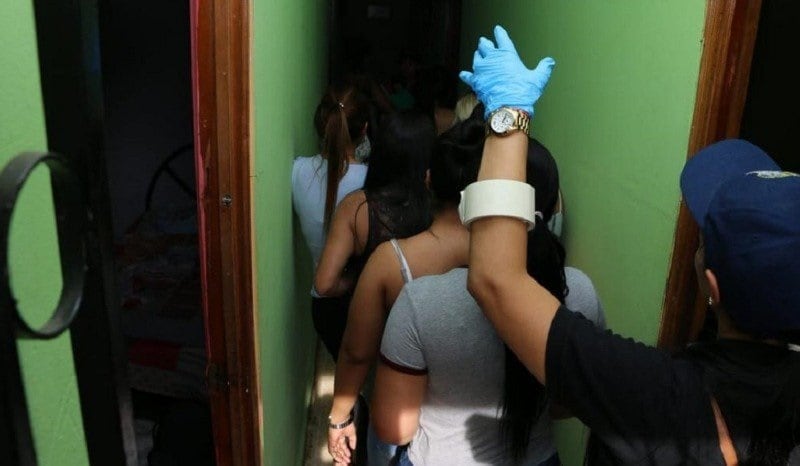
Investigaciones por trata: de 22 a 27 casos en 2025
Las autoridades panameñas investigaron 27 casos de trata en 2025, frente a los 22 registrados el año anterior. Dos expedientes estuvieron vinculados con trata sexual y otros 25 fueron clasificados como formas no especificadas de explotación. Además, se iniciaron procesos contra tres sospechosos y continuaron causas ya abiertas contra al menos 10 imputados.
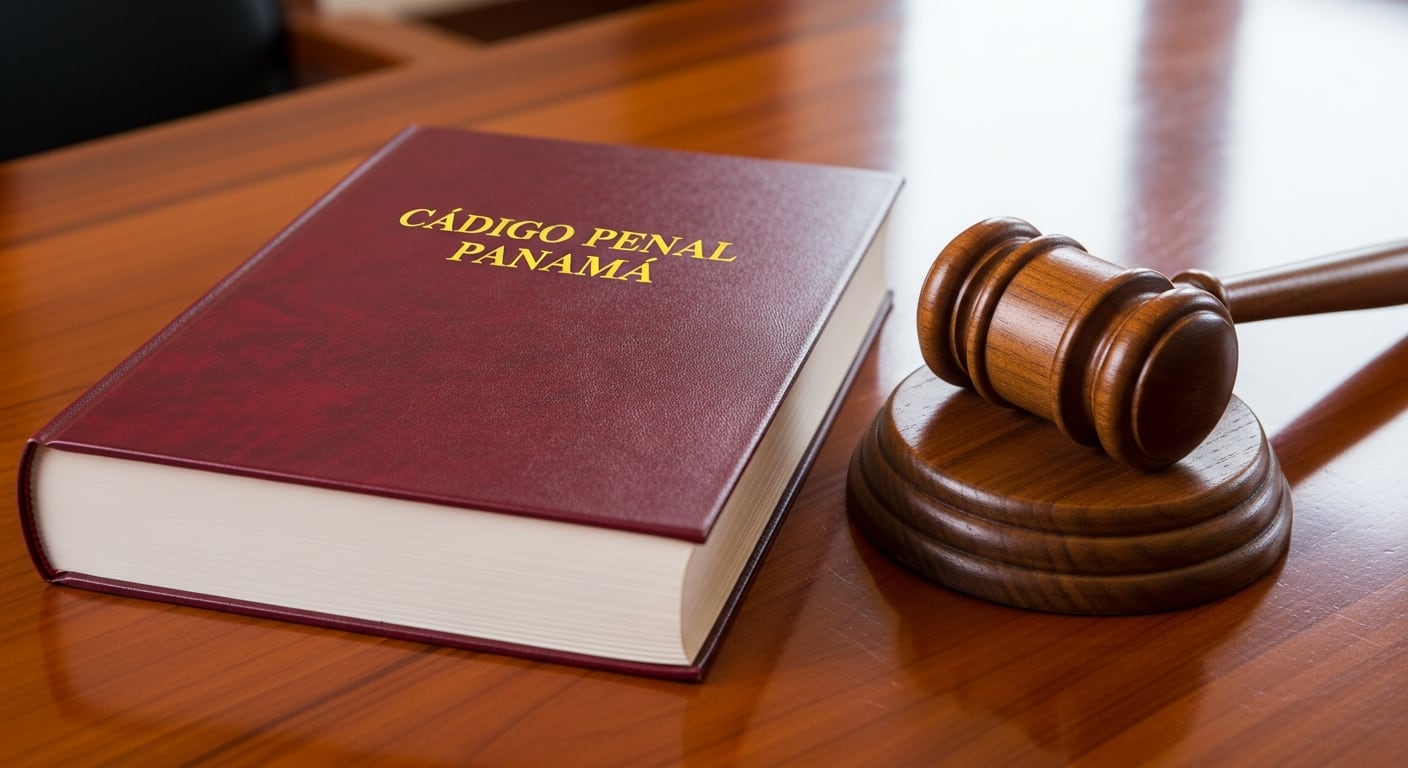
El Poder Judicial condenó a un responsable de trata sexual a 12 años de prisión. En 2024 no se habían dictado condenas por este delito. El artículo 456 del Código Penal contempla penas de 15 a 20 años de prisión cuando la víctima es adulta y de 20 a 30 años si se trata de una menor de edad.
Pese a ese avance, el informe observa que algunos acusados de trata sexual fueron imputados por delitos distintos, con sanciones inferiores. También precisa que, aunque la reforma de 2024 habilitó la persecución de casos sin desplazamiento de las víctimas, Panamá no informó investigaciones por trata interna.
Durante el mismo período, las instituciones investigaron 262 casos bajo las normas de explotación sexual infantil. Cuatro fueron clasificados como trata sexual de menores. Hubo 25 acusaciones y 12 condenas por delitos de explotación sexual infantil, aunque el documento indica que no quedó establecido cuántos de esos expedientes encuadraban en la definición internacional de trata de personas.
El Gobierno tampoco informó investigaciones o condenas contra funcionarios públicos que hubieran podido colaborar con redes de explotación. Las autoridades participaron, según publicaciones de prensa citadas por el informe, en una operación coordinada por la Organización Internacional de Policía Criminal (Interpol) contra prófugos de alta prioridad, entre ellos presuntos traficantes.

Cuatro víctimas identificadas y confirmadas en 2025
La comisión contra la trata identificó y confirmó a cuatro víctimas durante 2025, mientras que otras 12 personas detectadas inicialmente en 2024 obtuvieron luego esa condición. Todas las víctimas confirmadas eran extranjeras.
Entre ellas había siete mujeres explotadas sexualmente; tres hombres y tres mujeres sometidos a trabajo forzoso; y tres mujeres afectadas por formas de trata no especificadas. Procedían de Venezuela, Colombia, China, Brasil, Costa Rica y República Dominicana.
El modelo estatal prevé una identificación inicial por parte de agentes de primera línea y una posterior evaluación técnica de la comisión. Ese organismo puede otorgar primero un estatus preliminar y luego confirmar a la víctima. El informe advierte que el proceso puede demorar meses y que, en ciertos casos, las personas afectadas esperan aún más tiempo para recibir una definición oficial.
Las autoridades no identificaron a ninguna víctima panameña ni reconocieron formalmente como víctimas de trata a menores cuyos casos se investigaron por explotación sexual. La falta de presencia estatal en las comarcas indígenas también dificultó la detección de hechos en zonas remotas, donde las restricciones de acceso a la justicia y a servicios básicos aumentan la vulnerabilidad de la población.
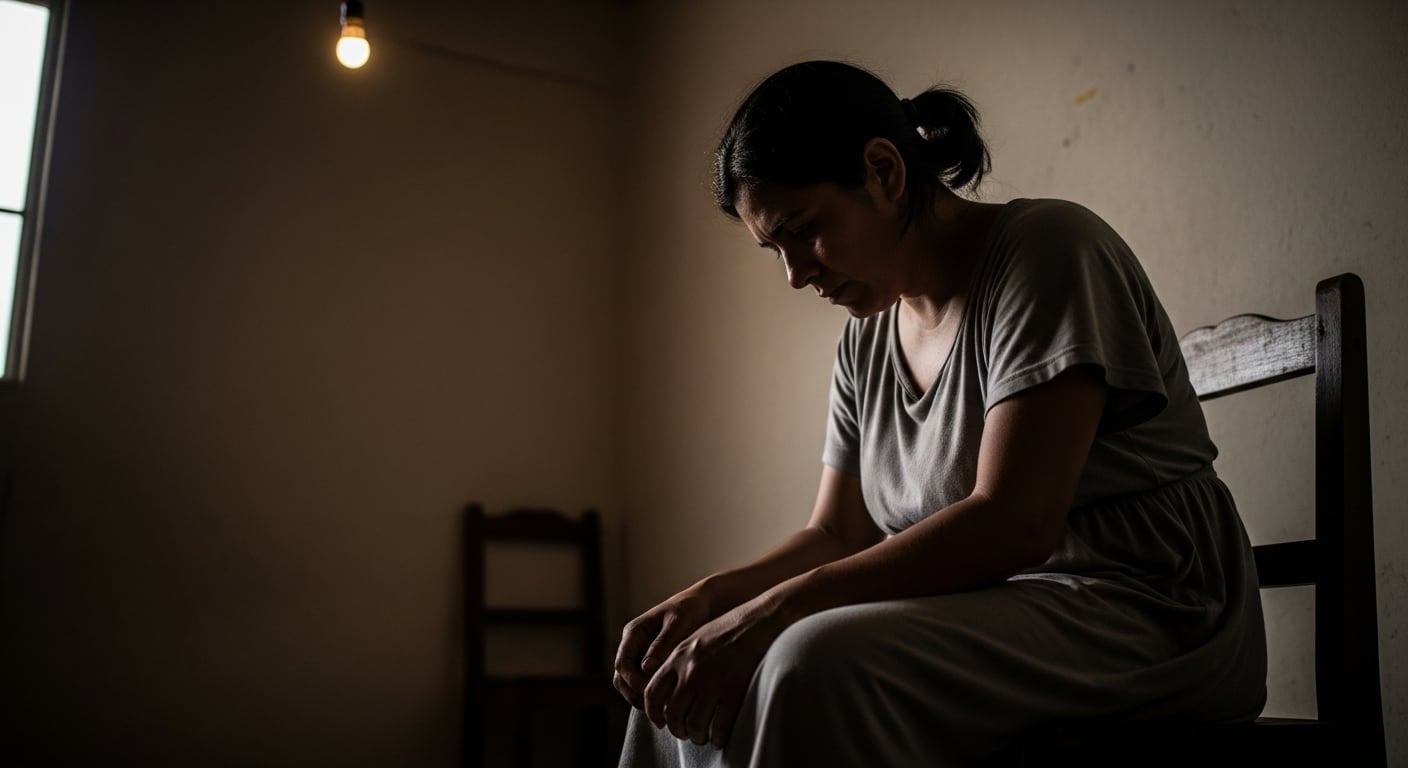
Sin albergues especializados para víctimas de trata
El Gobierno ofreció servicios a todas las víctimas identificadas en 2025, aunque la mayoría los rechazó. Cinco mujeres explotadas sexualmente recibieron asistencia no especificada. El año anterior, 15 víctimas habían accedido a atención inmediata.
Los recursos disponibles incluyeron atención médica básica, apoyo psicológico y asesoramiento legal. Algunas personas fueron derivadas a refugios administrados principalmente por organizaciones de la sociedad civil, mientras que otras recibieron alojamiento en hoteles. También hubo repatriaciones con financiamiento de esas organizaciones.
No obstante, Panamá no cuenta con refugios exclusivos para víctimas de trata y la capacidad general de alojamiento es limitada. Las víctimas de explotación laboral, los hombres y quienes viven o fueron explotados en áreas rurales enfrentaron mayores obstáculos para acceder a protección estatal.
La ley reformada en 2024 dispone que determinadas organizaciones civiles puedan obtener certificación para prestar servicios directos de corto plazo. El informe señala que el Gobierno panameño no detalló medidas para ampliar esas alianzas. El fondo especial para víctimas tenía un saldo de USD 10,000 en 2025.
Las víctimas extranjeras pueden obtener una visa humanitaria temporal desde la identificación preliminar. Tras la confirmación formal, pueden solicitar residencia temporal, prorrogable hasta seis años, y permiso de trabajo. Durante 2025, tres víctimas obtuvieron residencia y dos recibieron permisos laborales.
Un tribunal ordenó al condenado por trata sexual indemnizar a dos víctimas, aunque ninguna recibió el dinero durante el año. El documento también cuestiona que la identificación formal dependa de fiscales especializados dentro de causas penales, una situación que puede obligar en los hechos a las víctimas a participar de procesos judiciales para acceder a determinados servicios.
Migrantes, niños y comunidades indígenas, entre los grupos expuestos
El informe describe un escenario en el que traficantes explotan a nacionales y extranjeros en territorio panameño, además de captar a panameños para su explotación en otros países. Las mujeres extranjeras, en especial las procedentes de América del Sur y América Central, aparecen entre las principales víctimas de trata sexual identificadas.
Los niños enfrentan riesgos de trabajo forzoso en tareas domésticas y agrícolas, explotación sexual y actividades delictivas, incluido el narcotráfico. Las mujeres indígenas de regiones rurales cercanas a la frontera también son vulnerables al trabajo forzoso y la explotación sexual.
Los migrantes venezolanos y nicaragüenses que cruzan el país rumbo a Estados Unidos o de regreso a América del Sur integran otro grupo expuesto. Hombres panameños y extranjeros han sido sometidos a trabajo forzoso en construcción, agricultura, minería, restaurantes y venta ambulante mediante deudas, engaños, restricciones de movimiento y otras formas de coerción.
La evaluación menciona además denuncias sobre ofertas fraudulentas dirigidas a mujeres panameñas de entre 18 y 22 años para programas de formación profesional vinculados a centros de producción de drones militares en Rusia. De acuerdo con publicaciones periodísticas citadas, los trabajadores de esos centros afrontaron vigilancia, condiciones riesgosas, cambios contractuales, incumplimientos salariales y cobros por reclutamiento.

Plan Nacional vigente sin informe de ejecución
El Gobierno mantuvo una comisión interinstitucional y el Plan de Acción Nacional 2022-2027. También desarrolló campañas de sensibilización junto con organismos internacionales y ONG.
No financió una línea telefónica específica para denuncias de trata, aunque operó la línea general de la Policía Nacional y aportó fondos a un portal administrado por una organización civil que recibe reportes anónimos sobre delitos. El informe afirma que las autoridades no realizaron acciones para reducir la demanda de servicios sexuales comerciales.
La norma actualizada obliga a la comisión nacional a presentar un informe anual sobre el avance del plan, una obligación que no se cumplió. El Gobierno reguló las agencias de empleo, aunque no informó sanciones contra empresas por reclutamiento fraudulento. Además, los permisos laborales para extranjeros continúan ligados a un empleador determinado, una condición que puede dificultar la salida de relaciones abusivas.
twitter @pgn_panama
INTERNACIONAL
Peste neumónica en Rusia: el hermetismo sobre un posible caso revive las prácticas de la era soviética

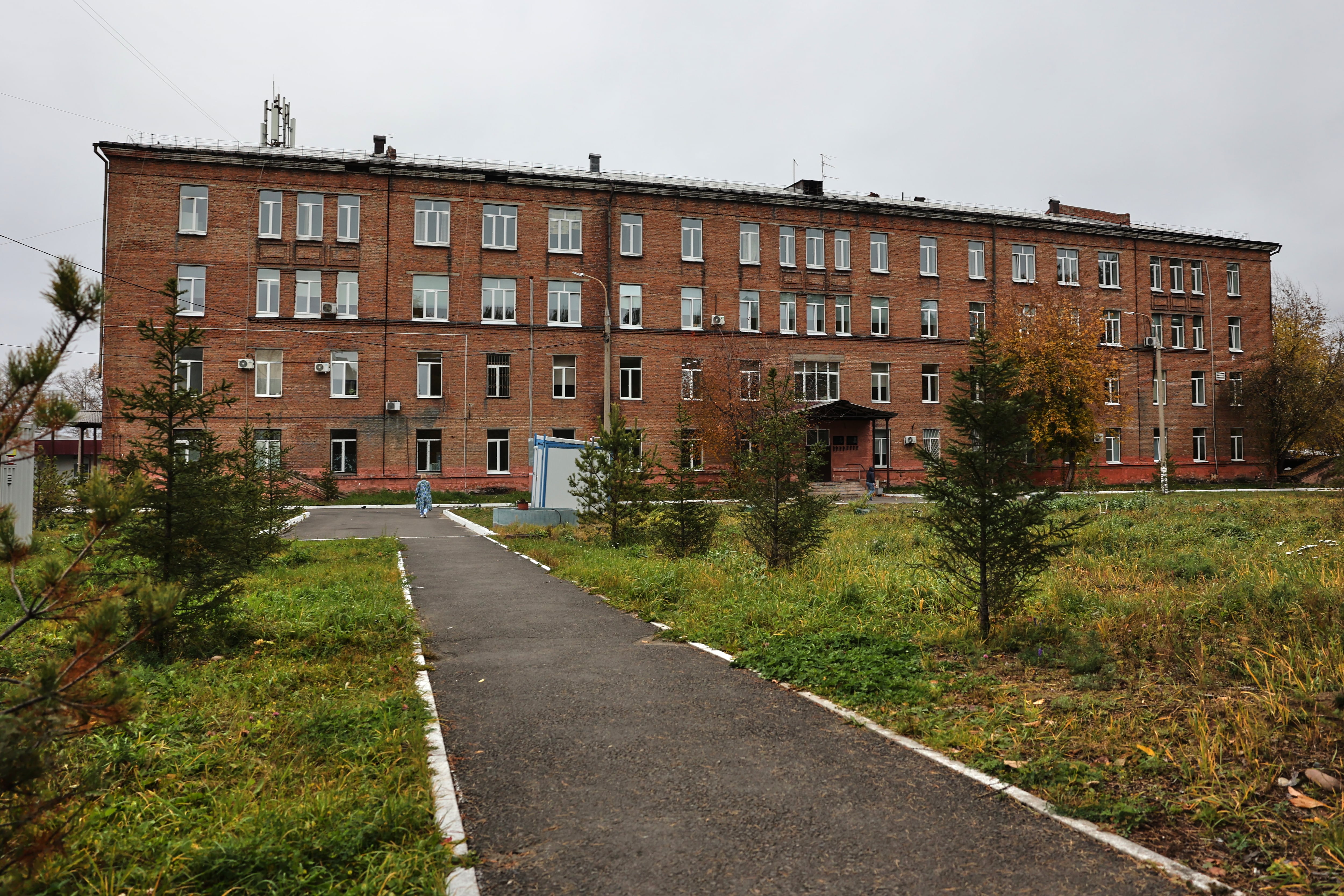
La opacidad del Kremlin ante emergencias volvió a quedar bajo escrutinio tras la muerte de una trabajadora de un laboratorio de investigación en Irkutsk, Siberia. El caso despertó preocupación por una posible exposición a peste neumónica, aunque las autoridades rusas descartaron casos de peste en la región.
El Servicio Federal de Supervisión de la Protección y el Bienestar del Consumidor de Rusia (Rospotrebnadzor) informó a la Organización Mundial de la Salud (OMS) que la mujer padeció una neumonía de origen “desconocido” y sostuvo que los análisis no detectaron relación entre su enfermedad y los patógenos investigados en el Instituto de Investigación Antipeste para Siberia y el Lejano Oriente.
La OMS pidió a Rusia que entregue más datos sobre la causa de la neumonía grave, el agente que llevó a adoptar medidas sanitarias y las versiones sobre otra empleada con un cuadro respiratorio de origen indeterminado. La falta de precisiones reavivó las críticas a una práctica estatal que, durante décadas, restringió información sobre epidemias, accidentes industriales y catástrofes.
La viruela fue contenida en Moscú, pero el brote quedó oculto
A fines de diciembre de 1959, el artista gráfico soviético Alexei Kokorekin murió poco después de regresar de India. Los médicos identificaron con dificultad que había contraído viruela, una enfermedad que se consideraba erradicada en la Unión Soviética desde hacía décadas. La KGB localizó a sus contactos y miles de personas quedaron aisladas. Un avión de Aeroflot que llevaba a uno de ellos rumbo a París recibió la orden de regresar a Moscú antes de aterrizar.
El gobierno suspendió los viajes hacia y desde la capital y desplegó miles de equipos de vacunación para inmunizar a millones de habitantes de Moscú y de sus alrededores. La prensa extranjera informó sobre la campaña, pero los medios estatales soviéticos guardaron silencio.

El brote dejó 46 casos confirmados y tres muertes antes de ser controlado en 44 días. Los detalles solo salieron a la luz durante los últimos años de la Unión Soviética, pese a que más tarde inspiraron una novela y una película.
En agosto de 1971, una embarcación científica navegó demasiado cerca de una nube de microbios liberada durante una prueba de armas biológicas en la isla Vozrozhdeniya, en el mar de Aral. Una bióloga marina contrajo viruela y contagió a otras personas en Aralsk, localidad situada hoy en Kazajistán. Las autoridades impusieron una cuarentena y vacunaron a más de 40.000 personas en pocos días. El episodio causó 10 contagios y tres muertes, pero el público no conoció el origen del brote hasta 2002, cuando investigadores estadounidenses divulgaron documentos soviéticos.
El secreto también cubrió la fuga de ántrax y Chernóbil
El 2 de abril de 1979, un laboratorio clandestino de armas biológicas liberó accidentalmente esporas de ántrax en Sverdlovsk, ciudad de los Urales que hoy se llama Ekaterimburgo. Un trabajador no había sustituido un filtro de ventilación defectuoso y la fuga causó al menos 68 muertes.
Las autoridades soviéticas atribuyeron los fallecimientos al consumo de carne contaminada de un mercado callejero y la KGB confiscó historiales médicos para impedir que se conocieran las circunstancias reales. La verdad se difundió después de la disolución de la Unión Soviética, durante el gobierno de Boris Yeltsin, quien había sido jefe local del Partido Comunista en Sverdlovsk.
El encubrimiento también marcó la explosión del reactor número cuatro de Chernóbil, ocurrida el 26 de abril de 1986 en la entonces república soviética de Ucrania. La nube radiactiva se extendió por Europa mientras Moscú demoraba sus advertencias a la población.

Suecia detectó radiación antes de que las autoridades soviéticas admitieran el accidente. Pripiat fue evacuada 36 horas después y, cinco días más tarde, decenas de miles de personas participaron en el desfile del Primero de Mayo en Kiev bajo lluvia radiactiva. Treinta trabajadores de la planta y bomberos murieron poco después por síndrome de irradiación aguda. Las autoridades mantuvieron bajo censura los datos médicos y las cifras de víctimas, mientras miles de personas fallecieron posteriormente por enfermedades vinculadas a la radiación.
Las cifras vinculadas al coronavirus volvieron a poner en duda el relato oficial
Durante la pandemia, medios independientes rusos y publicaciones internacionales señalaron que la mortalidad real por COVID-19 podía superar ampliamente las cifras oficiales. El argumento se apoyaba en el aumento de la mortalidad total registrado en el país. El gobierno rechazó esas informaciones y las calificó como parte de una campaña occidental de desinformación. Las autoridades defendieron sus resultados con restricciones tempranas, controles a viajeros procedentes de China y una amplia política de pruebas.
Además, negaron una escasez extendida de equipos de protección y cuestionamientos a los protocolos hospitalarios. Algunos trabajadores sanitarios afirmaron que afrontaron amenazas de despido o procesos judiciales si denunciaban las condiciones de trabajo.
Rusia tipificó en 2020 como delito la difusión de “información falsa” sobre amenazas a la seguridad pública. Ese mismo año, las autoridades reconocieron de hecho que el número de muertes era varias veces mayor que el comunicado inicialmente. A comienzos de 2022, el país notificó más de 13,5 millones de contagios confirmados y 338.091 muertes. Rosstat, la agencia estatal de estadísticas que aplica un criterio más amplio, registró 681.100 fallecimientos vinculados al virus entre abril de 2020 y diciembre de 2021.
La profesora de ciencias políticas Judy Twigg, de la Universidad de la Mancomunidad de Virginia, resumió el problema: “El sistema puede silenciar, pero no es lo suficientemente competente para coordinar”. Según escribió, esa limitación termina por generar contradicciones en vez de una versión oficial uniforme.
(Con información de Associated Press)
Health,Oddly Enough,Europe

Preocupa la economía en la Casa Rosada, pero el Gobierno descarta un escenario de crispación social

El Premio Nobel de la Paz fue otorgado a la sudafricana Navanethem Pillay

Con equipo alternativo: la formación de Boca Juniors vs. Instituto por la fecha 13 del Torneo Clausura

Milei negocia alianzas para 2027 con gobernadores, pero apuesta a tener candidatos propios en las provincias

Franco Colapinto afronta la única práctica antes de la clasificación de la Sprint del GP de Singapur de la F1

Tony Robbins, experto en desarrollo personal: “Sólo hay una razón por la que sufrís: estás enfocado en vos”

¡Precios de Manhattan con sueldos de Argentina! Cómo los créditos hipotecarios inflaron las propiedades y congelaron el sueño de la casa propia

Escándalo total en la AFA: reventa millonaria, un homenaje paupérrimo a Messi y el pedido urgente de renuncia a Chiqui Tapia

El gobernador de la provincia que más ATN recibió de la Casa Rosada no integró la comitiva de Milei en París

Israeli medical workers who treated Oct 7 wounded relive day terror hit home

 DEPORTE1 día ago
Escándalo total en la AFA: reventa millonaria, un homenaje paupérrimo a Messi y el pedido urgente de renuncia a Chiqui Tapia
- INTERNACIONAL3 días ago
Después de su prohibición, las plataformas de apuestas deportivas y los casinos en línea ya están fuera de servicio en Brasil
- POLITICA3 días ago
Marcha contra la Corte: sectores del PJ, la izquierda, gremios y piqueteros protestan por el fallo que libera la venta de tierras para extranjeros