INTERNACIONAL
Rusia refuerza sus bases cerca de la frontera con Finlandia

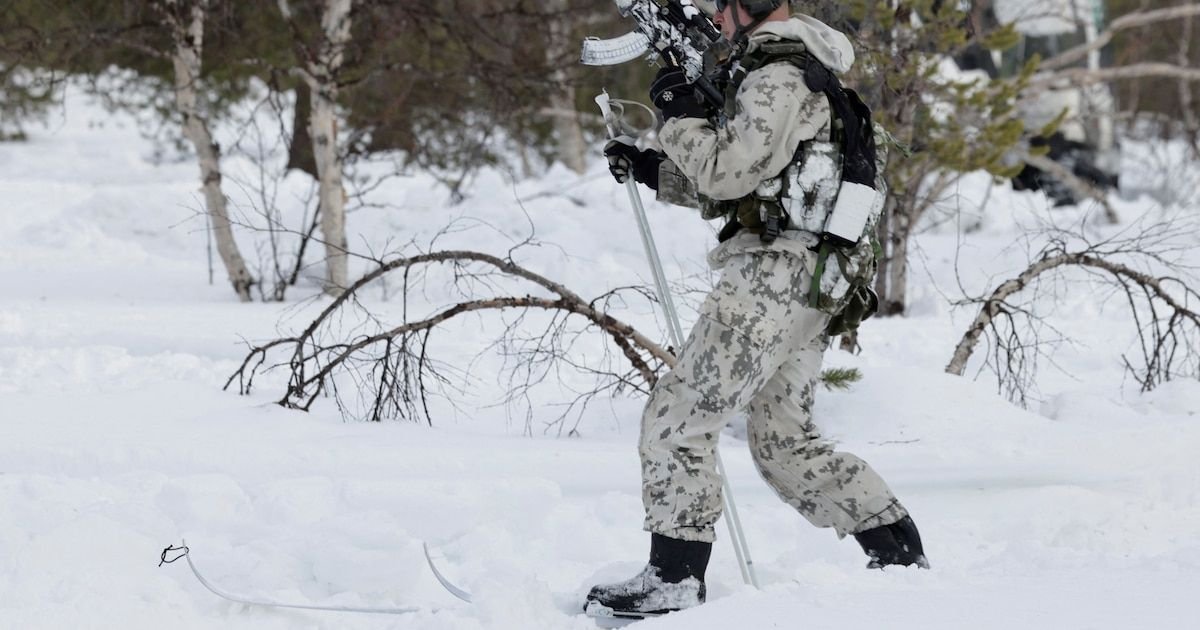
Las fuerzas rusas han estado reforzando sus bases y construyendo infraestructuras militares cerca de la frontera finlandesa, según recientes imágenes por satélite, en movimientos que podrían revelar su estrategia para lo que suceda después de la guerra de Ucrania.
Las imágenes, confirmadas por funcionarios de la OTAN, muestran una hilera tras otra de nuevas tiendas de campaña, nuevos almacenes que pueden guardar vehículos militares, renovaciones en los refugios de los aviones de combate y una actividad de construcción constante en una base de helicópteros que había estado en su mayor parte inutilizada y cubierta de maleza.
Hasta ahora, los movimientos parecen ser las primeras etapas de una expansión mayor y a más largo plazo, y los funcionarios de la OTAN dicen que esto no se parece en nada a la acumulación a lo largo de la frontera con Ucrania antes de la invasión a gran escala de Rusia en 2022. Por ahora, Rusia, preocupada por su guerra en Ucrania, tiene muy pocas tropas a lo largo de la frontera, y los finlandeses insisten en que nada de esto es una gran amenaza, todavía.
Pero Finlandia es uno de los miembros más recientes de la OTAN, pues ingresó en ella hace dos años, y los movimientos reflejan sin duda la percepción de una amenaza por parte de Moscú: Esta frontera de 1.300 kilómetros (830 millas) es ahora la línea de contacto más larga de la alianza occidental con Rusia. Los analistas militares predicen que podría convertirse en un punto caliente, especialmente porque gran parte de ella se encuentra en el cada vez más disputado Círculo Polar Ártico.
Las tropas norteamericanas y finlandesas celebraron recientemente un elaborado juego de guerra ártico en esta región, con cientos de soldados corriendo por los bosques y los finlandeses deslizándose entre los árboles con esquís de fondo. ¿El supuesto enemigo? Rusia.
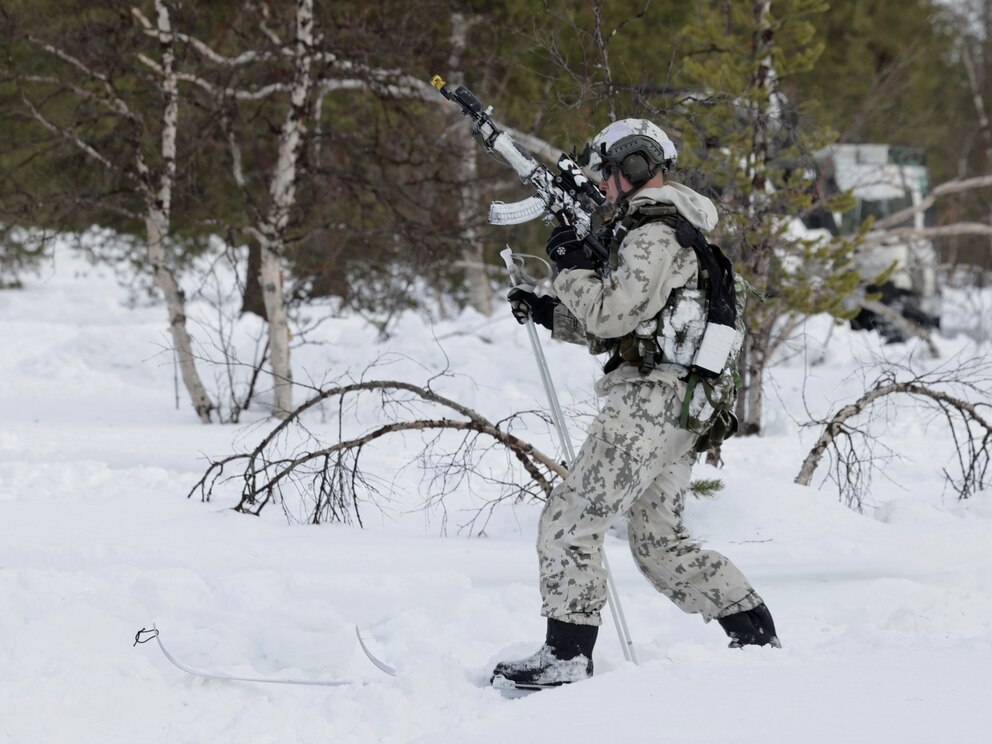
Funcionarios de defensa finlandeses predicen que si la fase de alta intensidad de la guerra de Ucrania termina -uno de los objetivos de los esfuerzos de paz que se desarrollan en Turquía- Rusia volverá a desplegar miles de tropas en la frontera finlandesa.
Los finlandeses creen que les quedan unos cinco años antes de que Rusia pueda aumentar sus fuerzas hasta niveles amenazadores. Pero están seguros de que ocurrirá y de que el número de tropas rusas que se enfrenten a ellos se triplicará.
“Estaremos hablando de niveles de tropas mucho más altos”, dijo el general de brigada Pekka Turunen, director de la inteligencia de defensa finlandesa.
Desde la perspectiva de Moscú, los rusos necesitan reforzar sus defensas para protegerse de la expansión de la OTAN, que siempre ha sido un tema delicado. Los países bálticos fueron los primeros miembros de la antigua Unión Soviética que se incorporaron a la OTAN, con lo que grandes extensiones de la frontera rusa se enfrentaron a la de la OTAN. La perspectiva de que Ucrania, una antigua república soviética aún mayor, siguiera su ejemplo era tan amenazadora para Moscú que se convirtió en una de las causas de la guerra terrestre más devastadora en generaciones.
“El ejército ruso ha experimentado una importante expansión de sus fuerzas”, afirma Michael Kofman, investigador del Carnegie Endowment for International Peace de Washington. “Después de la guerra, la fuerza terrestre probablemente acabará siendo mayor que antes de 2022. Viendo la reestructuración prevista de los distritos militares, parece claro que van a dar prioridad a las zonas que se enfrentan a la OTAN.”
Los oficiales de la OTAN están de acuerdo.
Cuando termine la guerra de Ucrania, dijo un alto funcionario de la OTAN, Rusia redesplegará tropas cada vez más al norte.
Rusia cree que el Ártico y el acceso en el Ártico es una clave para el estatus de gran potencia, dijo el funcionario, hablando bajo condición de anonimato para discutir un tema sensible.
Según imágenes de satélite, helicópteros rusos regresaron a una base cerca de Murmansk, ciudad portuaria en el Círculo Polar Ártico, después de no haber estado allí durante dos décadas.
Mientras los drones ucranianos apuntan a aeródromos de toda Rusia, el mando ruso ha desplazado sus activos hacia el norte, para ponerse fuera de su alcance. Esto los ha situado mucho más cerca del territorio de la OTAN.
Decenas de aviones de combate rusos fueron vistos recientemente en la base aérea de Olenya, también en el Ártico y a menos de 160 kilómetros de la frontera con Finlandia, según las imágenes de satélite. Otra actividad reciente incluye más de un centenar de nuevas tiendas de campaña que aparecieron hace aproximadamente un año en Kamenka, una base rusa a menos de 65 kilómetros de Finlandia.
“Están ampliando sus brigadas hasta convertirlas en divisiones, lo que significa que las unidades cercanas a nuestras fronteras aumentarán significativamente, en miles”, declaró Emil Kastehelmi, analista del Black Bird Group, una organización finlandesa que analiza la evolución militar en el norte y en Ucrania.
Kastehelmi, que analizó docenas de imágenes recientes para The New York Times, dijo que los próximos años podrían traer cambios masivos en la frontera finlandesa, dependiendo de cómo y cuándo termine la guerra en Ucrania.
En Alakurtti, también cerca de Finlandia, y en Petrozavodsk, un poco más lejos, los rusos tienen nuevos edificios que pueden albergar al menos docenas de vehículos. La actividad también ha aumentado en otros lugares. Recientemente han aparecido nuevas tiendas de campaña y material militar en una base situada a unos 130 kilómetros de Estonia.
Los finlandeses tienen una vieja expresión: Rusia nunca es tan fuerte como parece ni tan débil como parece. Por eso, los responsables de defensa finlandeses se han mostrado tan realistas sobre el aumento de tropas.
“El aumento de la fuerza militar en nuestras zonas cercanas se producirá cuando se calmen los combates en Ucrania”, declaró Janne Kuusela, director de política de defensa del Ministerio de Defensa finlandés.
Cuánto tiempo llevará eso, dijo, no lo sabe.
Pero, añadió, “para eso tenemos que estar preparados”.
c.2025 The New York Times

El transporte «lo ves y no lo ves»

INTERNACIONAL
Trump DOJ probes Michigan schools over gender curriculum, joins lawsuit against LA race-based program

NEWYou can now listen to Fox News articles!
The Trump Justice Department on Wednesday launched investigations into three Michigan public school districts over gender-related classroom instruction and sought to intervene in a federal lawsuit challenging a race-based admission and funding program in Los Angeles — intensifying the administration’s push into school policy disputes nationwide.
The Civil Rights Division said it is examining whether the Detroit Public Schools Community District, Godfrey-Lee Public Schools and the Lansing School District included «sexual orientation and gender ideology (SOGI) content in any class for grades pre-K-12.»
If such instruction is provided, investigators will assess whether parents were notified of their right to opt their children out and whether the districts «limit access to single-sex intimate spaces, such as bathrooms and locker rooms, based on biological sex.»
Assistant Attorney General Harmeet Dhillon said the department is focused on enforcing parental rights and Title IX.
TRUMP ADMINISTRATION THREATENS TO PULL FEDERAL FUNDS FROM VIRGINIA SCHOOL DISTRICTS IN GENDER POLICY DISPUTE
Assistant Attorney General for Civil Rights Harmeet Dhillon arrives for a news conference at the Justice Department on September 29, 2025 in Washington, DC. (Andrew Harnik/Getty Images)
«This Department of Justice is fiercely committed to ending the growing trend of local school authorities embedding sexuality and gender ideology in every aspect of public education,» Dhillon said.
She added that «Supreme Court precedent is clear: parents have the right to direct the religious upbringing of their children,» including exempting them from instruction that conflicts with their beliefs.
Dhillon also said Title IX requires protecting «the safety, dignity, and innocence of our youngest citizens… by ensuring that they have unfettered access to bathrooms and locker rooms of their biological sex.»
GOP SENATOR PROBES 18 BLUE STATES, DC OVER TRUMP’S TRANSGENDER ATHLETE ORDER

The Department of Justice announced actions involving three Michigan school districts and Los Angeles Unified School District on Wednesday. (BRENDAN SMIALOWSKI/AFP via Getty Images)
The department noted the Michigan districts receive «hundreds of thousands of dollars of taxpayer funding» and said investigators will evaluate compliance with Title IX of the Education Amendments of 1972 and the Supreme Court’s 2025 decision in Mahmoud v. Taylor. Officials emphasized the Civil Rights Division «has not reached any conclusions about the subject matter of the investigations.»
In a separate action, the Justice Department said it is seeking to intervene in a lawsuit filed by the nonprofit 1776 Project Foundation challenging the Los Angeles Unified School District’s Predominately Hispanic, Black, Asian, and Other (PHBAO) Program.
According to the department’s proposed complaint, the program categorizes students by race and neighborhood demographics for funding and magnet school admissions, separating students into «Anglo,» meaning White, and other racial categories. Neighborhoods with fewer than 30% White residents are designated as disadvantaged, and certain schools receive additional funding, a reduced student-teacher ratio by 5.5 students, and magnet admissions preferences.
JUSTICE DEPARTMENT SUES PUBLIC SCHOOL DISTRICT OVER ALLEGEDLY DISCRIMINATORY POLICIES

AG Pam Bondi said «treating Americans equally is not a suggestion» in a DOJ statement on the matter. (Joe Raedle/Getty Images)
The complaint states LAUSD treats attending school with non-White students «as a disadvantage equal to attending an overcrowded school.»
Attorney General Pam Bondi said the federal government is intervening to enforce equal protection guarantees.
«Treating Americans equally is not a suggestion — it is a core constitutional guarantee that educational institutions must follow,» Bondi said.
Dhillon said students «should never be classified or treated differently because of their race,» adding that «Racial discrimination is unlawful and un-American.»
First Assistant U.S. Attorney Bill Essayli said LAUSD’s desegregation program has «outlived its usefulness to the point of being unconstitutional.»
The Michigan investigations remain ongoing, and the LAUSD case is pending in federal court.
CLICK HERE TO DOWNLOAD THE FOX NEWS APP
Representatives for the Michigan districts did not immediately respond to Fox News Digital’s requests for comment.
«Because this matter involves pending litigation, we are unable to comment on the specifics,» LAUSD said in a statement. «However, Los Angeles Unified remains firmly committed to ensuring all students have meaningful access to services and enriching educational opportunities.»
justice department,education,pam bondi
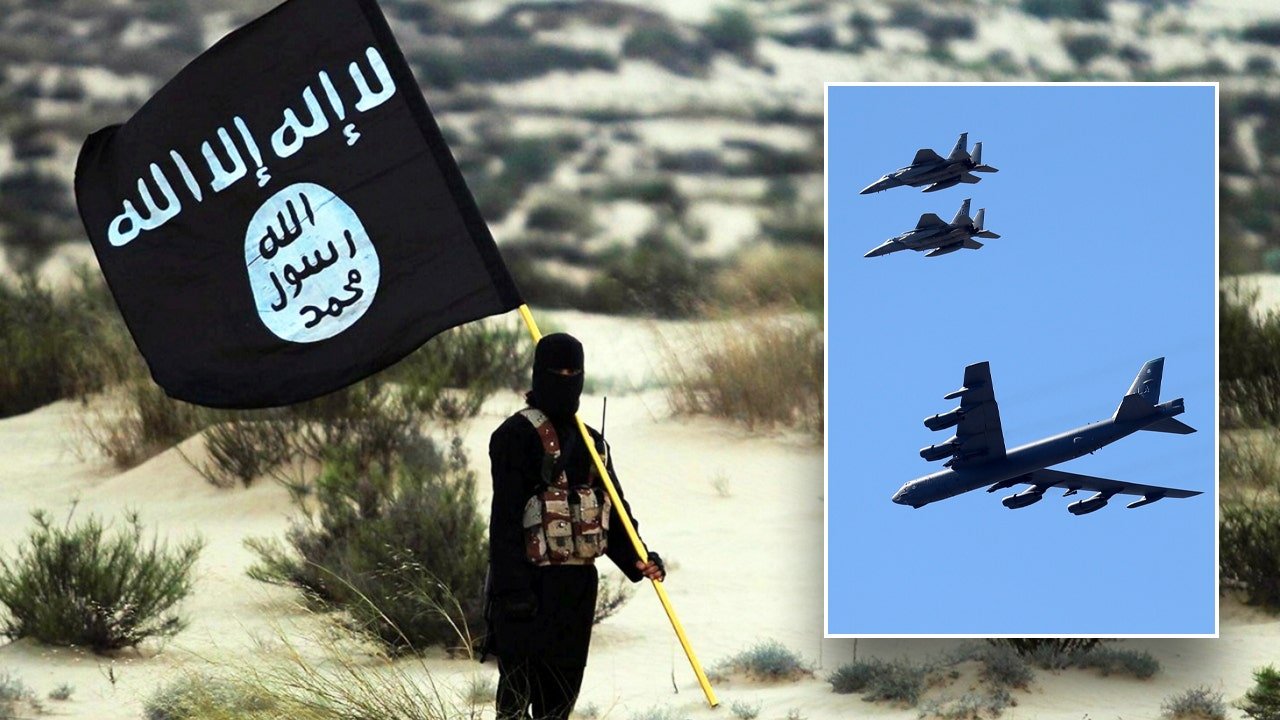
NEWYou can now listen to Fox News articles!
EXCLUSIVE: This was the kind of prison break officials say could have changed the region, and perhaps even the world, overnight.
Nearly 6,000 ISIS detainees, described by a senior U.S. intelligence official as «the worst of the worst,» were being held in northern Syria as clashes and instability threatened the Kurdish-led Syrian Democratic Forces, the guards responsible for keeping the militants locked away and preventing a feared ISIS resurgence. U.S. officials believed that if the prisons collapsed in the chaos, the consequences would be immediate.
«If these 6,000 or so got out and returned to the battlefield, that would basically be the instant reconstitution of ISIS,» the senior intelligence official told Fox News Digital.
In an exclusive interview, the official walked Fox News Digital step by step through the behind-the-scenes operation that moved thousands of ISIS detainees out of Syria and into Iraqi custody, describing a multi-agency scramble that unfolded over weeks, with intelligence warnings, rapid diplomacy and a swift military lift.
US MILITARY LAUNCHES AIRSTRIKES AGAINST ISIS TARGETS IN SYRIA, OFFICIALS SAY
ISIS wives and children remain in «fragile» Syrian detention camps under Damascus control while male fighters transfer to Iraq, leaving detention crisis unresolved. ( Santiago Montag/Anadolu via Getty Image)
The risk, the official explained, had been building for months. In late October, Director of National Intelligence Tulsi Gabbard began to assess that Syria’s transition could tip into disorder and create the conditions for a catastrophic jailbreak.
The ODNI sent the official to Syria and Iraq at that time to begin early discussions with both the SDF and the Iraqi government about how to remove what the official repeatedly described as the most dangerous detainees before events overtook them.
Those fears sharpened in early January as fighting erupted in Aleppo and began spreading eastward. Time was running out to prevent catastrophe. «We saw this severe crisis situation,» the official said.
U.S. ANNOUNCES MORE MILITARY ACTIONS AGAINST ISIS: ‘WE WILL NOT RELENT’
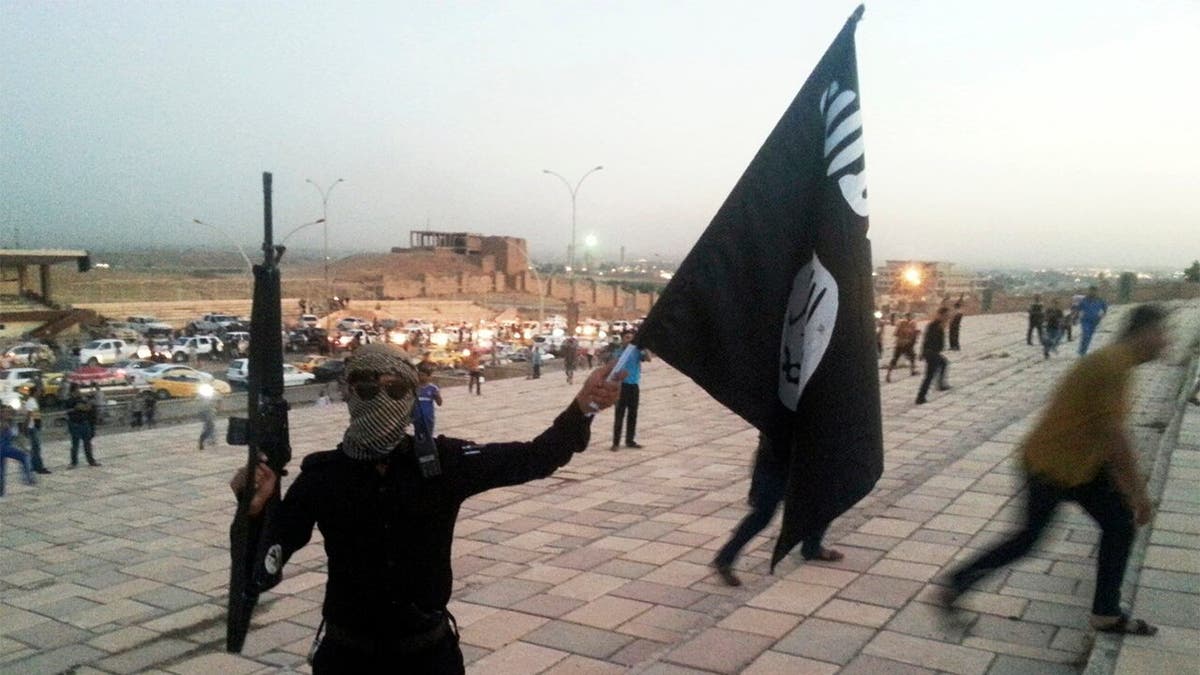
A fighter of the Islamic State of Iraq and the Levant (ISIL) holds an ISIL flag and a weapon on a street in the city of Mosul, June 23, 2014. (Reuters Photo)
According to the source, the ODNI oversaw daily coordination calls across agencies as the situation escalated. The official said Secretary of State Marco Rubio was «managing the day to day» on policy considerations, while the ODNI drove a working group that kept CENTCOM, diplomats and intelligence officials aligned on the urgent question: how to keep nearly 6,000 ISIS fighters from slipping into the fog of war.
The Iraqi government, the official said, understood the stakes. Baghdad had its own reasons to move quickly, fearing that if thousands of detainees escaped, they would spill across the border and revive a threat Iraq still remembers in visceral terms.
The official described Iraq’s motivation bluntly: leaders recognized that a massive breakout could force Iraq back into a «2014 ISIS is on our border situation once more.»
The U.S. Embassy in Baghdad, the official said, played a pivotal role in smoothing the diplomatic runway for what would become a major logistical undertaking.
Then came the physical lift. The official credited CENTCOM’s surge of resources to make the plan real on the ground, saying that «moving in helicopters» and other assets enabled detainees to be removed in a compressed timeframe.
«Thanks to the efforts… moving in helicopters, moving in more resources, and then just logistically making this happen, we were able to get these nearly 6000 out in the course of just a few weeks,» the official said.
ISIS FIGHTERS STILL AT LARGE AFTER SYRIAN PRISON BREAK, CONTRIBUTING TO VOLATILE SECURITY SITUATION
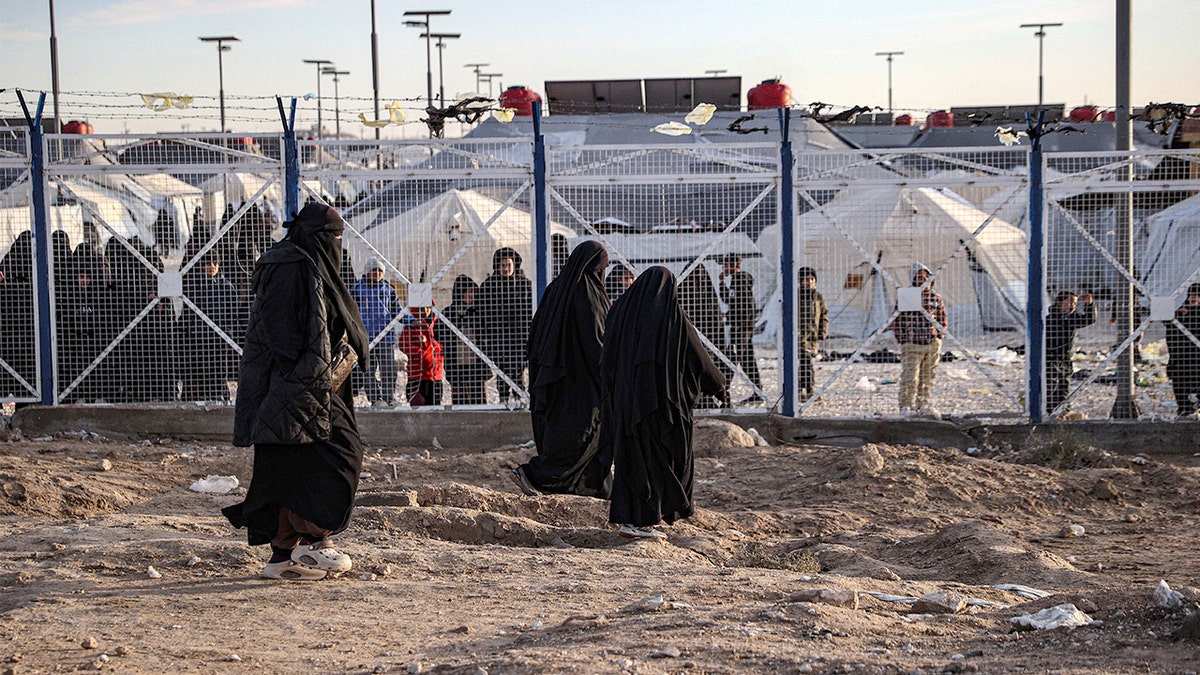
A view of Hol Camp, where families linked to the Islamic State group are being held, in Hasakah province, Syria, Wednesday, Jan. 21, 2026. (Izz Aldien Alqasem/Anadolu via Getty Images)
The SDF, he said, had been securing the prisons, but its attention was strained by fighting elsewhere, fueling U.S. fears that a single breach could spiral into a mass escape. Ultimately, detainees were transported into Iraq, where they are now held at a facility near Baghdad International Airport under Iraqi authority.
The next phase, the official said, is focused on identification and accountability. FBI teams are in Iraq enrolling detainees biometrically, the official said, while U.S. and Iraqi officials examine what intelligence can be declassified and used in prosecutions.
«What they were asking us for, basically, is giving them as much intelligence and information that we have on these individuals,» the official said. «So right now, the priority is on biometrically identifying these individuals.»
The official said the State Department is also pushing countries of origin to take responsibility for their citizens held among the detainees.
«State Department is doing outreach right now and encouraging all these different countries to come and pick up their fighters,» he said.
While the transfer focused strictly on ISIS fighters, the senior intelligence official said families held in camps such as al-Hol were not part of the operation, leaving a major unresolved security and humanitarian challenge.
ISIS EXPLOITING SYRIA’S CHAOS AS US STRIKES EXPOSE GROWING THREAT
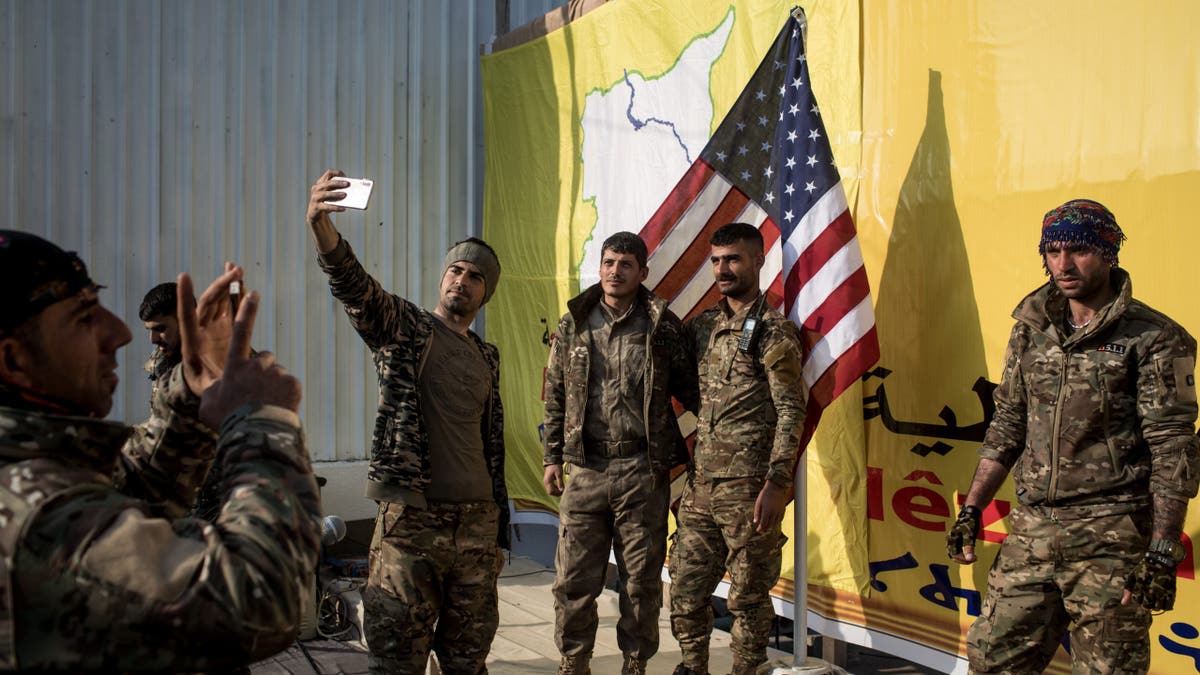
Syrian Democratic Forces (SDF) fighters pose for a photo with the American flag on stage after a SDF victory ceremony announcing the defeat of ISIL in Baghouz was held at Omer Oil Field on March 23, 2019 in Baghouz, Syria. (Chris McGrath/Getty Images)
The camps themselves were under separate arrangements, the official said, and responsibility shifted as control on the ground evolved.
According to the official, the Syrian Democratic Forces and the Syrian government reached an understanding that Damascus would take over the al-Hol camp, which holds thousands of ISIS-affiliated women and children.
«As you can see from social media, the al-Hol camp is pretty much being emptied out,» the official said, adding that it «appears the Syrian government has decided to let them go free,» a scenario the official described as deeply troubling for regional security. «That is very concerning.»
The fate of the families has long been viewed by counterterrorism officials as one of the most complicated, unresolved elements of the ISIS detention system. Many of the children have grown up in camps after ISIS lost territorial control, and some are now approaching fighting age, raising fears about future radicalization and recruitment.
CLICK HERE TO DOWNLOAD THE FOX NEWS APP
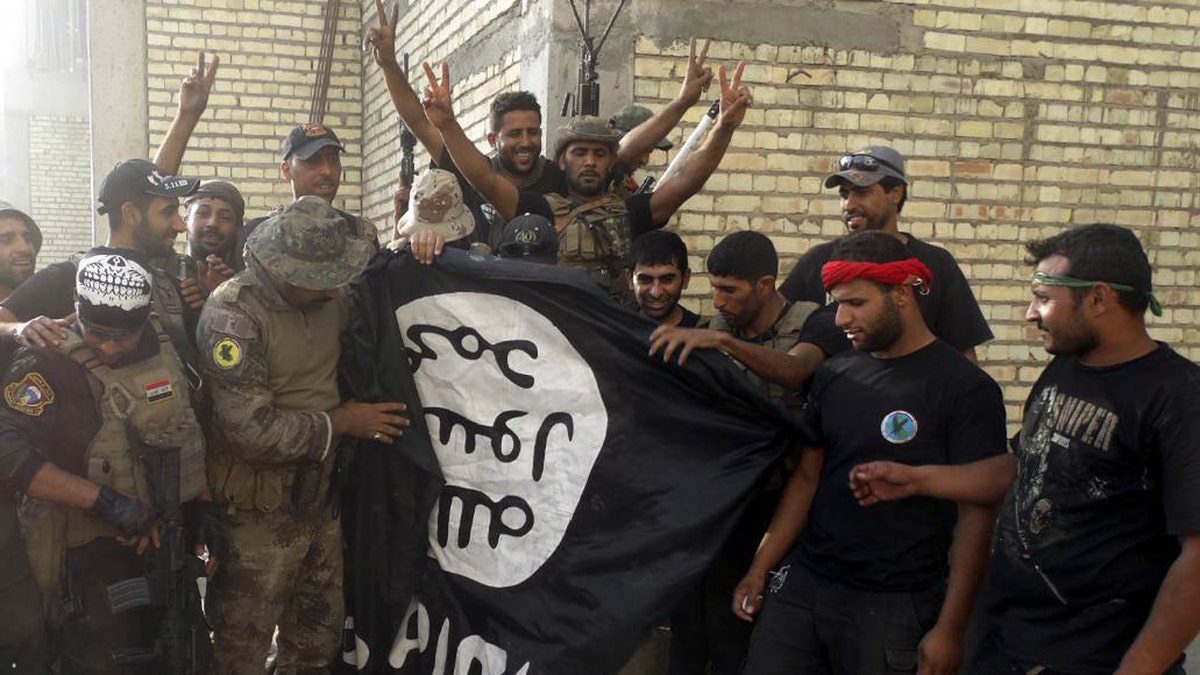
Iraqi security forces pose with ISIS flag which they pulled from University of Anbar on July 26, 2015. Forces clashed with ISIS militants inside the compound. (Reuters)
For now, the official said, intelligence agencies are closely tracking developments after a rapid operation that, in their view, prevented thousands of experienced ISIS militants from reentering the battlefield at once and potentially reigniting the group’s fighting force.
«This is a rare good news story coming out of Syria,» the official concluded.
syria,iraq,isis,national security,fbi,terrorism

Caputo anunció la extensión del RIGI por un año más

El Gobierno prorrogó el RIGI por un año e incorporó nuevas inversiones vinculadas al petróleo y gas

Los increíbles exabruptos de Chilavert: quiso defender a Prestianni y soltó escandalosos comentarios

El Gobierno intimó a La Fraternidad y la UTA para que no se sumen al paro general de la CGT

Reforma laboral en Diputados: se debate el proyecto de Milei, minuto a minuto

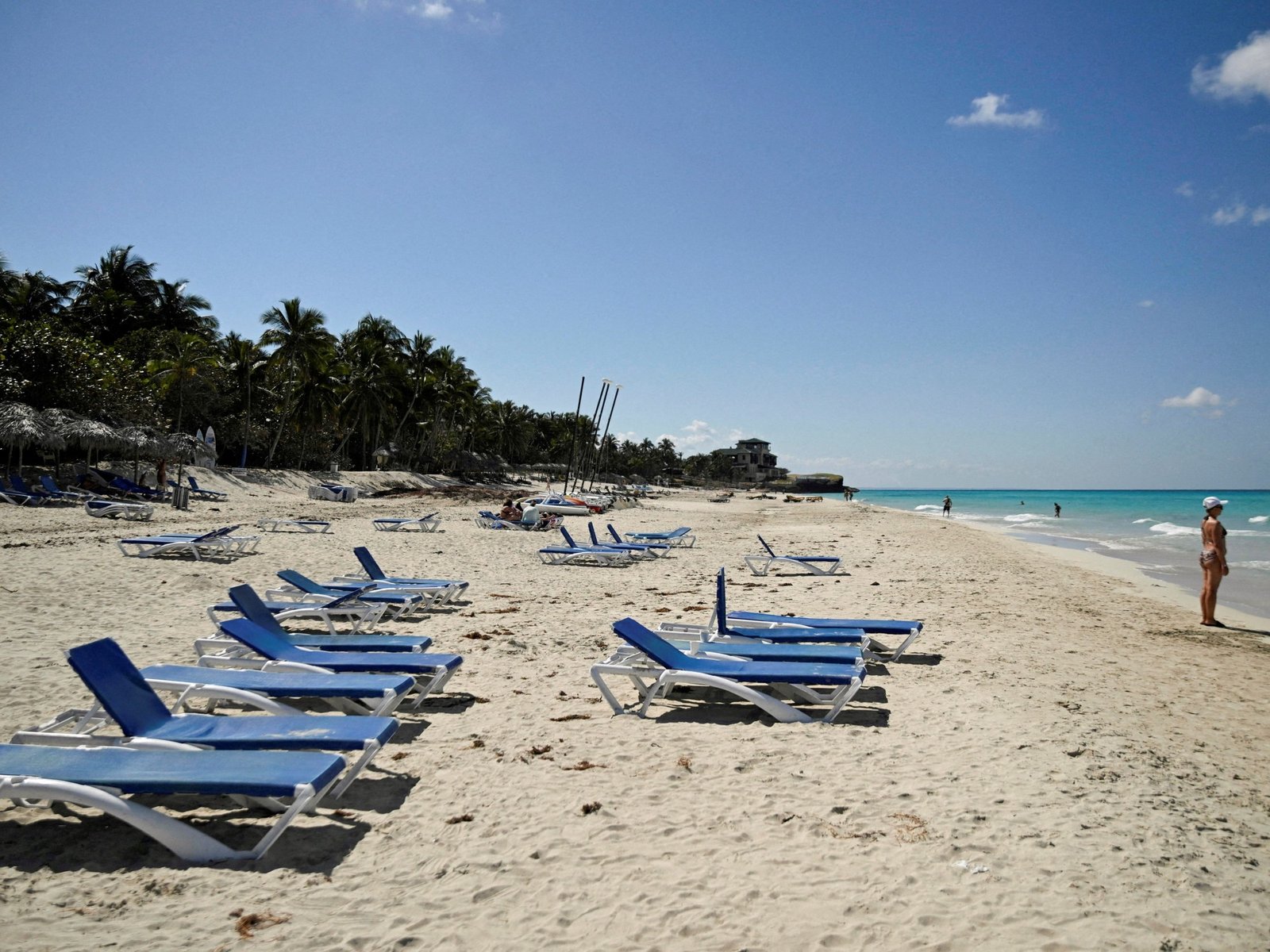
El cerco de Estados Unidos: en Cuba, los turistas brillan por su ausencia

Reforma laboral bomba: menos indemnización, más horas y despidos más fáciles — el cambio que puede sacudir el empleo en Argentina

Cristian Ritondo: “Vamos a apoyar la ley de modernización laboral, pero no el régimen de licencias por enfermedad”

El dólar no sólo cae en la Argentina: qué pasa con otras monedas emergentes y cuáles son las causas

Uno de los jefes de la CGT adelantó que convocarán a un paro general por la reforma laboral: “Trabajaremos para que sea una gran huelga”

 POLITICA1 día ago
Reforma laboral bomba: menos indemnización, más horas y despidos más fáciles — el cambio que puede sacudir el empleo en Argentina
- POLITICA2 días ago
Cristian Ritondo: “Vamos a apoyar la ley de modernización laboral, pero no el régimen de licencias por enfermedad”
- ECONOMIA2 días ago
El dólar no sólo cae en la Argentina: qué pasa con otras monedas emergentes y cuáles son las causas