INTERNACIONAL
Succeeding Trump: 6 Republican potential presidential hopefuls to keep your eyes on in 2028

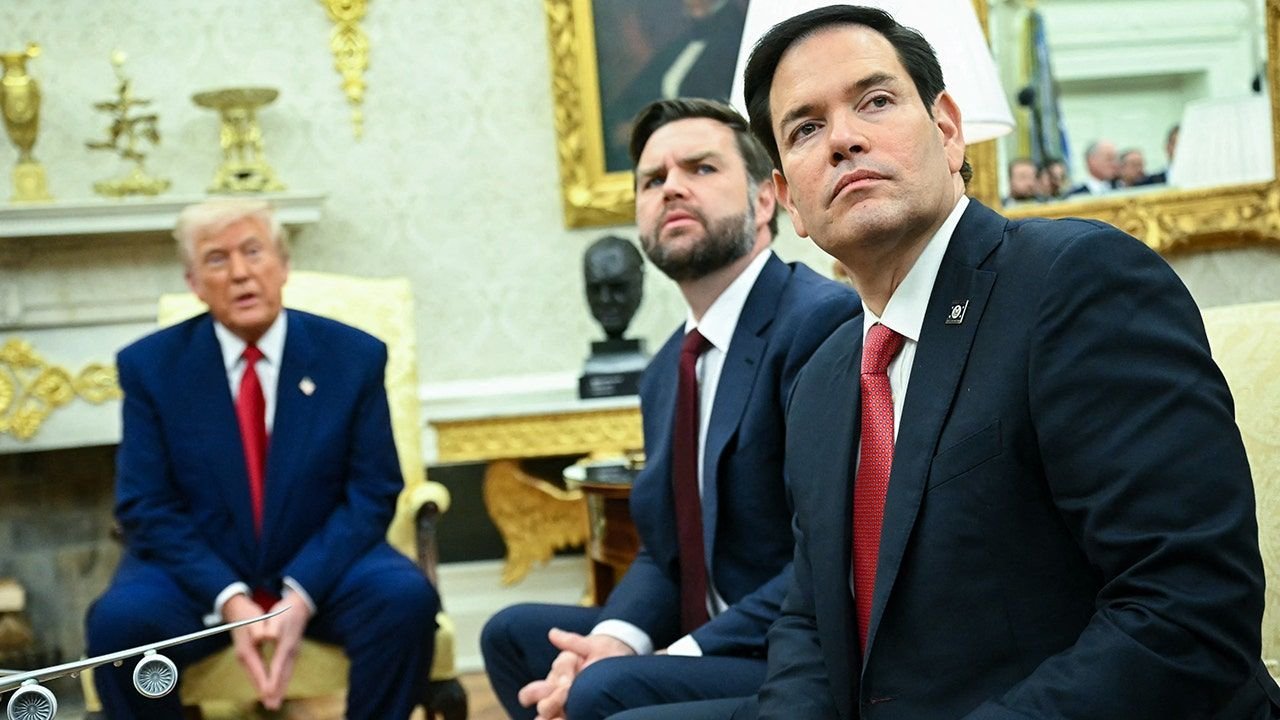
Will JD Vance and AOC face off in 2028?
The ‘All-Star’ panelists Matthew Continetti, Sabrina Singh and Philip Wegmann take a look at early speculation about the 2028 White House race and more on ‘Special Report.’
The 2028 presidential election seems like a long way away, but in reality, the early moves are already underway by some Democrats with likely national ambitions.
And one Republican politician is already selling 2028 merchandise.
«Trump 2028» hats are available for $50 and T-shirts that read, «Trump 2028 (Re-write the Rules),» sell for $36 on the Trump Organization’s website.
But the rules are quite clear: The 22nd Amendment to the U.S. Constitution restricts presidents to two terms in office.
And after months of flirting with running for a third term in the White House, President Donald Trump appears to be ruling out another campaign.
WHERE TRUMP STANDS WITH AMERICANS 4 MONTHS INTO HIS 2ND TERM
President Donald Trump, shown delivering the commencement address at the U.S. Military Academy graduation ceremony at West Point, New York, on May 24, 2025, seemed to rule out running for a third term in a recent interview. (Saul Loeb/AFP via Getty Images)
Despite touting strong support in the MAGA world for a 2028 run for re-election, the president in an interview this month on NBC News’ «Meet the Press» said, «I’m not looking at that.»
«I’ll be an eight-year president,» Trump added. «I’ll be a two-term president. I always thought that was very important.»
But Trump’s 2028 flirtations, which he said weren’t a joke, and his sweeping moves since the start of his second tour of duty in the White House are keeping the spotlight firmly on him, averting any lame-duck talk and putting a damper on any early moves by those in the Republican Party hoping to succeed the president.
DEMOCRATS EYE 2028 JUST MONTHS INTO TRUMP’S 2ND TERM
The race for the next GOP presidential nomination won’t get underway until Trump’s ready to share the spotlight, and he recently said it’s «far too early» to begin holding those discussions.
But Trump also added, «I’m looking to have four great years and turn it over to somebody, ideally a great Republican, a great Republican to carry it forward.»
With that in mind, here’s a look at the potential 2028 Republican White House contenders.
Vice President JD Vance
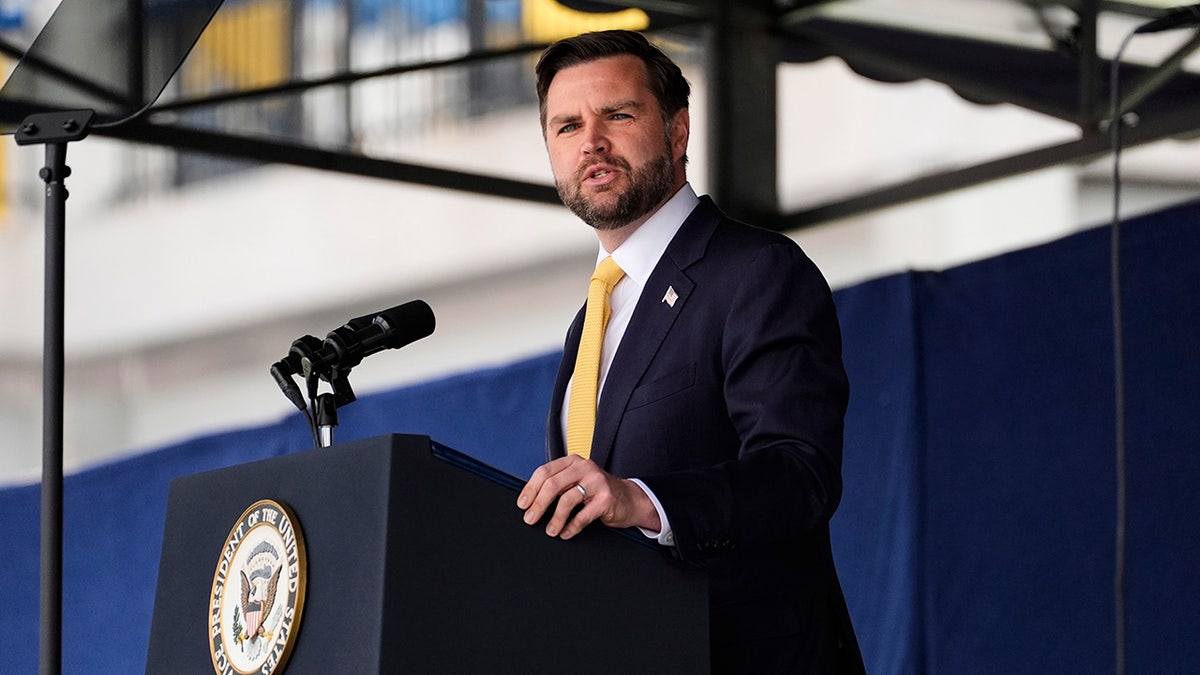
Vice President JD Vance (Stephanie Scarbrough/Associated Press)
Vice President JD Vance appears to be the heir apparent to the «America First» movement and the Republican Party’s powerful MAGA base. It was a point driven home by Donald Trump Jr., the president’s eldest son, MAGA rockstar and powerful ally of the vice president.
«We are getting four more years of Trump and then eight years of JD Vance,» Trump Jr. said on the campaign trail in Ohio a few weeks ahead of the November 2024 election.
As sitting vice president, Vance enjoys plenty of perks that could boost him to frontrunner status. Among them, a large staff that comes with the job, and Air Force Two, which he has repeatedly used to make stops across the U.S. and the globe since the start of the second Trump administration.
And Vance is now finance chair of the Republican National Committee, the first sitting vice president to hold such a position with a national party committee. The posting puts Vance in frequent contact with the GOP’s top donors.
But while Trump has hinted that Vance could be his successor and called him «a fantastic, brilliant guy» in the «Meet the Press» interview, he has avoided anointing his vice president as the party’s next nominee.
Vance has taken no steps toward a 2028 presidential run and isn’t seriously thinking about it at this time, a source in the vice president’s political orbit told Fox News.
«I really am just not focused on politics,» Vance said in early April in a «Fox and Friends» interview. «I’m not focused on the midterm elections in 2026, much less the presidential election in 2028. When we get to that point, I’ll talk to the president. We’ll figure out what we want to do.»
And the 40-year-old vice president added, «The way I think about it is, if we do a good job, the politics take care of themselves.»
Secretary of State Marco Rubio
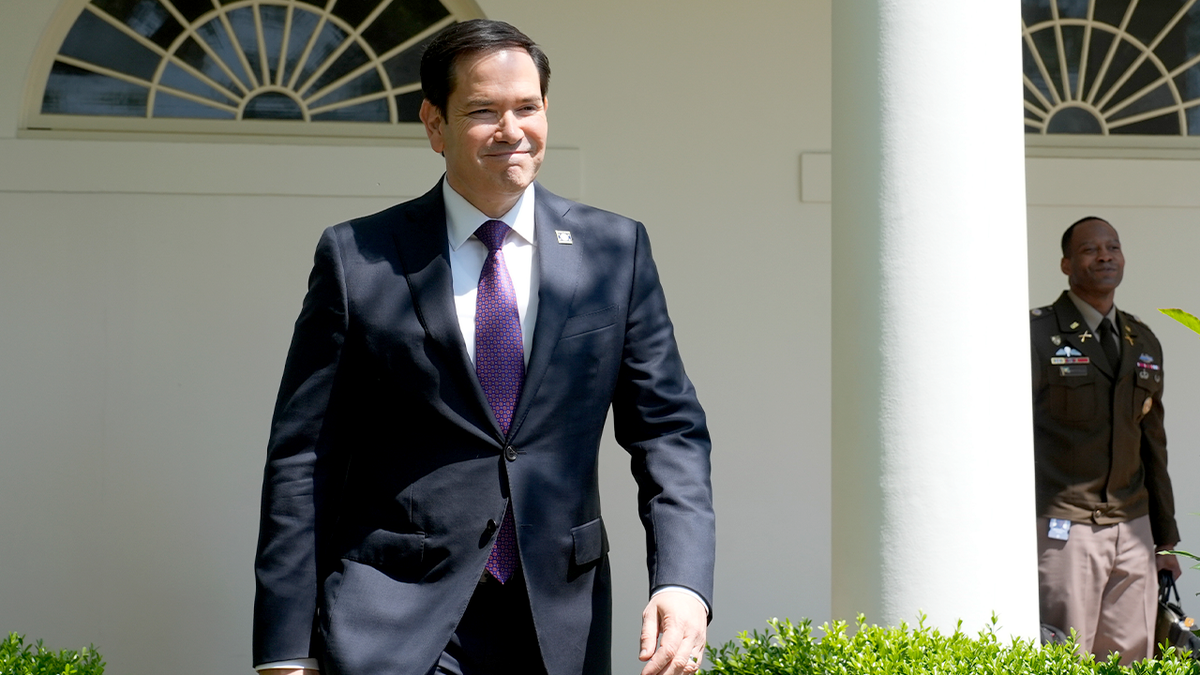
Secretary of State Marco Rubio (Yuri Gripas/Abaca/Bloomberg via Getty Images)
In his «Meet the Press» interview, besides Vance, Trump also named Secretary of State Marco Rubio as a «great» potential GOP leader.
«Marco’s doing an outstanding job,» the president said.
Rubio, a one-time rival who clashed with Trump during the combustible 2016 Republican presidential nomination battle, became a leading Trump ally in the U.S. Senate during the president’s first term in office.
And besides serving as secretary of state, the 53-year-old former senator from Florida is also acting national security advisor, acting head of the National Archives and acting administrator of the U.S. Agency for International Development.
While Rubio’s expanding portfolio in the second Trump administration is fueling speculation about a potential 2028 presidential bid, he still faces skepticism from parts of MAGA world who question his «America First» credentials.
Florida Gov Ron DeSantis
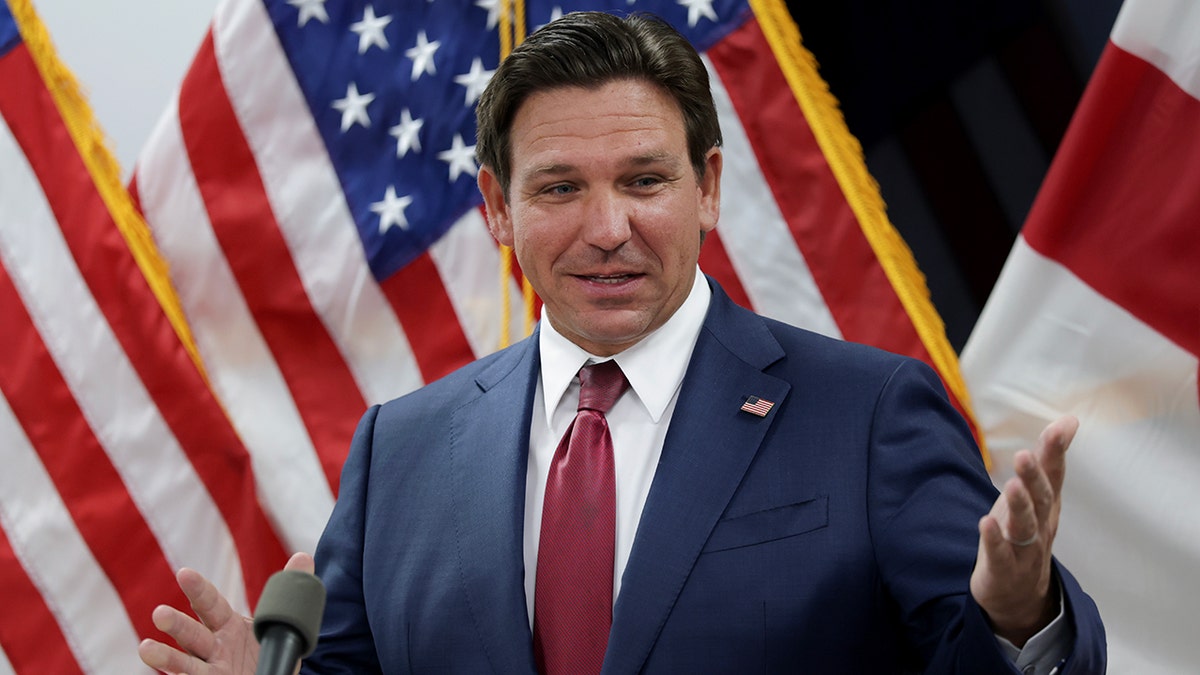
Florida Gov. Ron DeSantis (Joe Raedle/Getty Images)
Conservative Florida Gov. Ron DeSantis was flying high after a landslide re-election in 2022, but an unsuccessful 2024 presidential primary run and a bruising battle with Trump knocked him down in stature.
However, the term-limited 46-year-old governor, who has a year and a half left in office steering Florida, proved in the past few years his fundraising prowess and retains plenty of supporters across the country.
DeSantis was also able, to a degree, to repair relations with Trump, helped raise money for the GOP ticket during the general election and earned a prime-time speaking slot at the 2024 Republican convention. And in December 2024, the governor was seen as a possible replacement when now-Defense Secretary Pete Hegseth’s nomination briefly faltered.
While DeSantis is certain to still harbor national ambitions, his feud this year with the Republican-dominated Florida legislature and the controversy over a charity tied to Florida first lady Casey DeSantis are seen as potential hurdles.
Virginia Gov Glenn Youngkin
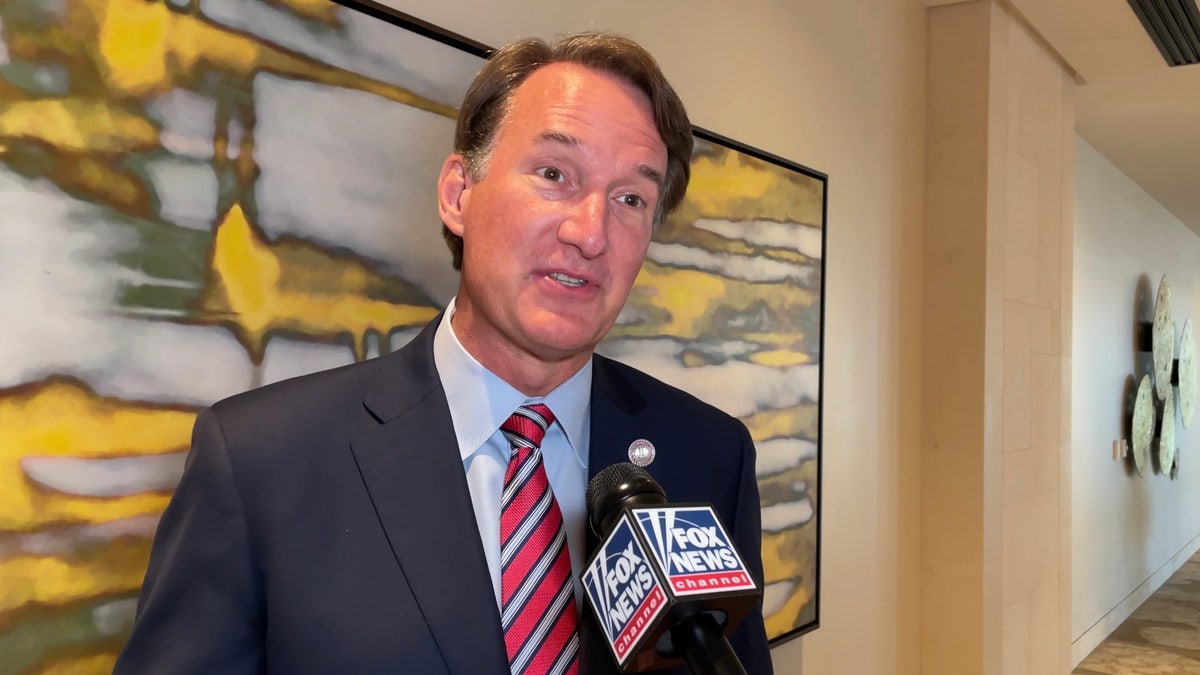
Virginia Gov. Glenn Youngkin (Fox News – Paul Steinhauser)
Thanks to his 2021 gubernatorial victory, the first by a Republican in Virginia in a dozen years, Gov. Glenn Youngkin instantly became a GOP rising star.
In Virginia, governors are limited to one four-year term, which means Youngkin has seven months left in office.
The 58-year-old governor, who hails from the Republican Party’s business wing but has been able to thrive in a MAGA-dominated party, likely harbors national ambitions.
And Youngkin’s trip to Iowa, the state that for a half century has kicked off the GOP’s presidential nominating calendar, in July to headline a state party fundraising gala is sparking 2028 speculation.
Asked in late 2024 in a Fox News Digital interview about a White House run, Youngkin pointed to his job as governor, saying, «I need to finish strong so Virginia can really continue to soar. And that’s what I’m going to spend my time on.»
After that, he said, «We’ll see what’s next.»
Georgia Gov Brian Kemp
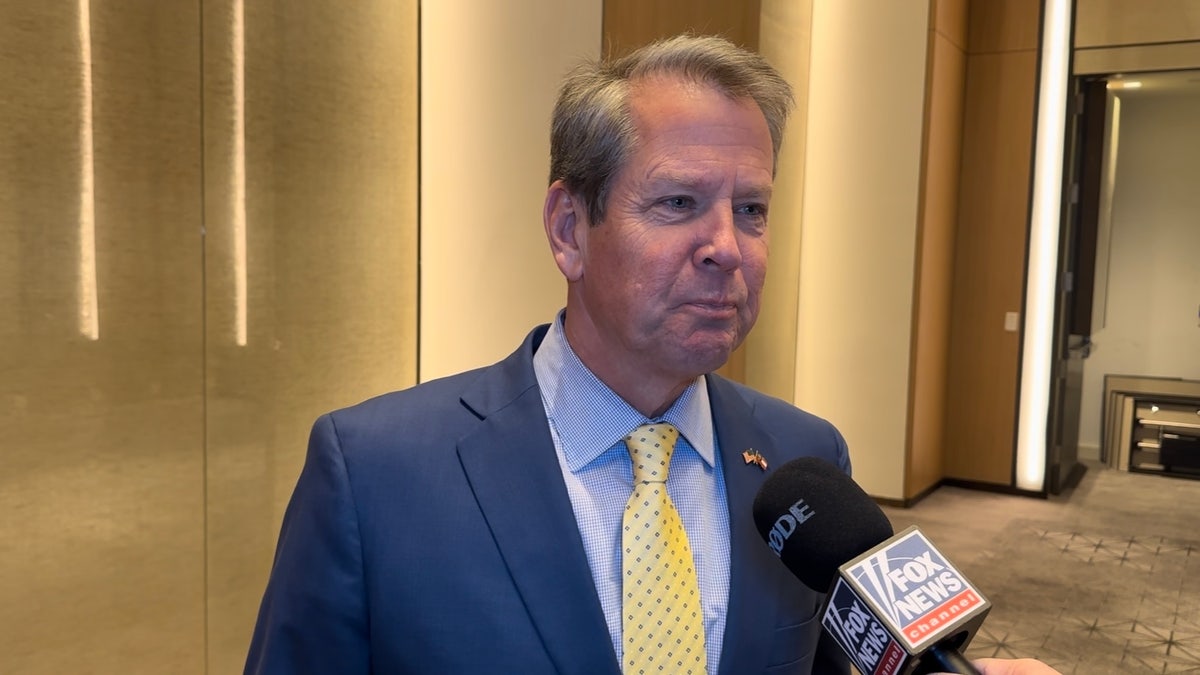
Georgia Gov. Brian Kemp (Fox News – Paul Steinhauser)
The popular conservative governor is one of the few in the GOP who can claim he faced Trump’s wrath and not only survived, but thrived.
Georgia Gov. Brian Kemp, who is term-limited, has two years left in office and enjoys strong favorable ratings in a crucial battleground state.
Kemp was heavily recruited by national Republicans to run in 2026 to try and flip a Democrat-controlled Senate seat. And the announcement earlier in May by the 61-year-old governor that he would pass on a 2026 Senate run, fueled buzz that Kemp may instead be mulling a 2028 White House run.
Asked in November 2024 about a potential presidential run, Kemp told Fox News Digital, «I try to keep all doors open in politics.»
Sen Ted Cruz
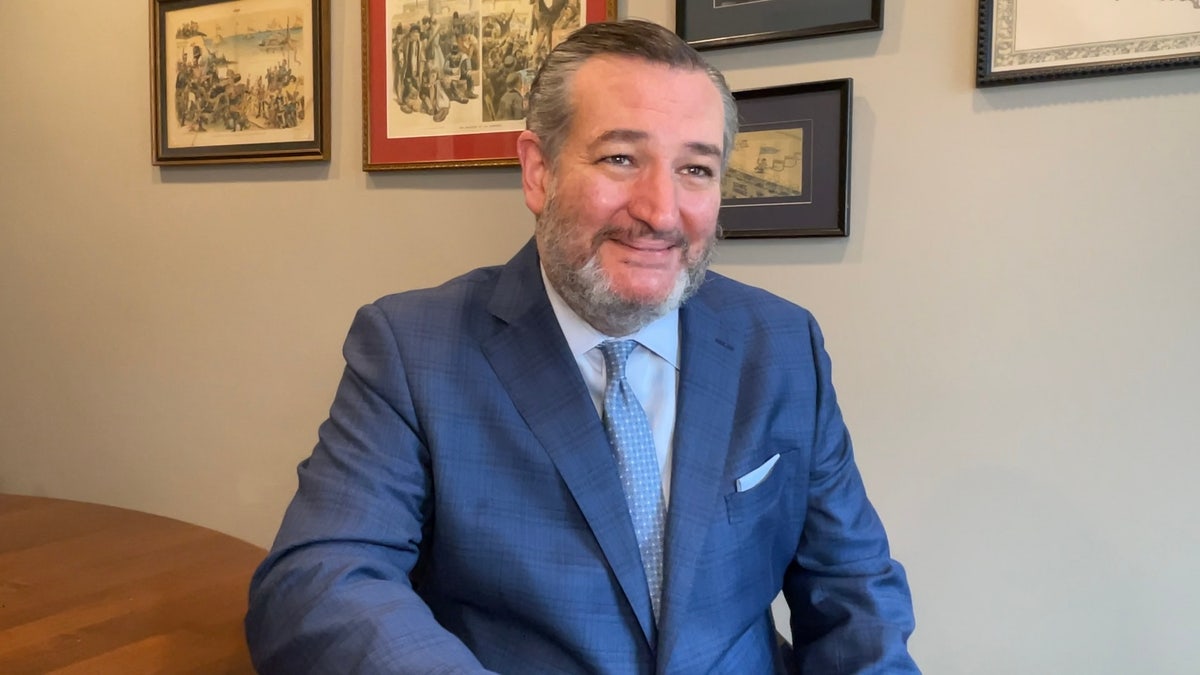
Republican Sen. Ted Cruz (Fox News – Paul Steinhauser)
Sen. Ted Cruz was the runner-up to Trump in the blockbuster 2016 Republican presidential battle.
The controversial conservative firebrand passed on challenging Trump again in 2024 as he ran for what was thought to be another difficult re-election bid after narrowly surviving his 2018 re-election.
However, the 54-year-old senator ended up winning a third six-year term in the Senate by nearly nine points.
Since the start of Trump’s second administration, Cruz has reaffirmed his conservative credentials by voicing opposition to the president’s controversial tariffs.
Honorable mentions
Among the others to keep an eye on is Nikki Haley.
The former two-term South Carolina governor, who served as U.N. ambassador in Trump’s first term, was the first GOP challenger to jump into the race against the former president in the 2024 nomination race.
Haley outlasted the rest of the field, becoming the final challenger to Trump before ending her White House bid in March 2024.
While the 53-year-old Haley ended up backing Trump in the general election, her earlier clashes with the president during the primaries left their mark. Even though she addressed the GOP faithful at the 2024 convention, her political future in a party dominated by Trump is uncertain.
Also, not to be discounted are three politicians who considered but passed on 2024 runs: Sens. Tom Cotton of Arkansas and Josh Hawley of Missouri and Homeland Security Secretary Kristi Noem.
CLICK HERE TO GET THE FOX NEWS APP
And besides Haley, we’ll put three other 2024 candidates on the large list of possible 2028 contenders. Businessman Vivek Ramaswamy is the Republican frontrunner in the 2026 campaign for Ohio governor but likely still has strong national ambitions.
Interior Secretary Doug Burgum is a very visible player in Trump’s Cabinet.
And former Vice President Mike Pence, when asked earlier this month by Fox News Digital if he might consider another White House run, reiterated that he intends to «be a voice» for traditional and conservative values and «we’ll let the future take care of itself.»
Donald Trump,JD Vance,Marco Rubio,Ron DeSantis,Brian Kemp,Republicans,Presidential Primaries,Elections,Politics













INTERNACIONAL
Al menos 12 muertos y un edificio residencial destruido tras nuevos bombardeos rusos en Kharkiv
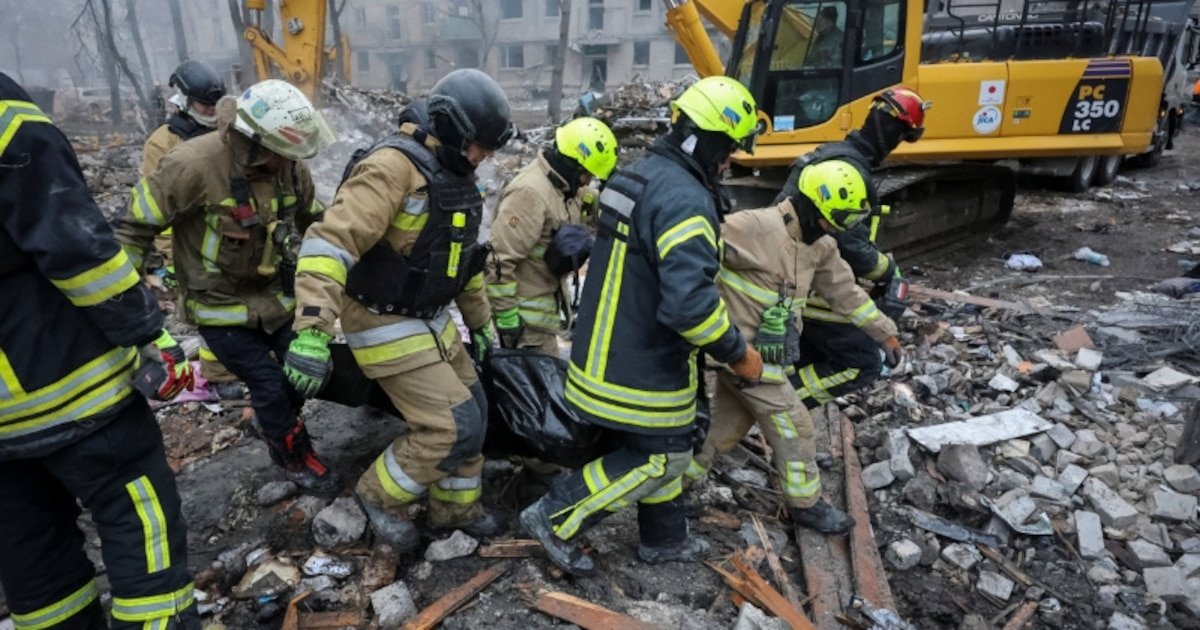
Rusia lanzó una oleada de misiles y drones por toda Ucrania la noche del viernes al sábado, una ofensiva que dejó al menos 12 muertos y redujo a escombros un edificio de apartamentos en la ciudad Kharkiv, en el este.
Los reporteros de AFP en esta ciudad, la segunda más poblada de Ucrania antes de la guerra, observaron a los equipos de rescate buscando entre los restos del destrozado bloque de viviendas de estilo soviético de cinco plantas.
Los equipos temen que todavía haya residentes atrapados bajo las ruinas después del ataque de misil, que mató a diez personas, según las autoridades locales.
“Desde la pasada noche, se están retirando los escombros de un edificio residencial en Kharkiv tras un ataque con un misil balístico ruso”, dijo el presidente ucraniano, Volodimir Zelensky, en un mensaje en redes sociales.
El ataque se cobró la vida de una maestra de primaria y de su hijo, informó el alcalde Igor Terejov. Otra mujer murió junto a su hija adolescente, añadió.
La arremetida dejó también varios heridos, incluyendo dos niños, de 6 y 11 años, y una joven de 17.
Zelensky aseguró que Rusia lanzó 29 misiles y 480 drones contra su territorio. Durante la noche, las autoridades activaron la alerta por ataque aéreo en todo el país.
Los ataques también impactaron infraestructura energética y ferroviaria del país, dijo el mandatario.

También afirmó haber informado al presidente francés, Emmanuel Macron, sobre las consecuencias de los ataques durante una conversación telefónica.
Durante la llamada, Zelensky subrayó que era importante que el paquete de ayuda de 90.000 millones de euros de la Unión Europea, así como la próxima ronda de sanciones contra Rusia —actualmente bloqueada por Hungría— “se apliquen finalmente”
Moscú afirmó haber llevado a cabo un “ataque masivo de alta precisión” contra objetivos militares en Ucrania. Rusia niega sistemáticamente haber atacado infraestructuras civiles.
Otra persona murió en la región oriental de Dnipropetrovsk, y un joven de 24 años falleció cuando su coche fue alcanzado por un dron en la región de Sumi, limítrofe con Rusia, dijeron autoridades locales.
En Zaporizhzhia, en el sur, un ataque ruso causó un herido, un bebé, anunció en Telegram el jefe de la administración regional, Ivan Fedorov.
Además, tres personas resultaron heridas en Kiev y otras dos en Chuguiv, en la región de Járkov, según autoridades locales.

(AFP)
Durante el ataque nocturno ruso, la Fuerza Aérea polaca indicó en la red social X que había desplegado aviones militares para proteger su espacio aéreo en las regiones fronterizas con Ucrania, como suele hacer en caso de ofensivas a gran escala.
Esta nueva andanada de misiles y drones ocurre después de un intercambio de 500 prisioneros por bando entre Moscú y Kiev, en virtud de los acuerdos alcanzados durante la última ronda de negociaciones en Ginebra.
Sin embargo, el diálogo parece estancado por la falta de avances significativos y el estallido de la guerra en Oriente Medio.
Según Ucrania, había intenciones de celebrar una nueva ronda de negociaciones esta semana en Abu Dabi, pero la capital de Emiratos Árabes ha sido una de las ciudades golpeadas por los misiles y drones iraníes esta semana.
El lunes, Zelensky sugirió que el próximo encuentro podía tener lugar en Suiza o Turquía, países que ya han acogido rondas previas de diálogo.
La guerra en Oriente Medio también puede repercutir en las capacidades de defensa de Ucrania, que depende en gran medida de los suministros armamentísticos de Estados Unidos.
El responsable de Defensa de la Unión Europea, Andrius Kubilius, advirtió el viernes que Washington no tendrá capacidad para garantizar misiles para su ejército, para sus aliados en el Golfo impactados por los ataques de Teherán y para Ucrania.
Por ello, “se ha vuelto más urgente para nosotros, en Europa, aumentar la producción de sistemas de defensa aérea y de misiles balísticos”, insistió Kubilius.
(Con información de AFP)
Military Conflicts
INTERNACIONAL
Arizona governor vetoes Charlie Kirk memorial license plate sparking GOP outrage: ‘This bill falls short’
NEWYou can now listen to Fox News articles!
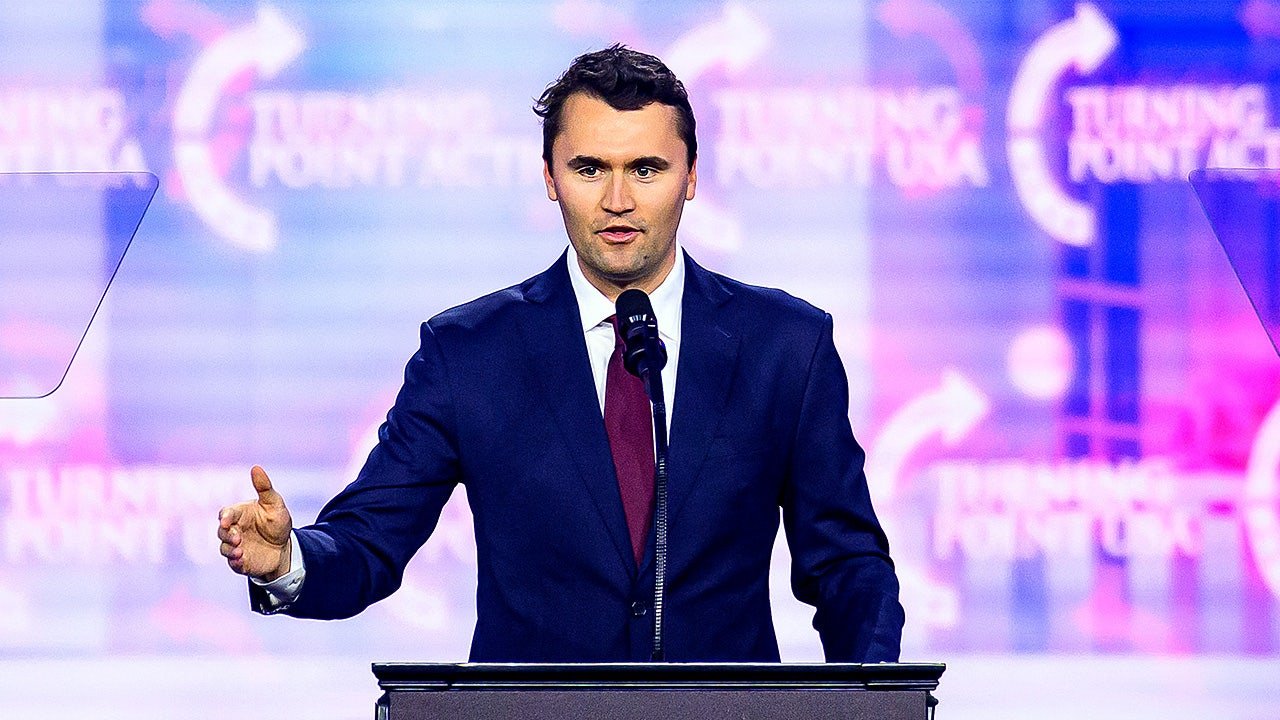
Democratic Arizona Gov. Katie Hobbs is facing fierce backlash after vetoing a bill that would have created a specialty license plate honoring slain Turning Point USA founder Charlie Kirk — a move Republicans are blasting as a stunning act of partisanship in the wake of his assassination.
Kirk, who was assassinated while speaking at a Sept. 10 Turning Point USA event at Utah Valley University, lived in Arizona with his wife, Erika, and two children.
The proposed specialty plate, referred to as the «Charlie Kirk memorial» plate or the «Conservative grassroots network special plate,» featured an iconic photo of the late Kirk and the TPUSA logo, in front of an American flag background.
Underneath the license plate number, were the words «FOR CHARLIE.»
A custom Arizona license plate, featuring a Turning Point USA and Charlie Kirk design, shared by state Sen. Jake Hoffman. (Senator Jake Hoffman via X)
Of the $25 fee required for the plate, $17 would act as an annual donation deposited into the Conservative Grassroots Network Special Plate Fund, according to the legislation.
While the recipient of the Grassroots Network Special Plate Fund was not explicitly designated as TPUSA in the bill, it noted the director of the fund would allocate revenue annually to a nonprofit organization, founded in 2012, that focuses on restoring traditional values, maintaining a grassroots activist network on high school and college campuses in Arizona, and assisting college students with voter registration and absentee ballots.

People gather at a memorial to mourn Turning Point USA Founder Charlie Kirk outside Turning Point USA headquarters, Sept. 12, 2025, in Phoenix. (Charly Triballeau/AFP via Getty Images)
TPUSA, founded by Kirk in 2012, is well-known for its grassroots activist networks on high school and college campuses. It is headquartered in Phoenix, Arizona.
The $25 fee and annual $17 donation are consistent with the fees for the other 109 nonprofit license plates offered by the Arizona Department of Transportation (ADOT).
‘WE ARE NOT AFRAID’: ERIKA KIRK VOWS TPUSA WILL CONTINUE CAMPUS DEBATES NATIONWIDE
The state Senate passed the bill 16-2, with the House of Representatives voting 31-23 in favor, prior to Hobbs’ veto.
Specialty plates in Arizona are authorized by the legislature and sent to the governor to be signed into law. They have been offered since 1989.
In a letter explaining the veto, Hobbs cited concerns with the bill «bring[ing] people together,» claiming it would «insert politics into a function of government that should remain nonpartisan.»
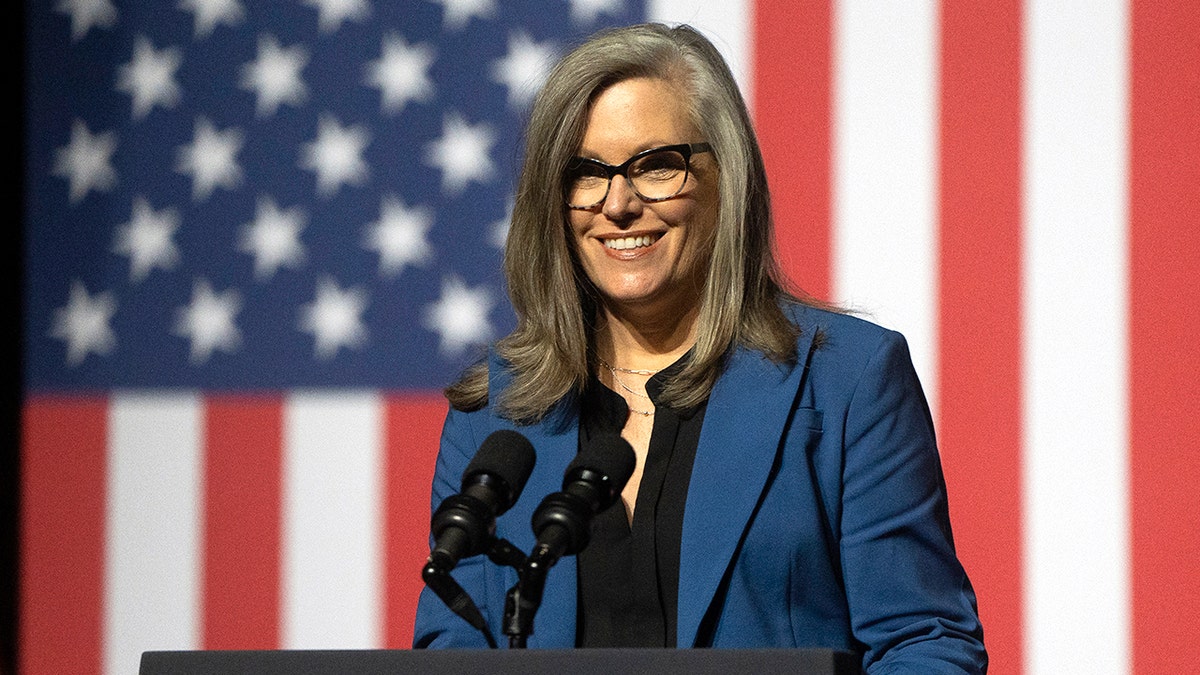
Democratic Arizona Gov. Katie Hobbs is facing fierce backlash after vetoing a bill that would have created a specialty license plate honoring slain Turning Point USA founder Charlie Kirk. ( Rebecca Noble/Getty Images)
ERIKA KIRK BATTLES FOR CAMERAS IN COURTROOM WHILE EXPANDING TPUSA CHAPTERS IN NEW STATE PARTNERSHIP
«Charlie Kirk’s assassination is tragic and a horrifying act of violence,» Hobbs wrote. «In America, we resolve our political differences at the ballot box. No matter who it targets, political violence puts us all in harm’s way and damages our sacred democratic institutions.»
«I will continue working toward solutions that bring people together, but this bill falls short of that standard,» she continued.
Specialty license plates with political interests already approved by the state include: the «Choose Life» Plate, which benefits the Arizona Life Coalition and its mission to promote anti-abortion advocacy and education; the «In God We Trust» Plate, which benefits conservative Christian legal advocacy group Alliance Defending Freedom; and the Arizona Realtors’ «Homes for All» Plate, which funds affordable housing projects.
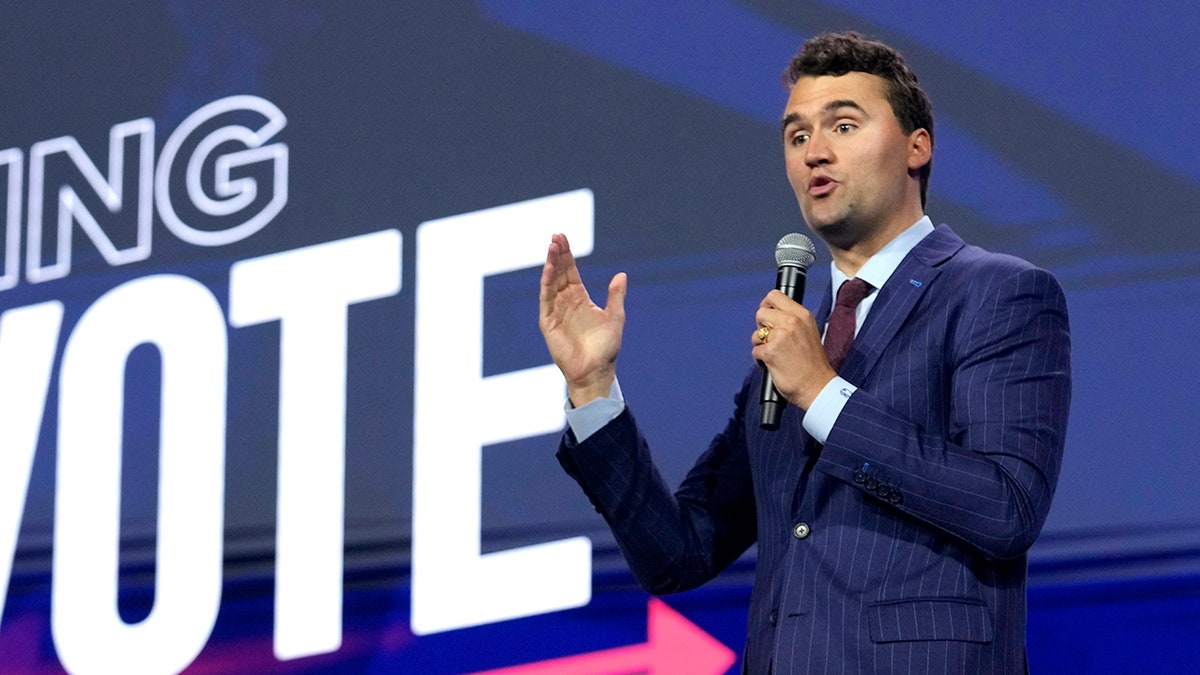
Charlie Kirk, founder of Turning Point USA speaks during the Turning Point Action conference in 2023, in West Palm Beach, Fla. (Lynne Sladky/AP Photo)
DEMOCRAT JOHN FETTERMAN DECRIES ‘DEHUMANIZING’ ATTACK AGAINST CHARLIE KIRK’S WIDOW ERIKA
Another approved plate, «Alice Cooper’s Solid Rock Plate,» which benefits Solid Rock Teen Centers, features a portrait of the legendary musician, who has made political comments about social issues including gender identity.
Republican state Sen. Jake Hoffman, who sponsored the bill, posted a fiery statement on social media following the governor’s action, claiming her «grotesque partisanship knows no bounds.»
«Even in the wake of a global civil rights leader — an Arizona resident and her own constituent — being assassinated in broad daylight for his defense of the First Amendment, Hobbs couldn’t find the human decency to put her far-Left extremism aside simply to allow those how wish to honor him to do so,» Hoffman wrote. «Katie Hobbs will forever be known as a stain on the pages of Arizona’s story.»
CLICK HERE TO DOWNLOAD THE FOX NEWS APP
On Saturday, TPUSA COO Tyler Bowyer shared an X post that read, «Deport Katie Hobbs.»
TPUSA, Bowyer and Hobbs’ office did not immediately respond to Fox News Digital’s requests for comment.
Related Article

charlie kirk,arizona,katie hobbs,turning point usa,politics
INTERNACIONAL
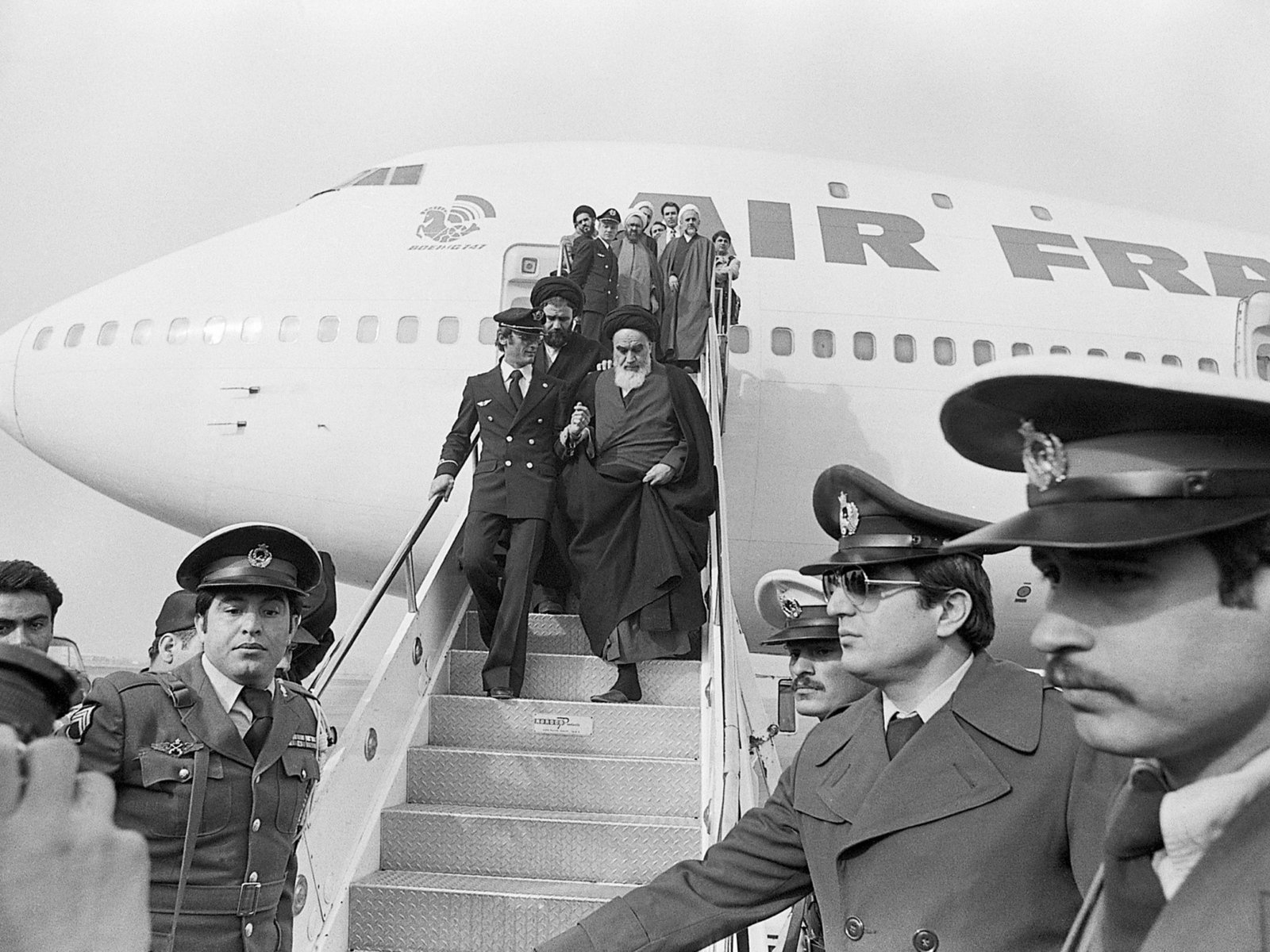
«La calle ardía de protestas y se escuchaban disparos», el enviado de Clarín en Irán hace 47 años en la caída del Sha


El Como de Cesc es de Champions

Si se te duerme la pierna cuando estás sentado, te contamos qué significa y por qué pasa

Piden procesar a un empresario de medios por haber extorsionado a Lilia Lemoine con fotos íntimas

Organizaciones feministas convocaron a un paro y una marcha hacia Plaza de Mayo este lunes por el Día de la Mujer

Emily Lucius y Rodrigo Valladares Macri celebran su amor en boda llena de famosos, glamour y emociones

Al menos 12 muertos y un edificio residencial destruido tras nuevos bombardeos rusos en Kharkiv

El hijo adoptivo de José María Muscari tomó una tajante decisión de vida a los 18 años

¡Interna total! Pablo Layus explotó y blanqueó quiénes son los que arruinan Intrusos: «Te matan»

Javier Milei habló de la crisis con la vicepresidenta: “No quiero la renuncia de Victoria Villarruel”

Mapa de la guerra en Medio Oriente: dos bandos y 13 países involucrados en un conflicto que jaquea al mundo

 POLITICA2 días ago
Javier Milei habló de la crisis con la vicepresidenta: “No quiero la renuncia de Victoria Villarruel”
- CHIMENTOS3 días ago
El desafortunado comentario de Yanina Zilli contra Daniela de Lucía, tras la muerte de su padre: “Jugamos con lo personal”
- CHIMENTOS2 días ago
Ian Lucas se hartó de las mentiras de Evangelina Anderson y confirmó que fueron novios: “Ella me da vergüenza”