INTERNACIONAL
Trump ‘doesn’t need permission’ from Congress to strike Iran, expert says


NEWYou can now listen to Fox News articles!
While lawmakers argue over their position in the command chain as President Donald Trump mulls a possible strike on Iran, one expert believes that the president is within his constitutional authority to move ahead with a bunker-busting bomb.
Lawmakers on both sides of the aisle are embroiled in debate over where they are in the pecking order. Some argue they should have the sole authority to authorize a strike, let alone declare war, while others believe that is within Trump’s purview if he wanted to join Israel’s bombing campaign against Iran.
‘INSTINCTS FOR RESTRAINT’: SENATE DIVIDED OVER WHO GETS TO DECLARE WAR
One expert believes that the president is within his constitutional authority to move ahead with a bunker-busting bombing of Iran. (AP Photo/Mark Schiefelbein)
The predominant argument on the Hill is that the entire point of supporting Israel is to prevent the Islamic Republic from creating or acquiring a nuclear weapon.
However, a legal scholar who helped to craft the 2001 Authorization for Use of Military Force (AUMF), which authorized the usage of the U.S. armed forces to engage with the entities that then-President George W. Bush believed were behind the Sept. 11, 2001 terror attack in New York City, argued that there was a difference between Congress’ constitutional authority to declare war and the president’s authority to use force abroad.
«The position we took then, I think, is the same one that Trump should take now,» John Yoo told Fox News Digital. «As a legal matter, the president doesn’t need the permission of Congress to engage in hostilities abroad. But as a political matter, it’s very important for the president to go to Congress and present the united front to our enemies.»
THUNE WARNS IRAN SHOULD RETURN TO NEGOTIATING TABLE ‘IF THEY’RE SMART’
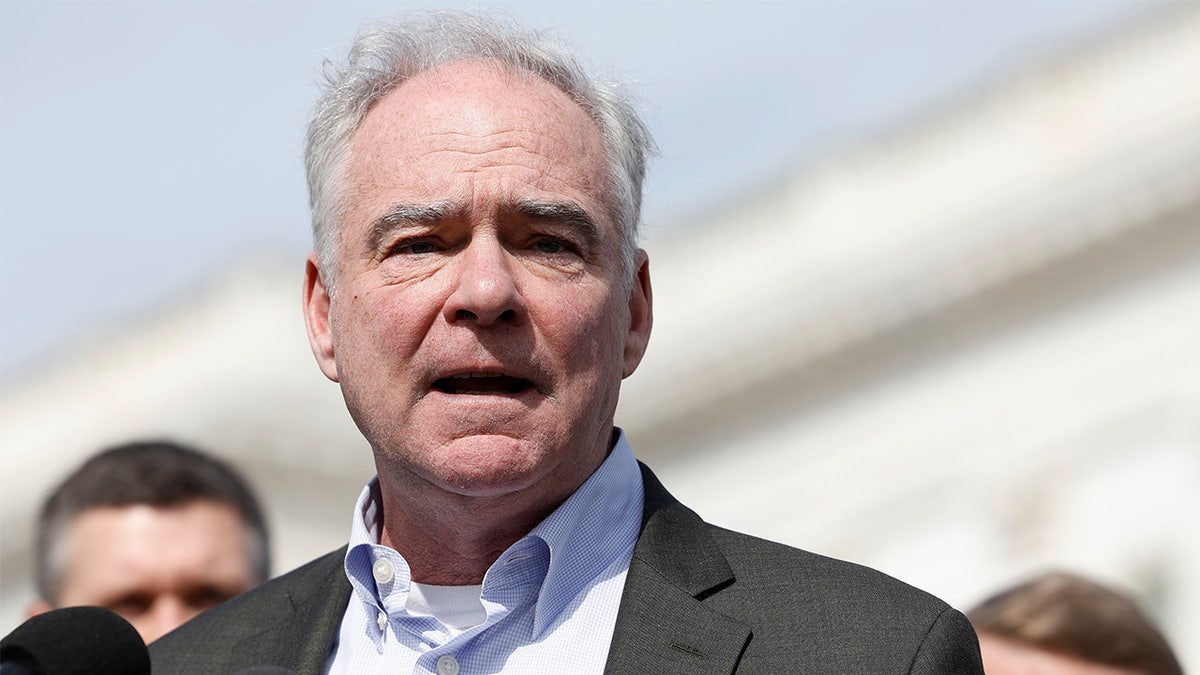
Sen. Tim Kaine, D-Va., submitted a resolution that would require debate and a vote before any force is used against Iran. (Getty Images)
The Constitution divides war powers between Congress and the White House, giving lawmakers the sole power to declare war, while the president acts as the commander in chief directing the military. Nearly two centuries later, at the height of the Vietnam War, the War Powers Resolution of 1973 was born, which sought to further define those roles.
Yoo agreed that the Constitution was clear that Congress has the sole authority to declare war, which effectively changes the legal status of the country. However, he countered that «the framers did not think that language meant that the President and Congress are like the two weapons officers on a nuclear sub and have to turn the keys at the same time to use force.»
«The founders were very practical men, and they knew that Congress is slow to act, that Congress is a large body that deliberates, but it’s the president who acts swiftly and decisively in defense of the nation,» he said.
Adding fuel to the debate in Washington are a pair of resolutions in the Senate from Sen. Tim Kaine, D-Va., and the House, from Reps. Thomas Massie, R-Ky., and Ro Khanna, D-Calif., that would require debate and a vote before any force is used against Iran. The measures are designed to put a check on Trump’s power and reaffirm Congress’ constitutional authority.
‘ANOTHER ENDLESS CONFLICT’: DEMOCRAT ECHOES TRUMP’S ANTI-WAR STANCE AS MIDDLE EAST TENSIONS ESCALATE
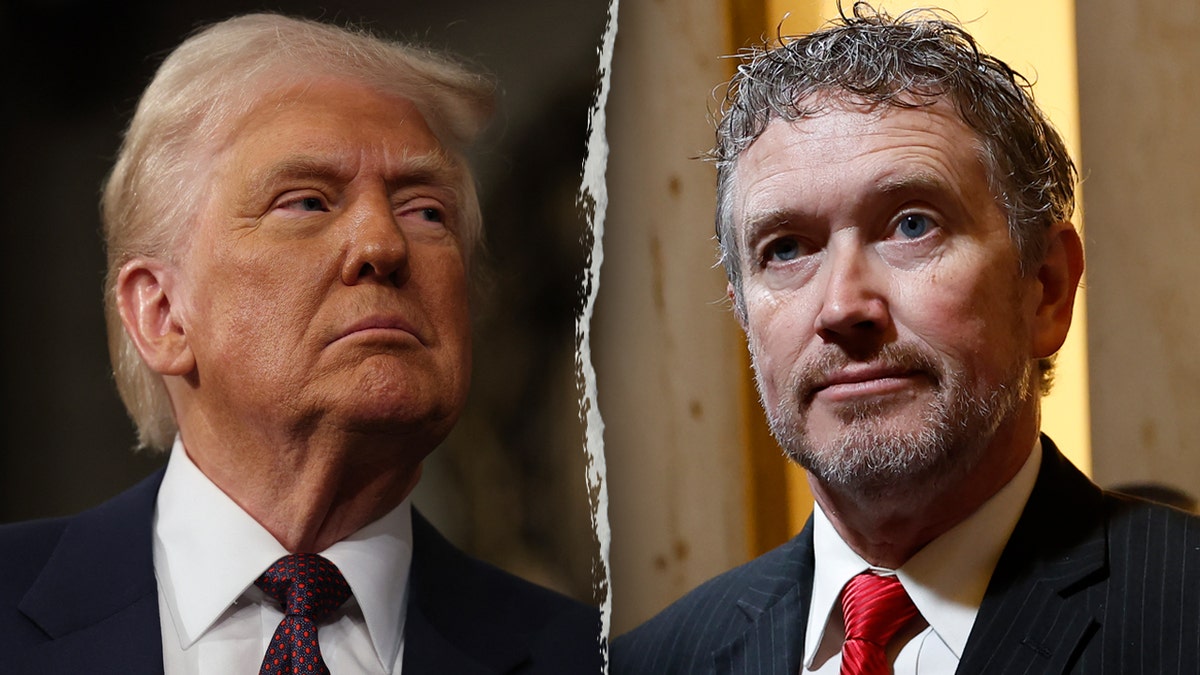
President Donald Trump, left, and Rep. Thomas Massie. (WIN MCNAMEE/POOL/AFP via Getty Images | Kevin Dietsch/Getty Images)
Yoo said that the resolutions appeared to be forms of «political opportunism» and noted that when former President Joe Biden wanted to send aid to Ukraine, when former President Barack Obama engaged abroad or when Trump authorized a drone strike to kill Iranian General Qasem Soleimani, there was no resolution demanding Congress have a say.
«People on the Hill are conflating what’s constitutionally necessary with what’s politically expedient,» Yoo said. «Two very different things.»
Congress’ real power over war, he said, was the power of the purse, meaning lawmakers’ ability to decide whether to fund the Pentagon and military in their appropriations process. Republicans are currently working to ram Trump’s «big, beautiful bill» through Congress and onto his desk by Independence Day.
CLICK HERE TO GET THE FOX NEWS APP
Included in the colossal bill is roughly $150 billion in funding for the Defense Department.
«If Congress really doesn’t want us to, doesn’t want Trump to, get deeper involved in the Israel-Iran war,» Yoo said. «All they got to do is not fund the military.»
«The ironic thing is, you have people who are voting to give extra tens of billions of dollars to the Defense Department, who are then turning around and complaining that they don’t have the ability to vote on war,» he said. «Every time they vote for funding, they’re voting to make war possible.»

INTERNACIONAL
Russian attack on Kharkiv wipes out young family, leaving pregnant mother as sole survivor

NEWYou can now listen to Fox News articles!
A Russian drone strike Tuesday night in Ukraine’s Kharkiv region wiped out a young family, killing a father and his three small children, leaving a pregnant mother as the sole survivor.
Oleg Synegubov, the governor of the Kharkiv region, said on Telegram that the attack on the town of Bohodukhiv claimed the lives of 34-year-old Grigory and his three children — 2-year-old twin boys, Ivan and Vladyslav, and their 1-year-old sister Myroslava.
The family had just evacuated from Zolochiv, a front-line town about 25 miles from the Russian border, in an effort to escape persistent shelling.
They were spending their first night in their new home when the strike occurred, Synegubov said.
‘ONLY TRUMP CAN STOP RUSSIA’: MILLIONS FACE FREEZING WINTER, UKRAINE ENERGY EXECUTIVE WARNS
The aftermath of a drone attack in the city of Bohodukhiv in the Kharkiv region that killed four people, including three children, in Bohodukhiv, Ukraine, on Feb. 11, 2026. (Carlo Bravo/Anadolu via Getty Images)
Olga, the children’s 35-year-old mother who is 35 weeks pregnant, survived with injuries and minor burns and was later discharged from the hospital after receiving medical care.
«The Russian army once again targeted an ordinary residential building in the middle of the night,» said Synegubov. «Another terrorist act of the state fighting against the civilian population – against small children, pregnant women, elderly people.»
The Kharkiv Regional Prosecutor’s Office said preliminary data indicates that a «Geran-2» drone was used in the attack.
RUSSIAN MILITARY INTELLIGENCE OFFICIAL SHOT IN MOSCOW: REPORT
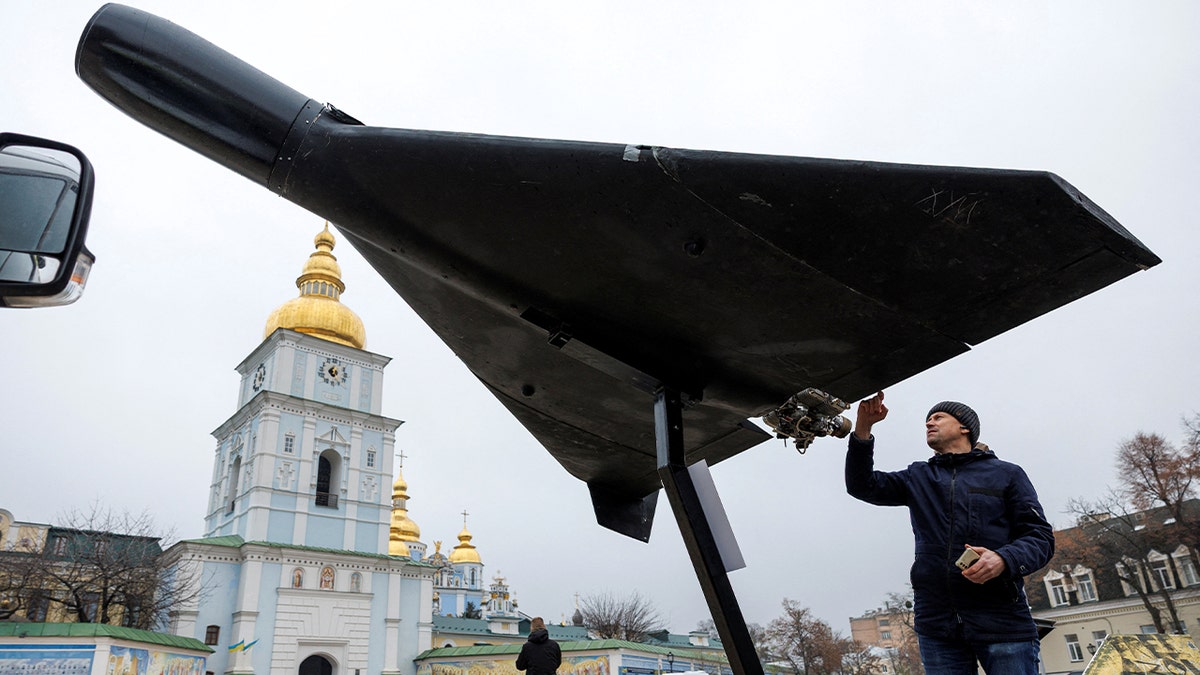
A resident touches a Russian-Iranian Shahed-136 (Geran-2) kamikaze drone installed in front of Saint Michael’s Cathedral as part of an exhibition displaying destroyed Russian military vehicles and weapons, in Kyiv, Ukraine, Nov. 26, 2025. (Valentyn Ogirenko/Reuters)
The Geran-2 is the Russian designation for an Iranian-designed Shahed-136, a one-way attack drone that detonates on impact and has been widely used by Moscow to strike Ukrainian cities and infrastructure.
KENYA DEMANDS ANSWERS FROM RUSSIA OVER RECRUITMENT OF CITIZENS TO FIGHT IN UKRAINE WAR
Ukrainian President Volodymyr Zelenskyy said Wednesday in a post on X that Russian forces carried out additional strikes across border and frontline regions, including launching 470 attack drones at Kherson in a single day.
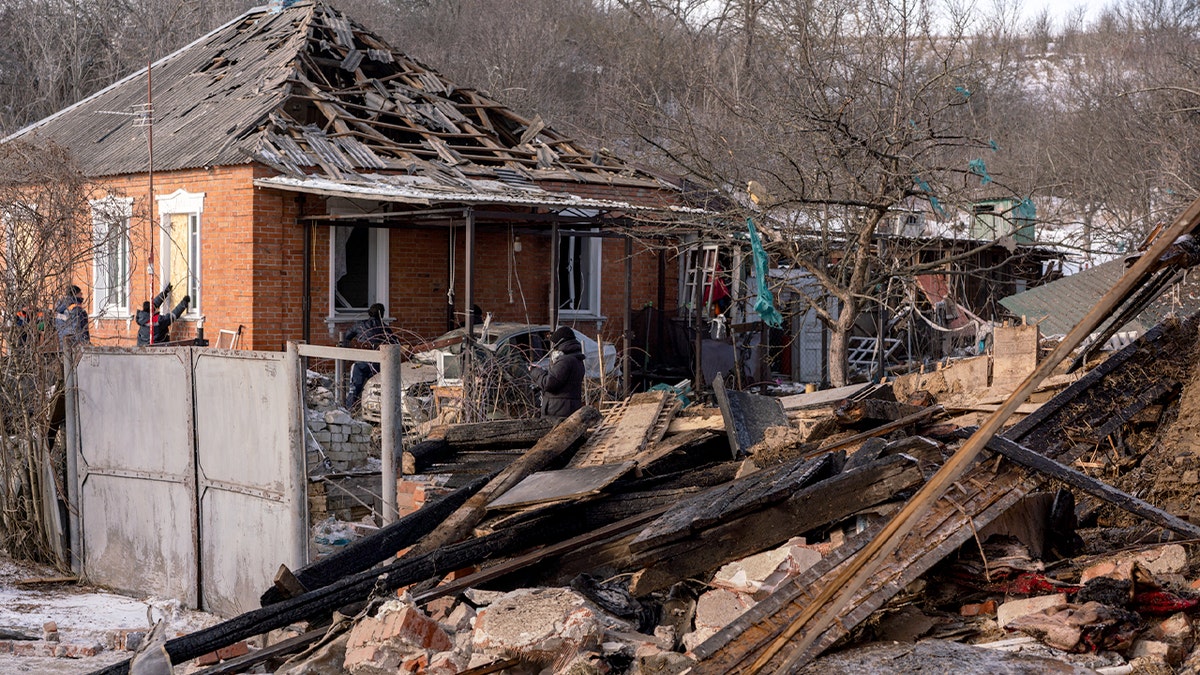
Damaged buildings and debris are seen after a drone attack in the city of Bohodukhiv in the Kharkiv region on Feb. 11, 2026. (Carlo Bravo/Anadolu via Getty Images)
CLICK HERE TO DOWNLOAD THE FOX NEWS APP
«Gas supply restoration is ongoing in the Donetsk region – also following a Russian strike. There were strikes on infrastructure in the Dnipro region, in the Synelnykove district,» he wrote. «Some consumers are currently without electricity in Zaporizhzhia after ‘shahed’ strikes – restoration work is underway.»
Zelenskyy said he directed military and community leaders to develop additional measures to strengthen protection for critical infrastructure.
ukraine,russia,drones
INTERNACIONAL
Un fallo de 49 años marca uno de los castigos más severos en la historia reciente de Panamá

Las recientes decisiones judiciales en Panamá reflejan un endurecimiento punitivo, una mayor presión social contra el crimen violento y una estrategia clara del Ministerio Público de Panamá para buscar sanciones más severas en casos de alto impacto.
La condena más reciente, de 49 años de prisión, marca uno de los castigos más altos impuestos en el país en los últimos años y reabre el debate sobre los límites de la pena máxima, la función disuasiva del sistema penal y la aplicación del concepto de pena líquida.
En este caso, un ciudadano de 25 años fue sentenciado como autor de homicidio doloso agravado y tentativa de homicidio, tras un ataque armado ocurrido en mayo de 2023 en Santa Ana, que dejó un joven muerto y dos menores heridos.
El tribunal impuso una pena líquida de 49 años, es decir, una condena que debe cumplirse íntegramente, sin posibilidad de reducción por beneficios penitenciarios, trabajo, estudio o redenciones anticipadas, salvo las excepciones estrictamente reguladas por ley. En el Código Penal panameño, este tipo de sanción busca asegurar un cumplimiento real y efectivo de la condena.

La legislación nacional establece que la pena máxima en Panamá es de 50 años de prisión, incluso cuando se acumulen varios delitos graves. Esto significa que, aunque una persona sea condenada por múltiples homicidios u otros crímenes graves, el límite legal impide superar ese tope.
En la práctica, una condena de 49 años equivale casi a una cadena perpetua encubierta, especialmente para personas jóvenes, y representa el máximo reproche penal permitido por el sistema jurídico actual.
El hecho que motivó esta condena ocurrió en un entorno urbano concurrido, cuando el sentenciado disparó sin mediar palabras contra las víctimas. La Fiscalía logró probar dolo directo, uso de arma de fuego y la existencia de circunstancias agravantes.
Además de la pena principal, se impuso una inhabilitación para ejercer funciones públicas por 10 años una vez cumplida la condena, reforzando el componente de responsabilidad social y jurídica.

Otra sentencia relevante fue la impuesta a un hombre condenado a 16 años de prisión por robo agravado, tras un asalto violento ocurrido en mayo de 2023. Durante el ataque, la víctima fue golpeada con un arma de fuego, lo que le provocó fracturas en la mandíbula.
La Fiscalía Metropolitana sustentó el caso con pruebas periciales, testimoniales y materiales, logrando demostrar la comisión del delito y la responsabilidad penal del acusado, quien también recibió una pena accesoria de inhabilitación.
En paralelo, la Sección de Homicidio y Femicidio de Herrera obtuvo una victoria procesal en segunda instancia, luego de que el Tribunal Superior de Apelaciones reformara una condena inicial de 21 años por homicidio agravado y la elevara a 30 años de prisión como cómplice primario.
El caso estuvo vinculado a un asesinato ocurrido en una gallera en Pesé, donde el acusado participó activamente en la logística y huida, utilizando un vehículo adquirido previamente en La Chorrera.
El tribunal consideró que la sentencia original no aplicó correctamente los criterios del artículo 79 del Código Penal, que regula la individualización de la pena.
Al reexaminar las circunstancias agravantes y la participación del imputado, concluyó que su conducta fue necesaria y determinante para la ejecución del crimen, lo que justificaba una sanción más severa. Este fallo refuerza la tendencia de los tribunales superiores a corregir decisiones consideradas indulgentes.
También se registró una condena de 10 años de prisión por posesión ilícita de armas de fuego, tras un acuerdo validado ante un juez de garantías. Durante un allanamiento en Pedregal, se incautaron pistolas, un fusil, proveedores y municiones sin permisos legales, todos certificados como funcionales por el Instituto de Medicina Legal y Ciencias Forenses.

Además de la pena principal, se impuso una multa económica, reforzando el enfoque preventivo frente al tráfico y tenencia ilegal de armas.
En conjunto, estas decisiones muestran una política criminal orientada a elevar el costo penal del delito, especialmente en casos de violencia, homicidio y uso de armas.
La imposición de penas cercanas al máximo legal, la aplicación de penas líquidas y la revisión en apelación de sentencias consideradas leves apuntan a fortalecer la confianza ciudadana en la justicia, aunque también plantean interrogantes sobre la capacidad del sistema penitenciario para manejar condenas tan extensas.
Otra de las condenas recientes fue impuesta en la provincia de Colón: un hombre de 26 años recibió 35 años de prisión, luego de que la Sección Especializada en Homicidio y Femicidio de la Fiscalía Regional de Colón y Guna Yala demostrara ante el Tribunal de Juicio su responsabilidad por homicidio doloso agravado y tentativa de homicidio.
Durante el juicio oral, el Ministerio Público sustentó su teoría del caso con la práctica de pruebas y los alegatos de clausura, lo que derivó en un veredicto condenatorio.

El tribunal también ordenó como pena accesoria la prohibición de portar armas de fuego por el mismo periodo de la sanción principal, una vez concluida la pena. El caso se relaciona con un hecho ocurrido la noche del 3 de noviembre de 2022 en Altos de Santa Cruz, corregimiento de Guásimo, distrito de Donoso, cuando el sentenciado atacó con un arma punzocortante a dos hombres, causando la muerte de uno y dejando al otro como víctima de tentativa de homicidio.
En paralelo al endurecimiento de las condenas impuestas por los tribunales, la Asamblea Nacional abrió en octubre del año pasado el debate sobre la posibilidad de incorporar la cadena perpetua al sistema penal panameño.
Con votación unánime, la Comisión de Gobierno, Justicia y Asuntos Constitucionales aprobó el prohijamiento de un proyecto de ley presentado por la diputada Walkiria Coba, que busca modificar el Código Penal para ampliar el rango de las penas y permitir sanciones de por vida en casos de delitos de extrema gravedad.
La iniciativa plantea reformar el artículo 52 para que la pena de prisión pueda extenderse hasta cadena perpetua y crear el artículo 132-C, aplicable a homicidios con ejecución atroz, uso de fuego, asfixia, extracción de órganos vitales o crímenes múltiples.
atentados en honduras 2013,crime,crime, law and justice,policía
INTERNACIONAL
GOP lawmaker shocked after anti-ICE sheriff was stumped by ‘fifth-grade civics’ question
NEWYou can now listen to Fox News articles!
North Carolina Republican state Rep. Allen Chesser said he was taken by surprise when a Democratic sheriff who has long opposed cooperating with U.S. Immigration and Customs Enforcement (ICE) could not answer a basic question about how the government works.
A North Carolina House Oversight Committee hearing spurred on by the recent killing of a young Ukrainian woman, Iryna Zarutska, in Charlotte, took an unexpected turn when Chesser asked Mecklenburg County Sheriff Garry McFadden, «What branch of government do you operate under?»
McFadden, who is the top law enforcement officer in the county where Zarutska was killed, simply answered, «Mecklenburg County,» prompting Chesser to repeat, «What branch of government do you operate under, sheriff?»
The sheriff answered, «The Constitution of the United States,» to which Chesser responded, «That is what establishes the branches of government; I’m asking what branch you fall under.»
After McFadden answered, «Mecklenburg County» again, Chesser remarked, «This is not where I was anticipating getting stuck. Um, are you aware of how many branches of government there are?» The sheriff quickly shot back, «No.»
CHARLOTTE LIGHT-RAIL STABBING MURDER SPURS LANDMARK CRIMINAL JUSTICE REFORM FROM NORTH CAROLINA REPUBLICANS
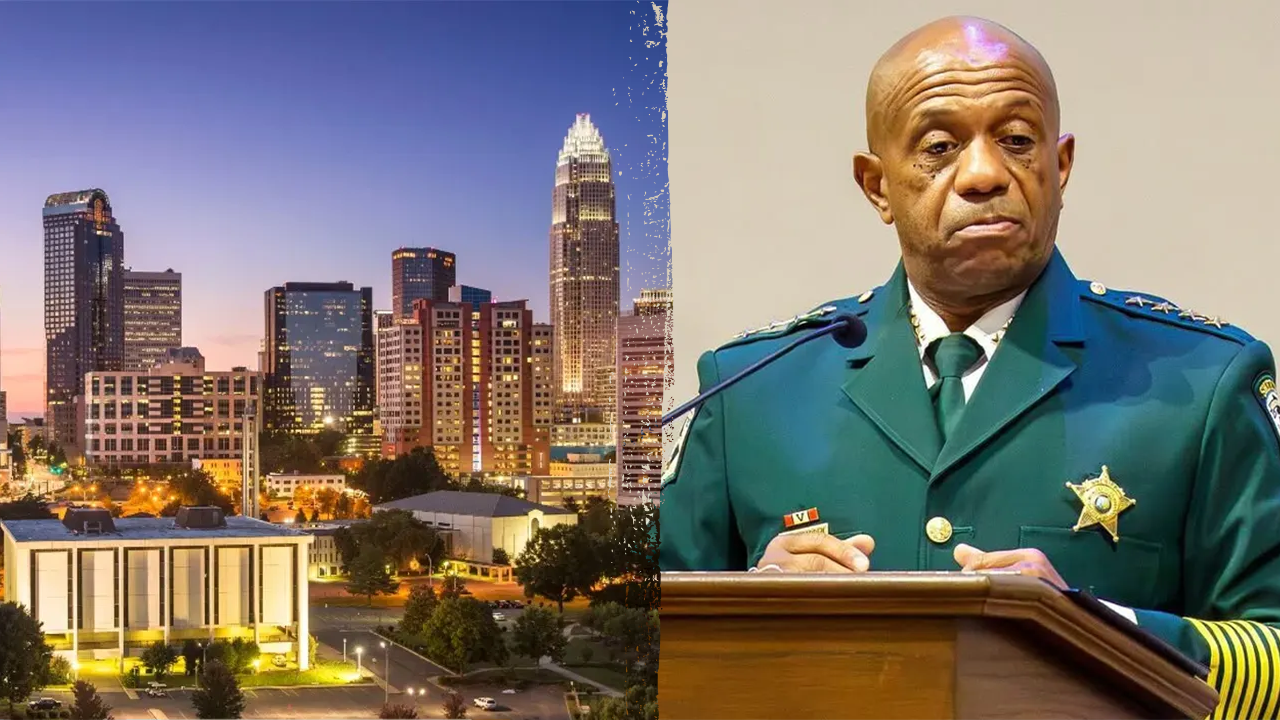
Left: The skyline of the City of Charlotte, North Carolina, which sits in Mecklenburg County. Right: Sheriff Garry McFadden. (Andrea Evangelo-Giamou / EyeEm via Getty Images; The Mecklenburg County Sheriff’s Office/Facebook)
After a long pause, Chesser continued, «For the sake of debate, let’s say there are three branches of government: legislative, executive, judicial. Of those three, which do you fall under?»
The sheriff answered, «I believe I fall under the last one … judicial.»
«You are incorrect, sir. You fall under the executive,» said Chesser.
After that, Chesser continued to press McFadden about how he reconciles his responsibility as an officer under the executive branch to enforce the law with his opposition to cooperation with ICE. Chesser asked McFadden how he reconciled his responsibility with a previous statement in which the sheriff said, «We do not have a role in enforcement whatsoever, we do not have to follow the rules and the laws that are governed by our lawmakers in Raleigh.»
The sheriff said that Chesser was taking his quote out of context, saying it was strictly in reference to immigration enforcement.
Though declining to offer more context on the statement, McFadden affirmed his office is now abiding by state law requiring cooperation with ICE, saying, «We follow the law, when the law is produced, we follow the law.»
HOUSE DEM EXPLODES ON TOP TRUMP IMMIGRATION OFFICIAL, SAYS HE ‘BETTER HOPE’ FOR PARDON FROM PRESIDENT
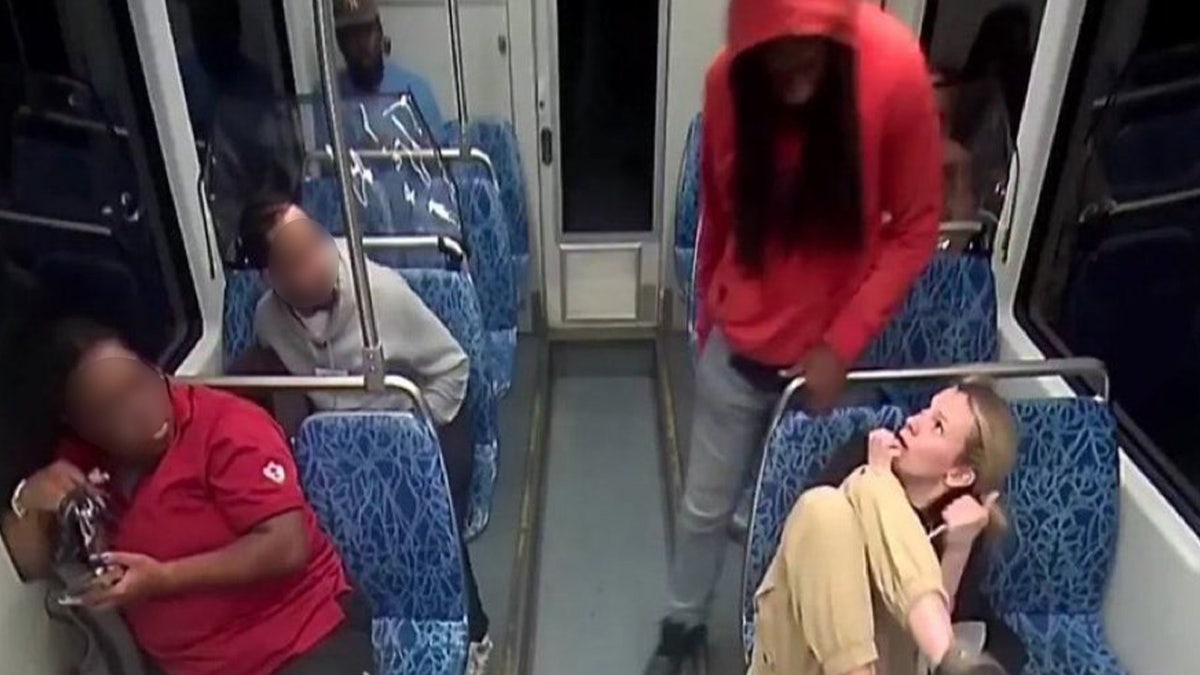
Iryna Zarutska curls up in fear as a man looms over her during a disturbing attack on a Charlotte, N.C., light rail train. (NewsNation via Charlotte Area Transit System)
In an interview with Fox News Digital the day after the hearing, Chesser, who is an Army veteran and former police officer, said that, «Obviously, those weren’t the cache of questions that I was thinking we were going to get him on.»
«I had several statements that he had made to the media and to the local press and in different interviews that kind of conflicted with some of the testimony that he provided yesterday about following the law. We made it to [only] one of those statements because we got held up on what I thought was baseline, just kind of setting a baseline of how we were to establish that his role is to enforce the law,» he explained, adding, «I was not expecting to have to get into a fifth-grade civics lesson with a duly elected sheriff.»
He said that McFadden has «decided to make himself kind of a centerpiece in the refusal to enforce immigration law here in North Carolina,» adding, «It’s not so much the refusal to enforce immigration law, but it’s the refusal to enforce state law that says he must cooperate with ICE and ICE detainers when people are in custody in his facilities.»
WHO IS IRYNA ZARUTSKA, UKRAINIAN REFUGEE KILLED IN CHARLOTTE TRAIN ATTACK?

Ukrainian Iryna Zarutska came to the U.S. to escape war but was stabbed to death in Charlotte. (Evgeniya Rush/GoFundMe)
«Last summer, we had the unfortunate death of a young Ukrainian national that had sought refuge in our country and in our state,» Chesser went on. «I think that all North Carolinians, and all people who find themselves in North Carolina, should be able to count on one thing when it comes to public safety, and that is whether or not you are safe and whether or not the law will be enforced is not dependent on what county you find yourself in.»
CLICK HERE TO DOWNLOAD THE FOX NEWS APP
«North Carolina is a safe state for all the people who choose to come here, and that is the point of the Oversight Committee [hearing] that we were having was, making sure that the law is equally applied and fairly applied across all imaginary lines in our state,» he said.
The Mecklenburg County Sheriff’s Office did not immediately respond to Fox News Digital’s request for comment.
democratic party,immigration,enforcement,north carolina,charlotte raleigh piedmont,police and law enforcement,migrant crime

Durante el receso legislativo, Milei dictó casi tantos DNU como todas las leyes promulgadas a lo largo de 2025

Russian attack on Kharkiv wipes out young family, leaving pregnant mother as sole survivor

Dos empresas del puerto de Bahía Blanca denunciaron bloqueos, intimidaciones y agresiones físicas por parte de sindicalistas

ANSES: cuándo cobro en febrero 2026 si mi DNI termina en 5

Murió la exdiputada y exesposa de Jorge Capitanich, Sandra Mendoza

La nueva oferta que Boca Juniors le hizo a Estudiantes de La Plata por Edwuin Cetré

El sector industrial advierte que la apertura económica exige eliminar las distorsiones internas

Mirtha Legrand se quebró desconsolada al hablar de la renuncia de Jimena Monteverde a su mesaza

Central Córdoba vs. Unión: formaciones, hora y dónde ver por tv

Acuartelamiento policial en Santa Fe: reclamo salarial y temor a un conflicto nacional de seguridad

 POLITICA1 día ago
Acuartelamiento policial en Santa Fe: reclamo salarial y temor a un conflicto nacional de seguridad
- POLITICA1 día ago
La advertencia de ATE a los gobernadores que apoyan la reforma laboral: “Firmarán su sentencia de muerte”
- ECONOMIA1 día ago
Cuánto le cuesta a la clase media llenar el changuito y cómo varían los precios de los alimentos entre provincias