INTERNACIONAL
Alerta en Estados Unidos por el mayor brote de sarampión en 33 años

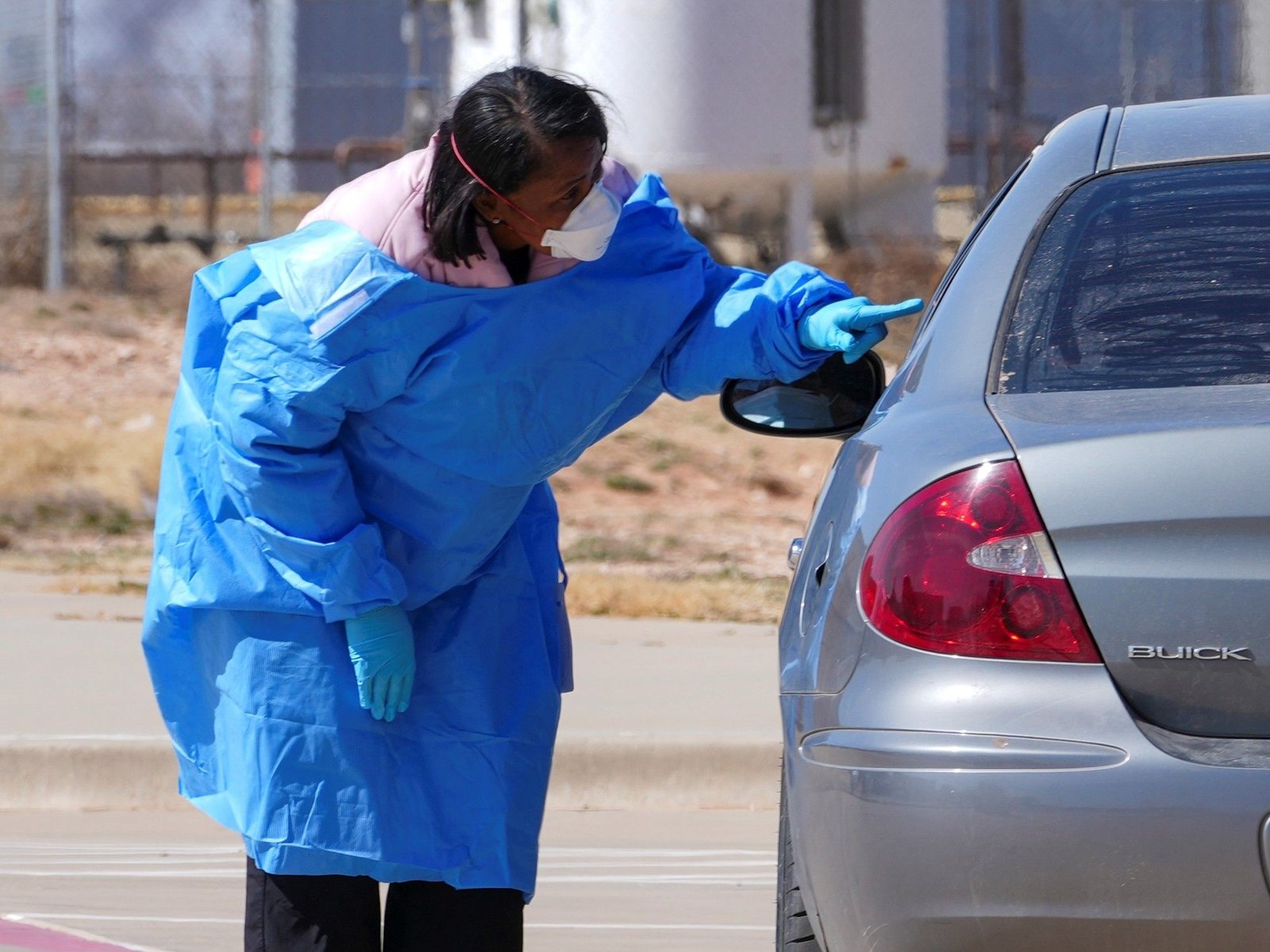
Estados Unidos registra su peor brote de sarampión desde 1992 con 1.288 casos confirmados, según informaron los Centros para el Control y la Prevención de Enfermedades (CDC, por sus siglas en inglés). Los brotes de este año se deben principalmente a un descenso de las tasas de vacunación, sobre todo entre los niños de estados como Texas y Nuevo México, donde la cobertura cayó muy por debajo del umbral del 95% necesario para la inmunidad colectiva.
Texas es el estado más afectado (con 753 casos reportados), debido a un brote entre comunidades menonitas, que suelen solicitan exenciones religiosas a las vacunas obligatorias en las escuelas. Lo siguen los estados vecinos de Nuevo México (95) y Kansas (87).
«Estados Unidos corre el riesgo de perder su estatus de eliminación del sarampión si los casos continúan a este ritmo», dijo William Moss, pediatra de la Escuela de Salud Pública Bloomberg de Johns Hopkins.
El sarampión fue erradicado -es decir, cuando no ha habido propagación continua de la enfermedad durante más de un año- en Estados Unidos en 2000. Pero las cifras actuales ya superaron al brote de 2019 (1.274 casos) y se acercan al nivel de 1992 (2.126), cuando el país empezaba a salir de unos de los peores brotes que sufrió con un récord de 27.808 casos en 1990.
El país superó los 1.000 casos de sarampión en mayo. Aunque la propagación de la infección se ralentizó desde entonces, llegó a los estados colindantes.
«Es cierto que la pendiente de la curva se ha aplanado un poco… pero es difícil predecir qué pautas se seguirán», dijo Moss. Según los CDC el 88% de los casos están relacionados a contagios por brotes (es decir, dos o más casos relacionados), por lo que es difícil saber si la tendencia se mantendrá.
En 2025 se registraron 27 brotes, versus los 16 de 2024 (con solo 285 casos en todo el año).
El 13% de los casos reportados requirieron hospitalización -entre ellos la mayoría son niños menores de cinco años- y tres personas murieron por sarampión desde que comenzó el brote en enero, entre ellas dos niños no vacunados en Texas. La gran mayoría de los casos se produjeron entre personas no vacunadas.
El elevado número de casos actuales puede atribuirse al descenso de las tasas de vacunación infantil. Para el año escolar 2023-2024, las tasas de vacunación de los niños de jardines de infantes cayeron por debajo del 93%, según los CDC. En el año escolar 2019-2020, los CDC informaron que el 95% de los niños hasta cinco años estaban vacunados.
La administración Trump retiró su amplio apoyo a la inmunización para proteger la salud pública. El secretario de Salud, Robert F. Kennedy Jr., relacionó erróneamente el autismo con la vacuna contra el sarampión.
El mes pasado, Kennedy destituyó a todos los miembros del Comité Asesor sobre Prácticas de Inmunización de los CDC y añadió a críticos de las vacunas. El nuevo panel creó un subcomité para revisar los calendarios de vacunación infantil y adulta, que incluyen las vacunas contra el sarampión.
Si continúan las tendencias actuales de vacunación, Estados Unidos podría registrar más de 50 millones de casos de sarampión en los próximos 25 años, según un estudio publicado en la revista Journal of the American Medical Association.
El sarampión se transmite por el aire. Es una enfermedad extremadamente infecciosa y con erupciones potencialmente graves. Suele propagarse en épocas de muchos viajes (como las vacaciones de primavera) o en situaciones en las que personas no vacunadas se encuentran en lugares cerrados (como los campamentos de verano), explican desde los CDC.
Los síntomas de la enfermedad empiezan a aparecer entre siete y 14 días después de la infección y es especialmente peligrosa para bebés y niños chicos. Entre los principales síntomas se encuentran: fiebre alta, tos, goteo nasal, ojos rojos y llorosos. Dos o tres días después del inicio de los síntomas pueden aparecer pequeñas manchas blancas (manchas de Koplik) en el interior de la boca.
La erupción del sarampión aparece de tres a cinco días después de los primeros síntomas. Suele comenzar como manchas rojas planas que aparecen en la cara a la altura del nacimiento del pelo. Luego se extienden hacia abajo, al cuello, tronco, brazos, piernas y pies. También pueden aparecer pequeñas protuberancias en la parte superior de las manchas rojas planas. Cuando aparece la erupción, la fiebre puede subir a más de 40 °C.
Dos dosis de la vacuna triple viral tienen una eficacia del 97% en la prevención del sarampión, mientras que una dosis tiene una eficacia del 93%. Es poco frecuente que una persona totalmente vacunada desarrolle sarampión.
Estados Unidos,sarampión,Vacunación,Últimas Noticias










INTERNACIONAL
Supreme Court kills Trump’s ‘Liberation Day’ tariffs — but 4 other laws could resurrect them
NEWYou can now listen to Fox News articles!
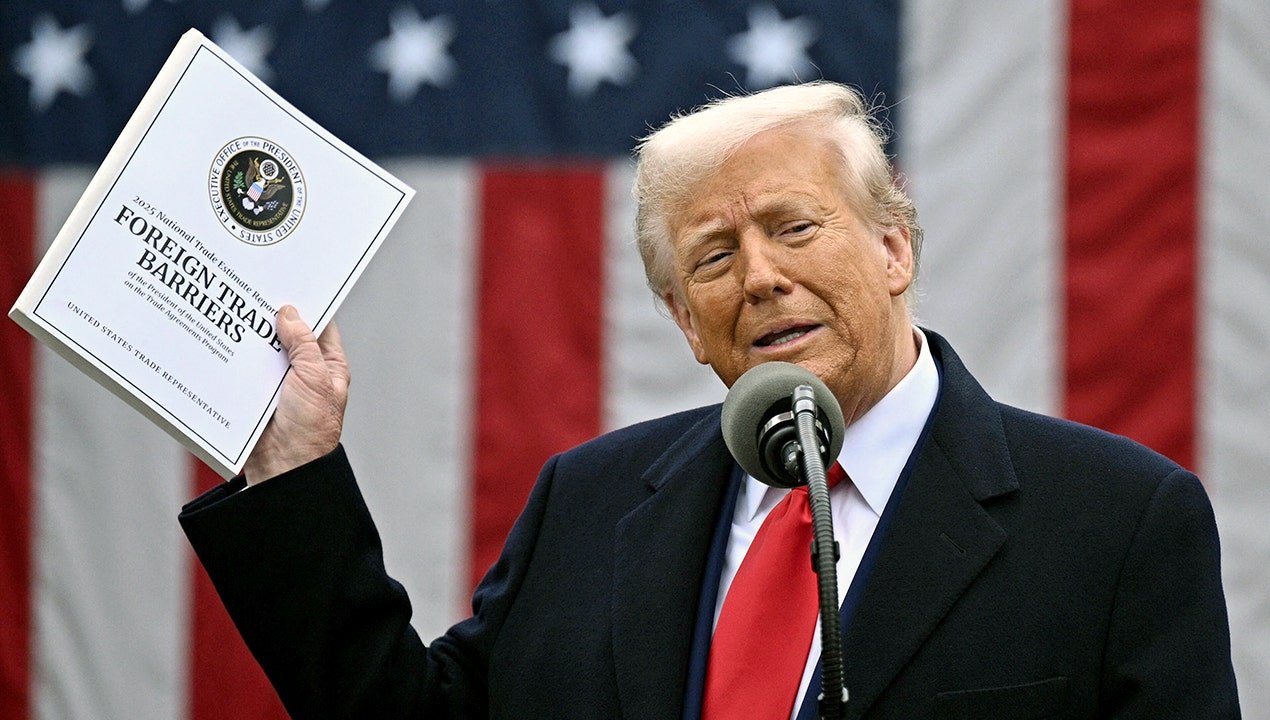
The Supreme Court rebuked President Trump’s use of the International Emergency Economic Powers Act to impose sweeping «Liberation Day» tariffs, ruling that the Constitution gives Congress — not the president — authority over tariffs.
But the decision may not be the final word. From the Trade Expansion Act to the Trade Act of 1974 and even Depression-era statutes, multiple legal avenues remain that could allow Trump to reassert aggressive trade powers.
In a 6-3 decision led by George W. Bush-appointed Chief Justice John Roberts, the court ruled that the «framers gave [tariff] power to Congress alone, notwithstanding the obvious foreign affairs implications of tariffs.»
George H.W. Bush-appointed Justice Clarence Thomas, Trump-appointed Justice Brett Kavanaugh and George W. Bush-appointed Justice Samuel Alito dissented.
SUPREME COURT PREPARES TO CONFRONT MONUMENTAL CASE OVER TRUMP EXECUTIVE POWER AND TARIFF AUTHORITY
A protester holds a sign as the U.S. Supreme Court hears arguments on President Trump’s tariffs on Wednesday, November 5, 2025. (Bill Clark/CQ-Roll Call, Inc via Getty Images)
On «Liberation Day» in 2025, Trump cited the International Emergency Economic Powers Act (IEEPA), drafted by former Rep. Jonathan Brewster-Bingham, D-N.Y., to declare an emergency situation in which foreign countries were «ripping off» the U.S.
With that avenue now closed by Roberts, Trump could try to use the same national security rationale to invoke the Trade Expansion Act of 1962, which in part allows the Commerce Department to impose tariffs on «article[s]… imported… in such quantities or under such circumstances as to threaten or impair the national security.»
Unlike the IEEPA, the JFK-era law has been tested in the courts, and Commerce Secretary Howard Lutnick has since built on his predecessor Wilbur Ross’ 2018 steel and aluminum tariffs imposed under the act, adding 407 more imports to the tariff list on the grounds that they are «derivative» of the two approved metals.
TRUMP’S OWN SCOTUS PICKS COULD WIND UP HURTING HIM ON TARIFFS

President Donald Trump shows off non-reciprocal tariff examples. (Mandel Ngan/Getty Images)
During his 2025 confirmation hearing, Lutnick voiced support for a «country by country, macro» approach to tariffs and agreed with the president that the U.S. is «treated horribly by the global trading environment.»
While tariffs imposed under Section 232 of the Trade Expansion Act are not immediate and require the Commerce Department to conduct a formal investigation, the law provides a court-tested avenue for the president.
In the wake of Friday’s ruling, Sen. Rand Paul, R-Ky., and others celebrated the court’s affirmation that Trump cannot use «emergency powers to enact taxes,» but Congress has previously approved another avenue to impose tariffs.
Then-Rep. Albert Ullman, D-Ore., crafted a bill signed by President Gerald Ford that expressly gave presidents broader authority to impose tariffs: the Trade Act of 1974.
A federal appeals court in September ruled against thousands of companies that challenged tariffs on China imposed under Section 301 of the Trade Act.
6 HOUSE REPUBLICANS DEFY TRUMP ON KEY AGENDA ITEM IN DEM-PUSHED VOTE
In this case, U.S. Trade Representative Jamieson Greer, a Trump appointee, could seek retaliatory tariffs against countries with unfair trade barriers, according to Global Policy Watch.
An investigation, including negotiations with the targeted countries, would then ensue, and Greer could ultimately be cleared to impose trade restrictions if the probe finds that the U.S. is being denied trade agreement benefits or that such a deal is unjustifiable.
However, in most cases, imposed tariffs sunset after four years, according to reports.
In Trump’s favor, it could be argued that the same reasoning Roberts used to strike down the IEEPA authority could backfire on tariff opponents because the 1974 law explicitly gives the executive branch trade-restriction authority.
Another section of the Ford-signed law could also be used to unilaterally impose tariffs.
Section 122, the «Balance of Payments» portion of the law, allows Trump to temporarily enforce tariffs or import quotas in certain situations.
A president may impose tariff duties of up to 15% for 150 days against all or certain countries if they are found to be «maintain[ing] unjustifiable or unreasonable restrictions on U.S. commerce,» according to the Retail Industry Leaders Association.
«This authority is intended to give the executive branch flexibility to respond quickly to trade practices that may harm U.S. economic interests or to correct significant balance-of-payments deficits,» the trade group said in a June report.
However, reports show Section 122 has not been tested in court as extensively, which could lead to lawsuits and legal uncertainty.
SUPREME COURT RULES ON TRUMP TARIFFS IN MAJOR TEST OF EXECUTIVE BRANCH POWERS
Another potential policy option for Trump is one that drew sharp criticism when President Herbert Hoover signed it against the advice of economists early in the Great Depression.
The Smoot-Hawley Tariff Act of 1930, named for Republican Sen. Reed Smoot of Utah and Rep. Willis Hawley of Oregon, imposed tariffs on tens of thousands of imports in hopes of protecting American producers facing dire economic conditions.
Hawley’s great-granddaughter, Carey Cezar of Baltimore, told NBC News in 2025 that she voted for Kamala Harris and opposed Trump’s tariffs after her ancestor’s name resurfaced in public discourse.
Other critics of Smoot-Hawley say it is a key reason the Depression was so dire and expansive.
However, the law still provides a mechanism for the Commerce Department to determine when a good is being «dumped» on U.S. consumers or whether a foreign country is unfairly subsidizing an export to the U.S., and to respond with tariffs.
Additionally, while Trump has imposed tariffs largely on a country-by-country basis, Smoot-Hawley requires that levies be applied on a product-by-product basis.
BESSENT WARNS OF ‘GIGANTIC LOSS’ IF SUPREME COURT STRIPS TRUMP’S EMERGENCY TARIFF POWERS
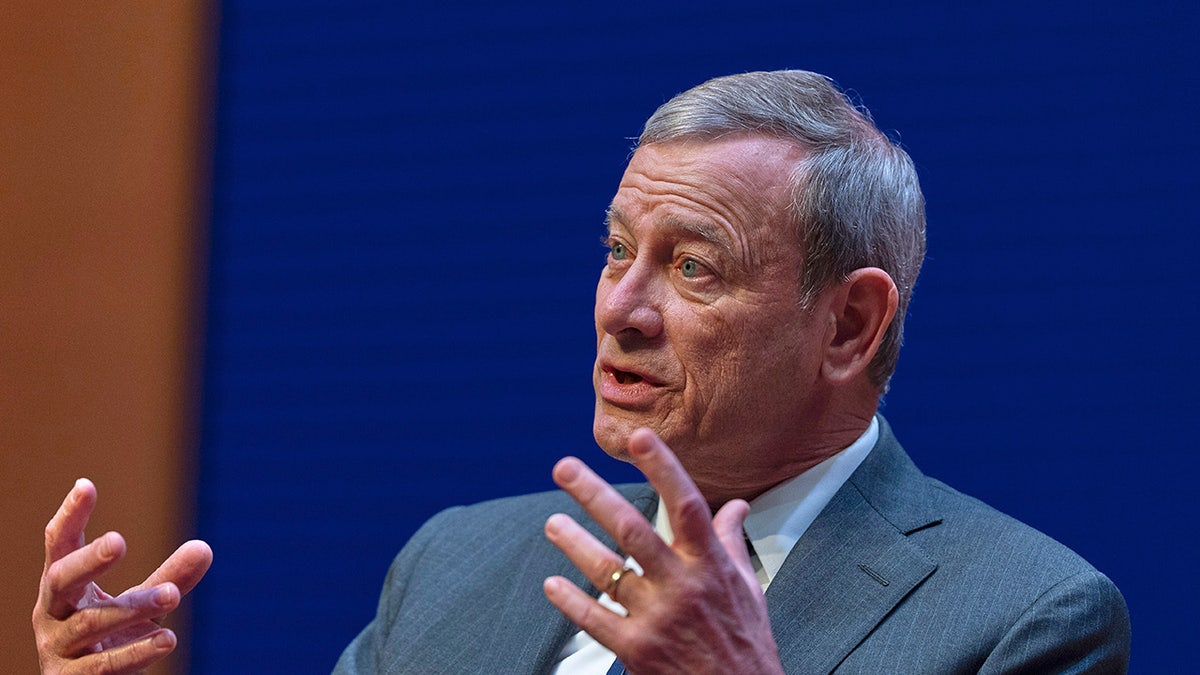
Chief Justice of the U.S. Supreme Court John Roberts speaks during a lecture to the Georgetown Law School graduating class of 2025, in Washington, May 12, 2025. (AP Photo/Manuel Balce Ceneta, File)
A fifth avenue that is largely unreachable by Trump is the Fordney-McCumber Tariff Act of 1922.
Sen. Porter McCumber, R-N.D., and Rep. Joseph Fordney, R-Mich., passed a bill allowing Republican President Warren Harding to impose much higher tariffs than were standard at the time, in hopes of protecting U.S. farmers from a sharp decline in revenue following World War I.
In one of the first contemporary rebukes of protectionism, Fordney-McCumber was criticized for permitting tariffs as high as 50% on countries, including allies, which opponents said had the unintended consequence of hurting America’s ability to service its war debts.
Fordney-McCumber was eventually superseded by Smoot-Hawley, and any remaining provisions are considered obsolete following the Reciprocal Trade Agreements Act, signed by President Franklin Roosevelt to undo some of Congress’ trade restrictions.
CLICK HERE TO DOWNLOAD THE FOX NEWS APP
The RTAA shifted tariff authority from Congress to the president, granting authority for bilateral negotiations aimed at lowering tariffs at the time.
That dynamic, often called «reciprocity,» is being used in the Trump era not to lower tariffs but to raise them.
donald trump,protectionism,supreme court,law,trade
INTERNACIONAL
Más preocupación por Nahuel Gallo en Venezuela: denuncian una trampa en la Ley de Amnistía con las fechas y hay malestar entre los familiares

Organismos de derechos humanos y familiares de presos políticos denuncian que la Ley de Amnistía aprobada por la dictadura de Venezuela tiene un recorte arbitrario con las fechas, dentro del período de 28 años que abarca. Sostiene que deja excluidos a 400 detenidos, entre los que figura el gendarme argentino Nahuel Gallo.
Este jueves, la Asamblea Nacional controlada por el chavismo aprobó la Ley de Amnistía, 20 días después de que la anunciara la presidenta encargada Delcy Rodríguez
Si bien Delcy Rodríguez, quien juró en el cargo dos días después de la captura del dictador Nicolás Maduro, había anticipado que la amnistía abarcaría desde 1999 hasta 2026, el texto especifica solo 12 dentro de esos 27 años, por lo que deja por fuera a cientos de detenidos.
Los organismos de derechos humanos remarcan que en la letra chica de la ley, por cómo fueron elegidos los meses, hay 15 años entero de los 28 que quedaron afuera. «Es una selección indebida y bastante arbitraria de momentos y de meses en específico», cuestionó Gonzalo Himiob, vice de Foro Penal, una de las organizaciones civiles más prestigiosas del país y que monitorea la situación de los presos en Venezuela.
En la conferencia de prensa de la ONG en Caracas, donde también estaban familiares de los detenidos, Alfredo Romero, presidente del Foro Penal, aseguró que Nahuel Gallo «en ningún lado de la amnistía está incluido» y destacó la presencial de la suegra del gendarme en la conferencia.
«La amnistía es un instrumento muy pequeño, con muchas restricciones, pero es un logro», destacó Romero, quien igualmente enfatizó que no se podrá alcanzar la reconciliación y la reunificación del país, «sin que como condición previa se liberen todos los presos políticos».
Gallo fue detenido el 8 de diciembre de 2024, y el artículo 6 de la ley determina para ese año la amnistía sólo para «los hechos de violencia por motivos políticos acaecidos en el marco de las elecciones presidenciales de julio de 2024».
Según cifras de la ONG, en Venezuela «hay más de 11.000 personas con medidas restrictivas a su libertad que estuvieron encarceladas» y son numerosos los mayores de 70 años presos, pese a que la legislación contempla medidas sustitutivas de libertad basadas en el principio humanitario.
Los grupos humanitarios también pidieron en una rueda de prensa que se desmantele “el sistema represivo” que dio pie a las encarcelaciones. Y, por otro lado, advirtieron también que el futuro de muchos de los potenciales beneficiarios de la amnistía esta «todavía amenazado por la persecución política» como consecuencia que la ley está sujeta a «una excesiva discrecionalidad».
Consideraron además un despropósito que sean “los mismos jueces y fiscales que han acusado a personas injustamente, arbitrariamente”, los encargados de “interpretar la ley para otorgar beneficios”, en lugar de designar “jueces ad hoc” para ese fin.
«Hasta que esto no cambie, vamos a tener todavía la amenaza en un futuro de que incluso aquellos que van a ser amnistiados puedan ser nuevamente encarcelados», insistió Romero.
En tanto, la ONG Justicia, Encuentro y Perdón (JEP) expresó en un comunicado que todas sus “preocupaciones y advertencias respecto al proyecto de ley de amnistía se confirman ante un texto que, tal como señalamos oportunamente, resulta revictimizante, excluyente y, en lo absoluto, garantiza la liberación plena de todos los presos políticos».
«Hemos sostenido y reiteramos que la liberación de todas las personas detenidas por razones políticas depende de una genuina y verdadera voluntad política, que debe verificarse en la aplicación efectiva de la Constitución y las leyes nacionales, sin interpretaciones restrictivas ni decisiones discrecionales», enfatizó JEP.
El gobierno de Rodríguez anunció el 8 de enero que liberaría a un número significativo de prisioneros. Voceros del gobierno han dicho que han sido liberados casi 900 reclusos desde diciembre, aunque el Foro Penal hasta el miércoles registraba la liberación de 448 personas por motivos políticos.
Con información de la Agencia AP
NEWYou can now listen to Fox News articles!
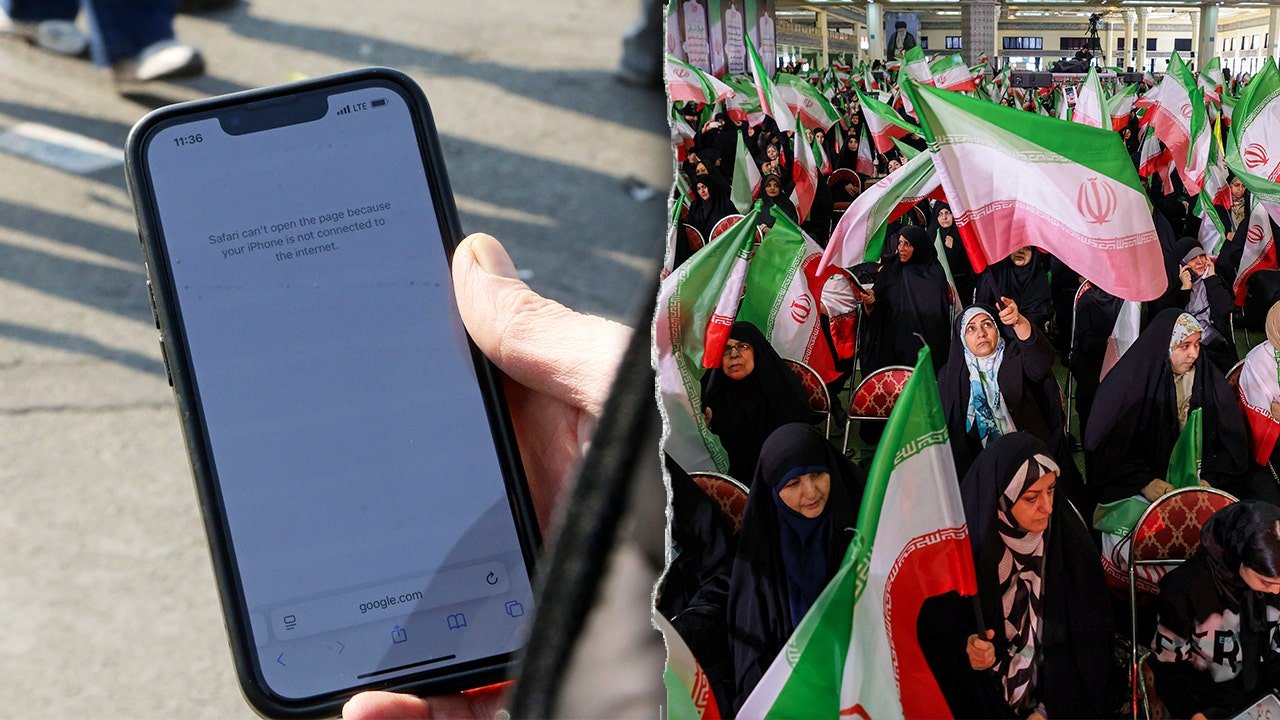
FIRST ON FOX: The State Department has finalized a new privacy-preserving app intended to give users worldwide access to what officials describe as the same uncensored internet available to Americans, even in countries with strict online repression such as China and Iran and as Europe enacts tighter content oversight.
The platform, Freedom.gov, will roll out «in the coming weeks,» Fox News Digital has learned.
It will operate as a one-click desktop and mobile application compatible with iOS and Android devices.
MARCO RUBIO VOICES CONCERN THAT AMERICANS MAY SOMEDAY BE ARRESTED FOR SOCIAL MEDIA POSTS WHEN VISITING EUROPE
The app is open-source and includes built-in anonymity protections.
The initiative comes as governments worldwide tighten control over digital speech, from China’s «Great Firewall» to sweeping internet shutdowns in Iran and new regulatory regimes in Europe. U.S. officials say Freedom.gov is designed to offer a technological counterweight — exporting what they describe as America’s open internet model to users living under censorship.
«In the interest of total transparency, we made Freedom.gov completely open-source. But we also made it completely anonymous,» a State Department official said. «Anyone can see how it works. No one, including us, can track or identify you.»
The State Department, led by Sec. Marco Rubio, has finalized a new privacy-preserving app intended to give users worldwide access to what officials describe as the same uncensored internet available to Americans. ( Alex Brandon / POOL / AFP via Getty Images)
According to the official, the application does not log IP addresses, session data, browsing activity, DNS queries or device identifiers that could be used to personally identify users.
Specific details about the app’s underlying technical structure were not disclosed.
Governments with sophisticated censorship systems historically have moved quickly to block or criminalize circumvention tools. Authorities can restrict app downloads, block domains, throttle traffic or impose penalties on users.
Whether Freedom.gov maintains accessibility in heavily restricted environments may depend on its technical architecture and its ability to adapt to countermeasures.
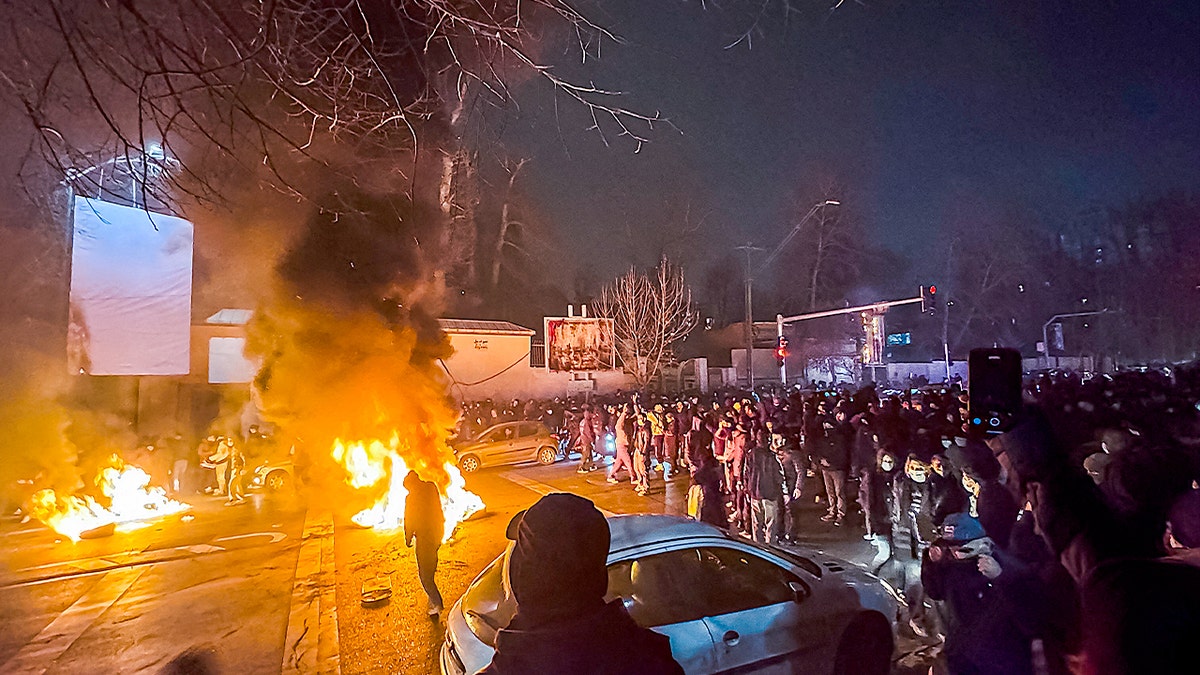
Iran protests death toll rises as Rubina Aminian joins hundreds allegedly killed by government forces. (MAHSA / Middle East Images / AFP via Getty Images))

The rollout comes amid intensifying global battles over internet governance, as governments across Europe and beyond move to assert greater control over online content. (Dominika Zarzycka/SOPA Images/LightRocket)
The initiative is being led by Under Secretary for Public Diplomacy Sarah Rogers, who oversees the State Department’s Digital Freedom office.
«Freedom.gov is the latest in a long line of efforts by the State Department to protect and promote fundamental freedoms, both online and offline,» Rogers said. «The project will be global in its scope, but distinctly American in its mission: commemorating our commitment to free expression as we approach our 250th birthday.»
Reuters previously reported that the State Department was developing the Freedom.gov platform.
The rollout comes amid intensifying global battles over internet governance, as governments across Europe and beyond move to assert greater control over online content.
GOOGLE’S DECISION TO WALK BACK BIDEN-ERA YOUTUBE ACCOUNT BANS HAILED AS ‘HUGE DEVELOPMENT’ FOR FREE SPEECH
In Europe, regulators have tightened oversight under new laws aimed at policing digital platforms. The European Union’s Digital Services Act expands government authority over major platforms and requires removal of illegal content, including hate speech and extremist material, with regulators empowered to impose steep fines for violations.
In the United Kingdom, the Online Safety Act imposes new obligations on platforms to address harmful and illegal content and includes age-verification requirements for certain services. Critics warn the measures risk incentivizing aggressive content removal and expanding government influence over lawful speech online.
Elsewhere, restrictions have been more direct. Russia recently moved to ban WhatsApp, further consolidating state control over digital communications.
China maintains the world’s most sophisticated online censorship system, widely known as the «Great Firewall,» blocking foreign news outlets and social media platforms while promoting a state-controlled digital ecosystem.
Iran repeatedly has imposed sweeping internet shutdowns during periods of unrest. During protests, government blackouts have cut citizens off from global communications.
CLICK HERE TO DOWNLOAD THE FOX NEWS APP
The Wall Street Journal previously reported that thousands of Starlink satellite internet terminals were covertly brought into the country following a blackout, in an effort backed by the United States to help dissidents bypass censorship.
Iranian authorities have attempted to jam satellite signals and criminalized possession of such equipment. Satellite connectivity — which does not rely on domestic telecommunications infrastructure — has emerged as one of the few viable lifelines during shutdowns.
state department,china,iran,russia

El Gobierno busca aplacar las internas por la reforma laboral con la sanción de la ley en el Senado

Supreme Court kills Trump’s ‘Liberation Day’ tariffs — but 4 other laws could resurrect them

Leonardo García, CEO de Coca Cola Argentina: “Siempre buscamos aumentar el liderazgo y el camino del crecimiento está en marcha”

La Bombonera habló: del gesto de Riquelme a las reprobaciones generalizadas del hincha de Boca con foco en Cavani

Morat y su secreto para prevalecer en el tiempo: “Hicimos terapia grupal”

Mientras avanza la reforma laboral y en medio del conflicto de Fate, Milei envió un mensaje a los industriales

Reforma laboral bomba: menos indemnización, más horas y despidos más fáciles — el cambio que puede sacudir el empleo en Argentina

Ayuda Escolar Anual: a cuánto asciende, donde se tramita y quien puede cobrarla

Escándalo en MasterChef: una famosa abandonó a los gritos y acusando que está todo arreglado

Del himno peronista de Kelly Olmos al exabrupto de Agustina Propato: las perlitas del debate por la reforma laboral

 ECONOMIA3 días ago
Ayuda Escolar Anual: a cuánto asciende, donde se tramita y quien puede cobrarla
- CHIMENTOS1 día ago
Escándalo en MasterChef: una famosa abandonó a los gritos y acusando que está todo arreglado
- POLITICA1 día ago
Del himno peronista de Kelly Olmos al exabrupto de Agustina Propato: las perlitas del debate por la reforma laboral