INTERNACIONAL
Las potencias europeas advirtieron a Irán con nuevas sanciones antes de retomar las conversaciones nucleares

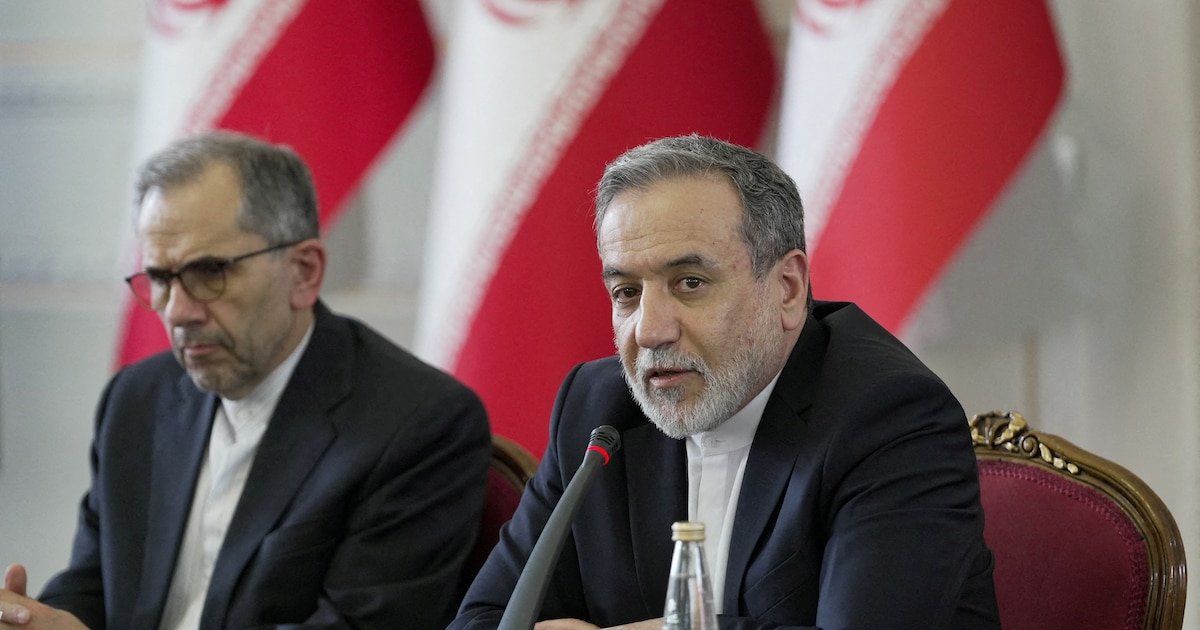
El ministro de Relaciones Exteriores de Irán, Abbas Araqchi, y sus homólogos de Francia, Alemania y el Reino Unido acordaron retomar conversaciones la próxima semana sobre el programa nuclear iraní, en el contexto de una posible reimposición de sanciones de la Organización de las Naciones Unidas (ONU) a Teherán y ante la amenaza de los países europeos de activar el mecanismo “snapback” si el régimen persa no acepta reanudar las negociaciones.
En una llamada telefónica sostenida el viernes, Araqchi y los ministros europeos establecieron que los viceministros de Relaciones Exteriores continuarán con las conversaciones el martes.
Durante la llamada, el representante iraní “enfatizó la incompetencia legal y moral de estos países para recurrir al mecanismo snapback, y advirtió sobre las consecuencias de tal acción”, según reportó la prensa de Teherán.
Los tres países europeos integrantes del acuerdo nuclear de 2015 advirtieron a Irán que podrían activar el mecanismo “snapback”, estipulado en el pacto, que permite el restablecimiento automático de las sanciones si cualquiera de las partes considera que Irán incumple sus compromisos. La advertencia, formalizada en una carta enviada el 8 de agosto, fija el plazo para encontrar una “solución satisfactoria” al 31 de agosto, lo que otorga a Teherán solo nueve días para negociar antes de una posible reimposición de sanciones.
El ministro de Relaciones Exteriores de Alemania, Johann Wadephul, advirtió que “el tiempo es muy corto” y que Teherán debe comprometerse con un acuerdo verificable y duradero para evitar el snapback. Wadephul reiteró que los europeos no dejarán que expire el mecanismo sin garantías concretas sobre el programa nuclear iraní. Por su parte, el ministro francés Jean-Noël Barrot confirmó la conversación en la red social X: “Acabamos de hacer una llamada importante a nuestro homólogo iraní sobre el programa nuclear y las sanciones que estamos preparando para volver a aplicar”.

La preocupación internacional sobre el programa nuclear iraní se ha incrementado desde que, tras el bombardeo de Israel y EEUU a las instalaciones nucleares de Irán durante la guerra de 12 días en junio, Teherán suspendió la cooperación con el Organismo Internacional de Energía Atómica (OIEA). Este rompimiento dificulta la supervisión del nivel de enriquecimiento de uranio, que, según informes internacionales citados en los comunicados, ya alcanzó el 60% de pureza, cerca del nivel requerido para uso armamentístico.
Irán ha sostenido que su programa nuclear busca únicamente fines civiles, mientras que Estados Unidos, el OIEA y otros países consideran que la República Islámica mantuvo un programa de armas nucleares hasta 2003. Actualmente, el OIEA no puede inspeccionar las instalaciones nucleares iraníes, lo que complica la elaboración de sus informes trimestrales. Además, el director general del OIEA, Rafael Mariano Grossi, enfrenta amenazas de arresto si viaja a Irán, y la Junta de Gobernadores del organismo ya dictaminó el incumplimiento de Teherán en la cooperación nuclear.
En paralelo a las negociaciones políticas, representantes de Irán y el OIEA se reunirán en Viena para explorar vías de diálogo dentro del marco legal impuesto por el Parlamento iraní, que limita la colaboración con el organismo. Medios estatales iraníes informaron que esta reunión dará continuidad a las discusiones mantenidas en agosto en Teherán.
El mecanismo “snapback” expira en octubre, lo que aumenta la presión de los firmantes europeos para activarlo antes de esa fecha y evitar así un eventual veto de Rusia y China, miembros permanentes del Consejo de Seguridad de la ONU y aliados de Irán, que hasta ahora se han mantenido al margen tras el conflicto de junio.
Araqchi ha tratado de restar importancia a la amenaza del “snapback” de sanciones, subrayando la disposición de Irán a discutir la situación con otros socios, posiblemente China y Rusia. No obstante, la incertidumbre internacional continúa, mientras la comunidad global permanece a la espera de los resultados de las conversaciones previstas para la próxima semana.
(Con información de AP y Reuters)
Middle East,TEHRAN











INTERNACIONAL
DOJ solicits examples of ‘judicial activism’ from prosecutors as it weighs impeachment referrals
NEWYou can now listen to Fox News articles!
A Department of Justice official raised the possibility of referring federal judges to Congress for impeachment in what would be a dramatic escalation of the administration’s fight with judges it views as activist and obstructionist.
The idea was floated by a senior DOJ official during a recent virtual meeting with U.S. attorneys across the country, a source familiar told Fox News Digital. It marked a new possible avenue for the executive branch to confront the judiciary — by turning to Congress, which has sole authority over impeachment, to take the rare step of voting to oust federal judges.
The meeting, led by Associate Deputy Attorney General Aakash Singh, was routine, but impeachment had not been raised in one before, the source said. Singh broached it after the DOJ received numerous complaints from the U.S. attorneys’ offices about judges, the source said. Bloomberg Law first reported on the meeting.
HOUSE REPUBLICANS REVIVE PUSH TO IMPEACH ‘ACTIVIST’ JUDGES AFTER JOHNSON’S GREEN LIGHT
Department of Justice seal on a podium (Cheriss May/NurPhoto via Getty Images)
Singh asked the U.S. attorneys to compile examples of issues they have had with judges, which the DOJ could then use to determine if referring judges for impeachment was appropriate.
A DOJ spokesperson confirmed the move in a statement to Fox News Digital, saying the Trump administration is «facing unprecedented judicial activism from rogue judges who care more about making a name for themselves than acting as impartial arbiters of the law.»
«The Department of Justice solicited the most egregious examples of this obstruction from our U.S. Attorney Offices to assist Congress with efforts to rein in judges violating their oaths in accordance with their constitutional oversight authority of the judicial branch,» the spokesperson said.
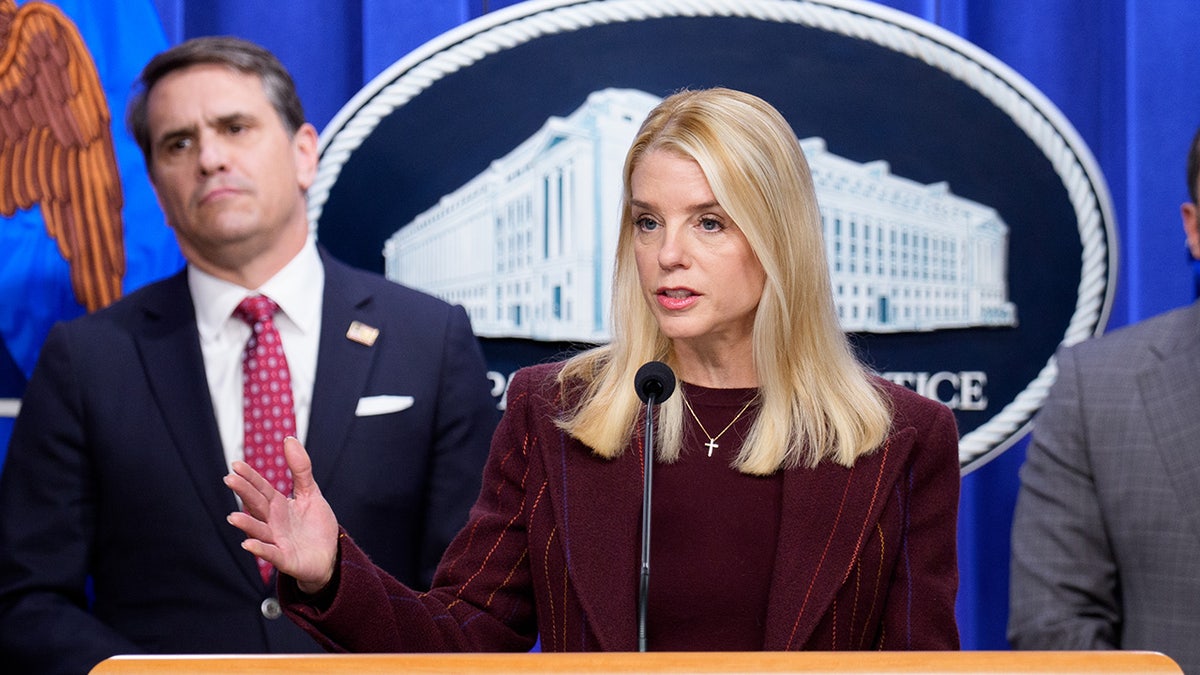
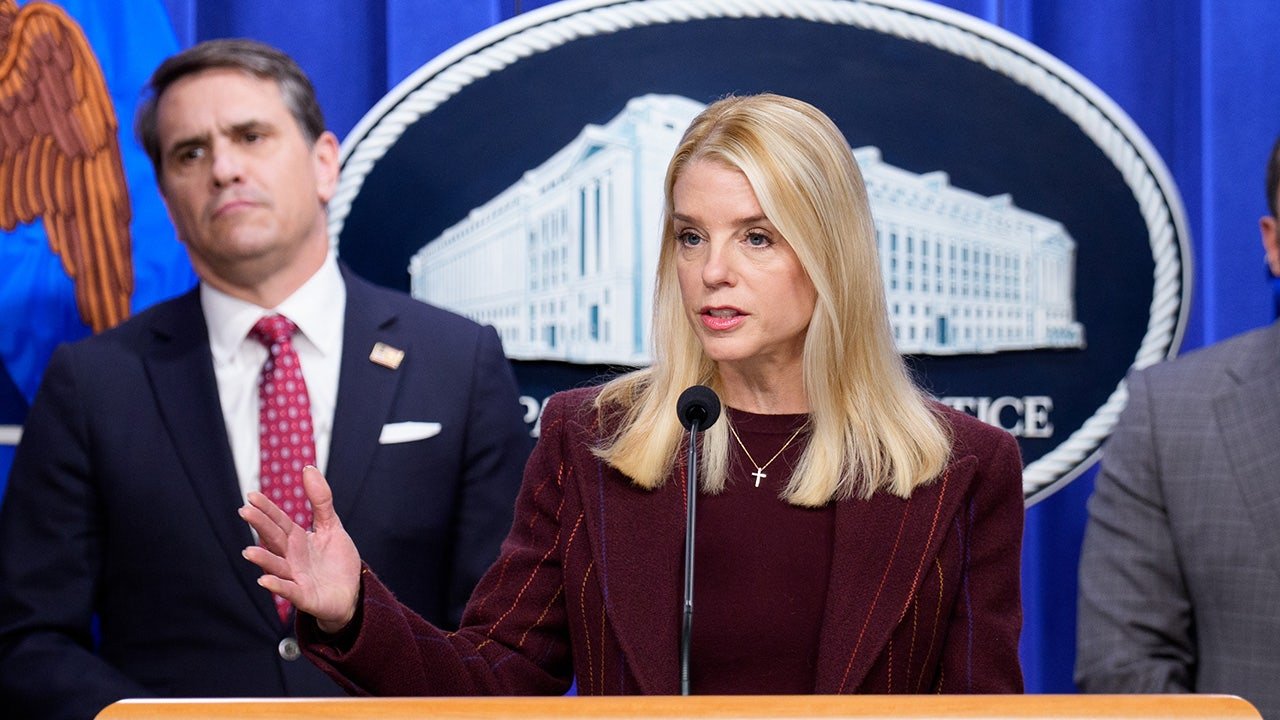
Attorney General Pam Bondi, accompanied by Deputy Attorney General Todd Blanche, speaks during a news conference announcing an indictment at the DOJ on Nov. 19, 2025, in Washington, D.C. (Andrew Harnik/Getty Images)
Any referral would be sent to the House, which must then vote on impeachment. Doing so would be extraordinarily rare as the House has only ever impeached 15 judges, typically for crimes like corruption and bribery.
This year, Congress has weighed impeaching at least two federal judges, James Boasberg and Deborah Boardman.
Boasberg, an Obama appointee, has made a handful of adverse rulings against the Trump administration in high-profile immigration cases, while Boardman deviated heavily downward in her eight-year sentence for Justice Brett Kavanaugh’s attempted assassin. Numerous Republicans have called for their impeachment, but the House has not moved to initiate the proceedings.
APPEALS COURT DISMISSES DOJ MISCONDUCT COMPLAINT AGAINST FEDERAL JUDGE
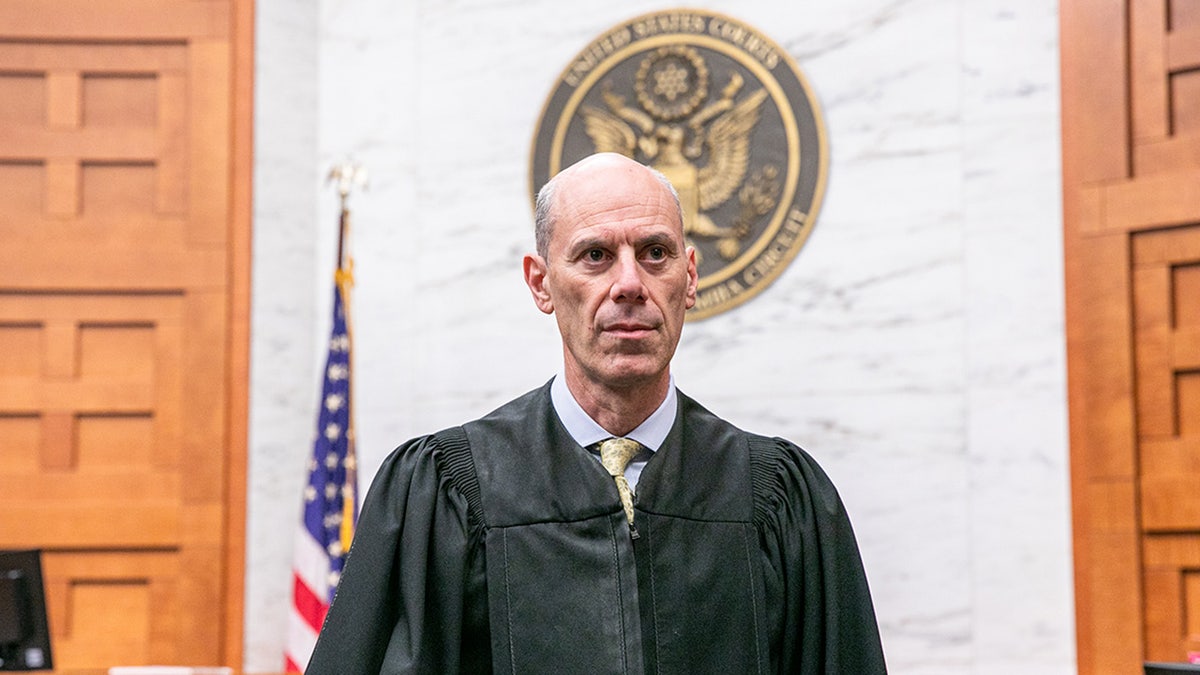
James Boasberg, incoming chief judge of the US District Court, in Washington, DC, US, on Monday, March 13, 2023. (Valerie Plesch/Bloomberg via Getty Images)
As a recourse against adverse rulings, the DOJ has publicly decried judges’ decisions or appealed them, the latter of which requires layers of internal approvals.
Calling on the House, narrowly led by Republicans, to impeach judges would be a new approach. Two-thirds of the Senate would then need to vote to convict the judges, which would strip them of their lifetime appointments.
The DOJ has been managing hundreds of lawsuits, a large fraction of which deal with the administration’s aggressive crackdown on immigration and controversial deportation tactics. Adverse rulings and reprimands from lower court judges have been frequent.
Prosecutors, for instance, charged Juan Espinoza Martinez with engaging in a murder-for-hire plot against U.S. Border Patrol official Greg Bovino. However, Espinoza Martinez was acquitted in January after a Clinton-appointed federal judge in Chicago rejected the DOJ’s requests to inform the jury that Martinez allegedly belonged to the Latin Kings gang, contending that the department did not have enough evidence to raise that claim in court.
CLICK HERE TO GET THE FOX NEWS APP
The DOJ spokesperson further outlined the department’s frustrations, telling Fox News Digital that district court and magistrate judges have refused to sign criminal complaints or search warrants when clear probable cause exists, made bad rulings about evidence and jury instructions, granted emergency restraining orders against the government without giving the DOJ a reasonable time to respond and «erroneously» involved themselves in the U.S. attorney nominations process.
Fox News Digital reached out to the House Judiciary Committee, which would vet any judicial impeachments, about how it would handle the possible referrals.
justice department,federal judges,judiciary,politics,congress

NEWYou can now listen to Fox News articles!
The United States is warning Peru that China’s growing control over a major Pacific port could threaten the country’s sovereignty, escalating tensions over Beijing’s expanding footprint in Latin America.
The concern centers on the $1.3 billion deep-water port in Chancay, north of Lima, which has become a flashpoint between Washington and Beijing after a Peruvian court ruling limited government regulatory oversight of the project.
The State Department’s Bureau of Western Hemisphere Affairs said on social media that it was «concerned about latest reports that Peru could be powerless to oversee Chancay, one of its largest ports, which is under the jurisdiction of predatory Chinese owners,» adding: «We support Peru’s sovereign right to oversee critical infrastructure in its own territory. Let this be a cautionary tale for the region and the world: cheap Chinese money costs sovereignty.»
CONGRESSIONAL COMMISSION WARNS CHINA’S PACIFIC INFRASTRUCTURE PROJECTS COULD POSE A MILITARY THREAT
A drone view shows cranes and containers at the new megaport being built by China’s state-owned Cosco Shipping, promising to shorten sea routes to Asia for Peruvian and some Brazilian goods, in Chancay, Peru Oct. 24, 2024. (Angela Ponce/Reuters)
China’s foreign ministry rejected the comments as «rumor-mongering and smearing» and insisted the project remains under Peruvian authority, according to The Associated Press report.
Asia analyst Gordon Chang told Fox News Digital: «Chancay is so central that analysts say it will redirect trade across the South Pacific. We know Beijing considers ports to be dual-use and strategic. China, held up the BlackRock deal to acquire the CK Hutchinson port operations in the Panama Canal Zone even though the ports are nowhere near China itself.»
«In times of war, China will not allow its port operations to load, unload, or service American ships or ships coming from or going to U.S. ports,» he warned.
Jack Burnham, senior analyst in the China program at the Foundation for Defense of Democracies, said the port reflects a broader strategic push by Beijing in the region.
SOUTH AMERICAN LEADER DEFIES TRUMP’S ‘DONROE DOCTRINE’ IN BOLD CHINA PIVOT TOWARD XI
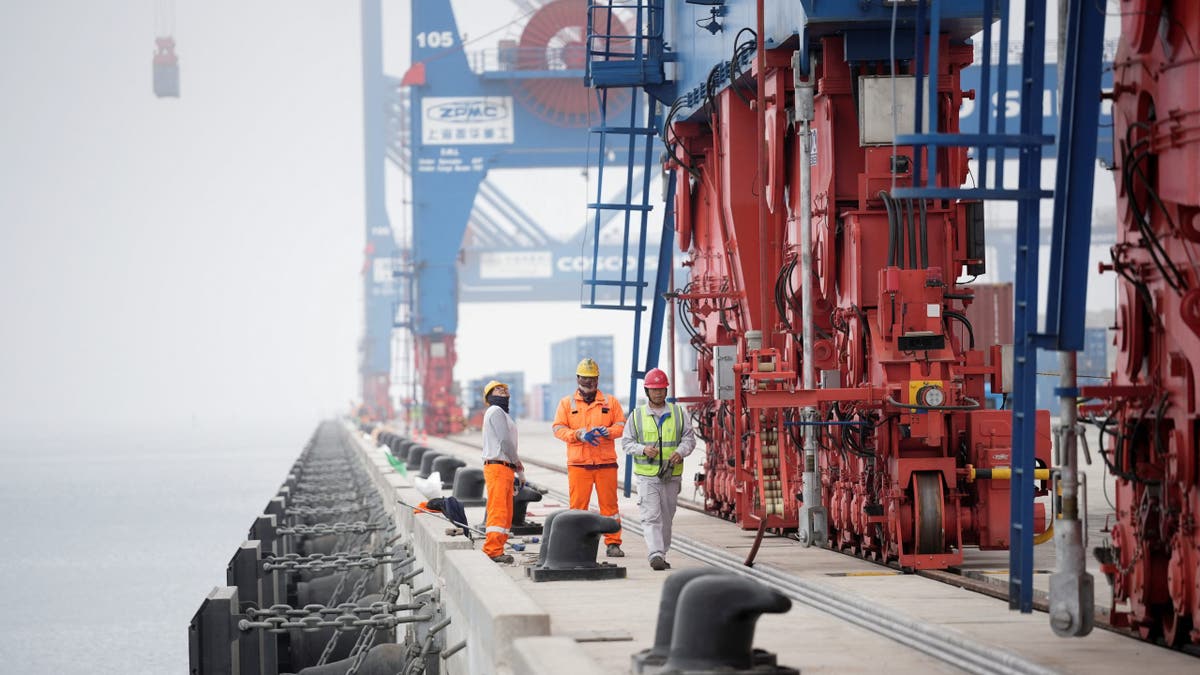
Workers stand next to cranes at the new megaport being built by China’s state-owned Cosco Shipping, in Chancay, Peru. Oct. 24, 2024. (Angela Ponce/Reuters)
«The Chancay port is a keystone in China’s investment in Latin America — its size and proximity provide a bridge across the Pacific and access to another market to fuel Beijing’s export-driven economic engine,» Burnham said.
«China’s investment in Peru is predicated on Beijing grasping the sinews of Lima’s critical infrastructure to gain influence. With effective control over the port cemented for now by a lower Peruvian court ruling, China gains access to one of the largest critical infrastructure projects in the region, a position from which it could exercise significant control.»
The dispute comes as Washington and Beijing compete for influence across Latin America, where China has expanded investment through infrastructure projects and trade, analysts say.
CLICK HERE TO DOWNLOAD THE FOX NEWS APP
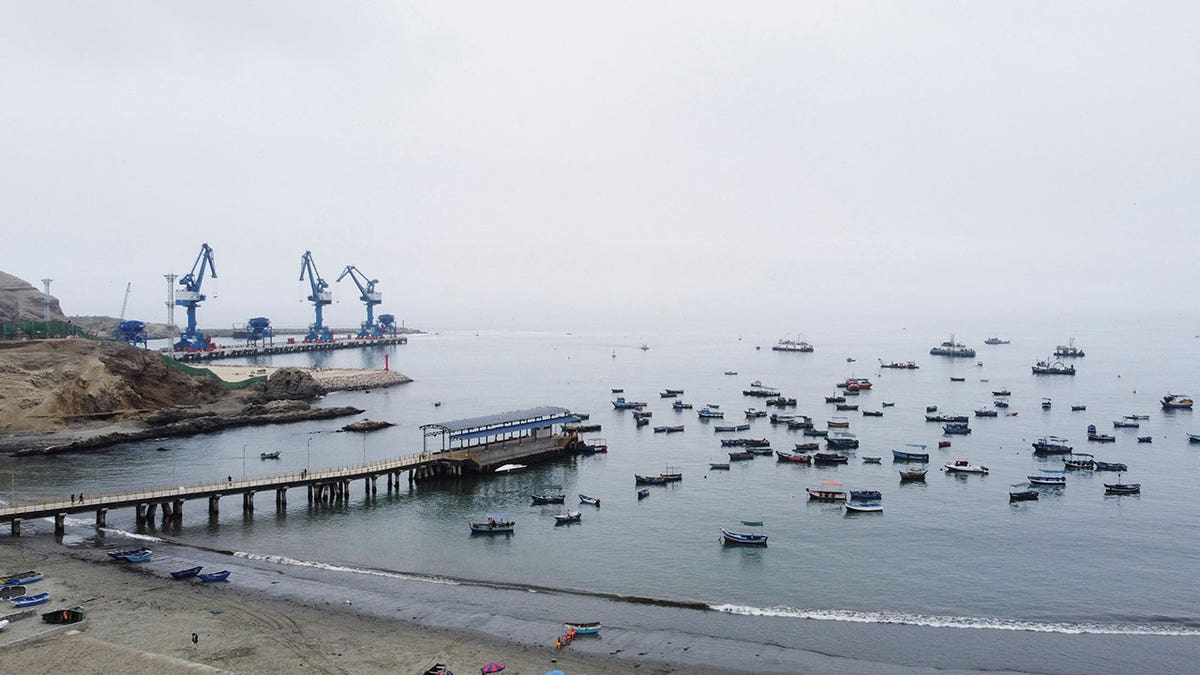
Fishing boats are anchored in the bay near the new megaport being built by China’s state-owned Cosco Shipping, in Chancay, Peru Oct. 24, 2024. (Angela Ponce/Reuters)
China’s state-owned shipping giant Cosco, which holds a majority stake in the project, dismissed U.S. concerns and said the court ruling «in no way involves aspects of sovereignty,» adding that Peruvian authorities still oversee security, environmental compliance and customs, according to The Associated Press.
Peru’s transport infrastructure regulator, Ositran, has said it plans to appeal the ruling, arguing the port should not be exempt from the same oversight applied to other major facilities.
China’s Embassy in Washington, D.C., did not provide a comment in time for publication.
The Associated Press contributed to this report.
china,state department,latin america,trade,national security

Cambio
Resultado

DOJ solicits examples of ‘judicial activism’ from prosecutors as it weighs impeachment referrals

Sur Finanzas: ordenaron allanamientos y detuvieron a sospechosos de borrar pruebas de la financiera ligada a la AFA

Trump admin warns Peru it could lose sovereignty as China tightens grip on nation

Alfredo Cornejo pidió investigar a tuiteros por la difusión de un video “manipulado” sobre su vida privada: “No fue en París”

ANSES: cuándo cobro en febrero 2026 si mi DNI termina en 6

El Barça y media Europa esperan: la joya de 19 años Diomandé atrapada en un lío legal

Acuartelamiento policial en Santa Fe: reclamo salarial y temor a un conflicto nacional de seguridad

La advertencia de ATE a los gobernadores que apoyan la reforma laboral: “Firmarán su sentencia de muerte”

Cuánto le cuesta a la clase media llenar el changuito y cómo varían los precios de los alimentos entre provincias

Pago al FMI: se usaron reservas del BCRA y se redujo a USD 651 millones la acumulación neta de dólares en lo que va del año

 POLITICA2 días ago
Acuartelamiento policial en Santa Fe: reclamo salarial y temor a un conflicto nacional de seguridad
- POLITICA2 días ago
La advertencia de ATE a los gobernadores que apoyan la reforma laboral: “Firmarán su sentencia de muerte”
- ECONOMIA2 días ago
Cuánto le cuesta a la clase media llenar el changuito y cómo varían los precios de los alimentos entre provincias