INTERNACIONAL
Israel accuses UN-backed Gaza famine report of political manipulation, demands withdrawal

NEWYou can now listen to Fox News articles!
Israel rejected a United Nations-backed report that declared famine in Gaza, claiming it contained «gross forgeries.» A foreign ministry official warned Jerusalem would lobby donor countries to cut funding unless the report is withdrawn.
In an Aug. 22 report, the Integrated Food Security Phase Classification (IPC) said famine is already taking place in the Gaza Governorate and is likely to spread to Deir al-Balah and Khan Younis by the end of September. The report said about one-third of Gaza’s roughly 2 million residents — about 641,000 people — could soon face catastrophic starvation.
According to the IPC, 132,000 children under age 5 are projected to suffer acute malnutrition through 2026, including more than 41,000 severe cases. It said over 55,000 pregnant and breastfeeding women also require urgent nutrition support.
ISRAEL PUSHES BACK AT ‘TAILOR-MADE’ UN-BACKED REPORT CLAIMING GAZA FAMINE
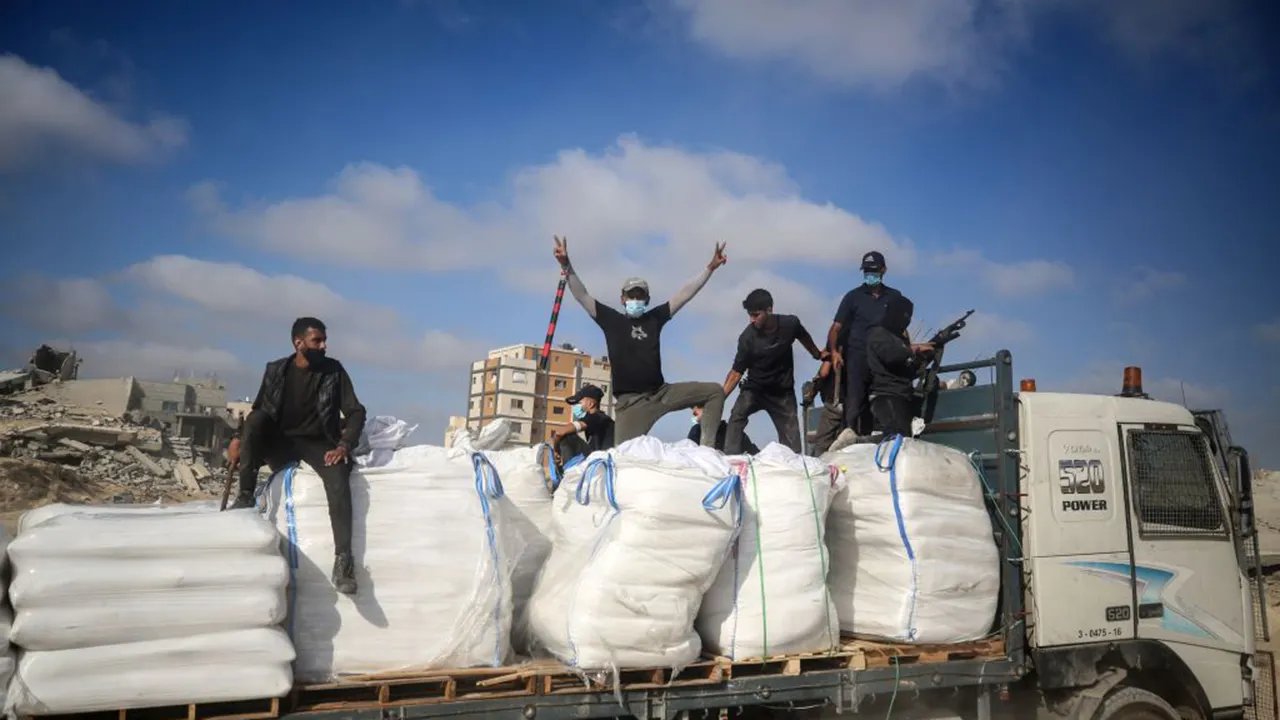
Hamas terrorists carrying clubs and firearms secure, and divert humanitarian aid trucks in the northern Gaza area of Jabaliya on June. 25 (TPS-IL)
The report blamed almost two years of war, the displacement of 1.9 million people, the collapse of local food production, and severe restrictions on aid. It noted that even when food enters Gaza, much of it fails to reach civilians.
Israel flatly rejected the findings, with the Foreign Ministry Director General Eden Bar Tal telling reporters the IPC had committed «gross forgeries» and manipulated its own evidence to declare famine.
Bar Tal said the IPC fabricated 182 deaths to reach the famine threshold of 188. He accused the group of breaking its own rules by using a malnutrition measure barred in Gaza, relying on clinic-based samples that are prohibited, and cherry-picking surveys. He claimed that of 15,749 children surveyed, the IPC used only 7,519, enough to push results above famine levels.
«The IPC report is forged for political purposes. No doubt the IPC manipulated and ignored data, broke its own rules and hid contradictory evidence,» Bar Tal said, saying the report was fabricated for the purpose of «supporting Hamas’s starvation campaign.»
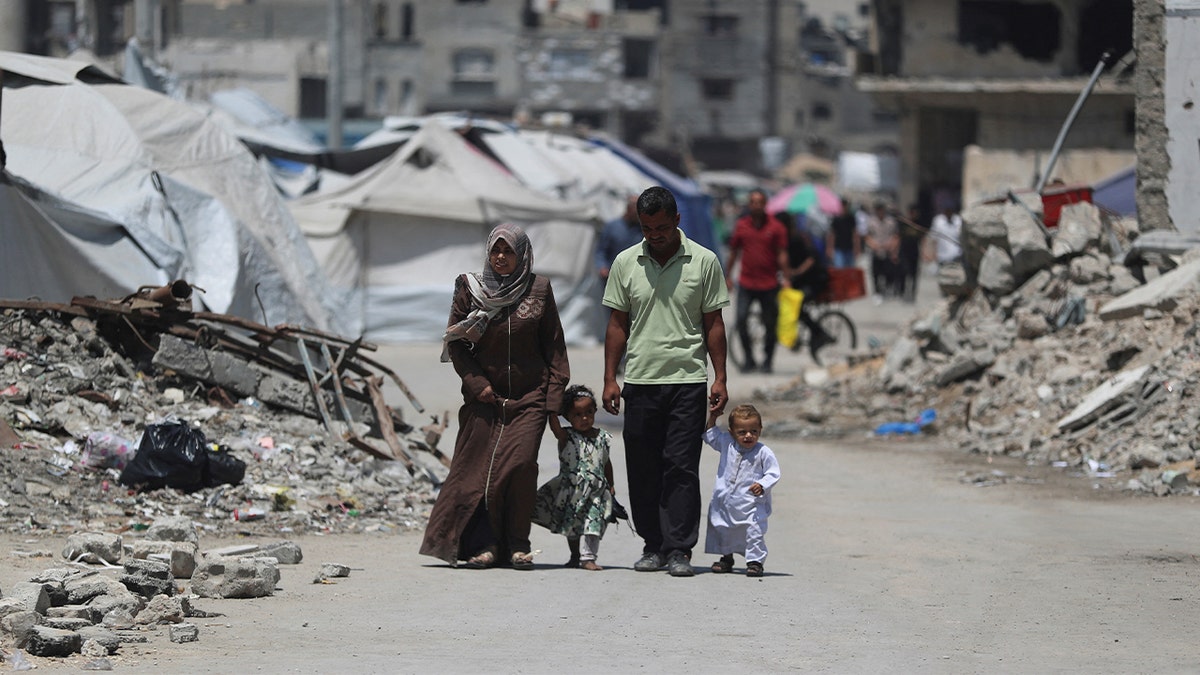
A Gazan family walk near the rubble of buildings during the Eid al-Adha holiday, in Gaza City, June 6, 2025. (REUTERS/Mahmoud Issa)
ISRAEL SAYS UN MISLEADS WORLD AS GAZA AID STOLEN AND DIVERTED FROM CIVILIANS
The Foreign Ministry issued a formal letter demanding the report’s withdrawal and warned that if it is not retracted, Israel will urge donor states to freeze funding to the IPC «until professional credibility is restored.» It also distributed a PowerPoint presentation titled «The IPC Fraud,» which described the process as «shooting the arrow and then drawing the target.» One slide read: «The facts are clear: The IPC report is forged.»
The IPC did not respond to Fox News Digital requests for comment.
At a Security Council meeting on Wednesday, Dorothy Shea, the acting U.S. ambassador to the U.N., said that hunger was a real issue and a priority for the U.S., but also took issue with the IPC report.
«We can only solve problems with credibility and integrity. Unfortunately, the recent report from the IPC doesn’t pass the test either. One of the report’s key authors has a lengthy record of bias against Israel, including openly justifying the Houthi terrorist attacks on Israeli civilian targets. By his own measure, he ought to have recused himself. This helps explain why the normal standards were changed for this declaration, raising significant questions,» she said.
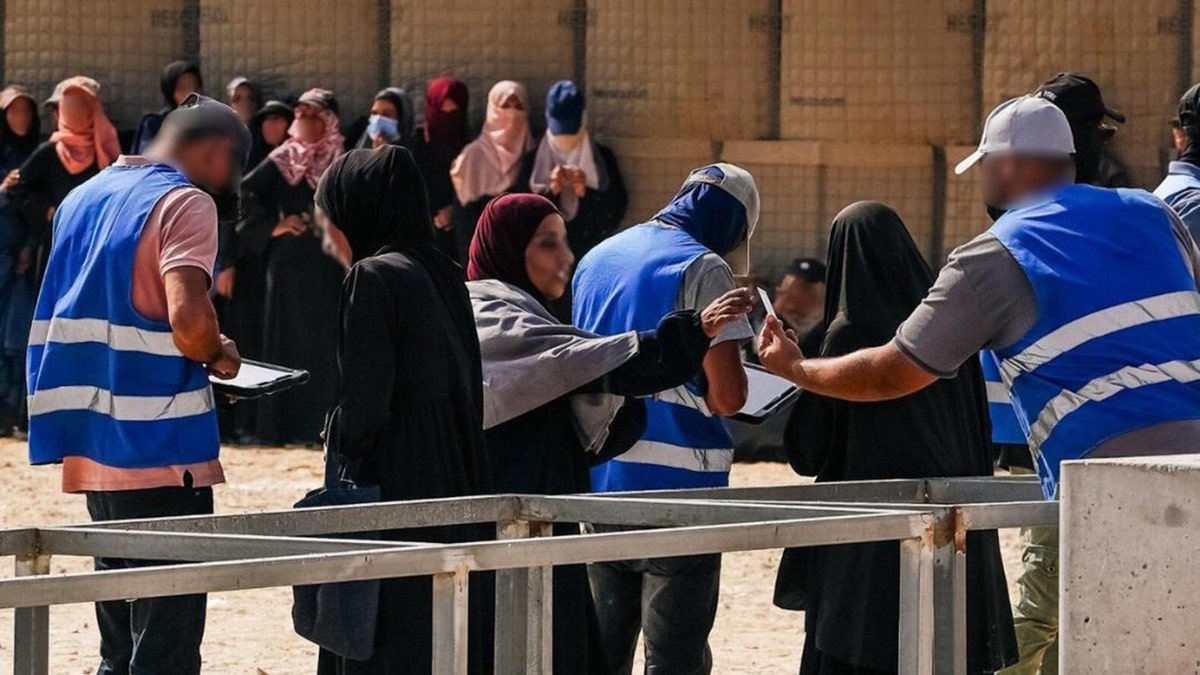
Women engage with Gaza Humanitarian Foundation (GHF) workers. (Gaza Humanitarian Foundation)
In response to Fox News Digital’s questions, Stéphane Dujarric, the spokesman for the U.N. Secretary General, defended the IPC process and rejected Israel’s claims: «The data that the IPC put out on famine in Gaza is robust. It is scientific and it is technical,» Dujarric said. «IPC famine analysis uses a standard measurement … reviewed carefully by an independent group of experts who confirmed that a famine is taking place in Gaza Governorate.»
He said the IPC relied on «recent and verified» U.N. agency data streams including WHO, UNICEF, UNRWA, and WFP, while also considering figures from Israel’s Coordinator of Government Activities in the Territories (COGAT).
On whether Hamas’s exploitation of aid factored in, Dujarric said the report «illustrates the constraints that hinder humanitarian organizations from distributing aid and stand in the way of allowing people to get the aid they need.»
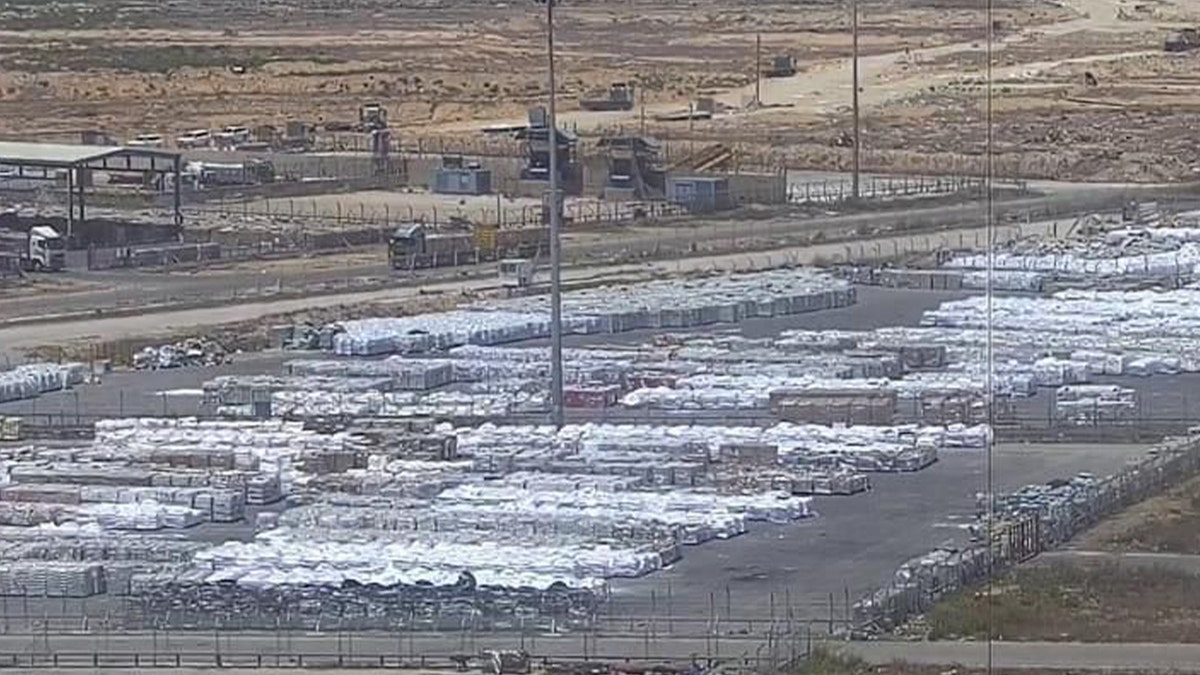
Israel’s Coordination of Government Activities in the Territories (COGAT) posted this photo that shows humanitarian aid pallets waiting to be distributed in Gaza. (COGAT)
CLICK HERE TO GET THE FOX NEWS APP
On Thursday, Secretary-General António Guterres claimed that «Famine is no longer a looming possibility — it is a present-day catastrophe. People are dying from hunger, families are being torn apart by displacement and despair,» Guterres told reporters before briefing the Security Council.
israel,united nations,middle east,conflicts,terrorism








INTERNACIONAL
El presidente de Irán desafía a Trump: aseguró que el régimen no se rendirá ante EEUU e Israel
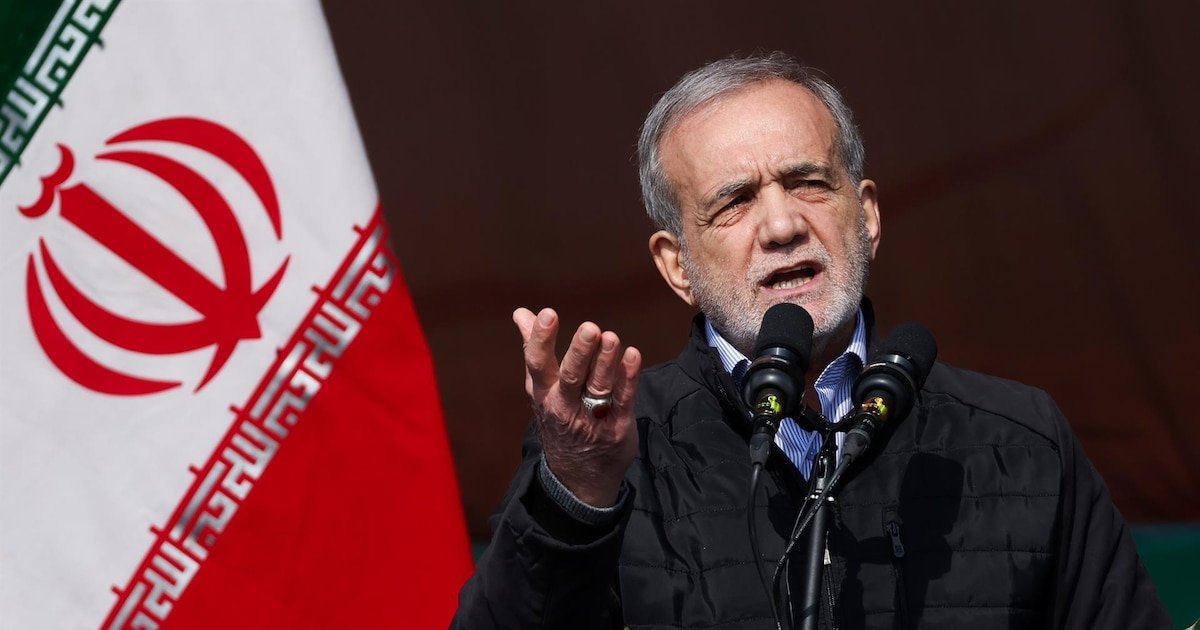
El presidente de Irán, Masoud Pezeshkian, afirmó el sábado que su país nunca se rendirá ante Israel y Estados Unidos, en el marco de la segunda semana de la guerra en Medio Oriente.
“Los enemigos de Irán deben llevarse a la tumba su deseo de rendición incondicional del pueblo iraní”, declaró Pezeshkian en un discurso transmitido por la televisión estatal.
El mandatario ofreció disculpas, tanto a título personal como en nombre de Irán, a los países vecinos que fueron objeto de ataques iraníes.
“El consejo de liderazgo interino acordó ayer que no se realizarán más ataques contra países vecinos ni se dispararán misiles a menos que un ataque contra Irán provenga de esos países”, anunció Pezeshkian.
El presidente estadounidense Donald Trump descartó el viernes cualquier conversación con Irán mientras no se produzca su “rendición incondicional”. “No habrá ningún acuerdo con Irán salvo la rendición incondicional!”, escribió en su plataforma Truth Social.
Pezeshkian, ha anunciado este sábado la suspensión de bombardeos contra objetivos en los países vecinos de la región y ha presentado sus disculpas por una estrategia que ha atribuido a una medida militar de fuerza mayor ante la muerte de la cúpula de seguridad en los ataques de la semana pasada de EEUU e Israel, pero ha matizado que su país se reserva el derecho a contraatacar si vuelve a ser objetivo de ataques desde estos lugares.
“El Consejo de Liderazgo en funciones aprobó ayer (por el viernes) que no se realizarán más ataques contra países vecinos ni se dispararán misiles a menos que un ataque contra Irán se origine en esos países”, ha anunciado Pezeshkian en un discurso televisado a la nación, en referencia al órgano ejecutivo provisional establecido tras la muerte del ayatolá Alí Khamenei en el ataque conjunto de la semana pasada de EEUU e Israel sobre Teherán.
El presidente iraní ha llegado incluso a pedir disculpas a los vecinos regionales e insistido en que su país no guarda ningún tipo de animadversión hacia ellos, en línea con la postura oficial del régimen iraní, que desde un primer momento ha esgrimido que sus bombardeos iban dirigidos contra posiciones militares, bien de EEUU o de los aliados regionales de Washington.
“Nuestras fuerzas armadas son intrépidas y han arriesgado sus vidas para defender la integridad territorial del país. En ausencia de los comandantes, tomaron las medidas necesarias para defender nuestra tierra con dignidad y fuerza”, ha argumentado.

Aunque Pezeshkian asegura que la decisión se tomó el viernes, países como Arabia Saudí han denunciado intercepciones de al menos cuatro drones y un misil procedentes de Irán, en el marco de las medidas de represalia puestas en marcha por Teherán en respuesta a la ofensiva lanzada el sábado de la semana pasada por Washington y Tel Aviv.
También el Gobierno de Emiratos Árabes Unidos ha confirmado esta madrugada la “contención con éxito” de un “un incidente menor provocado por la caída de escombros tras una interceptación”, sin heridos que lamentar.
El presidente iraní ha aprovechado para declarar que la rendición incondicional exigida el viernes por el presidente de Estados Unidos, Donald Trump, no va a suceder jamás.
“La rendición incondicional de Irán es un sueño que se llevará a la tumba”, ha avisado Pezeshkian antes de rematar su discurso con un llamamiento a una solución diplomática. “No tenemos intención de invadir países vecinos; como dijimos, son nuestros hermanos y nos esforzamos por unirnos a ellos para establecer la paz y la tranquilidad”, ha indicado.
(Con información de Europa Press)
Asia / Pacific,Religion / Belief,Military Conflicts
INTERNACIONAL
Shadow fleet under fire: Iran’s strait shutdown could squeeze Russia’s war chest, China’s oil lifeline
NEWYou can now listen to Fox News articles!
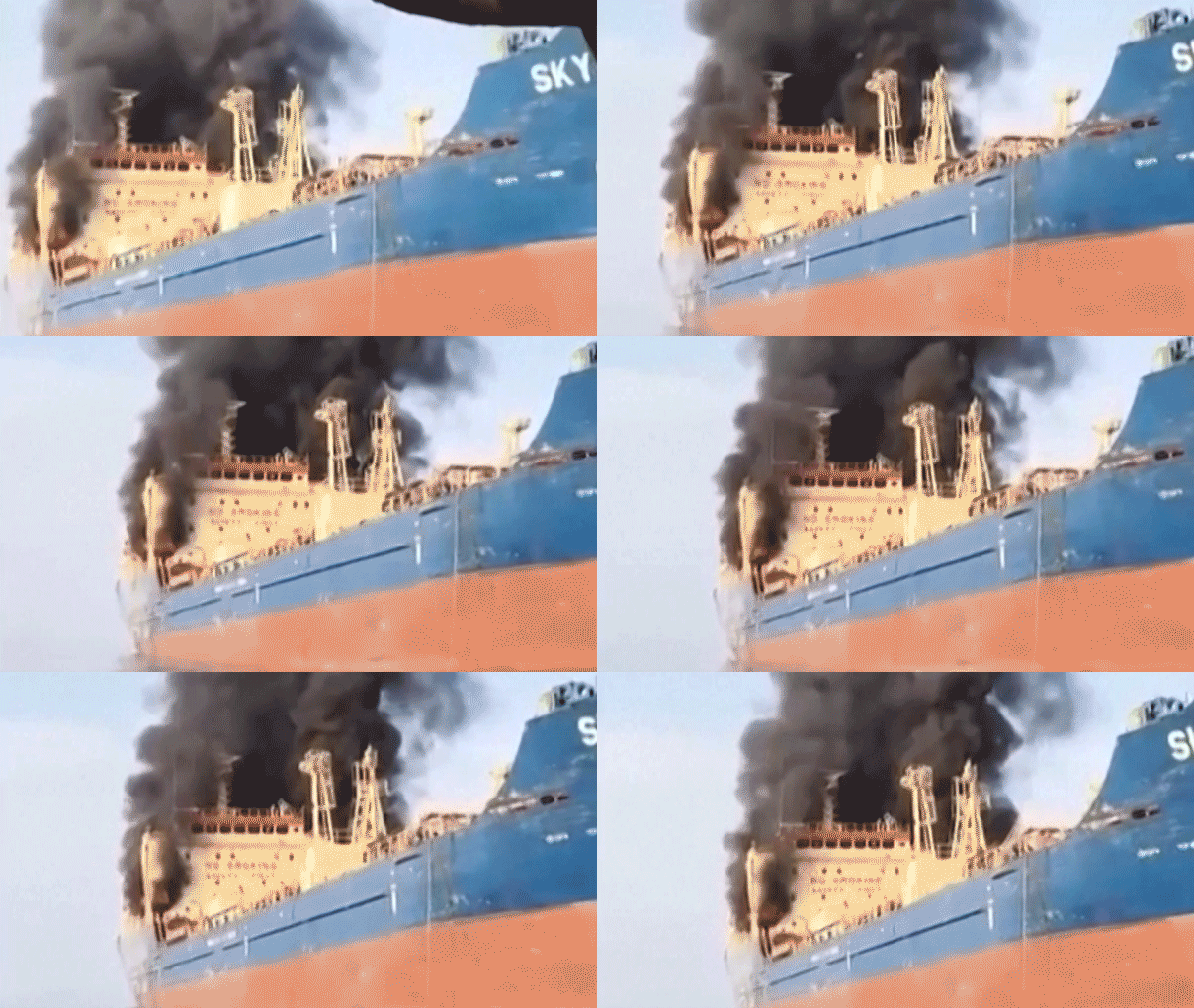
Tehran’s strike campaign threatens to disrupt shadow shipping networks and sanctions-evasion routes, raising energy costs for Moscow and Beijing and potentially squeezing Russia’s war funding and China’s industrial and military supply chains.
As of Monday, the Iranian regime declared the crucial Strait of Hormuz — between Hormuz Island, Iran, and the Omani enclave of Khasab — closed, under threat of vessels being «torched.»
Oil tanker traffic immediately fell sharply as merchant seamen now fear missile strikes, but the conflict has also affected the so-called «shadow fleet» of unflagged or surreptitiously flagged oil tankers connected to economically isolated countries like Cuba, Iran and Russia.
The U.S. has already set up a quasi naval quarantine of oil imports to Cuba, while countries like Mexico have been warned against sending oil to malign regimes.
A satellite image shows the Strait of Hormuz, a key maritime passage connecting the Persian Gulf to the Gulf of Oman, vital for global energy supply. (Amanda Macias/Fox News Digital)
European partners have also taken action against «shadow fleet» vessels, tightening the vise on China and particularly Russia amid the new unrest.
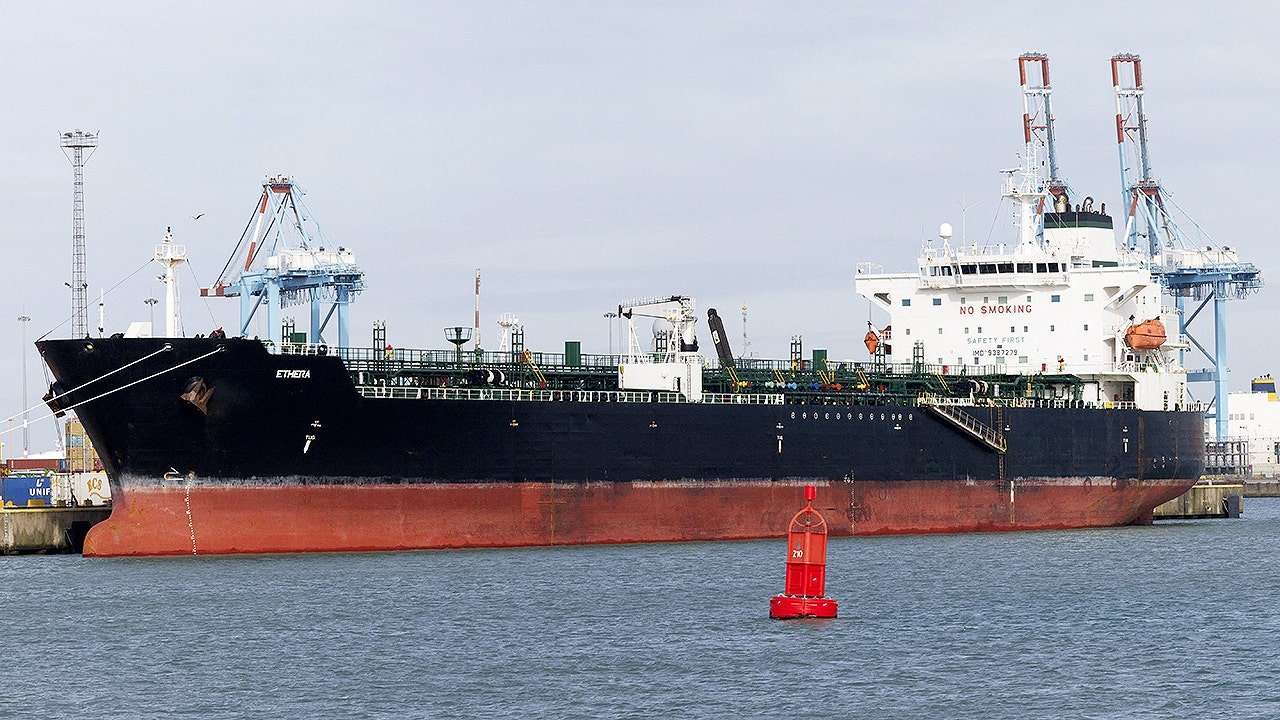
Belgium’s army on Monday interdicted a shadow-fleet tanker called the MT Ethera as it transited the North Sea.
Belgian Defense Minister Theo Francken told GCaptain News that the tanker was redirected to Zeebrugge by an escort and would be seized by Brussels.
«Operation Blue Intruder was carried out by a team of exceptionally brave service members. Excellent work,» he said, as the outlet also reported the ship was tied to a confidant of Khamenei.
The MT Ethera is reportedly linked to the son of senior political adviser Ali Shamkhani, whose family reportedly controls an entire fleet of tankers that may be used to facilitate Iranian and Russian oil trade.
RUSSIAN OIL TANKER ‘THE GRINCH’ INTERCEPTED AS US, ALLIES ESCALATE SANCTIONS CRACKDOWN
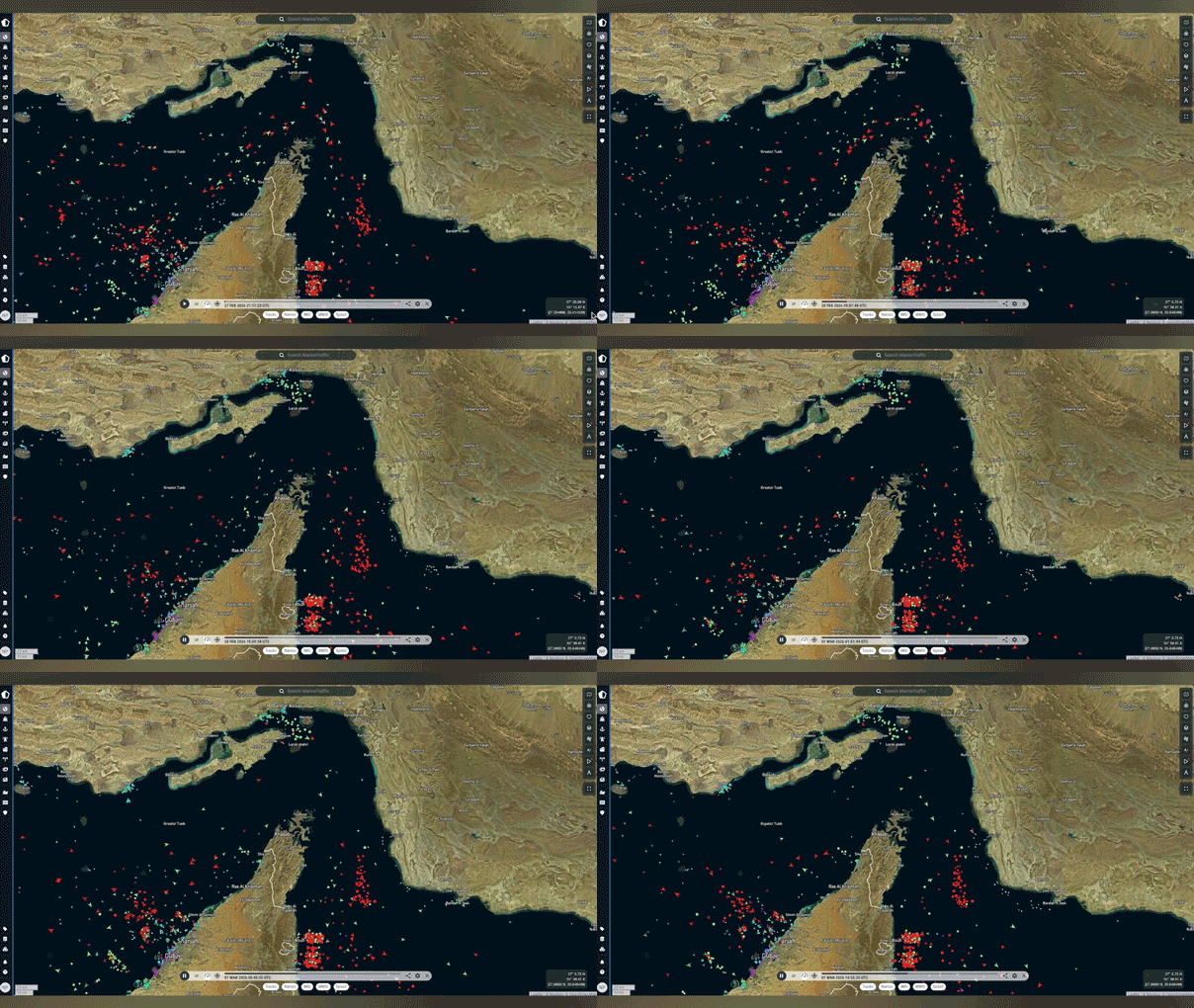
A timelapse video shows marine traffic moving through the Strait of Hormuz. (Kpler/Marine Traffic)
A consortium of Western powers also enforces the Ural Price Cap, which was dropped to about $44 per barrel last month. Named for the Ural Mountains, the price cap is meant to keep Russian oil below free-market rates.
This newly emboldened Western targeting of the so-called «gray market» of shadow-fleet oil indicates potential problems for nations that rely on it, such as China and Cuba.
China reportedly relies heavily on Iran for otherwise sanctioned oil, while Russia could see further belt-tightening that could adversely affect the cash flow needed to continue its war in Ukraine.
Additionally, CENTCOM this week posted a video of a U.S. strike on a drone-carrying Iranian ship, and Cmdr. Brad Cooper said more than 30 such Tehran-linked vessels have been sunk since the offensive began, according to Naval Today.
«In the last few hours alone, we struck an Iranian drone carrier roughly the size of a World War II-era aircraft carrier, and it is currently on fire,» Cooper told the outlet.
The reported obliteration of the Ayatollah and the next 48 successors, by President Donald Trump’s count, along with the arrest of Venezuelan dictator Nicolás Maduro, leaves not only the shadow fleet but also its customer nations’ suppliers in shambles.
FIRES RAGE AT IRAN’S BANDAR ABBAS NAVAL HEADQUARTERS, STRAIT OF HORMUZ TRAFFIC STALLED
Just as OPEC rate hikes affect American energy prices, the deconstruction of the shadow fleet could also lead to inflation in China.
Fox News Digital reached out to the Treasury Department for more information on the effects of the shadow fleet, as it oversees the U.S. Office of Foreign Assets Control (OFAC).
In the past few weeks, OFAC has sanctioned 30 people or entities tied to enabling illegal Iranian oil sales and/or benefiting its weapons production as part of Trump’s «maximum pressure» campaign.
«OFAC targeted additional vessels operating as part of Iran’s shadow fleet, which transport Iranian petroleum and petroleum products to foreign markets and serve as the regime’s primary source of revenue for financing domestic repression, terrorist proxies, and weapons programs,» the agency said in a statement.
«Iran exploits financial systems to sell illicit oil, launder the proceeds, procure components for its nuclear and conventional weapons programs, and support its terrorist proxies,» added Treasury Secretary Scott Bessent.
«Treasury will continue to put maximum pressure on Iran to target the regime’s weapons capabilities and support for terrorism, which it has prioritized over the lives of the Iranian people,» Bessent said.
GAS PRICES COULD JUMP AS MIDDLE EAST TENSIONS THREATEN GLOBAL OIL SUPPLY
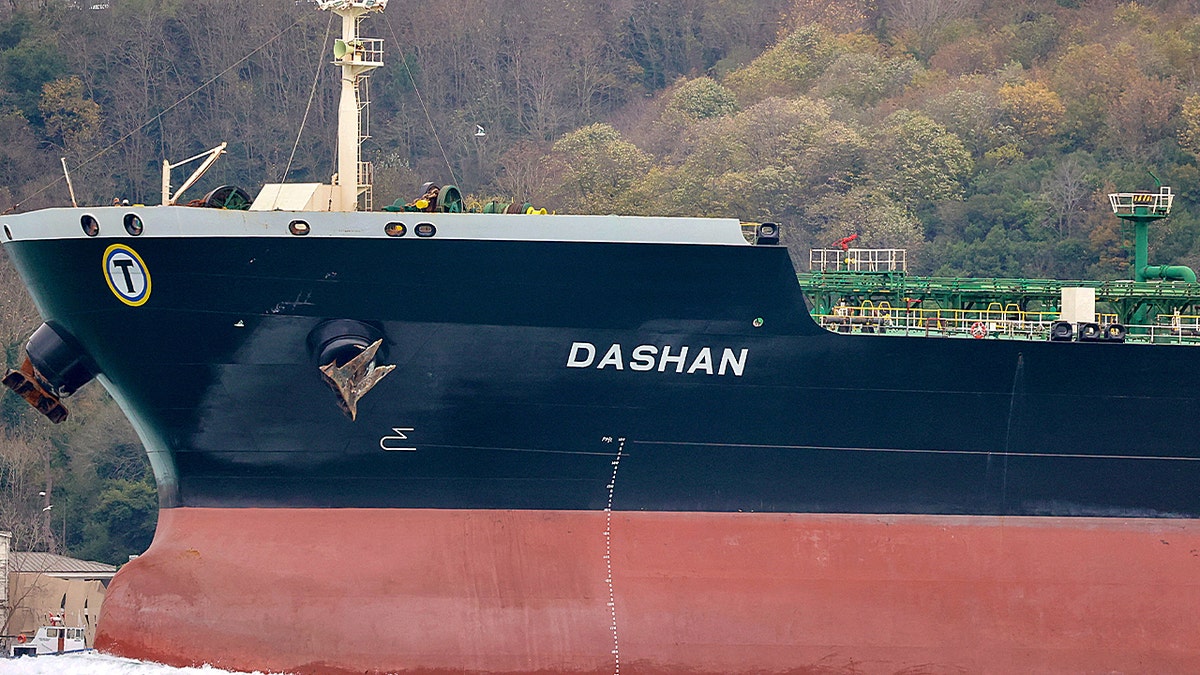
The Dashan tanker from Russia’s shadow fleet transits the Bosphorus en route to the Black Sea in Istanbul. (Yoruk Isik/Reuters)
OFAC then listed off a dozen ships they confirmed to be «shadow fleet» vessels under sanction.
«Instead of allocating this revenue for the benefit of the Iranian people, the regime ultimately siphons it off to fund regional terrorist proxies, weapons programs, and repressive security services, rather than the basic economic needs the Iranian people have repeatedly and courageously demanded,» the Treasury said.
CLICK HERE TO DOWNLOAD THE FOX NEWS APP
Ships flagged from Panama, Barbados, Palau, Comoros, Iran and Vanuatu were found by the U.S. to have transported millions of barrels of Iranian crude in recent years.
The Treasury Department, which oversees OFAC, did not respond to inquiries for this story.
Related Article
us navy,war with iran,energy,ukraine,iran,sanctions
INTERNACIONAL
Tras el ataque a Irán, Trump dejó a Cuba en segundo plano: presiona por reformas y por la salida de Díaz-Canel
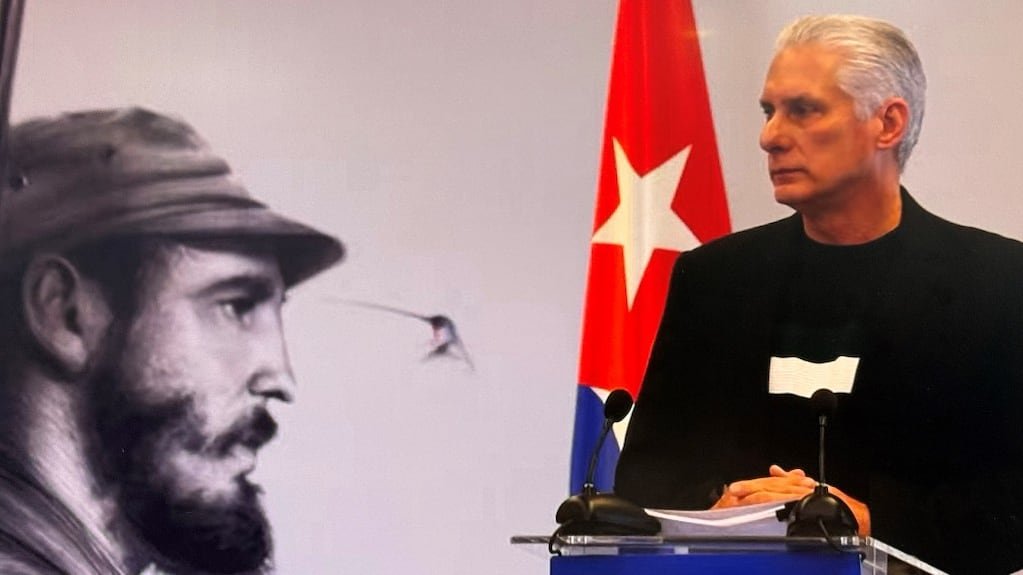
Donald Trump está ocupado hoy con Irán, pero no se olvida de Cuba.
Tras “tomar” Venezuela con la captura de Nicolás Maduro y la asunción de un nuevo gobierno chavista residual “amigable” a sus intereses, el presidente estadounidense atacó a Irán y dejó por ahora a la isla en un segundo plano.
Leé también: Tensión entre Cuba y EE.UU.: qué hay detrás de la presunta “infiltración terrorista” que dejó cuatro muertos
Pero la presión se mantiene intacta. No solo con un bloqueo petrolero apenas “suavizado” a fines de febrero. También a través de negociaciones que buscan una salida de la cabeza visible de la Revolución cubana, el presidente Miguel Díaz-Canel, seguida de una apertura económica impostergable que sirva a los intereses norteamericanos.
Si bien las autoridades cubanas desmienten conversaciones oficiales y prefieren hablar de “contactos”, fuentes cubanas en el exilio aseguran que el diálogo existe y que el interlocutor es Raúl Guillermo Rodríguez Castro, apodado “El Cangrejo”, nieto y delfín del expresidente Raúl Castro, hoy de 94 años y que mantiene una enorme influencia en La Habana.
Qué quiere Trump sobre Cuba
El jueves, en plena guerra con Irán, Trump dijo que la caída de la Revolución cubana sería “la frutilla del postre” y alertó que “solo es cuestión de tiempo” que su gobierno se dedique al caso cubano.
Pero, ¿qué es lo que quiere Trump sobre Cuba? Por lo pronto considera a Díaz-Canel, que tiene mandato hasta 2028, un obstáculo. Lo quiere fuera del poder. Necesita ese golpe de efecto para su política interna.
Más allá de sus declaraciones, a menudo contradictorias, el presidente estadounidense, según las fuentes del exilio, parece no estar tan interesado en el final de la Revolución. Prefiere replicar el “modelo venezolano” con una amplia apertura económica que le sirva a los intereses de la Casa Blanca.
El expresidente cubano Raúl Castro. (Foto: Ariana Cubillos/AP/Archivo)
La lista de exigencias se la habría trasladado al nieto de Raúl Castro un grupo de asesores del secretario de Estado, Marco Rubio, durante una reciente cumbre de la Comunidad del Caribe (Caricom) celebrada en la isla de Saint Kitts y Nevis, según el diario Miami Herald.
Díaz-Canel reemplazó a Raúl Castro en el poder en 2018 y fue reelecto en 2023. Es un dirigente muy cercano a la familia Castro.
Leé también: El turismo internacional se derrumba en Cuba, pero crece el número de visitantes argentinos: ¿qué buscan?
Ahora, hay que ver hasta dónde está dispuesta a llegar La Habana para frenar a Trump o al menos apaciguar el daño. El espejo venezolano está muy cerca.
El tiempo no sobra. Cuba vive la peor crisis de la historia de la Revolución. El bloqueo petrolero estadounidense provocó un virtual colapso energético en la isla. Ya no llega ni una gota del crudo venezolano. El país está afectado por apagones interminables, una aguda falta de combustible y de transporte, una escasez total de productos básicos y hasta una inflación elevada.
“Una reforma tipo Vietnam”
En una reciente intervención, Díaz-Canel se mostró dispuesto a hacer reformas. “Nos tenemos que centrar, de inmediato, en implementar las transformaciones urgentes, las más necesarias, que hay que hacerle al modelo económico y social”, dijo.
Pero no es algo nuevo. La Revolución cubana viene anunciando aperturas desde la caída de la Unión Soviética en los 90, pero desde entonces ha dado pasos hacia adelante y hacia atrás y ha avanzado muy lentamente en un modelo que sigue privilegiando la economía centralizada.
Omar Everleny, profesor titular de la Universidad de La Habana y exdirector del Centro de Estudios de la Economía Cubana, dijo a TN que en la isla “se necesita más que implementar reformas. Hay que hacer lo más rápido posible una transformación integral”.
Leé también: Ecuador expulsó al embajador de Cuba y le dio un plazo de 48 horas para abandonar el país
Para el economista, el gobierno “tiene que pasar más a la ofensiva”. Y afirmó: «Hay que hacer una reforma integral de la economía tipo Vietnam”.
El país asiático mantuvo su modelo de partido único y represivo, pero adoptó una economía de mercado con orientación social. En el camino hubo privatizaciones agrícolas, apertura a la inversión extranjera y una integración al mundo globalizado. Pero comenzó sus reformas hace 30 años.
“El gobierno cubano avanza muy lentamente. Ahora se permitió que una empresa privada se una a otra estatal. Es fantástico. Pero la historia reciente demuestra que cuando se hace una reforma, después viene una contrarreforma, después otra reforma y de nuevo una contrarreforma”, indicó.
Everleny dijo que en Cuba “se necesita una reforma integral financiera, cambiaria y que se clarifiquen las reglas de juego. En la agricultura no se ha hecho ninguna reforma concreta y es el nudo gordiano” de los problemas de la isla.
“Ante la falta de combustible los precios van a tender a subir. El poder adquisitivo se deteriora cada día más. Estados Unidos impide que los barcos petroleros lleguen a Cuba, pero hay otras cosas que se pueden hacer y no se han hecho. El presidente sigue con el mismo lenguaje, pero no hacen lo que hay que hacer”, concluyó.
Mientras tanto, el tiempo corre en el reloj de Trump. Venezuela está controlada con Delcy Rodríguez, Irán sigue bajo fuego y la Revolución cubana busca sobrevivir bajo amenaza constante. El presidente estadounidense ya dio muestras sobradas de que no le importa el derecho internacional. Cuba es la próxima en la lista.
cuba, Miguel Díaz-Canel, Donald Trump, Sumario

El nuevo ministro de Justicia confrontó directamente a la AFA: “Estoy a favor de las Sociedades Anónimas Deportivas”

Javier Milei y sus medidas, EN VIVO: el Presidente se volverá a ver hoy con Donald Trump en un almuerzo de trabajo en Florida

Semana financiera: la guerra en Medio Oriente marcó el pulso inestable de los mercados y afectó a la Argentina

Franco Colapinto largará 16° el Gran Premio de Australia de Fórmula 1

Pokémon Pokopia está agotando su stock en tiendas a nivel mundial – Nintenderos

Héctor “Toty” Flores, histórico referente de la Coalición Cívica, se incorporó al gabinete de Fernando Espinoza

El hijo adoptivo de José María Muscari tomó una tajante decisión de vida a los 18 años

¡Interna total! Pablo Layus explotó y blanqueó quiénes son los que arruinan Intrusos: «Te matan»

Ángel de Brito contó la oscura verdad de Jorge Rial para no ir a LAM: “Es un…”

Mapa de la guerra en Medio Oriente: dos bandos y 13 países involucrados en un conflicto que jaquea al mundo

 CHIMENTOS3 días ago
El hijo adoptivo de José María Muscari tomó una tajante decisión de vida a los 18 años
- CHIMENTOS3 días ago
¡Interna total! Pablo Layus explotó y blanqueó quiénes son los que arruinan Intrusos: «Te matan»
- POLITICA1 día ago
Javier Milei habló de la crisis con la vicepresidenta: “No quiero la renuncia de Victoria Villarruel”