INTERNACIONAL
Trump blasts ‘weakened’ Schumer as Democrats again block GOP effort to reopen government


NEWYou can now listen to Fox News articles!
A long weekend away from Washington, D.C., did little to soften Senate Democrats’ resolve as they again blocked an effort to reopen the government for an eighth time Tuesday.
The beginning of mass firings promised by the Trump administration and Office of Management and Budget (OMB) Director Russ Vought over the weekend also failed to sway Senate Democrats, led by Senate Minority Leader Chuck Schumer, D-N.Y.
One pressure point was alleviated for both sides, however, with President Donald Trump’s directive to move money around at the Pentagon to pay military service members. Their paychecks are due Oct. 15.
Still, another payday, this time for Senate staffers, is fast approaching on Oct. 20.
SENATE SET FOR NEW VOTE TO END SHUTDOWN, BUT GRIDLOCK OVER OBAMACARE SUBSIDIES REMAINS
Senate Minority Leader Chuck Schumer speaks at the U.S. Capitol after the Democratic Senate Policy Luncheon on Oct. 7, alongside Sen. Amy Klobuchar, as the government shutdown continues. (Kevin Dietsch/Getty Images)
Both sides are still dug into the same positions that launched the shutdown earlier this month, too. Talks between the opposing factions are still ongoing but have not yet yielded a result that either side is ready to move on.
Senate Democrats want an extension to expiring Obamacare subsidies before the Nov. 1 open enrollment date, and they argue that unless Congress takes action, Americans that rely on the Affordable Care Act (ACA) tax credits will see their premiums skyrocket.
However, Trump appears unwilling to cave into Senate Democrats’ demands, and reupped Republicans’ argument that Democrats wanted to undo a total of $1.5 trillion in spending cuts from the «big, beautiful bill» and clawback of funding for NPR and PBS to give, in part, to illegal immigrants.
«I don’t want to bore you with the fact that Schumer said 100 times, ‘You should never close our government,’» Trump told reporters at the White House. «But Schumer is a weakened politician. I mean, he’s going to finish his career as a failed politician, as a failed politician. He’s allowed the radical left to take over the Democrat Party.»
SCHUMER’S SHUTDOWN SCHEME EXPLAINED: DEMS DOUBLE DOWN ON OBAMACARE CREDITS AS STANDOFF DRAGS ON
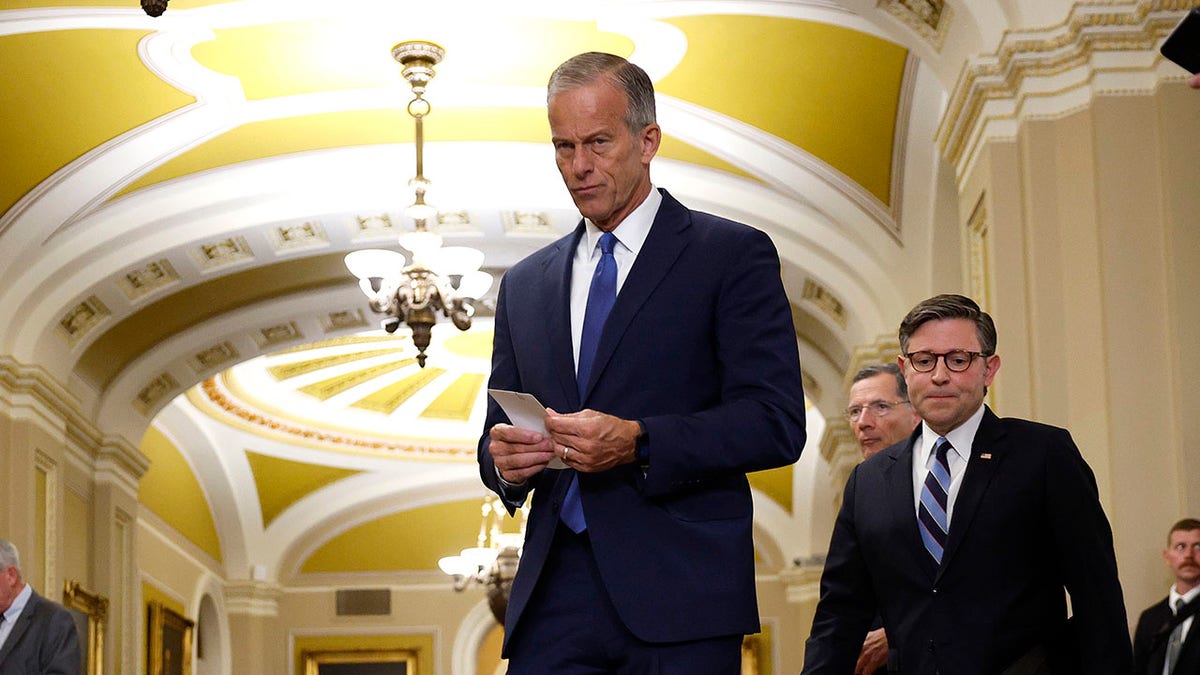
The Senate is leaving Washington for the weekend as Senate Majority Leader John Thune, R-S.D., and Republicans work to gain more Democrat support for their plan to reopen the government. (Kevin Dietsch/Getty Images)
Senate Republicans have said that they’re open to negotiating a deal on the subsidies, with reforms to the program only after the government reopens. And Senate Majority Leader John Thune, R-S.D., for now, has no intention of straying from his plan to continue to bring the House Republicans’ short-term continuing resolution (CR) to the floor again and again.
«Democrats like to whine that Republicans aren’t negotiating, but negotiation, Mr. President, is what you do when each side has a list of demands and you need to meet in the middle,» Thune said on the Senate floor. «Republicans, as I and a lot of other people pointed out, haven’t put forward any demands. Only Democrats have made demands. And by the way, very expensive demands.»
Schumer noted on the Senate floor that every time Thune has put the GOP’s bill on the floor, it has failed.
«That means, like it or not, the Republican leader needs to work with Democrats in a bipartisan way to reopen the government, just as we did when we passed 13 CRs when I was majority leader,» he said.
The administration’s movement on reductions in force (RIFs) over the weekend, and the lingering threat that thousands of nonessential furloughed federal employees may not get back pay once the shutdown ends have not swayed Senate Democrats.
There were no surprises during the vote, either with most of the same Democratic caucus members, Sens. Catherine Cortez Masto, D-Nev., and Angus King, I-Maine, breaking ranks with Schumer to vote for the bill. Sen. John Fetterman, D-Pa., who has voted with Republicans on the same legilsation each time, did not vote Tuesday night.
GOVERNMENT LIMPS DEEPER INTO SHUTDOWN CRISIS WITH NO DEAL IN SIGHT
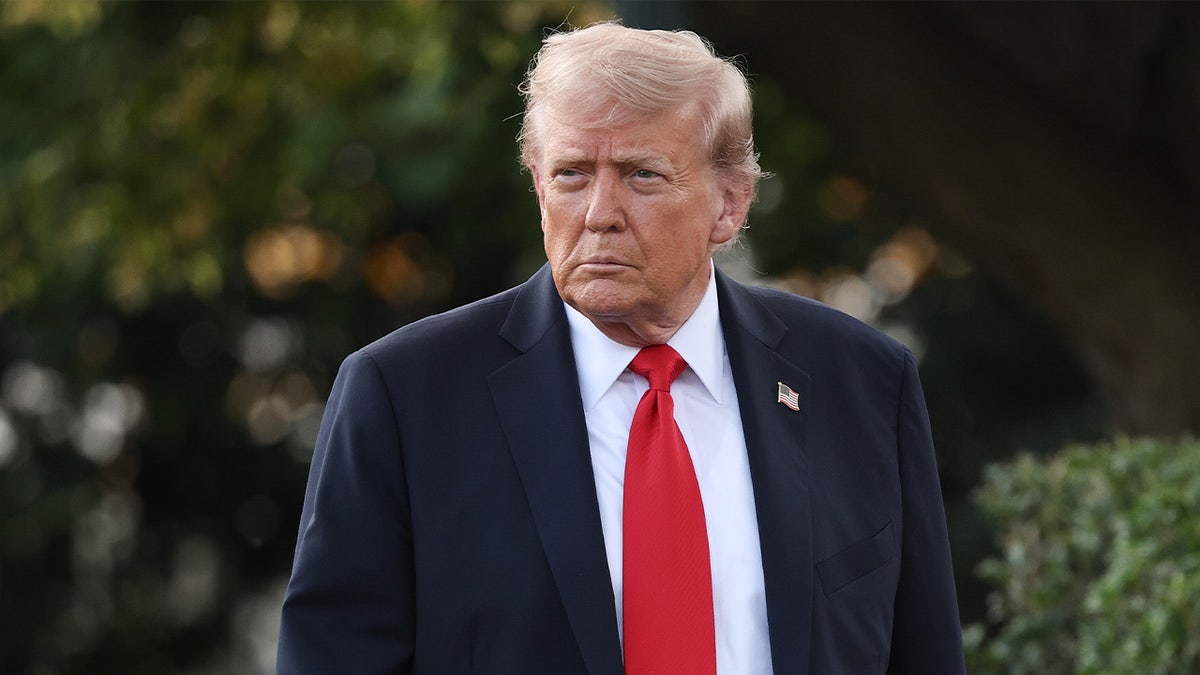
President Donald Trump said the government shutdown that took effect Oct. 1, 2025, would likely include mass layoffs and program cuts. (Win McNamee/Getty Images)
«Donald Trump, come to the negotiating table,» Sen. Chris Van Hollen, D-Md., said at a rally outside the OMB on Tuesday. «Bring down costs and prices and stop inflicting harm and terrorizing federal employees and the American people.»
While most action on Capitol Hill has ground to a halt as the shutdown continues — the House, for example, has been out of session for over three weeks — the Senate has moved on other legislation, including the 2026 National Defense Authorization Act and a massive package of Trump’s nominees.
Thune also teed up the defense spending bill for a vote on Thursday in a bid to jump start the appropriations process in the upper chamber. The House already passed its version of the bill, too.
The latest failed attempt comes on the 14th day of the shutdown and all but ensures that the closure will last into at least a third week.
CLICK HERE TO GET THE FOX NEWS APP
It also puts this shutdown, in particular, into historic territory. While the longest shutdown on record, from late 2018 to early 2019, was under Trump’s first term, it was only partial. A handful of appropriations bills had already passed at the time, including funding for the legislative branch and defense.
But the longest full shutdown happened over two decades earlier under former President Bill Clinton between late 1995 and early 1996. That shutdown lasted 21 days and was over a budget dispute between Clinton and then-House Speaker Newt Gingrich.
That particular dispute also led to two shutdowns in that fiscal year, the first in November and the second setting the 21-day record.
senate,chuck schumer,donald trump,government shutdown,health care healthy living,politics










INTERNACIONAL
Estados Unidos y Taiwán acuerdan reducir aranceles e impulsar compras de productos estadounidenses
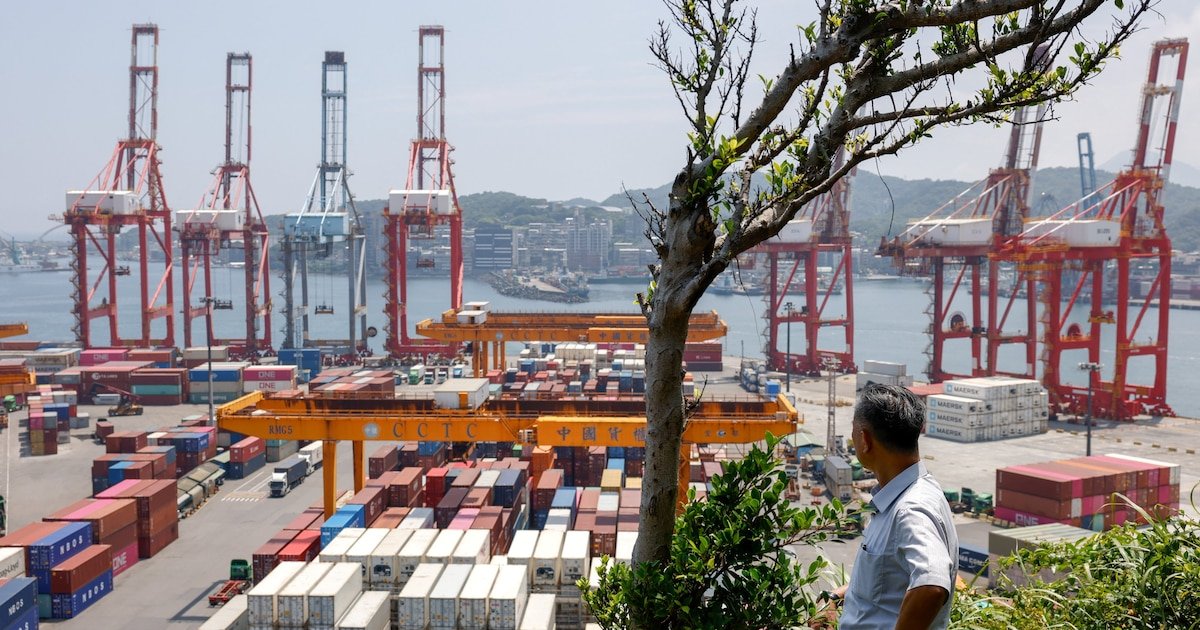
Funcionarios de la administración Trump firmaron un acuerdo comercial recíproco definitivo que confirma una tasa arancelaria estadounidense del 15% para las importaciones provenientes de Taiwán, mientras compromete a Taiwán a un calendario para eliminar o reducir aranceles sobre casi todos los productos estadounidenses.
El documento divulgado el jueves por la oficina del Representante Comercial de EE.UU. también compromete a Taiwán a aumentar significativamente las compras de productos estadounidenses desde 2025 hasta 2029, incluyendo 44.400 millones de dólares en gas natural licuado y petróleo crudo, 15.200 millones de dólares en aeronaves civiles y motores, 25.200 millones de dólares en equipos y generadores para redes eléctricas, equipos marítimos y de producción de acero.
El acuerdo agrega un lenguaje técnico y detalles específicos a un marco comercial alcanzado por primera vez en enero que redujo los aranceles sobre bienes taiwaneses, incluidos los procedentes de su potente industria de semiconductores, al 15% desde el 20% inicialmente impuesto por Trump. Eso pone a Taiwán en igualdad de condiciones con sus competidores exportadores asiáticos más cercanos, Corea del Sur y Japón.
“Este es un momento decisivo para que la economía y las industrias de Taiwán aprovechen los vientos de cambio y experimenten una gran transformación”, escribió el presidente de Taiwán, Lai Ching-te, en su página de Facebook.
Optimizará el marco económico y comercial Taiwán–EE.UU., construirá cadenas de suministro industriales confiables y establecerá una asociación estratégica en alta tecnología entre Taiwán y EE.UU., añadió.

Taiwán también obtuvo exenciones de aranceles recíprocos para más de 2.000 partidas de productos exportados a Estados Unidos, lo que significa que el arancel promedio sobre exportaciones estadounidenses bajará al 12,33%, dijo Lai.
El acuerdo requerirá la aprobación del Parlamento de Taiwán, donde la oposición tiene mayoría.
El acuerdo de enero incluyó el compromiso de Taiwán de que sus empresas invertirían 250.000 millones de dólares para aumentar la producción de semiconductores, energía e inteligencia artificial en EE.UU., incluidos 100.000 millones de dólares ya comprometidos por Taiwan Semiconductor Manufacturing Corp. El gobierno taiwanés garantizaría otros 250.000 millones de dólares en inversiones en EE.UU., según dijo el Secretario de Comercio Howard Lutnick.
El texto final no brindó más detalles sobre esas inversiones, pero indicó que la oficina de representación de Taiwán en EE.UU. colaboraría con las autoridades estadounidenses para facilitar nuevas inversiones directas “en sectores estratégicos de manufactura de alta tecnología, incluidos IA, semiconductores y electrónica avanzada”.
El acuerdo eliminará de inmediato los aranceles de Taiwán de hasta el 26% sobre muchas importaciones agrícolas estadounidenses, incluyendo carne de res, lácteos y maíz. Pero algunos aranceles, como el actual 40% para panceta de cerdo y el 32% para jamón, solo bajarán al 10%, según el calendario arancelario.
EE.UU. señaló que, en virtud del acuerdo, Taiwán eliminará las barreras no arancelarias para vehículos de motor y aceptará las normas de seguridad automotriz estadounidenses, así como las aplicables a dispositivos médicos y productos farmacéuticos.
El Representante Comercial de EE.UU., Jamieson Greer, afirmó en un comunicado que el acuerdo incrementará las oportunidades de exportación para agricultores, ganaderos, pescadores, trabajadores e industriales estadounidenses.
“Este acuerdo también se basa en nuestra prolongada relación económica y comercial con Taiwán y mejorará significativamente la resiliencia de nuestras cadenas de suministro, en particular en los sectores de alta tecnología”, añadió Greer.
Durante los primeros 11 meses de 2025, el déficit comercial estadounidense con Taiwán se disparó a 126.900 millones de dólares desde 73.700 millones de dólares en todo 2024, en gran parte debido al fuerte incremento en importaciones de chips de IA de gama alta procedentes de Taiwán, según datos de la Oficina del Censo de EE.UU.
(C) Reuters.-
Asia / Pacific,Corporate Events,KEELUNG
INTERNACIONAL
DHS shutdown explained: Who works without pay, what happens to airports and disaster response
NEWYou can now listen to Fox News articles!
A partial government shutdown is all but certain after Senate Democrats rejected attempts to fund the Department of Homeland Security (DHS) offered by Republicans on Thursday afternoon.
But it will not look like the record-long 43-day full shutdown that paralyzed Congress last year, nor will it look like the shorter four-day partial shutdown that hit Capitol Hill earlier this month. That’s because Congress has already funded roughly 97% of the government through the end of fiscal year (FY) 2026 on Sept. 30.
When the clock strikes 12:01 a.m. on Saturday, Feb. 14, just DHS will be affected by a lapse in its federal funding. While it’s a vastly smaller scale than other recent fiscal fights, it will still have an impact on a broad range of issues given DHS’s wide jurisdiction.
SCHUMER, DEMS CHOOSE PARTIAL SHUTDOWN AS NEGOTIATIONS HIT IMPASSE
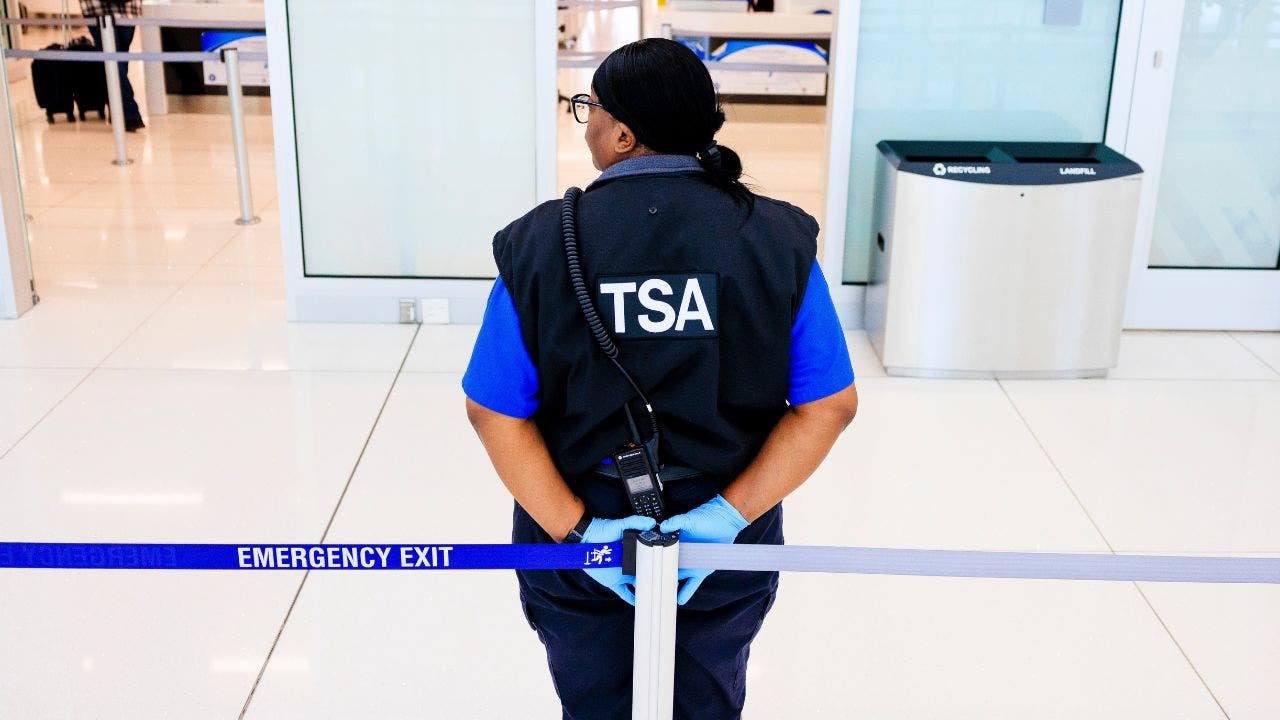
A Transportation Security Administration (TSA) officer stands near a security checkpoint. (Michael Ciaglo / Getty Images)
Transportation Security Administration (TSA)
Disruptions to the TSA, whose agents are responsible for security checks at nearly 440 airports across the country, could perhaps be the most impactful part of the partial shutdown to Americans’ everyday lives.
Acting Administrator Ha Nguyen McNeill told lawmakers at a hearing on Wednesday that around 95% of TSA employees — roughly 61,000 people — are deemed essential and will be forced to work without pay in the event of a shutdown.
McNeill said many TSA agents were still recovering from the effects of the recent 43-day shutdown. «We heard reports of officers sleeping in their cars at airports to save money on gas, selling their blood and plasma, and taking on second jobs to make ends meet,» she said.
TSA paychecks due to be issued on March 3 could see agents getting reduced pay depending on the length of the shutdown. Agents would not be at risk of missing a full paycheck until March 17.
If that happens, however, Americans could see delays or even cancellations at the country’s busiest airports as TSA agents are forced to call out of work and get second jobs to make ends meet.
SHUTDOWN CLOCK TICKS AS SCHUMER, DEMOCRATS DIG IN ON DHS FUNDING DEMANDS
Coast Guard
The U.S. Coast Guard is the only branch of the Armed Forces under DHS rather than the Department of War, and as such would likely see reduced operations during a shutdown.
That includes a pause in training for pilots, air crews, and boat crews until funding is restarted.
Admiral Thomas Allan, Coast Guard Vice Commandant, warned lawmakers that it would have to «suspend all missions, except those for national security or the protection of life and property.»
A lapse in its funding would also result in suspended pay for 56,000 active duty, reserve, and civilian personnel, which Allan warned would negatively affect morale and recruitment efforts.
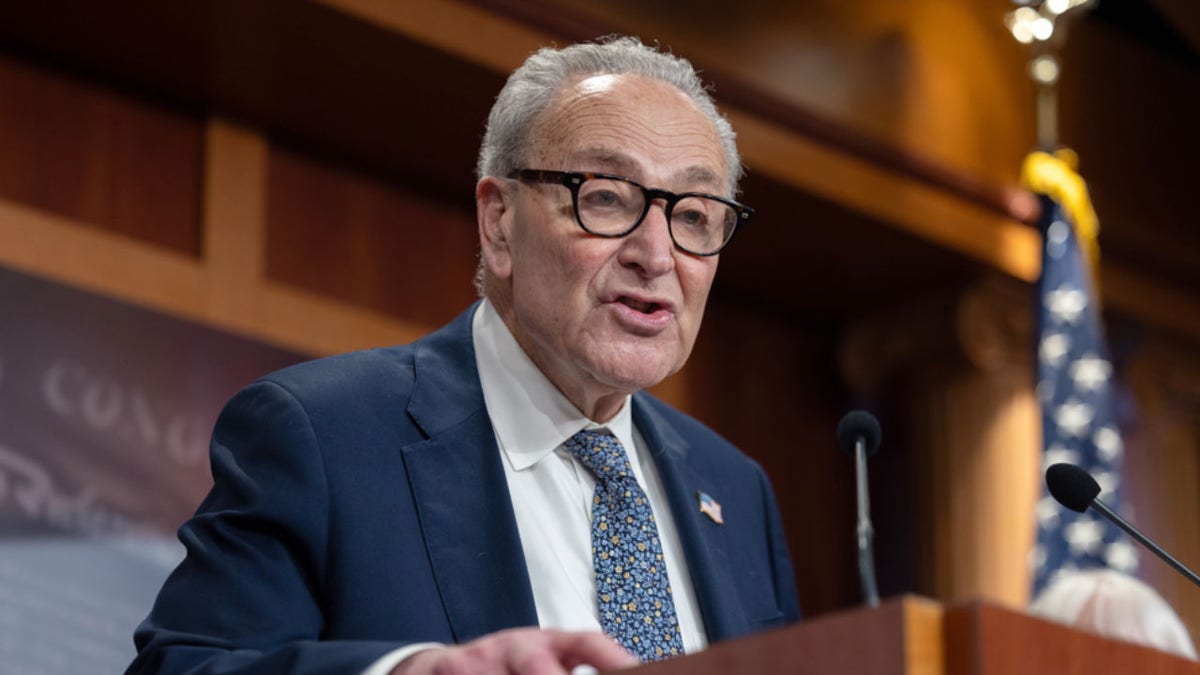
Senate Minority Leader Chuck Schumer, D-N.Y., speaks at a press conference following the passage of government funding bills, at the U.S. Capitol in Washington, D.C., on Jan. 30, 2026. (Nathan Posner/Anadolu via Getty Images)
Secret Service
The U.S. Secret Service (USSS), which is critical to protecting the president and key members of the administration, is also under DHS’s purview.
While its core functions would be largely unaffected by a shutdown, some 94% of the roughly 8,000 people the service employs would be forced to work without pay until the standoff is resolved.
Deputy USSS Director Matthew Quinn also warned that a shutdown could also hurt the progress being made to improve the service in the wake of the July 2024 assassination attempt against President Donald Trump.
«The assassination attempt on President Trump’s life brought forward hard truths for our agency and critical areas for improvement — air, space, security, communications and IT infrastructure, hiring and retention training, overarching technological improvements,» Quinn said. «We are today on the cusp of implementing generational change for our organization. A shutdown halts our reforms and undermines the momentum that we, including all of you, have worked so hard to build together.»
Immigration and Customs Enforcement (ICE)
ICE operations would largely go on unimpeded during a shutdown, despite Democrats’ outrage at the agency being the main driver of the current standoff.
Nearly 20,000 of ICE’s roughly 21,000 employees are deemed «essential» and therefore must work without pay, according to DHS shutdown guidance issued in September 2025.
But even though it’s the center of Democrats’ funding protest, ICE already received an injection of some $75 billion over the course of four years from Trump’s One Big, Beautiful Bill Act (OBBBA). It means many of its core functions retain some level of funding even during a shutdown.
Cybersecurity and Infrastructure Security Agency (CISA)
CISA is responsible for defending critical U.S. sectors like transportation, healthcare, and energy from foreign and domestic threats.
The agency would be forced to reduce operations to an active threat mitigation status and activities «essential to protecting and protecting life and property,» according to Acting CISA Director Madhu Gottumukkala.
That means a shutdown would significantly reduce CISA’s capacity to proactively monitor for potential threats from foreign adversaries.
«We will be on the defensive, reactive as opposed to being proactive, and strategic in terms of how we will be able to combat those adversaries,» Gottumukkala said.
Operations like «cyber response, security assessments, stakeholder engagements, training, exercises, and special event planning» would all be impacted, he said.
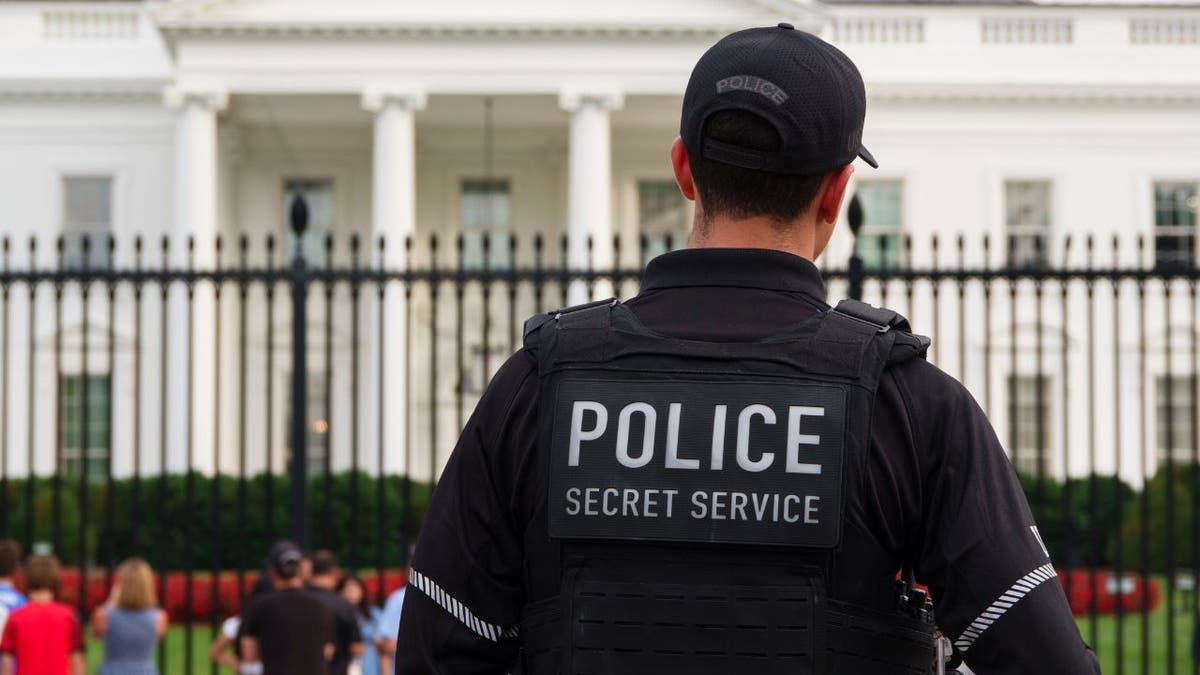
A U.S. Secret Service police officer stands outside the White House the day after President Donald Trump announced U.S. military strikes on nuclear sites in Iran on June 22, 2025, in Washington, D.C. (Kevin Carter/Getty Images)
Federal Emergency Management Agency (FEMA)
FEMA, one of the largest recipients of congressional funding under DHS, would also likely see reduced operations if a shutdown went on for long enough.
The bright spot for the agency is that past congressional appropriations have left its Disaster Relief Fund (DRF), the main coffer used to respond to natural disasters throughout the U.S., with roughly $7 billion.
The DRF could become a serious problem if the DHS shutdown goes on for more than a month, however, or in the event of an unforeseen «catastrophic disaster,» an official warned.
CLICK HERE TO DOWNLOAD THE FOX NEWS APP
FEMA is also currently working through a backlog of responses to past natural disasters, progress that Associate Administrator of the Office of Response and Recovery Gregg Phillips said could be interrupted during a shutdown.
«In the 45 days I’ve been here…we have spent $3 billion in 45 days on 5,000 projects,» Phillips said. «We’re going as fast as we can. We’re committed to reducing the backlog. I can’t go any faster than we actually are. And if this lapses, that’s going to stop.»
politics,congress,government shutdown,homeland security

El éxodo
Los oligarcas


La orden de Karina Milei en PBA que acelera una pelea interna decisiva

Revelan el rol clave de Sabrina Rojas durante la internación de Luciano Castro: “Se está yendo con los hijos a la Costa”

¿Cómo quedó la escala salarial de las empleadas domésticas en 2026?

La máquina Tricolor de Zubeldía: el Fluminense de Luis le ganó 1-0 a Botafogo y lleva 15 triunfos consecutivos como local

Estados Unidos y Taiwán acuerdan reducir aranceles e impulsar compras de productos estadounidenses

Manuel Adorni fulminó a Natalia Zaracho luego de que cuestionara con insultos la reforma laboral

Acuartelamiento policial en Santa Fe: reclamo salarial y temor a un conflicto nacional de seguridad

La advertencia de ATE a los gobernadores que apoyan la reforma laboral: “Firmarán su sentencia de muerte”

Cuánto le cuesta a la clase media llenar el changuito y cómo varían los precios de los alimentos entre provincias

A quién afecta la Reforma laboral: estos son los puntos clave del proyecto de Milei

 POLITICA3 días ago
La advertencia de ATE a los gobernadores que apoyan la reforma laboral: “Firmarán su sentencia de muerte”
- POLITICA22 horas ago
A quién afecta la Reforma laboral: estos son los puntos clave del proyecto de Milei
- ECONOMIA2 días ago
Jornada financiera: el dólar cayó a un mínimo en casi tres meses y subieron las acciones argentinas en Wall Street