INTERNACIONAL
NYC suburb makes major security move by city border after Mamdani victory: ‘Talks like he’s pro-criminal’

NEWYou can now listen to Fox News articles!
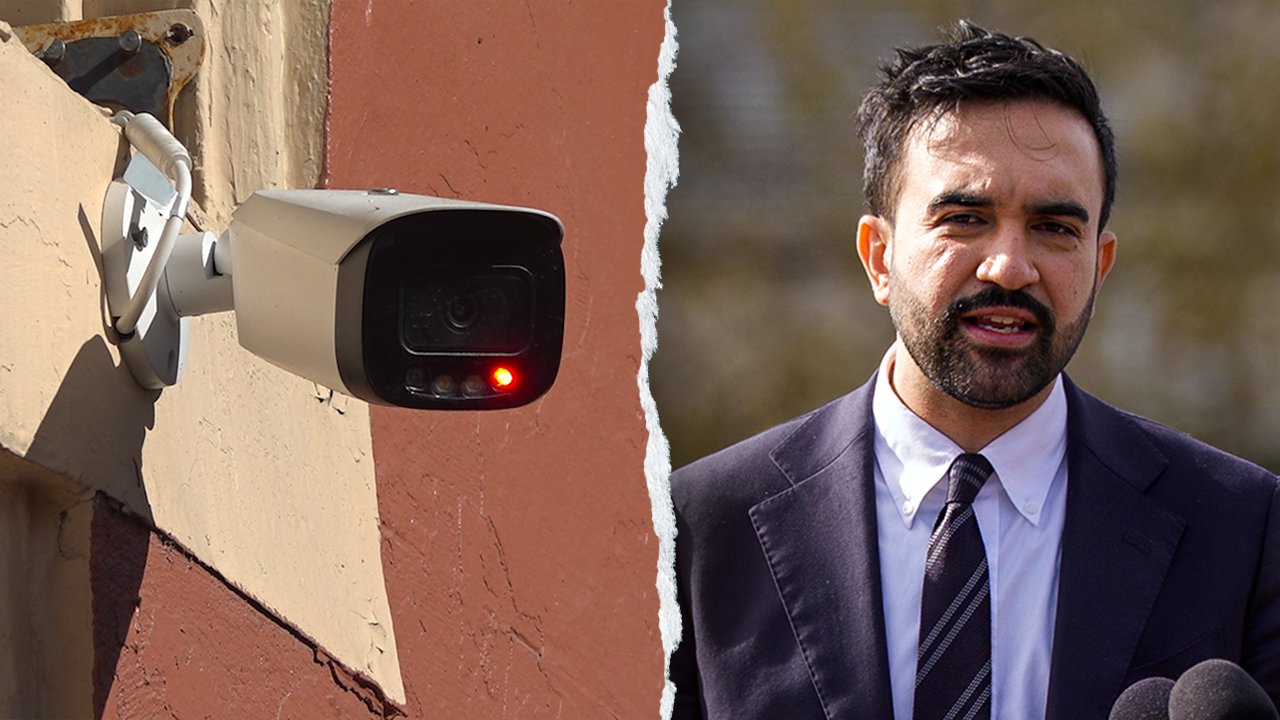
Nassau County Executive Bruce Blakeman, a Republican whose county neighbors New York City, said that he is directing authorities to install cameras and security technology along the border with the city in light of the election of Mayor-elect Zohran Mamdani.
In an interview with Fox News Digital, Blakeman, who was just re-elected earlier this month to serve a second term in the majority blue county, said he will be taking extra precautions to preserve law and order in Nassau County in light of the socialist mayor-elect, Mamdani.
«We are doing everything necessary to make sure that Nassau County is safe,» he said. «We are installing technology along the border of New York City that will read license plates, that will have facial recognition, that will have video cameras.»
He also stated that the county is hiring new police officers in addition to its existing force and the 100 police cadets currently enrolled in the Nassau County Police Academy.
NYC SUBURB OFFICIAL REVEALS HOW ICE PARTNERSHIP HAS FLIPPED SCRIPT ON CRIME AS MAMDANI VICTORY LOOMS
Nassau County Executive Bruce Blakeman (left) and New York City Mayor-elect Zohran Mamdani (Steve Pfost/Newsday RM via Getty Images; Adam Gray/Bloomberg via Getty Images)
«Our cops are doing a great job, and I’m going to continue to give them the personnel and the resources, technology and equipment and training that will now allow them to combat any situation that would jeopardize the security and safety of our communities here in Nassau County,» he said.
Meanwhile, Blakeman said Mamdani «talks like he’s pro-criminal, not pro-victim.»
While Republicans in Virginia, New Jersey and New York suffered electoral defeats earlier this month, Blakeman won his race by close to 12 percentage points. He beat out a Democrat in a county with over 100,000 more registered Democrats than Republicans.
He attributes this victory to leaning into his messages on improving public safety and affordability, which he said resonates with all demographics. He did not even shy away from his condemnation of New York sanctuary policies and the county’s partnership with U.S. Immigration and Customs Enforcement.
NEW YORK LEADER PLEDGES MORE COPS, TOUGHER ICE PARTNERSHIP IF NYC ELECTS SOCIALIST MAYOR

Nassau County Executive Bruce Blakeman was re-elected by a decisive margin, despite the county having more registered Democrats than Republicans. (Office of Nassau County Executive Bruce Blakeman)
«New York State was an area that was safe, and I think basically that’s what the people are craving,» he explained.
«I never ran away from my pro-Trump policies. I supported the president, and I continue to support the president. People respected me for that, even if they disagree, because they knew that I wasn’t a phony. And yet, at the same time, what I was doing on parallel tracks is reaching out to the communities … and let them know that I am a county executive for all people, so I’m going to continue to make their neighborhoods safer. I’m going to keep taxes down.»
«Our campaign appealed to the independent voters and crossover Democrats,» he explained. «That’s why I think we were a bright star on an otherwise dark night on election night.»
This law-and-order message stands in stark contrast with Mamdani’s history of comments calling the police racist, anti-queer and a public safety threat. Though Mamdani walked back those statements during his campaign, his proposal to replace law enforcement officers with mental health workers has raised concerns about a further deepening of crime in New York City.
MAMDANI TAKES AIM AT TRUMP’S IMMIGRATION POLICIES IN FIERY STATEN ISLAND SPEECH: ‘WE ARE FIGHTING TO KEEP NYC A SANCTUARY CITY’
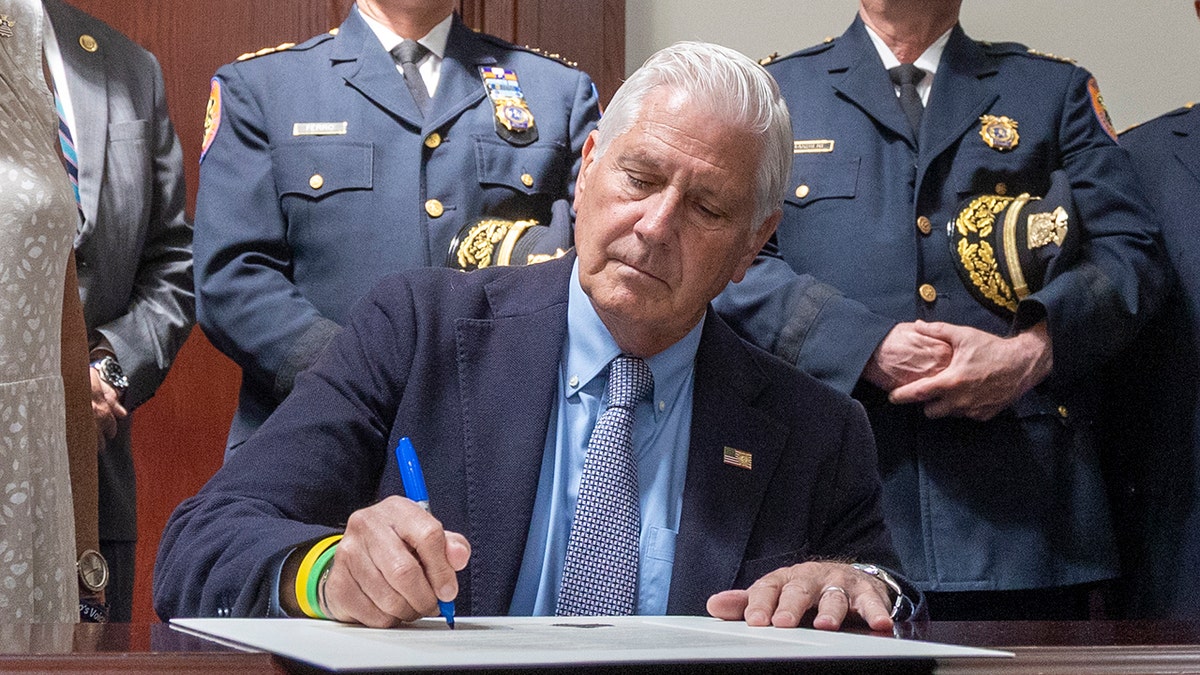
Nassau County Executive Bruce Blakeman signs an executive order showing the county’s support for federal, state, and local law enforcement officials by allowing masks for specific investigations in Nassau County on July 11, 2025, in Mineola, New York. (Howard Schnapp/Newsday RM via Getty Images)
While New York swings to the left, Blakeman said his approach counters the momentum around Mamdani’s socialist policy proposals.
CLICK HERE TO DOWNLOAD THE FOX NEWS APP
«Right now, I see his values as anti-American,» he said. «So, I have a lot of issues with Mamdani.»
«We built the greatest economic city in the world, with the financial capital of the world being in New York City. His policies will probably destroy that,» he went on, adding that if people are leaving New York City, «They’re welcome to come to Nassau County, where it’s safe and affordable.»
police and law enforcement,new york city,new york,immigration,zohran mamdani













1. Alberto Fujimori (1990-2000)
2. Alejandro Toledo (2001-2006)
3. Alan García (1985-1990 y 2006-2011)
4. Ollanta Humala (2011-2016)

5. Pedro Pablo Kuczynski (2016-2018)
6. Martín Vizcarra (2018-2020)
7. Pedro Castillo (2021-2022)

8. Dina Boluarte
9. José Jerí

NEWYou can now listen to Fox News articles!
The U.S. is preparing to expand the deployment of advanced missile systems in the northern Philippines, placing additional long-range strike capability within range of key Chinese military assets and reinforcing Washington’s effort to counter Beijing’s growing assertiveness across the Indo-Pacific.
U.S. and Philippine officials announced plans to increase deployments of «cutting-edge missile and unmanned systems» to the treaty ally, as both governments condemned what they described as China’s «illegal, coercive, aggressive and deceptive activities» in the South China Sea.
The move comes as confrontations between Chinese and Philippine vessels have intensified in disputed waters and as Beijing continues to pressure Taiwan, raising the stakes across the region’s most sensitive flashpoints.
It builds on the deployment of the U.S. Army’s Typhon missile system in northern Luzon, Philippines, a ground-based launcher capable of firing Tomahawk cruise missiles that can travel more than 1,000 miles.
TAIWAN UNVEILS $40B DEFENSE SPENDING PLAN TO COUNTER CHINA MILITARY THREAT OVER NEXT DECADE
The U.S. is preparing to expand the deployment of advanced missile systems in the northern Philippines. (Tim Kelly/Reuters)
Tomahawks can travel more than 1,000 miles — a range that, from northern Luzon, Philippines, places portions of southern China and major People’s Liberation Army (PLA) facilities within reach. The positioning also allows the U.S. and Philippine militaries to cover large swaths of the South China Sea and key maritime corridors connecting it to the broader Pacific.
The U.S. first deployed the Typhon system to Luzon, Philippines, in April 2024. An anti-ship missile launcher known as the Navy Marine Expeditionary Ship Interdiction System was deployed in 2025 to Batan Island in the northernmost Philippine province of Batanes.
That island faces the Bashi Channel, a strategic waterway just south of Taiwan that serves as a critical transit route for commercial shipping and military vessels moving between the South China Sea and the Western Pacific. Control of that channel would be vital in any potential Taiwan contingency.
BIPARTISAN HOUSE CHINA PANEL SLAMS BEIJING’S TAIWAN DRILLS AS ‘DELIBERATE ESCALATION’
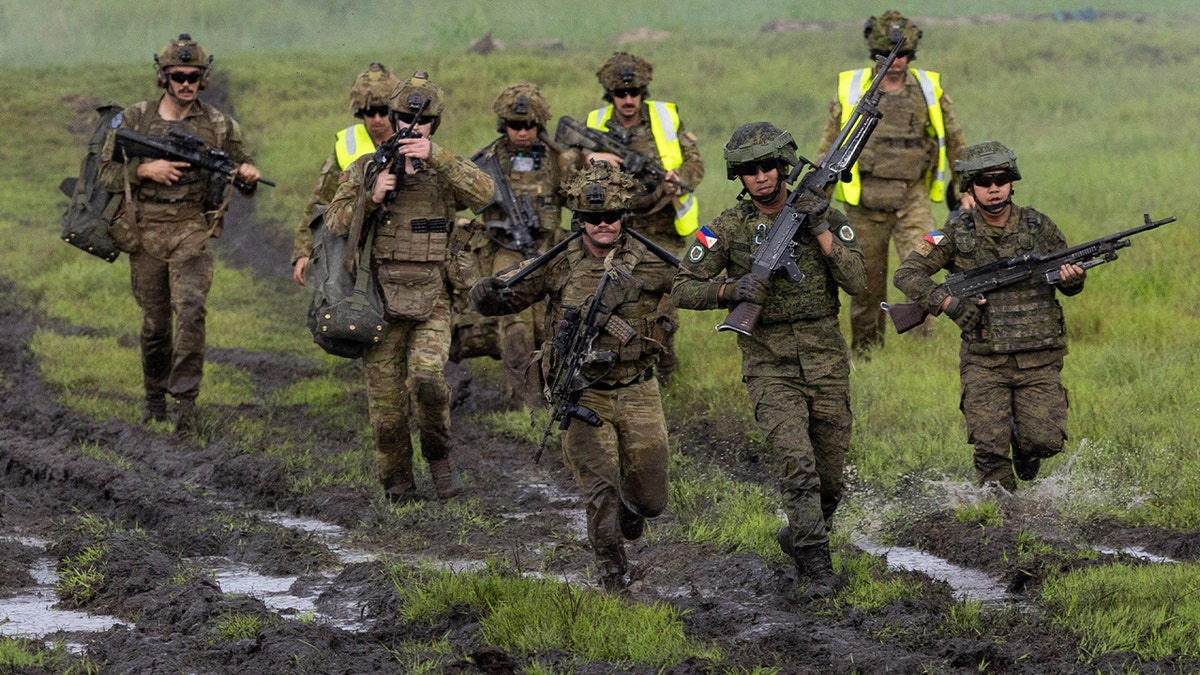
U.S. and Philippine officials announced plans to increase deployments of «cutting-edge missile and unmanned systems» to the treaty ally, as both governments condemned what they described as China’s «illegal, coercive, aggressive and deceptive activities» in the South China Sea. (Eloisa Lopez/Reuters)
Beijing has urged Manila to withdraw the U.S. systems from its territory, but officials under President Ferdinand Marcos Jr. have rejected those demands.
«China has consistently stated its firm opposition to the United States’ deployment of advanced weapons systems in the Philippines. The introduction of strategic and offensive weapons that heighten regional tensions, fuel geopolitical confrontation, and risk triggering an arms race is extremely dangerous. Such actions are irresponsible to the people of the Philippines, to Southeast Asian nations, and to regional security as a whole,» Chinese embassy spokesperson Liu Pengyu told Fox News Digital. «The United States is not a party to disputes in the South China Sea and has no standing to intervene in maritime issues between China and the Philippines.»
«The Taiwan question lies at the very heart of China’s core interests. China’s determination to defend its national sovereignty, security, and territorial integrity is unwavering. Any provocation that crosses red lines on Taiwan will be met with resolute countermeasures, and any attempt to obstruct China’s reunification is doomed to fail,» Liu continued.
Neither side detailed how many additional systems would be sent or whether the deployments would be permanent, but Philippine Ambassador to Washington Jose Manuel Romualdez said U.S. and Filipino defense officials discussed deploying upgraded missile launchers that Manila may eventually seek to purchase.
«It’s a kind of system that’s really very sophisticated and will be deployed here in the hope that, down the road, we will be able to get our own,» Romualdez told The Associated Press.
Romualdez stressed that the deployments are intended as a deterrent.
CHINA WARNS OF RISING WAR RISK AFTER HISTORIC US ARMS SALE TO TAIWAN
«It’s purely for deterrence,» he said. «Every time the Chinese show any kind of aggression, it only strengthens our resolve to have these types.»
China repeatedly has objected to the missile deployments, warning they threaten regional stability and accusing Washington of trying to contain its rise.
In a joint statement following annual bilateral talks in Manila, the U.S. and the Philippines underscored their support for freedom of navigation and unimpeded commerce in the South China Sea — a vital global trade artery through which trillions of dollars in goods pass each year.
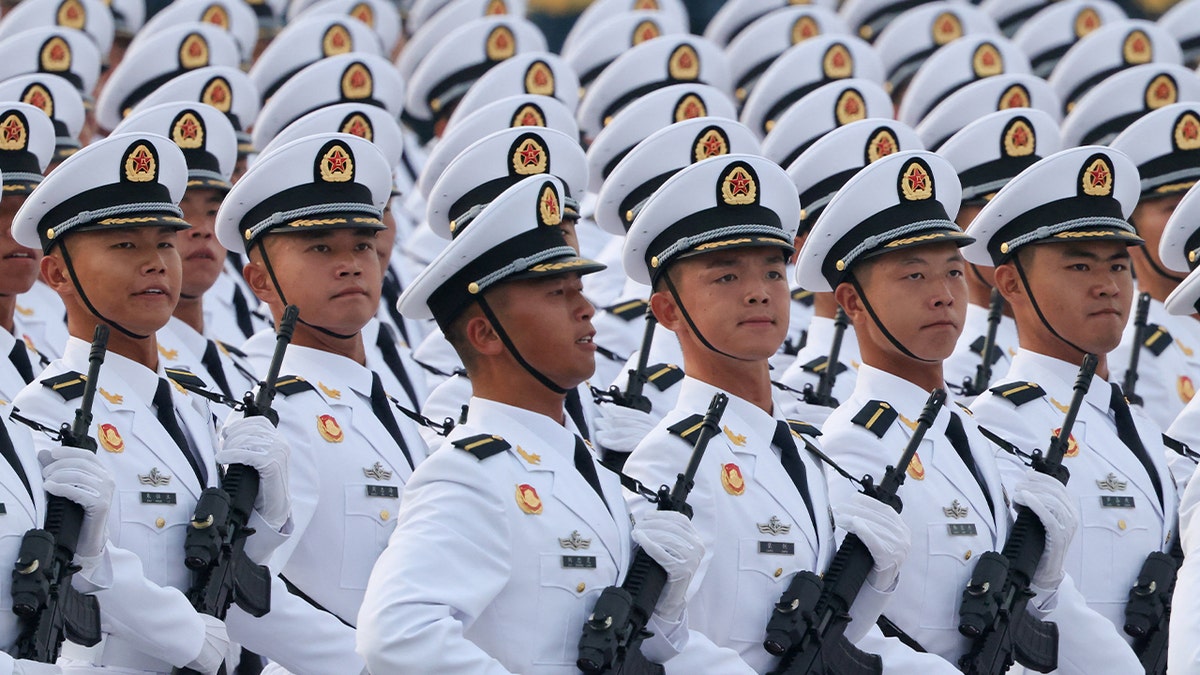
Members of the Chinese People’s Liberation Army (PLA) Navy march during the rehearsal ahead of a military parade to mark the 80th anniversary of the end of World War Two, in Beijing, Sept. 3, 2025. (Maxim Shemetov/Reuters)
«Both sides condemned China’s illegal, coercive, aggressive and deceptive activities in the South China Sea, recognizing their adverse effects on regional peace and stability and the economies of the Indo-Pacific and beyond,» the statement said.
China claims virtually the entire South China Sea despite an international tribunal ruling in 2016 that invalidated many of its sweeping claims. In recent years, Chinese coast guard and maritime militia vessels have clashed repeatedly with Philippine ships near disputed shoals, including Second Thomas Shoal.
HIGH STAKES ON THE HIGH SEAS AS US, CHINA TEST LIMITS OF MILITARY POWER
The expanded missile deployments also come as the Pentagon balances rising tensions in multiple theaters. In recent weeks, the USS Abraham Lincoln carrier strike group — which had been operating in the Indo-Pacific — was redirected toward the Middle East as the U.S. moved to bolster its posture amid escalating tensions with Iran.
The deployments also reflect a broader U.S. effort to strengthen its military posture along the so-called «first island chain» — a string of territories stretching from Japan through Taiwan and the Philippines that forms a natural barrier to Chinese naval expansion into the Pacific.
Washington has deepened defense cooperation with Manila under the Enhanced Defense Cooperation Agreement, expanding U.S. access to Philippine bases, including sites in northern Luzon close to Taiwan.
China in May released a national security white paper criticizing the deployment of an «intermediate-range missile system» in the region — widely viewed as a reference to the U.S. Typhon launcher in the Philippines. The document accused unnamed countries of reviving a «Cold War mentality» and forming military «small groups» that aggravate regional tensions.
For U.S. planners, dispersing mobile, land-based missile systems across allied territory complicates Beijing’s military calculus. Instead of relying solely on ships and aircraft, the U.S. can field ground-based systems that are harder to track and capable of holding Chinese naval and air assets at risk.
CLICK HERE TO DOWNLOAD THE FOX NEWS APP
For Beijing, however, such deployments reinforce its long-standing claim that the United States is encircling China militarily.
As tensions simmer in both the South China Sea and around Taiwan, the positioning of long-range U.S. missile systems on Philippine soil underscores how the strategic competition between Washington and Beijing is increasingly being defined by geography — and by which side can project credible deterrent power across it.
china,pacific,conflicts defense,defense
INTERNACIONAL
Por qué el arroz con huevo brinda los mismos beneficios que la carne roja en proteínas, según los expertos
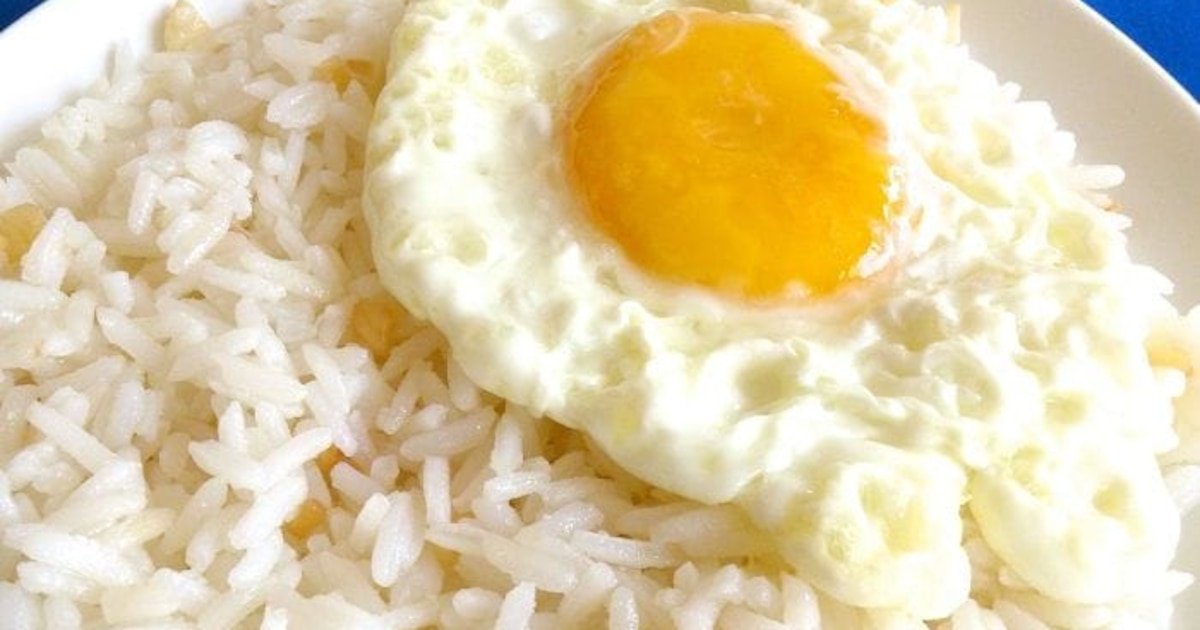
La combinación de arroz con huevo, consumida a diario en numerosos hogares y comedores, se consolidó como una de las alternativas más eficientes y accesibles en términos nutricionales. Personas de diferentes edades y contextos la eligen por su practicidad, su bajo costo y su capacidad para aportar proteínas completas y energía sostenida. El interés por este plato creció especialmente entre quienes buscan una alimentación saludable y balanceada.
Tradicionalmente, el arroz con huevo fue visto como una solución ante la escasez o como un recurso rápido en la cocina. Sin embargo, los avances en la ciencia de los alimentos permitieron demostrar que esta mezcla supera a la carne roja en varios aspectos nutricionales. Deportistas, estudiantes y familias encuentran en este plato una fuente de proteínas, vitaminas y minerales esenciales para el funcionamiento del organismo.
Especialistas en nutrición y ciencia de los alimentos sostienen que el valor de esta combinación radica en la calidad de sus proteínas y en su aporte energético. Según investigaciones recientes citadas por O Globo, el arroz aporta energía rápida y fibra, mientras que el huevo completa el perfil de aminoácidos, logrando una proteína de alta calidad.
La combinación de arroz con huevo ofrece una proteína de alto valor biológico, comparable a la de la carne roja en términos de calidad y aprovechamiento por el organismo. Según la Organización de las Naciones Unidas para la Alimentación y la Agricultura (FAO), mezclar cereales como el arroz con huevo permite obtener todos los aminoácidos esenciales en proporciones óptimas, lo que hace que esta alternativa cumpla la misma función estructural y reparadora que las proteínas animales más reconocidas.

Esta equivalencia proteica, sumada a su bajo costo y accesibilidad, convierte al arroz con huevo en una opción eficiente y saludable para quienes buscan cubrir sus necesidades nutricionales sin recurrir necesariamente a la carne roja.
De acuerdo con O Globo, la clave nutricional del arroz con huevo reside en el concepto de Valor Biológico (VB). El arroz carece de lisina, un aminoácido esencial, pero el huevo lo contiene en cantidad suficiente para complementar el cereal. Así, el organismo aprovecha mejor las proteínas, que se utilizan para reparar tejidos, producir hormonas y mantener la masa muscular.
Diversos estudios comparativos muestran que la eficiencia de la proteína formada por arroz y huevo iguala o supera la de la carne roja. Esta combinación también resulta más económica y accesible, lo que favorece su inclusión en la dieta diaria. Quienes practican actividades físicas intensas o deportes de resistencia eligen el arroz con huevo como aliado estratégico por su fácil digestión y sus beneficios de recuperación muscular.
Bruno Román, especialista en ciencia de los alimentos, explicó al portal Miyeilis Flores: “El arroz con huevo es como un juego de Lego: el huevo coloca las piezas que faltan al arroz para construir salud”. Según Román, la sinergia entre ambos alimentos representa un ejemplo de optimización nutricional sin necesidad de recurrir a suplementos.

El arroz con huevo puede optimizarse mediante técnicas sencillas en la cocina. Una de ellas es el choque térmico: cocinar el arroz con anticipación, dejarlo enfriar en la heladera y luego recalentar suavemente antes de consumirlo. Según recomendaciones de expertos en nutrición, este proceso genera almidón resistente, una fibra que se absorbe lentamente y favorece la microbiota intestinal.
En materia de seguridad alimentaria, se aconseja lavar el arroz varias veces hasta que el agua salga transparente y utilizar suficiente agua en la cocción para reducir la presencia de arsénico, mineral que el cereal absorbe del suelo. El consumo responsable y cuidadoso garantiza un plato seguro y saludable para todos los integrantes de la familia.
Para evitar picos de glucosa en sangre, la sugerencia es acompañar el arroz con huevo con una porción de vegetales verdes. Según especialistas en endocrinología citados por O Globo, la fibra de estos vegetales ralentiza la absorción del almidón y ayuda a mantener estables los niveles de azúcar. Esta recomendación resulta especialmente útil para personas con diabetes o que buscan controlar el peso corporal.

El equilibrio en las proporciones de arroz y huevo es fundamental para obtener el máximo beneficio nutricional. De acuerdo con los expertos, la relación ideal consiste en media taza de arroz por cada huevo. Este balance evita el exceso de carbohidratos y asegura un buen aporte proteico, necesario para la regeneración y el crecimiento de los tejidos.
La cocción del huevo también requiere atención. Evitar el calor excesivo que dora las bordes previene la degradación de proteínas y la oxidación de las grasas saludables de la yema. Así, el valor nutricional se mantiene intacto y el plato conserva su eficacia como fuente de energía y nutrientes.
El arroz con huevo admite múltiples variantes según los objetivos personales y las costumbres regionales. Algunas personas añaden verduras frescas, hierbas o especias para enriquecer el sabor y sumar nutrientes. Otras prefieren incorporar aceite de oliva o semillas para aumentar el contenido de ácidos grasos saludables, siempre cuidando la moderación y el equilibrio.

El arroz con huevo no solo destaca por su valor nutricional, sino también por su bajo costo y su versatilidad en la cocina. Esta preparación permite alimentar a grandes grupos familiares y se adapta tanto al desayuno como al almuerzo o la cena. Además, constituye una alternativa sostenible en comparación con las carnes rojas, cuyo impacto ambiental resulta considerablemente mayor.
El conocimiento y la difusión de los beneficios del arroz con huevo permiten tomar decisiones alimentarias más informadas. Incorporar esta combinación a la rutina diaria contribuye a la salud individual y colectiva. La simplicidad de los ingredientes y la facilidad de preparación convierten al arroz con huevo en una herramienta clave para una alimentación equilibrada.
Optimizar la preparación y acompañar el plato con vegetales asegura el máximo aprovechamiento de sus ventajas. El arroz con huevo confirma que la nutrición de calidad puede ser accesible, económica y deliciosa.
arroz con huevo

SEGA actualiza el banner de Sonic en YouTube: ahora se centra en la década de 2010 – Nintenderos

El Ministerio de Seguridad denunció penalmente a una cuenta de Instagram por instigar a cometer delitos

Por primera vez, salió a la luz lo que se ocultó de Luciano Castro y su salud mental: «Con procesos de psiquiatras y psicólogos»

Supermercados liquidan notebooks desde $299.999 y cuotas sin interés

¡Otra exhibición más! Ojo clínico de Flick con Ryerson

De Fujimori a José Jerí: los presidentes de Perú investigados y expulsados del poder

Cristian Ritondo: “Vamos a apoyar la ley de modernización laboral, pero no el régimen de licencias por enfermedad”

Uno de los jefes de la CGT adelantó que convocarán a un paro general por la reforma laboral: “Trabajaremos para que sea una gran huelga”

Reforma laboral bomba: menos indemnización, más horas y despidos más fáciles — el cambio que puede sacudir el empleo en Argentina

El dólar no sólo cae en la Argentina: qué pasa con otras monedas emergentes y cuáles son las causas

 POLITICA1 día ago
Cristian Ritondo: “Vamos a apoyar la ley de modernización laboral, pero no el régimen de licencias por enfermedad”
- POLITICA3 días ago
Uno de los jefes de la CGT adelantó que convocarán a un paro general por la reforma laboral: “Trabajaremos para que sea una gran huelga”
- POLITICA14 horas ago
Reforma laboral bomba: menos indemnización, más horas y despidos más fáciles — el cambio que puede sacudir el empleo en Argentina