INTERNACIONAL
Trump-backed Republican touts ‘great turnout for us’ in must-win special election for GOP

NEWYou can now listen to Fox News articles!
FRANKLIN, Tenn. – The Republican congressional nominee in a special election for a hotly contested GOP-controlled vacant U.S. House seat in ruby-red Tennessee says he’s getting «incredible reports back all across the district.»
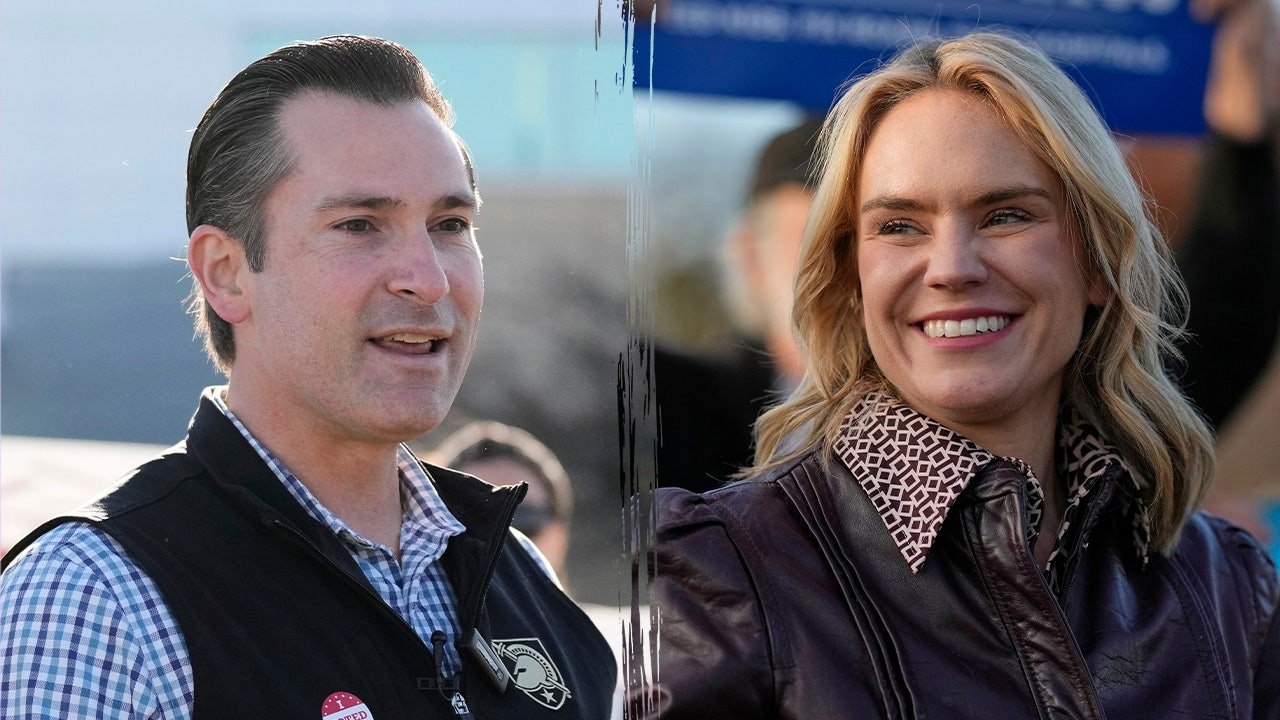
Matt Van Epps touted «great turnout for us» as he spoke with Fox News Digital Tuesday morning after greeting supporters outside a polling station. «We were up in early voting, and we’re just going to keep pressing forward to win today.»
Van Epps is facing off against Democratic nominee Aftyn Behn in the race to succeed former GOP Rep. Mark Green, who resigned from office in June to take a private sector job.
With the GOP clinging to a razor-thin majority in the House, the election is seen as a must-win for Republicans.
DECISION DAY: TRUMP, SPEAKER JOHNSON, AOC BLITZ CAMPAIGN TRAIL ON EVE OF KEY SHOWDOWN
Republican congressional nominee Matt Van Epps greets supporters outside a polling station on Election Day, in Franklin, Tennessee on Dec. 2, 2025. (Paul Steinhauser/Fox News)
President Donald Trump carried the 7th Congressional District — which is located in central and western Tennessee, stretches from Kentucky to Alabama, and includes parts of Nashville — by 22 points in last year’s presidential election. And Green won the district by over 20 points in his 2022 and 2024 re-elections.
But Democrats are energized following the 2025 elections, and public opinion surveys suggested a close contest between Van Epps and Behn in a showdown that’s seen as a key barometer ahead of next year’s midterm elections, when the GOP will be defending its majority.
WATCH: WHAT AFTYN BEHN TOLD FOX NEWS DIGITAL ON ELECTION EVE
Asked by Fox News Digital if he needed to win the election by a certain margin, Van Epps said, «a win is a win.»
But the military combat veteran and former commissioner of the Tennessee Department of General Services added that «we’re going to press as hard as we can to win by the biggest margin we can, and then we’re going to hold the majority in ’26.»
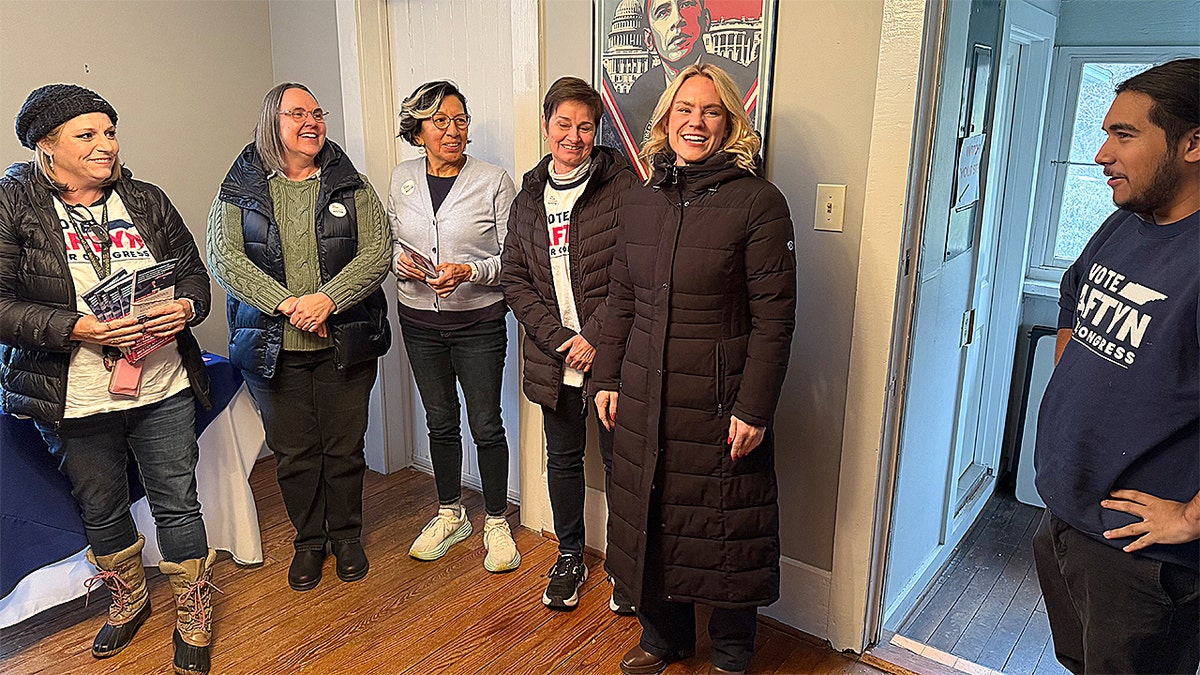
Democratic congressional nominee Aftyn Behn speaks to supporters at a party office on Election Eve, in Franklin, Tennessee, on Dec. 1, 2025 (Paul Steinhauser/Fox News)
Behn, a state representative and former healthcare community organizer, who’s been dubbed the «AOC of the South» in a comparison to progressive champion Rep. Alexandria Ocasio-Cortez, told supporters at a local Democratic Party office in Nashville on Tuesday morning that «whatever happens, win or lose, you’ve inspired a country. You’ve shown people the South has something to say.»
«For me, we’ve already won over the hearts and minds of so many Tennesseans and across the country,» Behn told Fox News Digital minutes later when asked if she’s a winner even without an election victory. «What starts here changes this country.»
And she added, «I think the electorate is shifting to accept a candidate like me that has a progressive track record.»
With so much on the line, outside groups aligned with both parties shelled out millions of dollars to run ads in the race. And the Democratic National Committee (DNC) and the rival Republican National Committee (RNC) each poured resources into the showdown, which included dispatching staffers onto the campaign trail.
DEMOCRATS, REPUBLICANS, GO ALL IN ON FINAL 2025 CONGRESSIONAL BALLOT BOX SHOWDOWN
House Speaker Mike Johnson spent the entire day on Election Eve with Van Epps, joining the GOP nominee at a slew of rallies and stops across the district. He was joined by RNC chair Joe Gruters.

Republican congressional nominee Matt Van Epps is joined by House Speaker Mike Johnson at an Election Eve rally in Franklin, Tennessee, on Dec. 1, 2025. (Paul Steinhauser/Fox News)
«We’re going to win this seat, but we cannot take anything for granted,» Johnson said in an interview with Fox News Digital.
«Special elections are strange because a lot of people take for granted in a deep red district like this that the Republican is just going to win automatically. Nothing’s automatic. So we’re here to help turn out the vote and make sure we get this great candidate right over that line,» Johnson said.
Aiming to motivate low-propensity Trump supporters, who often don’t vote when the president’s not on the ballot, Johnson emphasized that «we need everybody to turn out.»
Before introducing Van Epps at Monday’s first rally, Johnson called Trump on his cell phone, and the president spoke to the crowd for over four minutes.
«Let’s make it a sweeping victory,» Trump said. «The whole world is watching Tennessee right now. And they’re watching your district. The whole world. It’s a big vote. It’s going to show something. It’s got to show that the Republican Party is stronger than it’s ever been.»
Trump joined Van Epps later in the day for an evening tele rally.
In another sign of the importance of holding the seat, Republican Gov. Bill Lee, GOP Sens. Marsha Blackburn and Bill Hagerty, as well as Republican members of Congress from Tennessee, state GOP lawmakers and rival candidates who lost to Van Epps in last month’s primary, showed up in support.
Behn also enjoyed last minute support from high-profile surrogates.
Ocasio-Cortez; Rep. Pramila Jayapal of Washington state, who chaired the Congressional Progressive Caucus the past four years; Black Voters Matter Fund co-founder LaTosha Brown and former Vice President Al Gore, a Tennessee native, all spoke at an Election Eve virtual rally.
CLICK HERE TO DOWNLOAD THE FOX NEWS APP
«The reason this race is competitive is because I have been at community gatherings, potlucks, funerals, weddings, with the voters in the seventh district, and they remember that,» Behn told Fox News Digital.
But Van Epps, pointing to his Election Eve appearances with Johnson, told Fox News, «I think we were at probably 10 events yesterday to have him here with us and campaigning, the momentum is real. Been endorsed by over 50 local leaders across the district. We’ve built momentum from the primary, and we’re going to carry this forward.»
donald trump,mike johnson,2025 2026 elections coverage,midterm elections,house of representatives,tennessee,democratic party,republicans elections









Científicos de la Universidad de Ginebra (UNIGE) analizaron la actividad cerebral de adultos expuestos a sonidos de primates y hallaron que solo los chimpancés provocaron una respuesta distintiva en regiones asociadas al reconocimiento de la voz.
El estudio, publicado en la revista eLife en versión preprint (sin validación de pares), fue dirigido por Leonardo Ceravolo y se centró en observar cómo el cerebro humano reacciona ante vocalizaciones de humanos, chimpancés, bonobos y macacos.
La investigación incluyó a 23 adultos que escucharon 72 grabaciones —18 por especie—, seleccionadas para cubrir tanto contextos sociales positivos como negativos. Los participantes, recostados en un escáner de resonancia magnética funcional (fMRI), debían identificar la especie emisora de cada vocalización utilizando un teclado.

Mediante fMRI, los científicos observaron la actividad de la corteza auditiva, especialmente la circunvolución temporal superior, área fundamental en el procesamiento de sonidos complejos como el lenguaje y las emociones.
Solo las llamadas de los chimpancés provocaron una activación significativa y exclusiva en la circunvolución temporal superior anterior (aSTG) de ambos hemisferios, dentro de las denominadas áreas temporales de la voz (TVA). Este resultado evidencia que el cerebro humano distingue de forma clara y específica las vocalizaciones de chimpancés, en contraste con bonobos o macacos, que no generaron respuestas comparables.
Aunque los bonobos son tan cercanos a los humanos genéticamente como los chimpancés, las vocalizaciones de ambos difieren notablemente en aspectos acústicos. Los bonobos presentan llamadas más próximas al canto de los pájaros, mientras los macacos se encuentran alejados tanto filogenéticamente como en el rango sonoro.

Los análisis acústicos confirmaron que las llamadas de los chimpancés son las más parecidas a la voz humana en parámetros clave como la frecuencia fundamental, lo que facilita la respuesta cerebral diferenciada. La doble proximidad —evolutiva y acústica— parece ser determinante.
Ceravolo afirmó: “Cuando los participantes escucharon las vocalizaciones de los chimpancés, esta respuesta fue claramente distinta de la provocada por los bonobos o los macacos”. Además, la especificidad de la respuesta cerebral se mantuvo incluso tras controlar variables acústicas y filogenéticas con tres modelos estadísticos distintos.
El estudio refuerza la hipótesis de que ciertas capacidades de procesamiento vocal son ancestrales y preceden al lenguaje articulado. Ceravolo explicó que existen áreas cerebrales en algunos animales que reaccionan especialmente a las voces de sus congéneres; ahora se ha demostrado que una región en el cerebro humano adulto —la circunvolución temporal anterosuperior— también es sensible a vocalizaciones de primates no humanos.

Esto sugiere que la sensibilidad a determinadas señales vocales podría haberse conservado evolutivamente, y que el reconocimiento de la voz, incluso en etapas tempranas del desarrollo humano, estaría vinculado a mecanismos neuronales compartidos con otros primates.
El trabajo de la UNIGE aporta evidencia de que la respuesta cerebral humana a sonidos no humanos puede depender de la proximidad evolutiva y acústica. Hasta la fecha, la mayoría de investigaciones centraba su análisis en voces humanas o animales domésticos y no hallaba activaciones específicas en las TVA ante sonidos de otras especies. Este estudio demuestra que bajo ciertas condiciones, el cerebro humano responde selectivamente a vocalizaciones de primates no humanos.
Entre las limitaciones, el estudio se restringió a cuatro especies de primates, lo que limita la generalización, y no se emplearon estímulos acústicos sintetizados para aislar variables aún más. Los autores subrayan que serán necesarias investigaciones futuras que amplíen la variedad de especies y profundicen en el efecto de las características acústicas sobre la activación cerebral.
La investigación de la Universidad de Ginebra abre un nuevo camino para comprender la continuidad evolutiva del procesamiento de señales vocales y su conexión con el lenguaje. Los autores prevén que la integración de técnicas bioacústicas y de neuroimagen funcional, junto con el estudio de más especies, permitirá identificar con mayor precisión los mecanismos neuronales que sustentan la comunicación vocal en humanos y otros primates.
INTERNACIONAL
Top expert exposes how elites are encouraging immigrants to not assimilate into American culture
NEWYou can now listen to Fox News articles!
An expert warned that the U.S. immigration crisis in America will continue so long as the country’s elite reject the idea of the «Americanization» of immigrants.
Mark Krikorian, who is the executive director of the Center for Immigration Studies, told Fox News Digital during an interview that one of the core drivers of declining assimilation in America is not only mass immigration itself but an ongoing «identity problem» in which the country’s elite have made assimilation a «dirty word» by rejecting American identity and exceptionalism.
«It’s not the immigrants’ doing, it’s a problem we have where our leadership classes, whether it’s government, business, education, religion, everything, aren’t really sure about whether it is even a good thing to be an American,» Krikorian, one of the country’s most notorious authorities on immigration policy, continued.
«The idea basically here is that there is no meaning to nationhood or to peoplehood that living in the United States is kind of like living in Northern New Jersey as opposed to Southern New Jersey. You live in the United States, or you live in Mexico or you live in Swaziland, it doesn’t mean anything,» he explained.
OVER 100 CALIFORNIA COLLEGES ACCUSED OF DISCRIMINATING AGAINST US-BORN STUDENTS IN NEW DOJ COMPLAINT
Like those in New York, Massachusetts’ local communities have been stressed by the sheer number of migrants placed in their state. (David Dee Delgado/Getty Images)
«The left increasingly, even at the mainstream level, they see immigration law itself as a kind of Jim Crow, that it’s immoral to keep anyone from moving to the United States if they want to. And everything stems from that,» he continued. «Because if that’s your worldview, then obviously law enforcement coming to round up and remove people who have no right to be here, no legal right to be here, is immoral.»
«So, in that context, how could we expect immigrants to Americanize successfully?» Krikorian said, adding,»What’s different today from, say, 100 or 200 years ago, is we now have a leadership class that doesn’t even believe in assimilation. They think Americanization is a dirty word.»
«My mother was a daughter of immigrants, went to public school in the 30s and 40s outside Boston, and she was taught to memorize the Gettysburg Address and George Washington was the father of our country and they sang Hail Columbia in school. You think they’re doing that in the L.A. Unified School District now, or in New York, or in the school district outside of Boston my mother went to? No!» he said. «They teach American kids to, at best, be ambivalent about America, depending on the school district, even hate America.»
«Until that changes,» he went on, «admitting large numbers of people, even legally, is frankly a bad idea.»
President Donald Trump and Homeland Security Secretary Kristi Noem have embarked on an intensive immigration enforcement agenda. With over 515,000 illegal aliens deported since Trump took office in January, the administration is on track to significantly exceed the record number of illegals deported out of the United States.
However, Krikorian warned that deportations will not be a complete solution to the problem.
«We now have the largest percentage of our population foreign-born ever recorded in American history. It’s close to 16% now. That’s more than it was during even the Ellis Island era … we’ve never been here before,» Krikorian said.
TRUMP’S ‘BORDER CZAR’ WARNS DEM GOVS REJECTING TRUMP DEPORTATION PLAN: ‘GET THE HELL OUT OF THE WAY’
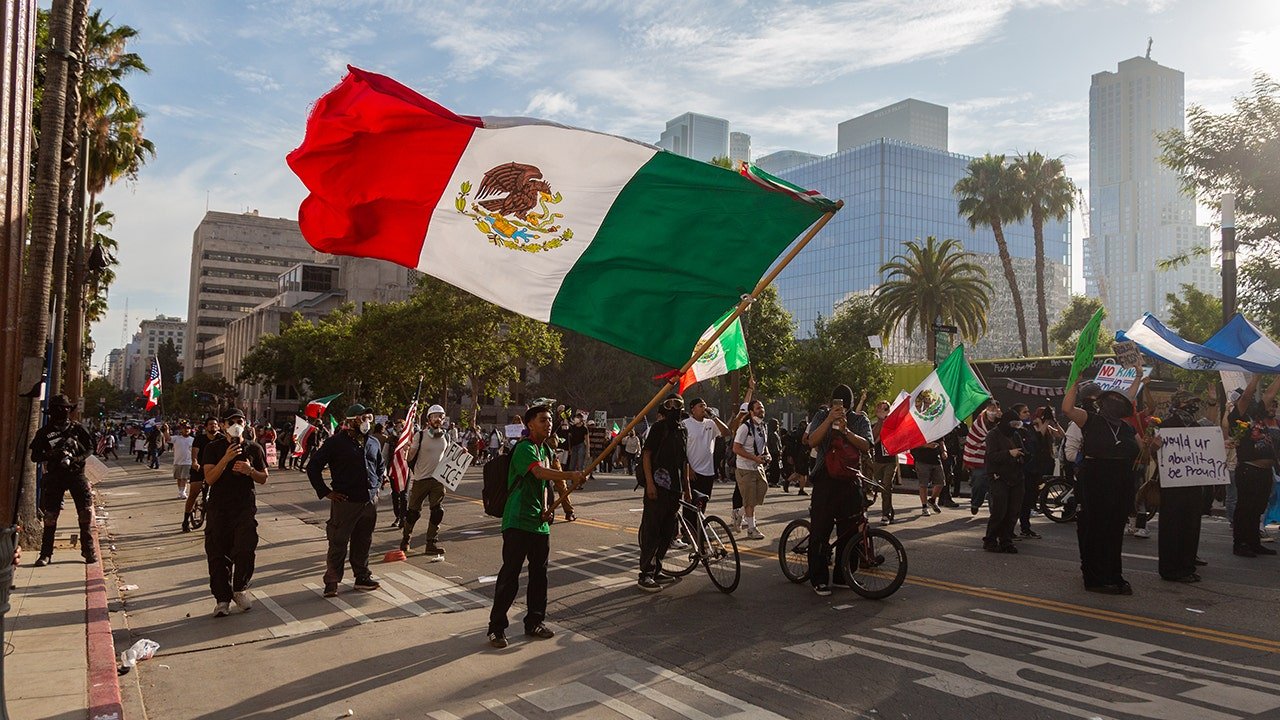
Anti-ICE rioters and police face-off in Los Angeles on Saturday, June 14, 2025. (Jamie Vera/Fox News)
This is further coupled with the rise of technology, which Krikorian said makes it less important for immigrants to integrate into their new communities.
«Newcomers don’t have to really cut off ties in the way that they had to do in the past,» he said. «In the old days, immigrating meant you had no choice but to reorient your emotional and psychological attachments to the new country … Nowadays, you can FaceTime home every day. You can hop on a plane and go to your cousin’s wedding in Bogota for a three-day weekend.»
The solution, in Krikorian’s estimation, is U.S. leaders, from the president to schoolteachers, embracing American identity. With the 250th anniversary of the signing of the Declaration of Independence coming in 2026, Krikorian said there is a «real opportunity» for «a whole year-long process of starting to change the narrative and have that narrative percolate down to local institutions, individual schools, individual congregations, individual businesses, and kind of reverse this idea that America stinks and you shouldn’t want to become part of it.»
TRUMP FREEZES AFGHAN VISAS AFTER DC SHOOTING — AS HE QUIETLY EYES LAND STRIKES IN VENEZUELA
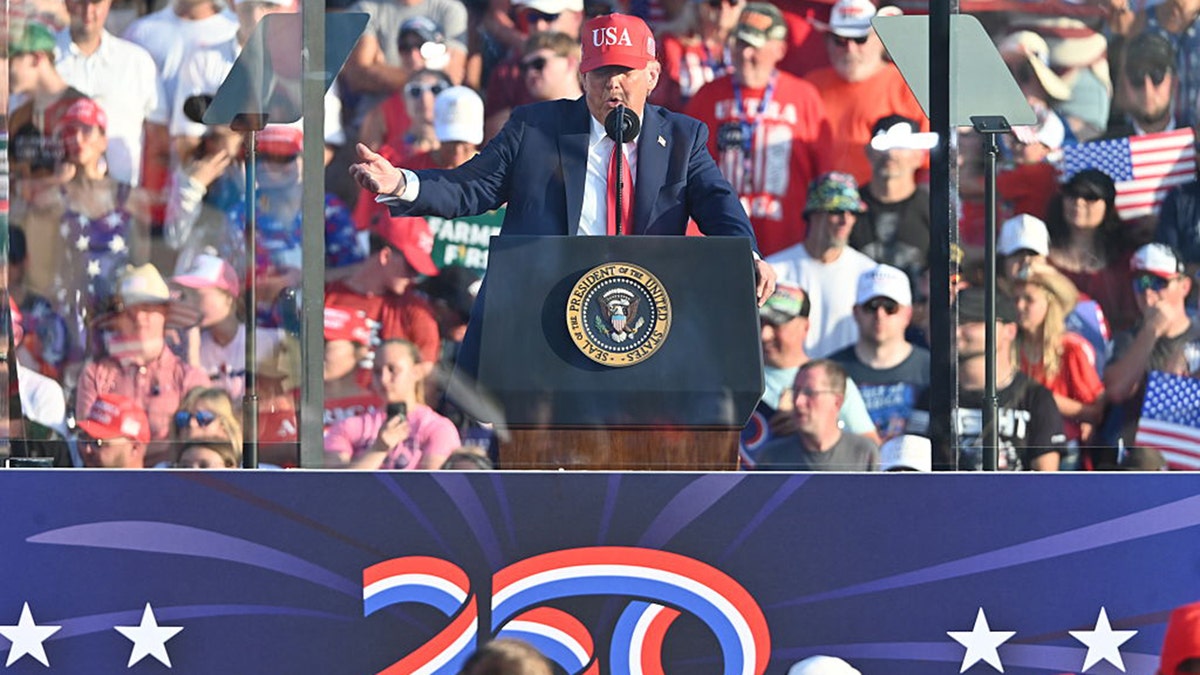
Trump speaks at the Iowa State Fairgrounds, where he kicked off America250 (Kyle Mazza/Anadolu via Getty Images)
«We have succeeded in Americanizing large numbers of people in the past from very different societies,» he said.
CLICK HERE TO DOWNLOAD THE FOX NEWS APP
«It’s harder to do now, but we can do it,» he went on. «We have a real serious challenge ahead of us, but they’re challenges that we can meet if we respond.»
immigration,border security,illegal immigrants,donald trump,education,america 250
NEWYou can now listen to Fox News articles!
President Maduro’s appeal to oil-rich nations Sunday laid bare just how isolated he has become, a Latin American oil expert says, before describing Venezuela as «broke» and drowning in $150 billion of debt.
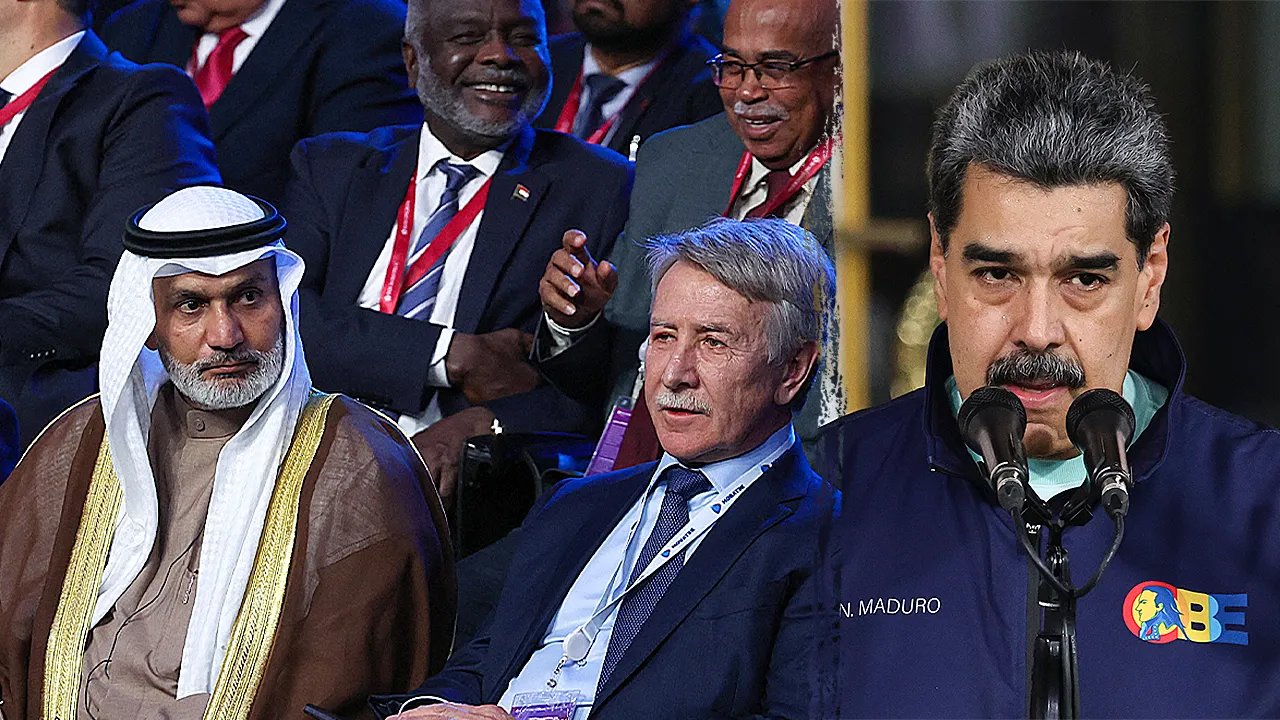
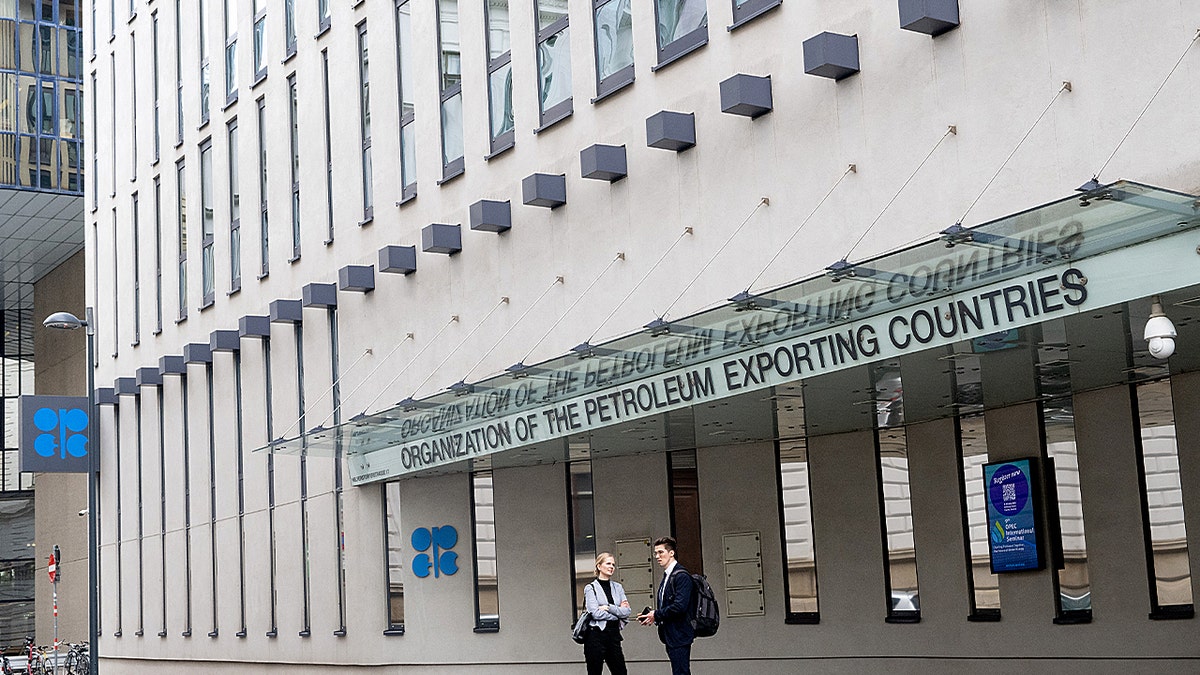
The Venezuelan dictator’s plea came in a letter in which he appealed to OPEC for support, claiming that U.S. «direct aggression» was undermining Venezuela’s energy sector and threatening global oil stability.
In a letter to OPEC Secretary-General Haitham Al Ghais and published by Venezuelan Foreign Minister Yvan Gil, Maduro wrote, «I hope to count on your best efforts to help stop this aggression, which is growing stronger and seriously threatens the balance of the international energy market, both for producing and consuming countries.»
TRUMP GAVE MADURO ULTIMATUM TO FLEE VENEZUELA AS LAND OPERATIONS LOOM: REPORT
Nicolas Maduro, Venezuela’s president, during a press conference at Miraflores Palace in Caracas, Venezuela, on Wednesday, July 31, 2024. (Gaby Oraa/Bloomberg via Getty Images)
«OPEC is unlikely to get involved,» Francisco J. Monaldi, Latin American Energy Policy Director, told Fox News Digital.
«Saudi Arabia is the key player, and they will not want to confront the Trump Administration. But more importantly, they never get involved in this kind of conflict,» he added.
In his plea, Maduro argued that U.S. actions were designed to «destabilize» Venezuela and urged oil-producing nations to show solidarity.
The U.S. imposed sanctions on Venezuela targeting government officials, state-run industries like oil and mining, and financial transactions in response to concerns over corruption, trafficking and human-rights abuses.
TRUMP PUSHES PEACE IN EUROPE, PRESSURE IN THE AMERICAS — INSIDE THE TWO-FRONT GAMBLE
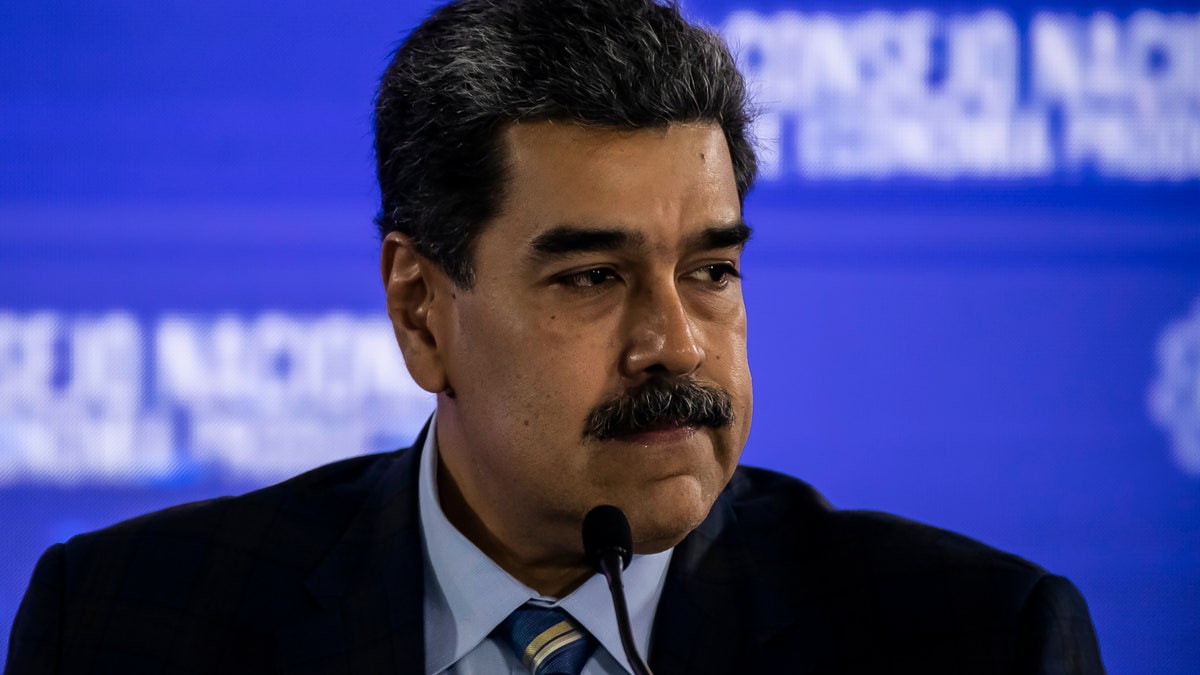
President of Venezuela Nicolas Maduro looks on during a meeting with the ‘Consejo Nacional de Economía Productiva’ (English: National Council of Productive Economy) at Humboldt Hotel on September 21, 2023 in Caracas, Venezuela. (Carlos Becerra/Getty Images)
His request followed President Trump’s order to close U.S. airspace over Venezuela, a move that tightened Washington’s pressure campaign and further restricted the regime’s ability to carry out international business.
Yet Monaldi stressed that Maduro knows his appeal was only symbolic and had «framed» the situation to suit his own narrative over oil.
«Maduro knows perfectly well that he is not going to get the reaction that he would want, but is framing the conflict as a conflict about oil,» he argued.
«Venezuela could once again become a major oil producer and produce about 4 million barrels a day in less than a decade, significantly quadrupling their current output.
WASHINGTON’S SHADOW WAR: HOW STRIKES ON CARTELS THREATEN TO COLLAPSE MADURO’S REGIME
Maduro appealed to OPEC and claimed US aggression. (JOE KLAMAR/AFP via Getty Images)
«The country could increase production if the oil sector is opened fully to private foreign investment, and that requires regime change.
Four million barrels of oil per day will be the equivalent of about $90 billion per year in revenues, which is similar to what Venezuela received in the best of times.
The income could allow Venezuela to pay the debt back and recover swiftly, micro, economically, although it will take years to get to that figure.»
TRUMP SAYS VENEZUELA’S MADURO DOESN’T WANT TO ‘F*** AROUND’ WITH THE US
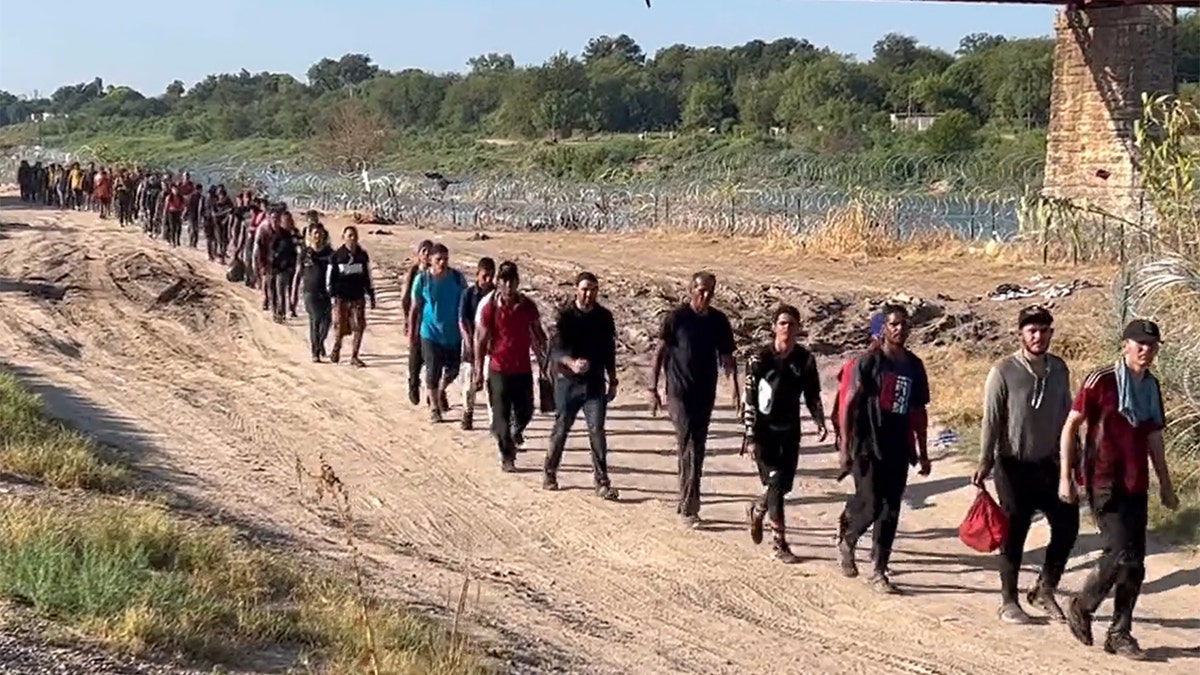
Sept. 20, 2023: Migrants mostly from Venezuela move into Eagle Pass, Texas. (Fox News)
«Now Venezuela is a country that is broke and has $150 billion of debt,» he said.
Tensions escalated further this week after a call between President Trump and Maduro, in which Trump said the Venezuelan leader should step down and leave the country, a direct push toward political transition.
«A regime change is something that the U.S., if they can achieve it, would consider a positive outcome,» Monaldi said.
But he emphasized that Washington’s goals extend beyond energy. Venezuela, he said, has endured years of mismanagement and instability, making it not necessarily a safe bet.
MADURO BRANDISHES SWORD AT RALLY AS HE RAILS AGAINST ‘IMPERIALIST AGGRESSION’ AMID RISING TENSIONS WITH US

President Donald Trump speaks to reporters after speaking to troops via video from his Mar-a-Lago estate on Thanksgiving, Thursday, Nov. 27, 2025, in Palm Beach, Fla. (AP Photo/Alex Brandon)
The broader U.S. priority, he added, is maintaining the Western Hemisphere.
CLICK HERE TO DOWNLOAD THE FOX NEWS APP
«The U.S. has priorities to preserve the Western Hemisphere as a region in which geopolitical rivals are not strong,» Monaldi said.
«The U.S. wants to reduce crime and drug trafficking in the region and the negative effects that Venezuela has had, you know, that have impacted the rest of the Latin American region,» he added.
americas,energy,latin america,sanctions,economy,donald trump,saudi arabia

Karina Milei reordenó a LLA en la Legislatura bonaerense y Agustín Romo seguirá como jefe de bloque

Los bancos piden que no se habiliten a las fintech para el pago de sueldos y jubilaciones

Rosalía mostró cómo fue su ascenso por el interior del Obelisco: de su asombro por la vista al guiño a Eva Perón

Presa y condenada: cómo fue el derrotero judicial por narcotráfico de la senadora electa Lorena Villaverde en EE.UU.

Menudo desastre. El legendario equipo de Deus Ex se desangra y su futuro queda reducido a ser simple mano de obra

Presunto lavado de dinero

Patricia Bullrich lleva la disputa por el fútbol al Congreso y pone bajo la lupa a la conducción de la AFA

La declaración jurada de “Chiqui” Tapia: siete propiedades, vehículos e ingresos anuales de $818.000.000

Las sanciones de AFA a Estudiantes por el pasillo a Rosario Central: Supensión a Verón y los jugadores

El video de Rocío Marengo tras su internación en la etapa final de su embarazo: “Bebito, te esperamos con mucho amor”

 POLITICA1 día ago
La declaración jurada de “Chiqui” Tapia: siete propiedades, vehículos e ingresos anuales de $818.000.000
- CHIMENTOS1 día ago
El video de Rocío Marengo tras su internación en la etapa final de su embarazo: “Bebito, te esperamos con mucho amor”
- DEPORTE2 días ago
Desolación en Palmeiras tras la caída en la final: Gustavo Gómez se fue caminando a su casa