INTERNACIONAL
European Christmas markets fortify security measures as terror threats force major operational changes


NEWYou can now listen to Fox News articles!
European Christmas markets are opening this year under tightened security and rising operational costs, as officials across Germany, France and other parts of Europe respond to what authorities describe as elevated threats to public safety.
In Germany, spending on security for public events — including Christmas markets — has increased by about 44% over the past three years, according to a new survey by the Federal Association of City and Town Marketing. Berlin’s main market launched this season behind concrete barriers, enhanced video surveillance, and an expanded private security presence. Several smaller municipalities warn that the added requirements may force them to scale back or cancel markets next year.
«The requirements have become increasingly stringent,» David Russ, head of production at Berlin’s Gendarmenmarkt, told Reuters. The heightened measures, he said, allow visitors to feel secure: «I can just let go of everything here — I feel safe.»
Heavily armed police officers can be seen at the Christmas market in Essen, Germany. (Roland Weihrauch/picture alliance via Getty Images)
While many towns receive some public funding to operate holiday markets, smaller municipalities and private organizers often shoulder most of the expense. Local officials have begun calling on Germany’s 16 federal states to take on a larger share of the financial burden, arguing that counter-terrorism measures extend beyond the responsibility of local event planners.
The upgrades follow last December’s SUV attack at the Magdeburg Christmas market, which killed six people and injured more than 300. Since then, many German cities have reinforced infrastructure, revised crowd-control plans, and increased surveillance at large seasonal gatherings.
MOSSAD–EUROPEAN INTELLIGENCE OPERATION LAUNCHES SWEEPING CRACKDOWN ON HAMAS GLOBAL TERROR NETWORK

Police officers patrol the annual Christmas market on November 20, 2025 in Magdeburg, Germany. On December 20, 2024 Taleb al-Abdulmohsen, who is currently on trial, drove a car into the crowded open-air market, killing six people and injuring over 300. Christmas markets will open soon nationwide. Many are facing high costs due to increased security measures following the Magdeburg attack. (Photo by Ronny Hartmann/Getty Images) (Ronny Hartmann/Getty Images)
France has moved in a similar direction. Authorities canceled the annual New Year’s Eve concert on the Champs-Élysées after police raised concerns about crowd management and what the Interior Ministry described as a «very high» terror threat level. The ministry has classified Christmas markets and other winter festivities as «high-risk» events, prompting cities to deploy additional officers, introduce new screening points and impose access restrictions where needed.
«The real question is why European governments are tolerating a situation where they must deploy extraordinary security just so people can safely celebrate a tradition that has been central to European life for centuries,» Alan Mendoza, executive director of the Henry Jackson Society told Fox News Digital. «They’re responding to the threat, but they’re not pushing back against the radical extremists causing it. Why are Europeans forced to navigate layers of security instead of authorities making life difficult for the people who are spreading hatred and posing the threat?»
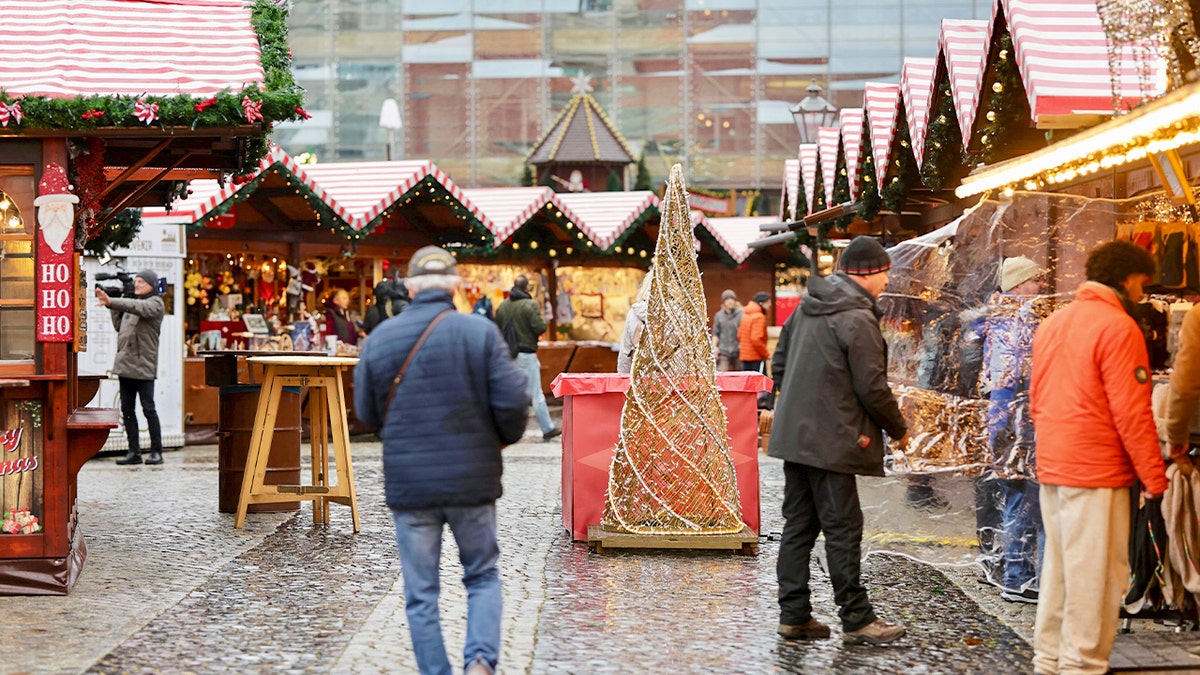
Visitors walk through the Magdeburg Christmas market after the opening in Magdeburg, Germany, Thursday, Nov. 20, 2025. (Matthias Bein/dpa via AP)
«Europe needs an aggressive strategy that targets the radicals — imprisoning them, deporting them if they’re not citizens — because you can’t secure your way out of this forever,» Mendoza continued. «Every year the security will increase unless the root causes are addressed. Europeans are increasingly fed up with what’s happening to their societies, and if current leaders won’t deliver transformative change, voters will eventually choose leaders who will.»
Other European countries are also reinforcing their holiday operations. According to The Sun, the iconic Christmas market in Salzburg, Austria — which draws roughly 1.5 million visitors each year — is now monitored by round-the-clock private security and a network of 33 dedicated cameras. Elsewhere in Austria, including Arnold Schwarzenegger’s home region of Styria, some markets have been canceled entirely because organizers say they cannot afford the mandated security measures.
STATE DEPARTMENT MAKES FIRST-EVER ANTIFA FOREIGN TERRORIST DESIGNATIONS ACROSS EUROPE
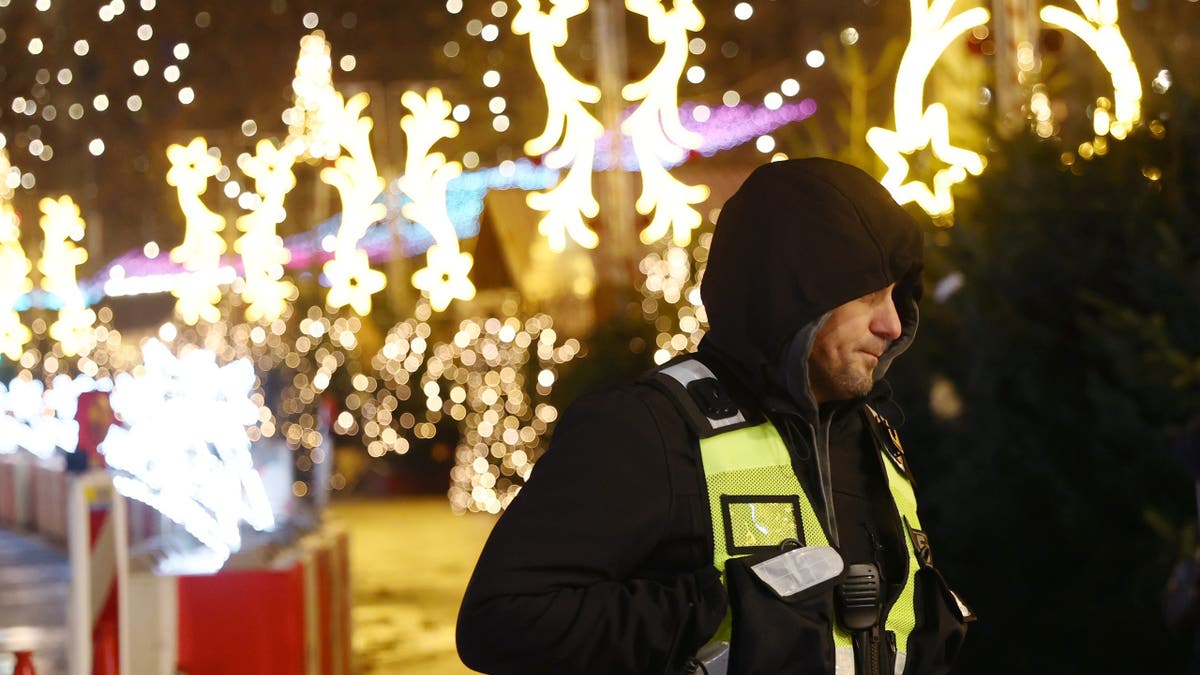
A member of security observes visitors walk among Christmas stalls at the opening day of the annual Christmas market at Breitscheidplatz on November 24, 2025 in Berlin, Germany. Christmas markets are opening today across the city and in many other cities across Germany. (Photo by Maryam Majd/Getty Images) (Maryam Majd/Getty Images)
In Prague, large concrete blocks have been placed along popular embankments and around key foot-traffic areas, while police have increased patrols to monitor potential targets. In Budapest, additional plain-clothes officers are circulating through crowds to identify suspicious behavior and improve response speed.
Ben Cohen, a senior analyst at the Foundation for Defense of Democracies, told Fox News Digital that authorities are treating the holiday season with heightened seriousness. «The threat level is certainly the same as last year. Arguably, it’s more acute now, which is why the authorities in Germany and France are increasing security measures at Christmas markets and fairs this year. Over the last year, both countries have cracked down on Islamist activity, so they will be especially on their guard at this time of year.»
«More broadly,» he added, «both Christian and Jewish festivals are seen as soft targets by jihadists, as evidenced by the attack on a synagogue in Manchester on Yom Kippur in October. Christmas and Easter carry the same risks and so extra vigilance and a strong but discreet armed police presence is definitely warranted.»
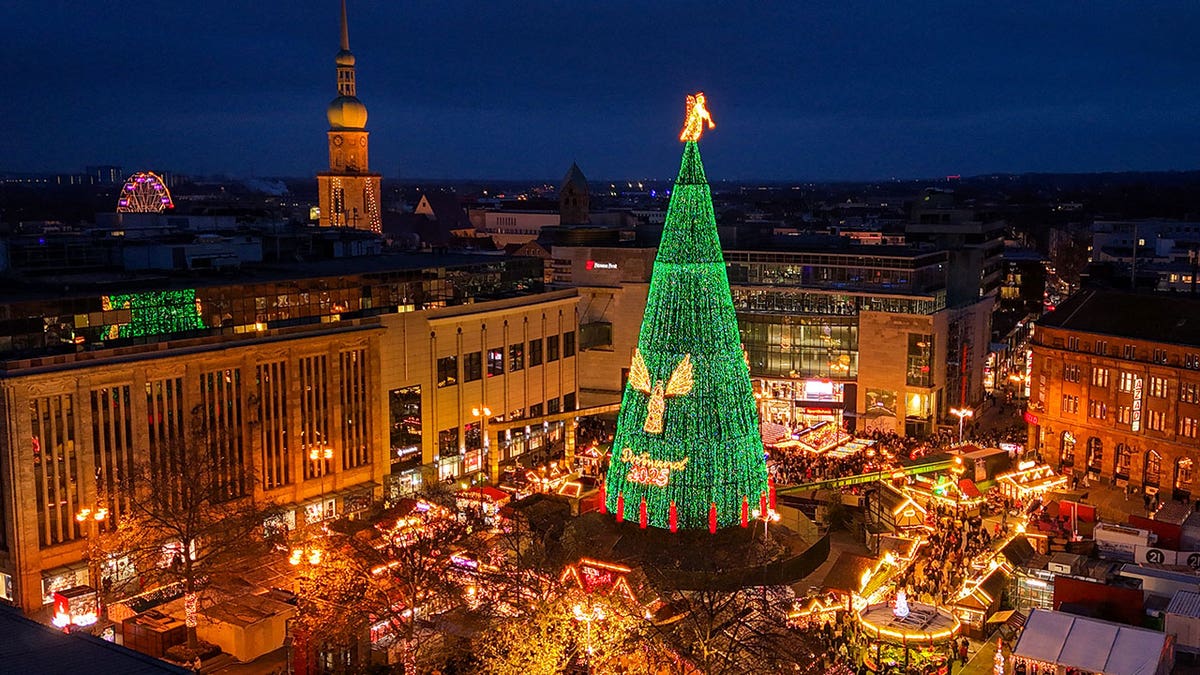
An aerial view shows the traditional 45-meter-high Dortmund Christmas tree, one of the world’s largest, at the Christmas market in Dortmund on Dec. 5, 2025. (Photo by Ina Fassebender / AFP via Getty Images))
CLICK HERE TO DOWNLOAD THE FOX NEWS APP
Despite the adjustments, many markets in Europe remain open and continue to draw significant attendance, though under noticeably stricter security conditions. Officials in several countries say the measures are likely to remain in place as long as threat levels stay elevated.
Reuters contributed to this story.
europe,terrorism,germany,france,christmas








INTERNACIONAL
New poll reveals Spanberger’s popularity is plummeting amid backlash over gerrymandering
NEWYou can now listen to Fox News articles!
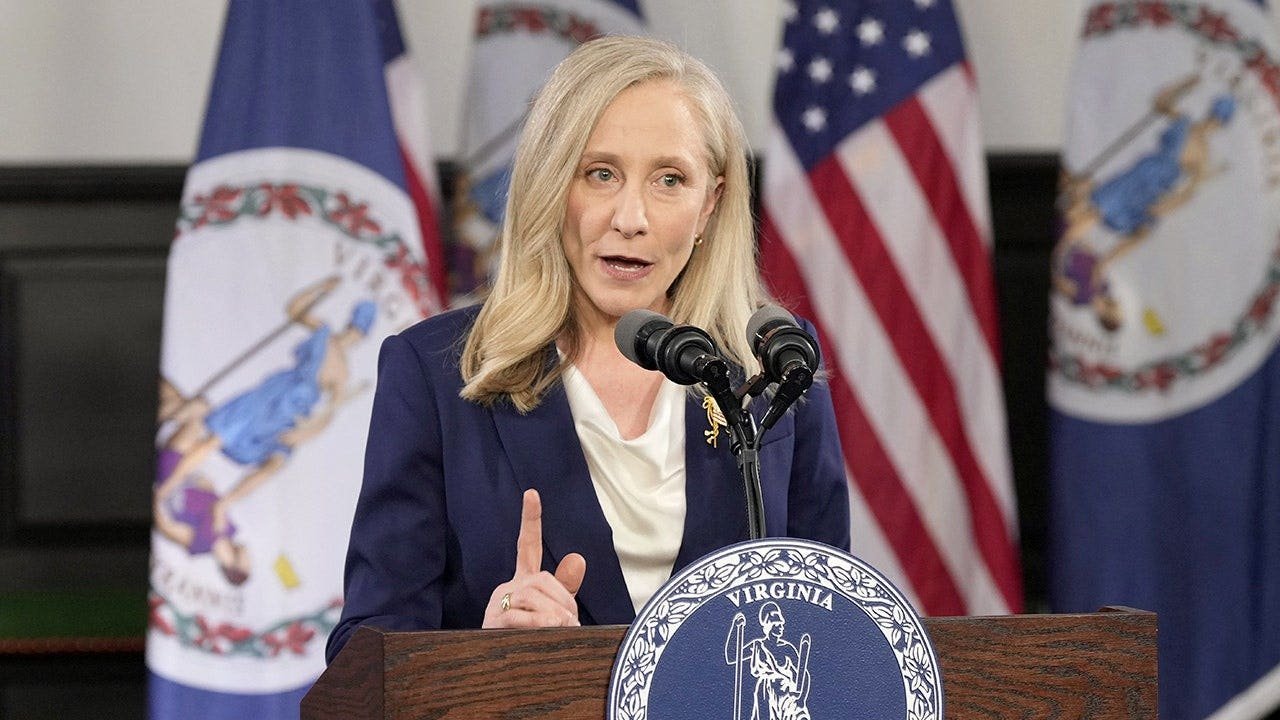
Virginia’s Democratic Gov. Abigail Spanberger was swept into the governor’s mansion on a deep blue wave last November, but has seen her popularity plummet after less than 3 months in office.
Forty-six percent of Virginians disapprove of her job performance, while 47% approve. Compared to Virginia governors from both sides of the aisle since 1994, Spanberger has the highest disapproval rating at this point in her term.
In contrast, predecessor Gov. Glenn Youngkin saw a 54-39 job approval at this point in his term, with the highest favorability going to Democrat Mark Warner – now Virginia’s senior senator – with a 78-20 rating.
ICE PRESSURES SPANBERGER AS FAIRFAX MURDER SUSPECTS TRIGGER NEW DETAINERS IN ‘SANCTUARY’ CLASH
Virginia Gov. Abigail Spanberger responds to President Donald Trump’s, unseen, State of the Union. (Steve Helber/Reuters)
Warner’s current counterpart, Sen. Tim Kaine, was at 62-31, GOP Gov. Jim Gilmore III at 63-30, Republican Gov. Bob McDonnell at 59-39 and Democrats Terry McAuliffe and Ralph Northam at 52-30 and 48-37 respectively.
RNC SUES TO STOP DEMOCRATS’ VIRGINIA REDISTRICTING PUSH
Spanberger defeated then-Lt. Gov. Winsome Sears by 15 points in November and completely flipped statewide offices to Democrats Ghazala Hashmi for lieutenant governor and Jay Jones for attorney general.
The Post pointed out that while Spanberger’s favorability was narrow, her win dwarfed that of Youngkin’s over McAuliffe in 2021 – and the Falls Church business executive’s favorability was several points higher than hers.
George Mason University Policy & Government Dean Mark Rozell, a co-sponsor of the poll, told the Post that while some bit of political polarization is «baked in,» it was «unusual» to see such a result for Spanberger this early in her term after a campaign on a «centrist image.»
PRIMARY PAUSE, POLITICAL FIRESTORM: HIGH-STAKES ELECTIONS THIS MONTH TAKE CENTER STAGE
Seven percent of Virginians, however, by contrast, cite her tenure as «too conservative.»
Spanberger’s shift on gerrymandering was recently evinced through redistricting referendum critics citing her own 2019 words back to her in recent mailers, according to reports.
«Gerrymandering is detrimental to our democracy and it weakens the individual voices that form our electorates. Opposing gerrymandering should be a bipartisan priority,» Spanberger tweeted six years ago when Virginia considered its ultimately successful bid to remove map-redrawing power from the partisan legislature.
INSURGENT VIRGINIA DEMOCRAT SAYS HIS PARTY IS ‘COMPLETELY WRONG’ ON GUN RIGHTS AND GERRYMANDERING
However, Spanberger’s office recently denied claims that there had been any internal deals made involving her personally to help get more Democrats elected, particularly in the case of the Second Congressional District in Hampton Roads and the Eastern Shore.
Spanberger has also received criticism for appearing to pivot on gun control, from a moderate stance while in Congress favoring commonsense reforms and citing her resume as a former gun-toting CIA agent and postal inspector, to a governor poised to sign sweeping gun bans drafted by far-left Fairfax Democrats.
«I’m a mother of three girls in Virginia Public Schools. I’m also a former federal agent who carried a gun every single day for my job,» she said at a 2025 rally. «So I come at this issue as someone who cares deeply about the safety of our kids and as someone who understands the responsibilities of owning and of carrying a firearm.»
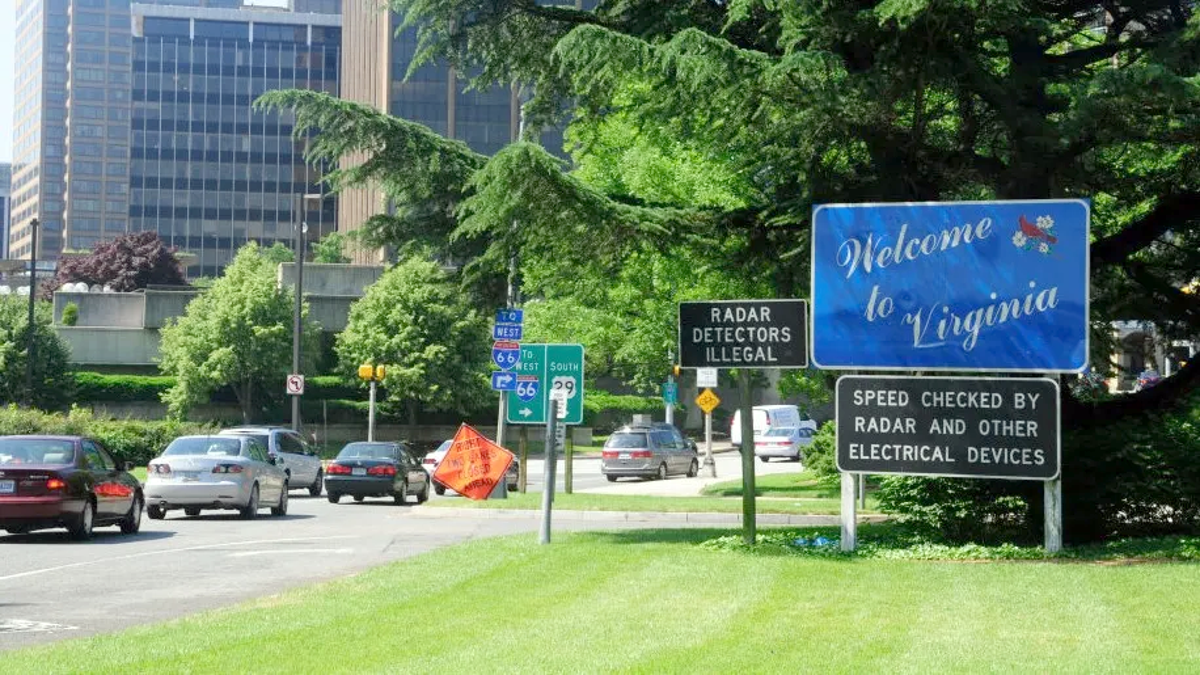
A welcome sign is posted in the grass near the intersection of Lee Highway, Key Bridge, and the George Washington Memorial Parkway in Rosslyn, Arlington County, Virginia. (Universal Images Group/Getty Images)
The redistricting referendum has been criticized for unfairly empowering Spanberger’s base counties, as five newly-drawn districts would originate in Fairfax and envelop – and critics say overpower – the voices of rural central and Western Virginia.
CLICK HERE TO DOWNLOAD THE FOX NEWS APP
One such district in particular, unfavorably shaped like a lobster according to critics, already has three notable Democratic candidates – gun control bill sponsor State Del. Dan Helmer of Fairfax, former first lady Dorothy McAuliffe, and former Jack Smith deputy JP Cooney – despite the referendum not being officially decided by the voters until April 21.
Fox News Digital reached out to Spanberger for comment.
virginia governor race, abigail spanberger, governors, virginia, polls
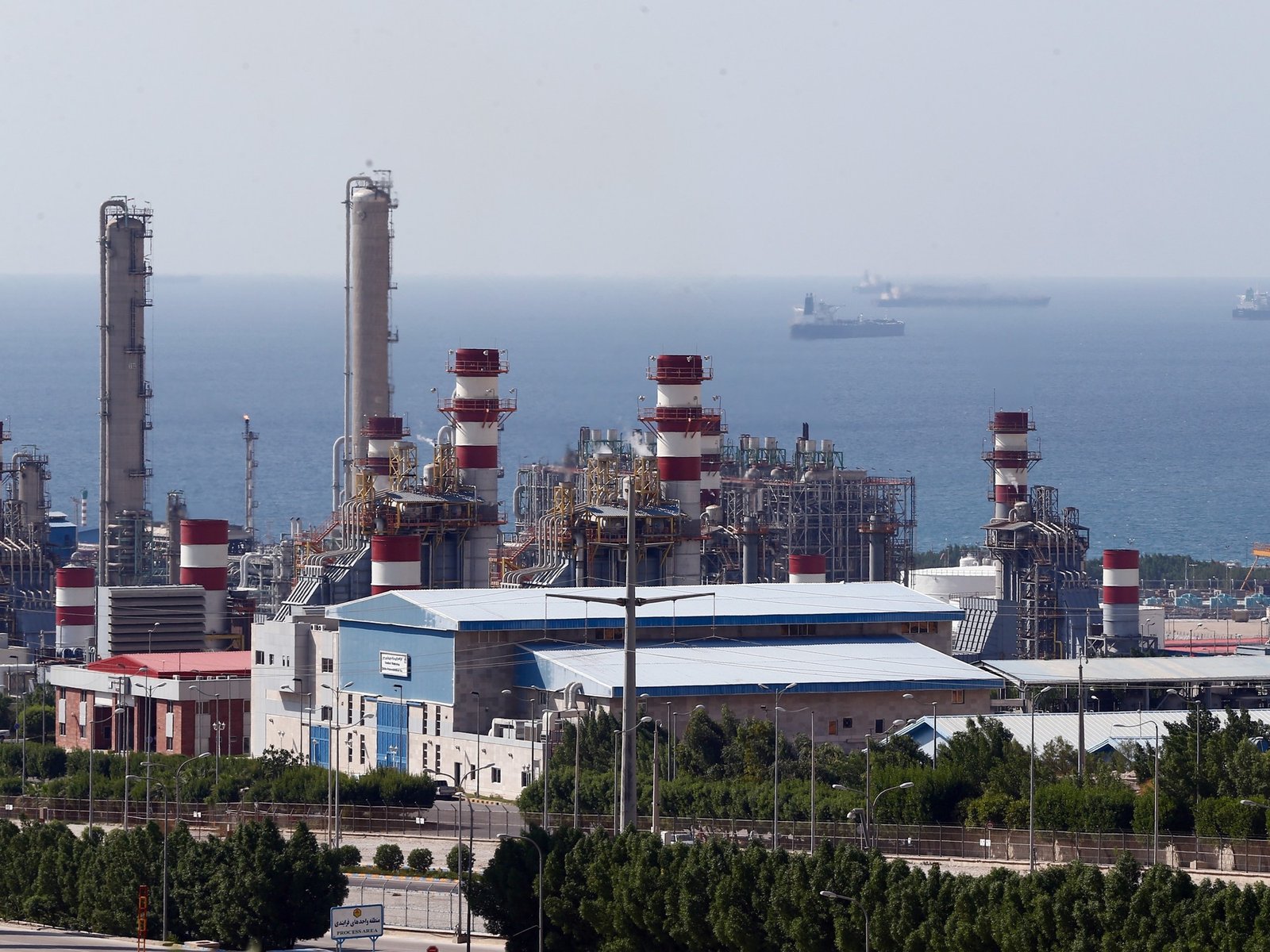
Las estaciones de servicio europeas siguen suministrando combustibles y los aeropuertos siguen llenando los depósitos de los aviones, pero el cierre del Estrecho de Ormuz y el choque energético que provoca podría cambiar pronto esa situación de relativa normalidad. La Comisión Europea ya adelanta que si nada cambia en los mercados energéticos habría que empezar a tomar medidas en semanas o meses y ya está indicando a los gobiernos del bloque qué decisiones serían las primeras para consumir menos combustible, sobre todo queroseno de aviación y diésel para en transporte de mercancías por carretera.
El comisario de Energía del brazo ejecutivo de la Unión Europea, el danés Dan Jorgensen, contó al diario Financial Times que la Comisión Europea está evaluando “todas las opciones” porque “los precios de la energía serán más altos durante mucho tiempo” aunque se reabra Ormuz y vuelva a salir el petróleo y el gas del Golfo Pérsico. Fuentes comunitarias llevan días explicando que Europa no está todavía en una crisis de suministro, pero que podría estarlo si el conflicto, que ya cumplió seis semanas, se alarga. Esas mismas fuentes aseguran que no ven muchas probabilidades en un cierre limpio y rápido del choque entre Irán, por un lado, y Estados Unidos e Israel por el otro, y que eso tendrá consecuencias en los mercados energéticos europeos.
Jorgensen asegura que no hay que racionar por ahora, pero sí hay que prepararse para hacerlo en los próximos meses si sigue el conflicto.
Las primeras medidas que apunta la Comisión Europea no son muy disruptivas, pero los ciudadanos podrían empezar a notarlas pronto. Sobre todo en el sector del transporte.
Bruselas pide a los gobiernos, por ejemplo, que reduzcan la velocidad máxima en autopistas para reducir el consumo de combustible (se calcula que un auto que circula a 100 kilómetros por ahora consume un 15% menos que uno en las mismas condiciones a 120 kilómetros por hora).
En la carta de Jorgensen a los gobiernos se les señala también que deben fomentar el uso del transporte público y del teletrabajo para reducir los movimientos de personas y empezar a reducir el número de vuelos, aunque eso empieza a hacerlo el mercado por su cuenta por el aumento del precio del queroseno de aviación, que se ha doblado en estas semanas de guerra.
La carta no apunta más medidas, pero la Comisión Europea sí estudia, cuentan las mismas fuentes comunitarias, una lista de sugerencias que hizo hace dos semanas la Agencia Internacional de la Energía. Entre ellas una que no se activa en Europa desde los años 70 del siglo pasado. Se trataría de reducir a la mitad el uso del auto alternando su uso en función de su matrícula. Los días pares podrían salir a las calles y carreteras los autos con matrículas pares y los días impares los autos con matrículas impares.
El discurso y las sugerencias de Jorgensen y de la Comisión Europea variaron en apenas días. Si ahora empiezan a pedir esas medidas, el 20 de marzo pasado, con la guerra ya por su tercera semana, decían que no había ningún riesgo para el suministro en Europa, que no veían necesidad de tomar medidas excepcionales y que el continente estaba “relativamente protegido” porque sus importaciones de hidrocarburos desde el Golfo Pérsico en particular y desde Oriente Medio en general eran limitadas.
La única medida que se planteaba hace un mes es una que se toma cada año desde que empezó la guerra en Ucrania, el llenado de las reservas europeas de gas en primavera y verano para tenerlas llenas antes de las próximas estaciones de otoño e invierno. Ahora mismo esas reservas no llegan al 30% de su capacidad.
La subida radical del precio del queroseno de aviación preocupa en la Comisión Europea porque una reducción sustancial de vuelos en Europa en los próximos meses podría afectar de lleno a la campaña de primavera y verano del turismo, un sector económico esencial en el bloque y vital para las economías europeas del Mediterráneo.
El combustible, cuenta la Comisión Europea, supone entre un 25% y un 30% del coste total de operación de las aerolíneas, por lo que duplicar su precio les hace un agujero económico. Según la IATA (siglas en inglés de la Asociación Internacional del Transporte Aéreo) el barril de queroseno de aviación pasó de 99,4 dólares el 27 de febrero a 195,19 dólares un mes después, el 27 de marzo.
INTERNACIONAL
Zelensky exigió a Rusia detener los ataques sobre infraestructuras energéticas para avanzar hacia un alto el fuego
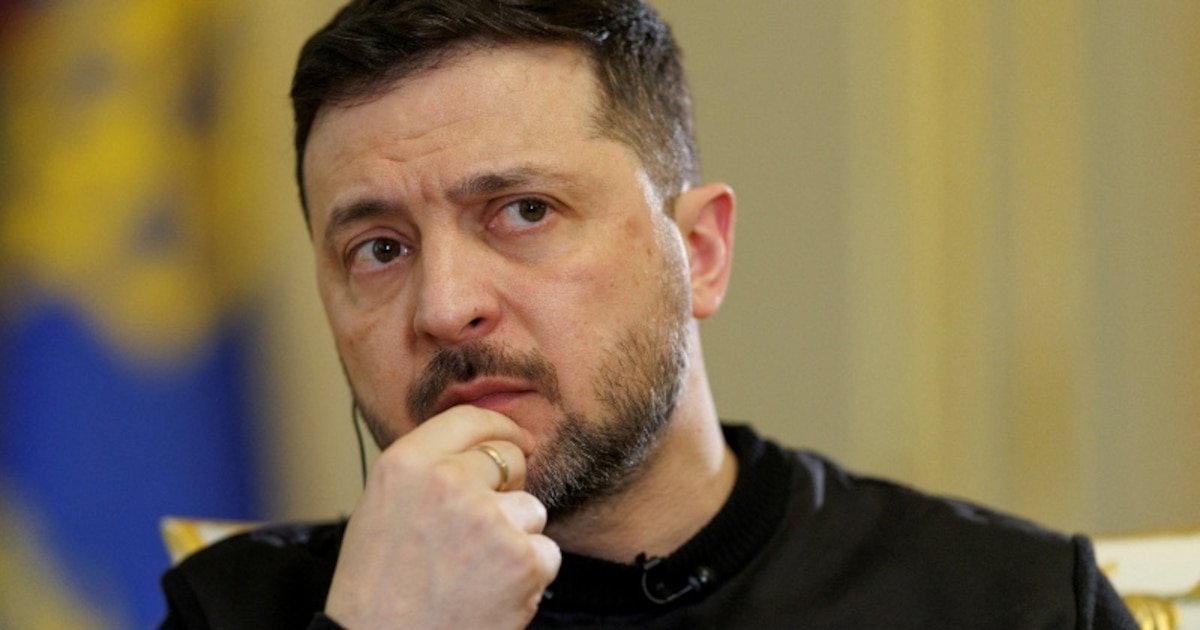
El presidente de Ucrania, Volodimir Zelensky, propuso este lunes a Rusia la posibilidad de una tregua únicamente si se detienen por completo los ataques dirigidos a la infraestructura energética ucraniana.
“Si Rusia está dispuesta a frenar los golpes sobre nuestra red eléctrica, nosotros también responderemos en la misma medida”, afirmó el mandatario en su mensaje diario.
Según Zelensky, la propuesta fue transmitida a Moscú a través de mediadores estadounidenses y constituye el único escenario en el que Kiev contempla un cese de hostilidades.
La iniciativa de alto el fuego surge tras una nueva ola de ataques rusos que devastaron varias regiones y dejaron víctimas civiles en Odesa, donde un bombardeo nocturno mató a tres personas, incluido un niño pequeño.
“Hemos ofrecido reiteradamente a Rusia una pausa, al menos durante la Pascua, un periodo especial para ambos pueblos. Pero para ellos, todos los días son iguales. Nada es sagrado”, lamentó el presidente de Ucrania.
El Kremlin respondió fríamente a la propuesta anterior, indicando que sólo consideraría una negociación para un acuerdo de paz total.

Zelensky también subrayó que las conversaciones con Estados Unidos continúan centradas en lograr garantías de seguridad duraderas para Ucrania.
“Trabajamos junto a los negociadores estadounidenses en mecanismos que aseguren la estabilidad futura. Ese es el factor clave para una paz real”, explicó, al tiempo que destacó la importancia de la cooperación internacional en el contexto actual.
Durante la última semana, Rusia intensificó sus ataques con drones y misiles sobre infraestructuras vitales en las provincias de Kharkiv, Chernigov, Sumi y Dnipró. El presidente detalló que, solo en la noche previa, fueron lanzados más de 140 drones, de los cuales cerca de 80 eran del tipo Shahed, de fabricación iraní.
Zelensky denunció que “en algunas zonas, los bombardeos continúan. Esto representa apenas una muestra del sufrimiento diario de nuestra población”. Añadió que, en los últimos siete días, el país sufrió el impacto de más de 2.800 drones de ataque, 1.350 bombas aéreas guiadas y más de 40 misiles.
El ataque más reciente en Odesa resultó particularmente grave para la población civil. Según Zelensky, “los drones rusos impactaron edificios residenciales, una guardería infantil y una subestación eléctrica. Miles de familias han quedado sin luz, y los equipos de reparación llevan horas trabajando sin descanso para restablecer el suministro”.

La cifra oficial de heridos ascendió a 16, entre ellos dos menores y una mujer embarazada.
El presidente ucraniano insistió en la necesidad de reforzar las defensas aéreas del país. “En este momento, todos los socios internacionales deben redoblar esfuerzos y aportar más sistemas para interceptar drones y misiles. Mejorar la protección de nuestros cielos no solo protege a Ucrania, sino que también es una inversión en la seguridad de Europa”, subrayó.
En paralelo, las autoridades rusas informaron sobre un ataque con drones lanzado desde Ucrania contra la ciudad portuaria de Novorossiysk, en la región de Krasnodar, que dejó ocho heridos, entre ellos dos niños. Las imágenes publicadas muestran daños visibles en la parte superior de un edificio residencial, con ventanas y balcones destruidos por la explosión.
A pesar del aumento de los ataques rusos y de la negativa de Moscú a aceptar la tregua propuesta, Zelensky reiteró que Ucrania mantiene abierta la vía diplomática, siempre que se respeten condiciones mínimas que garanticen la protección de la infraestructura civil.
“Nuestra disposición a negociar depende de la voluntad de Rusia para detener la destrucción de instalaciones energéticas y evitar más víctimas inocentes”, concluyó el presidente.
(Con información de Reuters y EFE)
Europe,Military Conflicts

Sorpresa en la causa AFA: a dos meses del Mundial, Toviggino se diferenció de Tapia en la causa por evasión y pidió apartar al juez que le prohibió salir del país

New poll reveals Spanberger’s popularity is plummeting amid backlash over gerrymandering

El otro lado de la polémica: ¿hicieron negocio los funcionarios de Caputo con el crédito UVA?

La guerra entre Estados Unidos e Irán: Europa ya plantea racionar el combustible

El versus más esperado de Gran Hermano: quién fue la última eliminada entre Cinzia y Yipio en una tensa definición

Arde el Torneo Apertura tras el cierre de la jornada 13: así quedaron las posiciones y cómo se jugará la próxima fecha

La nueva advertencia de Donald Trump a Irán: «El tiempo se acaba, quedan 48 horas antes del infierno»

Círculo rojo: intrigas en el gabinete, desgaste por el caso Adorni y movimientos inquietantes en el Poder Judicial

Créditos del Banco Nación: el Gobierno reveló que Pettovello echó a Massaccesi porque “mintió”

Caputo habló sobre los créditos del Banco Nación que tomaron sus funcionarios: “No hay nada ilegal ni inmoral”

 INTERNACIONAL2 días ago
La nueva advertencia de Donald Trump a Irán: «El tiempo se acaba, quedan 48 horas antes del infierno»
- POLITICA2 días ago
Círculo rojo: intrigas en el gabinete, desgaste por el caso Adorni y movimientos inquietantes en el Poder Judicial
- POLITICA2 días ago
Créditos del Banco Nación: el Gobierno reveló que Pettovello echó a Massaccesi porque “mintió”