INTERNACIONAL
Sen Murphy warns ‘people are going to die’ as Congress punts on expiring Obamacare subsidies

NEWYou can now listen to Fox News articles!
A bipartisan Obamacare fix remains out of reach in the Senate, for now, and lawmakers can’t agree on who is at fault.
While many agree that the forthcoming healthcare cliff will cause financial pain, the partisan divide quickly devolved into pointing the finger across the aisle at who owns the looming healthcare premium spikes that Americans who use the healthcare exchange will face.
Part of the finger-pointing has yielded another surprising agreement: Lawmakers don’t see the fast-approaching expiration of the Biden-era enhanced Obamacare subsidies as Congress failing to act in time.
«Obviously, it’s not a failure of Congress to act,» Sen. Chris Murphy, D-Conn., told Fox News Digital. «It’s a failure of Republicans to act. Democrats are united and wanting to expand subsidies. Republicans want premium increases to go up.»
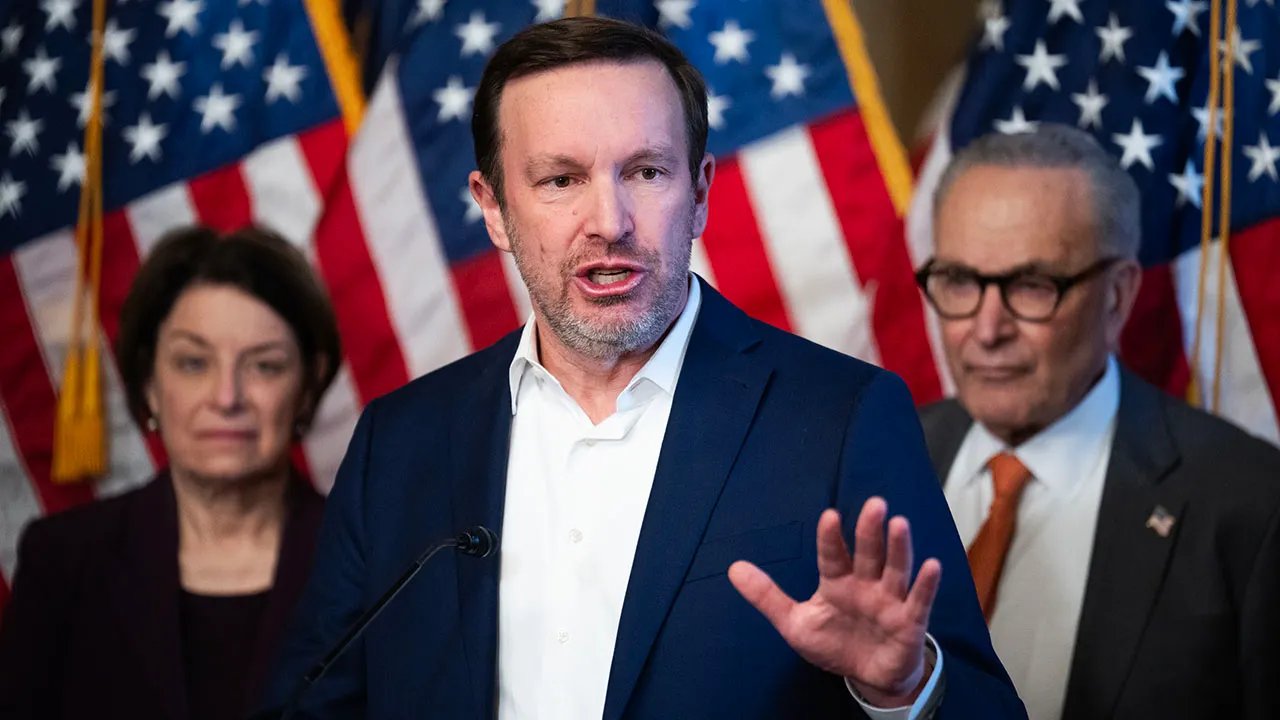
Partisan rancor over Obamacare has seeped into how lawmakers view the effect that expiring subsidies will have on their constituents. Sen. Chris Murphy, D-Conn., argued that it was a «life or death» situation, while Republicans contended that Democrats set up the very cliff they maligned. (Tom Williams/CQ-Roll Call, Inc. via Getty Images)
DEMOCRATS’ LAST-MINUTE MOVE TO BLOCK GOP FUNDING PLAN SENDS LAWMAKERS HOME EARLY
Senate Republicans and Democrats both tried, and failed, to advance their own partisan plans to replace or extend the subsidies earlier this month. And since then, no action has been taken to deal with the fast-approaching issue, guaranteeing that the subsidies will lapse at the end of the year.
A report published last month by Kaiser Family Foundation, a nonprofit healthcare think tank, found that Americans who use the credits will see an average increase of 114% in their premium costs.
The increase can vary depending on how high above the poverty level a person is. The original premium subsidies set a cap at 400% above the poverty level, while the enhanced subsidies, which were passed during the COVID-19 pandemic, torched the cap.
For example, a person 60 years or older making 401% of the poverty level, or about $62,000 per year, would on average see their premium prices double. That number can skyrocket depending on the state. Wyoming clocks in at the highest spike at 421%.
SENATE MULLS NEXT STEPS AFTER DUELING OBAMACARE FIXES GO UP IN FLAMES
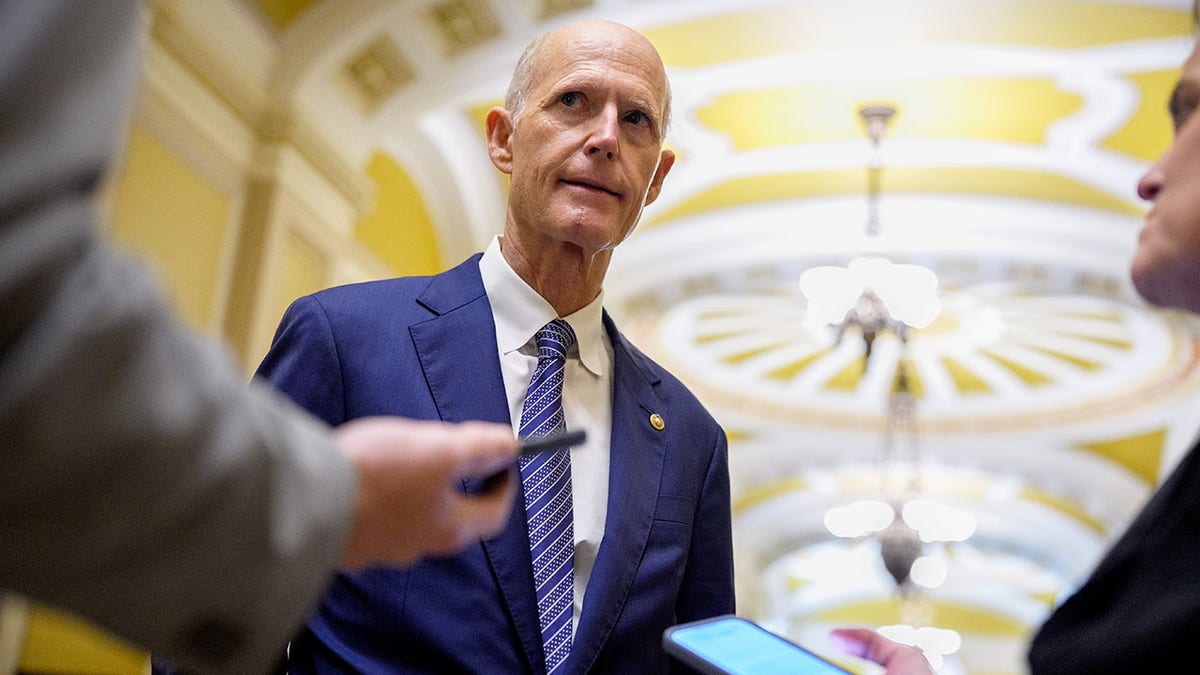
Sen. Rick Scott, R-Fla., doesn’t want to blow up Obamacare or get rid of Obamacare subsidies, but he does want to provide Americans with more options for healthcare. (Andrew Harnik/Getty Images)
In Murphy’s home state of Connecticut, premiums under the same parameters would hike in price by 316%.
«When these do lapse, people are going to die,» Murphy said. «I mean, I was talking to a couple a few months ago who have two parents, both with chronic, potentially life-threatening illnesses, and they will only be able to afford insurance for one of them. So they’re talking about which parent is going to survive to raise their three kids. The stakes are life and death.»
Both sides hold opposing views on the solution. Senate Republicans argue that the credits effectively subsidize insurance companies, not patients, by funneling money directly to them, and that the program is rife with fraud.
Senate Democrats want to extend the subsidies as they are, and are willing to negotiate fixes down the line. But for the GOP, they want to see some immediate reforms, like income caps, anti-fraud measures and more stringent anti-abortion language tied to the subsidies.
Sen. Rick Scott, R-Fla., who produced his own healthcare plan that would convert subsidies into health savings accounts (HSAs), argued that congressional Democrats «set this up to expire.»
SENATE REPUBLICANS LAND ON OBAMACARE FIX, TEE UP DUELING VOTE WITH DEMS
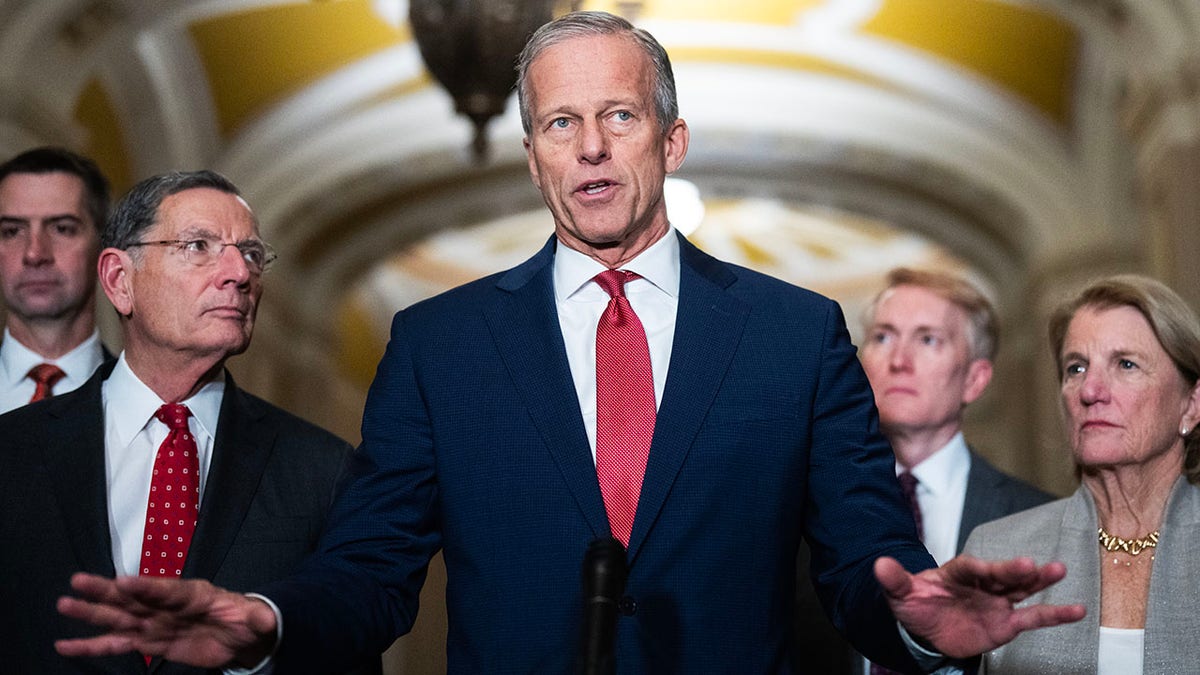
Senate Majority Leader John Thune, R-S.D., panned Senate Democrats’ Obamacare subsidy proposal as «obviously designed to fail.» (Tom Williams/CQ-Roll Call, Inc. via Getty Images)
But he doesn’t share the view that the subsidies’ expected expiration is a life-or-death situation.
«I’m not taxing somebody who makes 20 bucks an hour to pay for healthcare for somebody who makes half a million dollars a year, that’s what they did,» he told Fox News Digital. «All they did was mask the increase in healthcare costs. That’s all they did with it.»
Sen. Jim Banks, R-Ind., similarly scoffed at the notion, and told Fox News Digital, «The Democrat plan to extend COVID-era Obamacare subsidies might help less than half a percent of the American population.»
«The Republican plan brings down healthcare costs for 100% of Americans,» he said. «More competition, expands health savings accounts. That needs to be the focus.»
Democrats are also not hiding their disdain for the partisan divide between their approaches to healthcare.
Sen. Brian Schatz, D-Hawaii, told Fox News Digital that the idea that this «is a congressional failure and not a Republican policy is preposterous.»
«They’ve hated the Affordable Care Act since its inception and tried to repeal it at every possible opportunity,» he said, referring to Obamacare. «The president hates ACA, speaker hates ACA, majority leader hates ACA, rank-and-file hate ACA. And so this is not some failure of bipartisanship.»
While the partisan rancor runs deep on the matter of Obamacare, there are Republicans and Democrats working together to build a new plan. Still, it wouldn’t deal with the rapidly approaching Dec. 31 deadline to extend the subsidies.
CLICK HERE TO DOWNLOAD THE FOX NEWS APP
Senate Majority Leader John Thune, R-S.D., predicted that the Senate would have a long road to travel before a bipartisan plan came together in the new year, but he didn’t rule it out.
«It’s the Christmas season. It would take a Christmas miracle to execute on actually getting something done there,» he said. «But, you know, I think there’s a potential path, but it’ll be heavy lift.»
politics,senate,health care healthy living,republicans,democrats senate











NEWYou can now listen to Fox News articles!
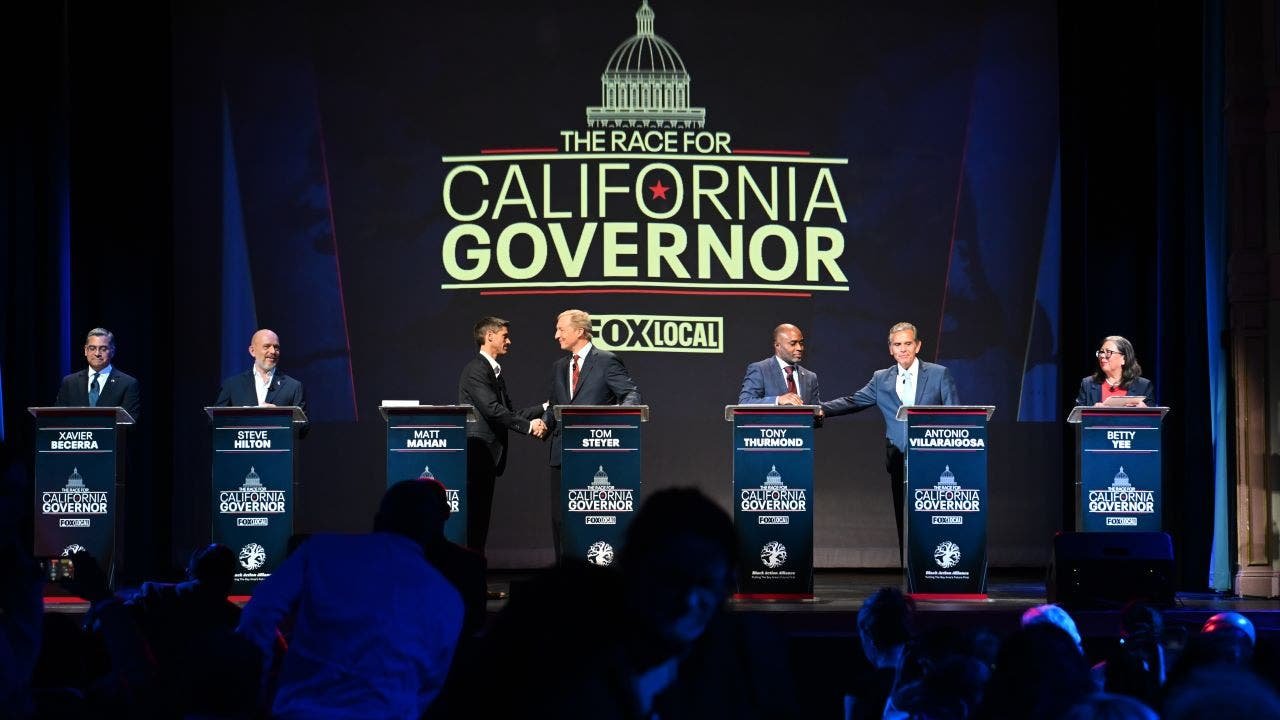
Top Democrats in the California state legislature demanded that the University of Southern California (USC) either expand the number of candidates allowed to participate in the gubernatorial debate, which had five White candidates, or they would boycott the debate.
The «data-driven» candidate viability framework produced a lineup of Republicans Chad Bianco and Steve Hilton, as well as Democrats Tom Steyer, Matt Mahan, Katie Porter, Eric Swalwell – all White candidates. The same criteria, developed by a USC professor and defended by the university, ended up axing Xavier Becerra, Antonio Villaraigosa, Betty Yee and Tony Thurman, all Democratic Party minority candidates, due to lower polling and fundraising scores, they said.
After news of who made the candidate pool and who did not, the excluded candidates expressed outrage over what they claimed was a racist candidate viability system created by USC that targeted people based on their race. One candidate, former Health and Human Services Secretary Becerra, even likened it to when his father used to talk about «the days when he would encounter signs posted outside establishments that read ‘No Dogs, Negroes or Mexicans Allowed.’»
GOP GUBERNATORIAL HOPEFUL HAILS LEGENDARY GOLFER FOR HEFTY CAMPAIGN DONATION: ‘INCREDIBLY HONORED’
Former Health and Human Services Secretary Xavier Becerra speaks during a hearing on Capitol Hill on November 20, 2024 in Washington, DC. (Tasos Katopodis/Getty Images)
Among those expressing outrage besides the candidates themselves were California state Senate President pro Tempore Monique Limon, Speaker of the California State Assembly Robert Rivas, and a handful of other Democratic Party members within the state legislature who called the decision-making framework «biased» in a letter they signed that also included concerns about one of the selected candidate’s donor ties to the university. They also referred to candidate’s complaints, such as from Becerra, as «valid.»
«If USC does not do the right thing, we call on California voters to boycott this debate. If the university will not give voters a fair shot at evaluating everyone running for governor, voters should find other ways to learn about the candidates,» stated the letter, which included letterhead with the logos of about half-a-dozen Democratic Party caucuses in California. «We are asking you, President Kim, to exercise the leadership this moment calls for: expand the debate stage, and trust California’s voters to make up their own minds.»
Meanwhile, in an announcement less than 24-hours ahead of the scheduled debate, USC said that KABC, the Los Angeles television station broadcasting the debate, could not come to an agreement to allow more candidates and, as a result, decided to cancel the debate.

The University of Southern California decided to cancel the debate it was going to hold after backlash over its formula used to select which candidates would be able to participate, with some suggesting it was racist. (Reuters)
GOP CANDIDATE CITES ‘FAILURE’ OF NEWSOM, DEMS AS NEW POLL SHOWS REPUBLICANS LEADING CROWDED CALIFORNIA FIELD
«If you run anything in California, the legislature is very important to you and at the top of the letter, the top signatories to this letter, Robert Rivas, who is the Speaker of the Assembly, and Monique Limon, who’s the head of the Senate, the State Senate and the State Assembly. And that came very late on Monday. They sent this letter to USC. Then what happened? As we understand it – they’ve been pretty open about it – they get this letter from the legislature, they think, ‘Oh, sh–t, we better do something. This is now a real threat. This isn’t just the candidates complaining. This is the legislature, which, you know, regulates and affects everything we do,’» Hilton, one of the GOP frontrunners in California’s gubernatorial race, said about the situation.
«USC apparently went to ABC, the media partner who’s going to broadcast the debate, and said, ‘We want to expand it and put these people back in,’ and USC said, ‘No, I’m sorry. ABC said no.’ Then, that midnight, on Monday night, they put out that statement saying, ‘Okay, then we’ll cancel it.’»
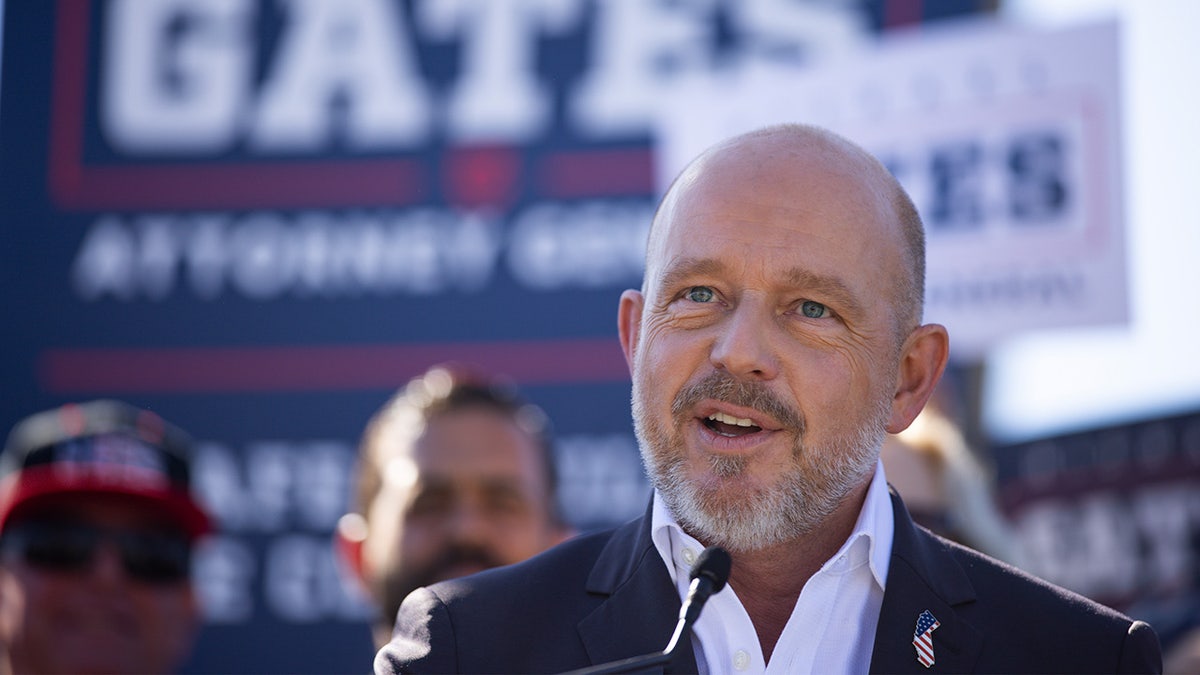
Republican governor candidate Steve Hilton speaks to press during Huntington Beach City Attorney Michael Gates press event at Huntington Beach on Wednesday, Jan. 14, 2026 in Huntington Beach, CA. Huntington Beach City Attorney Michael Gates announced his run for California attorney general. (Kayla Bartkowski / Los Angeles Times via Getty Images)
Reporting from Cal Matters, a local California publication covering state politics, indicated that, directly and indirectly, Porter, Steyer and Swalwell have suggested Mahan, a tech entrepreneur and former Mayor of San Jose, was invited to the now-canceled debate despite poor performance data.
In the lawmakers’ letter requesting the event allow more candidates or be canceled, addressed to USC’s President Beong-Soo Kim, an unnamed candidate with «notable ties to USC’s donor community» was also alluded to as part of the complaints about the debate. When Rivas’ staff was asked for clarification on whom the letter was referring to, they eventually confirmed it was Mahan.
CLICK HERE TO DOWNLOAD THE FOX NEWS APP
A party-sponsored poll from Democratic State Chairman Rusty Hicks showed Mahan behind Becerra, but had all other candidates that USC selected ahead of those who did not make it. Two Republicans, Hilton and Bianco, are still leading the field at 16% and 14% respectively. Meanwhile, Porter, Swalwell and Steyer are tied at 10% and every other Democrat is still in the low single digits. Twenty-four percent remain undecided.
Neither Rivas nor Limon provided on-the-record comments to Fox News Digital for this story prior to publication.
california, governors, controversies state and local, state and local, democratic party, campaigning, elections
INTERNACIONAL
EE.UU. afirmó haber ayudado a bombardear un campamento de narcotraficantes. En realidad, era una granja lechera

NEWYou can now listen to Fox News articles!
House Republicans are lurching forward with a second budget reconciliation package, ending months of speculation about whether the chamber would attempt to marshal a second GOP-only megabill through Congress before November’s midterm elections.
House Budget Committee Chairman Jodey Arrington, R-Texas, said Wednesday he wants the measure to pay for President Donald Trump’s Iran campaign and enact anti-fraud provisions that offset the cost of the anticipated defense infusion’s large price tag.
«It’s an opportunity to solve two problems and address two challenges and advance two great causes: fund the military, provide a strong defense, win the war, achieve the objectives and do it in a way that doesn’t put our kids further in the hole,» Arrington told reporters.
«We’re all but ready to mark up a budget resolution,» Arrington continued, adding his panel is still continuing to hash out the details of the package.
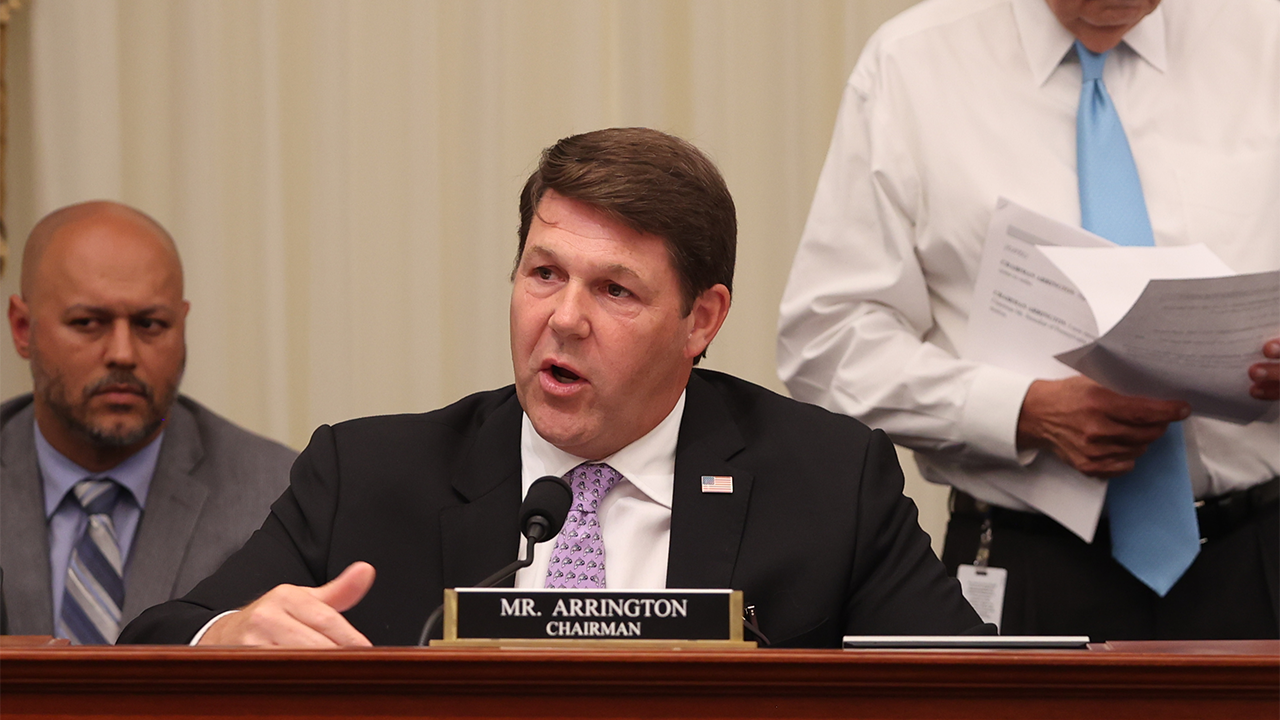
Representative Jodey Arrington, R-Texas and the chairman of the House Budget Committee, center, speaks during a House Budget Committee meeting at the U.S. Capitol in Washington, D.C., May 18, 2025. (Alex Wroblewski/Bloomberg via Getty Images)
HOUSE CONSERVATIVES ERUPT OVER SENATE GOP, WHITE HOUSE DEAL AMID SAVE ACT FIGHT
The Trump administration has floated a $200 billion request to help pay for the war in Iran but has yet to deliver a formal request. Given Democrats’ expected opposition to a defense supplemental, some House Republicans have said a second reconciliation package is the only viable vehicle to advance the measure and other Trump priorities through Congress.
«Democrats have obstructed everything,» Rep. August Pfluger, R-Texas, told Fox News Digital. «So, we believe, unfortunately, that reconciliation is the only mechanism to move the rest of the President’s agenda.»
Republicans have zeroed in on fraud in social services for months and view the enactment of fraud-related spending cuts as a way to offset the cost of the package.
The budget reconciliation process would allow Republicans to circumvent the Senate’s 60-vote requirement and pass a spending measure with a simple majority.
Arrington said he would be working closely with Senate Budget Committee Chairman Lindsey Graham, R-S.C., who also announced Wednesday that his panel would begin drafting reconciliation instructions. The South Carolina Republican floated funding increases for the military and law enforcement in addition to voter integrity measures as possible items in a second reconciliation bill.
«Let’s put it this way: The reconciliation train is leaving the station,» Graham posted on X after the two lawmakers met to discuss a second megabill Wednesday.
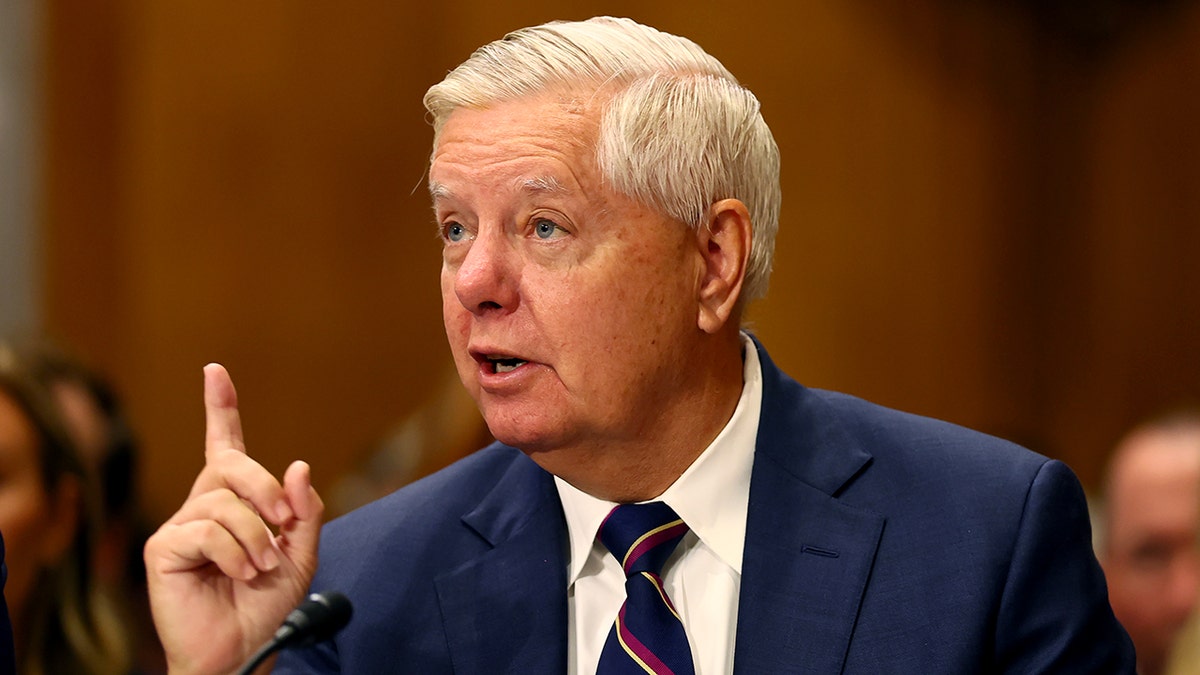
Sen. Lindsey Graham, R-S.C., speaks during a confirmation hearing before the Senate Committee on Foreign Relations in the Dirksen Senate Office Building July 15, 2025, in Washington, D.C. (Michael M. Santiago/Getty Images)
GOP MUST RACE FOR NEW ‘BIG, BEAUTIFUL BILL’ TO SLASH COSTS BEFORE MIDTERMS, TOP HOUSE REPUBLICANS WARN
Though Republicans are likely to broadly support defense supplemental funding and fraud-prevention measures, a second megabill could still face major hurdles.
Republicans narrowly passed Trump’s One Big Beautiful Bill Act in June 2025 after months of intraparty disagreement. Under House Republicans’ razor-thin majority, House Speaker Mike Johnson, R-La., can afford to spare just one GOP defection in a party-line vote.
However, Arrington argued that the war in Iran would be a unifying force to get the bill done.
«I think funding our military in a time of war, if there’s no sense of urgency and accountability from members of Congress to support our commander in chief, I can’t think of one,» Arrington said. «I do think the big push is going to be supporting our sons and daughters in uniform and making sure they have what they need to be successful.»
Arrington did not shut the door on including parts of the SAVE America Act in a GOP-only megabill. However, its sweeping provisions, requiring proof of citizenship to vote in federal elections and voter ID requirements, could fail to meet reconciliation’s stringent budget requirements.
The Trump-backed election bill has stalled in the Senate due to widespread Democratic opposition, though the upper chamber is continuing to debate the measure.
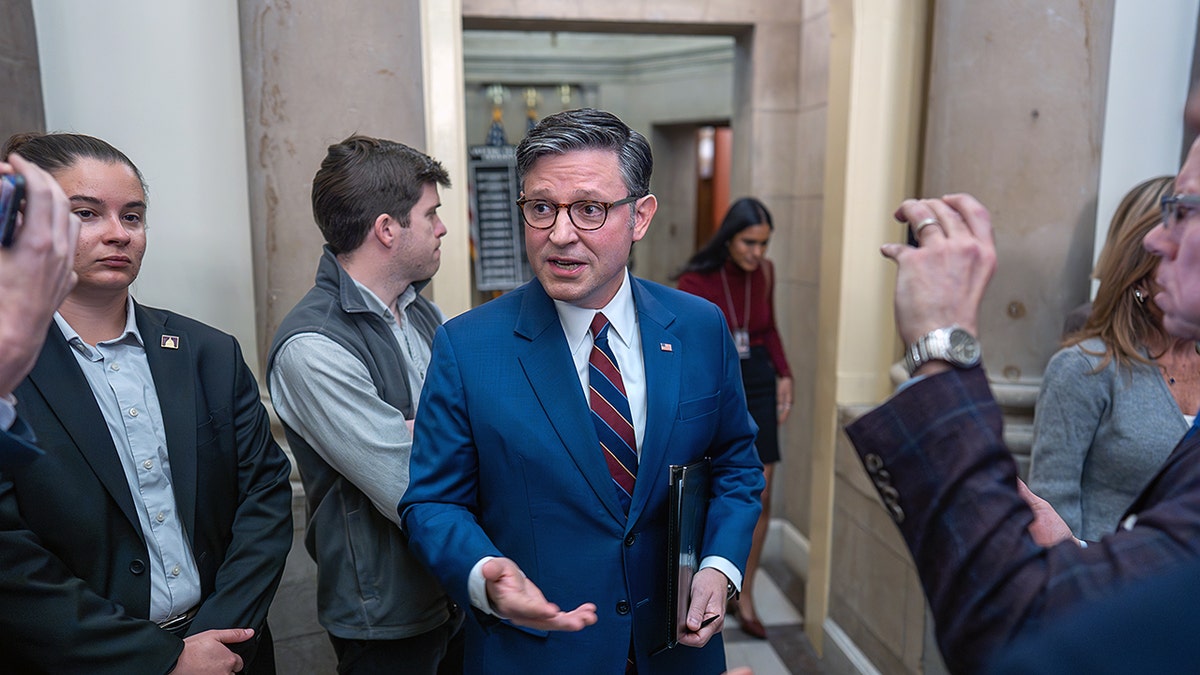
Speaker of the House Mike Johnson, R-La., talks to reporters outside his office on the 28th day of the government shutdown at the Capitol in Washington Oct. 28, 2025. (J. Scott Applewhite/AP Photo)
CLICK HERE TO DOWNLOAD THE FOX NEWS APP
Johnson, who has long pushed for a second budget bill, said Wednesday he was encouraged by Graham moving forward with reconciliation.
«I’m glad to know the Senate is interested in reconciliation 2.0,» the speaker said. «I have been a broken record. We need to do that. It’s an important legislative tool.»
budget house of representatives politics, lindsey graham, republicans, mike johnson, war with iran

California Dems unleashed pressure campaign against USC prior to debate cancellation

El Gobierno enviará los primeros 62 pliegos al Senado para ocupar los 364 cargos vacantes en la Justicia

La Corte propone una reforma en el mecanismo de selección de jueces y busca limitar la incidencia de la política

Jubilados pueden sumar hasta $120.000 extra con un beneficio poco conocido

Evangelina Anderson mostró la recuperación de sus cuerdas vocales a meses de su cirugía: el estudio al que se sometió

Betis de España puso los ojos en Mikel Amondarain, mediocampista de Estudiantes de La Plata

»¡VAN A FUNDIR A MEDIO PAÍS!»: El lapidario diagnóstico de Roberto Cachanosky sobre el plan de Milei

ALERTA FINANCIERA: 4 de cada 10 argentinos ya no pueden pagar sus deudas. ¡Caputo debe actuar ya!

El mensaje de Milei sobre la “traición” que llamó la atención en el Gobierno y también en la oposición

¡VERGÜENZA NACIONAL! Humillan a la Policía Federal mandándolos a un merendero antes de darles un aumento de sueldo digno

 POLITICA2 días ago
El mensaje de Milei sobre la “traición” que llamó la atención en el Gobierno y también en la oposición
- POLITICA6 horas ago
¡VERGÜENZA NACIONAL! Humillan a la Policía Federal mandándolos a un merendero antes de darles un aumento de sueldo digno
- POLITICA1 día ago
24 DE MARZO: La historia completa que el relato omitió sobre el golpe de 1976 y el Juicio a las Juntas