INTERNACIONAL
Top 5 takeaways from latest Jeffrey Epstein files dump


NEWYou can now listen to Fox News articles!
The Department of Justice on Tuesday released nearly 30,000 pages of documents related to disgraced late financier Jeffrey Epstein. This is the latest batch of documents to be released since the DOJ began publishing files on Dec. 19.
The files include a number of revelations, including a psychological assessments from Epstein’s time in prison, a fake passport and his cellmate’s testimony about witnessing the financier’s first apparent suicide attempt. The newly released pages also include a claim made by an unidentified Epstein accuser who said that former President Bill Clinton’s name was used as a way to deter her from coming forward.
Here are some of the top takeaways.
Prison psychology report shows Epstein was deemed ‘low risk’ for suicide days before his death
A psychological assessment of Jeffrey Epstein dated July 9, 2019. (Department of Justice)
A Bureau of Prisons psychological assessment released Tuesday by the DOJ showed Epstein was considered to be at «low» acute suicide risk and showed no signs of suicidal ideation just days before his death, according to internal prison records.
The suicide risk assessment, conducted on July 9, 2019, states Epstein was placed on precautionary psychological observation due to the high-profile nature of his case and not because he expressed intent to self-harm.
«Inmate Epstein adamantly denied any suicidal ideation, intention or plan,» the chief psychologist wrote in the assessment.
The psychologist noted Epstein appeared «polite, calm, and cooperative» during the evaluation, with «organized and coherent» thoughts and no signs of acute psychological distress. Additionally, the psychologist documented Epstein saying that «being alive is fun,» describing himself as a banker with a «big business,» and expressing confidence in his legal defense.
The report concluded that «the Overall Acute Suicide Risk for this Inmate is: Low,» and, «A suicide watch is not warranted at this time.»
EPSTEIN FILE DROP INCLUDES ‘UNTRUE AND SENSATIONALIST CLAIMS’ ABOUT TRUMP, DOJ SAYS
Epstein’s cellmate details what he saw during financier’s first apparent suicide attempt
Newly shared Bureau of Prisons records shed fresh light on what Epstein’s cellmate, Nicholas Tartaglione, says he witnessed during the disgraced financier’s first apparent suicide attempt while in federal custody.
«I was asleep with headphones on when I felt something hit my legs,» Tartaglione said, according to the memo.
«I turned on the light and saw Epstein on the floor with something around his neck,» he told investigators, adding that Epstein appeared unresponsive.
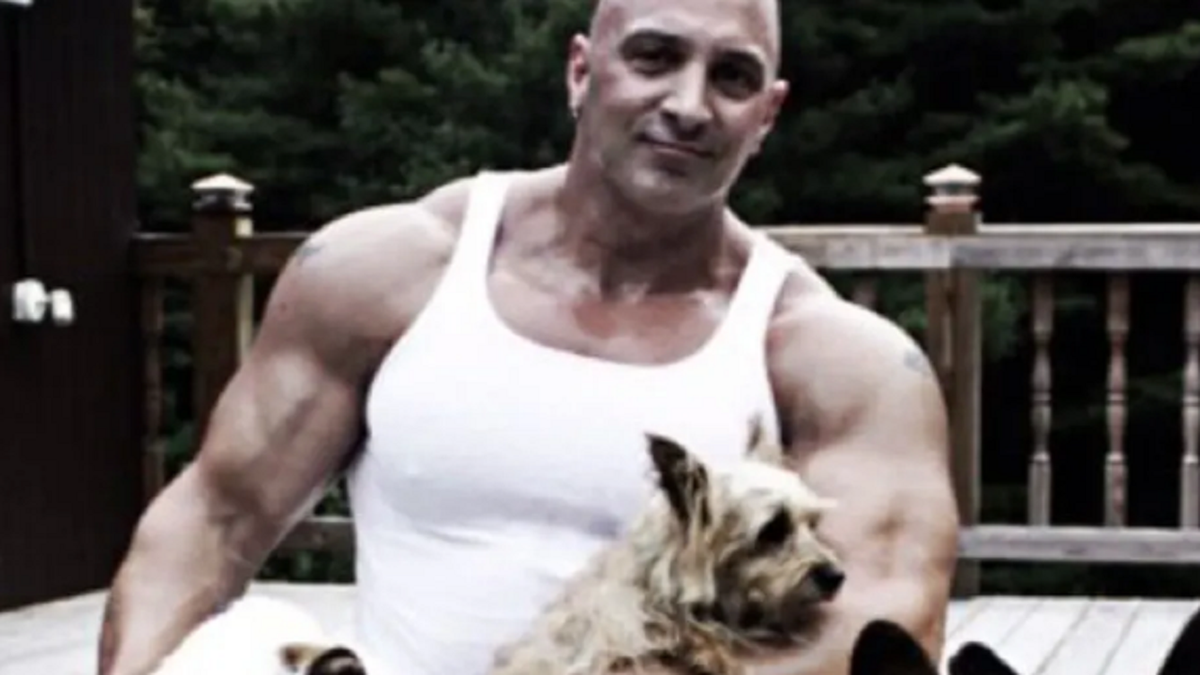
This undated photo shows former Briarcliff Manor, New York, Police Officer Nick Tartaglione. (Nick Tartaglione)
The records state Tartaglione immediately called for help after discovering Epstein on the ground. Correctional officers responded, and Epstein was taken for medical evaluation. Officials later described the incident as an apparent suicide attempt.
The documents also note that Epstein later accused Tartaglione of trying to kill him, a claim Tartaglione flatly denied.
«That allegation is completely false,» Tartaglione told investigators. Additionally, Bureau of Prisons officials said there was no evidence to support Epstein’s claim.
Epstein was later removed from the cell and placed under closer observation before his death weeks later in what was ruled a suicide.
Tartaglione was sentenced to four consecutive life sentences in 2024 for killing four people, according to prior reporting from Fox News Digital.
DOJ’S EPSTEIN DISCLOSURE DRAWS FIRE FOR WEBSITE GLITCHES, MISSING DOCUMENTS, REDACTIONS
Epstein accuser said Clinton’s name was used to deter her from coming forward
A woman who accused Epstein of sexual misconduct said she was warned that his ties to former President Bill Clinton could prevent her from working if she spoke out, according to a sworn attorney-released statement in Tuesday’s DOJ document dump.
In the statement, dated August 27, 2019, the woman identified as Jane Doe alleged that after fleeing an encounter with Epstein at his Manhattan mansion, another woman cautioned her that Epstein «knew a lot of powerful people, including Bill Clinton,» and that refusing him could end her career in the modeling industry.
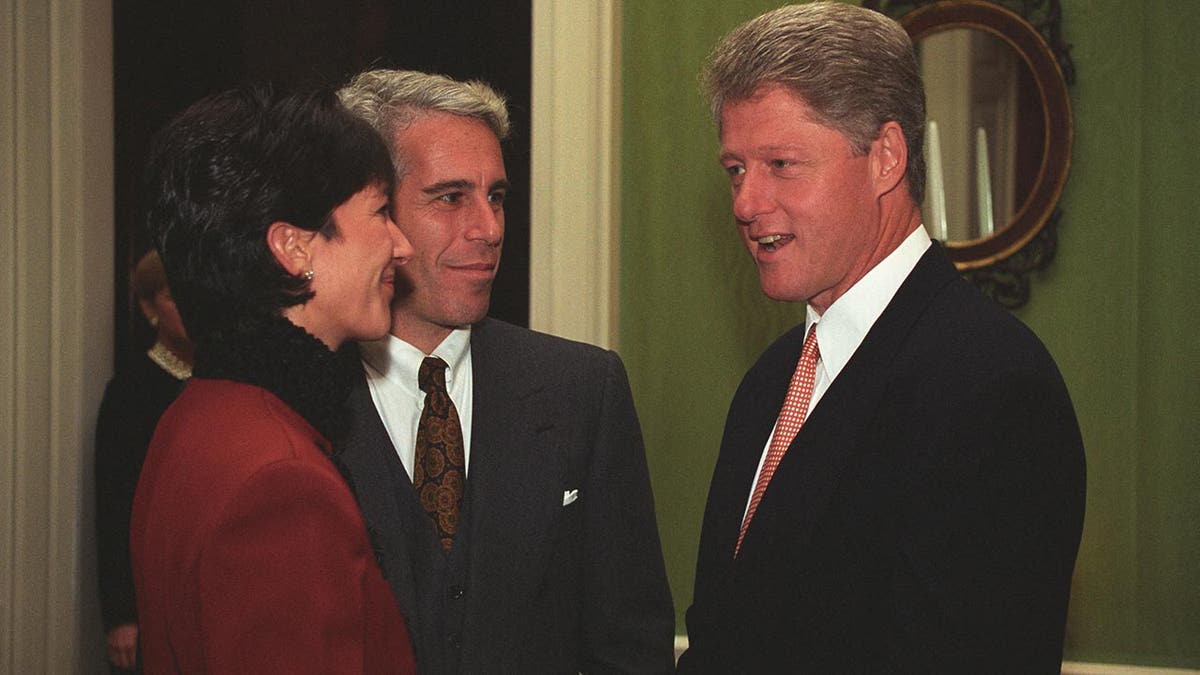
Jeffrey Epstein and Ghislaine Maxwell at the Clinton White House at an event that took place in 1993 for donors to the White House Historical Association. (Mega)
The accuser said she believed the reference to influential figures was meant to intimidate her and discourage her from coming forward.
The statement does not allege that Clinton participated in or had knowledge of the alleged encounter. Clinton has previously denied wrongdoing in connection with Epstein.
ANDREW USED FAMILY’S LEGITIMACY AS ‘BARGAINING CHIP,’ LET EPSTEIN AND MAXWELL ROAM ROYALS’ SPACES: EXPERT
Jeffrey Epstein’s fake passport revealed
The latest documents also include a fake passport that Epstein apparently used in the 1980s. The passport appeared to be issued from Austria, with Epstein going by the name «Marius Robert Fortelni.» It listed Saudi Arabia as his place of residence.

An image showing an Austrian passport that Jeffrey Epstein used in the 1980s under a false name, «Marius Robert Fortelni.» (Department of Justice)
In a 2019 letter to a federal judge over his detention on sex trafficking charges, Epstein’s lawyers justified his use of a false identity.
«Eighth, as for the Austrian passport the government trumpets, it expired 32 years ago,» his attorneys said in the letter. «And the government offers nothing to suggest — and certainly no evidence — that Epstein ever used it.»
«In any case, Epstein – an affluent member of the Jewish faith – acquired the passport in the 1980s, when hijackings were prevalent, in connection to Middle East travel,» the letter continued. «The passport was for personal protection in the event of travel to dangerous areas, only to be presented to potential kidnappers, hijackers or terrorists should violent episodes occur.»
Epstein requested ‘razor to shave,’ complained of lack of water weeks before death, document shows
Documents indicate that Epstein requested a razor to shave while in federal custody just weeks before his death, while also raising a series of complaints about his detention conditions.
In a July 30, 2019 internal communication labeled «Inmate Epstein,» Epstein asked for a razor and requested access to water during attorney conferences, saying the available machine «does not have water» and that he was becoming dehydrated, according to the document.
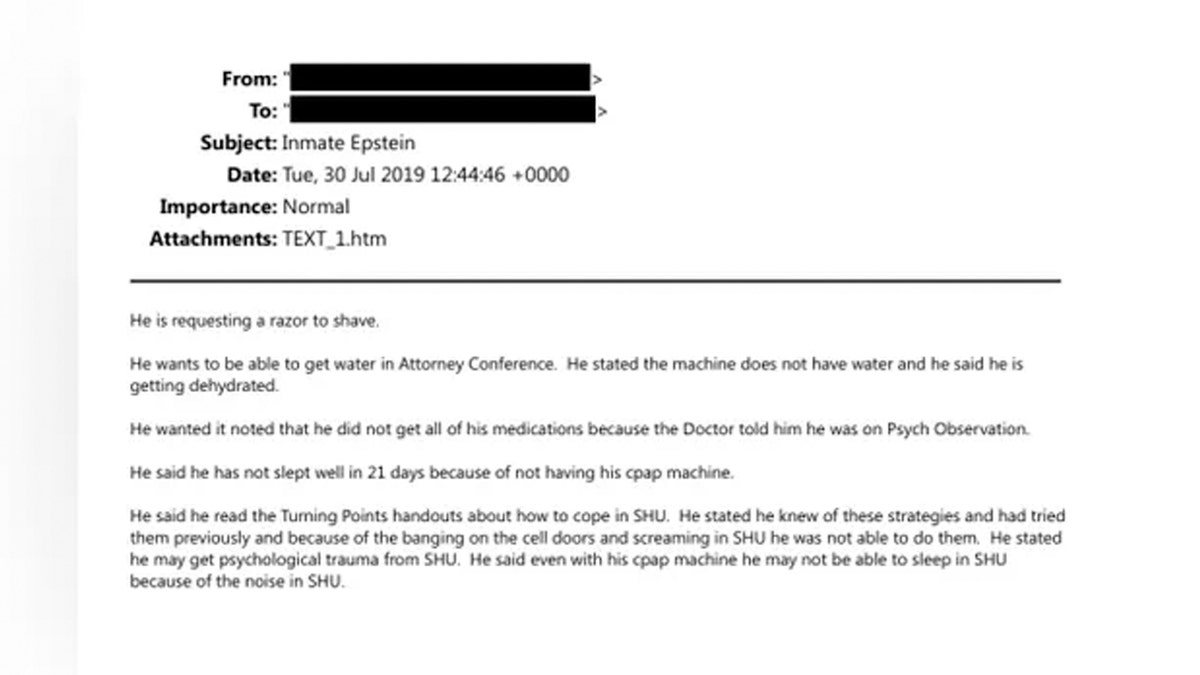
Epstein reportedly requested a razor to shave as well as water access in the weeks leading up to his death, a document released by the Department of Justice shows. (Department of Justice)
CLICK HERE TO DOWNLOAD THE FOX NEWS APP
The same email notes Epstein claimed he did not receive all of his prescribed medications after being placed on psychological observation, and said he had not slept well in 21 days due to the absence of his CPAP machine. Epstein also complained about noise in the Special Housing Unit, warning he could suffer «psychological trauma» from the conditions.
Fox News’ Bill Mears contributed to this report.
politics,jeffrey epstein,crime world,justice department,donald trump,bill clinton







INTERNACIONAL
Quiénes son los candidatos a presidente de Perú para completar cinco meses de mandato restante

Tras apenas cuatro meses en el cargo, José Jerí (39 años) tuvo que dejar la presidencia de Perú tras una votación de censura del Congreso que fue aprobada por 75 votos a favor, 24 en contra y 3 abstenciones. Se trata del octavo presidente del país en casi 10 años, en medio de la inestabilidad y crisis política que atraviesa Perú desde las elecciones de 2016.
La salida de Jerí llega tras varios escándalos, principalmente el ‘chifagate‘, donde se investiga una serie de reuniones semiclandestinas que Jerí habría mantenido con empresarios chinos. El más polémico fue un encuentro al que acudió encapuchado a un restaurante propiedad de uno de estos empresarios, lo que motivó la apertura de una investigación en la Fiscalía por patrocinio ilegal y tráfico de influencias agravado. También se lo acusaba de la contratación irregular de al menos cinco mujeres que consiguieron trabajos públicos tras reunirse con el exmandatario en Palacio de Gobierno.
Jerí había asumido en octubre de 2025, luego de la destitución de Dina Boluarte, que era la vicepresidenta de Pedro Castillo, también destituido. Al momento de asumir, era presidente del Congreso por lo que al ser censurado como presidente del Congreso, quedó automáticamente invalidado para seguir ejerciendo la presidencia.
Ahora, el Parlamento tendrá que elegir a un nuevo mandatario entre los legisladores que deberá dirigir el país hasta el 28 de julio, cuando entregue el cargo al ganador de los comicios presidenciales del 12 de abril. El plazo para la presentación formal de las candidaturas eras hasta este martes a las 18 (hora local). El presidente del Congreso, Fernando Rospigliosi, anunció que la votación para definir el reemplazo de Jerí será mañana miércoles a partir de las 18 (hora local).
Tras la publicación de las listas, se designan a dos escrutadores para observar el acto electoral. Se vota por orden alfabético y los votos se introducen en una urna (ánfora). El conteo se hace voto por voto y gana la lista o candidato que obtenga mayoría simple. En ese caso, el ganador presta juramento y asume de inmediato. Si eso no sucede, se va a una segunda votación.
Pero las opciones para el nuevo presidente interino son limitadas, ya que la gran mayoría de los legisladores se presentarán a reelección en dos meses. De los 130 parlamentarios, 57 postulan al Senado, 29 a la Cámara de Diputados y dos al Parlamento Andino, por lo que quedan 42 congresistas elegibles y la mayoría cuenta con niveles de popularidad muy bajos como para conseguir el apoyo suficiente para asumir el cargo.
#CongresoInforma | Vencido el plazo para la inscripción de las listas de candidatos a la presidencia del Congreso de la República, se ha registrado las candidaturas de los congresistas:
✅Segundo Héctor Acuña Peralta
✅María del Carmen Alva Prieto
✅Edgard Cornelio Reymundo… pic.twitter.com/ijnjYwtaYA— Congreso del Perú 🇵🇪 (@congresoperu) February 17, 2026
El Congreso de Perú oficializó cuatro candidaturas:
Alva cuenta con la ventaja de que su partido, Acción Popular (derecha), no se presenta en las elecciones de abril y además cuenta con experiencia ya que fue presidenta del Congreso entre 2021 y 2022. Otros partidos de derecha como Fuerza Popular (que lidera Keiko Fujimori) y Renovación Popular podrían apoyarla, pero en sus años como congresista ha protagonizado varios desencuentros con otros parlamentarios en los que incluso tiró del brazo a colegas y ha sido señalada por decir comentarios clasistas.
Otro candidato es el izquierdista José María Balcázar que es independiente, pero fue nominado por el partido comunista Perú Libre, partido con el que Castillo llegó a la presidencia en 2021, pero al que luego renunció. Algunos legisladores lo ven como una figura de consenso, incluso él le ha dicho a medios locales que «en caso de presentarse (la ocasión), obviamente (aceptaría), pero tendría que someterme a la mayoría del Congreso». «El problema es que yo no tengo partido, yo no tengo votos cautivos, pero sí soy un hombre de consenso», añadió. Pero Balcázar tampoco está libre de polémicas: en 2023 se abstuvo de votar el dictamen de la norma que prohíbe el matrimonio infantil y expuso que «las relaciones sexuales tempranas ayudan al futuro psicológico de la mujer«.
Otra de las postulaciones es la de Héctor Acuña del bloque de derecha Honor y Democracia. Es hermano de César Acuña, líder de la Alianza para el Progreso (APP) y exgobernador regional de La Libertad y de Óscar Acuña, prófugo desde noviembre por una causa de corrupción.
El Bloque Democrático Popular (izquierda) postuló a Edgard Reymundo, que termina su mandato este 2026. Reymundo es sociólogo y abogado y su carrera política comenzó en 1980, cuando fue elegido como regidor del distrito de Chilca (Cañete, Lima) por Izquierda Unida. Fue congresista entre 2006 y 2011 y luego ocupó varios cargos en el ejecutivo nacional. En 2021 volvió a ser elegido como congresista por Junín, su cargo vence el próximo 27 de julio.
INTERNACIONAL
Latina House Republican asks Supreme Court to block Dems’ bid to ‘racially gerrymander’ her out of Congress
NEWYou can now listen to Fox News articles!
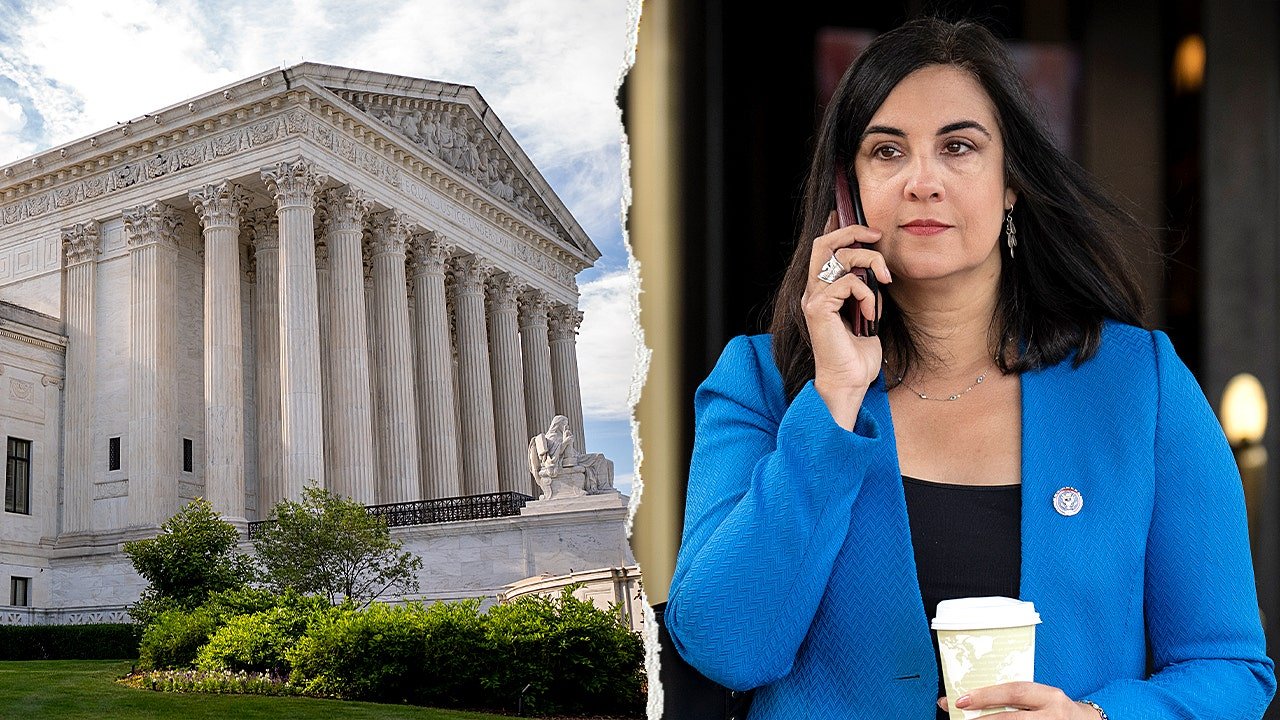
New York City’s lone Republican lawmaker in the House of Representatives is asking the highest court in the land to stop a Democrat-backed bid to gerrymander her seat in Congress.
Rep. Nicole Malliotakis, R-N.Y., filed a petition with the Supreme Court late last week asking it to halt a state court-ordered redraw of New York’s congressional map ahead of the November midterm elections.
The New York State Supreme Court ruled last month that Malliotakis’ district unfairly dilutes the power of Black and Latino voters, following a lawsuit led by Democrat lawyer Marc Elias’ law firm on behalf of four New York residents.
New York’s 11th congressional district (NY-11), which Malliotakis won in 2020, encompasses all of Staten Island and a sliver of southern Brooklyn. It’s the only district in the Big Apple represented by a Republican after Malliotakis defeated one-term former Rep. Max Rose, D-N.Y.
BATTLEGROUND GOP LAWMAKER MOVES TO BLOCK WHAT HE CALLS DEMOCRATIC REDISTRICTING ‘POWER GRAB’
Rep. Nicole Malliotakis is petitioning the Supreme Court to stop New York Democrats’ push to redraw her congressional seat. ( Andrew Harnik/Getty; Drew Angerer/Getty)
Malliotakis’ court petition argued that the Manhattan court «violated the Equal Protection Clause by prohibiting New York from running congressional elections until the state racially gerrymanders» her district.
The GOP congresswoman pointed out in a recent interview with Fox News Digital that she herself is Latino, with a mother who fled Cuba’s communist regime.
«The fact that they’re claiming somehow Hispanics and minorities are disenfranchised when I’m the first Hispanic elected to represent the district makes it even more ridiculous,» Malliotakis said at the time.
DEMOCRATS SAY TRUMP REDISTRICTING PUSH BACKFIRING AS VIRGINIA ADVANCES NEW HOUSE MAPS
The state court decision by Justice Jeffrey Pearlman found that «Black, Latino, and Asian Staten Islanders’ political representation and participation in politics still lags behind White Staten Islanders» in violation of the New York State Constitution.
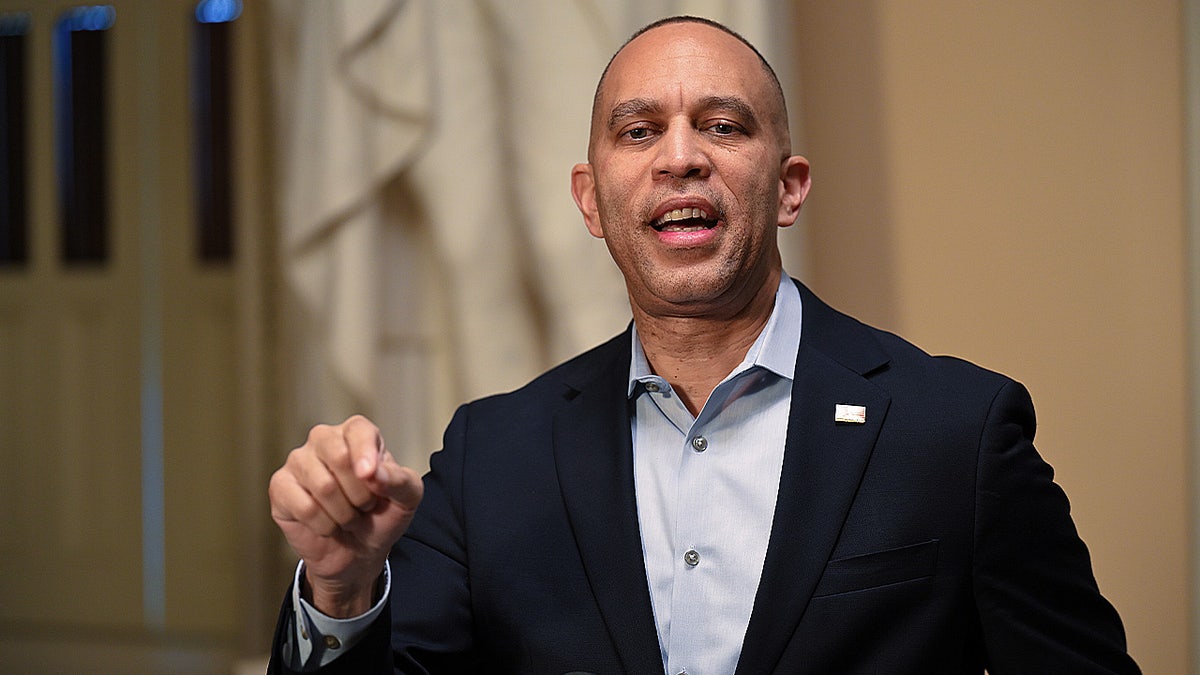
House Minority Leader Hakeem Jeffries speaks during a press conference on Capitol Hill on Nov. 3, 2025, in Washington, D.C. (Roberto Schmidt/Getty Images)
«A demonstration of racially polarized voting shows that the minority groups at issue vote as a bloc, as do White voters, and that the minority preferred candidates ‘usually’ lose,» Pearlman’s decision said. «Petitioners have demonstrated that here.»
Malliotakis’ Supreme Court petition said, «The New York State Legislature adopted CD11’s current boundaries two years ago, with an overwhelming majority of the Legislature’s Black and Latino members voting in favor of it.»
It argued that the lawsuit was brought, however, «less than four months ago under the theory that the votes of CD11’s Black and Latino voters — who comprise about 23% of CD11 — have been unconstitutionally diluted because their candidate of choice wins only 25% of the time.»
The petition said the court’s decision to «racially gerrymander» the district is a «recipe for unconstitutional chaos, with no map in place and uncertainty as to whether nominating petitions can start circulating on February 24, with no end in sight.»
But Democrats have been salivating at the idea of drawing out the deep-blue city’s lone House Republican.
House Democratic Leader Hakeem Jeffries, D-N.Y., said in a statement last month, «This ruling is the first step toward ensuring communities of interest remain intact from Staten Island to Lower Manhattan.»
New York is one of several states plunged into the redistricting battle that has gripped the United States.
CLICK HERE TO DOWNLOAD THE FOX NEWS APP
It began last year in Texas, when the state’s GOP-led legislature redrew its congressional map to give Republicans an advantage of as many as five new House seats.
California soon followed suit, creating a new map giving Democrats the same advantage.
house of representatives politics,elections,politics,new york city
INTERNACIONAL
Con la salida de José Jeri, Perú profundiza su inestabilidad política y tendrá nueve presidentes en una década

Con la destitución de José Jeri, Perú profundizó un ciclo interminable de inestabilidad política que tendrá este miércoles un nuevo capítulo cuando el Congreso elija al octavo presidente en menos de una década.
Pero no será el último de este 2026. El 12 de abril los peruanos elegirán a su noveno mandatario de los últimos 10 años. Será por voto popular. El ganador de las elecciones asumirá el poder el 28 de julio.
Leé también: Nuevo golpe a Cuba: una importante minera suspenderá sus operaciones por la falta de combustible
Es un récord del que los peruanos no se enorgullecen. Si bien está lejos de los cinco presidentes en una semana que tuvo la Argentina a fines de 2001, Perú está inmerso en una interminable crisis institucional que convirtió a la sede de gobierno en arenas movedizas.
Una lista que se agranda cada año
Jeri fue el séptimo presidente del Perú desde 2016. Desde entonces la nómina se engrosa en medio de fuertes internas parlamentarias. Ninguno de ellos logró completar siquiera tres años de mandato. La lista es la siguiente:
- Pedro Pablo Kuczynski. Gobernó entre el 28 de julio de 2016 y el 23 de marzo de 2018. Renunció en medio de una serie de escándalos que sacudieron su gestión. En diciembre, la fiscalía pidió ocho años de cárcel por corrupción.
- Martín Vizcarra. Asumió en reemplazo de Kuczynski, del que era su vicepresidente. Estuvo en el cargo entre el 23 de marzo de 2018 y el 9 de noviembre de 2020. Fue destituido por “incapacidad moral permanente”. En 2025, fue sentenciado a 14 años de cárcel por haber cobrado sobornos cuando era gobernador de Moquegua.
- Manuel Merino. Fue designado por el Congreso. Su gestión comenzó el 10 de noviembre de 2020 y culminó el 15 de noviembre de ese mismo año. Duró apenas cinco días. Renunció en medio de fuertes protestas.
- Francisco Sagasti. También fue nombrado por el Parlamento. El mandato inició el 17 de noviembre de 2020 y se extendió hasta el 28 de julio de 2021. Completó su gestión.
- Pedro Castillo. Asumió el 28 de julio de 2021 por el voto popular y fue destituido el 7 de diciembre de 2022 tras un fallido autogolpe. Tras su remoción se desataron protestas que dejaron decenas de muertos. Finalmente fue condenado a 11 años de prisión.
- Dina Boluarte. La primera presidenta del Perú reemplazó al destituido mandatario de izquierda en su calidad de vice. Comenzó su mandato el 7 de diciembre de 2022 y fue removida del cargo el 10 de octubre de 2025 por “incapacidad moral”. Fue la mandataria que más estuvo en el poder en la última década. Le faltaba menos de un mes para completar tres años. Hoy enfrenta varias causas en la justicia.
- José Jeri. Estuvo a cargo del ejecutivo desde el 10 de octubre de 2025 hasta el 17 de febrero de 2026. Fue removido por “tráfico de influencias”.
Francisco Sagasti, el único de los mandatarios que logró completar su mandato en la última década, responsabilizó a los distintos partidos con representación parlamentaria por las continuas crisis institucionales del país.
“Es un Congreso irresponsable con personajes que no están a la altura de las circunstancias. Los ciudadanos tenemos una enorme responsabilidad de no volver a elegir a candidatos de los partidos que son responsables del desorden total que hemos vivido en los ultimos años”, dijo Sagasti a la emisora RPP.
Cuál es el origen de la crisis institucional que golpea a Perú
La analista peruana Upi Torrado, directora de la encuestadora Datum Perú, dijo a TN que el origen de las crisis que golpean cíclicamente al país se basa en la debilidad parlamentaria de los últimos presidentes.
“En los últimos tiempos el Congreso ha adquirido mucha fuerza frente a la debilidad de los gobiernos. Los distintos mandatarios asumen con bancadas muy pequeñas o no tienen bancada, como le ocurrió a Dina Boluarte”, indicó.
Personas protestan contra el presidente interino peruano José Jeri frente al lugar donde los legisladores debaten su posible destitución en Lima, Perú, el martes 17 de febrero de 2026. (Foto AP/Gerardo Marín)
Además, explicó: “Entonces se desarrolla una dinámica muy fuerte de poder. Asumen el gobierno partidos débiles con bancadas pequeñas. Al no tener ese respaldo legislativo, los presidentes son frágiles”.
En el caso de Jeri, su partido Somos Perú es minoritario. “Todos los partidos con representación parlamentaria están postulando candidatos a presidente y a la reelección legislativa. Jeri estaba envuelto en distintos escándalos y todos quisieron marcar distancia” en plena campaña, señaló Torrado.
Leé también: EE.UU. atacó a tres presuntas narcolanchas y 11 personas murieron en el Pacífico Oriental y el Caribe
En una reciente entrevista con TN, el expremier peruano Pedro Cateriano afirmó que la crisis comenzó cuando el Parlamento forzó la renuncia de Kuczynski en 2016 mediante “el mal uso de la vacancia por incapacidad moral”.
Según dijo, la vacancia presidencial solo puede ser fundamentada con acusaciones graves, como traición a la Patria, disolver el Congreso o impedir el desarrollo de las elecciones. Desde entonces se comenzó a usar el término “incapacidad moral” para remover a los presidentes por motivos diferentes. Se convirtió en un término elástico.
Además, en el caso de los presidentes encargados que asumieron tras la “vacancia” de su predecesor, el Congreso utiliza la “censura” que requiere de una mayoría simple porque en la práctica no se trata de un mandatario electo con el voto popular, sino de un titular del Congreso encargado del gobierno.
La “vacancia” propiamente dicha necesita 2/3 de los votos del Parlamento.
Perú, Jose Jeri

Quiénes son los candidatos a presidente de Perú para completar cinco meses de mandato restante

Reforma laboral: el director ejecutivo de la Cámara Argentina Fintech analizó el debate sobre las cuentas sueldo

Protocolo UEFA: la gravísima sanción a la que se expone Prestianni si se confirma su insulto racista a Vinícius

El Gobierno no da por muerta la rebaja de Ganancias, pero todavía es incierto cuándo volverá a presentarla

Reforma laboral: cómo se gestó la quita del artículo 44 y qué condiciones puso la oposición para aprobarla

Nico Repetto, abuelo chocho, mostró a su nuevo nieto Timoteo en las redes, pero lo tuvo que borrar: ¿conflicto con Juana?

Uno de los jefes de la CGT adelantó que convocarán a un paro general por la reforma laboral: “Trabajaremos para que sea una gran huelga”

Chaotic video shows passengers trading midair blows; plane forced to divert: reports

Cristian Ritondo: “Vamos a apoyar la ley de modernización laboral, pero no el régimen de licencias por enfermedad”

Efecto Santa Fe: policías y penitenciarios de Río Negro rechazaron un aumento en cuotas y amenazan con acampar por tiempo indeterminado en Viedma

 POLITICA2 días ago
Uno de los jefes de la CGT adelantó que convocarán a un paro general por la reforma laboral: “Trabajaremos para que sea una gran huelga”
- POLITICA24 horas ago
Cristian Ritondo: “Vamos a apoyar la ley de modernización laboral, pero no el régimen de licencias por enfermedad”
- POLITICA2 días ago
Efecto Santa Fe: policías y penitenciarios de Río Negro rechazaron un aumento en cuotas y amenazan con acampar por tiempo indeterminado en Viedma