INTERNACIONAL
Here are the key 2026 House and Senate races to watch that could decide control of Congress


NEWYou can now listen to Fox News articles!
With margins tight in both chambers, control of Congress in 2026 is expected to hinge on a small group of competitive Senate contests and House districts sensitive to national trends. As America plunges into a new year, here are the races that are most likely to define the midterm races.
Senate majority-making or majority-breaking races to watch
Senate Republicans are looking to maintain their razor-thin majority after flipping the upper chamber in 2024. There are 33 seats in-cycle in the forthcoming midterms, which often act as a check on an incumbent president’s performance.
The GOP is hoping to replicate the Election Day successes that helped preserve its majority at the midpoint of President Donald Trump’s first term, entering 2026 with what many analysts consider a favorable map.
Senator Jon Ossoff, a Democrat from Georgia, listens during a news conference at the U.S. Capitol on Tuesday, Dec. 9, 2025. (Aaron Schwartz/Bloomberg/Getty Images)
Georgia
Why it matters: Georgia is the top prize of Senate Republicans and their campaign arm, the National Republican Senatorial Committee (NRSC). Incumbent Sen. Jon Ossoff, D-Ga., is vulnerable in his first attempt at re-election to the Senate and will be met with the full weight of the NRSC’s campaign war chest.
SENATE REPUBLICAN CAMPAIGN CHAIR REVEALS HOW MANY SEATS HE’S AIMING FOR IN 2026
What to watch: Before the general election, Republicans will first have to let the dust settle on a bloody, four-way primary fight among Reps. Buddy Carter, R-Ga., Mike Collins, R-Ga., former University of Tennessee head football coach Derek Dooley and horse trainer Reagan Box. Republicans’ prized candidate, Georgia Gov. Brian Kemp, opted not to enter the contest, leaving a wide open playing field for the GOP to fight over.
North Carolina

North Carolina Senate candidate Michael Whatley will compete for the seat being vacated by retiring Republican Sen. Thom Tillis. (Eva Marie Uzcategui/Getty Images)
Why it matters: In the heat of the Senate advancing Trump’s «big, beautiful bill,» Sen. Thom Tillis, R-N.C., announced his retirement. What would likely have been a gimme race for the GOP has now turned into a wide open contest for an open seat.
SOCIALIST WINS PILE UP AFTER GOP’S BRUTAL 2025 OFF-YEAR ELECTION LOSSES
What to watch: Democrats believe they can flip the seat for the first time since 2008 and hope that former North Carolina Gov. Roy Cooper will carry them to victory and provide a crucial win to tip the balance of power. Republicans scored their preferred candidate, too, in former Republican National Committee Chair Michael Whatley. He will have a primary challenge though from Michele Morrow.
Michigan

Democratic Sen. Gary Peters announced his retirement, opening up a U.S. Senate seat in Michigan. (REUTERS/Mike Segar)
Why it matters: Similar to North Carolina, Democrats lost their incumbent Sen. Gary Peters, D-Mich., to retirement. Both parties are now gunning for the open seat, but Democrats’ have a tangled primary to survive first before their true candidate emerges.
4 KEY SENATE SEATS REPUBLICANS AIM TO FLIP IN 2026 MIDTERMS TO EXPAND THEIR MAJORITY
What to watch: Rep. Haley Stevens, D-Mich., state Sen. Mallory McMorrow and physician Abdul El-Sayed, are all in on the Democratic side, while Trump and Republicans have coalesced behind former Rep. Mike Rogers, who narrowly lost to Sen. Elissa Slotkin last year.
Maine

Republican Sen. Susan Collins of Maine is looking to secure a sixth term in the Senate. (Chip Somodevilla/Getty Images)
Why it matters: Incumbent Sen. Susan Collins, R-Maine, is Senate Democrats’ top target in the midterms. Collins, who is looking to score a sixth term in the Senate, could face a formidable opponent in the general election with the full backing of Senate Minority Leader Chuck Schumer, D-N.Y., or an upstart progressive candidate that’s looking to throw a wrench into Democrats’ plans.
THE GOP’S TAKE ON HIGH-PROFILE SENATE DEMOCRATIC PRIMARIES: ‘THEY’RE IN SHAMBLES’
What to watch: There are several local candidates that have jumped in on both sides of the race, but the main contenders are Collins, popular Democratic Gov. Janet Mills and oyster farmer Graham Platner, who has rubbed shoulders with progressive heavyweights Sen. Bernie Sanders, I-Vt., and Rep. Alexandria Ocasio-Cortez, D-N.Y.
Ohio
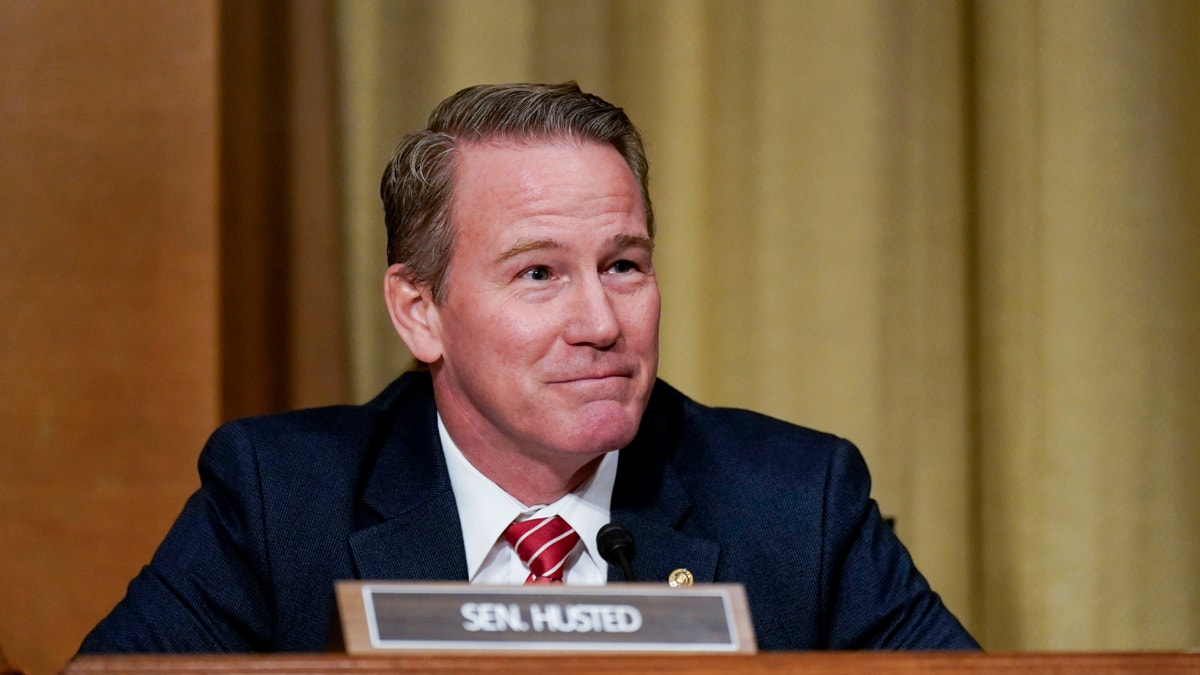
Sen. Jon Husted, a Republican from Ohio, will face Democrat challenger Sen. Sherrod Brown. (Getty Images)
Why it matters: Sen. Jon Husted, R-Ohio, who was appointed to replace Vice President JD Vance earlier this year, will look to finish out the remaining two years of his predecessor’s term. But he’ll face a tough opponent in former Sen. Sherrod Brown, D-Ohio, who narrowly lost last year.
TIM SCOTT TELLS MAGA VOTERS TRUMP ‘IS ON THE BALLOT’ AS GOP FIGHTS TO GROW SENATE MAJORITY IN 2026
What to watch: Schumer and Democrats scored their best chance at picking up a seat in Ohio, again trying to turn the state purple after Brown’s loss to Sen. Bernie Moreno, R-Ohio. And there will be eye-popping amounts of money thrown at this contest.
New Hampshire

Sen. Jeanne Shaheen, D-N.H., said she will leave Congress at the end of her term. (Getty Images)
Why it matters: Democrats took yet another hit from the retirement train when Sen. Jeanne Shaheen, D-N.H., announced she’d leave Congress at the end of her term. That has opened up the field to several familiar Republican names jumping into the contest in the hopes of turning part of the Granite State red.
What to watch: Republicans have two prime candidates, former Sen. John Sununu, R-N.H., and former Rep. Scott Brown, R-Mass., who also served as an ambassador for Trump, to pick from. Meanwhile, Rep. Chris Pappas, D-N.H., is the likely heir apparent on the Democratic side.
House races that will decide the majority
Control of the House is likely to hinge on fewer than two dozen districts nationwide, as both parties focus their resources on a small set of competitive seats that could decide the chamber. The battlegrounds span suburbs, rural communities and diverse metro areas, underscoring how varied the path to a majority has become.
Colorado’s 8th District, Northern Denver suburbs and Greeley
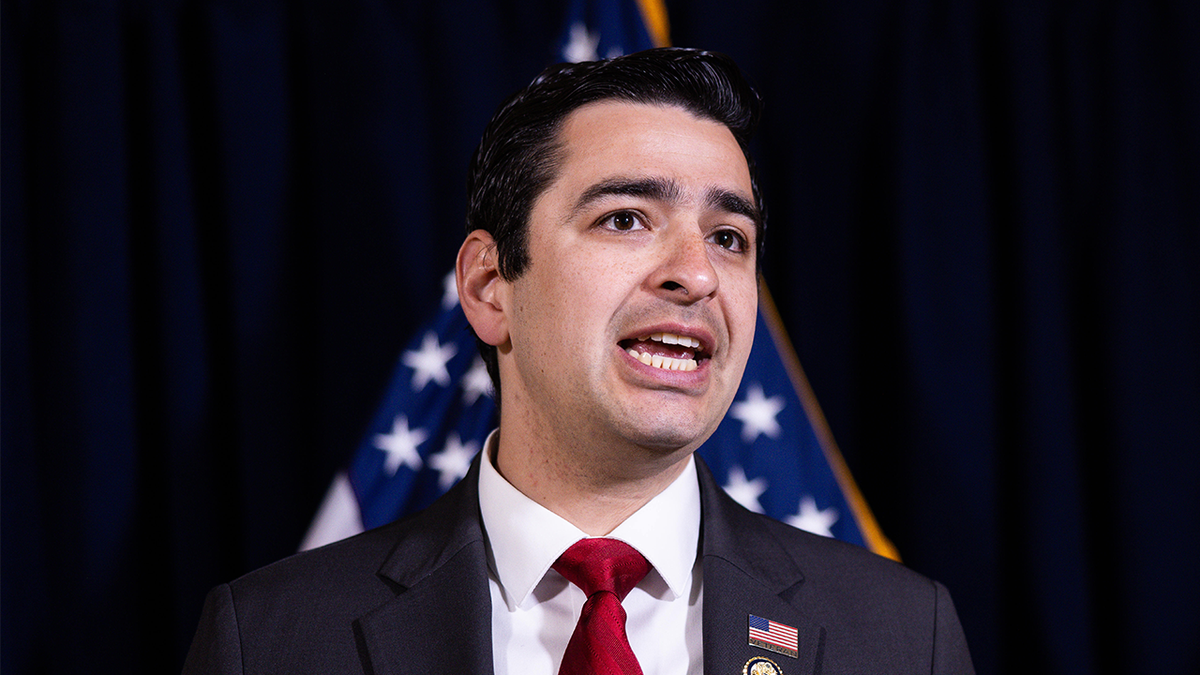
Rep. Gabe Evans, R-Colo., will look to defend his seat in an increasingly competitive district. (Tierney L. Cross/Getty Images)
Why it matters: With GOP Rep. Gabe Evans defending the seat, Colorado’s 8th District remains one of the most competitive House districts in the country. Drawn as a true swing seat after redistricting, it has flipped parties in back-to-back cycles and is often decided by slim margins.
CORNYN TORCHES DEMOCRATIC FIELD, SAYS PARTY NOW ‘RULED BY SOCIALISTS’
What to watch: Whether Latino and working-class voters break decisively toward one party and whether the race is decided by a narrow margin. A comfortable win here typically signals momentum heading into other battleground House races.
Iowa’s 1st District, Eastern Iowa
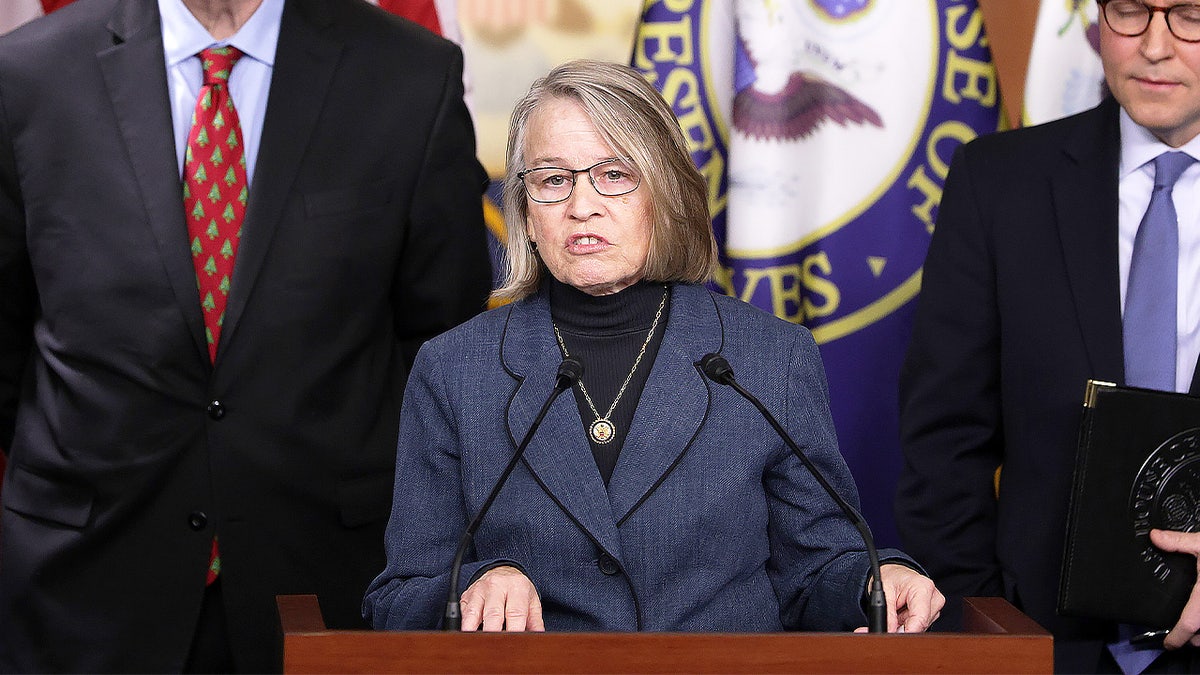
Republican Rep. Mariannette Miller-Meeks holds Iowa’s 1st District, which is again shaping up as a key battleground. (Alex Wong/Getty Images)
Why it matters: With a history of close results, Iowa’s 1st District is once again a top battleground as Republican Rep. Mariannette Miller-Meeks seeks re-election.
5 PIVOTAL 2026 SENATE RACES WILL DETERMINE WHETHER REPUBLICANS MAINTAIN GOVERNING TRIFECTA UNDER TRUMP
What to watch: The district spans college towns, rural counties and small manufacturing hubs, creating an electorate that frequently splits its ticket. Even as Iowa trends red at the presidential level, the seat continues to hover in toss-up territory and is often among the last House races decided on election night.
New Jersey’s 7th District, North Jersey suburbs

Republican Rep. Thomas Kean is seeking to defend his seat in what is shaping up to be a competitive race. (Getty)
Why it matters: Held by GOP Rep. Tom Kean Jr., New Jersey’s 7th is a high-income, college-educated suburban district that has repeatedly swung with the national political climate and historically punished incumbents during unfavorable cycles.
What to watch: Whether suburban voters continue drifting away from Republicans or stabilize in a midterm environment. A shift here would offer an early read on how educated suburbs are responding to the party in power.
New York’s 17th District, Hudson Valley and NYC’s northern suburbs

With national groups pouring in money and messaging, Rep. Mike Lawler, R-N.Y., is gearing up for a high-profile race. (Tom Williams/CQ-Roll Call, Inc via Getty Images)
Why it matters: New York’s 17th District, which previously backed former President Joe Biden, is represented by GOP Rep. Mike Lawler and is expected to play an outsized role in determining House control.
GOP SENATE CAMPAIGN CHIEF AIMS TO EXPAND 2026 MAP IN THIS BLUE-LEANING STATE
What to watch: Whether Democrats can effectively harness heavy national spending and messaging in a district expected to draw intense attention.
Pennsylvania’s 7th District, Lehigh Valley and Allentown
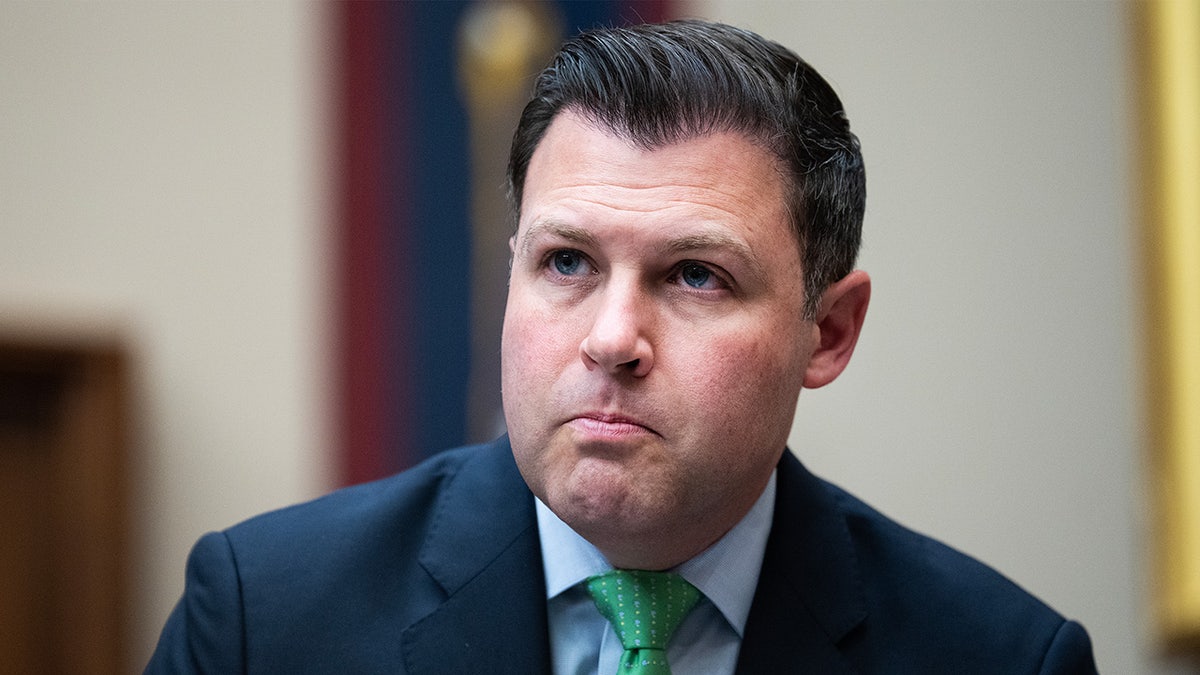
Rep. Ryan Mackenzie, R-Pa., will likely address immigration and economic pressures during his campaign. (Tom Williams/CQ-Roll Call, Inc via Getty Images)
Why it matters: Held by Republican Rep. Chris Mackenzie, Pennsylvania’s 7th is a true purple district in a must-win swing state. This area is made up of a politically diverse electorate that has previously mirrored statewide results.
CLICK HERE TO GET THE FOX NEWS APP
What to watch: Economic pressures and immigration debates are expected to shape how working-class and Latino voters approach the race.
California’s 22nd District, Central Valley

Rep. David Valadao, R-Calif., will need to win Latino votes in this upcoming race. (Juan Esparza Loera/The Fresno Bee/Tribune News Service via Getty Images)
Why it matters: California’s 22nd, represented by GOP Rep. David Valadao, has remained a perennial battleground for more than a decade, shaped by its agricultural economy and a large Latino electorate sensitive to turnout swings.
What to watch: Whether Democrats can boost turnout enough to flip the seat, and whether Central Valley races help offset Republican gains elsewhere in the country.
2025 2026 elections coverage,senate elections,house of representatives













INTERNACIONAL
Israel hits back after coordinated Iran-Hezbollah missile, drone strikes, urges Beirut to rein in terrorists

NEWYou can now listen to Fox News articles!
JERUSALEM: Iran proxy Hezbollah fired some 200 missiles and drones into the Jewish state overnight and into Thursday in what Israeli media described as an «integrated Hezbollah and Iran joint attack.»
The attacks prompted fierce retaliatory strikes from the Israeli Defense Forces into Hezbollah strongholds in the Beirut suburbs.
The Israel Defense Forces said, «The IDF is operating with determination against the Hezbollah terrorist organization following its deliberate decision to attack Israel on behalf of the Iranian regime. The IDF will not tolerate any harm to Israeli civilians and will forcibly respond against any threat posed to the State of Israel.»
Calling its new operation «Eaten Straw,» the terror group claimed to have targeted Israeli military sites in the suburbs of Tel Aviv, among other targets.
ISRAEL-HEZBOLLAH BORDER TENSIONS RISE AS TERROR GROUP REARMS, RESISTS US- BACKED CEASEFIRE
Hezbollah members salute and raise the group’s yellow flags during the funeral of their fallen comrades Ismail Baz and Mohamad Hussein Shohury, who were killed in an Israeli strike on their vehicles, in Shehabiya in south Lebanon on April 17, 2024. (AFP via Getty Images)
Matthew Levitt, a leading scholar on Hezbollah from the Washington Institute, told Fox News about Eaten Straw. «The term comes from a Koran verse about destroying one’s enemies to the point that they are destroyed like grains of straw husks. In fact, it is going to lead to a massive Israel response.»
Just days prior to Wednesday’s attacks, Lebanon’s President Joseph Aoun charged Hezbollah with pushing Lebanon into becoming «a second Gaza.»
An Israeli security expert from the Israel Alma Research and Education Center, Sarit Zehavi, told Fox News Digital, that «I think that Hezbollah is trying to scare Israel from launching further operations and I truly hope that we will not be afraid, and our government will do what it has to do.»
IRAN COULD ‘ACTIVATE’ HEZBOLLAH IF US TARGETS REGIME, TRUMP’S INNER CIRCLE TO DECIDE: EXPERT

A fireball rises from the site of an Israeli airstrike that targeted an area in Beirut’s southern suburbs overnight March 10 to 11, 2026. (Fadel itani / AFP via Getty Images)
The Lebanese armed forces also failed to meet President Trump’s deadline to disarm Hezbollah terrorist organization in 2025.
The Lebanese government announced on Tuesday that it is interested in direct talks with Israel to end the current conflict with Hezbollah, yet one Israeli official claimed Beirut was not «affecting Hezbollah’s behavior in any way,» the Times of Israel cited a report from news site Y-Net reported.
Israel’s U.N. Ambassador Danny Danon, speaking Wednesday, told members of the United Nations Security Council in New York that, «Lebanon now faces two options: either the Lebanese government takes real actions and restrains Hezbollah, or Israel uses its force to dismantle this terrorist organization. There is no other option.»
Edy Cohen, a Lebanese-born Israeli scholar of Hezbollah, dismissed the Lebanese government overtures to Israel as political theater. He referenced the 2006 war between Israel and Hezbollah that concluded with United Nations Security Council Resolution 1701, requiring the Lebanese state and army to disarm Hezbollah, as a failed effort.

A woman uses a mobile phone as she lies on a mattress in a railway station used as an underground bomb shelter in Tel Aviv on March 10, 2026. (Olympia De Maismont/AFP via Getty Images)
Cohen told Fox News Digital: «I don’t believe the Lebanese government. It is a game between them and Hezbollah. The Lebanese offered, for the first time since 1982, it would agree to dialogue with Israel. The first condition is a ceasefire. Hezbollah told the Lebanese government give the Israelis this offer. Hezbollah wants to stop this war. And that is how the government of Lebanon jokes about us.»
Speaking during a meeting of the United Nations Security Council meeting on Wednesday, Lebanese Ambassador Ahmad Arafa told the council, «The Lebanese people do not want war, and the Lebanese government is moving forward in implementing its decisions and will not backtrack,» The National reported.
According to the National report, Arafa said, «In our modern history, no Lebanese government has demonstrated this level of courage and determination to reclaim the state authority, to restrict weapons to legitimate state institutions and to extend the state’s control exclusively through its own forces over all Lebanese territory.»
CLICK HERE TO DOWNLOAD THE FOX NEWS APP
An Israeli official told the Times of Israel that «The Lebanese government needs to get a grip on their country or Hezbollah parts of Beirut will soon look like Gaza.»
war with iran,israel,terrorism,conflicts,lebanon
INTERNACIONAL
ICE busts human smuggling ring that kidnapped family, sexually assaulted pregnant woman

NEWYou can now listen to Fox News articles!
U.S. Immigration and Customs Enforcement agents busted a South Texas human smuggling ring, resulting in the arrests and sentencing of gangbangers who kidnapped a family and sexually assaulted a pregnant mother.
Rodolfo Daniel De Hoyos, 22, a human smuggler who goes by the nickname «Rufles,» was sentenced to more than 14 years in prison on Monday for conspiracy to harbor illegal aliens, causing serious bodily injury and placing lives in jeopardy. The sentencing was announced by the U.S. Attorney’s Office for the Western District of Texas on Tuesday.
De Hoyos is the fifth of nine human smugglers arrested in Kinney County, Texas, as a result of an investigation by ICE Homeland Security Investigations (HSI) with the cooperation of the Texas Department of Public Safety and several other law enforcement agencies. The investigation is part of the Trump administration’s Operation Take Back America.
According to the U.S. Attorney’s Office, De Hoyos was involved in the kidnapping and attempted extortion of a family of illegal immigrants, consisting of a man, a pregnant woman and a seven-year-old child. The office said the smugglers sexually assaulted the pregnant woman and held the family for ransom. They obtained at least $1,000 from a relative and further threatened to kill the seven-year-old child and sell the unborn baby if additional payments were not made.
ILLEGAL IMMIGRANT’S TWO DECADES OF UNLAWFUL VOTES EXPOSE THE REAL ‘THREAT’ TO DEMOCRACY: EXPERTS
U.S. Immigration and Customs Enforcement (ICE) agents, along with other federal law enforcement agencies. (Christopher Dilts/Bloomberg via Getty Images)
De Hoyos was first arrested in 2021 by a Texas Department of Public Safety trooper who observed him transporting three passengers wearing dirty clothing, hiking boots and camouflage backpacks. At the time, De Hoyos admitted the three passengers were illegal aliens and that he was being paid $1,500 to transport them to Del Rio. He was arrested again in August 2023 in relation to the kidnapping of the family.
Besides De Hoyos, four others have been sentenced. Texas man Juan Antonio Flores, 36, was sentenced to more than 17 years for his role in coordinating the smuggling trips. Two other co-conspirators, Tomas Estrada-Torres, 47, and Nelson Abilio Castro-Zelaya, received sentences of more than 12 years and 15 years, respectively.
Meanwhile, a 23-year-old Guatemalan national, Edwin Alfredo Barrientos-Mateo, nicknamed «Waches,» was sentenced to 30 years in prison in connection with the smuggling ring.
According to Simmons’ office, four other co-conspirators — Ambar Obregon, Pedro Ruiz Gonzalez, Armando Garcia-Martinez and Anthony Ballones Jr. — have pleaded guilty and are awaiting sentencing.
EXCLUSIVE: ICE SAYS EL PASO DETENTION FACILITY WILL STAY OPEN UNDER NEW CONTRACTOR AFTER $1.2B DEAL SCRAPPED

ICE Homeland Security Investigations and Enforcement and Removal Operations officers during an immigration enforcement operation in the Houston area. (U.S. Immigration and Customs Enforcement)
Besides ICE HSI and the Texas Department of Public Safety, U.S. Border Patrol, the Eagle Pass Police Department, the Austin Police Department, the Houston Police Department, and the Comal County Sheriff’s Office also assisted with the investigation.
In a word of caution to would-be illegal aliens, U.S. Attorney for the Western District of Texas Justin Simmons said that «alien smuggling organizations care nothing about the hopes and dreams of those they smuggle.»
«When they look at an illegal alien, all they see is a dollar sign,» he went on, adding, «Do not trust them with your life because the only life they really care about is their own.»
This week, Simmons’ office also announced that 36-year-old Mexican national Pedro Luis Martinez-Jaquez was sentenced to more than 30 years in prison for his leadership role in a conspiracy to transport hundreds of illegal aliens, resulting in at least one death.
Simmons called Martinez-Jaquez «one of the most prolific facilitators of alien smuggling in the last decade.» He said that over the course of an 18-month operation, Martinez-Jaquez made hundreds of thousands of dollars transporting illegal aliens into the U.S.
BORDER PATROL CHIEF BOVINO SAYS CHICAGO EFFORTS ‘VINDICATED’ AFTER COURT REVERSES ORDER RESTRICTING OPERATIONS

President Donald Trump visits the U.S.-Mexico border during his first term in Otay Mesa, Calif., on Sept. 18, 2019. (NICHOLAS KAMM/AFP via Getty Images)
CLICK HERE TO DOWNLOAD THE FOX NEWS APP
Both stings were the result of Operation Take Back America, a nationwide initiative launched by the Trump administration last year to «achieve total elimination of cartels and transnational criminal organizations.»
immigration,migrant crime,illegal immigrants,enforcement,homeland security,texas,justice department
INTERNACIONAL
Una pasajera protagoniza pelea con adultos mayores durante un vuelo y obliga a desviar un avión con decenas de personas a bordo

El lunes 9 de marzo de 2026, un vuelo comercial de Frontier Airlines fue desviado a Miami después de que una pasajera identificada como Ebony Shyteria Harper protagonizara un altercado físico con adultos mayores a bordo, según documentos judiciales y reportes oficiales. La situación activó protocolos de seguridad y requirió la intervención de agentes federales al aterrizar la aeronave, afectando a decenas de pasajeros y la tripulación.
Según información confirmada por la Oficina del Sheriff de Miami-Dade y fuentes federales, la intervención se produjo cuando el vuelo 2089 de Frontier Airlines, que cubría la ruta entre el Aeropuerto Internacional Luis Muñoz Marín en Puerto Rico y el Aeropuerto Internacional Hartsfield-Jackson en Atlanta, fue desviado tras el inicio de una pelea en pleno vuelo. La Administración Federal de Aviación (FAA) y la Oficina Federal de Investigaciones (FBI) participaron en la operación, según informaron medios como Fox News (canal nacional) y CBS News Miami (canal local de noticias de Miami).
El incidente ocurre en un contexto de aumento de episodios de indisciplina y violencia en vuelos comerciales en Estados Unidos, un fenómeno que genera preocupación entre autoridades, aerolíneas y organismos de seguridad. Las estadísticas de la Administración Federal de Aviación (FAA) indican un incremento en los reportes de altercados, derivando en normativas más estrictas y sanciones para quienes alteran la seguridad aérea.
De acuerdo con la Oficina del Sheriff de Miami-Dade, la pasajera Ebony Shyteria Harper de treinta y un años, residente en Alabama, se dirigía al baño en la parte trasera de la aeronave cuando, según el informe policial citado por Local10 (canal local de noticias de Miami), se apoyó sobre el pasajero Jimmie Lee Baker, que viajaba en la última fila. Al pedirle este que retirara el brazo, la mujer extendió las manos y tocó el rostro del pasajero. La intervención de su esposa, Lakisha Baker, provocó que la acusada repitiera el gesto con ella.
CBS News Miami (canal local de noticias de Miami) agrega en su reporte que la reacción de Lakisha Baker fue golpear a Harper, lo que desencadenó una confrontación física. Una tercera pasajera, Annette Baker, intentó intervenir, recibiendo varios golpes en el rostro, según el documento judicial. La pelea ocurrió cuando el avión cruzaba el Caribe, a unos 9.100 metros (30.000 pies) de altitud.

La tripulación de Frontier Airlines notificó la situación al personal de tierra y solicitó la intervención de las autoridades, tal como informó la Administración Federal de Aviación (FAA). La decisión operativa fue desviar el vuelo hacia el Aeropuerto Internacional de Miami, donde aguardaban agentes de la TSA, la Oficina del Sheriff de Miami-Dade y el FBI. Una vez en tierra, los oficiales abordaron la aeronave y detuvieron a Harper, quien fue trasladada bajo custodia policial, informó Fox News (canal nacional).
La aerolínea difundió un comunicado oficial indicando que “colabora plenamente con las autoridades en la investigación del incidente” y que mantiene “protocolos estrictos para la seguridad de pasajeros y tripulación”. La Administración Federal de Aviación (FAA) confirmó la apertura de una investigación administrativa y la coordinación con autoridades locales y federales.
Según los registros judiciales del condado de Miami-Dade, Harper enfrenta un cargo de agresión seria contra una persona de sesenta y cinco años o más y un cargo adicional de agresión menor. La ley de Florida establece sanciones más estrictas para casos en que la víctima es una persona mayor; por ejemplo, en este tipo de agresiones la pena puede duplicarse respecto a las aplicables cuando la víctima es un adulto menor de sesenta y cinco años. El acta de arresto citada por Local10 señala que “la pasajera fue retirada del avión sin oponer resistencia y trasladada de inmediato al Centro Correccional Turner Guilford Knight”.
Las víctimas, identificadas como Jimmie Lee Baker, Lakisha Baker y Annette Baker, fueron entrevistadas por las autoridades y manifestaron su intención de presentar cargos. Ninguno de ellos requirió atención médica inmediata, de acuerdo con el informe policial.

Las cifras oficiales de la Administración Federal de Aviación (FAA) registran en 2025 dos mil reportes de altercados físicos o verbales a bordo de vuelos domésticos. Los incidentes han ido en aumento en comparación con años anteriores, motivando la aplicación de una política de “tolerancia cero” por parte de la Administración Federal de Aviación (FAA). Esta política implica multas, sanciones administrativas y la intervención judicial en los casos catalogados como graves.
El caso de Frontier Airlines forma parte de una serie de eventos recientes que han forzado desvíos de vuelos o aterrizajes no programados, buscando garantizar la seguridad de pasajeros y tripulación. Las autoridades federales han señalado que la aplicación estricta de la ley es la respuesta ante conductas violentas a bordo.
Tras la detención, Harper permanece en el Centro Correccional Turner Guilford Knight en espera de su comparecencia ante el juez. Según los protocolos judiciales del condado de Miami-Dade, la acusada enfrentará una audiencia de presentación de cargos para definir su situación procesal y la posible fijación de fianza.
La Administración Federal de Aviación (FAA) y la TSA mantienen abierta la investigación administrativa sobre el caso. La colaboración entre agencias federales y estatales busca determinar responsabilidades y prevenir episodios similares en el futuro. Frontier Airlines ha reiterado su compromiso con la seguridad y la aplicación de sus políticas internas.
Para los pasajeros afectados, el impacto incluye la interrupción del itinerario y la obligación de reprogramar conexiones y actividades. Las aerolíneas pueden asumir costos económicos adicionales por desvíos de vuelos, investigaciones legales y la necesidad de gestionar atención y compensaciones para los clientes involucrados, lo que puede generar afectaciones a su saldo operativo y reputación.
La coordinación entre tripulación y fuerzas de seguridad, subrayan las autoridades, “es fundamental para responder a incidentes de riesgo en pleno vuelo”.

La Oficina del Sheriff de Miami-Dade confirmó que los pasajeros involucrados en el altercado no presentaron lesiones visibles y que no se requirió asistencia médica urgente. El acta de arresto difundida por CBS News Miami indica que “los afectados manifestaron su deseo de proseguir con la denuncia formal contra la pasajera”.
Desde el punto de vista de la seguridad aérea, la Administración Federal de Aviación (FAA) sostiene la recomendación de reportar cualquier conducta sospechosa o disruptiva a la tripulación. Según la agencia, “la seguridad de los pasajeros es la prioridad absoluta y cualquier violación será investigada y sancionada con firmeza”.
El incremento de incidentes como el registrado en el vuelo 2089 de Frontier Airlines ha propiciado la actualización de protocolos de seguridad y la implementación de campañas informativas para los pasajeros. Las aerolíneas estadounidenses han reforzado la capacitación de las tripulaciones y la comunicación con las autoridades responsables.
La Administración Federal de Aviación (FAA) y las agencias policiales insisten en la importancia de denunciar de inmediato cualquier comportamiento anómalo a bordo. Según datos oficiales, la aplicación de sanciones estrictas busca disuadir nuevos episodios y garantizar la segura operación de los vuelos.
El seguimiento judicial del caso de Ebony Shyteria Harper será una referencia para futuras actuaciones de las autoridades. Los próximos pasos incluyen la comparecencia ante los tribunales y la conclusión de la investigación de la Administración Federal de Aviación (FAA).
agresión,vuelo,Caribe,aeropuerto,pasajero,mujer,incidente,seguridad aérea,arresto

El ex novio de Luana de Gran Hermano reveló información sensible sobre su relación: “El bolso tenía plata”

Israel hits back after coordinated Iran-Hezbollah missile, drone strikes, urges Beirut to rein in terrorists

ICE busts human smuggling ring that kidnapped family, sexually assaulted pregnant woman

Senado: la UCR y los libertarios renunciaron a cobrar el aumento de las dietas

Donald Trump sobre la guerra en Medio Oriente: “Nunca permitiré que Irán tenga armas nucleares”

La reconversión de Lumilagro: cómo se adaptó la histórica marca de termos a la ola importadora y qué pasó con el empleo

La cruda confesión de Amalia Granata por el trastorno que sufre su hijo Roque: “Le hicimos estudios y salió que tiene TDAH, dislexia y disgrafia”

Jenny Mavinga angustiada tras una quemadura en Gran Hermano 2026: “¡Ay, me quemó!

El mercado le está corriendo el arco a Caputo y el riesgo país no baja: en la City palpitan medidas

Muni Seligmann respondió las críticas tras el accidente de su bebé y su viaje a Miami: “Hay que contarlo y naturalizarlo”

 CHIMENTOS2 días ago
Muni Seligmann respondió las críticas tras el accidente de su bebé y su viaje a Miami: “Hay que contarlo y naturalizarlo”
- POLITICA3 días ago
Juan Carlos Schmid deja la conducción de Dragado y Balizamiento después de 33 años
- DEPORTE3 días ago
Hilario Navarro estira su extensa carrera: a los 45 años tiene nuevo club