INTERNACIONAL
Iran protesters emboldened by Trump admin’s Persian messaging after Obama-Biden inaction, activists say

NEWYou can now listen to Fox News articles!
The State Department has intensified its criticism of Iran’s regime on its Persian-language account since the outbreak of nationwide protests against the ayatollahs, mirroring President Donald Trump’s forceful warning to Tehran.
Trump recently posted, «If Iran shots (sic) and violently kills peaceful protesters, which is their custom, the United States of America will come to their rescue. We are locked and loaded and ready to go. Thank you for your attention to this matter! President DONALD J.TRUMP.»
«President Trump’s latest truth social post regarding Iran speaks for itself,» a U.S. State Department spokesperson told Fox News Digital on Tuesday.
IRAN PROTESTS PROMPT NEW TRUMP WARNING OVER DEADLY GOVERNMENT CRACKDOWNS
Protesters march in downtown Tehran, Iran, Dec. 29, 2025. (Fars News Agency via AP)
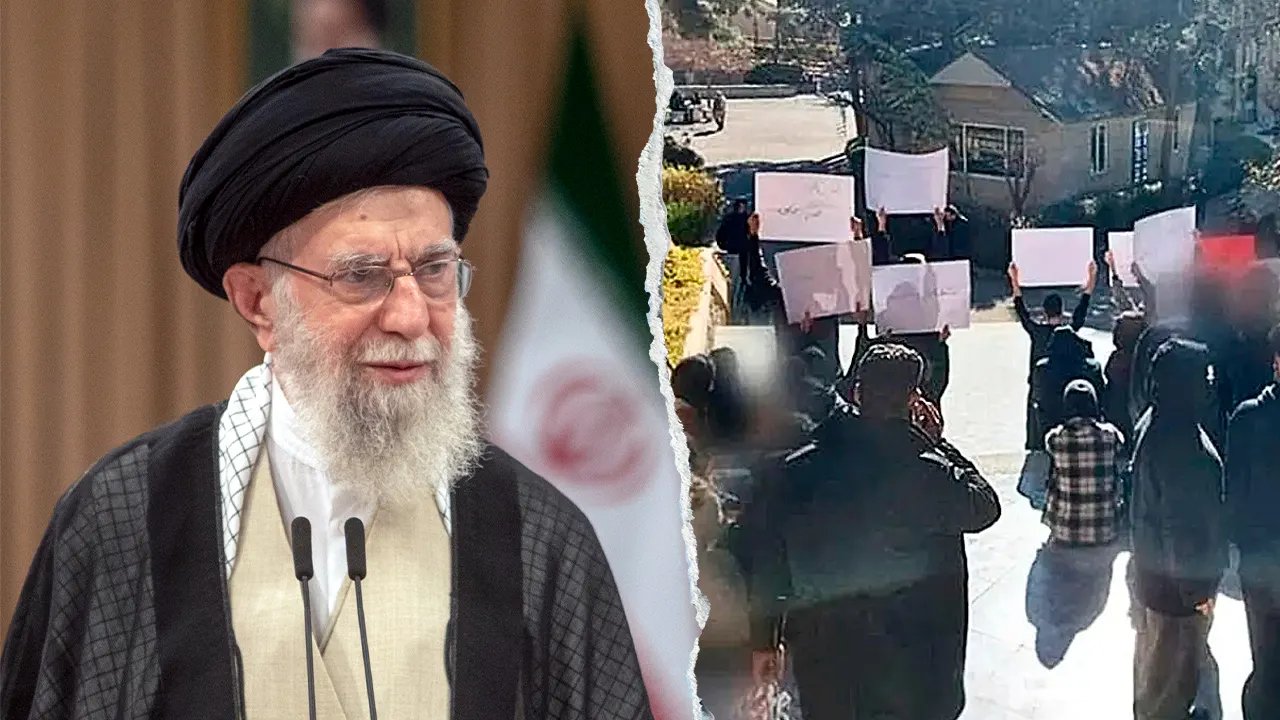
The State Department’s reinforcement of Trump’s pledge to aid Iranian demonstrators comes amid reports that protesters had taken control of many streets in Abdanan, in Ilam province in western Iran, on Tuesday. They chanted «Death to Khamenei» and «This year is a year of blood, Seyed Ali (Khamenei) will be overthrown,» according to videos sent to Iran International news organization.
The State Department’s Persian-language account, @USABehFarsi, appeared to issue a stark warning to Iran’s totalitarian rulers. «President Trump is a man of action. If you didn’t know before, now you do. Don’t mess with President Trump.» The black-and-white picture showed Trump with his leadership team watching elite U.S. army forces seize the former Iran-backed Venezuelan dictator Nicolás Maduro.
IRAN’S KHAMENEI LASHES OUT AT PROTESTERS AS NATIONWIDE ANTI-REGIME UNREST GROWS
Trump’s social media posts and the statements coming from the State Department’s account have emboldened Iranians both inside and outside of the country.
Potkin Azarmehr, a British-Iranian journalist, noted the contrast with previous administrations. «Well, what a contrast to Obama’s time when protesters in Iran in 2009 were angrily chanting, ‘Obama, are you with us or with them?’ Any international support, whether at grassroots level or government level is encouraging. Knowing that the world knows about you,» he added that «The question is where are the Western activist elite protesters? Why are they not protesting? Are they on the side of the ayatollahs? An archaic religious apartheid?»
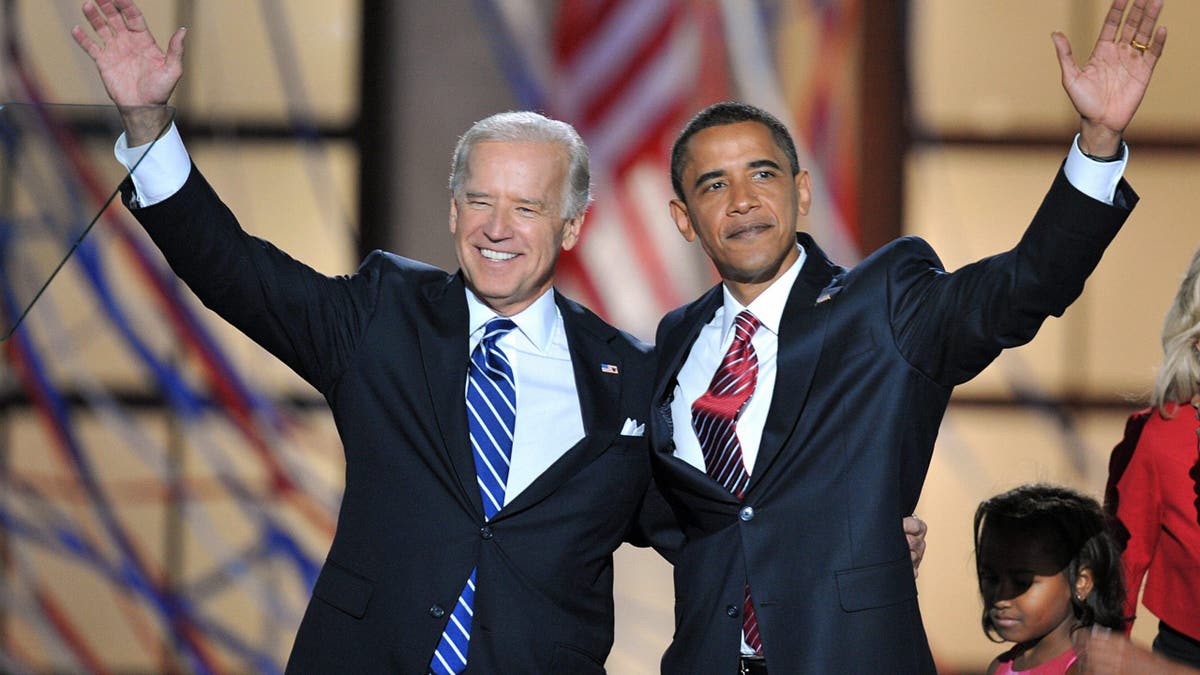
Barack Obama and Joe Biden faced criticism for their muted responses to Iran protests during their administrations. (Paul J. Richards/AFP via Getty Images)
Iran analyst Alirzeza Nader said, «I think State is right to say that the alternative to the current regime will come from inside Iran. And that Iranians will choose their own leaders. Yes, it’s definitely better now. Unfortunately, the Obama and Biden administrations pushed the reformist line (the Reformist line espoused by Rouhani and Khatami). My advice to the Trump administration: stay neutral when it comes to the opposition’s leadership. Let Iranians figure it out.»
TRUMP SIGNS ‘MAKE IRAN GREAT AGAIN’ HAT ALONGSIDE LINDSEY GRAHAM
The former Iranian presidents, Hassan Rouhani and Mohammad Khatami, promised mild reforms but remain wedded to the Islamic Republic of Iran — a regime that has been repeatedly classified by the State Department as a leading state sponsor of terrorism.
Navid Mohebbi, who worked as a Persian media analyst for the State Department’s Public Affairs Bureau, said about the State Department’s Persian-language X account that «During the Biden administration, this account was effectively turned into a ghost town and largely lost its relevance and impact.»
He said, «Following President Trump’s recent tweet, we have seen a renewed level of activity reminiscent of his first term — an approach that has again drawn the attention of Iranians. Trump’s message effectively removed the account’s excessive caution, and over the past four days its anti-regime tone has noticeably intensified.»
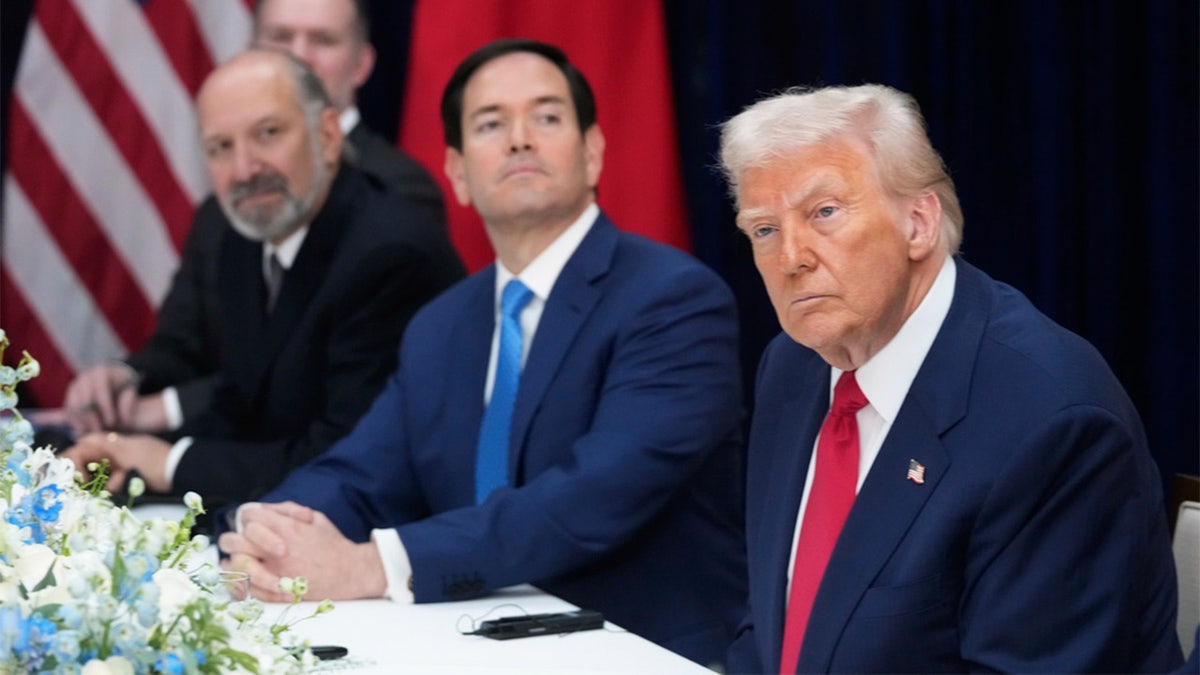
President Donald Trump, with Secretary of State Marco Rubio and Commerce Secretary Howard Lutnick, meets with Chinese President Xi Jinping in Busan, South Korea, Oct. 30, 2025. (AP Photo/Mark Schiefelbein)
Mohebbi said, «The account should avoid involvement in opposition infighting, remain sensitive to Iranian public sentiment, and operate in alignment with the prevailing mood of Persian Twitter. I hope Trump’s warning message to the regime will serve as a catalyst for upgrading the messaging strategy of this account and restoring its former effectiveness.»
CLICK HERE TO DOWNLOAD THE FOX NEWS APP
Reza Parchizadeh, an Iranian-American expert on the regime, said, «The State Department’s Persian-language account is performing effectively. Its messaging is deliberately structured to project a sense of American support and hope toward Iranian protesters, while also attempting to reflect the breadth and diversity of protest activity rather than treating it episodically or selectively. In itself, this represents a notable shift in approach.»
He noted, «The Obama era was fundamentally different in orientation and intent. That administration prioritized reaching a diplomatic accommodation with the Islamic Republic and reintegrating the regime into the international system. Within that framework, popular protests and organized opposition inside Iran were largely downplayed by the State Department in order to avoid complicating negotiations or signaling regime vulnerability.»
iran,world protests,terrorism,state department,marco rubio,fox news media








INTERNACIONAL
Netanyahu aseguró que el Ejército israelí está “aplastando” al régimen de Irán: “Estamos listos para la victoria”
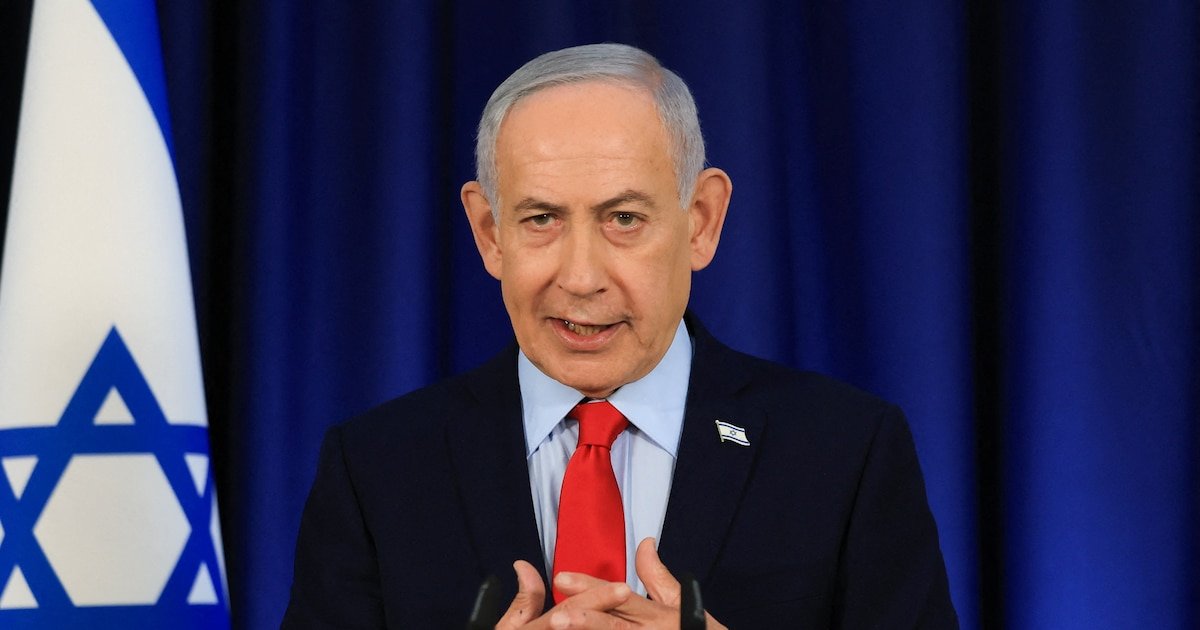
El primer ministro de Israel, Benjamin Netanyahu, afirmó que su gobierno continúa con la ofensiva contra el régimen de Teherán. “Les prometí que seguiríamos aplastando al régimen terrorista de Teherán, y eso es precisamente lo que estamos haciendo”, declaró.
Netanyahu reiteró que Israel destruyó en Irán “el 70% de la capacidad de producción de acero, que utilizan como materia prima para sus armas” e informó sobre nuevos ataques: “Hoy atacamos las plantas petroquímicas y seguiremos ocupándolas, tal como prometí”.
El mandatario, que publicó un mensaje vía X, concluyó: “Estamos listos para la victoria”.
El sábado estuvo marcada por una nueva escalada militar en Medio Oriente tras el ataque del Ejército israelí a una instalación petroquímica y otros objetivos clave del régimen iraní. El Ejército israelí informó que ejecutó bombardeos simultáneos contra Líbano e Irán, y reportó más de 140 objetivos atacados en territorio libanés y más de 200 en el país persa entre viernes y sábado.
Según un comunicado de las Fuerzas de Defensa de Israel (FDI), los ataques en Irán incluyeron un supuesto centro de la Guardia Revolucionaria Islámica que almacenaba armas, como lanzadores de misiles balísticos, junto a instalaciones dedicadas a la producción de estos misiles y a sistemas de defensa aérea.
Las FDI confirmaron el bombardeo de instalaciones petroquímicas en el sur de Irán durante la mañana del sábado, y aseguraron que esos emplazamientos servían para la fabricación de materiales destinados a misiles balísticos. El Ejército afirmó que los ataques paralizaron toda la producción de materiales químicos en la zona y que las pérdidas económicas podrían alcanzar miles de millones de dólares.
La agencia de noticias Fars informó que varias instalaciones en la Zona Especial Petroquímica de Mahshahr, provincia de Juzestán, fueron alcanzadas por los ataques aéreos y cinco personas resultaron heridas.
La semana pasada, medios israelíes señalaron que la cúpula política de Israel ordenó a las FDI un cambio de estrategia para atacar objetivos económicos en Irán, buscando infligir un daño financiero masivo al régimen.
El viernes, Netanyahu afirmó que la Fuerza Aérea israelí destruyó el 70% de la capacidad de producción de acero de Irán. Este golpe priva a la Guardia Revolucionaria iraní de recursos financieros y limita su capacidad para fabricar armamento, en el marco de una operación conjunta con Estados Unidos.
Netanyahu detalló que las acciones recientes incluyeron ataques contra puentes e infraestructuras estratégicas de Irán. El primer ministro subrayó que estas operaciones se efectuaron “en plena coordinación” con el presidente estadounidense Donald Trump y continuarán hasta debilitar aún más al régimen iraní.
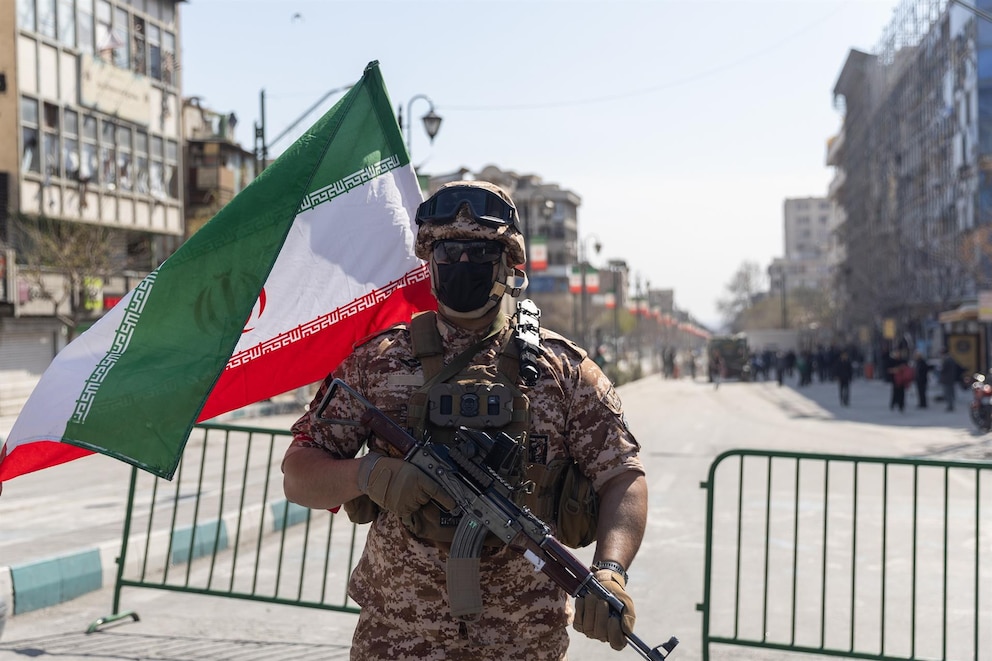
“Este régimen está más débil que nunca; Israel está más fuerte que nunca”, aseguró tras una evaluación militar en la sede principal de la unidad de Inteligencia del Ejército en Tel Aviv.
El acero representa un material estratégico para la producción industrial y militar, empleado en la fabricación de misiles, drones y embarcaciones. Tras los bombardeos, las dos mayores plantas siderúrgicas de Irán, Khuzestán y Mobarakeh, han quedado fuera de servicio. Las empresas afectadas advirtieron que su reestructuración podría demorar meses.
La destrucción del 70% de la capacidad siderúrgica iraní constituye un golpe significativo para la industria militar y la economía del país. El Gobierno israelí sostiene que la campaña conjunta busca frenar el flujo de recursos hacia la producción de armas por parte de la Guardia Revolucionaria.
En el marco de estas operaciones coordinadas entre Estados Unidos e Israel, el presidente estadounidense, Donald Trump, aseguró que varios líderes militares del régimen iraní fueron eliminados durante un ataque masivo en Teherán, según comunicó en un mensaje publicado en su red social Truth Social.
En la publicación, Trump compartió un video que muestra el bombardeo, pero no proporcionó información sobre el día, la hora o la modalidad exacta del operativo.
Según el mensaje difundido, Trump afirmó que “muchos de los líderes militares de Irán, que los han dirigido de forma deficiente e imprudente, son eliminados, junto con muchos otros, con este ataque masivo en Teherán”.
INTERNACIONAL
La misión que el Papa Francisco les dio a los adultos mayores: “Denunciar la corrupción humana en la que se vive”
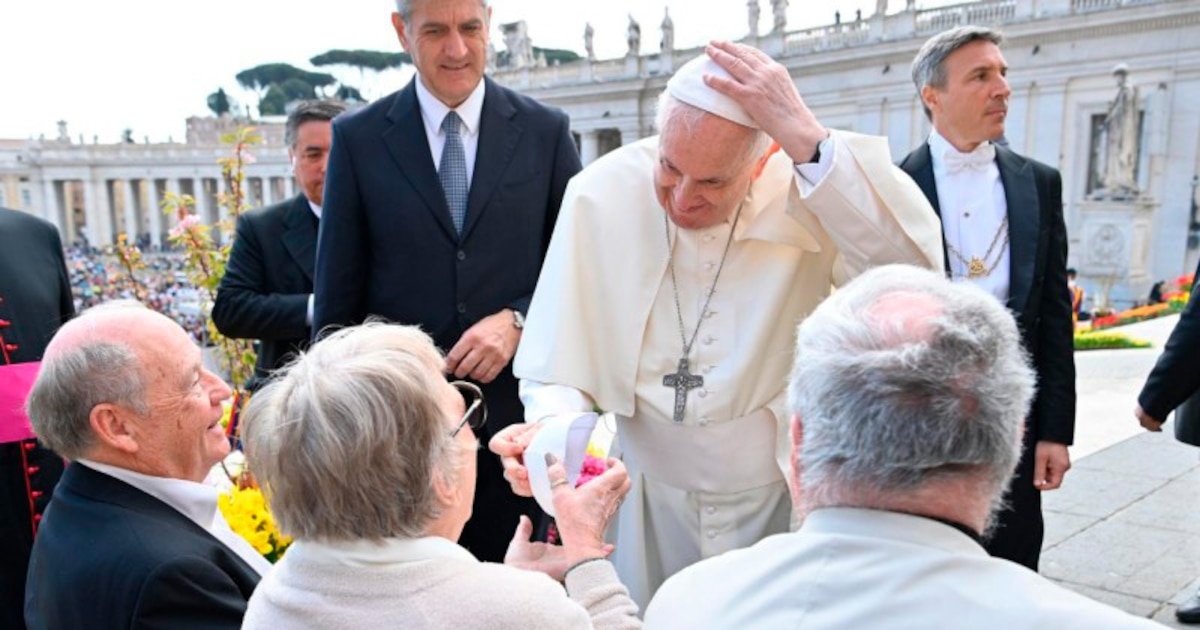
A lo largo de todo su papado (2013-2025), el papa Francisco se refirió muchas veces a las personas de edad. En particular durante el año 2022, dedicó varias de sus catequesis a hablar de la vejez y del rol de los adultos mayores en la sociedad.
En un mensaje titulado La vejez, recurso para la juventud despreocupada señalaba el riesgo de que las ocupaciones y preocupaciones de la vida cotidiana llevaran a una indiferencia ante las guerras, la pobreza y la injusticia.
Partiendo de la tarea que Dios encomienda al patriarca Noé, se preguntaba: “¿La vejez salvará el mundo? ¿En qué sentido? ¿Y cómo salvará el mundo la vejez?»
Había comenzado su mensaje citando palabras de Jesús (Lucas, capítulo 17): “Como sucedió en los días de Noé, así será también en los días del Hijo del hombre. Comían, bebían, tomaban mujer o marido, hasta el día que entró Noé en el arca; vino el diluvio y los hizo perecer a todos”.
Comer, beber, casarse, son “cosas muy normales y no parecen ejemplos de corrupción”, decía Francisco. “¿Dónde estaba la corrupción, allí? En realidad, Jesús destaca el hecho de que los seres humanos, cuando se limitan a disfrutar de la vida, pierden incluso la percepción de la corrupción, que mortifica la dignidad y envenena el sentido”, aclaró.
“Cuando se pierde la percepción de la corrupción, y la corrupción se vuelve una cosa normal: todo tiene su precio, ¡todo! Se compra, se vende, opiniones, actos de justicia…”, siguió diciendo y ponía como ejemplo el pedido o la oferta de dinero para acelerar procesos u obtener determinados resultados.
“El mundo de la corrupción parece parte de la normalidad del ser humano; y esto es feo”, dijo.

Y apuntaba contra la indiferencia ante esto, el mirar para otro lado: “Mientras la vida normal pueda estar llena de ‘bienestar’, no queremos pensar en lo que la vacía de justicia y amor. ‘¡Si yo estoy bien! ¿Por qué debo pensar en los problemas, en las guerras, en la miseria humana, en cuánta pobreza, en cuánta maldad? No, yo estoy bien. No me importan los demás’. Este es el pensamiento inconsciente que nos lleva a vivir un estado de corrupción”.
Lamentaba que la corrupción pudiera volverse normal: “Se puede respirar el aire de la corrupción como se respira el oxígeno”, y explicaba que el camino hacia esta indiferencia es “la despreocupación que se dirige solo al cuidado de sí mismos: este es el pasaje que abre la puerta a la corrupción que hunde la vida de todos”.
También aseguraba que la corrupción sacaba “gran ventaja de esta despreocupación”, porque “cuando a una persona le parece todo bien y no le importan los demás, esa despreocupación ablanda nuestras defensas, ofusca la conciencia y nos hace —incluso involuntariamente—cómplices”.
Son los adultos mayores los que están “en condiciones de captar el engaño de esta normalización de una vida obsesionada por el disfrute y vacía de interioridad: vida sin pensamiento, sin sacrificio, sin interioridad, sin belleza, sin verdad, sin justicia, sin amor: esto es todo corrupción”, decía.
Consideraba entonces que los ancianos, por su “sensibilidad especial” hacia ”las atenciones, los pensamientos y los afectos”, son los que deben dar “el alerta” y decir: “Estad atentos, que esto es la corrupción, no te lleva a nada”.
“La sabiduría de los ancianos es muy necesaria, hoy, para ir contra la corrupción”, insistía. “Las nuevas generaciones —decía— esperan de nosotros los mayores una palabra que sea profecía, que abra las puertas a nuevas perspectivas fuera de este mundo despreocupado de la corrupción, de la costumbre de las cosas corruptas”.
Francisco alentaba entonces a cada uno a preguntarse: “¿Qué sentido tiene mi vejez?”
Y su respuesta era: “Ser profeta de la corrupción y decir a los otros: ‘¡Deteneos, yo he hecho ese camino y no te lleva a nada!’ Nosotros ancianos debemos ser profetas contra la corrupción, como Noé fue el profeta contra la corrupción de su tiempo, porque era el único del que Dios se fio”.

Cuestionaba a los adultos que no han madurado “y se vuelven mayores con las mismas costumbres corruptas de los jóvenes”. “Con una vejez así no seremos capaces de ser profetas para las jóvenes generaciones”, advertía.
Noé es el ejemplo de una vejez que no es corrupta sino generativa. “Noé no hace predicaciones, no se lamenta, no recrimina, pero cuida del futuro de la generación que está en peligro. Nosotros ancianos debemos cuidar de los jóvenes, de los niños que están en peligro”.
Noé construyó un arca en la cual acogió a hombres y animales, cuidó la vida en todas sus formas, cumpliendo el mandamiento divino. “Y nosotros, mujeres y hombres de una cierta edad —por no decir mayores, porque algunos se ofenden— no olvidemos que tenemos la posibilidad de la sabiduría, de decir a los otros: ‘Mira, este camino de corrupción no lleva a nada’. Nosotros debemos ser como el buen vino que al final envejecido puede dar un mensaje bueno y no malo”.
Y concluía: “Hago un llamamiento, hoy, a todas las personas que tienen una cierta edad (…). Estad atentos: vosotros tenéis la responsabilidad de denunciar la corrupción humana en la que se vive y en la que va adelante este modo de vivir de relativismo, totalmente relativo, como si todo fuera lícito. Vamos adelante. El mundo lo necesita, necesita jóvenes fuertes, que vayan adelante, y ancianos sabios.”
También propuso una “alianza entre jóvenes y ancianos” para que “la savia de los que tienen a sus espaldas una larga experiencia de vida pueda regar los brotes de esperanza de los que están creciendo”.
“Los ancianos. Nunca hemos sido tan numerosos en la historia humana —decía en sus catequesis—. El riesgo de ser descartados es aún más frecuente: nunca tan numerosos como ahora, nunca el riesgo como ahora de ser descartados.”
Consideraba que la vejez era “una de las cuestiones más urgentes que la familia humana está llamada a afrontar en este tiempo”, porque “está en juego la unidad de las edades de la vida: ¿hay amistad, hay alianza entre las diferentes edades de la vida o prevalecen la separación y el descarte?”
Mencionaba el fenómeno de la masificación de la longevidad y del “invierno demográfico”. También cuestionaba el hecho de que “la cultura dominante” tenga “como modelo único el joven-adulto”. “¿Solamente la juventud tiene el sentido pleno de la vida, mientras que la vejez representa simplemente el vaciamiento y la pérdida? La exaltación de la juventud como única edad digna de encarnar el ideal humano, unida al desprecio de la vejez vista como fragilidad, como degradación o discapacidad, ha sido el icono dominante de los totalitarismos del siglo XX. ¿Hemos olvidado esto?”, preguntaba.

Cuestionaba el prejuicio de considerar a la vejez como “una edad que no tiene contenidos especiales que ofrecer, ni significados propios que vivir”.
Y denunciaba que, “para una edad que ya es parte determinante del espacio comunitario y se extiende a un tercio de toda la vida, hay —a veces— planes de asistencia, pero no proyectos de existencia”. Sostenía que ello se debía a “un vacío de pensamiento, imaginación, creatividad”, por el cual “los ancianos entran como material de descarte.”
“La juventud es hermosa —seguía diciendo—, pero la eterna juventud es una alucinación muy peligrosa. Ser ancianos es tan importante —y hermoso— como ser jóvenes. Recordemos esto. La alianza entre las generaciones, que devuelve al ser humano todas las edades de la vida, es nuestro don perdido y tenemos que recuperarlo”.
Y advertía que “si los abuelos se repliegan en sus melancolías, los jóvenes se encorvarán aún más en su smartphone”. “Los ancianos tienen recursos de vida ya vivida a los cuales pueden recurrir en todo momento. ¿Se quedarán de brazos cruzados ante los jóvenes que pierden su visión o los acompañarán calentando sus sueños?”, preguntaba.
“La vejez es un don para todas las edades de la vida. Es un don de madurez, de sabiduría”. Por eso subrayaba la importancia de que “el anciano ocupe el lugar de sabiduría que tiene, de historia vivida en la sociedad» y que también “haya un coloquio, que hable con los jóvenes”.
“Los jóvenes deben hablar con los ancianos, y los ancianos con los jóvenes —insistía—. Y este puente será la transmisión de la sabiduría en la humanidad”.
Y volvía a una metáfora que reiteró varias veces en mensajes a lo largo de su pontificado: “Los ancianos son como las raíces del árbol: tienen toda su historia ahí, y los jóvenes son como las flores y los frutos. Si no viene esta savia, si no viene este ‘goteo’ de las raíces, nunca podrán florecer. No olvidemos a ese poeta (Francisco Luis Bernárdez) que he citado tantas veces: ‘Lo que el árbol tiene de florido vive de lo que tiene sepultado’. Todo lo hermoso que tiene una sociedad está en relación con las raíces de los ancianos. Por eso, en estas catequesis, yo quisiera que la figura del anciano se destaque, que se entienda bien que el anciano no es un material de descarte: es una bendición para la sociedad”.

Papa Francisco,Vaticano,audiencia,Iglesia Católica,Pontífice,religión,anciano,escucha,atención,Cristianismo
INTERNACIONAL
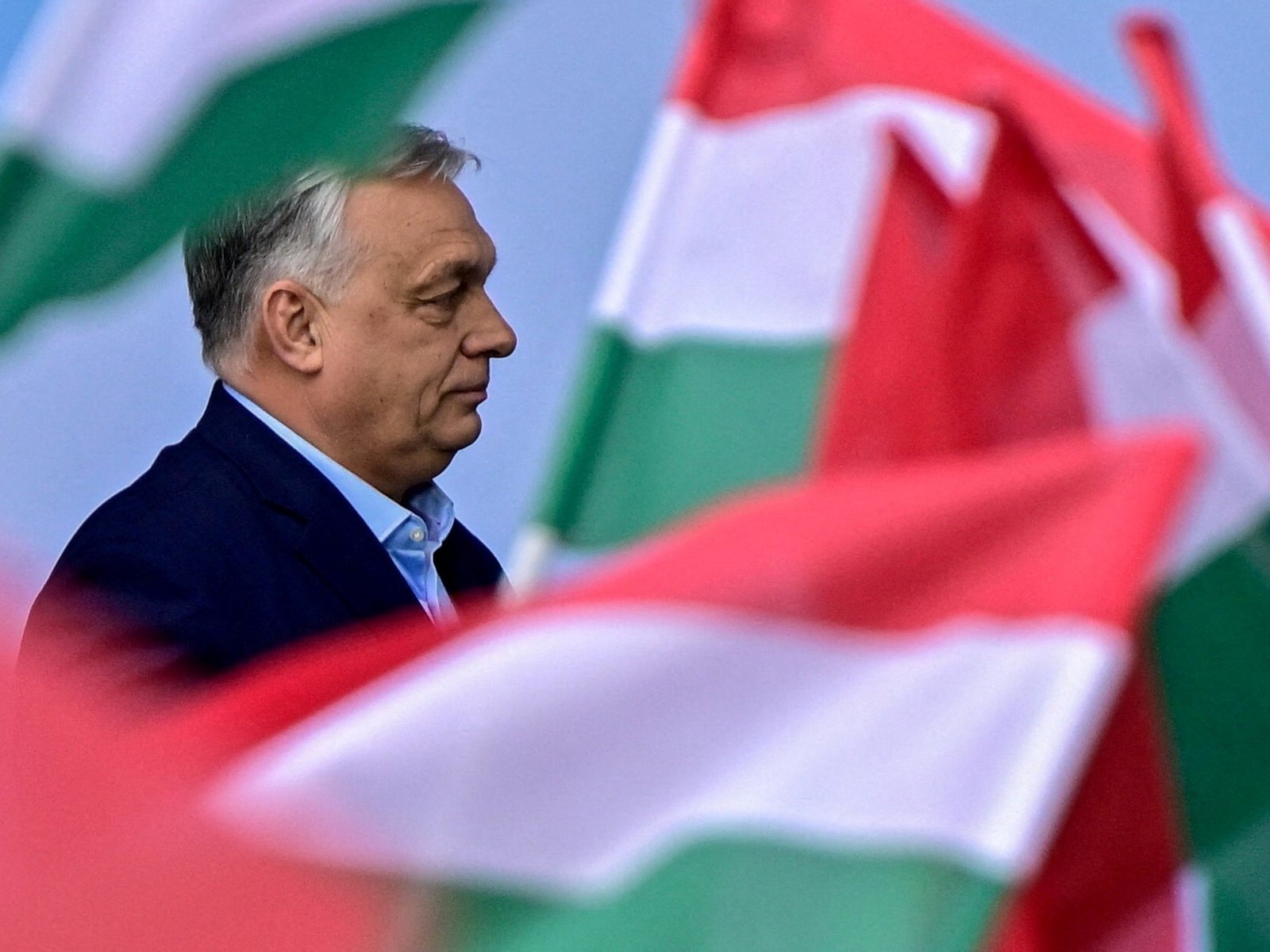
Estados Unidos refuerza su apoyo al ultraconservador Víktor Orban para unas elecciones cruciales en Hungría


El nuevo mapa del mercado automotor: solo una tercera parte de los 0 km que se venden son Industria Argentina

Netanyahu aseguró que el Ejército israelí está “aplastando” al régimen de Irán: “Estamos listos para la victoria”

La situación económica afecta más a la imagen de Milei que el caso Adorni, según los encuestadores

Senado: dialoguistas reclaman un guiño del Gobierno para incorporar leyes propias a la agenda legislativa

La historia de amor de Michael Schumacher y Corinna Betsch: cómo la esposa del piloto se convirtió en su “ángel guardián” tras el accidente

El espía que decía amar las medialunas porteñas: así fue la caída del “heredero” ruso que engañó a la Argentina y Brasil

El Gobierno reevalúa la estrategia de comunicación por el caso Adorni y mide el impacto en la imagen de Milei

Milei se pone al frente de la defensa de Adorni y lo suma a un acto por Malvinas en una nueva muestra de respaldo

Oriana Sabatini sorprendió al elegir a una famosa como madrina de Gia, su hija con Paulo Dybala

Banco lanza un plazo fijo inédito: sigue a la inflación y permite retirar intereses todos los meses

 POLITICA3 días ago
Milei se pone al frente de la defensa de Adorni y lo suma a un acto por Malvinas en una nueva muestra de respaldo
- CHIMENTOS3 días ago
Oriana Sabatini sorprendió al elegir a una famosa como madrina de Gia, su hija con Paulo Dybala
- POLITICA2 días ago
La Armada sorteará 30 lugares en el buque que escoltará la salida de la Fragata Libertad: cómo anotarse