INTERNACIONAL
Trump’s tariffs could be undone by one conservative doctrine: ‘Life or death’

NEWYou can now listen to Fox News articles!
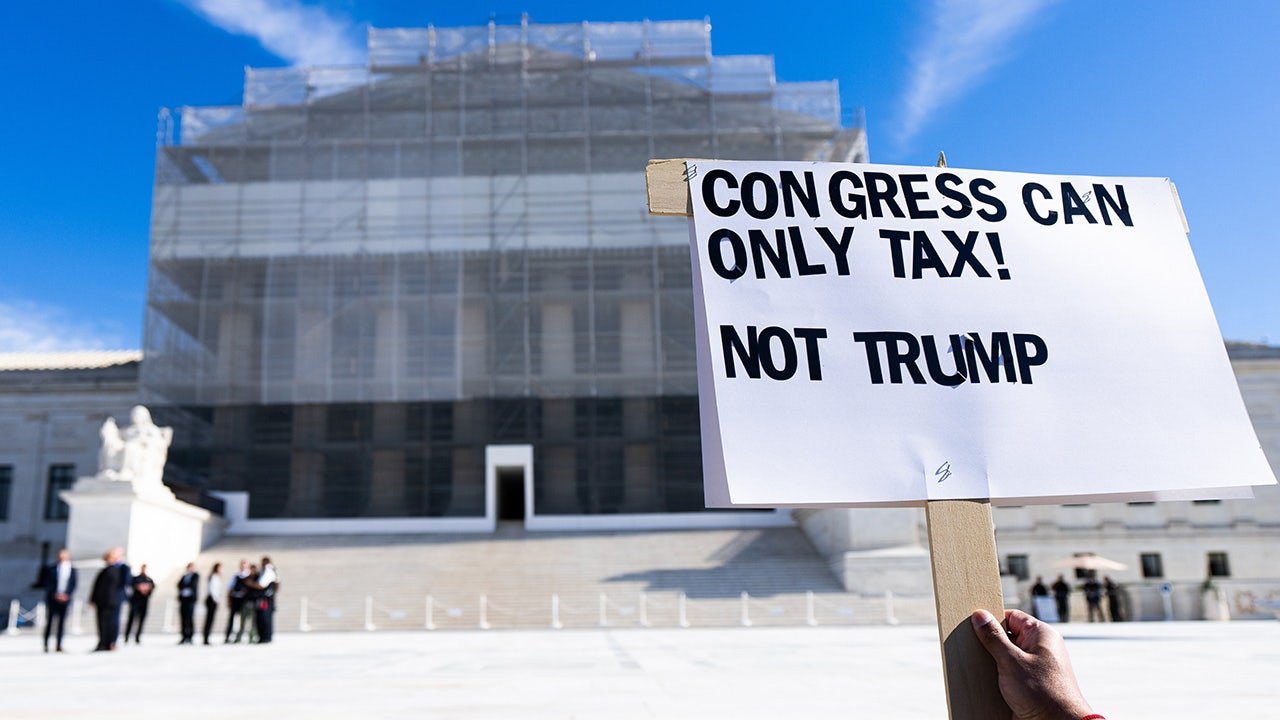
The Supreme Court is poised to rule soon on President Donald Trump’s use of an emergency wartime law to unilaterally impose sweeping tariffs on most U.S. countries, which brought key questions over the «major questions doctrine (MQD),» or the limiting principle by which courts can, in certain circumstances, move to curb the power of executive agencies.
During oral arguments over Trump’s tariffs in November, justices honed in on the so-called major questions doctrine, which allows courts to limit the power of executive agencies on actions with «vast economic and political significance,» and how it squares with Trump’s use of the International Emergency Economic Powers Act to enact his sweeping global and reciprocal tariffs.
Plaintiffs told the court Trump’s use of IEEPA to unilaterally impose his steep import duties violates the major questions doctrine, since IEEPA does not explicitly mention the word «tariffs.» Rather, it authorizes the president to «regulate … importation» during a declared national emergency, the plaintiffs noted, arguing it falls short of the standard needed to pass muster for MQD.
«Congress does not (and could not) use such vague terminology to grant the executive virtually unconstrained taxing power of such staggering economic effect — literally trillions of dollars — shouldered by American businesses and consumers,» they told the court in an earlier briefing.
TRUMP TARIFF PLAN FACES UNCERTAIN FUTURE AS COURT BATTLES INTENSIFY
President Donald Trump speaks during a «Make America Wealthy Again» trade announcement event in the Rose Garden at the White House April 2, 2025, in Washington, D.C. (Chip Somodevilla/Getty Images)
Lawyers for the Trump administration countered that the text of the IEEPA emergency law is the «practical equivalent» of a tariff.
«Tomorrow’s United States Supreme Court case is, literally, LIFE OR DEATH for our Country,» Trump posted on Truth Social in November.
«With a Victory, we have tremendous, but fair, Financial and National Security. Without it, we are virtually defenseless against other Countries who have, for years, taken advantage of us.
«Our Stock Market is consistently hitting Record Highs, and our Country has never been more respected than it is right now,» he added. «A big part of this is the Economic Security created by Tariffs, and the Deals that we have negotiated because of them.»
While U.S. Solicitor General D. John Sauer acknowledged to the justices that IEEPA does not explicitly give an executive the power to regulate tariffs, he stressed in November that the power to tariff is «the natural commonsense inference» of IEEPA.
But whether the high court will back his argument remains to be seen.
That was the conclusion reached by the U.S. Court of International Trade last year. Judges on the three-judge panel voted unanimously to block Trump’s tariffs from taking force, ruling that, as commander in chief, Trump does not have «unbounded authority» to impose tariffs under the emergency law.
«The parties cite two doctrines — the nondelegation doctrine and the major questions doctrine — that the judiciary has developed to ensure that the branches do not impermissibly abdicate their respective constitutionally vested powers,» the court said in its ruling.
The doctrine was also a focus in November, as justices pressed lawyers for the administration over IEEPA’s applicability to tariffs, or taxation powers, and asked the administration what guardrails, if any, exist to limit the whims of the executive branch, should they ultimately rule in Trump’s favor.
Though it’s not clear how much the court will rely on the MQD in its ruling, legal experts told Fox News Digital they would expect it to potentially be cited by the Supreme Court if it blocks Trump’s tariff regime.
US COURT OF INTERNATIONAL TRADE SIDES WITH TRUMP IN TARIFF CASE
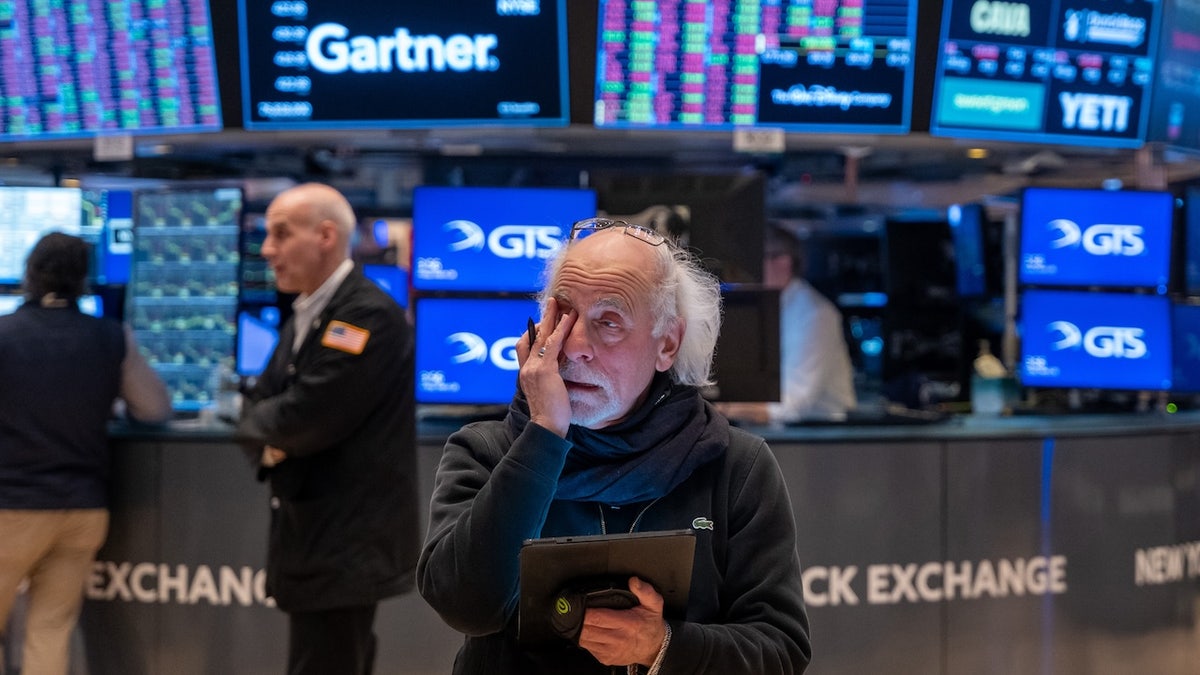
Traders work on the floor of the New York Stock Exchange March 28, 2025, in New York City. (Spencer Platt/Getty Images)
The high court agreed to take up the case on an expedited basis last fall, and a ruling is expected to be handed down within the coming days or weeks.
There’s little precedent for major questions as a formal precedent cited by the courts, the University of Chicago College of Law noted in 2024.
The doctrine was cited formally by the Supreme Court for the first time ever in its 2022 ruling in West Virginia v. EPA, when the court’s majority cited the doctrine as its basis for invalidating the EPA’s emissions standards under the Clean Power Plan.
Prior to that, the doctrine existed as a more amorphous strand of statutory interpretation, a phenomenon Justice Elena Kagan noted in her dissent in the same case.
«The current Court is textualist only when being so suits it,» Kagan said then. «When that method would frustrate broader goals, special canons like the ‘major questions doctrine’ magically appear as get-out-of-text-free cards.»
SUPREME COURT FREEZES ORDER TO RETURN MAN FROM EL SALVADOR PRISON
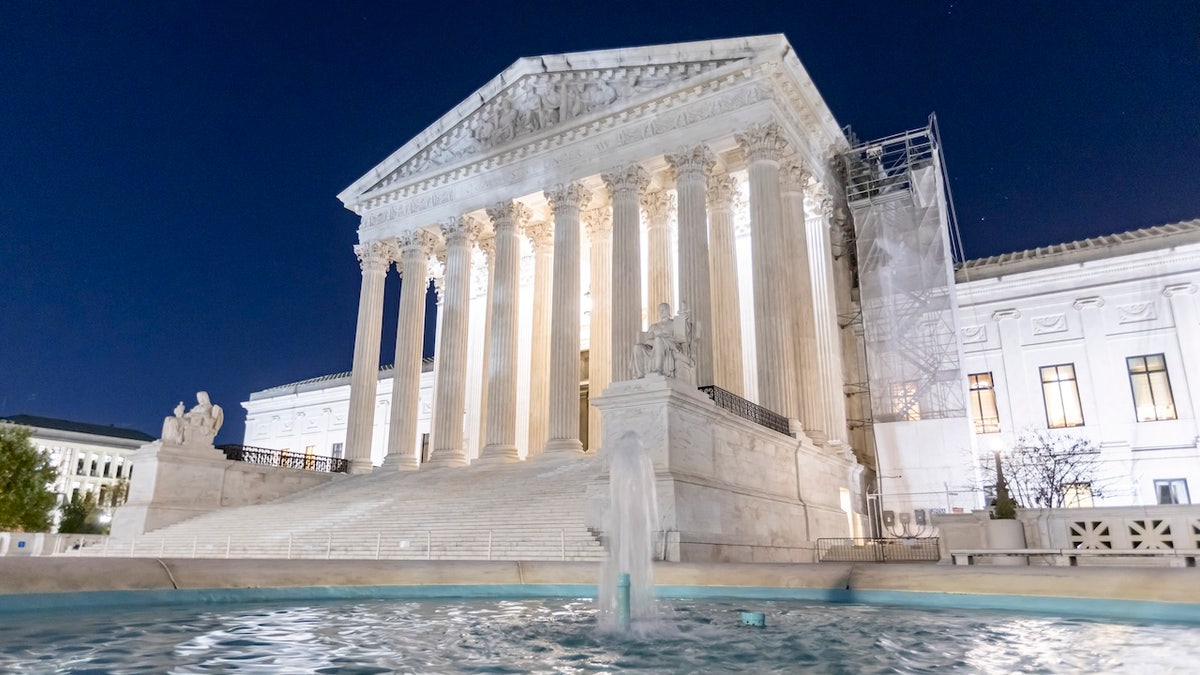
The U.S. Supreme Court in Washington, D.C. (Getty Images)
One factor that could play in Trump’s favor is the fact that the tariff case is to some degree a foreign policy issue, which is an area in which executives enjoy a higher level of deference from the court.
Still, if oral arguments were any indication, the justices seemed poised to block Trump’s use of IEEPA to continue his steep tariff plan.
Justices pressed Sauer why Trump invoked IEEPA to impose his sweeping tariffs, noting that doing so would be the first time a president used the law to set import taxes on trading partners.
They also seemed skeptical of the administration’s assertion that it did not need additional permission from Congress to use the law in such a sweeping manner and pressed the administration’s lawyers on their contention that EEPA is only narrowly reviewable by the courts.
CLICK HERE TO GET THE FOX NEWS APP
«We agree that it’s a major power, but it’s in the context of a statute that is explicitly conferring major powers,» Sauer said. «That the point of the statute is to confer major powers to address major questions — which are emergencies.»
donald trump,supreme court,politics,national security










Amenaza
Culpables
INTERNACIONAL
Sanders-endorsed Senate candidate knocked for alleged flip-flop to ‘have it both ways’ on key issue
NEWYou can now listen to Fox News articles!
A Democratic Senate candidate endorsed by Sen. Bernie Sanders, I-Vt., is being slammed for allegedly flip-flopping on one of his primary campaign issues.
Abdul El-Sayed, the progressive candidate who previously ran an unsuccessful bid for Michigan governor, has made Medicare for All a hallmark of his Senate campaign.
However, as the Michigan Senate primary race heats up, El-Sayed’s Democratic opponent, state Sen. Mallory McMorrow, is accusing him of backing down from a full Medicare for all stance and of «rewriting definitions to have it both ways.»
MEET THE NEW ‘SQUAD’: THE NEXT GENERATION OF TRUMP-ERA PROGRESSIVE CONGRESSIONAL CANDIDATES
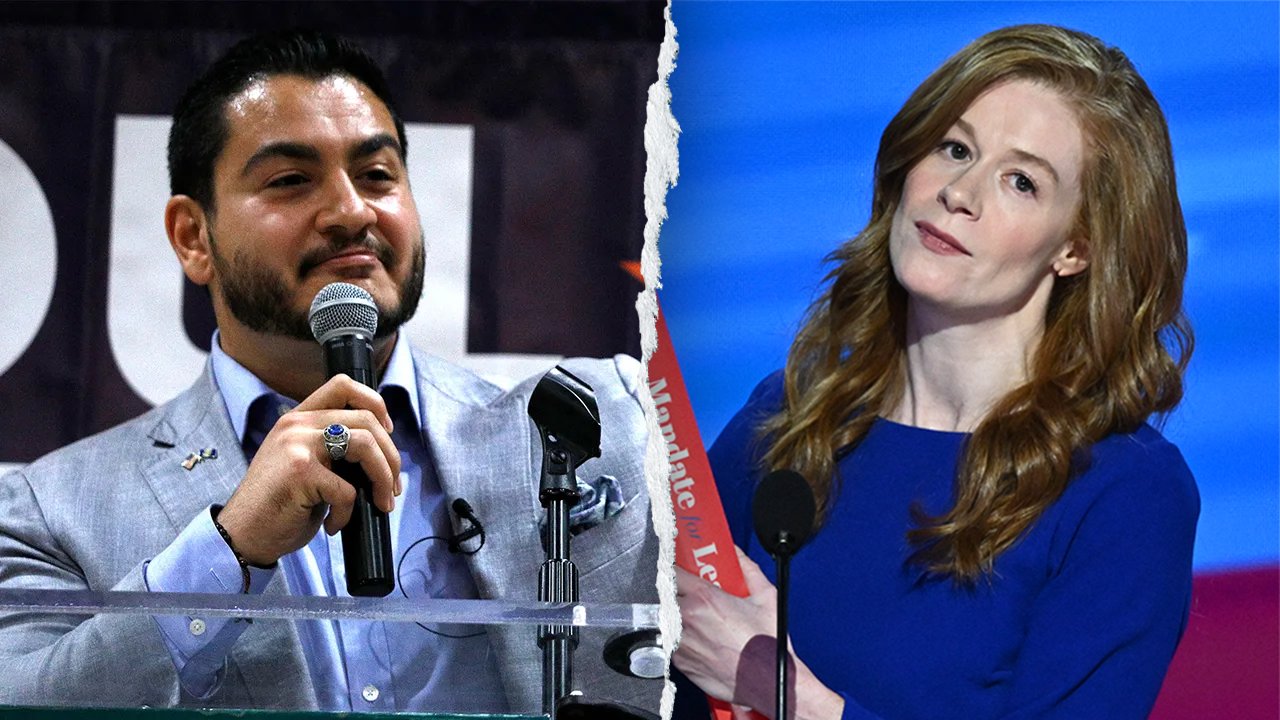
Left: Michigan Democratic Senate candidate Abdul El-Sayed. Right: Michigan Democratic candidate and state Sen. Mallory McMorrow. (Photos by Bill Pugliano/Getty Images; MANDEL NGAN/AFP via Getty Images)
Roxie Richner, an El-Sayed campaign spokesperson, responded by telling Fox News Digital that «Dr. El-Sayed is and has always been for Medicare for All—guaranteed public health insurance for every American. Cradle to grave. No premiums, deductibles, or co-pays.»
«Dr. El-Sayed would be the first Democratic doctor elected to the U.S. Senate since 1969, and he looks forward to passing Medicare for All into law,» added Richner.
El-Sayed’s campaign website page on «A Healthier America» cites a book he co-authored in 2021 in which he wrote that limiting private alternatives to Medicare for All would be important to ensuring providers accepted the insurance. The book advocates for Medicare for All as a type of «monopsony» in healthcare, in which there is only a single buyer of medical services, the government.
«By insuring all Americans, M4A becomes a monopsony in healthcare. This is different from a monopoly, where there’s only one seller of a good; in a monopsony there’s only one buyer of a good. That gives the single buyer considerable negotiating leverage, which Medicare could use to rein in the cost of drugs, hospital stays, and physician services,» the book reads.
In a November post on X, El-Sayed explained that this monopsony «would instantaneously create a disciplining feature against rising prices,» because it «takes out the profit motive on the payer end of the transaction.»
The book further states that «because alternatives to M4A [Medicare for All] would be limited, participation of providers would be virtually guaranteed.»
«Instead of spending time and money dealing with the arcane requirements of hundreds of different health plans […] providers could use one streamlined system that would free up resources to focus on clinical care,» the books reads.
The latest version of the federal Medicare for All Act, introduced in the Senate by Sanders, includes language that would effectively ban most comprehensive private insurance plans and relegate private insurers to providing limited supplemental care.
The legislation would make it unlawful for «a private health insurer to sell health insurance coverage that duplicates the benefits provided under this Act; or (2) an employer to provide benefits for an employee, former employee, or the dependents of an employee or former employee that duplicate the benefits provided under this Act.»
MICHIGAN FAMILY SAYS COUNTY SEIZED HOME OVER TAX BILL THEY DIDN’T OWE — CASE NOW HEADS TO THE SUPREME COURT
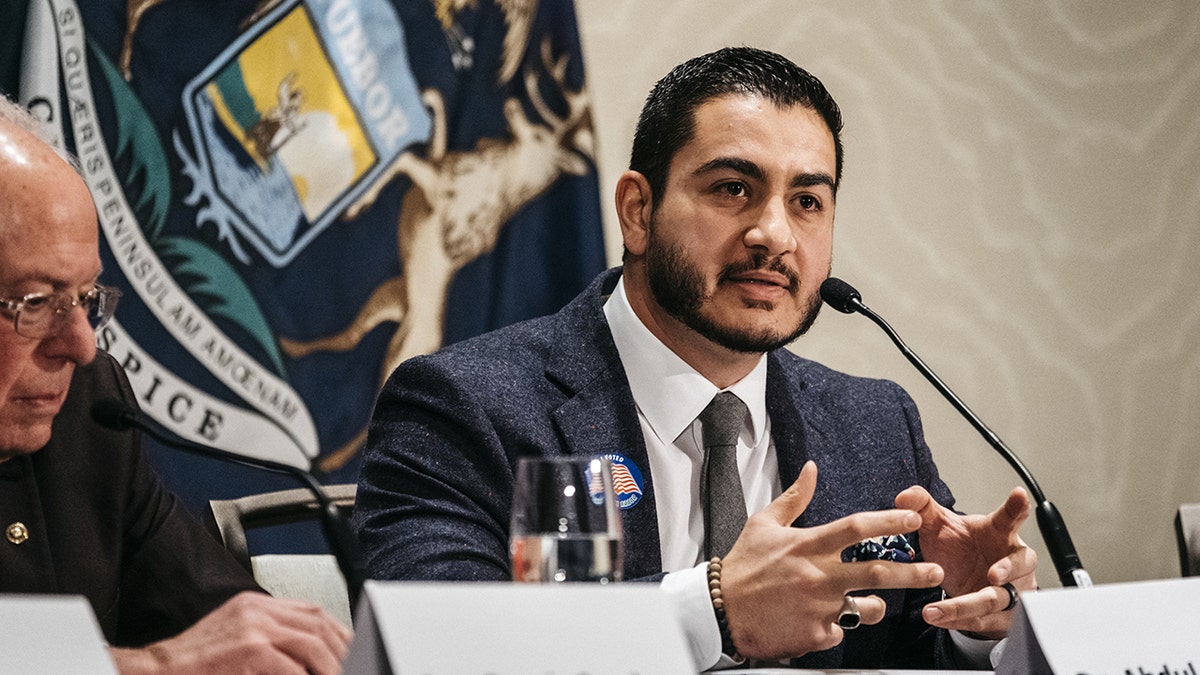
Dr. Abdul El-Sayed speaks during a coronavirus public health roundtable with Senator Bernie Sanders, I-Vt. (Erin Kirkland/Bloomberg via Getty Images)
El-Sayed testified before the Senate in support of the Medicare for All Act in 2022, calling it «the clearest pathway to universal, durable health care insurance, bar none» and saying that «cradle to grave coverage would do away with the premiums, co pays, deductibles that leave even privately insured Americans rationing their health care today.»
The year before, in an interview with NerdWallet, El-Sayed said that under a Medicare for All plan, the government would be «buying you out» of your private insurance plan but that «a few insurance companies that offered a sort of concierge-level service for folks who wanted to pay for that.»
In a 2024 episode of the «America Dissected» podcast, El-Sayed emphasized that «we don’t really need private health insurance in this country.»
He said that «private health insurance is a system by which you have a middleman in our healthcare system making a tremendous amount of money that is leading to a number of the biggest problems in American healthcare whether that’s the fact that our costs continue to spiral upward, whether that’s the fact that nearly ten million people in our country don’t get health insurance at all, or it’s the fact that we are consistently in this country, unable to guarantee, even people who are insurance access to the health care they need.»
In October, El-Sayed knocked McMorrow for advocating for allowing a public option under universal healthcare, writing on X, «a public option can’t deliver healthcare to every Michigander. Medicare for All can.» Politico, in December, reported El-Sayed slamming McMorrow’s call for universal health care with a public option as «incoherent.»
«Now a public option is exactly that; it’s just an option. There is no reason why it would actually address any of the foundational problems in our system. It wouldn’t bring down the rising costs. It wouldn’t guarantee people health care, and we don’t really know how much it would cost,» he said.
Yet, while speaking on the Brian Tyler Cohen Podcast in January, El-Sayed suggested that under Medicare for All, «if you like your insurance from your employer or from your union, that can still be there for you.»
PROGRESSIVES NOTCH ANOTHER WIN OVER DEMOCRATIC MODERATES AS SANDERS-AOC ALLY NEARS CONGRESS
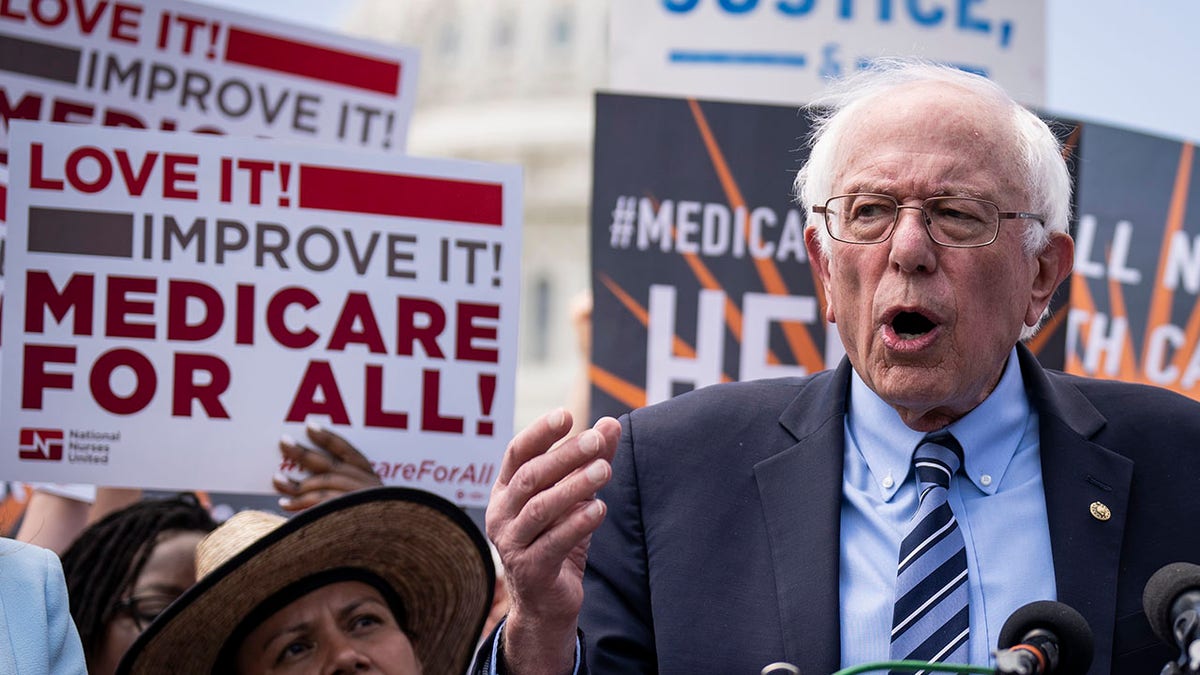
Sen. Bernie Sanders, I-Vt., introduced the Medicare for All Act. (Getty Images)
Days later, speaking on radio channel WDET, he again said, «Medicare for All is government health insurance guaranteed for everyone, regardless of what circumstances you’re in. If you like your insurance through your employer or through your union, I hope that’ll be there for you. But if you lose your job, if your factory shuts down, you shouldn’t be destitute without the health care that you need and deserve.» He also said, «If you have a public option, what happens is, the private health insurance system will try to dump all of the most expensive patients onto that public option, vastly increasing the cost of that public option and making it unsustainable.»
CLICK HERE TO DOWNLOAD THE FOX NEWS APP
El-Sayed’s campaign website states that he «believes in expanding Medicare to cover every single American from cradle to grave while sustaining the option for workers to keep supplemental private insurance their unions or employers may provide.» Amid criticism from McMorrow, El-Sayed doubled down on his Medicare for All messaging in a January fundraising message, in which he wrote that «private insurance could supplement or duplicate Medicare.»
Meanwhile, McMorrow has accused him of not being honest on Medicare for All.
«On an issue as important as healthcare, you have to be honest about what you’re fighting for,» McMorrow wrote in a public reply to El-Sayed, adding, «The Medicare for All legislation that you’ve championed completely eliminates private health insurance as it exists today.»
Sanders’ office did not immediately respond to Fox News Digital’s request for comment.
midterm elections,senate elections,democratic party,michigan
INTERNACIONAL
Peligro en Los Alpes italianos: dos muertos y múltiples avalanchas en menos de una semana
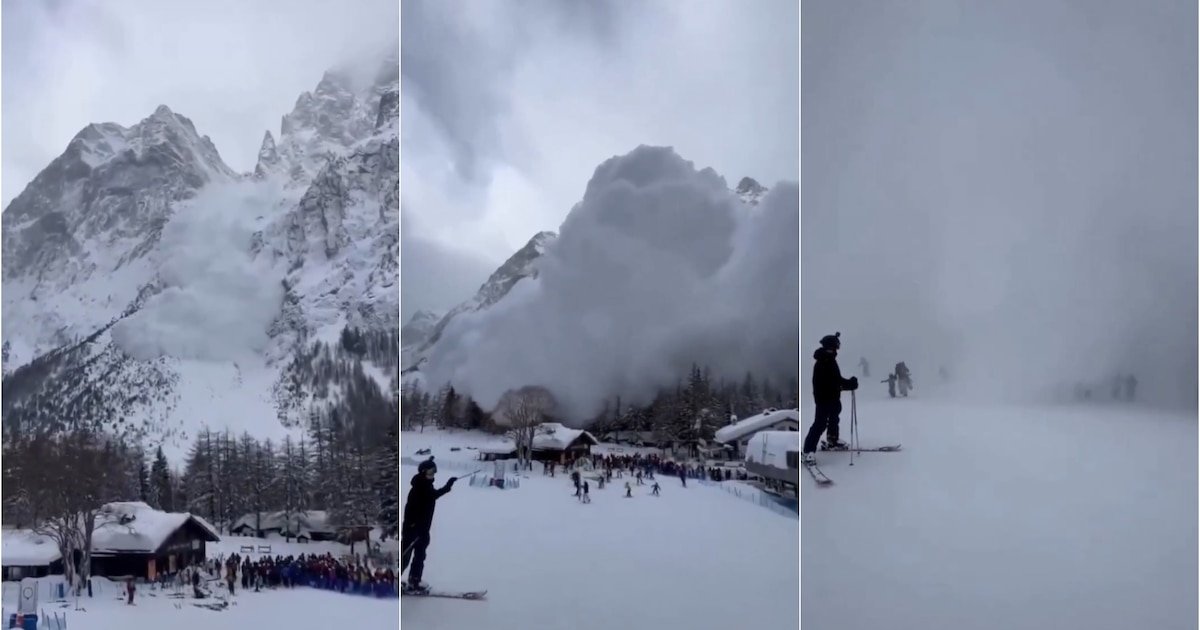
Una serie de avalanchas sacudió el norte de Italia este fin de semana, con un saldo de dos esquiadores muertos y al menos dos heridos en incidentes separados que se produjeron en condiciones de nieve excepcionalmente inestables a lo largo del arco alpino.
El episodio más grave ocurrió el domingo en el Couloir Vesses, una conocida ruta de esquí fuera de pista en la parte alta del Val Veny, en Courmayeur, localidad ubicada en el lado italiano del Mont Blanc, cerca de la frontera entre Francia y Suiza. La avalancha sepultó a varios integrantes de un grupo de esquiadores. Los rescatistas localizaron en un primer momento el cuerpo de una víctima y trasladaron de urgencia a dos heridos en estado crítico. Uno de ellos falleció poco después de llegar al hospital, mientras que el único superviviente fue derivado en condiciones muy graves al hospital Molinette de Turín.
Las labores de búsqueda y rescate, concluidas el mismo domingo, movilizaron a 15 rescatistas, tres unidades caninas, dos médicos, dos helicópteros y dos ambulancias. Medios locales estiman que el grupo original estaba integrado por entre tres y seis personas de nacionalidad francesa, aunque las autoridades no precisaron el número total de afectados.
El mismo domingo, en Trentino, también en el norte del país, una persona quedó parcialmente sepultada por otra avalancha en la zona de Tesino, pero fue rescatada por sus propios compañeros sin necesidad de asistencia médica.
Dos días después, el martes 17 de febrero, un testigo filmó en la misma zona de Val Veny, cerca del telesilla Zerotta en Courmayeur, cómo una enorme nube de nieve generada por una avalancha se extendió sobre una fila de esquiadores y snowboarders que esperaban para subir al remonte. Las imágenes muestran cómo la nube cubrió completamente el área, redujo la visibilidad a cero e impactó a quienes aguardaban en la fila. En ese caso no se registraron heridos.

Los expertos advierten que incluso las nubes de polvo generadas por avalanchas pueden derribar personas, crear condiciones de respiración peligrosas y causar pánico, aun cuando no arrastren escombros de nieve. En el momento del incidente del martes, el nivel de peligro de avalanchas en la zona estaba calificado en 4 sobre 5, considerado “alto” por los servicios de alerta alpinos.

Los fallecidos del domingo en Courmayeur se suman a un contexto de peligro extendido en toda la región. Según informó el Servicio de Rescate Alpino de Italia, un récord de 13 esquiadores de fondo, alpinistas y excursionistas murieron en las montañas italianas en los siete días previos al 8 de febrero, diez de ellos en avalanchas provocadas por un manto de nieve particularmente inestable.
Las nevadas recientes, combinadas con fuertes rachas de viento en cotas altas y la acumulación de nieve sobre capas débiles del manto nivoso, han creado condiciones especialmente peligrosas a lo largo de todo el arco alpino entre Italia, Francia, Suiza y Austria. Los servicios de alerta de los cuatro países han instado de forma reiterada a los esquiadores a consultar los boletines de avalanchas diariamente, respetar los cierres de pistas y evitar las zonas de terreno expuesto durante este período de alto riesgo. Los expertos advierten que, con los ciclos de tormentas que continúan afectando partes de los Alpes, el peligro elevado podría persistir en muchas regiones en el corto plazo.
Courmayeur, localidad de unos 2.900 habitantes, se encuentra a aproximadamente 200 kilómetros al noroeste de Milán, una de las sedes de los Juegos Olímpicos de Invierno de Milán-Cortina.
Europe

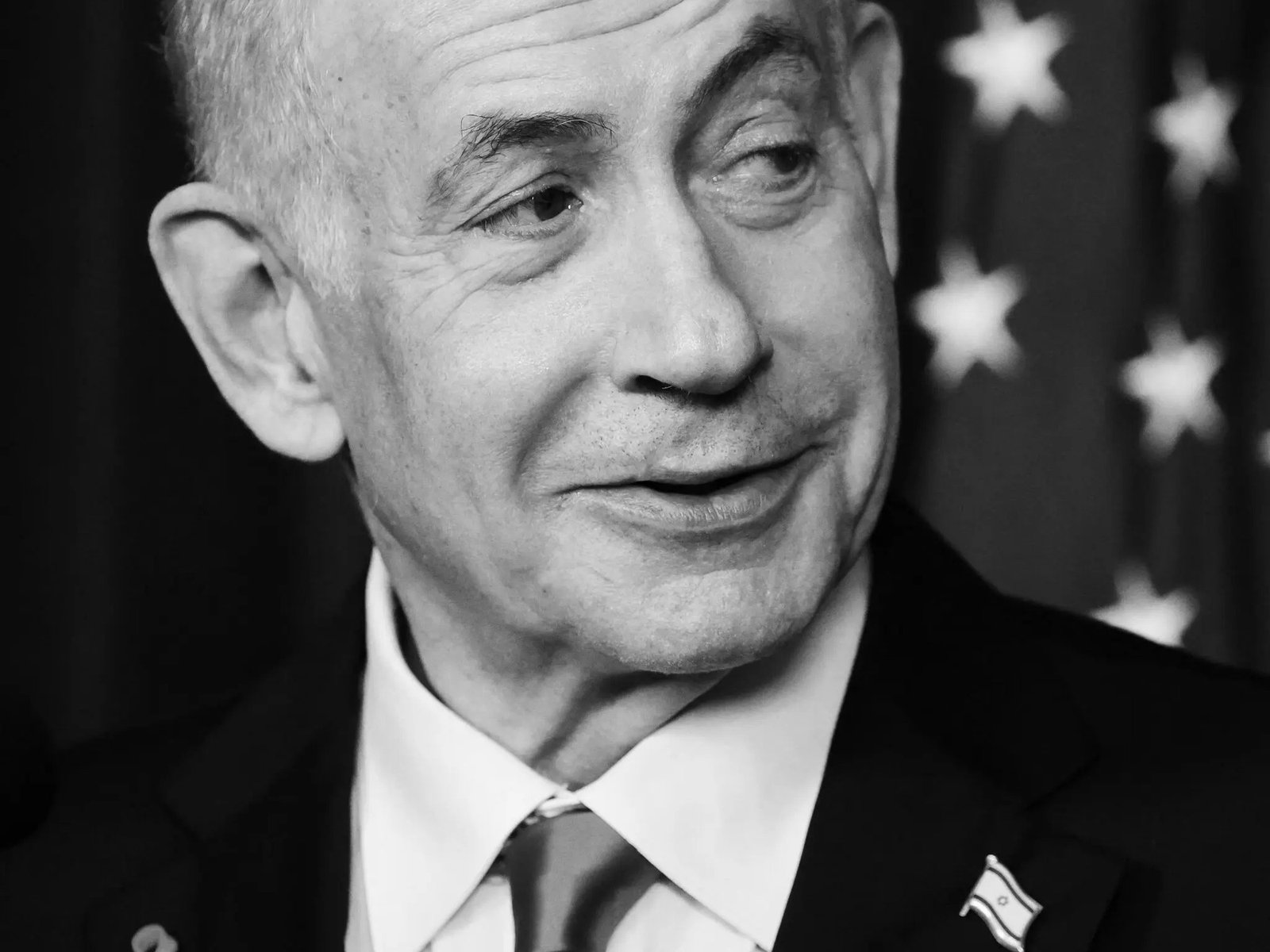
Netanyahu engaña a Trump y a los judíos estadounidenses…otra vez

El Gobierno convocó a Fate y al gremio del neumático a una audiencia conciliatoria

En los últimos dos años se perdieron más de 21.000 empresas empleadoras del sector privado

Primer día de los últimos test de pretemporada de la F1: Colapinto salió a pista en el segundo turno

El dramático pedido de Camila Lattanzio, la ex Gran Hermano que denunció a su ex novio por violento: “Necesito ayuda”

Migración acelerada de plataformas de datos con IA

Cristian Ritondo: “Vamos a apoyar la ley de modernización laboral, pero no el régimen de licencias por enfermedad”

Reforma laboral bomba: menos indemnización, más horas y despidos más fáciles — el cambio que puede sacudir el empleo en Argentina

Uno de los jefes de la CGT adelantó que convocarán a un paro general por la reforma laboral: “Trabajaremos para que sea una gran huelga”

El dólar no sólo cae en la Argentina: qué pasa con otras monedas emergentes y cuáles son las causas

 POLITICA2 días ago
Cristian Ritondo: “Vamos a apoyar la ley de modernización laboral, pero no el régimen de licencias por enfermedad”
- POLITICA16 horas ago
Reforma laboral bomba: menos indemnización, más horas y despidos más fáciles — el cambio que puede sacudir el empleo en Argentina
- POLITICA3 días ago
Uno de los jefes de la CGT adelantó que convocarán a un paro general por la reforma laboral: “Trabajaremos para que sea una gran huelga”