INTERNACIONAL
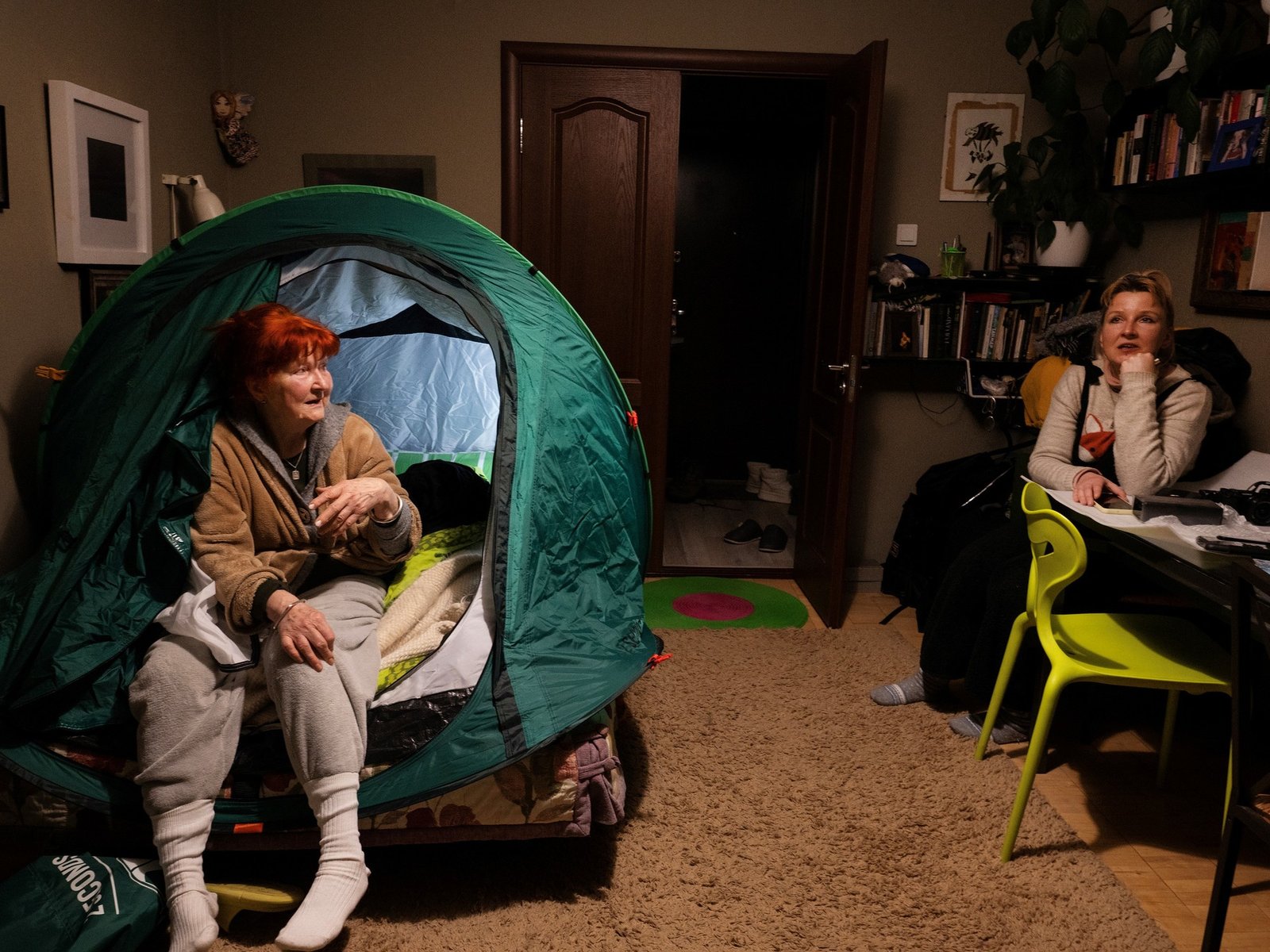
Rusia apagó la calefacción. Así que durmió en una carpa sobre su cama



INTERNACIONAL
Reporter’s Notebook: Clintons call for open Epstein files hearing after months of defying subpoenas
NEWYou can now listen to Fox News articles!
Since there was such a tempest over Bad Bunny’s Super Bowl halftime show, perhaps there’s a solution at hand. This compromise would satisfy both red and blue America. And the exhibition would transfix the country: Have former President Bill Clinton and President Donald Trump testify at halftime about the Epstein files.
Republicans believe former President Clinton has something to hide about Jeffrey Epstein. Democrats think the same about President Trump. The House Oversight Committee subpoenaed the former president and Hillary Clinton to testify about the Epstein files. After a lot of wrangling, the Clintons are due to appear for closed-door depositions later this month.
But both Bill and Hillary Clinton are now calling for open sessions. And Democrats believe that such an appearance at a public session — by a former President — would establish a precedent to lug in President Trump to answer questions about what he knew about Epstein.
GHISLAINE MAXWELL TO APPEAR BEFORE HOUSE OVERSIGHT COMMITTEE LAWMAKERS FOR EPSTEIN PROBE DEPOSITION
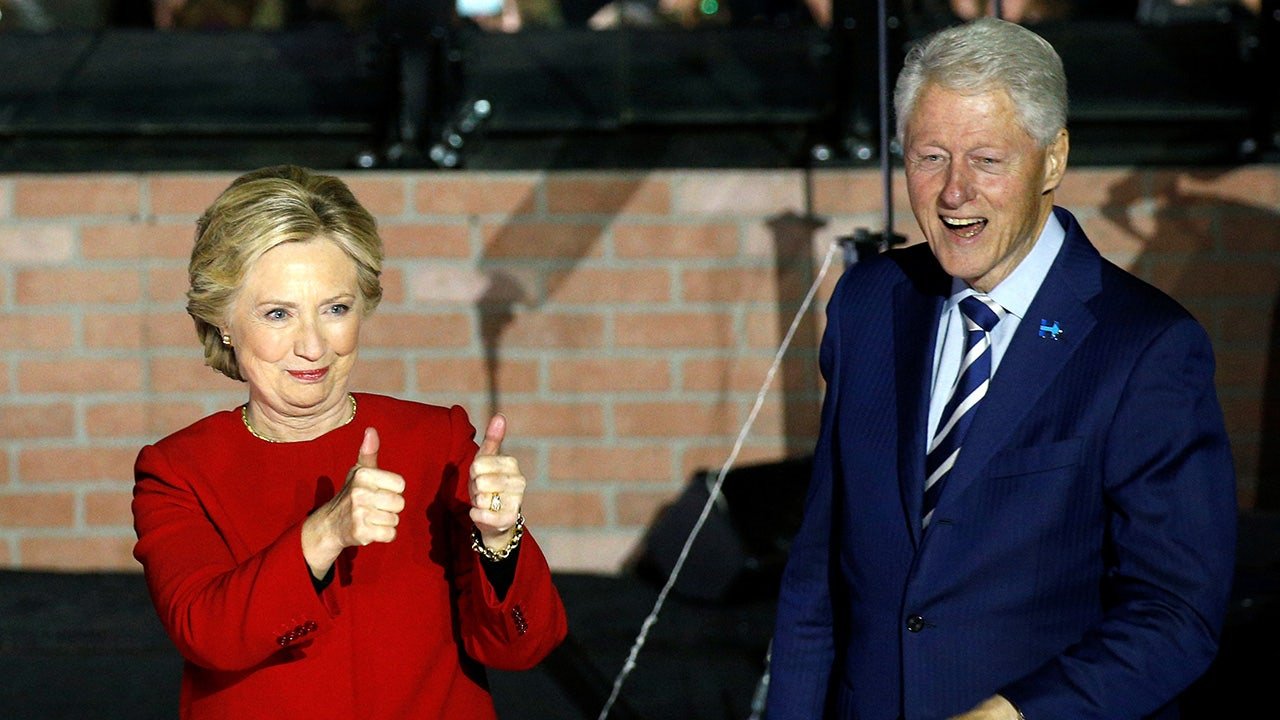
Hillary Clinton addresses her staff and supporters about the results of the U.S. election as her husband, former U.S. President Bill Clinton, applauds at a hotel in the Manhattan borough of New York, Nov. 9, 2016. (Reuters/Carlos Barria)
One architect of the law compelling the release of the Epstein files, applauded demands last week by the former First Couple to testify at a televised open hearing. Rep. Ro Khanna, D-Calif., said the former president is an important witness.
«As long as [the hearing is] focused on Epstein, and it’s not a wild goose chase — it’s not trying to score political points or embarrass either President Clinton or President Trump, it is asking legitimate questions about what they knew took place and who they knew were participating in heinous acts,» said Khanna. «That should be a legitimate point of inquiry.»
After agreeing to a closed-door deposition later this month, Hillary Clinton took to X. She wrote to Oversight Committee Chairman James Comer, R-Ky., saying, «If you want this fight let’s have it in public.»
Former President Clinton echoed his wife the next day on X, also calling for a public session. The former commander-in-chief declared that he won’t be used «as a prop in a closed door Kangaroo Court.»
A spokeswoman for Comer accused the former first couple of «moving the goalposts.» Comer was always open to a hearing. But after a closed-door deposition.
«Depositions have historically been much more substantive than hearings,» said Comer. «Hearings unfortunately, have become more of an entertainment thing.»
It’s hard to track exactly what the Clintons wanted.
The House Oversight Committee voted on a bipartisan basis last August to subpoena both Bill and Hillary Clinton for depositions — along with a host of other prominent figures like former Attorney General Bill Barr. After a lot of haggling, the committee subpoenaed them to appear at dates in October. The Clintons defied those. Then the committee assigned them dates just before Christmas. But neither showed then because of a funeral. The committee requested that the Clintons give them dates for January appearances. They didn’t. The committee then assigned them additional dates for January testimony. They skipped out on those. That’s when Comer threatened to hold the Clintons in contempt of Congress if they didn’t appear in January. The Oversight Committee voted — in bipartisan fashion — for contempt. The House Rules Committee planned last week to prep a measure to force the entire House to vote on contempt — and send criminal referrals for the Clintons to the Justice Department for prosecution after they defied the subpoenas.
REVEALED: TRUMP CALLED POLICE CHIEF TO SUPPORT EPSTEIN PROBE, AND LAWMAKERS NAMED 6 MEN SHIELDED FROM EXPOSURE
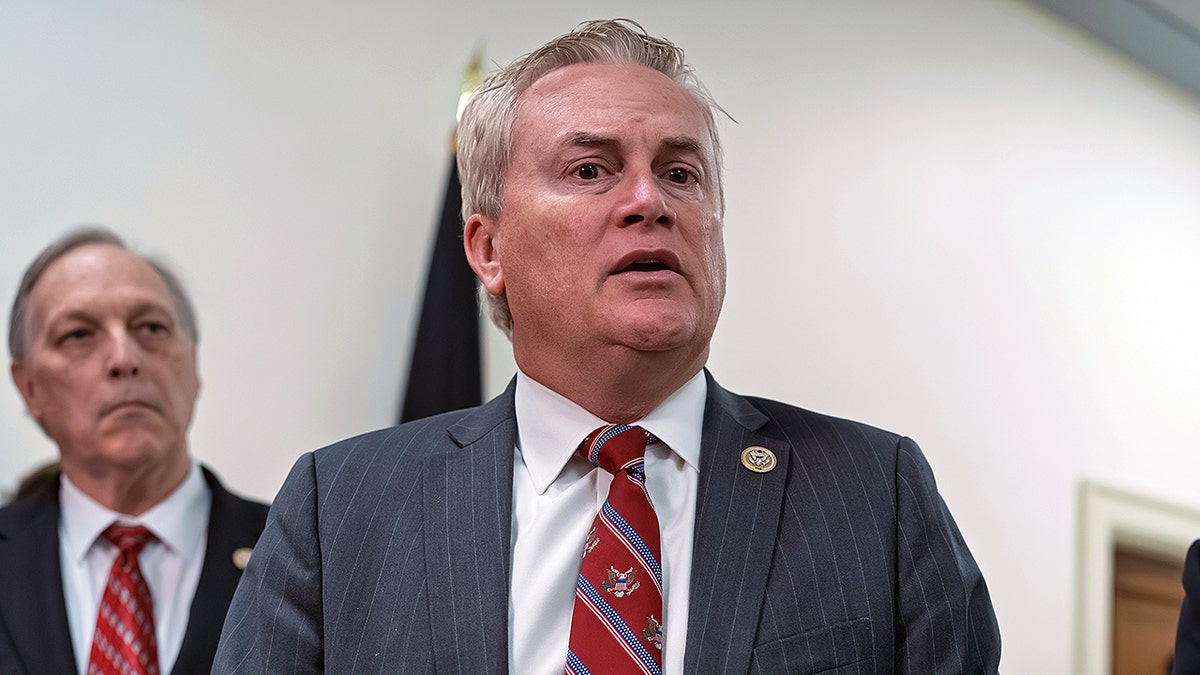
House Oversight Committee Chairman James Comer, R-Ky., alongside Rep. Andy Biggs, R-Ariz., left, speaks to reporters after a closed-door deposition with Ghislaine Maxwell, the former girlfriend and confidante of sex trafficker Jeffrey Epstein, at the Capitol in Washington, D.C., on Feb. 9, 2026. (AP Photo/J. Scott Applewhite)
But the Clintons finally agreed to depositions at the end of this month. And once that was on the calendar, the duo began calling for public hearings.
There is a method behind this madness. There isn’t a loyalty among younger Congressional Democrats to the Clintons. In fact, former House Speaker Nancy Pelosi, D-Calif., was steamed at some Democrats for wanting the Clintons to appear. Younger Democrats don’t have the same reverence for the Clintons as older Democrats. Hillary Clinton ran for president a decade ago. She hasn’t been a senator since 2009. She last served as Secretary of State in early 2013. President Clinton left the Oval Office more than a quarter-century ago.
However, this is the Democrats’ gambit:
If former President Clinton appears about the Epstein files, it may be tough to make the case that President Trump shouldn’t appear.
«Certainly it does set the precedent. President Trump was subpoenaed during the January 6th investigations and didn’t come in. He cited some form of executive privilege. And so we’re kind of forcing the Clintons to come in with the threat of criminal contempt. Then that is a precedent that we are setting,» said Rep. Suhas Subramanyam, D-Va. «In other countries, like the UK, the Prime Minister regularly comes before the Parliament. And so it’s not like it’s unprecedented around the world.»
Granted, that’s a parliamentary system where the prime minister is a member of Parliament in the United Kingdom. British Prime Minister Keir Starmer regularly appears for «Prime Minister’s Questions» every Wednesday at noon in London. Members of Parliament usually pepper the prime minister with questions and scoff in a scene which resembles something out of Monty Python.
But the American and British systems are fundamentally different.
Getting a sitting or former President — and even first lady — before Congress is rare but not unheard of.
BONDI TO FACE GRILLING IN HOUSE JUDICIARY COMMITTEE OVER EPSTEIN FILES, WEAPONIZATION ALLEGATIONS
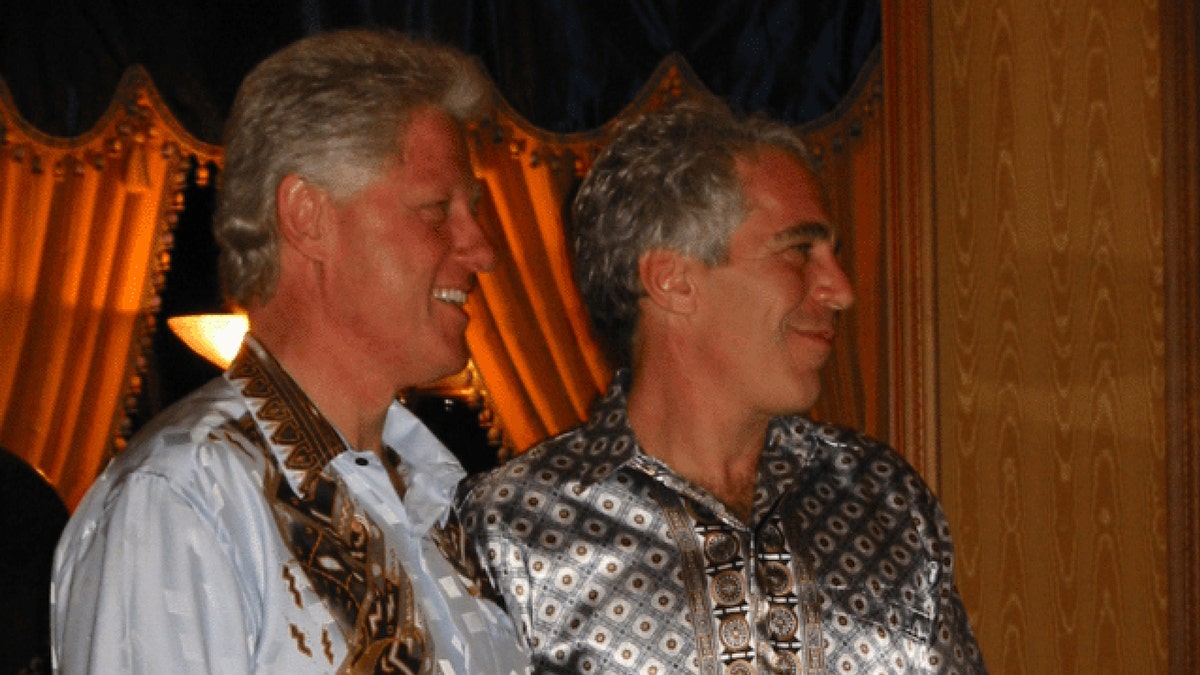
Former President Bill Clinton was seen in photos with Jeffrey Epstein as part of a DOJ Epstein files release on Friday, Dec. 19. (Department of Justice)
There are three prominent examples of sitting Presidents appearing before Congress. President Abraham Lincoln testified voluntarily before the House Judiciary Committee in 1862. The New York Herald published his «State of the Union» message to Congress just before it was sent to Capitol Hill. Presidents sent written «reports» in those days. They did not give speeches to Congress. Lawmakers probed the leak of the message to Congress. It was speculated that Herald reporter Henry Wikoff got the message ahead of time thanks to his friendship with Mary Todd Lincoln. The House Sergeant at Arms briefly held Wikoff — and released him after the president spoke to the Judiciary Committee.
President Woodrow Wilson appeared before the Senate Foreign Relations Committee in 1919 to discuss a treaty with Germany and establishing the League of Nations. Wilson’s push for the League of Nations failed. The Senate rejected the Treaty of Versailles.
President Gerald Ford had been in office two-and-a-half months before he appeared voluntarily before the House Judiciary Committee in the fall of 1974. Ford told lawmakers that his pardon of former President Richard Nixon wasn’t something they bargained about. Ford told the committee that he pardoned Nixon because his physical and mental health fell into a steep decline.
Former President Harry Truman appeared before the Senate Foreign Relations Committee in 1955 to testify about the United Nations Charter.
Ford came back as a former president in 1983 for a Senate hearing on the bicentennial of the Constitution.
And there are examples of both sitting and former first ladies testifying, too.
Eleanor Roosevelt testified twice as first lady. Once about labor issues. Then, about the organization of volunteers for the civilian defense agency before World War II.
Rosalynn Carter testified about mental health as first lady.
Hillary Clinton famously testified about her husband’s health care plan — even though it was dubbed (often derisively) «Hillarycare» in the fall of 1993. She testified multiple times as Secretary of State. Most notably in early 2013 regarding Benghazi.
And, first lady Laura Bush was en route to Capitol Hill to testify before a Senate panel about early childhood education on 9/11. The committee cancelled the hearing after the attacks in New York and at the Pentagon.
CLICK HERE TO DOWNLOAD THE FOX NEWS APP
So, many Republicans are game to hear from the Clintons about the Epstein files. Frankly, some were more interested in just holding them in contempt than actually gleaning anything about Epstein. But it looks like the Clintons will at least sit for depositions in a few weeks. Whether there’s a hearing or not is unclear. Some Republicans may even push for that. But caveat emptor. An open session for the Clintons will only intensify the push by Democrats — and some GOPers — to hear from President Trump.
Their testimony might not come during the Super Bowl halftime show. But open testimony by a former President and a sitting President would be a political Super Bowl.
politics,the clintons,jeffrey epstein,republicans,house of representatives politics,congress,william barr
INTERNACIONAL
México dice que la munición incautada a un cártel es de una fábrica del ejército de EE.UU.

Defensas
Reclamo
INTERNACIONAL
Russian attack on Kharkiv wipes out young family, leaving pregnant mother as sole survivor
NEWYou can now listen to Fox News articles!
A Russian drone strike Tuesday night in Ukraine’s Kharkiv region wiped out a young family, killing a father and his three small children, leaving a pregnant mother as the sole survivor.
Oleg Synegubov, the governor of the Kharkiv region, said on Telegram that the attack on the town of Bohodukhiv claimed the lives of 34-year-old Grigory and his three children — 2-year-old twin boys, Ivan and Vladyslav, and their 1-year-old sister Myroslava.
The family had just evacuated from Zolochiv, a front-line town about 25 miles from the Russian border, in an effort to escape persistent shelling.
They were spending their first night in their new home when the strike occurred, Synegubov said.
‘ONLY TRUMP CAN STOP RUSSIA’: MILLIONS FACE FREEZING WINTER, UKRAINE ENERGY EXECUTIVE WARNS
The aftermath of a drone attack in the city of Bohodukhiv in the Kharkiv region that killed four people, including three children, in Bohodukhiv, Ukraine, on Feb. 11, 2026. (Carlo Bravo/Anadolu via Getty Images)
Olga, the children’s 35-year-old mother who is 35 weeks pregnant, survived with injuries and minor burns and was later discharged from the hospital after receiving medical care.
«The Russian army once again targeted an ordinary residential building in the middle of the night,» said Synegubov. «Another terrorist act of the state fighting against the civilian population – against small children, pregnant women, elderly people.»
The Kharkiv Regional Prosecutor’s Office said preliminary data indicates that a «Geran-2» drone was used in the attack.
RUSSIAN MILITARY INTELLIGENCE OFFICIAL SHOT IN MOSCOW: REPORT
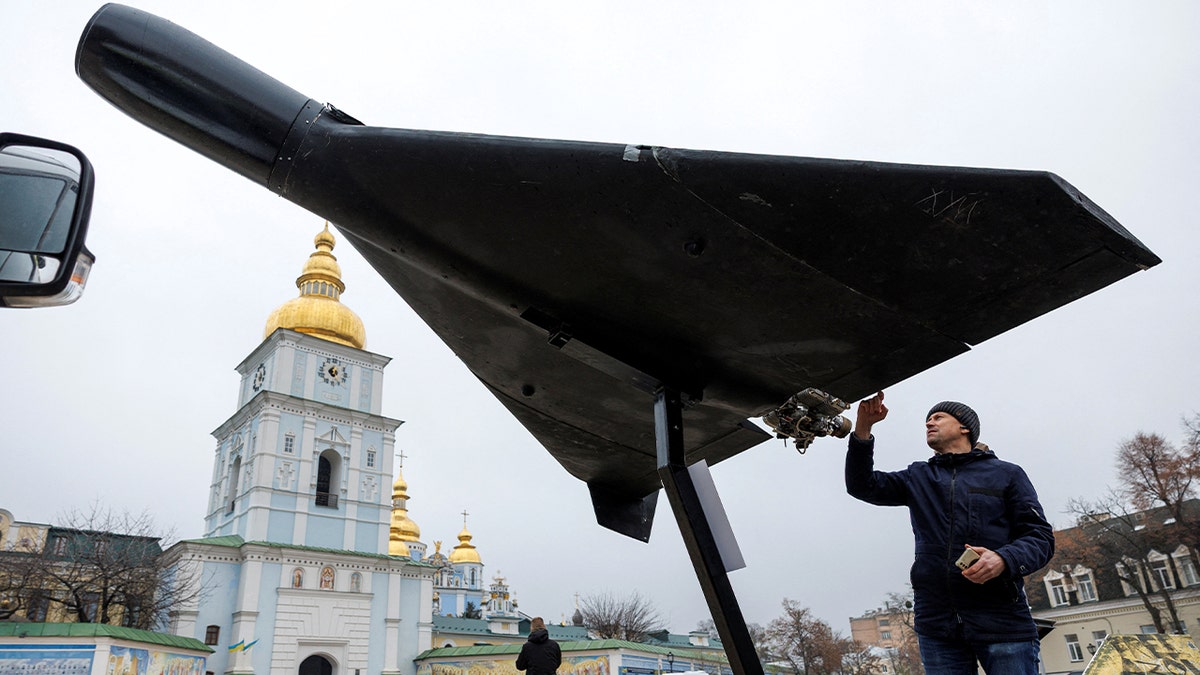
A resident touches a Russian-Iranian Shahed-136 (Geran-2) kamikaze drone installed in front of Saint Michael’s Cathedral as part of an exhibition displaying destroyed Russian military vehicles and weapons, in Kyiv, Ukraine, Nov. 26, 2025. (Valentyn Ogirenko/Reuters)
The Geran-2 is the Russian designation for an Iranian-designed Shahed-136, a one-way attack drone that detonates on impact and has been widely used by Moscow to strike Ukrainian cities and infrastructure.
KENYA DEMANDS ANSWERS FROM RUSSIA OVER RECRUITMENT OF CITIZENS TO FIGHT IN UKRAINE WAR
Ukrainian President Volodymyr Zelenskyy said Wednesday in a post on X that Russian forces carried out additional strikes across border and frontline regions, including launching 470 attack drones at Kherson in a single day.
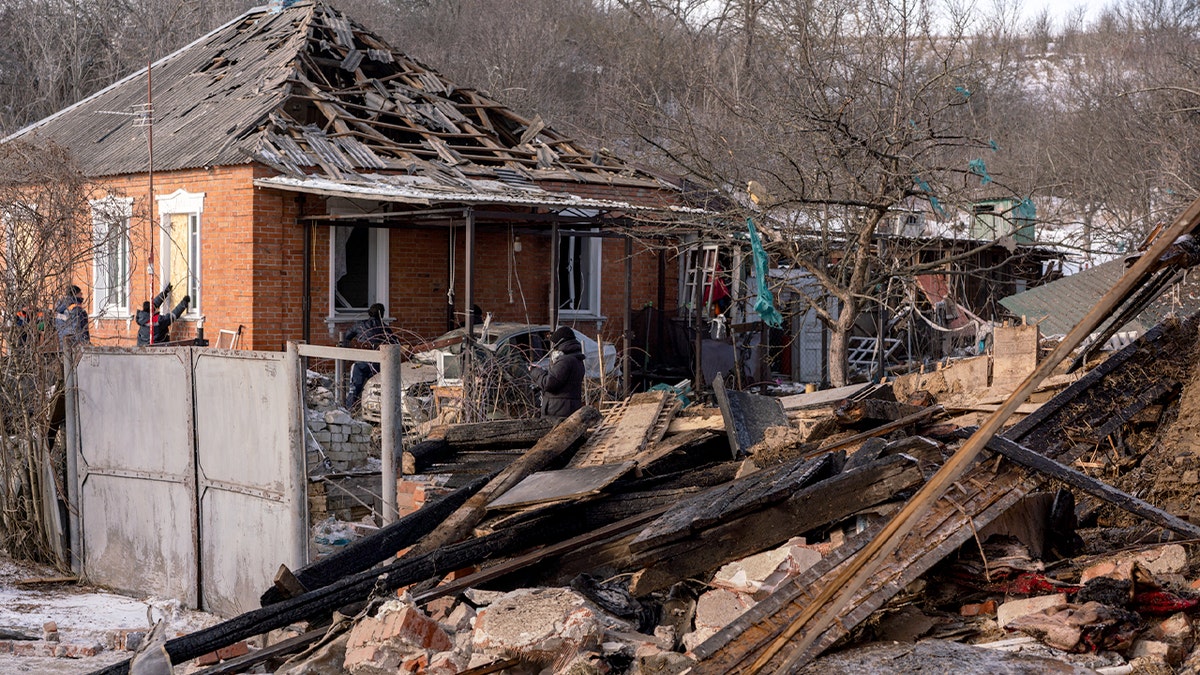
Damaged buildings and debris are seen after a drone attack in the city of Bohodukhiv in the Kharkiv region on Feb. 11, 2026. (Carlo Bravo/Anadolu via Getty Images)
CLICK HERE TO DOWNLOAD THE FOX NEWS APP
«Gas supply restoration is ongoing in the Donetsk region – also following a Russian strike. There were strikes on infrastructure in the Dnipro region, in the Synelnykove district,» he wrote. «Some consumers are currently without electricity in Zaporizhzhia after ‘shahed’ strikes – restoration work is underway.»
Zelenskyy said he directed military and community leaders to develop additional measures to strengthen protection for critical infrastructure.
ukraine,russia,drones

Reforma laboral 2026: uno por uno, los cambios clave que se debatirán en el Congreso

Javier Milei, sobre Nicolás Maduro en una convención de ultraderecha: “Es un dictador, terrorista y tirano”

Muna Pauls Cherri se animó a un rotundo cambio de look: “Quería ser otra persona”

Gigante lácteo en caída: casi 4.000 cheques sin fondos, ya no produce ni paga servicios o salarios

Saltan las alarmas con Cucurella: también lesionado

Reporter’s Notebook: Clintons call for open Epstein files hearing after months of defying subpoenas

El sector industrial advierte que la apertura económica exige eliminar las distorsiones internas

Mirtha Legrand se quebró desconsolada al hablar de la renuncia de Jimena Monteverde a su mesaza

Acuartelamiento policial en Santa Fe: reclamo salarial y temor a un conflicto nacional de seguridad

Mercados: subió la Bolsa argentina y cortó una serie negativa de siete ruedas consecutivas

 POLITICA1 día ago
Acuartelamiento policial en Santa Fe: reclamo salarial y temor a un conflicto nacional de seguridad
- POLITICA1 día ago
La advertencia de ATE a los gobernadores que apoyan la reforma laboral: “Firmarán su sentencia de muerte”
- ECONOMIA1 día ago
Cuánto le cuesta a la clase media llenar el changuito y cómo varían los precios de los alimentos entre provincias