INTERNACIONAL
How did Jeffrey Epstein get rich? Meet Les Wexner, the ex-Victoria’s Secret CEO who once worked with him

NEWYou can now listen to Fox News articles!
An 88-year-old billionaire businessman and former Victoria’s Secret chief is the latest person to fall within the House Oversight Committee’s investigative crosshairs in the Jeffrey Epstein case, as he is scheduled to appear before the panel in Ohio on Wednesday morning.
The crimes of the late accused sex trafficker Epstein are well-known, having gained new media attention in recent months after Congress forced the Department of Justice (DOJ) to disclose millions of pages of documents.
But less is known about the figures who operated within Epstein’s orbit and how they helped him get the vast international sphere of influence he enjoyed before finding himself in a Manhattan jail awaiting trial, where he killed himself in 2019.
Les Wexner, founder of L Brands, the former chief of Victoria’s Secret, is one of those figures, having been named a co-conspirator of Epstein in a recently uncovered FBI document from 2019.
REVEALED: TRUMP CALLED POLICE CHIEF TO SUPPORT EPSTEIN PROBE, AND LAWMAKERS NAMED 6 MEN SHIELDED FROM EXPOSURE
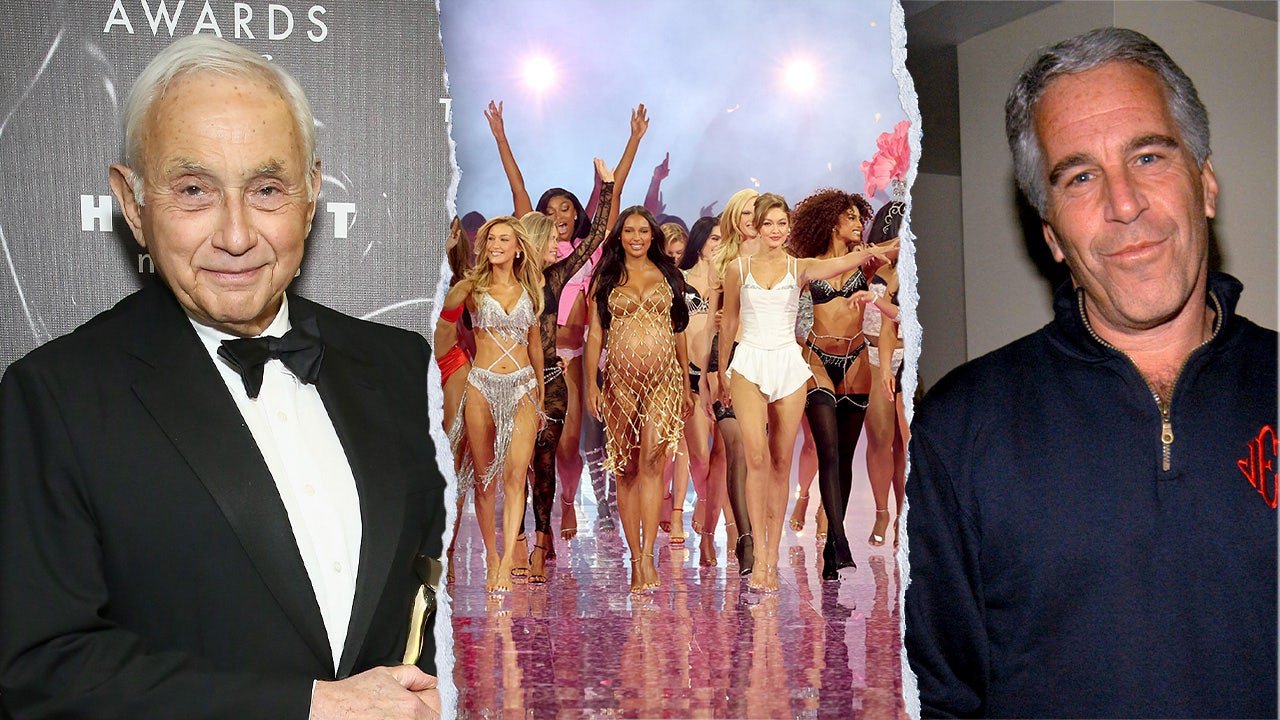
Leslie Wexner, former CEO of Victoria’s Secret and other fashion brands, is named numerous times in the DOJ files on Jeffrey Epstein. (Astrid Stawiarz/Getty Images for Fragrance Foundation; Kevin Mazur/Getty Images for Victoria’s Secret; Neil Rasmus/Patrick McMullan via Getty Images)
Wexner is the founder of L Brands, formerly known as The Limited, which included Victoria’s Secret, Bath & Body Works, and Pink. He also helped found Abercrombie & Fitch, a clothing brand that was once popular among teens in the U.S.
Wexner has never been charged with crimes related to the late financier, and a spokesperson for the mogul told Fox News Digital that the «Assistant U.S. Attorney told Mr. Wexner’s legal counsel in 2019 that Mr. Wexner was neither a co-conspirator nor target in any respect.»
But documents released by the DOJ allege that Wexner was one of the key players in how Epstein built his wealth and later ran his illicit empire.
One file from 2013 that appears to have been in the possession of the Southern District of New York (SDNY) titled «Jeffrey Epstein Source of Wealth,» said Wexner «became a well-known client» of Epstein’s financial management firm in 1987.
At the time, Wexner was identified as the founder and chairman of the Ohio-based women’s clothing brand The Limited.
«Since all but one of his financial clients are anonymous, it has been speculated that much of Epstein’s lavish lifestyle was once financed by Wexner,» reads the document, which appears to be an email. Wexner’s spokesperson declined to comment on the allegations.
That paper also noted that Wexner sold his massive Manhattan townhouse — reported to be the largest private residence in the New York City borough — to Epstein.
CHAPPELL ROAN DUMPS TALENT AGENCY OVER BOSS’ ‘TIGHT LEATHER OUTFIT’ EMAILS TO GHISLAINE MAXWELL
A 2019 FBI witness statement from a man who purported to be Wexner’s bodyguard from 1991 to 1992 said Wexner «sold his mansion in New York to Epstein for $20.»
The same witness statement alleged that «Epstein got all of his money from Wexner.»
A 1998 document obtained by Fox News Digital, however, shows Wexner sold his home to Epstein for a $20 million price tag. Half was paid via cashier’s check, while the other half was covered by a promissory note, the record shows.
Epstein’s Manhattan mansion was raided by the FBI in July 2019 as part of the federal sex trafficking investigation. There, law enforcement officials found vast troves of evidence, including photos of partially or fully nude women and girls, including ones who appeared to be minors.
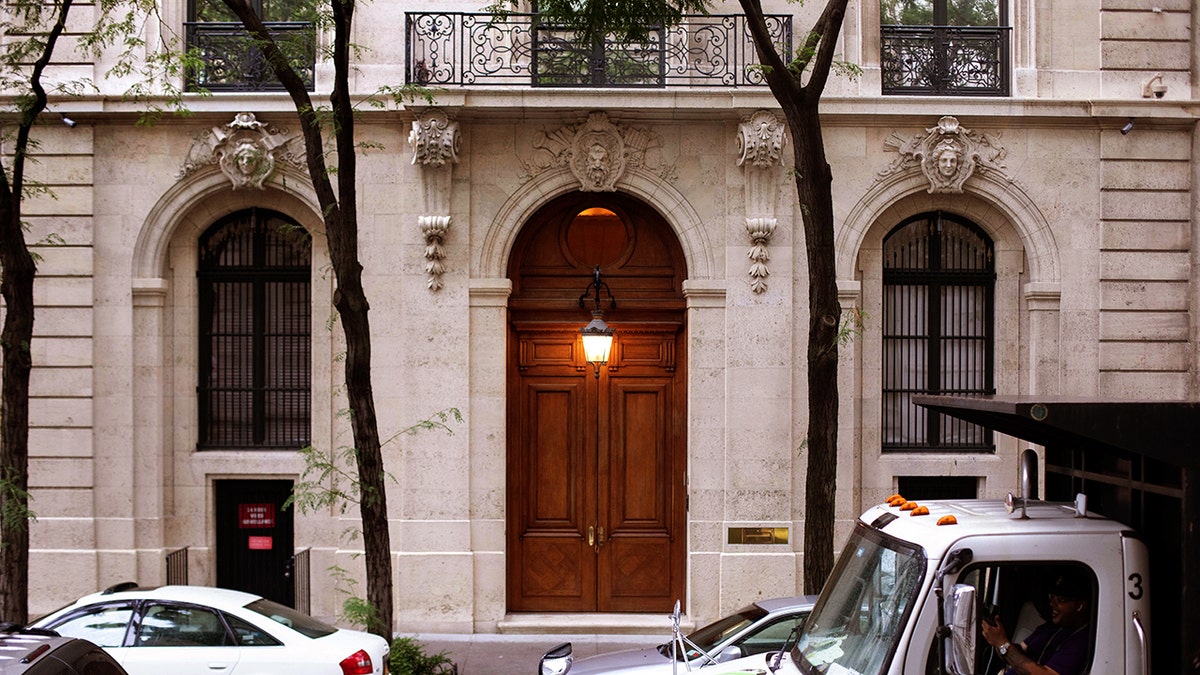
A residence belonging to Jeffrey Epstein at East 71st Street is seen on the Upper East Side of Manhattan on July 8, 2019, in New York City. (Kevin Hagen/Getty Images)
TRUMP THANKED FLORIDA POLICE FOR EPSTEIN PROBE IN 2000S, FLAGGED ‘EVIL’ GHISLAINE MAXWELL: FBI DOC
The DOJ’s unsealed indictment against Epstein also said it was one of the places where he «enticed and recruited, and caused to be enticed and recruited, dozens of minor girls… to engage in sex acts with him, after which he would give the victims hundreds of dollars in cash.»
Wexner reportedly bought the mansion in 1989 for $13.2 million before selling it to a corporation partially controlled by Epstein for an «undisclosed amount,» according to Business Insider. It was then reportedly transferred to a U.S. Virgin Islands-based company controlled by Epstein for $0 in 2011.
The home was reportedly valued at $77 million at the time of the raid, making it a massive portion of Epstein’s wealth.
CLINTONS CAVE: COMER SAYS BILL AND HILLARY TO TESTIFY IN EPSTEIN PROBE
A heavily redacted email chain from July 2025 that appears to show witness statement summaries, with the subject line, «RE: Epstein – Cellmate Interview,» also said, «Steve Scully stated Wexner was #1 on Epstein’s speed dial.»
Steve Scully appears to be a reference to a former IT contractor who lived and worked on Epstein’s private island of Little St. James from 1999 through 2005. Wexner’s spokesperson declined to comment on Scully’s claim.
Wexner even signed a document in 1991 giving Epstein vast control over his finances via power of attorney, according to the New York Times. That document gave Epstein the power to sign checks, borrow money, and buy or sell real estate on Wexner’s behalf, the report said.
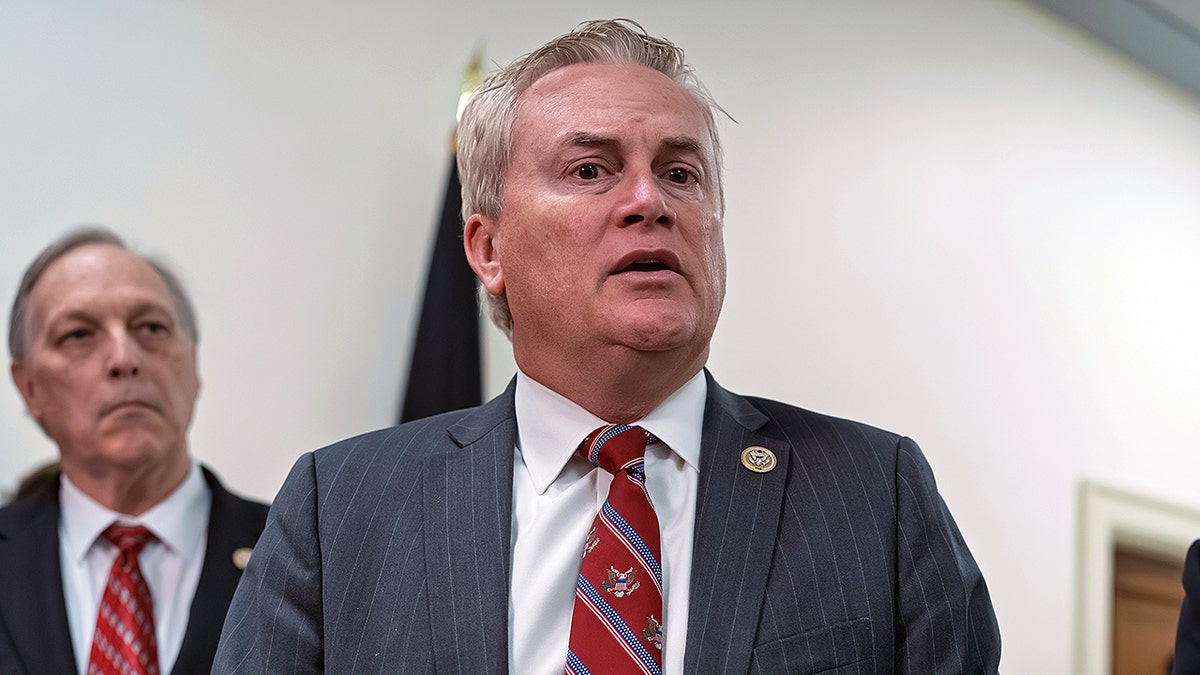
House Oversight Committee Chairman James Comer, R-Ky., speaks to reporters after a closed-door deposition with Ghislaine Maxwell, the former girlfriend and confidante of accused sex trafficker Jeffrey Epstein, at the Capitol in Washington, Feb. 9, 2026. (J. Scott Applewhite/AP Photo)
A letter Wexner wrote to his nonprofit, the Wexner Foundation, in August 2019 said that while he did give power of attorney to Epstein, their relationship ended soon after the 2007 federal investigation first began into the late financier in Florida.
«[B]y early fall 2007, it was agreed that he should step back from the management of our personal finances. In that process, we discovered that he had misappropriated vast sums of money from me and my family. This was, frankly, a tremendous shock, even though it clearly pales in comparison to the unthinkable allegations against him now,» the letter said.
«With his credibility and our trust in him destroyed, we immediately severed ties with him. We were able to recover some of the funds. The widely reported payments Mr. Epstein made to the charitable fund represented a portion of the returned monies. All of that money — every dollar of it — was originally Wexner family money.»
But other documents released by the DOJ allege that Epstein and Wexner’s relationship went further than financial management.
An FBI witness statement by Robert Morosky, a former executive for Wexner’s fashion brand, said, «He had information regarding the use of ‘Limited’ brand aircraft used in the 1990s to transport young girls from Mexico to the U.S.»
«Morosky did not wish to give any additional information at that time; however if someone would like to pursue this information he could be reached on his personal cellular phone,’» the statement said.
It’s unclear if the lead was ever pursued, but a spokesperson for Wexner told Fox News Digital, «The allegation is false. Mr. Morosky was terminated from the company in 1987 and therefore in no position to know anything about the use of Limited planes in the 1990s.»
GHISLAINE MAXWELL PLEADS FIFTH AMENDMENT, DODGES QUESTIONS IN HOUSE OVERSIGHT EPSTEIN PROBE
A witness statement from 2020, with the identity of the female witness redacted, said she claimed to have «often» seen Epstein and Wexner together.
She «stated that often Wexner would have models who could not have been over 18 years old do private viewings for him and Epstein. She said the models would be wearing [swimsuits] and some were in lingerie,» the document read.
Wexner’s spokesperson declined to comment on those claims and called her account of seeing the pair together «vague.»
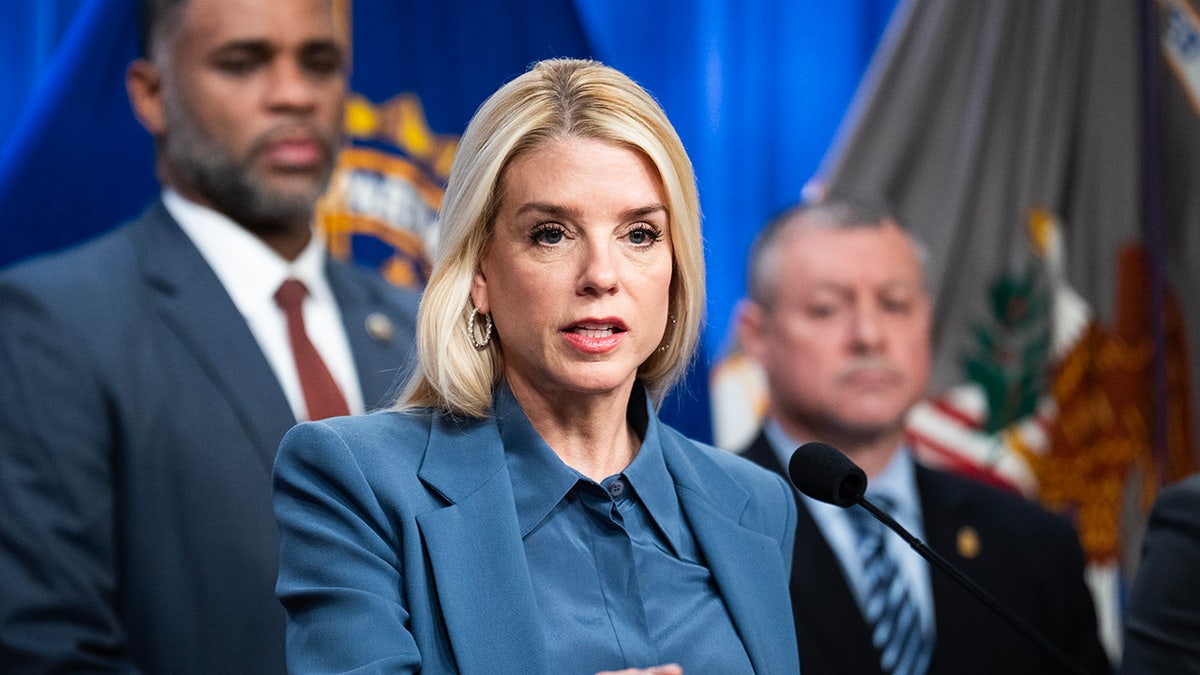
Attorney General Pam Bondi conducts a news conference at the Department of Justice on December 4, 2025. (Tom Williams/CQ Roll Call, Inc. via Getty Images)
The female witness said she «would help with getting people to work at parties at Wexner’s compound in catering and other positions,» and that «anyone who went to work there had to have a full background check and there were certain areas of the house where they could not go without an approved escort.»
However, there was no indication of what years or period of time her claims are focused on.
A source with knowledge of company procedures argued the situation could not have happened, however. Model fittings always involved teams of 15 to 20 professionals and Epstein was never a part of that, the source maintained.
CLICK HERE TO DOWNLOAD THE FOX NEWS APP
Wexner is scheduled to appear before the House Oversight Committee in Ohio on Wednesday morning.
Fox News Digital reached out to Wexner’s attorney for comment on the deposition and on the aforementioned claims.
politics,house of representatives politics,jeffrey epstein











INTERNACIONAL
Sanders-endorsed Senate candidate knocked for alleged flip-flop to ‘have it both ways’ on key issue
NEWYou can now listen to Fox News articles!
A Democratic Senate candidate endorsed by Sen. Bernie Sanders, I-Vt., is being slammed for allegedly flip-flopping on one of his primary campaign issues.
Abdul El-Sayed, the progressive candidate who previously ran an unsuccessful bid for Michigan governor, has made Medicare for All a hallmark of his Senate campaign.
However, as the Michigan Senate primary race heats up, El-Sayed’s Democratic opponent, state Sen. Mallory McMorrow, is accusing him of backing down from a full Medicare for all stance and of «rewriting definitions to have it both ways.»
MEET THE NEW ‘SQUAD’: THE NEXT GENERATION OF TRUMP-ERA PROGRESSIVE CONGRESSIONAL CANDIDATES
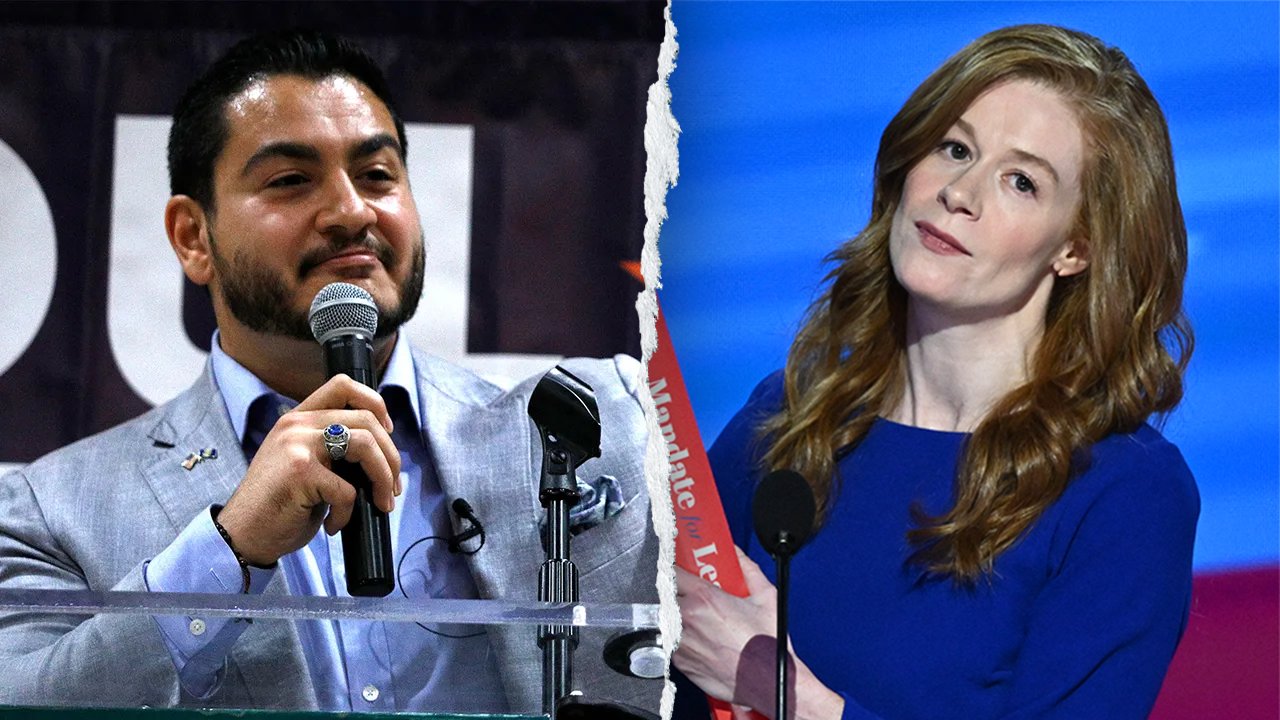
Left: Michigan Democratic Senate candidate Abdul El-Sayed. Right: Michigan Democratic candidate and state Sen. Mallory McMorrow. (Photos by Bill Pugliano/Getty Images; MANDEL NGAN/AFP via Getty Images)
Roxie Richner, an El-Sayed campaign spokesperson, responded by telling Fox News Digital that «Dr. El-Sayed is and has always been for Medicare for All—guaranteed public health insurance for every American. Cradle to grave. No premiums, deductibles, or co-pays.»
«Dr. El-Sayed would be the first Democratic doctor elected to the U.S. Senate since 1969, and he looks forward to passing Medicare for All into law,» added Richner.
El-Sayed’s campaign website page on «A Healthier America» cites a book he co-authored in 2021 in which he wrote that limiting private alternatives to Medicare for All would be important to ensuring providers accepted the insurance. The book advocates for Medicare for All as a type of «monopsony» in healthcare, in which there is only a single buyer of medical services, the government.
«By insuring all Americans, M4A becomes a monopsony in healthcare. This is different from a monopoly, where there’s only one seller of a good; in a monopsony there’s only one buyer of a good. That gives the single buyer considerable negotiating leverage, which Medicare could use to rein in the cost of drugs, hospital stays, and physician services,» the book reads.
In a November post on X, El-Sayed explained that this monopsony «would instantaneously create a disciplining feature against rising prices,» because it «takes out the profit motive on the payer end of the transaction.»
The book further states that «because alternatives to M4A [Medicare for All] would be limited, participation of providers would be virtually guaranteed.»
«Instead of spending time and money dealing with the arcane requirements of hundreds of different health plans […] providers could use one streamlined system that would free up resources to focus on clinical care,» the books reads.
The latest version of the federal Medicare for All Act, introduced in the Senate by Sanders, includes language that would effectively ban most comprehensive private insurance plans and relegate private insurers to providing limited supplemental care.
The legislation would make it unlawful for «a private health insurer to sell health insurance coverage that duplicates the benefits provided under this Act; or (2) an employer to provide benefits for an employee, former employee, or the dependents of an employee or former employee that duplicate the benefits provided under this Act.»
MICHIGAN FAMILY SAYS COUNTY SEIZED HOME OVER TAX BILL THEY DIDN’T OWE — CASE NOW HEADS TO THE SUPREME COURT
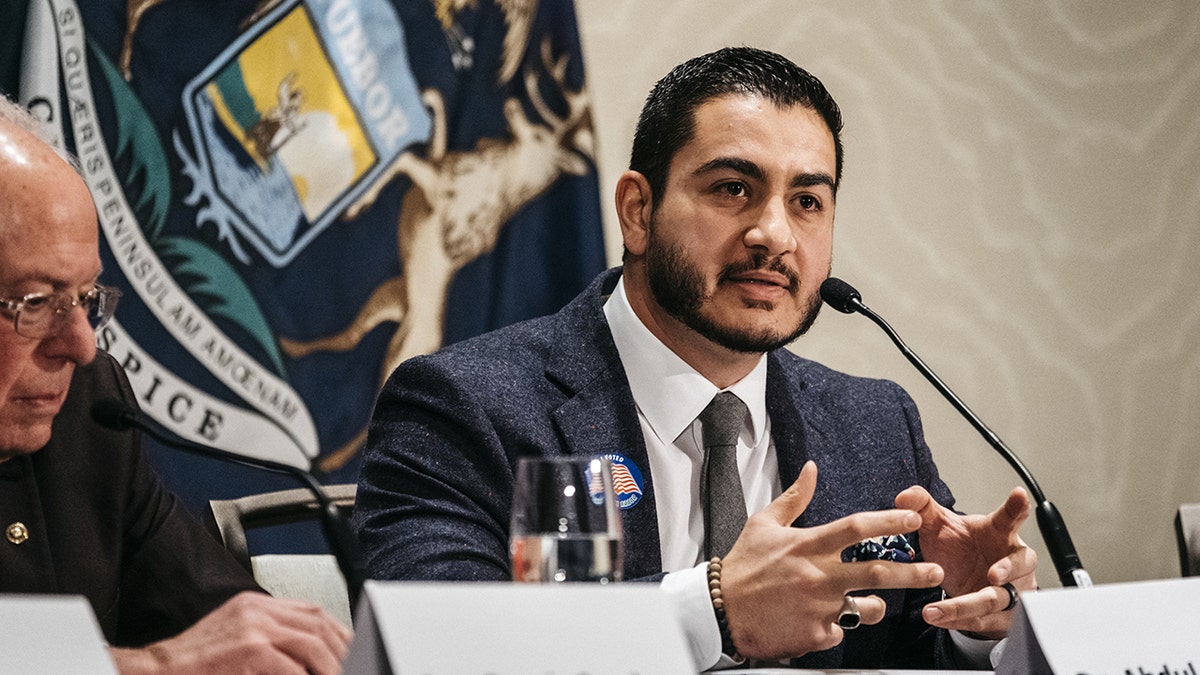
Dr. Abdul El-Sayed speaks during a coronavirus public health roundtable with Senator Bernie Sanders, I-Vt. (Erin Kirkland/Bloomberg via Getty Images)
El-Sayed testified before the Senate in support of the Medicare for All Act in 2022, calling it «the clearest pathway to universal, durable health care insurance, bar none» and saying that «cradle to grave coverage would do away with the premiums, co pays, deductibles that leave even privately insured Americans rationing their health care today.»
The year before, in an interview with NerdWallet, El-Sayed said that under a Medicare for All plan, the government would be «buying you out» of your private insurance plan but that «a few insurance companies that offered a sort of concierge-level service for folks who wanted to pay for that.»
In a 2024 episode of the «America Dissected» podcast, El-Sayed emphasized that «we don’t really need private health insurance in this country.»
He said that «private health insurance is a system by which you have a middleman in our healthcare system making a tremendous amount of money that is leading to a number of the biggest problems in American healthcare whether that’s the fact that our costs continue to spiral upward, whether that’s the fact that nearly ten million people in our country don’t get health insurance at all, or it’s the fact that we are consistently in this country, unable to guarantee, even people who are insurance access to the health care they need.»
In October, El-Sayed knocked McMorrow for advocating for allowing a public option under universal healthcare, writing on X, «a public option can’t deliver healthcare to every Michigander. Medicare for All can.» Politico, in December, reported El-Sayed slamming McMorrow’s call for universal health care with a public option as «incoherent.»
«Now a public option is exactly that; it’s just an option. There is no reason why it would actually address any of the foundational problems in our system. It wouldn’t bring down the rising costs. It wouldn’t guarantee people health care, and we don’t really know how much it would cost,» he said.
Yet, while speaking on the Brian Tyler Cohen Podcast in January, El-Sayed suggested that under Medicare for All, «if you like your insurance from your employer or from your union, that can still be there for you.»
PROGRESSIVES NOTCH ANOTHER WIN OVER DEMOCRATIC MODERATES AS SANDERS-AOC ALLY NEARS CONGRESS
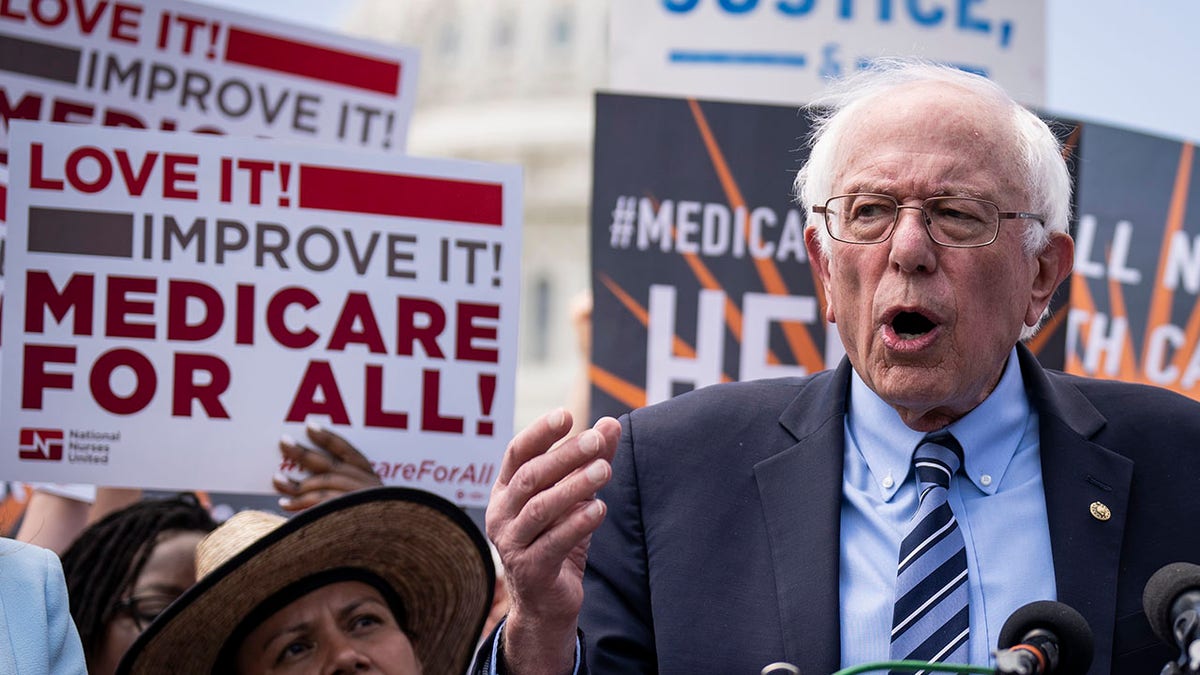
Sen. Bernie Sanders, I-Vt., introduced the Medicare for All Act. (Getty Images)
Days later, speaking on radio channel WDET, he again said, «Medicare for All is government health insurance guaranteed for everyone, regardless of what circumstances you’re in. If you like your insurance through your employer or through your union, I hope that’ll be there for you. But if you lose your job, if your factory shuts down, you shouldn’t be destitute without the health care that you need and deserve.» He also said, «If you have a public option, what happens is, the private health insurance system will try to dump all of the most expensive patients onto that public option, vastly increasing the cost of that public option and making it unsustainable.»
CLICK HERE TO DOWNLOAD THE FOX NEWS APP
El-Sayed’s campaign website states that he «believes in expanding Medicare to cover every single American from cradle to grave while sustaining the option for workers to keep supplemental private insurance their unions or employers may provide.» Amid criticism from McMorrow, El-Sayed doubled down on his Medicare for All messaging in a January fundraising message, in which he wrote that «private insurance could supplement or duplicate Medicare.»
Meanwhile, McMorrow has accused him of not being honest on Medicare for All.
«On an issue as important as healthcare, you have to be honest about what you’re fighting for,» McMorrow wrote in a public reply to El-Sayed, adding, «The Medicare for All legislation that you’ve championed completely eliminates private health insurance as it exists today.»
Sanders’ office did not immediately respond to Fox News Digital’s request for comment.
midterm elections,senate elections,democratic party,michigan
INTERNACIONAL
Peligro en Los Alpes italianos: dos muertos y múltiples avalanchas en menos de una semana

Una serie de avalanchas sacudió el norte de Italia este fin de semana, con un saldo de dos esquiadores muertos y al menos dos heridos en incidentes separados que se produjeron en condiciones de nieve excepcionalmente inestables a lo largo del arco alpino.
El episodio más grave ocurrió el domingo en el Couloir Vesses, una conocida ruta de esquí fuera de pista en la parte alta del Val Veny, en Courmayeur, localidad ubicada en el lado italiano del Mont Blanc, cerca de la frontera entre Francia y Suiza. La avalancha sepultó a varios integrantes de un grupo de esquiadores. Los rescatistas localizaron en un primer momento el cuerpo de una víctima y trasladaron de urgencia a dos heridos en estado crítico. Uno de ellos falleció poco después de llegar al hospital, mientras que el único superviviente fue derivado en condiciones muy graves al hospital Molinette de Turín.
Las labores de búsqueda y rescate, concluidas el mismo domingo, movilizaron a 15 rescatistas, tres unidades caninas, dos médicos, dos helicópteros y dos ambulancias. Medios locales estiman que el grupo original estaba integrado por entre tres y seis personas de nacionalidad francesa, aunque las autoridades no precisaron el número total de afectados.
El mismo domingo, en Trentino, también en el norte del país, una persona quedó parcialmente sepultada por otra avalancha en la zona de Tesino, pero fue rescatada por sus propios compañeros sin necesidad de asistencia médica.
Dos días después, el martes 17 de febrero, un testigo filmó en la misma zona de Val Veny, cerca del telesilla Zerotta en Courmayeur, cómo una enorme nube de nieve generada por una avalancha se extendió sobre una fila de esquiadores y snowboarders que esperaban para subir al remonte. Las imágenes muestran cómo la nube cubrió completamente el área, redujo la visibilidad a cero e impactó a quienes aguardaban en la fila. En ese caso no se registraron heridos.

Los expertos advierten que incluso las nubes de polvo generadas por avalanchas pueden derribar personas, crear condiciones de respiración peligrosas y causar pánico, aun cuando no arrastren escombros de nieve. En el momento del incidente del martes, el nivel de peligro de avalanchas en la zona estaba calificado en 4 sobre 5, considerado “alto” por los servicios de alerta alpinos.

Los fallecidos del domingo en Courmayeur se suman a un contexto de peligro extendido en toda la región. Según informó el Servicio de Rescate Alpino de Italia, un récord de 13 esquiadores de fondo, alpinistas y excursionistas murieron en las montañas italianas en los siete días previos al 8 de febrero, diez de ellos en avalanchas provocadas por un manto de nieve particularmente inestable.
Las nevadas recientes, combinadas con fuertes rachas de viento en cotas altas y la acumulación de nieve sobre capas débiles del manto nivoso, han creado condiciones especialmente peligrosas a lo largo de todo el arco alpino entre Italia, Francia, Suiza y Austria. Los servicios de alerta de los cuatro países han instado de forma reiterada a los esquiadores a consultar los boletines de avalanchas diariamente, respetar los cierres de pistas y evitar las zonas de terreno expuesto durante este período de alto riesgo. Los expertos advierten que, con los ciclos de tormentas que continúan afectando partes de los Alpes, el peligro elevado podría persistir en muchas regiones en el corto plazo.
Courmayeur, localidad de unos 2.900 habitantes, se encuentra a aproximadamente 200 kilómetros al noroeste de Milán, una de las sedes de los Juegos Olímpicos de Invierno de Milán-Cortina.
Europe
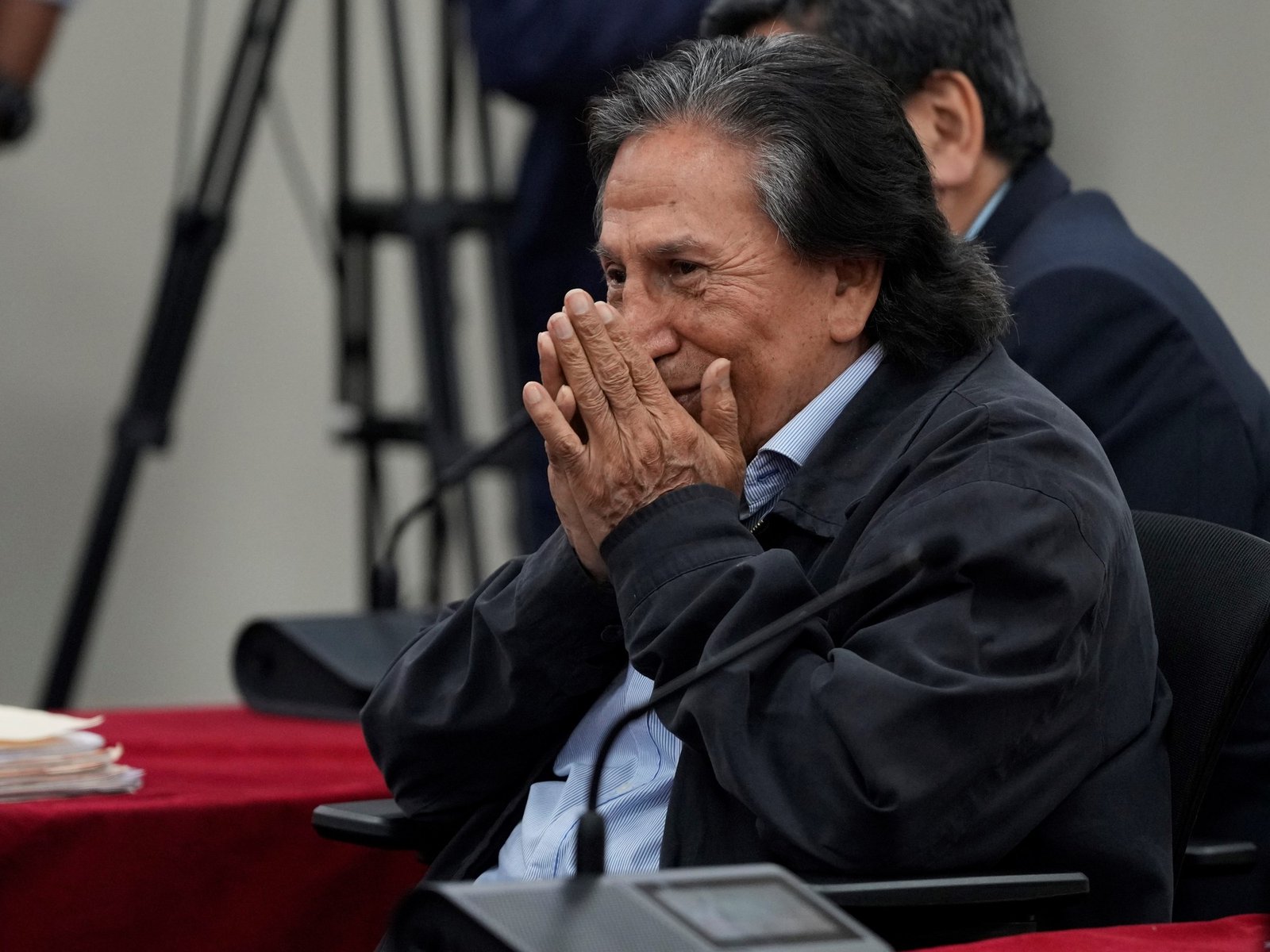
1. Alberto Fujimori (1990-2000)
2. Alejandro Toledo (2001-2006)
3. Alan García (1985-1990 y 2006-2011)
4. Ollanta Humala (2011-2016)

5. Pedro Pablo Kuczynski (2016-2018)
6. Martín Vizcarra (2018-2020)
7. Pedro Castillo (2021-2022)

8. Dina Boluarte
9. José Jerí

En los últimos dos años se perdieron más de 21.000 empresas empleadoras del sector privado

Primer día de los últimos test de pretemporada de la F1: Colapinto salió a pista en el segundo turno

El dramático pedido de Camila Lattanzio, la ex Gran Hermano que denunció a su ex novio por violento: “Necesito ayuda”

Migración acelerada de plataformas de datos con IA

El Gobierno prorrogó las sesiones extraordinarias y reabre la discusión universitaria

Reforma laboral: la CGT redobla la presión y apunta a los diputados indecisos para forzar más cambios

Cristian Ritondo: “Vamos a apoyar la ley de modernización laboral, pero no el régimen de licencias por enfermedad”

Reforma laboral bomba: menos indemnización, más horas y despidos más fáciles — el cambio que puede sacudir el empleo en Argentina

Uno de los jefes de la CGT adelantó que convocarán a un paro general por la reforma laboral: “Trabajaremos para que sea una gran huelga”

El dólar no sólo cae en la Argentina: qué pasa con otras monedas emergentes y cuáles son las causas

 POLITICA2 días ago
Cristian Ritondo: “Vamos a apoyar la ley de modernización laboral, pero no el régimen de licencias por enfermedad”
- POLITICA16 horas ago
Reforma laboral bomba: menos indemnización, más horas y despidos más fáciles — el cambio que puede sacudir el empleo en Argentina
- POLITICA3 días ago
Uno de los jefes de la CGT adelantó que convocarán a un paro general por la reforma laboral: “Trabajaremos para que sea una gran huelga”