INTERNACIONAL
El cerco de Estados Unidos: en Cuba, los turistas brillan por su ausencia



INTERNACIONAL
Abren el caso Epstein en Francia: un lujoso piso en París y tres nenas francesas de 12 años «de regalo»

La procuradora Beccau

La modelo sueca

Un departamento de 740 metros

Un diplomático francés
En Gran Bretaña investigan 90 vuelos
INTERNACIONAL
DHS shutdown leaves local emergency responders on their own amid extreme weather, expert warns
NEWYou can now listen to Fox News articles!
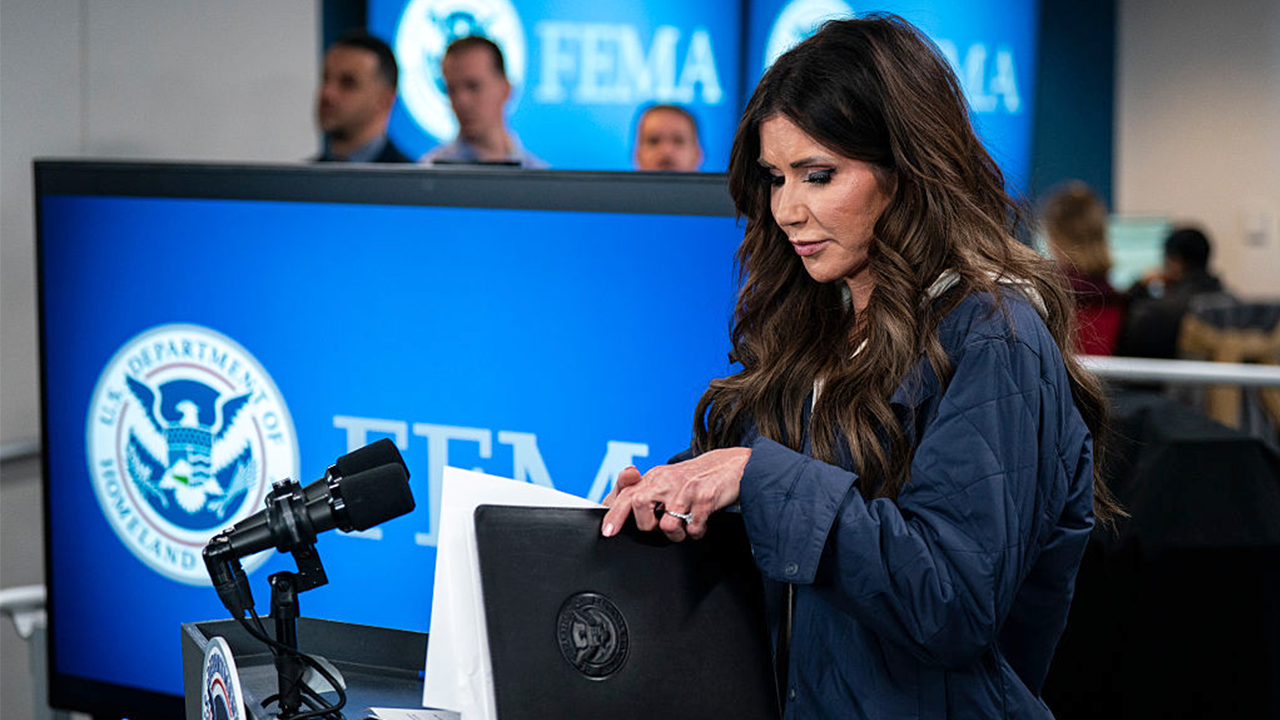
EXCLUSIVE: The partial government shutdown of the Department of Homeland Security could have a critical impact on local disaster response without assistance from the Federal Emergency Management Agency, a public safety expert warned.
In an interview with Fox News Digital, Jeffrey Halstead, the director of strategic accounts at Genasys, a communications hardware and software provider to help communities during disasters, said the DHS shutdown could impact emergency response and recovery efforts now that FEMA support has been restricted.
«Every time that the government enters into one of these shutdowns, there’s a distinctive part of the federal government that is impacted, both reviewing the grant program or distributing funds from pre-awarded grant programs. This is exactly the area of DHS as well as FEMA that affects emergency managers, emergency response and recovering different cities, counties, and regions should they face a weather and/or disaster-related event,» Halstead said.
Halstead, also a retired chief of police in Fort Worth, Texas, with more than 30 years in law enforcement, explained that government shutdowns delaying federal funds «drastically impacts» the local response to disasters.
ICE SHUTDOWN FIGHT MIGHT RESTRICT FEMA, COAST GUARD TO ‘LIFE-THREATENING’ EMERGENCIES
The Trump administration ordered FEMA to suspend the deployment of hundreds of aid workers to disaster-torn areas across the country during the DHS shutdown. (Al Drago/Getty Images)
«I know personally, I was in Arizona for over 21 years, in Texas as chief of police for over seven, and then I was in Nevada for a long time, and I worked directly with a few states in the Western United States,» he said.
«The last government shutdown pretty much ended their grant application process, meaning the grants would not be approved, not even be assigned and/or funds not released,» he continued. «This drastically impacts their ability to plan and to coordinate a lot of their planned response events. In Arizona, the central UASI region or the Urban Area Security Initiative, they have none of their grants being reviewed, which replaces outdated equipment, vehicles and funds training so that every quarter they can meet the standards and then be ready should something happen.»
This comes as the Trump administration ordered FEMA to suspend the deployment of hundreds of aid workers to disaster-torn areas across the country during the DHS shutdown.
More than 300 FEMA disaster responders were preparing for upcoming assignments, but were told to halt their travel plans. Grant systems are also not fully operational until lawmakers can reach a deal to fund the department.
«The biggest impact is funding, the grants being distributed and then getting all that equipment and training aligned so that they can actually have a very successful year getting ready for a disaster,» Halstead said.
DHS SHUTDOWN EXPLAINED: WHO WORKS WITHOUT PAY, WHAT HAPPENS TO AIRPORTS AND DISASTER RESPONSE
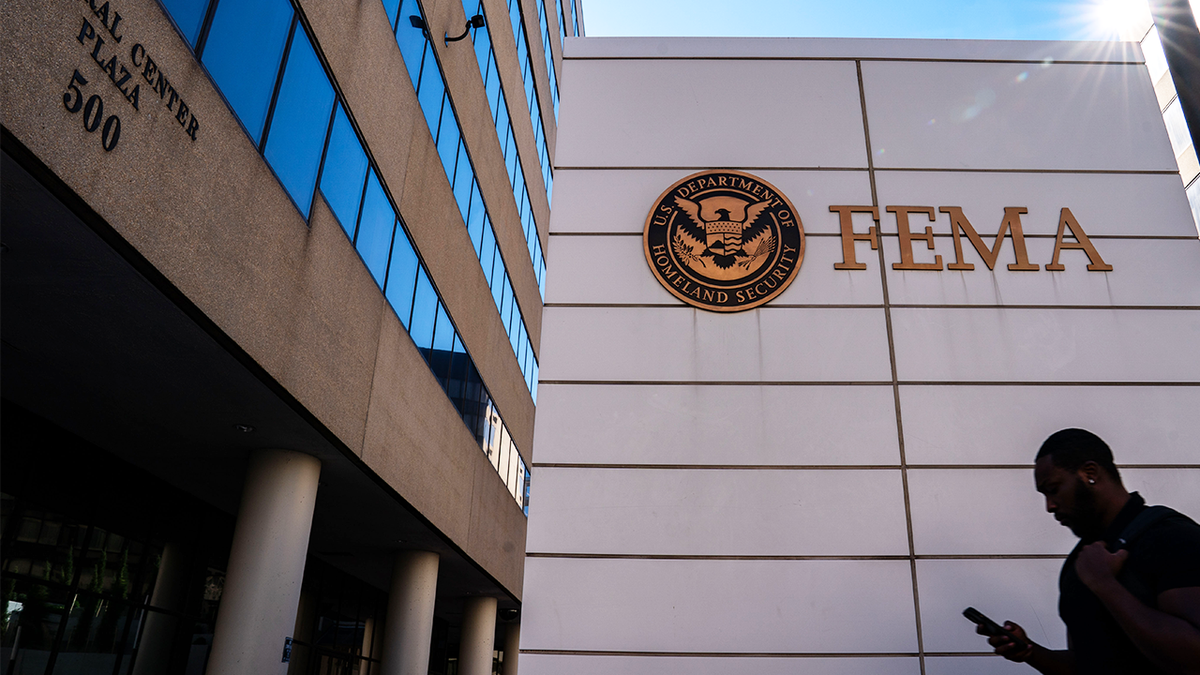
More than 300 FEMA disaster responders were preparing for upcoming assignments, but were told to halt their travel plans. (Kent Nishimura/Getty Images)
«Should there be a traumatic weather event, critical incident or something that would require FEMA support, FEMA staff or FEMA resources, those may not be available,» he added. «This drastically impacts the city, county, state and federal collaboration efforts that literally are immediately engaged, aligned and resources deployed, sometimes within 12 hours. So this greatly inhibits their ability to plan effectively should a critical event, disaster event, or weather-related event come their way. They won’t have all these federal assets and resources that they have come to depend on, rely on, and work with in both their planning as well as training events or previous disasters where they responded and provided support.»
As part of the move to end FEMA deployments, staffers currently working on major recovery efforts will remain on the sites and cannot return home unless their assignment ends, but no new personnel can join or relieve them without DHS approval.
Recovery efforts are still ongoing in places like North Carolina, where Hurricane Helene devastated the region in the fall of 2024.
As Halstead noted, the recovery effort is the «final piece for the emergency management cycle to get back to normalcy for that region.»
«When that is dramatically impacted, you still see some areas of North Carolina a couple of years later still struggling in the recovery phase being completed,» he said. «That is directly related to all of these stalls and delays in FEMA, FEMA funding and the financial support needed to get the recovery phase completed.»
PARTIAL GOVERNMENT SHUTDOWN DRAGS ON AS DHS FUNDING TALKS STALL
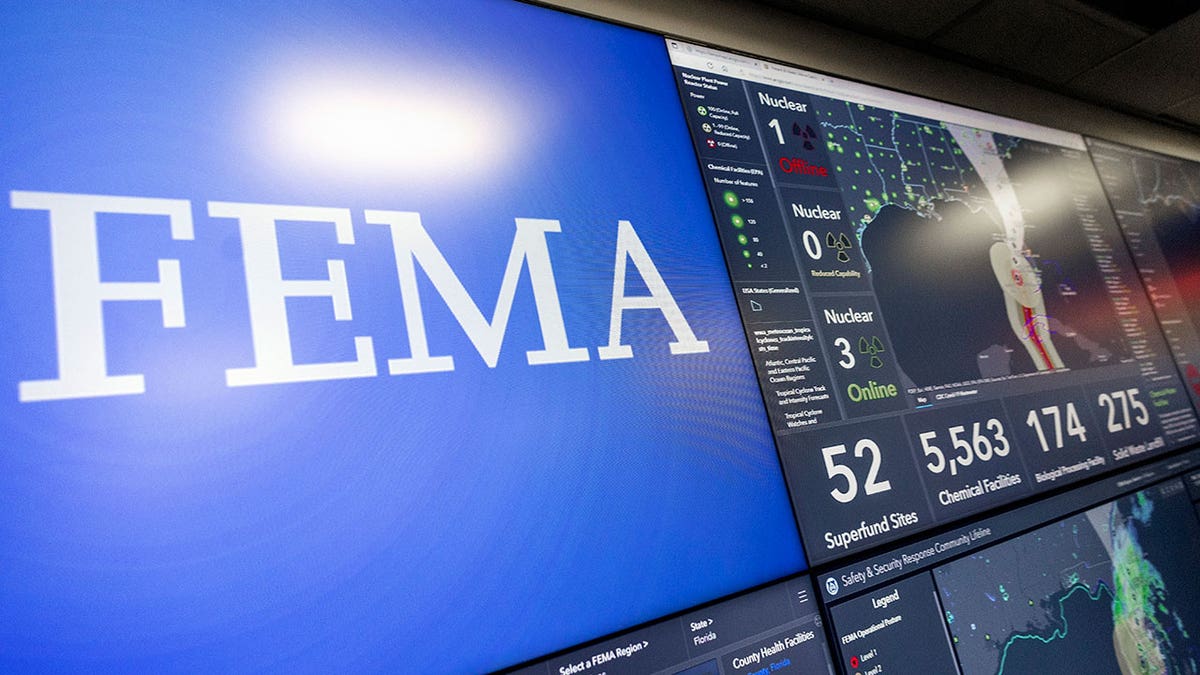
FEMA staffers working on major recovery efforts will remain on the sites and cannot return home unless their assignment ends, but no new personnel can join or relieve them without DHS approval. (Kevin Dietsch/Getty Images)
Asked about the importance of federal funding given recent extreme weather across the U.S. such as snow on the East Coast, flooding in California and fire disasters in the High Plains that forced evacuations, Halstead said it is «extremely critical» and that the delay in funds can impact the safety of local residents.
«It’s absolutely extremely critical for emergency managers, your fire departments as well as law enforcement, to utilize not just these partnerships and the resources, but the funding allocations so that they can plan effectively in responding, operational control of the disaster, and then getting into that recovery mode … Then sometimes that delay, it’s going to impact the safety and the welfare of Americans,» Halstead explained.
Republicans and Democrats in Congress have yet to reach a deal to end the partial shutdown, in large part due to Democrats’ demand for stricter oversight and reforms of Immigration and Customs Enforcement (ICE) following the fatal shootings last month of two U.S. citizens by federal agents in Minneapolis, which the GOP has thus far resisted.
President Donald Trump argued earlier this week that it is a «Democrat shutdown» and «has nothing to do with Republicans.»
Halstead said he would like lawmakers on Capitol Hill to negotiate in good faith to end the shutdown so that first responders will have «effective means to do our jobs safely and very, very efficiently.»
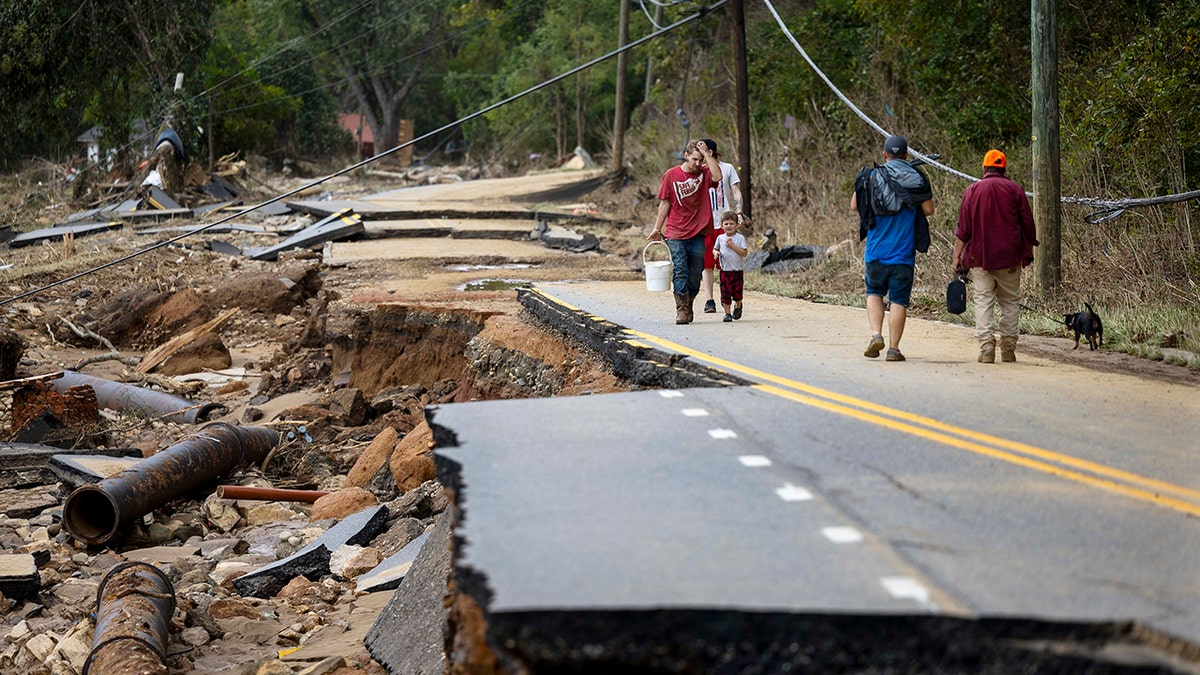
Recovery efforts are still ongoing in places like North Carolina, where Hurricane Helene devastated the region in the fall of 2024. (Travis Long/The News & Observer/Tribune News Service via Getty Images)
CLICK HERE TO DOWNLOAD THE FOX NEWS APP
«I know a lot of people are really upset because they leverage a significant political issue over a common funding agreement that should have been approved very quickly,» he said. «This has happened a lot in the last two to three years. We’ve seen shutdown after shutdown after shutdown. What a lot of citizens don’t realize is that when the government is shut down, all of this work — grant reviews, proposals, funding, disbursements — those are all delayed. Then there is a significant lag time getting back to an open government.»
«They’re still negotiating all these extremely politically sensitive topics that are really divisive within not just Capitol Hill, but really our country,» Halstead added. «Then all of that backlog is now taking even longer to get approved, funded and funds being dispersed. So it’s a compounding effect on all of our emergency managers and our first responders to do their jobs effectively.»
Halstead highlighted that a deal to reach the shutdown is unlikely before Trump’s State of the Union address next week, in which the president affirmed he would give the speech regardless, and that the ongoing delays in FEMA funding could last weeks.
«It may be another two weeks at least until we can get this funded and get it back open,» Halstead said. «But then we still have these significant backlogs. It will take a significant amount of time.»
government shutdown,homeland security,fema,disasters us,politics,weather,exclusive
INTERNACIONAL
La trama de reuniones clandestinas con un empresario chino que provocó la destitución del presidente peruano José Jerí
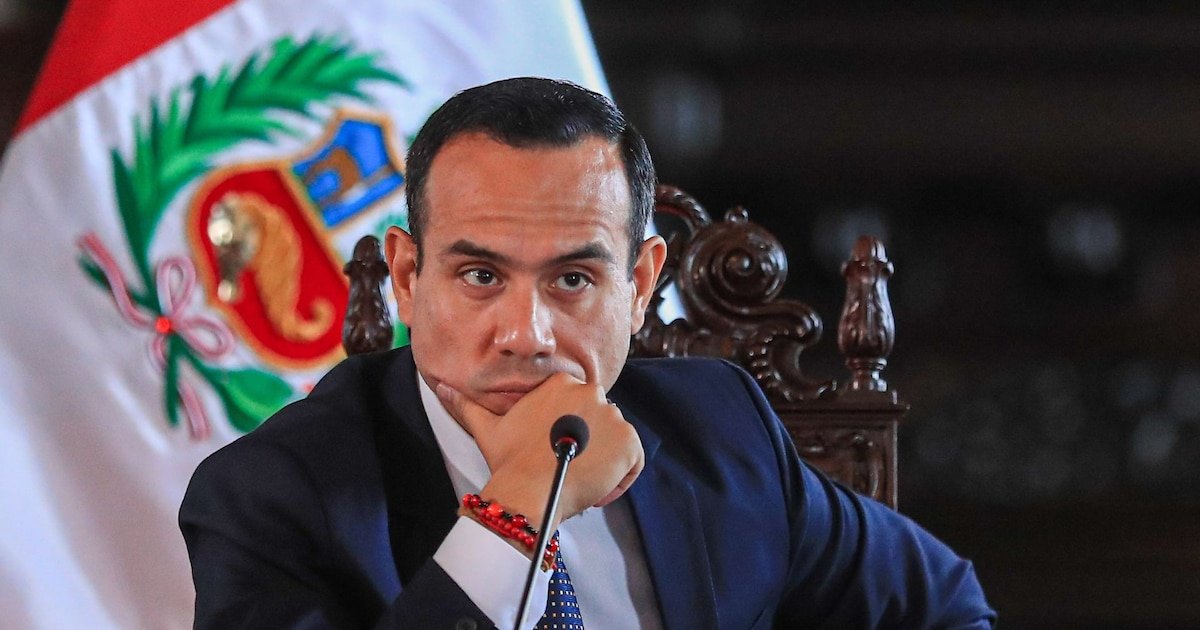
El Congreso de Perú destituyó el martes al presidente José Jerí, apenas cuatro meses después de que asumiera el cargo, tras un escándalo por reuniones no reveladas con un empresario chino. La medida prolonga la inestabilidad política que afecta al país andino desde hace años y convierte a Jerí en el tercer mandatario consecutivo removido del poder.
La votación registró 75 legisladores a favor de la destitución, 24 en contra y tres abstenciones. Con esa decisión, el Parlamento dejó vacante la jefatura del Estado y deberá elegir a un nuevo presidente del Congreso, quien asumirá automáticamente la presidencia de la República, lo que colocará a Perú ante su octavo mandatario en pocos años.
El escándalo que precipitó la caída, conocido como “Chifagate”, estalló cuando Jerí apareció en imágenes llegando de noche a un restaurante con capucha para reunirse con el empresario chino Zhihua Yang, propietario de tiendas y titular de una concesión energética. La cita no figuraba en la agenda oficial ni se comunicó públicamente.
Jerí había llegado al poder en octubre tras la destitución de su predecesora, Dina Boluarte, removida por el Congreso en medio de denuncias de corrupción y descontento social por el aumento de la delincuencia. Sin vicepresidente en funciones, Jerí —entonces titular del Parlamento— ocupó la presidencia por línea de sucesión.

Ese mismo carácter interino facilitó su salida. En lugar de un juicio político, que exige una supermayoría de 87 votos en un Congreso de 130 miembros, los legisladores aprobaron una censura que lo despojó de la presidencia del Parlamento con mayoría simple, lo que automáticamente lo sacó también de la jefatura del Estado.
La congresista Ruth Luque, que respaldó la medida, sostuvo que el objetivo es iniciar una transición centrada en la ciudadanía. “Pedimos que se ponga fin a esta agonía para que podamos realmente crear la transición que la ciudadanía anhela”, afirmó. También advirtió sobre prácticas opacas en la política reciente: “No una transición con intereses ocultos, tráfico de influencias, reuniones secretas y figuras encapuchadas. No queremos ese tipo de transición”.
El presidente del Congreso, Fernando Rospigliosi, se negó a asumir la presidencia pese a que la Constitución lo ubica como sucesor inmediato. Por ello, el Parlamento deberá elegir a un nuevo titular el miércoles, quien quedará automáticamente al frente del Ejecutivo.
Jerí manifestó que respetará la decisión legislativa. Su salida reproduce un patrón de destituciones rápidas que, según analistas, evidencia la incapacidad del sistema político para atender demandas sociales como seguridad y lucha contra la corrupción.

Michael Shifter, presidente del centro de estudios Diálogo Interamericano, consideró que la votación respondió también a cálculos electorales. “Me parece que no hay rastro de altruismo aquí, solo cálculos electorales”, señaló. “Muchos legisladores concluyeron que apoyar a Jerí los perjudicaría en las elecciones, así que tuvieron que actuar”.
La nueva transición se producirá a menos de dos meses de las elecciones generales previstas para el 12 de abril, en un escenario con decenas de candidatos y un electorado mayoritariamente indeciso, según encuestas recientes. La sucesión recuerda a la de 2020, cuando Francisco Sagasti asumió tras la breve presidencia de Manuel Merino y masivas protestas.
Pese a la turbulencia institucional, la economía peruana mostró resistencia. El país registró un crecimiento de 3,4% en 2025 y una inflación de 1,7%, cifras que reflejan estabilidad macroeconómica en un contexto político volátil, impulsada en gran parte por el sector minero.
La destitución de Jerí refuerza la percepción de un sistema político atrapado en ciclos de gobiernos breves y enfrentamientos entre poderes del Estado. Mientras el Congreso se prepara para designar a un nuevo líder, Perú encara otra transición acelerada con la incertidumbre de si el próximo mandatario logrará completar el camino hasta las elecciones.

Paro general de la CGT contra la reforma laboral, en vivo: las últimas noticias sobre la medida, este 19 de febrero

Es un juego que rompía la cuarta pared de una forma brillante y pegaba buenos sustos con ello. Ahora, su director sueña con ver un remake de Eternal Darkness

Fernando Espinoza fue sobreseído en la causa por abuso sexual

Soledad Villamil: “La falta de apoyo a la ficción tiene consecuencias, nadie contará nuestras historias”

Abren el caso Epstein en Francia: un lujoso piso en París y tres nenas francesas de 12 años «de regalo»

Esta es la cartera de inversión «ideal» en tiempos de dólar barato, según conocido broker de bolsa

Reforma laboral bomba: menos indemnización, más horas y despidos más fáciles — el cambio que puede sacudir el empleo en Argentina

Cristian Ritondo: “Vamos a apoyar la ley de modernización laboral, pero no el régimen de licencias por enfermedad”

El dólar no sólo cae en la Argentina: qué pasa con otras monedas emergentes y cuáles son las causas

Uno de los jefes de la CGT adelantó que convocarán a un paro general por la reforma laboral: “Trabajaremos para que sea una gran huelga”

 POLITICA1 día ago
Reforma laboral bomba: menos indemnización, más horas y despidos más fáciles — el cambio que puede sacudir el empleo en Argentina
- POLITICA2 días ago
Cristian Ritondo: “Vamos a apoyar la ley de modernización laboral, pero no el régimen de licencias por enfermedad”
- ECONOMIA2 días ago
El dólar no sólo cae en la Argentina: qué pasa con otras monedas emergentes y cuáles son las causas