INTERNACIONAL
Florida execs sentenced in $233M Obamacare fraud that targeted homeless, hurricane victims

NEWYou can now listen to Fox News articles!
FIRST ON FOX: The president of a Florida insurance brokerage firm and the CEO of a marketing company were sentenced Wednesday to 20 years each in prison for leading a sprawling, $233 million Affordable Care Act fraud scheme that preyed on Florida’s most vulnerable residents — including homeless and jobless individuals and newly displaced hurricane victims — to pocket millions in unearned commissions.
Cory Lloyd, 46, of Stuart, Florida, and Steven Strong, 42, of Mansfield, Texas, were convicted of conspiracy and fraud for their roles in the scheme, which involved lying and falsifying government forms to obtain coverage for individuals and lying to or bribing would-be enrollees to sign up for plans even when they knew doing so would cost them their existing insurance coverage. In addition to their prison time, the pair were ordered to pay $180.6 million in restitution to their victims.
Lloyd and Strong profited handsomely for years from the scheme, Justice Department officials said, using the proceeds to purchase luxury vehicles, an 80-foot yacht and an oceanfront home in the Florida Keys.
«Preying upon medically compromised consumers to rob hundreds of millions of taxpayer-funded programs is evil and unforgivable,» Attorney General Pam Bondi told Fox News Digital in a statement.
FEDERAL JUDGE BLOCKS TRUMP’S BID TO MOVE BIDEN-COMMUTED DEATH ROW INMATES TO ‘ALCATRAZ OF THE ROCKIES’
U.S. Attorney General Pam Bondi speaks alongside President Donald Trump. (Getty Images)
«Fraud schemes like this rob citizens and shake faith in our institutions. Today’s sentencing is the latest example of this DOJ’s commitment to fighting fraud nationwide,» Bondi said.
An estimated 35,000 individuals were fraudulently enrolled in Affordable Care Act plans during the years-long scheme led by Lloyd and Strong, Justice Department officials with knowledge of the case told Fox News Digital. The two sought more than $233 million in fraudulent payments, including about $180 million in federal Affordable Care Act funding.
«These defendants were sophisticated, licensed insurance brokers,» Assistant Attorney General A. Tysen Duva of the Justice Department’s Criminal Division said in a statement.
«They had everything and intentionally took advantage of people who had nothing. The message from these sentences is simple: Those who seek to line their own pockets with taxpayer dollars, victimize our most vulnerable and deplete federal programs will be held accountable.»
The two intentionally targeted people in the state who were experiencing homelessness and people experiencing mental health disorders, including addiction to opioids or other drugs, according to materials reviewed by Fox News Digital.
Prosecutors said at trial that Lloyd and Strong conspired to circumvent federal income and eligibility verification safeguards. They also intentionally submitted Medicaid applications designed to trigger denials, allowing them to steer those same individuals into fully subsidized Affordable Care Act plans outside the open enrollment period, maximizing commissions year-round.
TRUMP DOJ APPOINTEE THOMAS ALBUS TAPPED TO LEAD FULTON COUNTY SEARCH WARRANT FIGHT
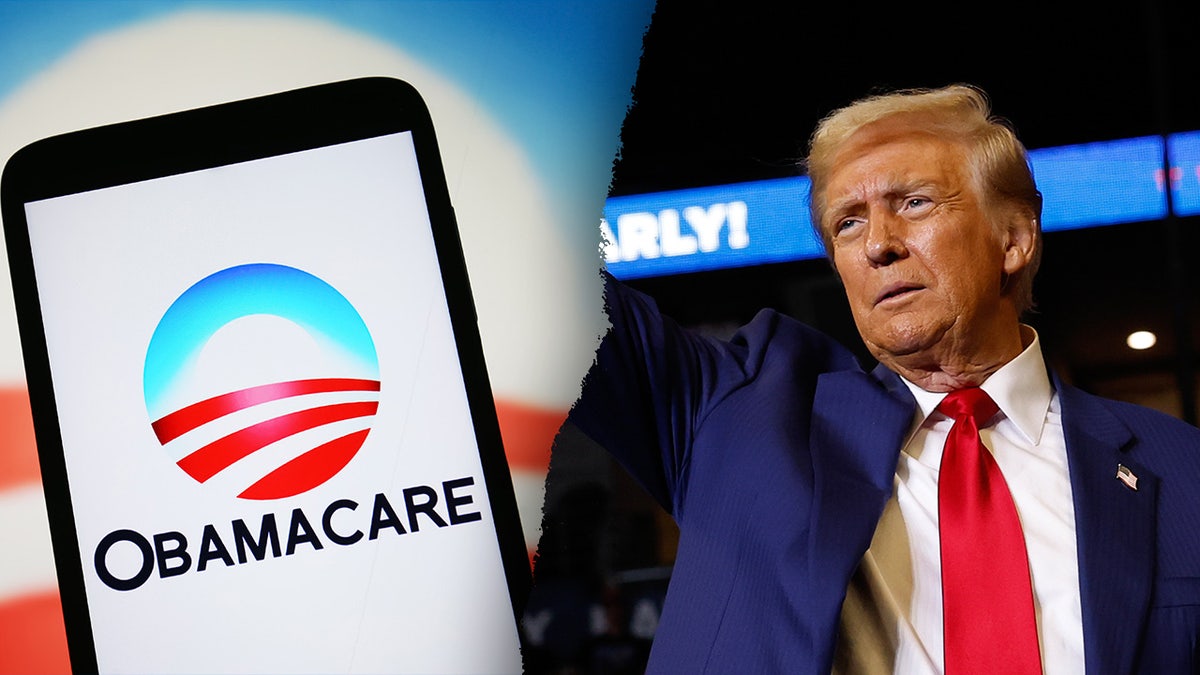
Former President Trump denied wanting to repeal the Affordable Care Act (Getty Images)
Their lavish lifestyle contrasted starkly with that of the individuals they lied to and scammed.
«One of the really awful things about the case is that it’s not only a scheme that’s taking money from the elderly and the disabled and defrauding the taxpayers, but that it actually resulted in real harm to the patients as well,» one Justice Department official said in an interview.
That harm included individuals losing access to life-saving treatments for opioid use disorders, mental health disorders and serious infectious diseases.
Text messages introduced at trial showed Strong and Lloyd discussing sending «street marketers» into Florida hurricane shelters to recruit enrollees.
In one text exchange, Strong suggested sending their team of «street marketers» into Florida hurricane shelters to recruit enrollees. Lloyd responded enthusiastically, stating, «It’s a killer idea, if we could pull it off!»
Prosecutors said the efforts were particularly harmful because they disrupted existing coverage plans and jeopardized access to treatment for serious conditions.
Many of the victims were experiencing homelessness or unemployment or qualified for Medicaid coverage — an insurance option for low-income or vulnerable populations that, in many cases, best suited their needs.
Jurors heard from a Jacksonville-based psychiatrist who treats homeless individuals and testified about the harm some of his patients suffered as a result of the fraud, which caused them to lose their Medicaid coverage.
This included an individual «living in the woods behind Walmart» who was suffering from schizoaffective disorder, a person familiar with the case told Fox News Digital.
EXCLUSIVE: TRUMP ADMIN NIXES GIANT WIND FARM APPROVED ‘LAST-MINUTE’ BY BIDEN TEAM
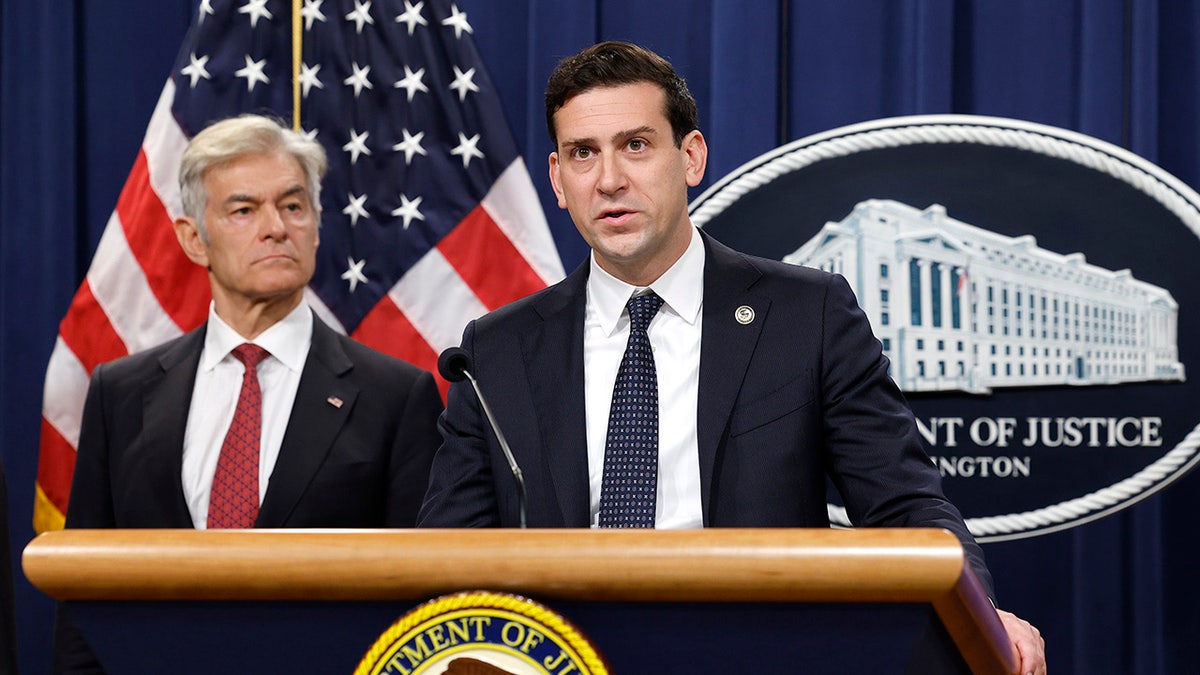
Matthew Galeotti, head of the Justice Department’s Criminal Division, joined by Centers for Medicare and Medicaid Services Administrator Mehmet Oz, delivers remarks during a press conference announcing the largest health care fraud case in history. (Kevin Dietsch/Getty Images)
Like others, this individual had previously been enrolled in Medicaid, which covered the entirety of a $2,000 shot used to treat the schizoaffective disorder. Enrollment in an Affordable Care Act plan caused the individual to lose that coverage.
The sentencing comes as the Justice Department has moved aggressively to crack down on healthcare fraud, including through its ongoing «strike force» program that operates across 25 federal districts and has resulted in criminal charges against about 5,000 individuals, according to information shared with Fox News Digital.
CLICK HERE TO GET THE FOX NEWS APP
It also comes as the DOJ’s Health Care Fraud Unit secured the largest national healthcare fraud takedown in its history in 2025, officials said, charging more than $15 billion in alleged losses and forfeitures and returning more than $560 million to the public.
Justice Department officials noted the amount is «many, many, many times our annual budget.»
donald trump,politics,justice department,crime world,national security,pam bondi










INTERNACIONAL
El complicado rescate de un piloto de Estados Unidos en el interior iraní tras una frenética búsqueda
Mientras el F-15E gris surcaba el cielo del suroeste de Irán el último viernes, un proyectil impactó contra el caza de 19 toneladas, derribándolo. Este incidente desencadenó una de las operaciones de búsqueda y rescate más complejas de la Fuerza Aérea estadounidense en territorio enemigo en décadas. Uno de los dos ocupantes fue rescatado el mismo día del derribo, pero el segundo debió esperar oculto hasta este domingo.
El oficial rescatado es un coronel, pero su identidad no fue revelada. Su extracción ocurrió en una arriesgada misión la noche del sábado que llevó a comandos de Estados Unidos a lo profundo del territorio enemigo, según dijo el presidente Donald Trump en las redes sociales a primera hora del domingo.
El terreno montañoso, la cercanía de tropas enemigas y el piloto herido complicaron el trabajo, dijeron fuentes militares a The New York Times. Finalmente, comandos del Equipo 6 de los Navy SEAL rescataron al oficial en una operación con cientos de efectivos de operaciones especiales y personal militar.
No hubo bajas estadounidenses entre el equipo de rescate. Todos los comandos y el oficial de armas regresaron sanos y salvos. Aviones de rescate trasladaron al aviador herido a Kuwait para recibir tratamiento médico.
En la operación participaron aviones cisterna y de carga C-130 y helicópteros H-60 que despegaron y comenzaron a volar a baja altura y a baja velocidad sobre las colinas cubiertas de maleza de Irán, según videos verificados por The Wall Street Journal.
Los dos tripulantes del F-15E Strike Eagle, el primero en ser derribado por fuego enemigo en la guerra que ya dura un mes, se eyectaron de la cabina el viernes ante un ataque iraní. El piloto fue rescatado rápidamente, pero no se pudo encontrar al oficial de sistemas de armas.
Ese mismo día, un segundo aparato de EE.UU., un avión de ataque A-10, también recibió disparos y el piloto se eyectó a salvo cayendo en territorio de Kuwait, un aliado de Washington en actual la guerra.
Desde el último viernes, el coronel rescatado se había estado escondiendo tras las líneas enemigas con poco más que una pistola como defensa. Tras eyectarse del F-15E, se escondió en una grieta de la montaña, y su paradero fue inicialmente desconocido tanto para los estadounidenses que intentaban rescatarlo como para los iraníes que intentaban capturarlo.
La CIA inició una campaña de engaño para confundir a las fuerzas iraníes y convencerlas de que el aviador ya había sido rescatado y estaba saliendo del país en un convoy terrestre, según informó el Times.
La agencia de inteligencia finalmente localizó el escondite del aviador y transmitió la información al Pentágono, que organizó la operación de rescate.
El derribo del F-15E y el accidente de otro avión de combate estadounidense, un A-10 Warthog, poco después el viernes, suscitaron dudas sobre los dichos de Trump de que EE.UU. controlaba el cielo iraní.
La misión para rescatar al miembro de la tripulación empleó a cientos de efectivos de fuerzas especiales, decenas de aviones de guerra y helicópteros estadounidenses, así como capacidades de inteligencia cibernética, espacial y de otro tipo.
El aviador eludió a las fuerzas iraníes durante más de 24 horas, llegando incluso a escalar una cresta de 2.134 metros, según informó un alto funcionario militar estadounidense. Aviones de ataque de EE.UU. lanzaron bombas y abrieron fuego contra convoyes iraníes para mantenerlos alejados de la zona donde se escondía el aviador.
El piloto rescatado ayer estaba equipado con una baliza y un dispositivo de comunicación segura para coordinarse con las fuerzas que realizaban el rescate. Sin embargo, restringió el uso de su baliza, ya que las fuerzas iraníes también podrían haber detectado su señal.
En un giro inesperado tras el rescate del oficial de armamento, dos aviones de transporte que llevarían a los comandos y a los aviadores a un lugar seguro quedaron atascados en una base remota en Irán.
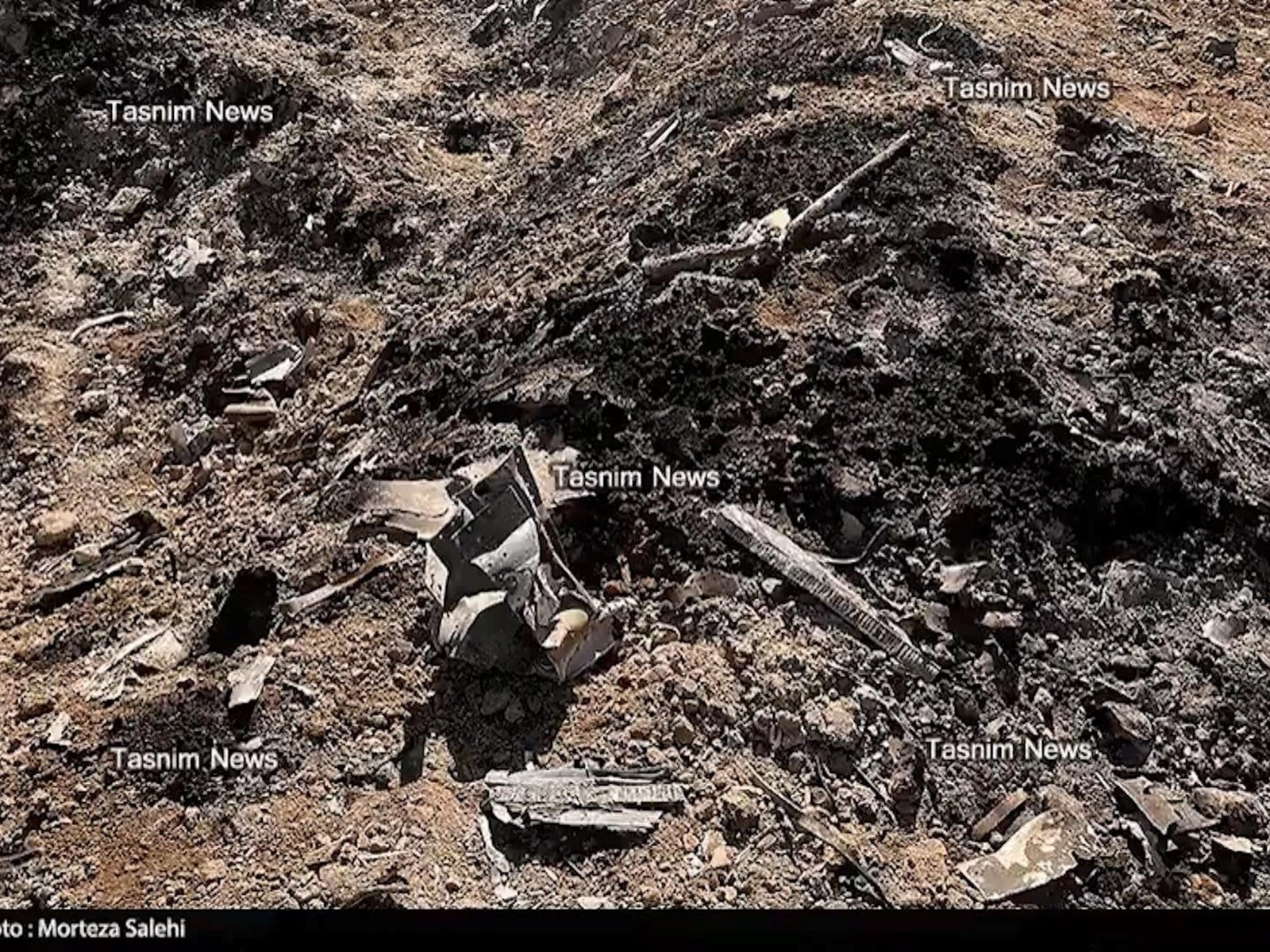
Los comandantes decidieron enviar tres aviones nuevos para evacuar a todo el personal militar estadounidense y al aviador, y optaron por destruir los dos aviones atascados para evitar que cayeran en manos iraníes. El domingo se observaron los restos del avión tras la operación de rescate. Irán dijo de inmediato que sus fuerzas habian derribado los dos aparatos, pero sin mostrar evidencias.
Agencias AP, AFP y The New York Times

NEWYou can now listen to Fox News articles!
Three people were killed, including a 10-month-old girl, after high winds toppled a tree in Germany during an Easter egg hunt on Sunday morning, according to authorities.
Around 50 people from a nearby residential facility for new mothers, pregnant women and children were attending the egg hunt in a wooded area near the town of Satrupholm at about 11 a.m. when a 100-foot tree fell on top of them, police said in a statement.
Four people became pinned under the tree, police said.
DUCK-HUNTING TRIP IN NEW ORLEANS TURNS DEADLY UNTIL LAST-MINUTE PRAYER BRINGS MIRACLE
A fallen tree lies in a wooded area south-east of Flensburg, Germany, on Sunday, April 5, 2026. (Daniel Reinhardt/picture alliance via Getty Images)
First responders arrived at the scene and first began treating a 21-year-old woman and a 16-year-old girl, but both died at the scene.
The woman’s 10-month-old daughter also later died at the hospital.
An 18-year-old woman sustained serious injuries and was rushed to the hospital in a helicopter.
The residential facility is part of the state-funded child welfare system, supporting pregnant women and new mothers who need help, according to its website.
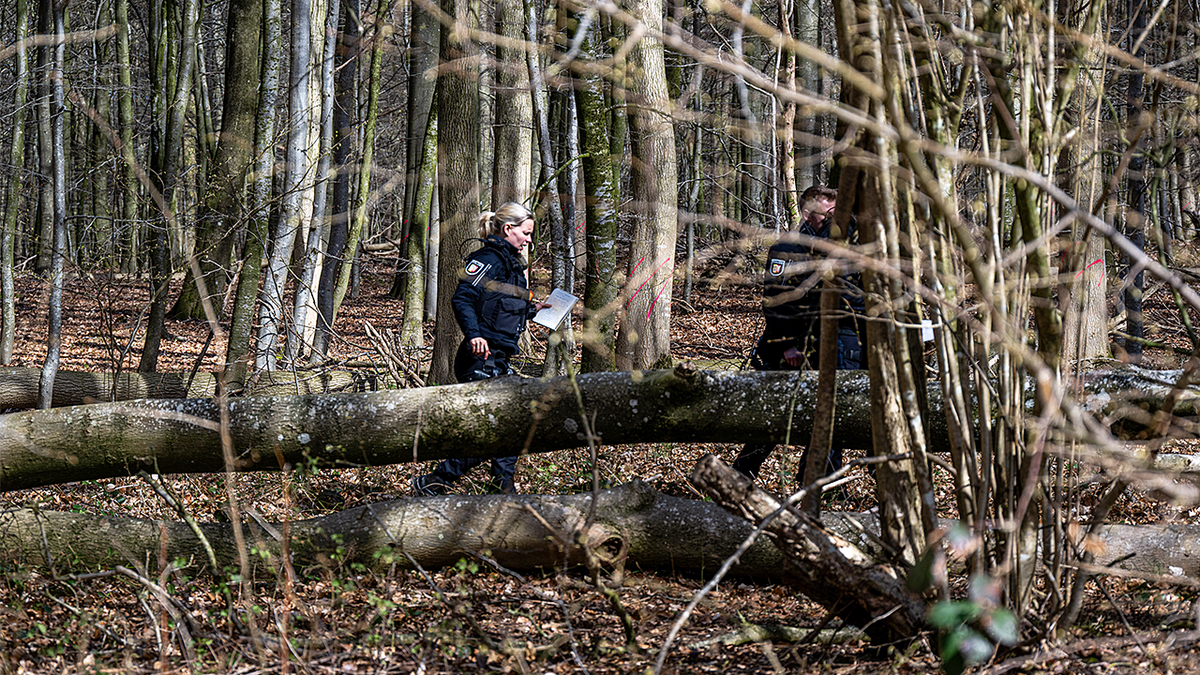
Police officers stand next to a fallen tree in a wooded area south-east of Flensburg, Germany, on Sunday, April 5, 2026. (Benjamin Nolte/dpa via AP)
Grief counselors were sent to the scene after the fatal incident on Sunday.
Pictures from the scene showed several Easter eggs scattered on the ground as two of the victims were seen covered in white sheets.
The German weather service had put the area under a high winds warning.
ONE DEAD AND DOZENS INJURED DURING PREGAME EVENT AT PERU SOCCER STADIUM
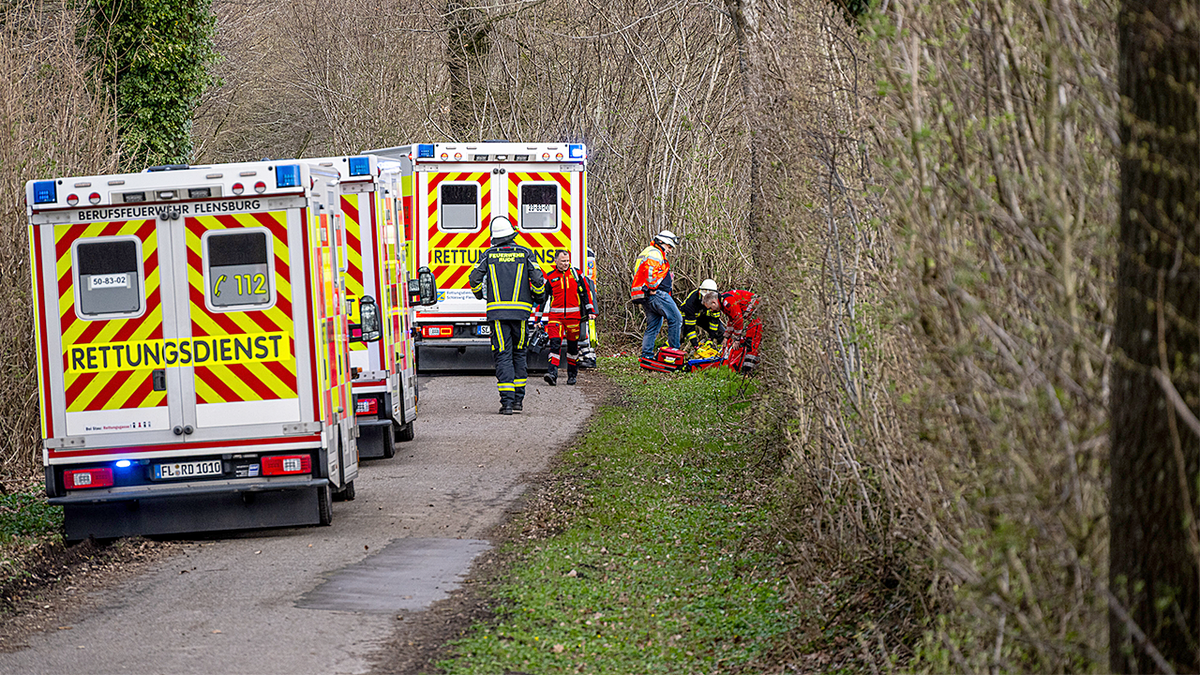
Rescue workers are on the scene after an accident in a wooded area south-east of Flensburg, Germany, on Sunday, April 5, 2026. (Benjamin Nolte/dpa via AP)
CLICK HERE TO DOWNLOAD THE FOX NEWS APP
Officials from the Schleswig-Holstein region, where the facility is located, said they were «deeply shaken» by the Easter tragedy.
«Our thoughts are with the family members of the dead, with the injured, and with everyone who had to experience this terrible occurrence,» regional Governor Daniel Günther, Interior Minister Magdalena Finke, and Youth and Families Minister Aminata Touré said in a joint statement to the dpa news agency.
The Associated Press contributed to this report.
germany, world, disasters, police and law enforcement

Detectar el dolor en los perros no siempre es tan sencillo como parece. Hay veces que los perros no gimen, no cojean ni se quejan, pero igual están sufriendo.
El dolor, cuando es sutil, se esconde en pequeños cambios: el perro se muestra menos juguetón, se aísla o actúa raro.
Muchas personas y hasta profesionales de la veterinaria no lo notan, y eso puede complicar mucho la vida del animal. Esos signos sutiles de dolor importan porque, si se detectan a tiempo, se puede evitar que el perro cargue con molestias durante meses o años.

Silvia Gardeweg, Dionne Picard e Ineke van Herwijnen forman parte del Grupo de Comportamiento Animal de la Facultad de Medicina Veterinaria de la Universidad de Utrecht en Países Bajos, y quisieron saber si las personas realmente detectan esos signos leves o si pasan desapercibidos.
En diálogo con Infobae, la líder del trabajo contó cómo se descubrió que la mayoría de las personas tiene dificultades para notar los síntomas más ocultos. Publicaron el estudio en la revista especializada Plos One.
El lenguaje secreto del dolor en perros
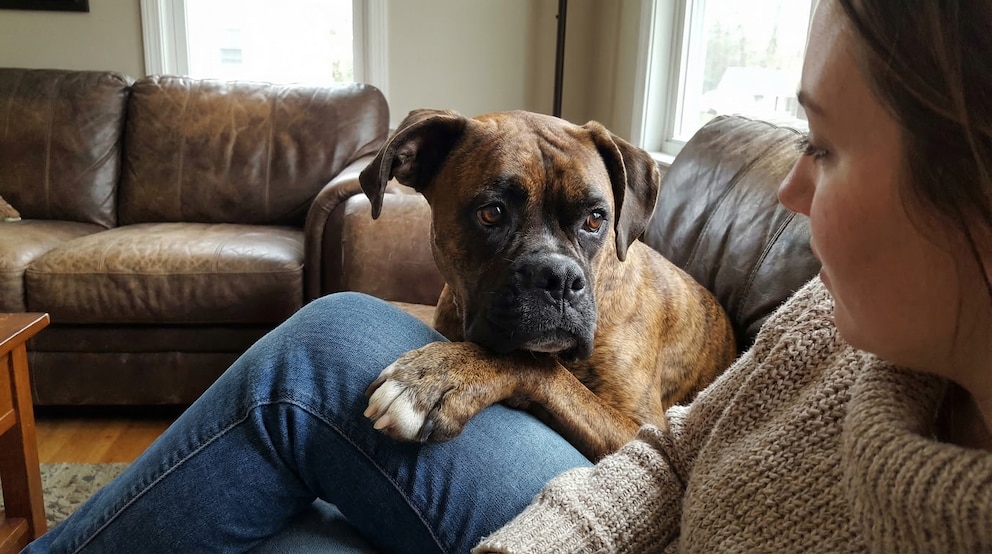
Antes de empezar con la investigación, las científicas se preguntaron por qué los signos sutiles de dolor se escapan tanto a la vista de las personas. Suelen confundirse con aburrimiento o mal ánimo.
Sin embargo, un perro que juega menos puede parecer perezoso, pero tal vez está sufriendo. Esto retrasa la visita al veterinario y agrava el problema.

La investigación buscó comparar si los responsables de perros y quienes no conviven con animales los reconocen igual. Hasta ahora, casi no había estudios que compararan a esos dos grupos de personas.
Detectar estos síntomas no es solo para evitar sufrimiento: puede prevenir problemas de conducta graves, como la agresión.
Lo que los gestos cuentan

Para investigar, las científicas diseñaron una encuesta en línea con 17 señales de dolor y tres casos de perros reales. Participaron 530 personas con perros y 117 que no tenían. Les pidieron que digan si cada señal les hacía pensar en dolor.
Algunos síntomas eran “cambios en la personalidad”, “levantar la pata con duda”, “menos ganas de jugar” y también otros menos obvios como “olfatear el aire”, “lamerse la nariz” y “bostezar”. No se explicó qué era dolor para que las respuestas fueran espontáneas.

Las viñetas del estudio describían tres situaciones: un perro con dolor sutil causado por panosteítis, que es una inflamación dolorosa y pasajera de los huesos largos; otro perro con dolor evidente por una luxación de rótula; y un tercer caso, sin dolor, que mostraba comportamiento de caza.
Los participantes leyeron cada historia y debían identificar la causa principal del comportamiento del perro en cada caso.
También calificaron la probabilidad de dolor de forma significativamente más alta en el caso que describía signos evidentes de dolor en el perro. Pero cuando los síntomas eran sutiles, responsables de perros y los otros que no lo eran fallaban casi igual.

En diálogo con Infobae, la profesora van Herwijnen señaló: “En nuestro estudio observamos que las personas que habían experimentado un evento doloroso, y en particular aquellas que habían tenido contacto con un perro que sufrió un evento doloroso, eran más propensas a interpretar señales sutiles de dolor”.
Consideró que los resultados “subrayan la importancia de la experiencia previa de las personas para reconocer estas señales en los perros”.
Por eso, plantearon que enseñar a las personas sobre el comportamiento canino puede ayudar mucho.

“Aún no se ha investigado qué tipo de entrenamiento resulta útil ni cómo debería aplicarse. Sin embargo, considerando el valor de la experiencia, es probable que el entrenamiento tenga beneficios”, aclaró.
Si el entrenamiento permite a las personas reconocer señales sutiles de dolor, los beneficios pueden incluir comprender el motivo de ciertos comportamientos en el perro.

“Si se interpreta erróneamente que el perro está aburrido o desobediente, suele haber menos paciencia. En cambio, entender que siente dolor permite ver su comportamiento de otra manera”, enfatizó.
Detectar las señales sutiles puede ayudar a prevenir problemas de conducta más graves o facilitar su resolución, como la agresión, cuando tiene origen en el dolor o la enfermedad.
“Reconocer a tiempo estas señales también posibilita evitar que el perro sufra más y que acceda a la consulta con el profesional de la veterinaria oportunamente”, afirmó.
Para el futuro, la investigadora consideró que “sería muy valioso estudiar si los signos de dolor en los perros se reconocen de manera diferente en distintas culturas”.

También sería interesante investigar si las diferencias culturales influyen en la percepción que tienen las personas sobre las experiencias de dolor en los perros y cómo afrontarlas.
“Es muy difícil que las familias reconozcan los cambios sutiles en los perros. Pueden ser signos de enfermedades oncológicas o de osteoartritis”, opinó Javier Brynkier, veterinario y docente especializado en clínica del dolor en la Facultad de Ciencias Veterinarias de la Universidad de Buenos Aires, al ser consultado por Infobae.
Es importante que los veterinarios compartan información con las personas que son tutoras de los perros. “La educación continua del entorno del animal hoy es clave”, concluyó Brynkier.
animal,basenji,bed,bedroom,bedspread,blanket,bored,boredom,brown,brunette,canine,cheerful,clever,closed eye,cold,comfort,comfortable,coverlet,creature,cuddle,cuddling,cute,dog,domestic,dormant,dreams,embrace,embracing,emotion,enjoyment,female,friend,friendship,fun,girl,green,happiness,holiday,home,hug,indoor,joy,love,pet,pink,romantic,sleep,sweet,winter,woman

El horóscopo de hoy: lunes 6 de abril

El oficialismo inicia el debate de la ley de propiedad privada en el Senado y analiza sesionar el jueves

A 40 años de la tarde inolvidable del Beto Alonso en la Bombonera: quién se llevó la pelota naranja y la promesa de la vuelta olímpica

Sólo en Off | Mauricio Macri, con casa y perro nuevo, más una apuesta “mundialista”

Juegos desaparecidos de Xbox 360 reaparecen fugazmente en la tienda de Xbox y disparan las esperanzas de ver emulación oficial entre consola y PC

Cuántos salarios se necesitan para construir una vivienda de 100 m2 en Buenos Aires

Milei se pone al frente de la defensa de Adorni y lo suma a un acto por Malvinas en una nueva muestra de respaldo

Oriana Sabatini sorprendió al elegir a una famosa como madrina de Gia, su hija con Paulo Dybala

La Armada sorteará 30 lugares en el buque que escoltará la salida de la Fragata Libertad: cómo anotarse

La nueva advertencia de Donald Trump a Irán: «El tiempo se acaba, quedan 48 horas antes del infierno»

 INTERNACIONAL1 día ago
La nueva advertencia de Donald Trump a Irán: «El tiempo se acaba, quedan 48 horas antes del infierno»
- POLITICA21 horas ago
Círculo rojo: intrigas en el gabinete, desgaste por el caso Adorni y movimientos inquietantes en el Poder Judicial
- POLITICA1 día ago
Créditos del Banco Nación: el Gobierno reveló que Pettovello echó a Massaccesi porque “mintió”