INTERNACIONAL
Fitch valora reducción del déficit, pero señala debilidades fiscales en Panamá


La reducción del déficit fiscal en Panamá durante 2025 fue presentada por el gobierno como una señal de corrección de las finanzas públicas y de recuperación tras años de presiones presupuestarias.
Las cifras oficiales muestran que el balance fiscal mejoró de forma significativa, apoyado en mayor recaudación, control del gasto y operaciones de manejo de deuda que permitieron reducir pagos de intereses. .
Sin embargo, el panorama fiscal todavía enfrenta desafíos estructurales, especialmente por el ritmo de crecimiento de la deuda y la necesidad de consolidar el ajuste sin afectar inversión y servicios públicos.
En ese contexto, el análisis más reciente de Fitch Ratings introduce un matiz relevante: la calificadora reconoce la caída del déficit, pero advierte que la mejora no es suficiente para frenar el aumento del endeudamiento ni garantizar la estabilización de la relación deuda/PIB.

Fitch sostiene que el ajuste fiscal de 2025 se apoyó en factores puntuales y en decisiones con margen limitado de repetición, lo que mantiene abiertas interrogantes sobre la sostenibilidad de las finanzas públicas.
Según el informe, el déficit del Sector Público No Financiero (SPNF) se redujo a 3.7% del PIB en 2025, desde 6.2% en 2024, e incluso por debajo de la meta gubernamental de 4.0%.
El resultado confirma un ajuste significativo, pero Fitch subraya que parte de la mejora responde a elementos transitorios, como el menor pago de compromisos acumulados del año previo y el repunte de ingresos del Canal de Panamá tras la sequía.
En términos prácticos, el informe explica que en 2024 el Estado tuvo que enfrentar una mayor carga de pagos pendientes acumulados, lo que elevó el déficit de ese año.
En 2025, al reducirse esa presión, el resultado fiscal mejoró automáticamente, sin que ello implique necesariamente una transformación estructural del gasto público. Fitch considera que esta dinámica ayuda a entender por qué el déficit bajó, pero no elimina la necesidad de ajustes permanentes.

Otro factor relevante fue el impacto contable de la reforma previsional de la Caja de Seguro Social (CSS), que reclasificó como ingresos de la institución recursos que antes se registraban en cuentas individuales.
Esta modificación contribuyó a mejorar la medición del déficit, aunque Fitch advierte que el efecto es principalmente contable y no sustituye una consolidación fiscal estructural.
El informe también destaca el comportamiento de los ingresos Fitch reconoce un repunte de 9% en la recaudación tributaria, apoyado en mayor fiscalización y actividad económica, pero señala que el resultado convivió con una caída en las contribuciones de planilla a la CSS, pese a mayores aportes del lado empleador tras la reforma previsional.
Para la calificadora, este comportamiento refleja debilidad del mercado laboral y niveles elevados de informalidad, factores que limitan la sostenibilidad del ajuste fiscal.
La principal advertencia del análisis se centra en la deuda. . A pesar de la reducción del déficit, la deuda pública bruta aumentó en $5,500 millones y alcanzó $59,400 millones, situándose en 66% del PIB, por encima de la proyección oficial.
En otras palabras, Fitch concluye que el ajuste fiscal no se tradujo en una desaceleración del endeudamiento, lo que mantiene el riesgo sobre la trayectoria fiscal de mediano plazo.

Parte de la explicación está en el Gobierno Central, cuyo déficit alcanzó 5.2% del PIB, muy por encima del 3% previsto en el presupuesto. Fitch agrega que el endeudamiento neto fue aún mayor, situándose en 6% del PIB, con un financiamiento neto de 6.6% del PIB, lo que evidencia presiones de liquidez que no se reflejan plenamente en el resultado fiscal del SPNF.
El ministro de Economía y Finanzas, Felipe Chapman, ha señalado que el déficit del Sector Público No Financiero se ubicó en 3.68% del Producto Interno Bruto, una disminución cercana al 40% respecto al año anterior, equivalente a más de 2,069 millones de dólares.
El titular de Economía explicó que este resultado se alcanzó gracias a una combinación de disciplina fiscal, reducción del gasto, mejor recaudación y fortalecimiento institucional. Chapman señaló que esta mejora se tradujo en una disminución directa de las tasas de interés que paga el Estado y, de forma progresiva, en mejores condiciones crediticias4 para empresas y ciudadanos.
Como resultado, el país generó ahorros acumulados cercanos a 475 millones de dólares en el servicio de la deuda, recursos que ahora pueden destinarse a áreas prioritarias.
De acuerdo con el ministro, estos ahorros permiten cubrir una parte significativa del subsidio a las pensiones de la Caja de Seguro Social, uno de los compromisos centrales del actual Gobierno. Explicó que el objetivo ha sido garantizar el pago a los jubilados actuales y fortalecer el sistema para las futuras generaciones sin recurrir a endeudamiento excesivo ni a medidas traumáticas.

La calificadora también introduce preocupaciones sobre la transparencia fiscal y la calidad del proceso presupuestario. . Fitch señala que las necesidades adicionales de financiamiento respondieron a pagos de obligaciones no contempladas inicialmente, y advierte que este tipo de eventos podría repetirse, generando incertidumbre en los mercados sobre la previsibilidad de las cuentas públicas.
Uno de los pilares del ajuste fiscal de 2025 fue la reducción de la inversión pública, que cayó a 4% del PIB, su nivel más bajo en dos décadas. Fitch advierte que el margen para profundizar este recorte es limitado, dado el descontento ciudadano por la calidad de servicios de educación, salud y agua.
Además, una parte del ajuste se explica por el aplazamiento de pagos del proyecto llave en mano del Metro de Panamá, lo que reduce el gasto en 2025-2026 pero incrementará desembolsos entre 2027 y 2030.
En paralelo, el gobierno ha intentado mejorar su perfil financiero con operaciones de manejo de pasivos y nuevas emisiones. Una reciente transacción permitió reducir el saldo de deuda en $204 millones y generar ahorros anuales en intereses cercanos a $30 millones, con una demanda internacional superior a $13,000 millones.
La operación incluyó emisiones con vencimientos en 2034 y 2038, con tasas de 5.2% y 5.6%, respectivamente, lo que el Ejecutivo considera una señal de confianza de los mercados.
Fitch, sin embargo, insiste en que la estabilización de la deuda requerirá mayor consolidación fiscal estructural, combinando medidas de ingresos, control del gasto y mejoras en transparencia.

La calificadora observa que el gobierno no contempla una reforma tributaria y apuesta por medidas administrativas para elevar la recaudación, mientras evalúa cambios en aumentos salariales automáticos y en la regla que fija el presupuesto educativo en 7% del PIB.
El informe identifica además la posible reapertura de la mina Cobre Panamá como una fuente potencial de ingresos adicionales. . Aunque las perspectivas han mejorado, el proceso sigue sujeto a auditorías ambientales, negociaciones con la empresa First Quantum y posibles tensiones sociales, lo que introduce incertidumbre sobre su impacto fiscal.
En síntesis, Fitch plantea un diagnóstico de doble lectura: Panamá logró una mejora fiscal relevante en 2025, pero el desafío clave permanece en la trayectoria de la deuda y en la necesidad de consolidar el ajuste con medidas permanentes.
El escenario para 2026 se perfila como un equilibrio entre disciplina fiscal, crecimiento económico y presiones sociales, en un contexto donde la credibilidad del manejo presupuestario será determinante para la percepción de riesgo soberano.
americas,buildings,business news,central american,cityscape,containers,copper,economy,industries,latam,latin, latam,marine transport,markets,mines,mining,natural resources,panama,panamanian,port of balboa,sea ports and terminals,skyline,skyscrapers,transportation and logistics,urban scene












INTERNACIONAL
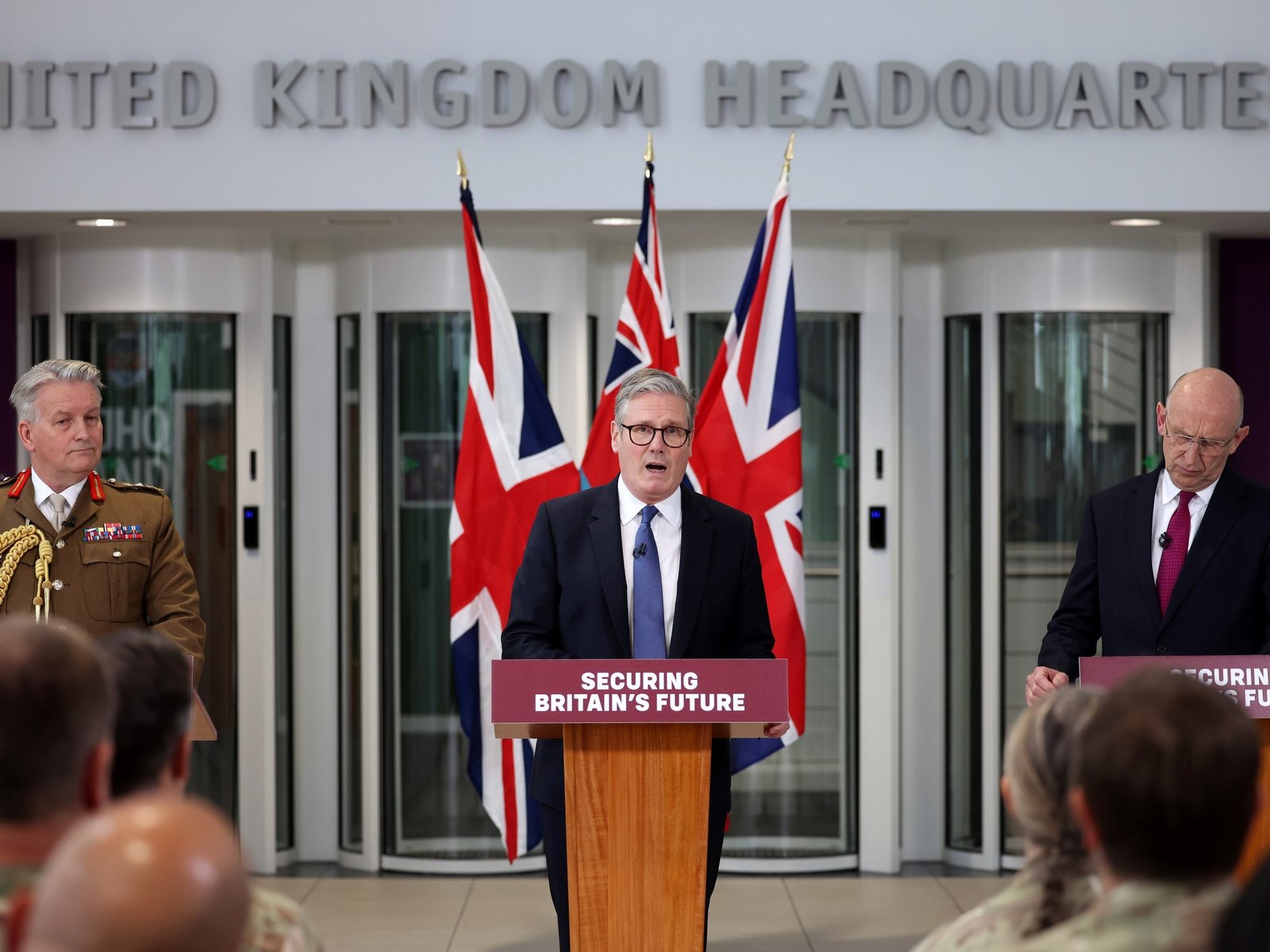
Donald Trump se mete en la disputa por una isla en el Océano Índico y choca con Gran Bretaña
Desalojo
¿Qué quiere el gobierno de Donald Trump?

“Un gran error»

La importancia de la isla Diego García
Rechazo en Gran Bretaña
La base para atacar a Irán
INTERNACIONAL
GOP rips FISA court for tapping ex-Biden ‘disinformation’ lawyer to advise on surveillance
NEWYou can now listen to Fox News articles!
Republican lawmakers called it «insane» that the secretive Foreign Intelligence Surveillance Court appointed to a key advisory panel a lawyer with past ties to the Biden administration’s controversial Disinformation Governance Board.
Judges on the FISC appointed Jennifer Daskal this month to serve as an amicus curiae, meaning Daskal is now among a small group of lawyers designated to advise the secretive court, which approves warrants for federal authorities to surveil targets for foreign intelligence purposes. The GOP lawmakers say Daskal’s history with the disinformation board raises worries about her ability to discern whether warrants are appropriate.
«The same person who helped to build a board to censor American speech now advises judges on how to protect American liberties,» House Judiciary Committee Chairman Jim Jordan, R-Ohio, told Fox News Digital in a statement. «That’s ridiculous — and exactly why Congress must continue our oversight.»
HOUSE PASSES FISA RENEWAL WITHOUT ADDED WARRANT MANDATE FOR US DATA
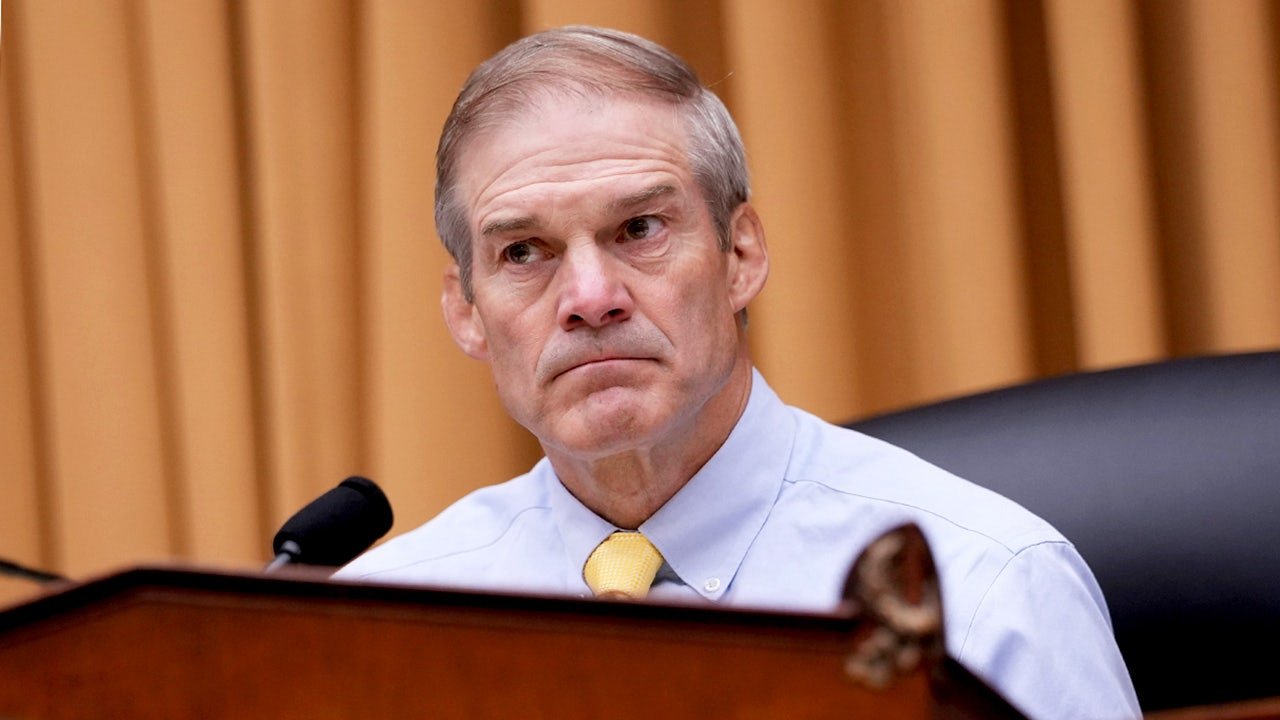
Rep. Jim Jordan, R-Ohio, looks on during a hearing with the House Judiciary Committee in the Rayburn House Office Building on Sept. 3, 2025, in Washington, D.C. (Kevin Dietsch/Getty Images)
Sen. Eric Schmitt, R-Mo., echoed Jordan’s concerns, saying Daskal’s appointment was «insane» and calling for reforms to the FISC.
Schmitt shared a video of himself on X questioning Daskal during a hearing about what he called the Biden administration’s «censorship enterprise,» referencing Daskal’s role in aiming to dispel what the administration viewed as inaccurate information about COVID-19 masks and vaccines and information about election security.
FISC proceedings are classified and «ex parte,» meaning a judge reviews the federal government’s warrant application and the target of the warrant has no awareness of the proceedings. A judge reviewing the application can, however, turn to an amicus curiae to present counterpoints to the government’s application, meaning Daskal is among a handful of lawyers who could be tapped to argue against allowing the government to wiretap a person’s phones or otherwise surveil them.

The logo of the Federal Bureau of Investigation (FBI) is seen at the Los Angeles Federal Building after a news conference to provide an update on the investigation into a May 18, 2025, bombing at a fertility clinic in Palm Springs, California, on June 4, 2025, in Los Angeles. (PATRICK T. FALLON/AFP via Getty Images)
Under the Foreign Intelligence Surveillance Act, the government has access to these powerful spy tools for foreign intelligence purposes, but it has sometimes, whether inadvertently or intentionally, improperly targeted U.S. citizens.
Building more guardrails into the legislation has long been a point of contention for privacy hawks. Republicans, in particular, became highly critical of the FISC after finding that the court approved the FBI’s warrant applications, which contained flimsy and inaccurate evidence, to surveil Trump campaign aide Carter Page beginning in 2016.
Senate Judiciary Committee Chairman Chuck Grassley, R-Iowa, told the Washington Free Beacon, which first reported on Daskal’s appointment, that the «American people need to have confidence in the people tasked to serve as amici» before the FISC. Grassley pointed to a bill he introduced, the FISA Accountability Act, which would allow Congress to have a say in who is chosen as an amicus curiae.
Jordan and Grassley have been some of the most vocal proponents of reining in the federal government’s use of FISA after identifying instances in recent years of intelligence officials allegedly abusing their authority and infringing on U.S. citizens’ Fourth Amendment right to privacy. In the case of Page, DOJ inspector general Michael Horowitz released a report in 2019 that identified more than a dozen «significant errors or omissions» across the FBI’s four warrant applications used to surveil the former Trump aide. Daskal, in her new role, could offer confidential, weighty legal arguments to a FISC judge that support or oppose intelligence officials’ requests to surveil someone.
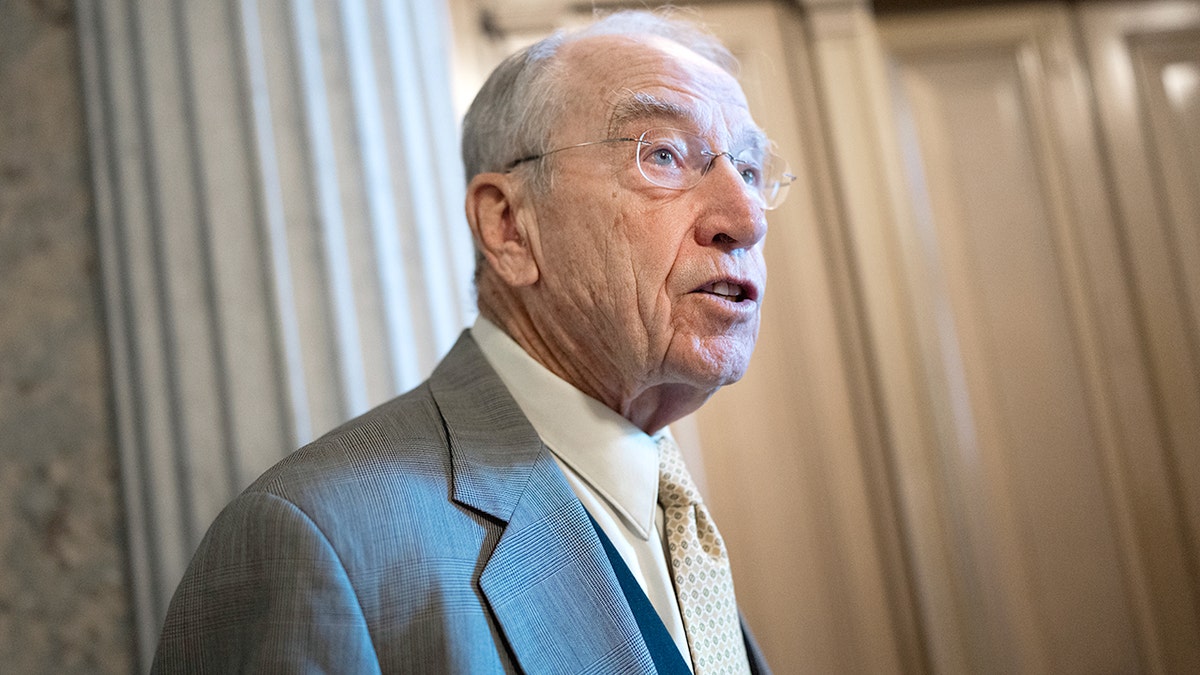
Sen. Chuck Grassley, R-Iowa, is seen in the U.S. Capitol during votes related to the government shutdown on Thursday, October 16, 2025. (Tom Williams/CQ-Roll Call, Inc via Getty Images)
Daskal served as a top lawyer in the Department of Homeland Security when she helped launch the Disinformation Governance Board. Conservatives heavily criticized it, describing the board as a «Ministry of Truth» that sought to censor their viewpoints in violation of the First Amendment.
Daskal chartered the board, while Nina Jankowicz was named its executive director, an appointment that fueled Republicans’ fury over it after finding Jankowicz’ past social media posts that they said revealed she was too partisan. Jankowicz, for instance, cast doubt on the New York Post’s bombshell story in 2020 about Hunter Biden’s laptop, which she said fit a pattern of Russian «information laundering.» Biden administration officials vehemently objected to the claims in the New York Post’s story about Joe Biden’s handling of Ukrainian foreign policy, though the authenticity of the laptop itself has been verified through court proceedings.
CLICK HERE TO DOWNLOAD THE FOX NEWS APP
Republicans put so much pressure on DHS about the board — calling it an «abuse of taxpayer dollars» and raising alarm that it painted policy disagreements over COVID-19, election security and immigration as mis- or dis- information — that it disbanded just a few months after its launch.
In Daskal’s hearing exchange with Schmitt, Daskal said «it’s not appropriate for the government to censor any points of view.» Daskal did not respond to a request for comment for this story.
fbi,judiciary,congress
INTERNACIONAL
Russia urges Iran, ‘all parties’ in Middle East to show restraint amid US military buildup

NEWYou can now listen to Fox News articles!
Russia warned Iran and «all parties in the region to exercise restraint and caution» Thursday amid a U.S. military buildup in the Middle East.
Kremlin spokesman Dmitry Peskov made the remark as the world’s largest aircraft carrier, the USS Gerald R. Ford, and its strike group are moving from the Caribbean toward the Middle East.
«Russia continues to develop relations with Iran, and in doing so, we call on our Iranian friends and all parties in the region to exercise restraint and caution, and we urge them to prioritize political and diplomatic means in resolving any problems,» Peskov said Thursday, according to Reuters.
«Right now, we are indeed seeing an unprecedented escalation of tensions in the region. But we still expect that political and diplomatic means and negotiations will continue to prevail in the search for a settlement,» he added.
WORLD’S LARGEST AIRCRAFT CARRIER HEADS TO MIDDLE EAST AS IRAN NUCLEAR TENSIONS SPIKE DRAMATICALLY
A F-18E fighter jet takes off from aircraft carrier USS Gerald R. Ford as it sails during NATO Neptune Strike 2025 exercise on Sept. 24, 2025, in the North Sea. (Jonathan Klein/AFP via Getty Images)
The move of the USS Gerald R. Ford would place two aircraft carriers and their accompanying warships in the region. The USS Abraham Lincoln and three guided-missile destroyers arrived in the Middle East more than two weeks ago.
Negotiations between the United States and Iran over the latter’s nuclear program advanced Tuesday toward what Tehran described as the beginning of a potential framework, but sharp public divisions between the two sides underscored how far apart they remain.
IRAN FIRES LIVE MISSILES INTO STRAIT OF HORMUZ AS TRUMP ENVOYS ARRIVE FOR NUCLEAR TALKS

The USS Gerald R. Ford is heading toward the Middle East as tensions with Iran escalate and President Donald Trump demands full nuclear dismantlement. (Jonathan Klein/AFP via Getty Images)
Iranian foreign minister Abbas Araghchi said the two sides reached a «general agreement on a number of guiding principles» and agreed to begin drafting text for a possible agreement, with plans to exchange drafts and schedule a third round of talks.
Yet Washington has publicly insisted that any agreement must result in the dismantling of Iran’s nuclear program — including its enrichment capacity — along with limits on Tehran’s ballistic missile program and an end to its support for allied militant groups such as Hamas and Hezbollah.

The world’s largest aircraft carrier, USS Gerald R. Ford, is seen in the North Sea during NATO Neptune Strike 2025 exercise in September 2025. (Jonathan Klein/AFP via Getty Images)
CLICK HERE TO DOWNLOAD THE FOX NEWS APP
Those demands go well beyond temporary enrichment pauses or technical adjustments.
Fox News Digital’s Greg Wehner and Morgan Phillips contributed to this report.
iran,russia,military,nuclear proliferation,middle east,world

Donald Trump se mete en la disputa por una isla en el Océano Índico y choca con Gran Bretaña

Un informe privado alertó sobre “problemas de diseño” del Fondo de Asistencia Laboral: cuál es la propuesta alternativa

Adam Bareiro se convertirá en nuevo refuerzo de Boca Juniors: los detalles del pase

Todos lo dábamos por muerto, pero todavía no. El shooter más polémico de 2026 tendrá una última oportunidad

Las vacaciones de Floppy Tesouro y Salvador Becciu en el Caribe: Mar, relax y romance

Paro de la CGT: el Gobierno evalúa sancionar a la UTA y La Fraternidad por haber incumplido la conciliación obligatoria

Reforma laboral bomba: menos indemnización, más horas y despidos más fáciles — el cambio que puede sacudir el empleo en Argentina

Cristian Ritondo: “Vamos a apoyar la ley de modernización laboral, pero no el régimen de licencias por enfermedad”

El dólar no sólo cae en la Argentina: qué pasa con otras monedas emergentes y cuáles son las causas

Tras el anuncio de la CGT, también habrá paro total de los medios de transporte de pasajeros en el país

 POLITICA2 días ago
Reforma laboral bomba: menos indemnización, más horas y despidos más fáciles — el cambio que puede sacudir el empleo en Argentina
- POLITICA3 días ago
Cristian Ritondo: “Vamos a apoyar la ley de modernización laboral, pero no el régimen de licencias por enfermedad”
- ECONOMIA3 días ago
El dólar no sólo cae en la Argentina: qué pasa con otras monedas emergentes y cuáles son las causas