INTERNACIONAL
Trump says Iran wants to talk but who will lead after Khamenei?


NEWYou can now listen to Fox News articles!
As the White House confirmed on Sunday, the Islamic Republic of Iran’s leadership has contacted the U.S. asking for talks. The list of potential successors to replace Ayatollah Ali Khamenei, who was killed on Saturday by an Israeli airstrike, includes his son and former advisers.
Since the establishment in 1979 of the Islamic Republic, led by the fiery anti-American Ayatollah Ruhollah Khomeini, this will be only the second time that a new supreme leader has been selected.
The potential successors to Khamenei include a list of hard-line anti-Western extremists who, like Khamenei, are set on the destruction of Israel and the continued export of the Islamic revolution.
Ali Larijani warned Trump that US interference would ‘destroy America’s interests’ after president’s protest comments. (Str/Xinhua via Getty Images)
Ali Larijani
One possible successor is regime loyalist Ali Larijani, the secretary of the Supreme National Security Council, who reportedly implemented Khamenei’s plan to massacre over 30,000 Iranians who protested against his regime in January.
On Saturday, he threatened a response in a statement on X on Saturday, writing, «We will make the Zionist criminals and the vile Americans regret it,» adding, «The brave soldiers and the great nation of Iran will deliver an unforgettable lesson to the hell-bound oppressors of the international order.»
In January, the U.S. Department of the Treasury’s Office of Foreign Assets Control (OFAC) sanctioned Larijani as one of «the architects of the Iranian regime’s brutal crackdown on peaceful demonstrators.» The statement added, «Larijani was one of the first Iranian leaders to call for violence in response to the legitimate demands of the Iranian people.»
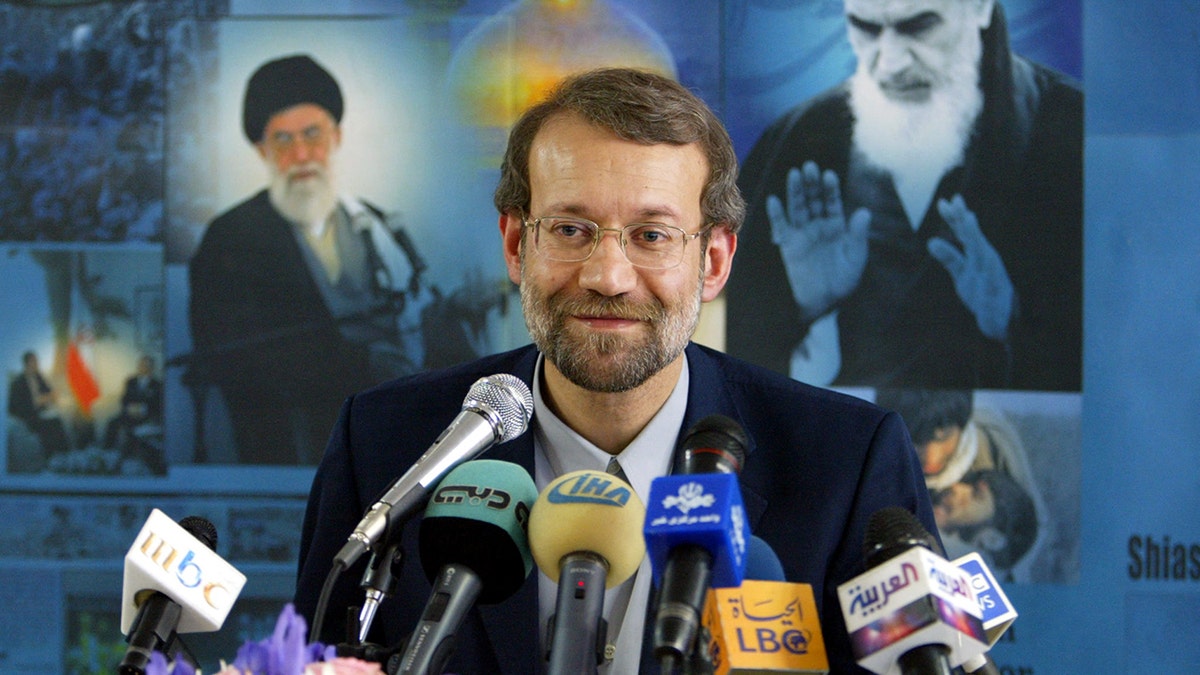
Ali Larijani, addresses a press conference in Tehran, Iran. (Henghameh Fahimi/AFP via Getty Images)
Larijani was the president of the Islamic Republic’s parliament and, like Khamenei, has engaged in Holocaust denial. Larijani was also a commander for the Islamic Revolutionary Guard Corps (IRGC), a U.S. and EU-designated terrorist organization.
TOMAHAWKS SPEARHEADED US STRIKE ON IRAN — WHY PRESIDENTS REACH FOR THIS MISSILE FIRST
Beni Sabti, an Iran expert at the Institute of National Security Studies in Israel, questioned reports claiming that Larijani is favorite to be the next supreme leader. He told Fox News Digital, «Larijani is not a cleric, but he can help some of the candidates who are clerics behind the curtains, such as his brother, Mohammad-Javad Larijani, who was head of the judiciary.»
Mohammad-Javad Larijani

The secretary general of the High Council for Human Rights of the Islamic Republic of Iran, Mohammad-Javad Larijani, attends a meeting with foreign ambassadors in Iran, on June 24, 2019, in the capital Tehran. (Atta Kenare/AFP via Getty Images)
Mohammad-Javad Larijani has called for the destruction of Israel and denied the Holocaust. He was previously secretary general of Iran’s high council for human rights.
As a close adviser to the late supreme leader, he has defended stoning for adultery, declaring it protects «family values» as part of Islamic law.
Mojataba Khamenei
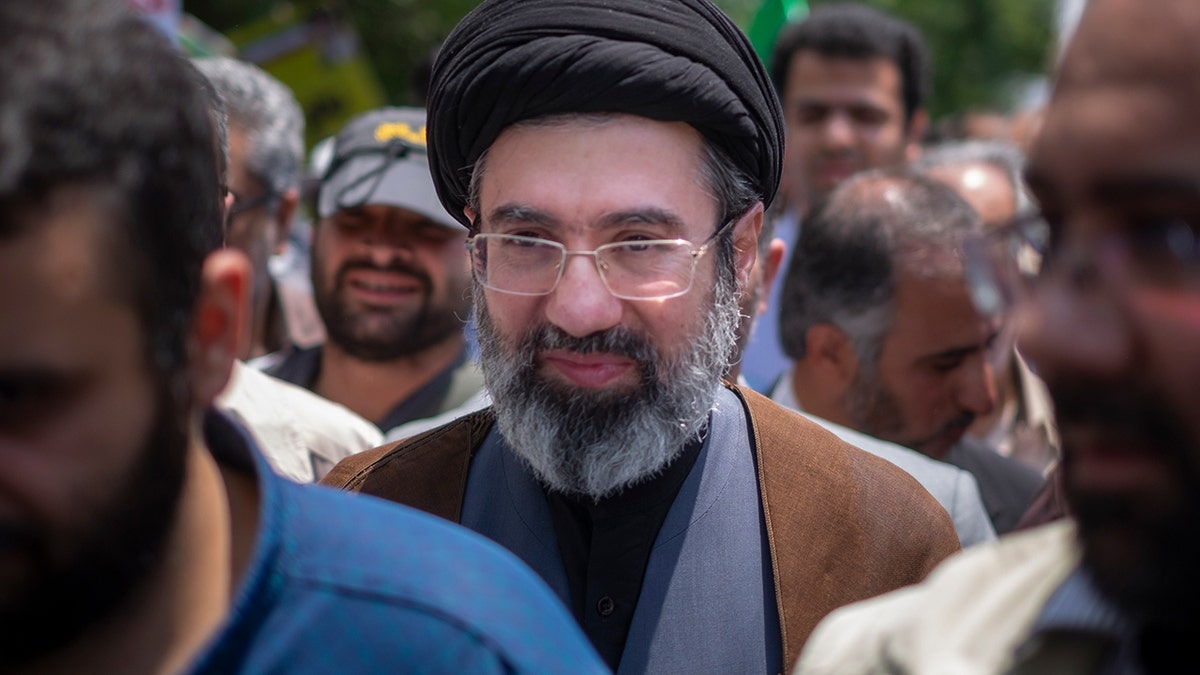
File photo shows Mojtaba Khamenei, son of Iran’s late Supreme Leader Ayatollah Ali Khamenei, attending a demonstration to mark Jerusalem day in Tehran. (Morteza Nikoubazl/NurPhoto via Getty Images)
Another replacement for Khamenei might be his second son, Mojtaba, who works closely with IRGC. The first Trump administration sanctioned him in 2019.
According to the Treasury Department sanction designation, «The Supreme Leader has delegated a part of his leadership responsibilities to Mojataba Khamenei, who worked closely with the commander of the Islamic Revolutionary Guard Corps-Qods Force (IRGC-QF) and also the Basij Resistance Force (Basij) to advance his father’s destabilizing regional ambitions and oppressive domestic objectives.»
JEB BUSH COMMENDS FORMER RIVAL TRUMP’S IRAN OP: ‘THIS IS THEIR TIME TO TAKE THEIR COUNTRY BACK’
Iran International reported that the IRGC seeks a rapid-fire replacement for Khamenei. The Islamic system in Iran prescribes an elected body of 88 senior clerics—the Assembly of Experts—to select the next leader.
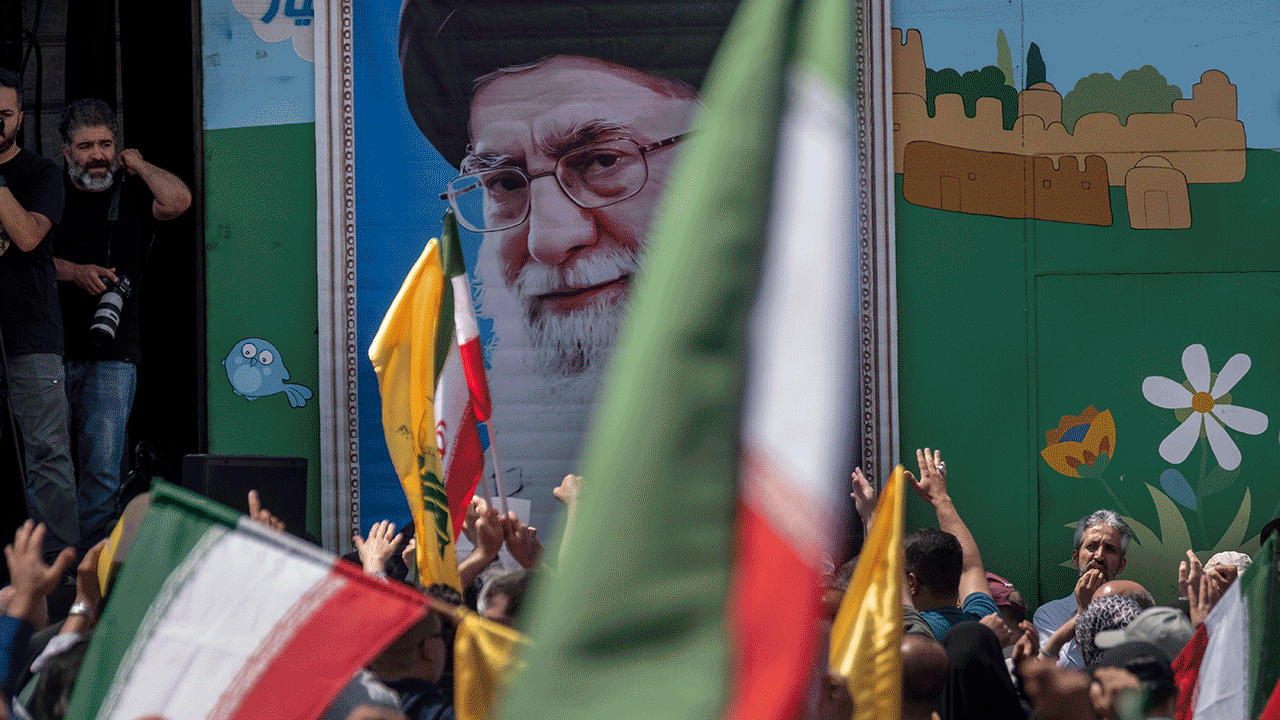
Iranian worshippers hold up their hands as signs of unity with Iran’s Supreme Leader, Ayatollah Ali Khamenei, during an anti-Israeli rally to condemn Israel’s attacks on Iran, in downtown Tehran, Iran, on June 20, 2025. (Morteza Nikoubazl/NurPhoto via Getty Images)
Alireza Arafi
The cleric and jurist Alireza Arafi, 67, who is part of a three-person temporary leadership council to run Iran might also be the successor to Khamenei.
According to the U.S.group United Against a Nuclear Iran, Arafi promised «death» to protesters who knock over the turbans of Iranian Islamic clerics. «Those who attack the turbans of the clergy should know that the turban will become their shroud,» Arafi said.
OBAMA OFFICIAL WHO BACKED IRAN DEAL SPARKS ONLINE OUTRAGE WITH REACTION TO TRUMP’S STRIKE: ‘SIT THIS ONE OUT’
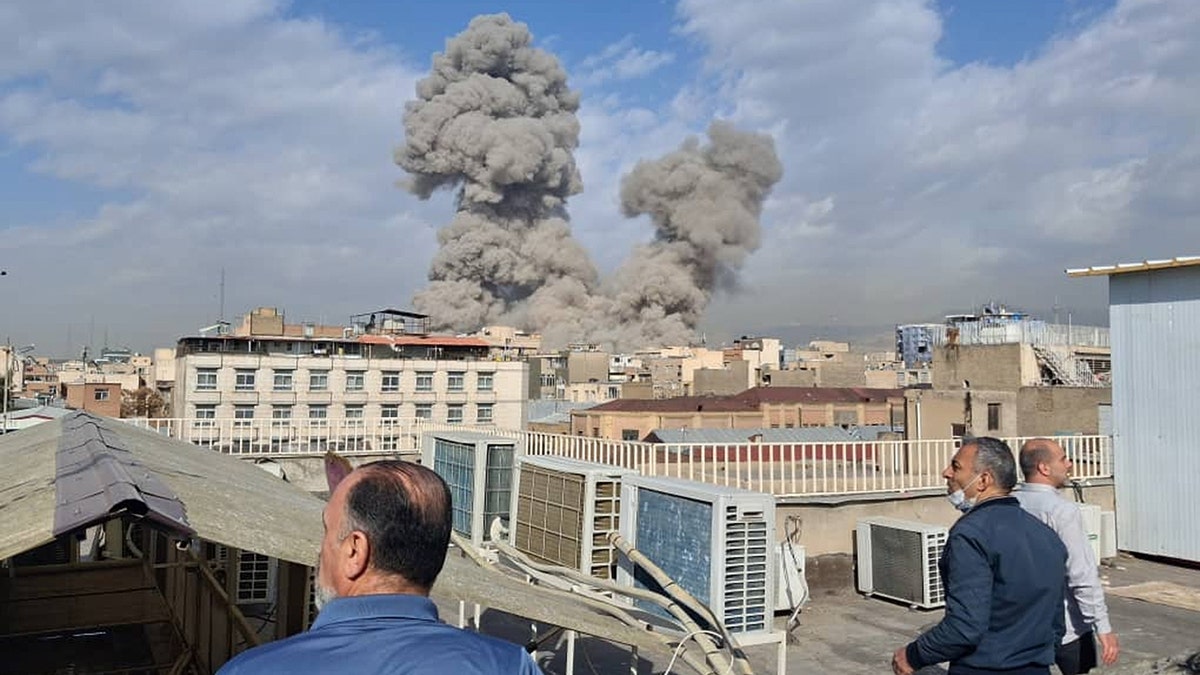
People watch as smoke rises on the skyline after an explosion in Tehran, Iran, Saturday, Feb. 28, 2026.(AP Photo) (AP Photo)
Ayatollah Mohammad-Mehdi Mirbagheri
The extremist Ayatollah Mohammad-Mehdi Mirbagheri is also a contender to replace Khamenei. Mirbagheri argues for fighting and overcoming «infidels.»
Mirbagheri has quoted Iran’s first Supreme Leader, Ruhollah Khomeini, declaring that a «new culture based on Islam in the world» would mean «hardship, martyrdom and hunger» and that Iranian people had «voluntarily chosen» to embrace this activity, according to Iran International. Mirbagheri’s theological credentials position him as a natural replacement for Khamenei.
Other names
Another clerical successor to Khamenei being discussed is Hassan Khomeini, the grandson of Ayatollah Ruhollah Khomeini. He is the custodian of the Khomeini mausoleum and, at 53 is young by the Islamic Republic’s standards for leadership.
United Against a Nuclear Iran ranked Ayatollah Seyyed Hashem Hosseini Bushehri, who was born in 1956 in Bardkhun, Bushehr, a second tier candidate to replace Khamenei.
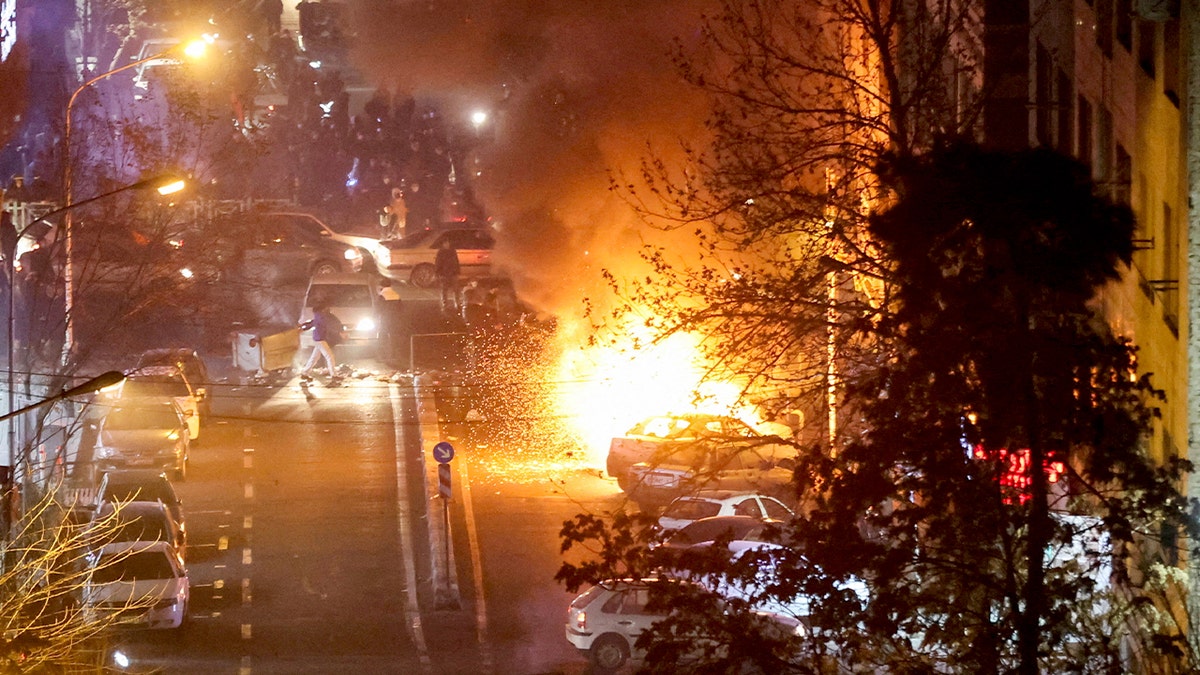
Cars burn in a street during a protest over the collapse of the currency’s value in Tehran, Iran, Jan. 8, 2026. (Stringer/WANA (West Asia News Agency) via REUTERS)
IRAN’S TERROR PROXIES FROM IRAQ-TO-LEBANON SAY READY TO RESPOND TO US-ISRAEL ATTACKS
«Bushehr, is a powerful figure in Iran’s religious and academic spheres. He embarked on his theological education in Bushehr before moving to Qom to further his studies.
According to UANI, In 2024, Bushehri urged Iranian women to «address issues such as the status of women’s rights in Western societies and the flaws that exist in this area in the West,» which would prevent the «enemy [the West]» to «not even have a chance to challenges us [Iran].»
Iran analyst, Sabti, who was born in Tehran, said, «I don’t think that Israel and the U.S. should allow them to choose the next leader.» He compared the successor system to Hamas when Israel eliminates a Hamas terrorist leader, and he is swiftly replaced with a new leader.
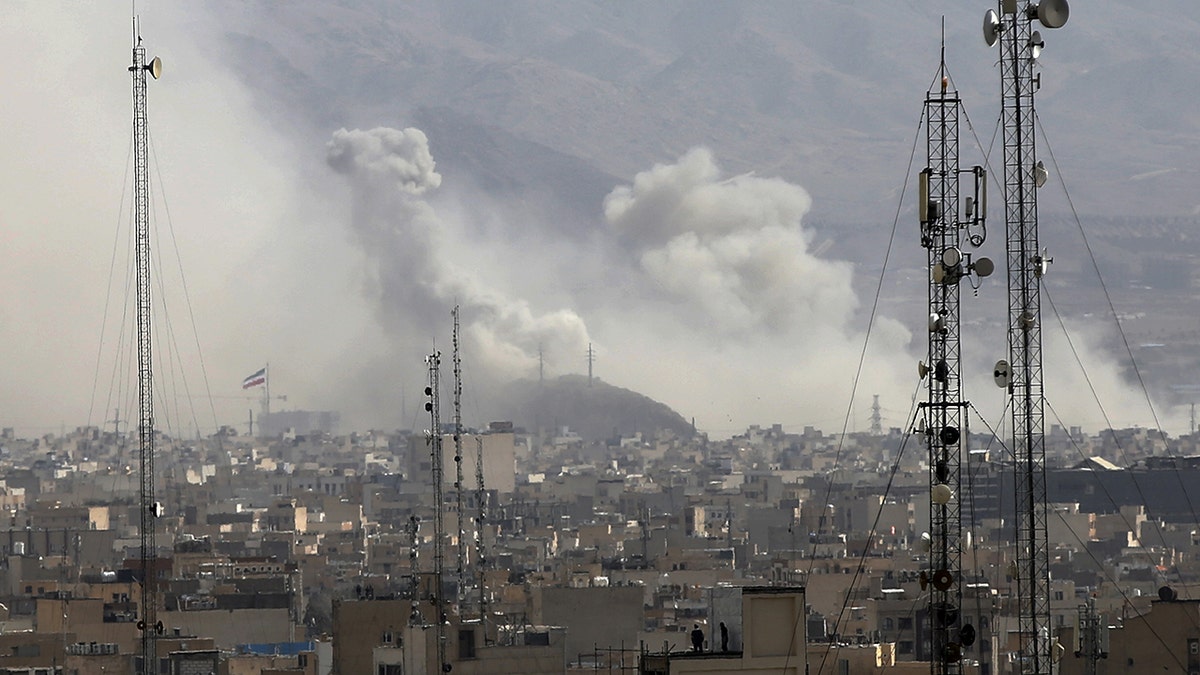
TEHRAN, IRAN – FEBRUARY 28: Smoke rises over the city center after an Israeli army launches 2nd wave of airstrikes on Iran on Feb. 28, 2026. (Fatemeh Bahrami/Anadolu via Getty Images)
«There is a need to «prevent the next leader from being chosen,» he said. «Maybe we can eliminate the next one even before he is chosen.»
He said it is important to «break the system» to prevent the continuation of terrorism. «It is bad for Arab countries and Israel if the regime remains the same» in Iran.
CLICK HERE TO DOWNLOAD THE FOX NEWS APP
Sabti said the regime can continue to build its illicit nuclear weapons program, ballistic missiles and sponsor terrorism, adding it is better to dissolve the regime and «bring in a new system.
He concluded that regime change requires «talking to the people,» and, «maybe it is time for them to come out and make the good revolution.»
Related Article
war with iran,ali khamenei,terrorism,middle east,conflicts



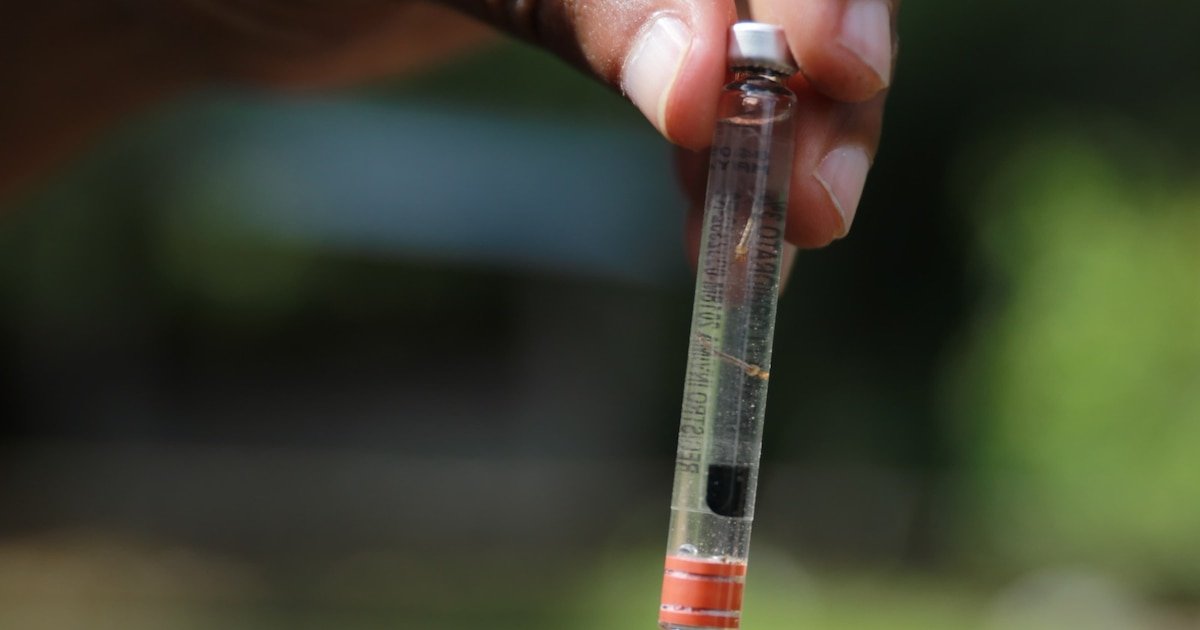
El dengue en Panamá muestra un comportamiento que comienza a encender alertas en la población más joven. Según el último informe del Ministerio de Salud (Minsa), el grupo de 10 a 14 años es actualmente el más afectado, con una tasa de incidencia de 32.4 casos por cada 100,000 habitantes, superando al resto de los rangos etarios.
Este dato refleja una tendencia que preocupa a las autoridades sanitarias, ya que evidencia una mayor exposición de los menores de edad a entornos donde prolifera el mosquito Aedes aegypti.
En términos generales, el país acumula 1,232 casos de dengue hasta la semana epidemiológica No. 8 de 2026. De ese total, 1,081 corresponden a casos sin signos de alarma, mientras que 146 presentan signos de alarma y 5 han sido clasificados como dengue grave, lo que mantiene la vigilancia activa del sistema de salud.
Las cifras evidencian que, aunque la mayoría de los contagios son leves, existe un grupo de pacientes que puede evolucionar hacia formas más complejas de la enfermedad.

El informe también detalla el impacto en el sistema hospitalario, con un total de 149 personas hospitalizadas a nivel nacional. Además, se han registrado 4 defunciones, correspondientes a Bocas del Toro, con tres casos, y Coclé, con uno.
Estas cifras, aunque contenidas en comparación con otros países de la región, reflejan que el dengue sigue siendo una enfermedad con potencial letal si no se detecta y atiende a tiempo.
A nivel territorial, la distribución de los casos confirma que el virus mantiene una circulación activa en distintas zonas del país. La Región Metropolitana encabeza la lista con 337 casos, seguida por Colón, Bocas del Toro, San Miguelito y Panamá Oeste, que concentran una parte importante de los contagios.
También destacan áreas como Panamá Este, Herrera y Panamá Norte, lo que evidencia que la transmisión no está focalizada, sino extendida en múltiples regiones.
Entre los principales síntomas del dengue, las autoridades mencionan la fiebre, el dolor de cabeza, el malestar general, los dolores musculares y el dolor ocular.

Ante la presencia de estos signos, el Minsa insiste en la importancia de no automedicarse y acudir de forma oportuna a un centro de salud. La detección temprana es clave para evitar complicaciones, especialmente en pacientes que pueden desarrollar signos de alarma como sangrados o dolor abdominal intenso.
En el contexto regional, la situación del dengue en las Américas muestra un comportamiento mixto. De acuerdo con la Organización Panamericana de la Salud (OPS), hasta la semana epidemiológica 7 de 2026 se han reportado 299,210 casos sospechosos, de los cuales 66,690 han sido confirmados, además de 458 casos graves y 47 muertes .
Aunque estas cifras representan una disminución frente a 2025, las autoridades mantienen la alerta debido a la circulación simultánea de varios serotipos del virus.

La OPS también ha advertido que el dengue sigue siendo una de las enfermedades vectoriales más relevantes en la región, con capacidad de generar brotes explosivos cuando las condiciones climáticas y ambientales favorecen la reproducción del mosquito.
Factores como el aumento de temperaturas, la acumulación de agua y el crecimiento urbano desordenado continúan impulsando la expansión del virus en países de América Latina.
En Panamá, las autoridades sanitarias han reiterado que el control del dengue depende en gran medida de la participación ciudadana. El Minsa ha intensificado los operativos a través del equipo de Control de Vectores, pero insiste en que la eliminación de criaderos en viviendas y comunidades es fundamental para reducir los casos.
Recipientes como latas, botellas, neumáticos y cualquier objeto que acumule agua representan un riesgo directo.
El comportamiento del dengue en 2026, tanto a nivel nacional como regional, confirma que la enfermedad sigue siendo un desafío constante para los sistemas de salud.
Aunque las cifras actuales muestran cierta contención en comparación con años anteriores, la presencia de casos graves, defunciones y el impacto en población joven obligan a mantener las estrategias de vigilancia, prevención y respuesta activa en todo el país.
paciente,psiquiatría,hospital,salud mental,descanso,cama,luz cálida,noche,recuperación,bienestar
INTERNACIONAL
Trump administration urges judge to dissolve injunction blocking Abrego Garcia’s deportation to Liberia
NEWYou can now listen to Fox News articles!
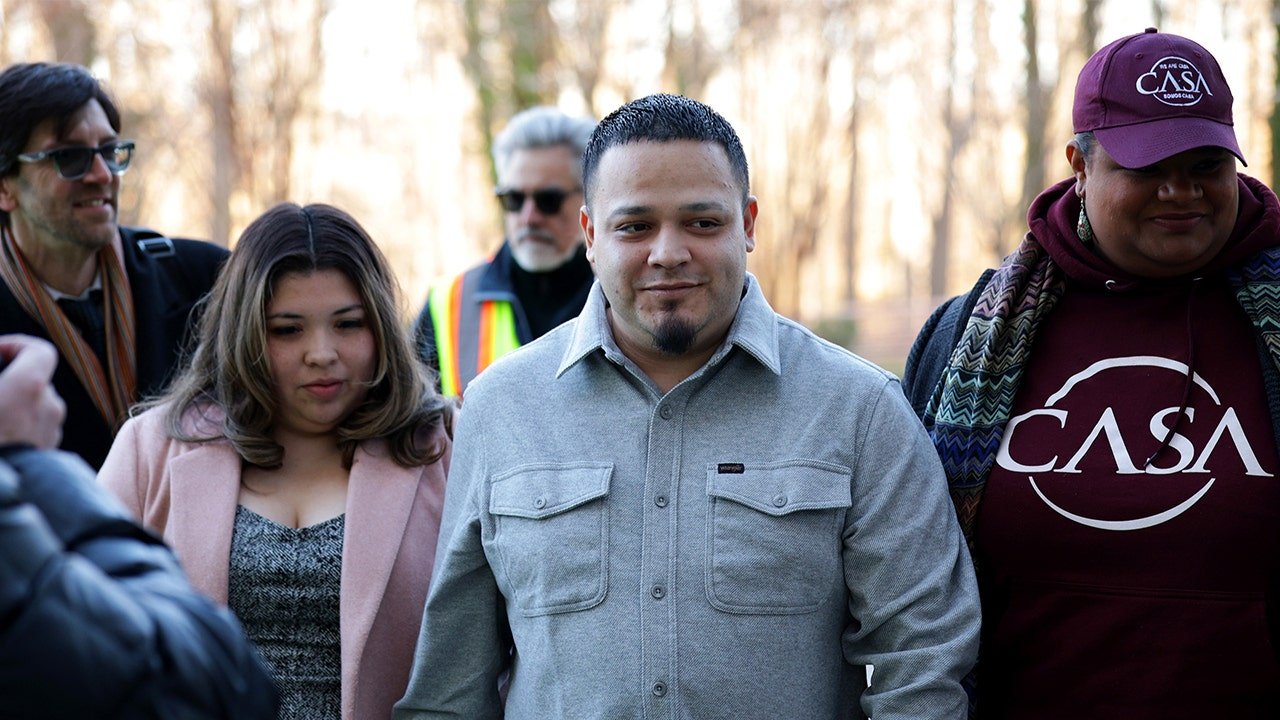
The Department of Justice (DOJ) on Friday urged a judge to dissolve the injunction that keeps the Trump administration from detaining Kilmar Abrego Garcia again so he can quickly be deported to Liberia.
«Dissolution is also warranted because the Court’s Memorandum Order failed to acknowledge that the Court’s own prior injunction against removal is the sole impediment to Petitioner’s prompt removal,» the DOJ wrote in a court filing obtained by Fox News Digital. «The Court cannot both impose the impediment that delays removal and consequently prolongs detention and, at the same time, hold that the resulting detention is impermissibly prolonged.»
It added, «Any attempt by this Court to permanently enjoin the government from exercising its authority to remove the Petitioner from this country is in direct contradiction to established judicial norms, and a clear error of law.»
The administration deported Abrego Garcia, who they claim is a member of MS-13, a year ago to a prison in his native El Salvador, but he was returned to the U.S. in June to face human smuggling charges in Tennessee related to a 2022 traffic stop despite at first saying the administration had no power to bring him back.
His Lawyers deny he is a member of MS-13.
US JUDGE VOWS TO RULE ‘SOON’ ON ABREGO GARCIA’S FATE AFTER MARATHON HEARING
Kilmar Abrego Garcia arrives at U.S. District Court for the District of Maryland in December. (Alex Wong / Getty Images)
He was released from detention in December on the grounds that the Trump administration had not obtained the final notice of removal order that is needed to deport him to a third country.
Abrego Garcia, 31, has become a flash point in the national immigration debate since last March, when he was deported to El Salvador in violation of a 2019 court order in what Trump administration officials acknowledged was an «administrative error.»
The Supreme Court later ruled that the administration had to work to bring him back to the U.S.
JUDGE ORDERS MIGRANT DEPORTED IN ‘ERROR’ FREE FROM ICE CUSTODY WITH CRIMINAL CASE LOOMING
He has pleaded not guilty on the human smuggling charges and is seeking dismissal of the charges on the grounds of vindictive and selective prosecution.
The 2019 court order prevents Abrego Garcia from being deported to El Salvador after an immigration judge determined he faced danger from a gang that had threatened his family. He immigrated to the U.S. illegally as a teenager and has been under the supervision of Immigration and Customs Enforcement (ICE).
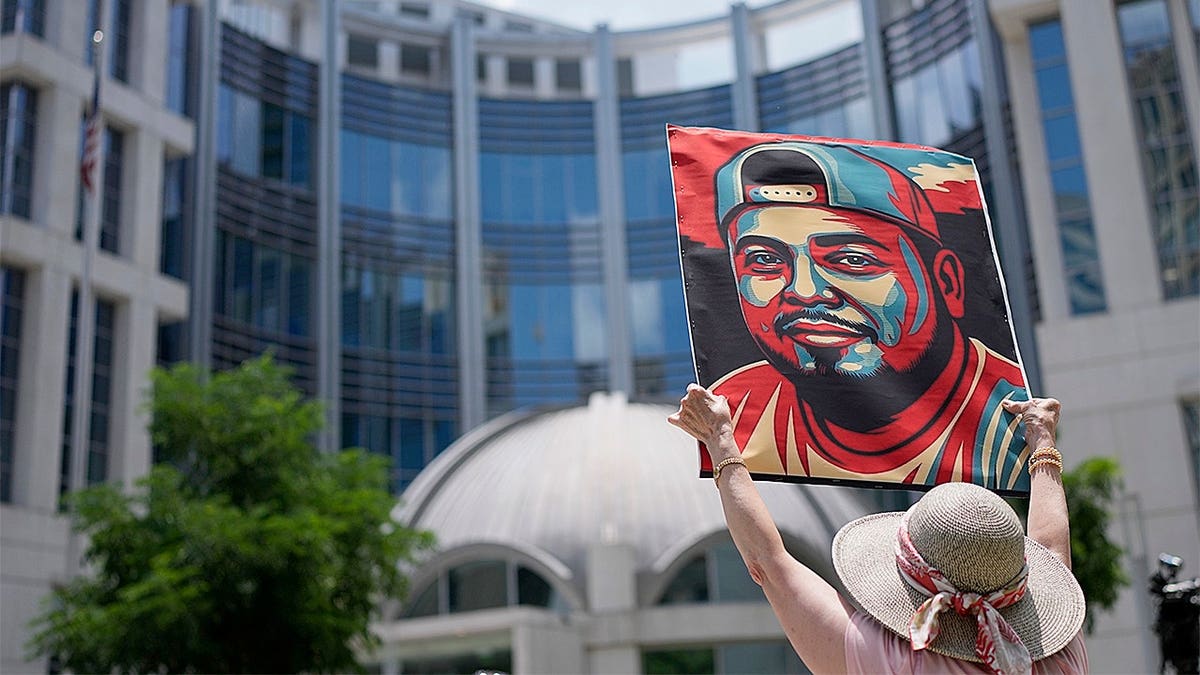
A protester holds a poster of Kilmar Abrego Garcia in front of the U.S. District Court in Nashville, Tenn. (Getty Images )
Last month, U.S. District Judge Paula Xinis agreed to convert her previous emergency order blocking ICE from immediately re-detaining Abrego Garcia into a longer-term form of injunctive relief sought by his lawyers.
She said that the Trump administration failed to provide the court with any «good reason to believe» that they plan to remove Abrego Garcia to a third country in the «reasonably foreseeable future.» Instead, she said, they «made one empty threat after another to remove him to countries in Africa with no real chance of success.»
Abrego Garcia has said he’s willing to be sent to Costa Rica, but Acting Immigrations and Customs Enforcement Director Todd Lyons said he will instead be removed to Liberia.
Abrego Garcia’s attorney said in December Abrego was willing to leave for Costa Rica immediately, and that the country had given him asylum status months ago.
CLICK HERE TO DOWNLOAD THE FOX NEWS APP
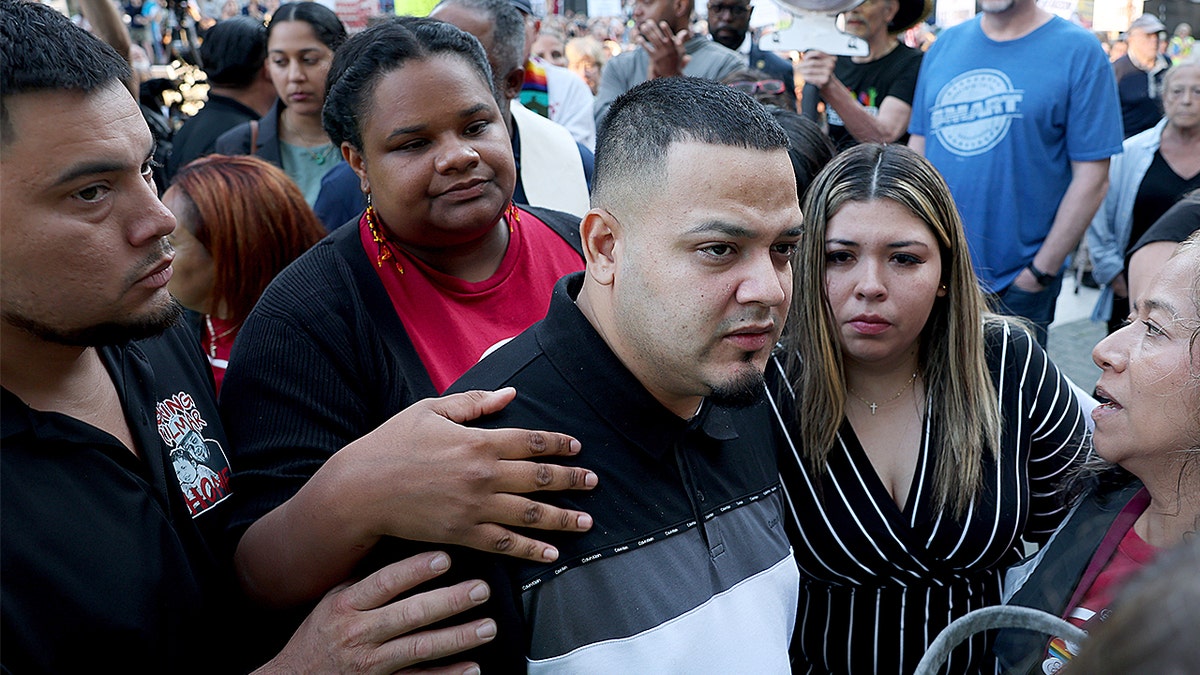
Kilmar Abrego Garcia enters a U.S. Immigration and Customs Enforcement (ICE) field office in Baltimore, Md. (Anna Moneymaker/Getty Images)
The government’s «persistent refusal to acknowledge Costa Rica as a viable removal option, their threats to send Abrego Garcia to African countries that never agreed to take him, and their misrepresentation to the Court that Liberia is now the only country available to Abrego Garcia, all reflect that whatever purpose was behind his detention, it was not for the ‘basic purpose’ of timely third-country removal,» Xinis said in December.
The administration asked the judge to rule on its request to have the injunction dissolved by April 17.
Fox News Michael Sinkewicz, Louis Casiano, Breanne Deppisch, and Jake Gibson contributed to this report.
justice department,federal courts,federal judges,immigration,politics,white house,donald trump
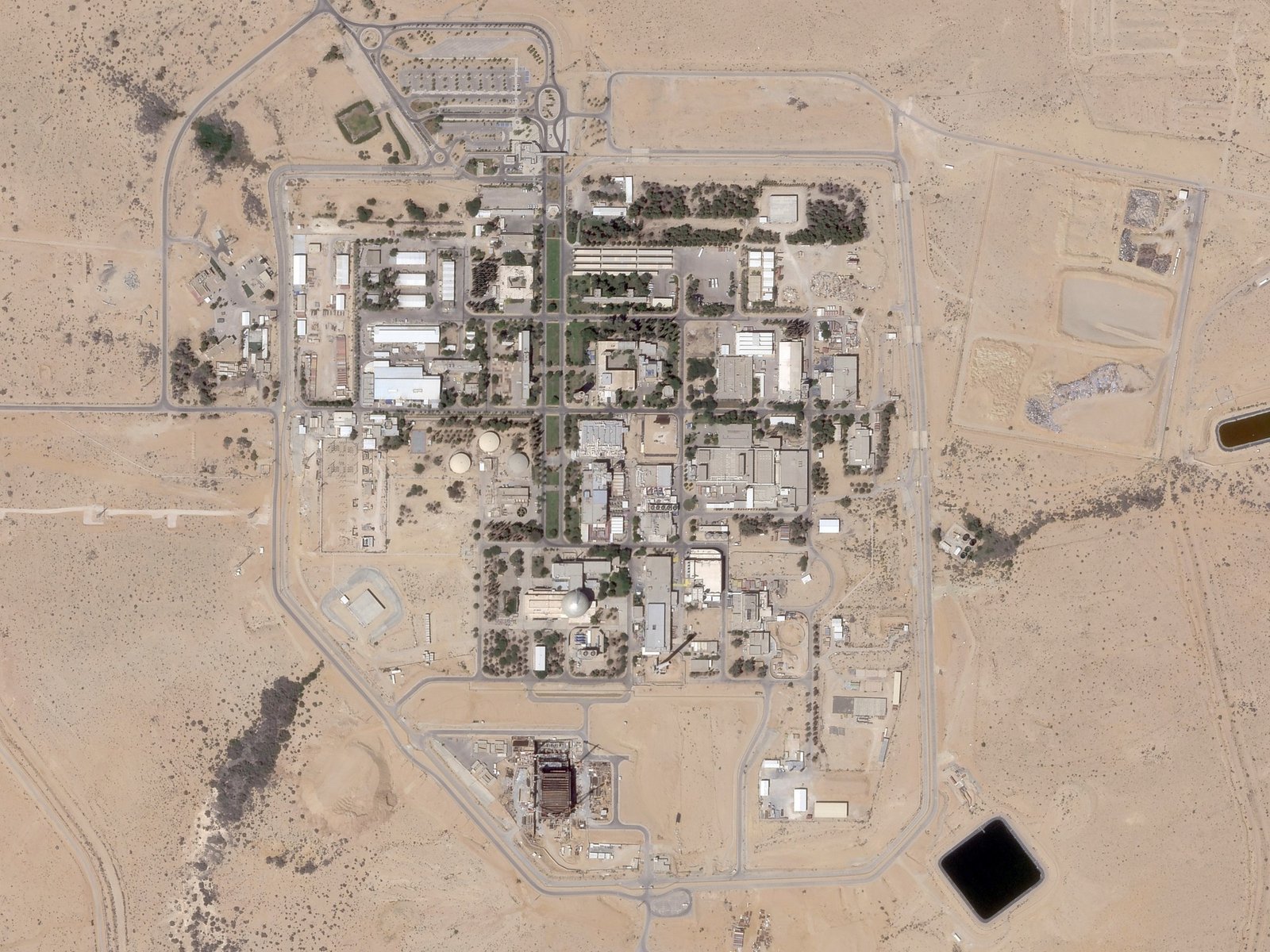
Un ataque misilístico de Irán sobre Dimona, una ciudad en la que funciona un centro nuclear clave para Israel, dejó este sábado por la tarde un saldo de más de 50 personas heridas. La televisión estatal iraní aseguró que se trató de un contraataque por la avanzada israelí-estadounidense sobre las instalaciones nucleares de Natanz, en el centro de Irán, más temprano este sábado.
Aunque en los últimos años el centro nuclear de Dimona ya había sido alcanzado por misiles enemigos, las autoridades israelíes todavía guardan parte de su armamento bélico allí, por lo que se trata de un objetivo de alta importancia. La máxima autoridad nuclear mundial aseguró que aún no se reportaron daños en el centro nuclear, pero volvió a lanzar un fuerte pedido a Irán, Israel y Estados Unidos.
Los reportes en los medios israelíes consignan más de 50 heridos tras el ataque a Dimona, una ciudad del centro de Israel, donde viven alrededor de 40 mil personas y que dista a menos de 14 kilómetros de un área que es mayor que su propia geografía: el Centro de Investigación Nuclear del Néguev Shimon Peres. Ese objetivo estratégico fue el blanco del ataque misilístico iraní y el contexto en que se reportaron los heridos.
La construcción de las instalaciones de Dimona comenzaron en 1958, en el marco del despegue del Programa Nuclear de Israel. Por esos años, los líderes David ben Gurion (el primero de los primeros ministros israelí) y Shimon Peres (quien luego también sería premier) habían recolectado U$S 40 millones, aproximadamente la mitad de lo que costaba un reactor nuclear construido en algún país amigo de Israel. Ese fue el envión del proyecto que configuraría el inicio de ese programa nuclear.
Para Israel se trataba de un objetivo estratégico, por lo que la elección del lugar para emplazar el centro nuclear debía ser concienzudamente elegido. Dimona fue una «ciudad desarrollo» de las que creó Ben Gurion en la década de 1950, aunque su nombre ya figuraba en los pueblos bíblicos compendiados en el Libro de Josué, del Antiguo Testamento. Pero lo de Dimona era más terrenal: está en medio del desierto del Néguev, relativamente aislada.
Podría decirse que Dimona desanduvo los años posteriores como una ciudad industrial de mediano tamaño, mientras la importancia de la zona escalaba a casi 14 kilómetros al sudeste de la ciudad, en el centro nuclear. Desde 1958, entonces, se construyó en secreto y en estricto aislamiento del Organismo Internacional de Energía Atómica (OEIA). Paradoja del tiempo: este sábado fue la OEIA la que confirmó públicamente que, a pesar del ataque iraní, el centro no sufrió daños físicos.
«Debe observarse la máxima moderación militar, en particular en las proximidades de las instalaciones nucleares», pidió Rafael Grossi, director general de la OEIA.
Entre 1962 y 1965, el reactor nuclear de Dimona ya no sólo estaba activo, sino también produciendo plutonio para las primeras armas nucleares con que iban contando las Fuerzas de Defensa de Israel (FDI) de cara a la Guerra de los Seis Días. Se estima que actualmente podría albergar entre 80 y 90 ojivas nucleares, según el Instituto de Investigación para la Paz de Estocolmo.
Sin embargo, ese centro nuclear de Israel ya no era secreto para los enemigos, al menos en los últimos años. En enero de 2012, las autoridades israelíes debieron suspender temporalmente la operatividad del reactor por considerar que ya se había convertido en un sitio vulnerable a un ataque de Irán.
Ese mismo año, en octubre y noviembre, las instalaciones fueron atacadas por Hamas, con misiles. El centro, no obstante, no resultó dañado, al igual que este sábado. En abril de 2021, un misil tierra-aire proveniente desde territorio sirio detonó cerca del centro nuclear de Dimona.
En la actualidad, la ciudad tiene una población de casi 40 mil habitantes, por fuera de las 25 más populosas del país. Sin embargo, este sábado quedó en el centro de las miradas.
Este sábado, la televisión estatal iraní no sólo adjudicó a ese país el ataque a Dimona, sino que explicó el porqué: «Una respuesta a un ataque anterior contra su sitio nuclear de Natanz», en el centro de Irán.

Entre la polémica y el show: el íntimo festejo de cumpleaños de Tini Stoessel antes de cantar en el estadio Kempes

Video: el primer gol de Rodrigo Castillo en Brasil

Caputo evitó dardos a los empresarios e hizo hincapié en la estabilidad: “El mayor riesgo es perder la chance de invertir en el país”

Dengue golpea con más fuerza a adolescentes en Panamá

Cristiano Ronaldo se cae de la lista de Portugal

TGS anunció la mayor inversión histórica en líquidos de gas natural: USD 3.000 millones y obras de Neuquén a Bahía Blanca

Senado: la oposición pidió explicaciones por $LIBRA y los vuelos de Adorni y Bullrich defendió al Gobierno

Juicio por YPF: la Justicia de EEUU benefició a Argentina y suspendió todas las demandas hasta que se defina la cuestión de fondo

Kicillof desembarcó en CABA, lanzó su proyecto 2027 y empezará a ampliar su armado político en todo el país

¿DÓNDE ESTÁ ESMERALDA? El grito de una madre que sacude a la Argentina: «Me la arrebataron de la puerta»

 POLITICA2 días ago
Kicillof desembarcó en CABA, lanzó su proyecto 2027 y empezará a ampliar su armado político en todo el país
- POLITICA3 días ago
¿DÓNDE ESTÁ ESMERALDA? El grito de una madre que sacude a la Argentina: «Me la arrebataron de la puerta»
- POLITICA2 días ago
¿MACRI 2027? El «operativo retorno» que sacude al PRO y los nombres que suenan para la vicepresidencia