INTERNACIONAL
While UN Issues mixed signals, Witkoff exposes Iran’s nuclear evasion ‘pride’


NEWYou can now listen to Fox News articles!
The stunning details revealed by Steve Witkoff on his talks with Iran and their boastful remarks about its nuclear program have seemingly fallen on deaf ears at the U.N. nuclear agency.
Days into the U.S.-Israel joint campaign against Iran, the director general of the International Atomic Energy Agency (IAEA) Rafael Grossi posted to X stating, «There has been no evidence of Iran building a nuclear bomb.»
Fox News Digital asked the IAEA how it could assess the development of a possible nuclear weapon without access to Iran’s facilities but received no response at press time.
Grossi’s post came as the U.S. Special Envoy to the Middle East Steve Witkoff gave details to Fox News’ Sean Hannity earlier this week on his talks with the regime prior to the U.S. and Israel launching their military operation against Tehran.
Witkoff revealed the negotiators said they had an «inalienable right» to enrich uranium. When Witkoff countered that the Trump administration had the «inalienable right to stop [them, ]» he explained that the negotiators said this was only their starting point.
«They have 10,000, roughly, kilograms of fissionable material that’s broken up into roughly 460 kilograms of 60% enriched uranium, another 1,000 kilograms 20% enriched uranium,» Witkoff explained. «They manufacture their own centrifuges to enrich this material, so there’s almost no stopping them. They have an endless supply of it. The 60% material can be brought to 90% – that’s weapon grade — in roughly one week, maybe 10 days at the outside. The 20% can be brought to weapons grade inside of three to four weeks.»
Witkoff added that during his first meeting with the negotiators, they said «with no shame that they controlled 460 kilograms of 60% and they’re aware that that could make 11 nuclear bombs, and that was the beginning of this negotiating stance.»
«They were proud of it. They were proud that they had evaded all sorts of oversight protocols to get to a place where they could deliver 11 nuclear bombs,» Witkoff said.
US special Envoy Steve Witkoff arrives to his hotel during new round of talks between the United States and Iran on Iran’s nuclear programme, in Geneva on February 26, 2026. ( Fabrice COFFRINI / AFP via Getty Image)
Grossi, who is running to become the next United Nations secretary general, did however admit in his post on X that Iran maintains «a large stockpile of near-weapons grade enriched uranium» and said that the Islamic Republic has not allowed inspectors full access to its program. With these facts in mind, he said that the IAEA «will not be in a position to provide assurance that Iran’s nuclear programme is exclusively peaceful» until Iran «assists…in resolving the outstanding safeguards issues.»
Richard Goldberg, a senior advisor to the Foundation for the Defense of Democracies, FDD, told Fox News Digital, «No one paid much attention to Rafael Grossi throughout the Biden years when he repeatedly warned publicly that Iran was refusing to cooperate with and providing false statements to the IAEA about ongoing investigations into undeclared facilities, activists and nuclear material.»
PHYSICIST LAWMAKER WARNS US LACKS CLEAR PLAN FOR IRAN’S ENRICHED URANIUM
The former Trump administration official said, «There are some key facts being ignored today. The IAEA board last year found Iran to be in breach of the NPT. To this day, Grossi has confirmed that the IAEA cannot verify the Iranian nuclear program is peaceful.»
He continued, «This is not Iraq where we lacked hard public evidence of a nuclear weapons program. Iran had built out nearly every part of its nuclear weapons program in plain sight, with the weaponization work moving forward at undeclared sites controlled by SPND. If the administration had evidence the regime was moving quickly to reconstitute key elements of that program — from advanced centrifuge manufacturing to completion of a new underground enrichment site alongside advancement of delivery vehicle programs – the president was fully justified in enforcing a red line he set after Operation Midnight Hammer.»
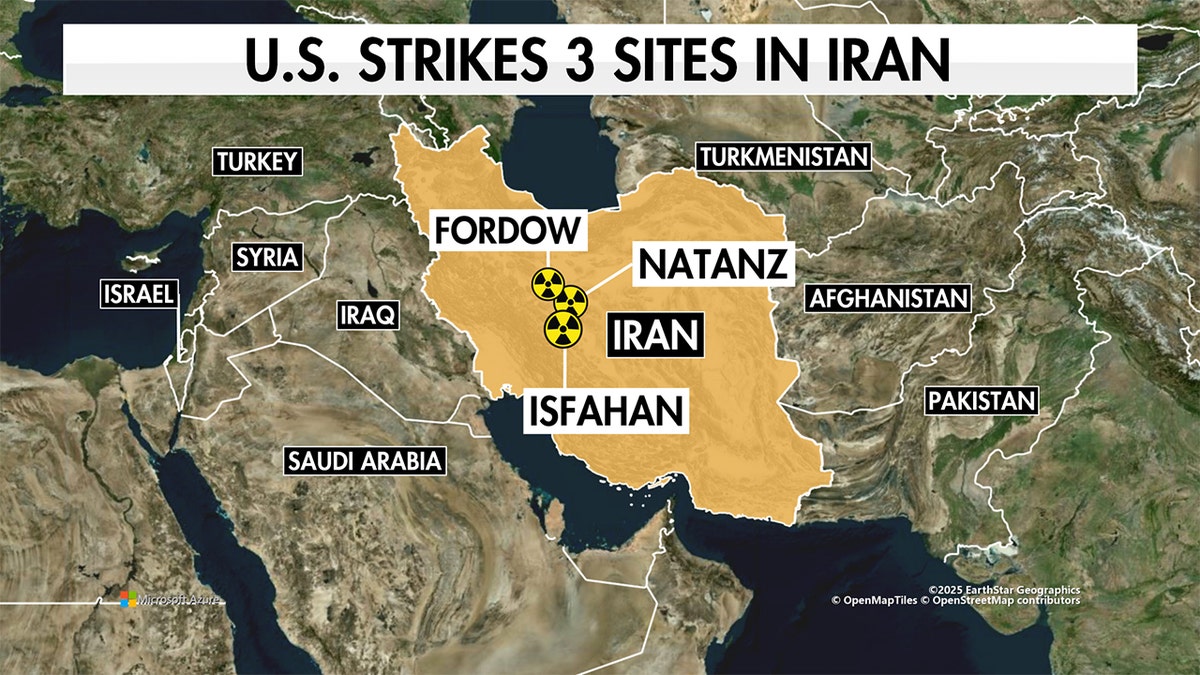
Map of Iran nuclear facilities attacked by the US in Operation Midnight Hammer. (Fox News)
Spencer Faragasso, a senior fellow at the Institute for Science and International Security (ISIS), told Fox News Digital that his organization calculated prior to the June 2025 12 Day War that Iran possessed 440.9 kilograms of 60% rich uranium. With about 24 or 25 kilograms of 90% rich uranium required per weapon, Faragasso said the country possessed the ability to produce 11 weapons in one month.
Faragasso said that there remain questions about whether the Iranians can access their enriched materials, and whether they possess additional centrifuges that may have not been installed in the facilities that were struck.
US EMBASSY URGES AMERICANS IN IRAQ TO SHELTER IN PLACE UNTIL FURTHER NOTICE
«Being able to enrich the uranium up to weapon grade is actually a tall order,» he said, explaining that it would require a new enrichment site and components and materials that «Iran would either need to recover from its destroyed facilities» or «illicitly import them from abroad.» With a few hundred centrifuges, enough for two or three cascades, Faragasso said the Iranians could have enriched their uranium stores to weapon grade.
«To be clear, the successes gained from the June war are not permanent and officials from the regime spoke publicly about how they wanted to reconstitute their enrichment program, their nuclear program,» he said. «The more time that goes on, the worse the situation will get. It’s not going to get better, especially regarding the ballistic missile program.»
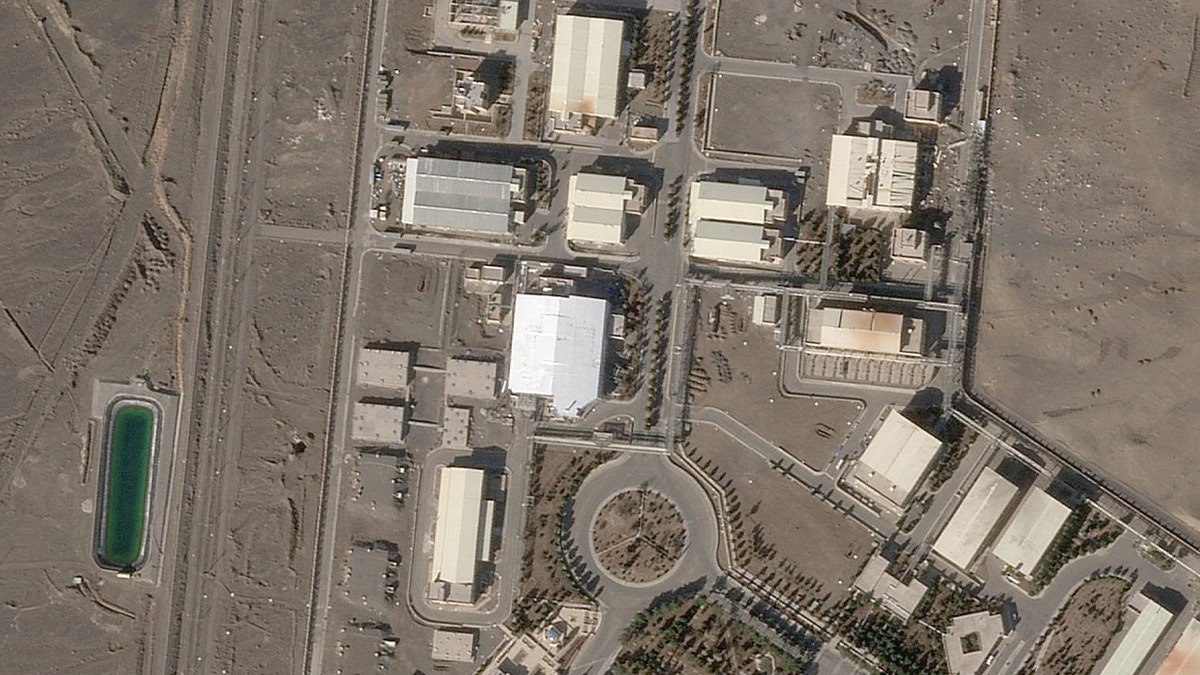
Satellite imagery taken on January 30, 2026 shows a new roof over a previously destroyed building at Natanz nuclear site. (2026 PLANET LABS PBC/Handout via REUTERS)
He said the Iranians had previously expressed the desire to open a fourth enrichment site, which the IAEA stated was at Esfahan. According to Faragasso, there was «never confirmation» of where the site was or how far along construction may have been.
The group is now tracking an Israeli strike on March 3 on Min-Zadayi, a site that Faragasso said «was completely unknown» to them previously. The Israel Defense Forces reported on X that the site was «used by a group of nuclear scientists who operated to develop a key component for nuclear weapons.»
The State Department referred Fox News Digital to remarks made by Secretary of State Marco Rubio to the press on Tuesday on Iran’s nuclear program.
CLICK HERE TO DOWNLOAD THE FOX NEWS APP
«This terroristic, radical, cleric-led regime cannot be ever allowed to have nuclear weapons.» Explaining that the Islamic Republic was «willing to slaughter their own people in the streets,» Rubio directed members of the press to «imagine what they would do to us. Imagine what they would do to others. Under President Trump that will never, ever happen,» he said.
Related Article
war with iran,nuclear proliferation,terrorism,united nations











INTERNACIONAL
Estados Unidos afirma que dos veleros que partieron de México a Cuba con ayuda llegaron «sanos y salvos»

INTERNACIONAL
The race against time to destroy Iran’s illicit nuclear weapons program heats up amid fresh strikes
NEWYou can now listen to Fox News articles!
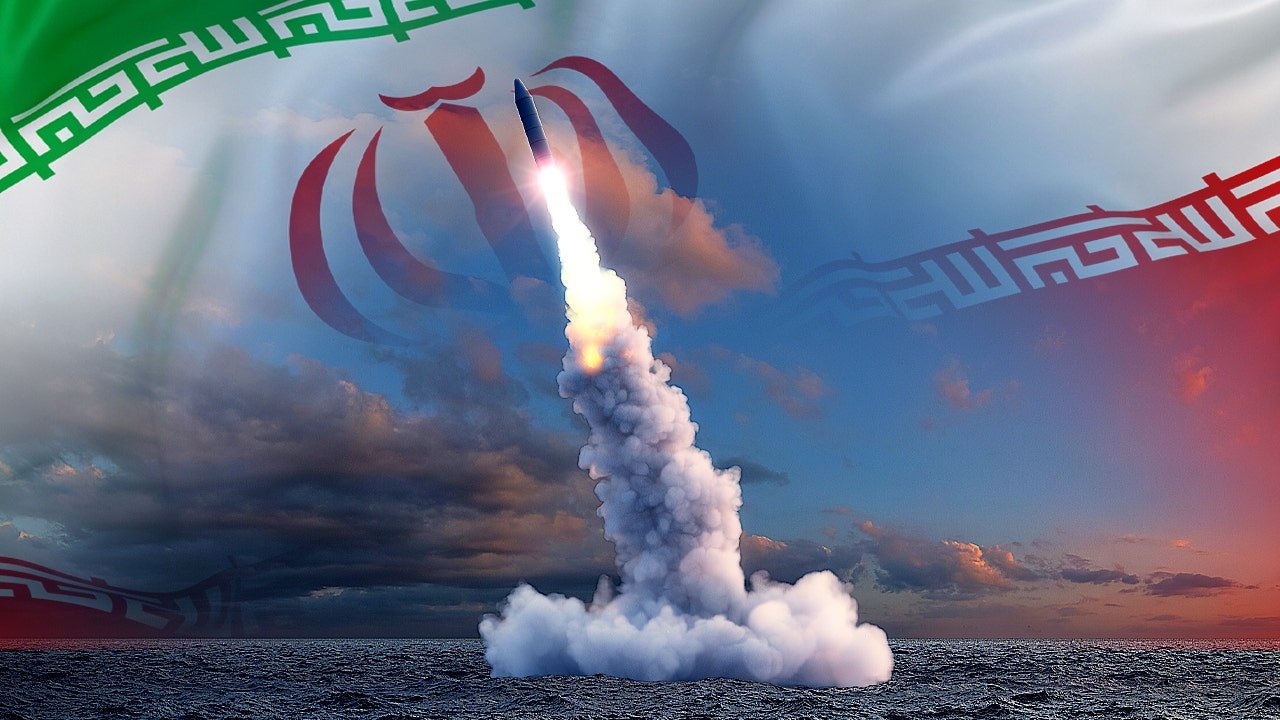
The Iranian regime’s retention of key nuclear weapons facilities and its material for building atomic bombs — highly enriched uranium — has led to new efforts by the U.S. and Israeli militaries to take out the last vestiges of the regime’s program.
On Friday, the Israel Defense Forces (IDF) said in a statement that, that it’s «Air Force Struck the Arak Heavy Water Plant—A Key Plutonium Production Site for Nuclear Weapons.» The Arak plant is located in central Iran.
Prior to Friday’s attack, an IDF spokesperson told Fox News Digital concerning Arak, that there is a «high estimation» that attacks on «uranium enrichment sites are part of the plan.» The IDF declined to answer more specific questions about its target list and if any ground operations to retrieve the nuclear weapons-grade uranium were being considered.
NEXT MOVE ON IRAN: SEIZE KHARG ISLAND, SECURE URANIUM OR RISK GROUND WAR ESCALATION
An IDF infographic shows Iran’s Arak heavy water plant, described as a key infrastructure for plutonium production. (IDF)
Reuters, quoting regime media outlet Fars, reported that joint U.S.-Israeli strikes on Friday hit the Khondab heavy water research reactor.
A statement released by the IDF said, «Heavy water is a unique material used to operate nuclear reactors, such as the inactive Arak reactor, which was originally designed to have weapons-grade plutonium production capabilities. These materials can also be used as a neutron source for nuclear weapons.»
The IDF statement added that «The plant was a significant economic asset for the terror regime and served as a source of income for the Iranian Atomic Energy Organization, generating tens of millions of dollars for the regime each year.»
The regime’s foreign minister posted a condemnation of Israel and warned the Jewish state, «Iran will exact HEAVY price for Israeli crimes.»
According to an article published by the Washington, D.C.-based Institute for Science and International Security (ISIS), «The IR-40 Arak, aka Khondab, Heavy Water Reactor and Heavy Water Production Plant date to the early 2000s… The reactor core design was ideal for making substantial amounts of weapon-grade plutonium for nuclear weapons.»
STRIKES MAY SET IRAN BACK — BUT LIKELY WON’T END NUCLEAR PROGRAM, UN WATCHDOG CHIEF SAYS
Jason Brodsky, the policy director of United Against Nuclear Iran (UANI), told Fox News Digital, «The one nuclear site which hasn’t been hit to date has been Pickaxe Mountain, so striking that site as part of Operation Epic Fury will be important to further degrade the Iranian nuclear program.»
A White House spokesperson referred Fox News Digital to President Trump’s cabinet meeting comments about Iran’s nuclear weapons program. Trump said on Thursday, «We’re free to roam over their cities and towns and destroy all of their crazy nuclear weapons and missiles and drones that they’re building.»
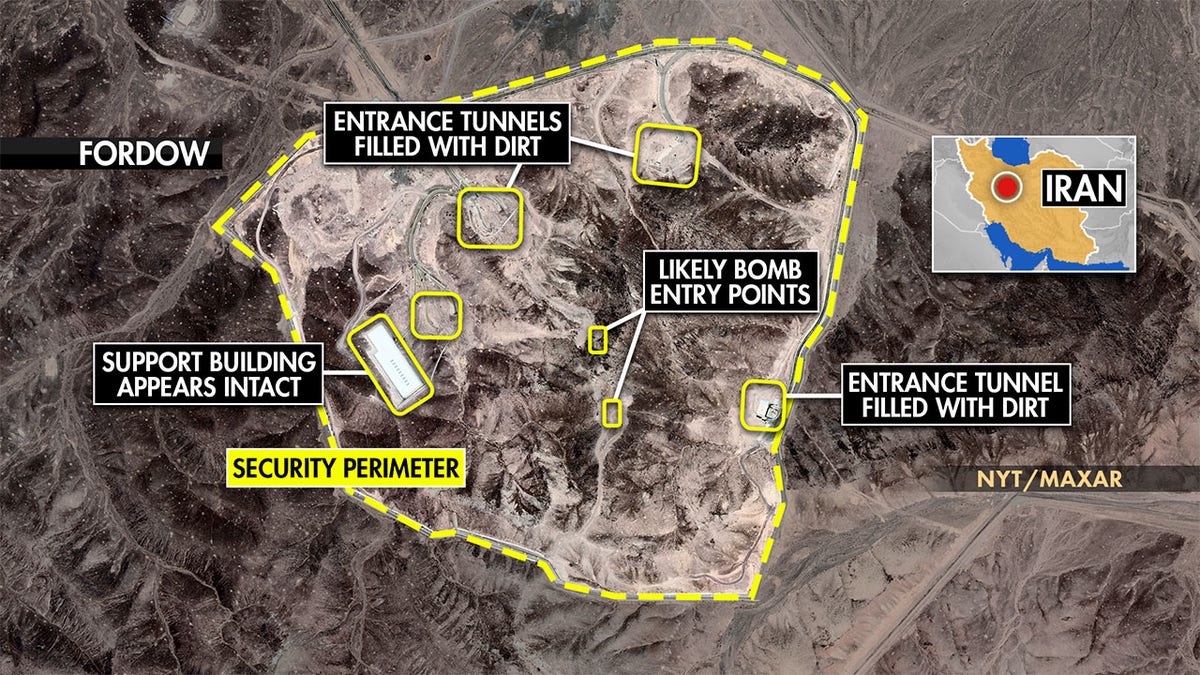
A map shows damage to Iran’s Fordow nuclear site after being struck by the United States in Operation Midnight Hammer on June 22, 2025. (Fox News)
David Albright, a physicist, founder and president of the Institute for Science and International Security told Fox News Digital that with respect to key nuclear weapons facilities that remain, «The elephants in the tent are Natanz and Isfahan. There was an attack on Natanz that the Iranians revealed, but the Israelis said we are not aware of an attack. So it must have been the U.S.,» he claimed.
TRUMP SAYS US, ISRAEL SHATTERED IRANIAN MILITARY CAPABILITIES, PRESSES LEADERS TO SURRENDER: ‘CRY UNCLE’
He said that Natanz has enriched uranium. «The Iranians were doing recovery operations in the underground fuel enrichment plant there and continuing to build this pickaxe mountain tunnel complex, which could hold enriched uranium. Right next to it is another tunnel complex that was built much earlier, around 2007… And the Iranians sealed it up, fortified it. There is something obviously important there.»
Albright said U.S. and Israeli airstrikes «have not attacked the underground Isfahan site. We know, according to the IAEA [International Atomic Energy Agency], highly enriched uranium is in that site.» He continued that, «There may be an enrichment plant under construction in that underground complex. We would like that site to be attacked.»
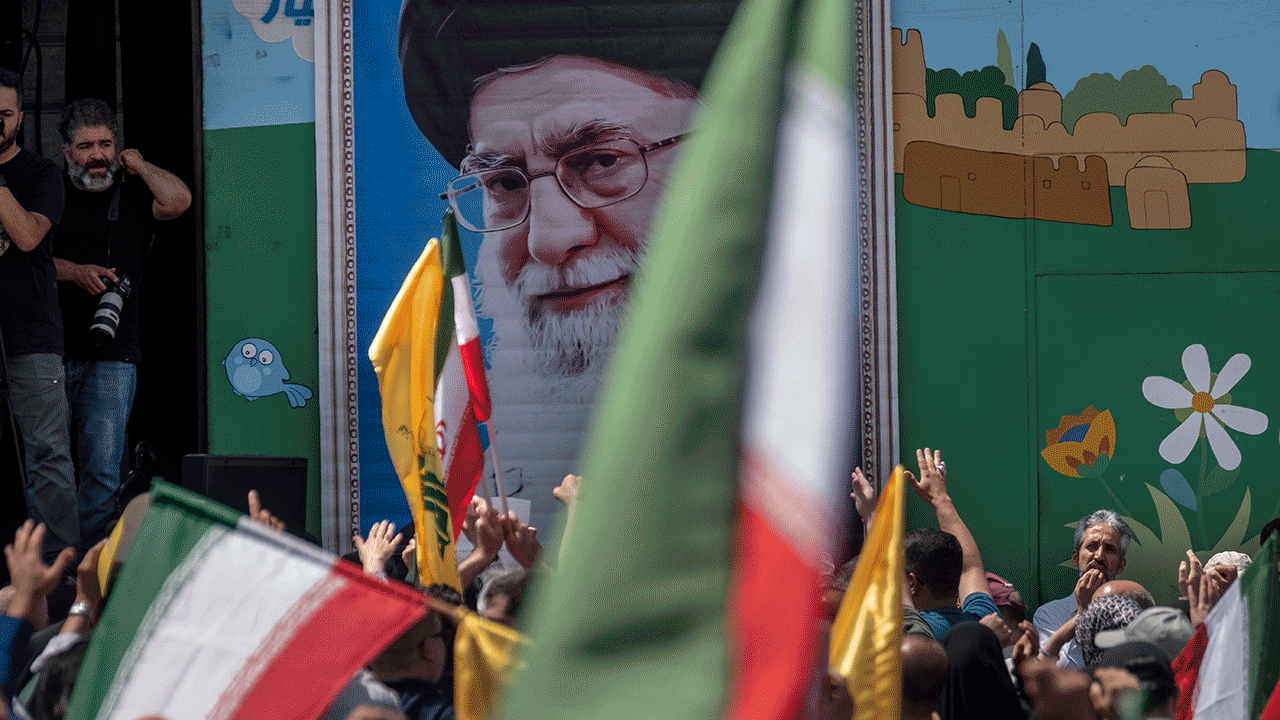
Iranian worshippers hold up their hands as signs of unity with Iran’s Supreme Leader, Ayatollah Ali Khamenei, during an anti-Israeli rally to condemn Israel’s attacks on Iran, in downtown Tehran, Iran, on June 20, 2025. (Morteza Nikoubazl/NurPhoto via Getty Images)
Albright warned that the war should not end like the previous U.S.-Israel war with Iran in 2025 with Tehran retaining the «crown jewels» of its atomic weapons program: highly enriched uranium and a number of centrifuges.
CLICK HERE TO DOWNLOAD THE FOX NEWS APP
He warned, «You don’t want it to come out of this war with the same kind of nuclear weapons capabilities that it had at the end of June war with a higher incentive to build a bomb.» He added, that is why it’s so important ‘to finish the job,» in Iran.
war with iran, israel, nuclear proliferation, conflicts
INTERNACIONAL
Biden judge freezes Trump admin move against AI firm, fueling battle over security authority
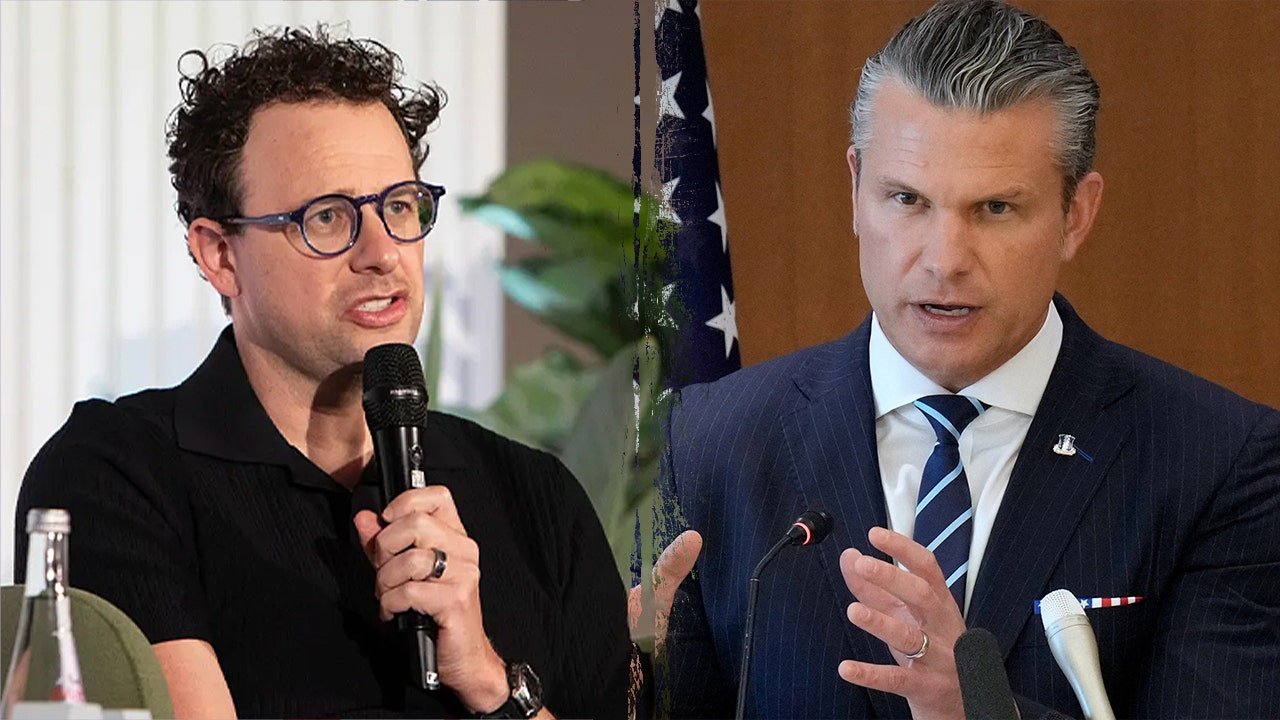
NEWYou can now listen to Fox News articles!
A federal judge’s decision to block the Trump administration from banning AI firm Anthropic from Department of War use is igniting a debate over whether the ruling pushes courts into national security decision-making.
The ruling, issued late Thursday by U.S. District Judge Rita Lin, a Biden appointee to the Northern District of California, pauses the administration’s broader effort to bar the company while the case proceeds, though it does not explicitly require the Pentagon to use Anthropic. The judge also gave the government one week to appeal.
Under Secretary of War Emil Michael wrote on X that the ruling contained «dozens of factual errors» and was issued «during a time of conflict,» arguing it «seeks to upend the (president’s) role as Commander in Chief» and disrupt the department’s ability to conduct military operations.
A BRAVE MARINE COLONEL TOOK ON THE PENTAGON — AND PAID THE PRICE FOR IT
Michael said the administration views Anthropic as still designated a supply chain risk pending appeal, signaling officials are disputing the scope and effect of the court’s injunction.
Lin said the Pentagon’s move to designate Anthropic as a national security risk was «likely both contrary to law and arbitrary and capricious.»
«Nothing in the governing statute supports the Orwellian notion that an American company may be branded a potential adversary and saboteur of the U.S. for expressing disagreement with the government,» Lin said.
«Can a judge order the Department of War to use a vendor that is a security risk? No, but also yes? Judge Lin (Biden N.D. California) tries to stop President Trump/Secretary Hegseth from banning Anthropic. But acknowledges they can choose not to use it?» one X user Eric Wess wrote on the social media platform.
War Secretary Pete Hegseth is named in the lawsuit, along with other defendants. (Julia Demaree Nikhinson/AP)
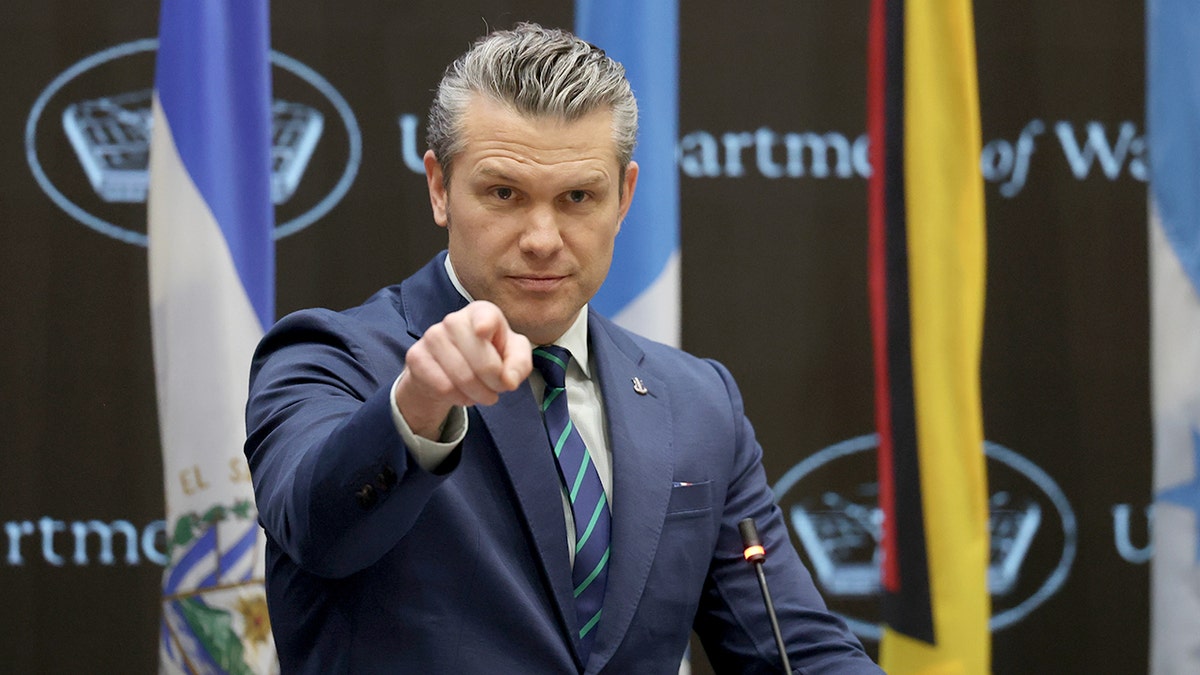
War Secretary Pete Hegseth had warned Anthropic it would face termination of its $200 million contract or be designated a supply chain risk if it did not allow its AI platform to be approved for all lawful uses. (Joe Raedle/Getty Images)
Others described the ruling as «pure judicial activism» and accused the judge of interfering in a national security decision.
But supporters of the decision — including a bipartisan group of nearly 150 retired federal and state judges — say the administration overstepped, warning the Pentagon’s use of a «supply chain risk» designation appeared improperly applied and could chill free speech and legitimate business activity.
In a March 3 letter, the Pentagon had notified Anthropic it would be designated a supply chain risk to national security. That designation ordered that no contractor, supplier or partner doing business with the United States military may conduct commercial activity with Anthropic.
PALANTIR EXECUTIVE SAYS AI ENABLING RAPID BATTLEFIELD PLANNING AND HIGH-SPEED US STRIKE OPERATIONS
The legal fight follows a broader dispute between the Pentagon and Anthropic over how the company’s AI system, Claude, can be used in military operations. Claude is the only commercial AI system approved for classified use.
War Secretary Pete Hegseth had warned Anthropic it would face termination of its $200 million contract, awarded in July 2025, or be designated a supply chain risk if it did not allow its AI platform to be approved for all lawful uses.
Anthropic insisted it would not allow Claude to be used for fully autonomous weapons or mass surveillance of Americans.
Pentagon officials say such uses already are not permitted, emphasizing that humans remain in the loop for lethal decisions and that the military does not conduct domestic surveillance, but maintain that private companies cannot dictate how their systems are used in lawful operations.
Lin pointed to the breadth of the measures — including a government-wide ban and contractor restrictions — saying they did not appear «tailored to the stated national security concern» and instead «look(ed) like an attempt to cripple Anthropic.

Hegseth described CEO Dario Amodei and Anthropic of a «master class in arrogance» and a «textbook case of how not to do business with the United States Government.» (Samyukta Lakshmi/Bloomberg via Getty Images)
Anthropic welcomed the decision, saying in a statement: «We’re grateful to the court for moving swiftly, and pleased they agree Anthropic is likely to succeed on the merits.»
CLICK HERE TO DOWNLOAD THE FOX NEWS APP
Hegseth described CEO Dario Amodei and Anthropic of a «master class in arrogance» and a «textbook case of how not to do business with the United States Government» in a Feb. 27 post on X.
OpenAI has emerged as a key alternative, securing a Pentagon deal to deploy its models on classified systems as tensions with Anthropic escalated.
Still, Anthropic has not been fully displaced — its Claude system remains deeply embedded in military workflows, and replacing it would take time.
pentagon, artificial intelligence, federal courts

La Justicia falló a favor de Wanda Nara y Mauro Icardi tendrá que llevar a sus hijas al colegio

Los argentinos compraron más de USD 31.000 millones desde la salida del cepo cambiario

Fallo por YPF: Javier Milei brindará una cadena nacional a las 19

Estados Unidos afirma que dos veleros que partieron de México a Cuba con ayuda llegaron «sanos y salvos»

Respaldo del Colegio de Abogados de la Ciudad a la propuesta de la Corte para la selección de los jueces

The race against time to destroy Iran’s illicit nuclear weapons program heats up amid fresh strikes

¡VERGÜENZA NACIONAL! Humillan a la Policía Federal mandándolos a un merendero antes de darles un aumento de sueldo digno

24 DE MARZO: La historia completa que el relato omitió sobre el golpe de 1976 y el Juicio a las Juntas

El mensaje de Milei sobre la “traición” que llamó la atención en el Gobierno y también en la oposición

El Presidente y Karina Milei volvieron a respaldar a Manuel Adorni tras la polémica por sus vuelos

 POLITICA2 días ago
¡VERGÜENZA NACIONAL! Humillan a la Policía Federal mandándolos a un merendero antes de darles un aumento de sueldo digno
- POLITICA2 días ago
El Presidente y Karina Milei volvieron a respaldar a Manuel Adorni tras la polémica por sus vuelos
- POLITICA2 días ago
Manuel Adorni: “Mi patrimonio lo construí antes de entrar al Gobierno, no tengo nada que esconder”