INTERNACIONAL
Iran deploys explosive ‘suicide skiffs’ disguised as fishing boats in Strait of Hormuz

NEWYou can now listen to Fox News articles!
Iran is deploying explosive-laden drone boats disguised as wooden fishing vessels in the Strait of Hormuz, a defense expert has warned — a move that signals a new phase of hybrid maritime warfare in one of the world’s most critical shipping lanes.
Cameron Chell, CEO of drone technology firm Draganfly, spoke after the United Kingdom Maritime Trade Operations (UKMTO) confirmed that a Marshall Islands–flagged oil tanker was struck March 1 by an Iranian unmanned surface vehicle north of Muscat, Oman.
«UKMTO has received confirmation that the vessel was attacked by an uncrewed surface vehicle (USV), and that the crew has been evacuated to shore,» UKMTO said in a threat assessment.
Reports also indicated that two additional oil tankers were hit March 11 by remote-controlled explosive boats in the Gulf, as Iran intensified attacks on foreign vessels following the start of the U.S. Operation Epic Fury against the regime on Feb. 28.
FIRES RAGE AT IRAN’S BANDAR ABBAS NAVAL HEADQUARTERS, STRAIT OF HORMUZ TRAFFIC STALLED
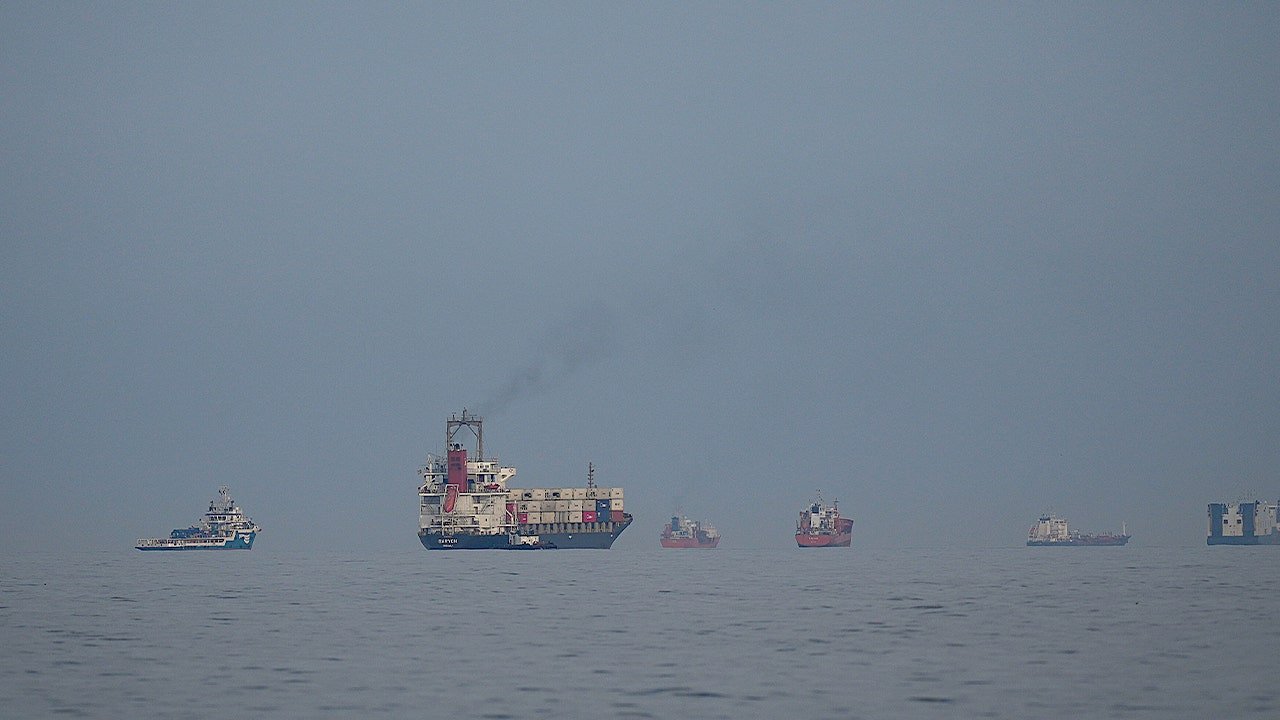
Persian Gulf shipping dips as Trump positions military against Iran. ( Morteza Nikoubazl/NurPhoto via Getty Images)
The use of so-called «suicide skiffs» represents a growing asymmetric threat in the narrow, 21-mile-wide Strait, Chell warned, while highlighting the technological capabilities behind these attacks.
«The Iranians probably have use of radio remote control, line of sight, frequency hopping, or encrypted radio communication between the skiffs and the Hormuz shoreline,» Chell told Fox News Digital.
«These can be jammed and tracked, but when there’s 50 of these boats, it’s hard to try to find them all along this shoreline or to find a 20-foot wooden fishing boat that is laden with explosives.
«They can have one person controlling a swarm of 10 boats,» he said before describing how there «could also be autonomous swarming where they might have 10 boats that can act with a large level of independence, because they’re pre-programmed.»
«The boats would be used to ram into targets and explode,» Chell clarified.
EX-NAVY SEAL WARNS WITHDRAWING FROM IRAN NOW WOULD HAND ‘VICTORY’ TO REGIME
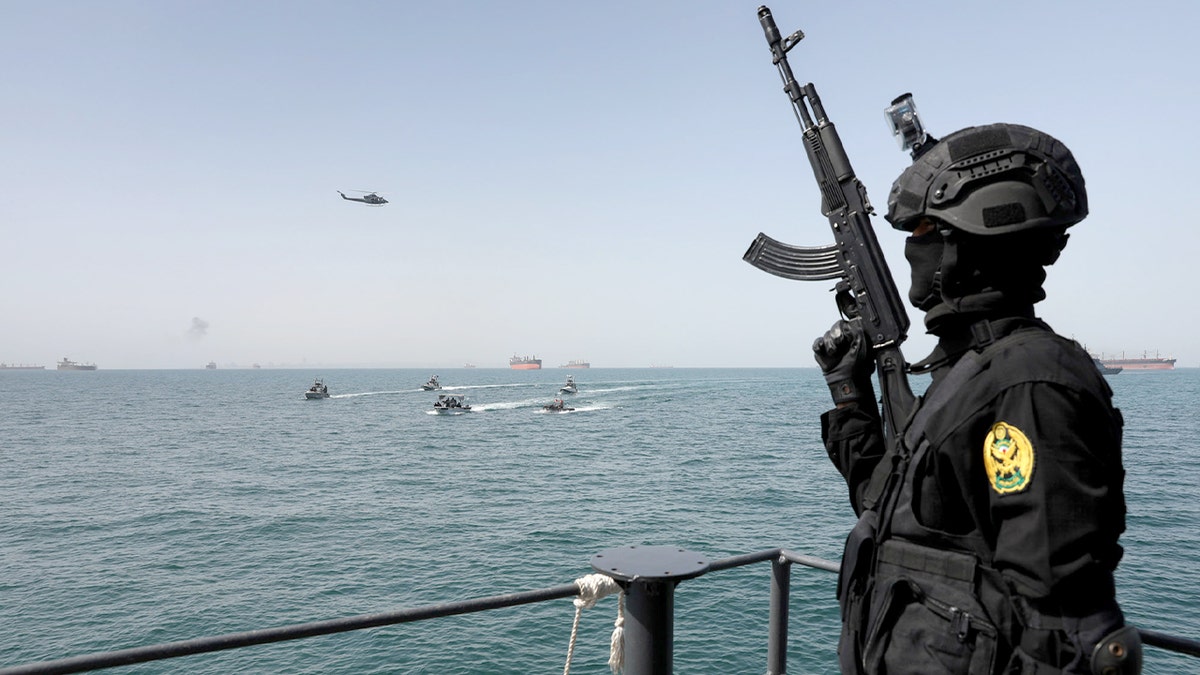
Naval units from Iran and Russia simulate the rescue of a hijacked vessel during joint drills at the Port of Bandar Abbas in Hormozgan, Iran, on Feb. 19, 2026. (Iranian Army/Handout/Anadolu via Getty Images)
Chell’s comments followed a March 12 Reuters report stating that six vessels had been attacked in the Gulf and Strait of Hormuz.
Sources said that Iran had also deployed about a dozen mines, complicating efforts to maintain any traffic through the critical waterway.
U.S. Treasury Secretary Scott Bessent told Sky News Thursday that the U.S. Navy, potentially alongside an international coalition, would escort ships when militarily feasible.
U.K. Defense Secretary John Healey also said discussions were underway with European counterparts stressing the global economic stakes tied to the strait. Chell, however, questioned current defensive readiness.
«The drone defense fleets that the U.S. Navy would not have been set up to take these suicide skiffs out,» Chell said.
«The U.S. would be using manned aircraft in order to take them out, which are fantastic at taking out a large target, but inefficient in taking out 50 boats at one time that are an average of 25 or 30 feet in size, laden with explosives.
IRAN’S DRONE SWARMS CHALLENGE US AIR DEFENSES AS TROOPS IN MIDDLE EAST FACE RISING THREATS
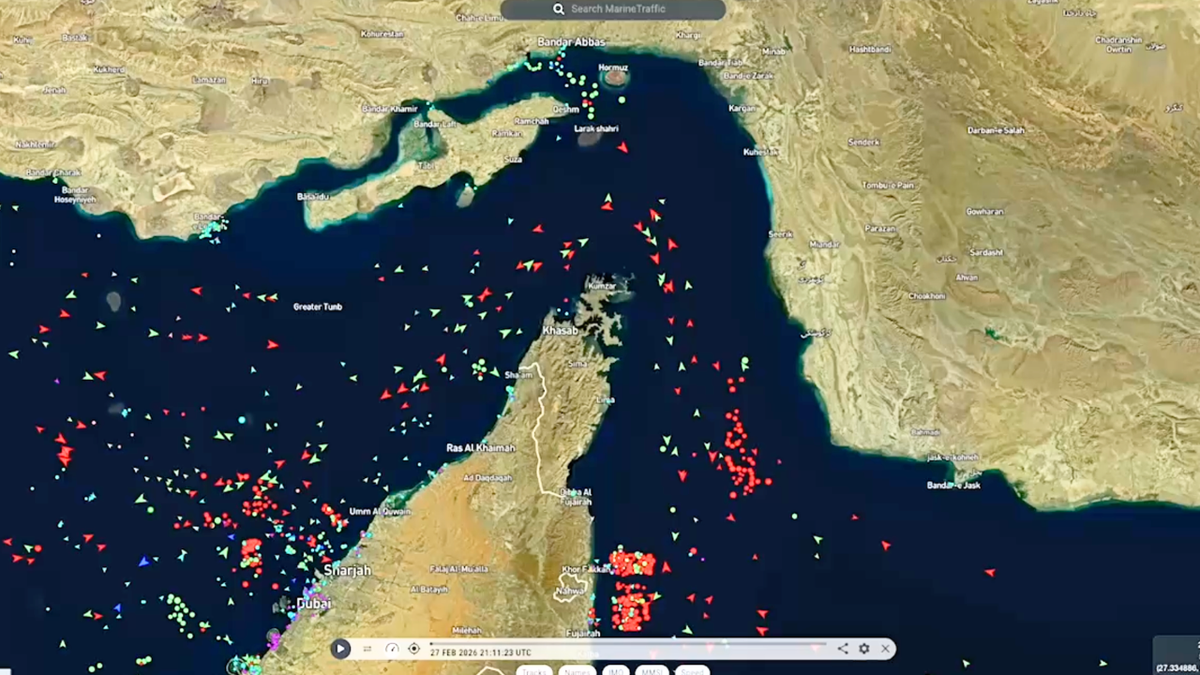
A screenshot of a marine traffic terminal showing vessels in the Strait of Hormuz on March 4, 2026. (Kpler/Marine Traffic)
«Given the Strait’s geography, it would require patrolling by many aircraft and would require pervasive surveillance over the area, a rapid response to any activity that’s happening,» he said.
As Supreme Leader Mojtaba Khamenei vowed to keep the Strait closed as leverage against the U.S. and Israel, oil prices continue to surge, with Chell also highlighting the geographic advantage Iran holds.
«The geographic layout of the Strait lends itself very well to relatively unsophisticated suicide skiffs, unmanned surface vehicles or USVs,» he warned before describing how the area «lends itself to this low-cost, automatic, asymmetric warfare.»
«The Iranians can disguise them as fishing boats and can be anywhere from 12 to 30 feet, and a boat could be of any description,» Chell said.
«These skiffs are equipped with basic remote control capabilities that may or may not be using GPS waypoints or manual remote control.»
CLICK HERE TO DOWNLOAD THE FOX NEWS APP
«The skiffs are not autonomous, because the distance across the Strait is so short, and it’s very flat across this waterway, the communication signal could be carried for quite some time via a line of sight,» he added.
«They could literally have hundreds out there at a time, because they’re also so inexpensive to defend against,» Chell said.
war with iran,iran,mojtaba khamenei,us navy,military,wars







INTERNACIONAL
En un rincón azotado por los cárteles, los mexicanos están abiertos a la intervención de EE.UU.


INTERNACIONAL
Iran moves hundreds of millions in crypto during nationwide internet blackout, report reveals

NEWYou can now listen to Fox News articles!
EXCLUSIVE: Cryptocurrency infrastructure linked to Iran’s Islamic Revolutionary Guard Corps (IRGC) continued operating during the country’s nationwide internet blackout after the Feb. 28 U.S.–Israeli strikes, a cyber intelligence report reviewed by Fox News Digital claims. It allowed hundreds of millions of dollars in crypto to move out of the country.
Omri Raiter, founder and CEO of RAKIA, a cyber intelligence firm that develops data analysis platforms used by governments and security agencies, told Fox News Digital his team began monitoring Iranian cryptocurrency activity in real time after the attacks and quickly detected a surge of funds leaving Iranian-linked crypto accounts.
«We’ve seen a surge of funds since the first hours of the war,» Raiter said. «It started with tens of millions in the first hours, and it grew to hundreds of millions and more. Money was just flowing out from Iranian crypto accounts.»
Wallets linked to the IRGC received more than $3 billion in cryptocurrency in 2025, according to the internal report based on blockchain intelligence data cited by RAKIA. The report also cites publicly available data from blockchain analysis firm Chainalysis, which estimated Iran’s cryptocurrency ecosystem reached $7.78 billion in activity in 2025.
IRAN PROXIES WAGE WAR ON ISRAEL, THREATEN US INTERESTS AS IRAQ SLAMMED FOR NOT DISARMING THEM
Strikes on the Iranian leadership, the IRGC and Iranian naval vessels and oil infrastructure have roiled the markets. ( Sasan/Middle East Images / AFP via Getty Images)
Raiter said the data suggests Iran has developed a significant crypto-based financial infrastructure capable of operating even during heavy sanctions and communications shutdowns.
«The IRGC has been financing proxy operations through the very same crypto corridors that sanctions were designed to shut down,» Raiter said.
The U.S. Department of the Treasury sanctioned cryptocurrency exchanges tied to Iranian actors Jan. 30, marking one of the first times the U.S. targeted entire digital asset platforms rather than individual wallets for sanctions evasion linked to the Islamic Revolutionary Guard Corps.
Treasury Secretary Scott Bessent said the move was part of a broader effort to disrupt financial networks connected to Tehran, Iran.
«The Treasury will continue to pursue Iranian networks and corrupt elites who enrich themselves at the expense of the people,» Bessent said in a Treasury press release in January. «This also applies to attempts by the regime to use digital assets to circumvent sanctions.»
The recent surge appears to reflect two parallel trends: funds moving to support Iran’s regional proxy networks and money being moved by individuals connected to the regime seeking to protect their personal wealth, according to RAKIA’s analysis.
«The proxy war funding and the personal capital flight are two sides of the same coin,» Raiter said. «They move through the same pipelines.»
IRAN WAR, 11 DAYS IN: US CONTROLS SKIES, OIL SURGES AND THE REGION BRACES FOR WHAT’S NEXT
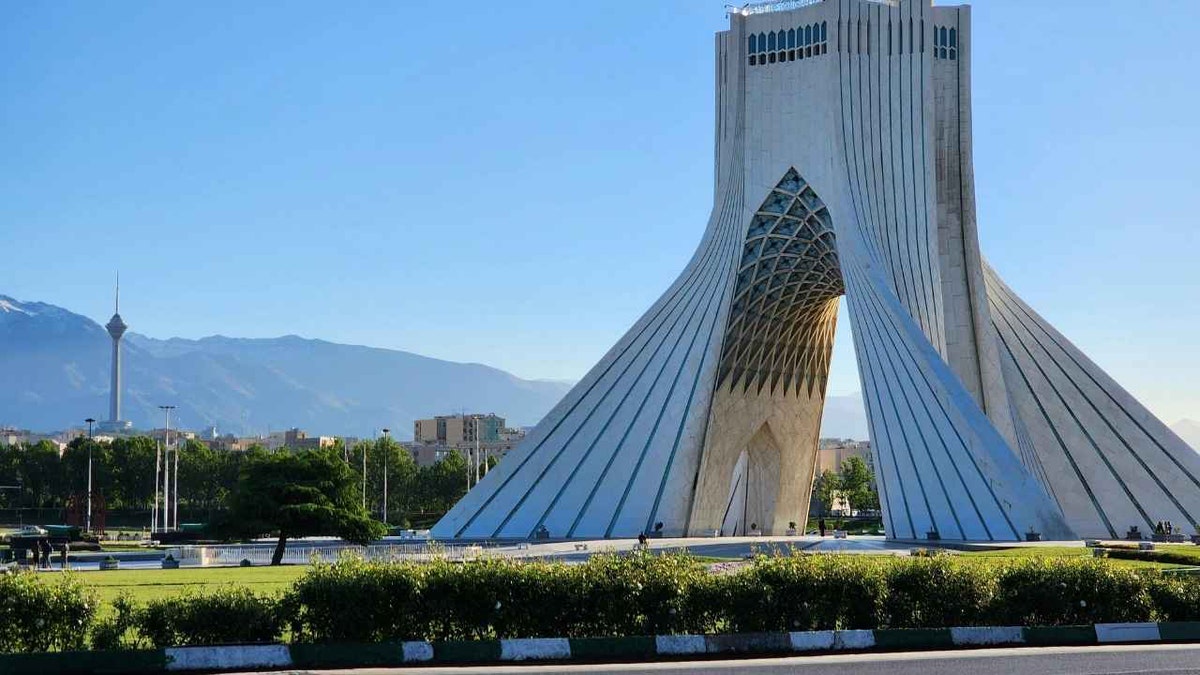
Tehran’s skyline, including the Azadi Tower, became the backdrop to a crisis shaped as much by cyber disruption as by missiles in the sky. (Kurt «CyberGuy» Knutsson)
Raiter said the firm identified cryptocurrency flows connected to networks previously associated with Iran-backed groups.
«Some of the accounts we saw are connected to areas where money historically flows to proxy wars,» he told Fox News Digital, citing activity linked to Lebanon and Yemen.
«Some of it could be people inside the IRGC trying to move their own money,» Raiter said. «But when you see the scale and the timing, it looks coordinated.»
The report produced by RAKIA claims the activity continued even after Iran imposed a sweeping internet shutdown across the country. National connectivity dropped to roughly 1% of normal levels during the blackout, according to internet monitoring group NetBlocks.
FROM MISSILES TO MINERALS: THE STRATEGIC MEANING BEHIND THE IRAN STRIKE
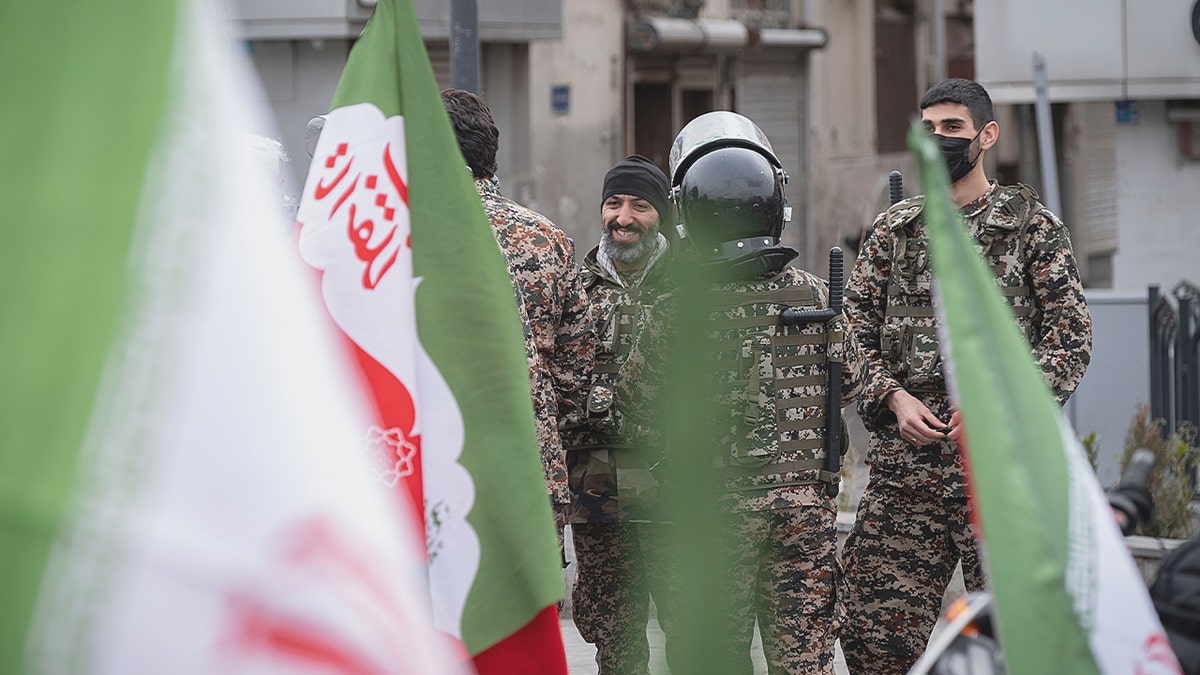
Military members of the Islamic Revolutionary Guard Corps in western Tehran, Iran (Morteza Nikoubazl/NurPhoto via Getty Images)
Despite that shutdown, RAKIA researchers said they detected more than 1,100 active cryptocurrency nodes operating inside Iran.
«When the internet is at one percent and you still see over a thousand active crypto nodes, you’re not looking at retail users,» Tom Malca, RAKIA’s head of cyber and AI research, said in the report. «Those nodes require dedicated bandwidth, stable power and deliberate exemption from the shutdown.»
RAKIA researchers said the activity suggests specialized infrastructure continued operating even as millions of Iranian civilians were cut off from the internet.
Most of the nodes were concentrated in the Tehran–Qom corridor, according to the report, an area that includes major government and IRGC institutions. Smaller clusters were detected in Iranian cities, including Isfahan, Mashhad, Tabriz and Kermanshah, according to the analysis.
CLICK HERE TO DOWNLOAD THE FOX NEWS APP
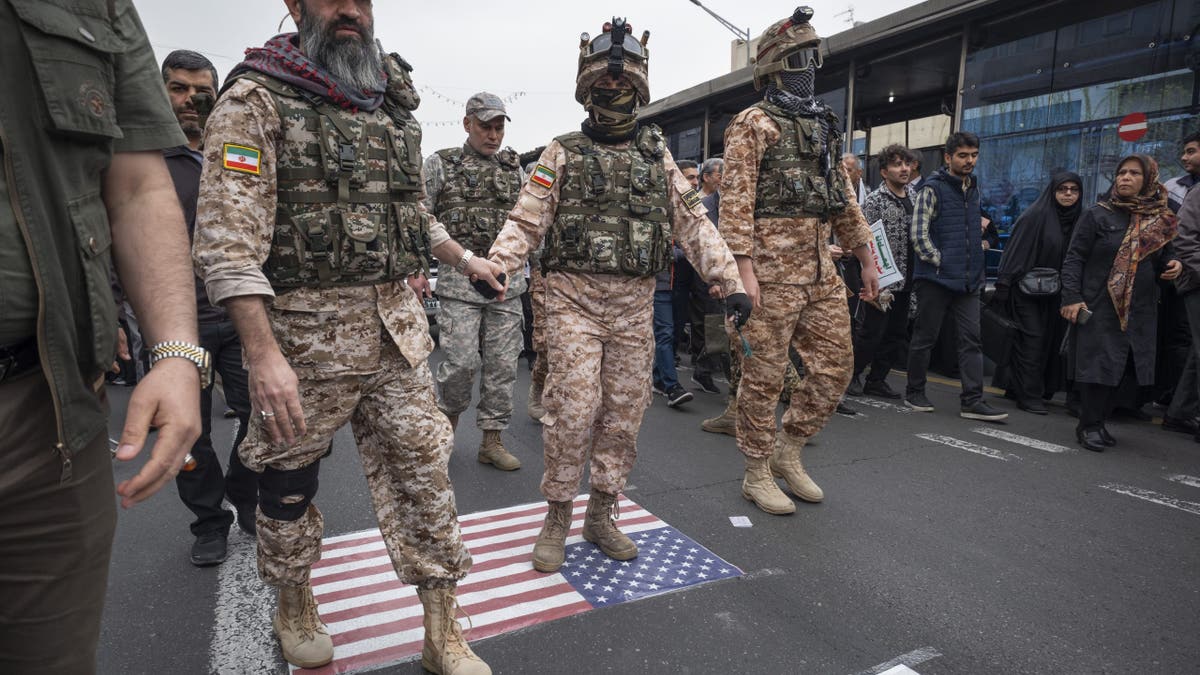
Islamic Revolutionary Guard Corps special forces walk on the U.S. flag during a rally commemorating International Quds Day, also known as Jerusalem Day, in Tehran, Iran, March 28, 2025. (Morteza Nikoubazl/NurPhoto via Getty Images)
RAKIA said its investigation relied on a combination of network monitoring and publicly available blockchain intelligence.
The Iranian mission to the United Nations in New York declined to comment on the report’s claims.
war with iran,terrorism,cybercrime
INTERNACIONAL
Florida Republicans send SAVE Act–style proof-of-citizenship voting bill to DeSantis’ desk
NEWYou can now listen to Fox News articles!
Florida lawmakers are sending Republican Gov. Ron DeSantis a strict elections bill modeled after the federal SAVE America Act strongly championed by President Donald Trump that mandates voters verify their citizenship when registering.
Lawmakers in Tallahassee, Florida, in the GOP-dominated state House approved the measure in a 77–28 vote Thursday, hours after the bill passed the Republican-controlled state Senate 27–12. The votes in both houses of the Florida legislature were nearly entirely along party lines.
DeSantis, a supporter of what he calls «the Florida version of the SAVE Act,» is expected to sign the measure when it reaches his desk.
«Although Florida has already enacted much of what the federal legislation contemplates, this will further fortify our state as the leader in election integrity,» the governor highlighted in a social media post.
SENATE GOP EYES BLAME GAME AS TRUMP-BACKED SAVE ACT HEADED FOR DEFEAT
The developments in Florida come as the federal bill faces an uncertain future in Congress.
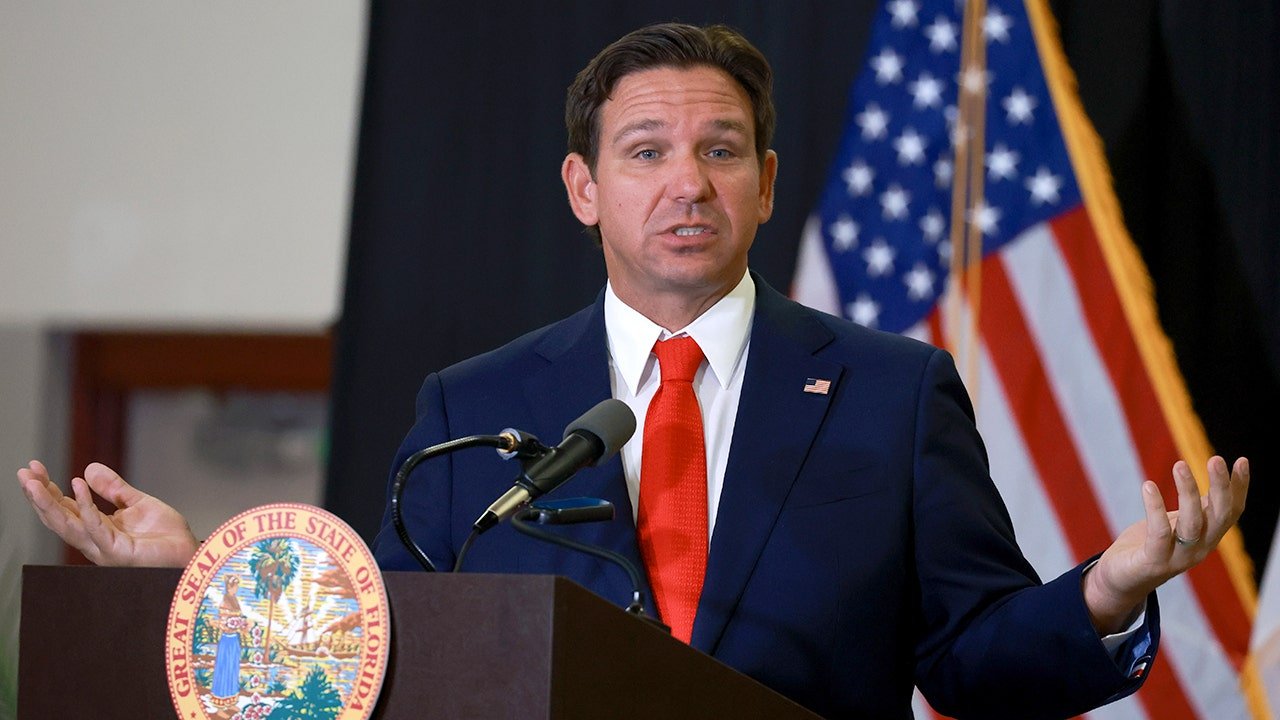
Republican Gov. Ron DeSantis of Florida supports a bill approved by his state’s legislature which mandates proof-of-citizenship when registering to vote. (AP Photo/Rebecca Blackwell, File)
The SAVE Act, which stands for Safeguard American Voter Eligibility, narrowly passed the GOP-controlled House in February mostly along party lines. But it’s stalled in the Senate, where Republicans hold a 53–47 majority in the chamber, far short of the 60 vote threshold needed to pass the bill.
The federal bill would require strict voter ID and proof-of-citizenship requirements across the country. Republicans say the bill is necessary to secure election integrity.
While polls indicate the vast majority of Americans — regardless of the political affiliation — support voter IDs at the polls and preventing noncitizens from voting in federal elections, Democrats argue the bill is not needed, since citizenship already is a requirement to vote and instances of noncitizen voting are rare.
THUNE GUARANTEES VOTER ID BILL TO HIT THE SENATE DESPITE SCHUMER, DEM OPPOSITION: ‘WE WILL HAVE A VOTE’
Democrats and voting rights groups also claim that the federal bill would create unnecessary barriers, making it harder for voters to cast a ballot.
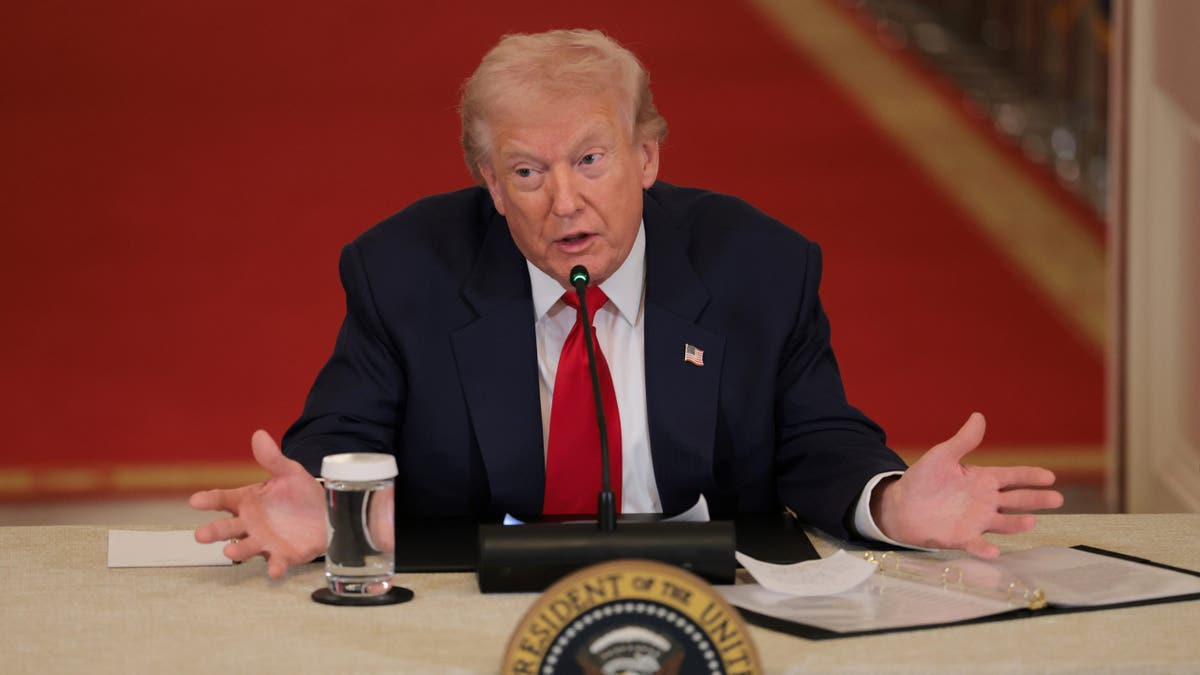
President Donald Trump has said that passing a federal bill that mandates proof-of-citizenship to register to vote should be the number one priority for Congress. (Anna Moneymaker/Getty Images)
Trump, who is intent on holding the Republican congressional majorities in the 2026 midterm elections, said earlier recently that the federal bill should be the top priority in Congress and that if passed, it «will guarantee the midterms» for Republicans.
But the Florida bill’s proof of citizenship requirement wouldn’t take effect until January, after the November 2024 midterm elections. And the bill also doesn’t limit the Sunshine State’s allowance for excuse-free mail-in-voting.
Trump has long railed against mail-in-balloting.
SCHUMER DOUBLES DOWN ON GOP VOTING BILL ‘JIM CROW 2.0’ DESPITE DEMOCRATIC VOTER SUPPORT
The Florida measure also would prevent college students from using their student IDs when voting in person, but that provision wouldn’t take effect until 2027.
«This bill creates real barriers for everyday Floridians, especially those with the fewest resources,» Democratic state Sen. LaVon Bracy Davis of Orlando argued in a social media post. «It will disproportionately impact working families, seniors, and college students who want to exercise their voice and right to vote.»
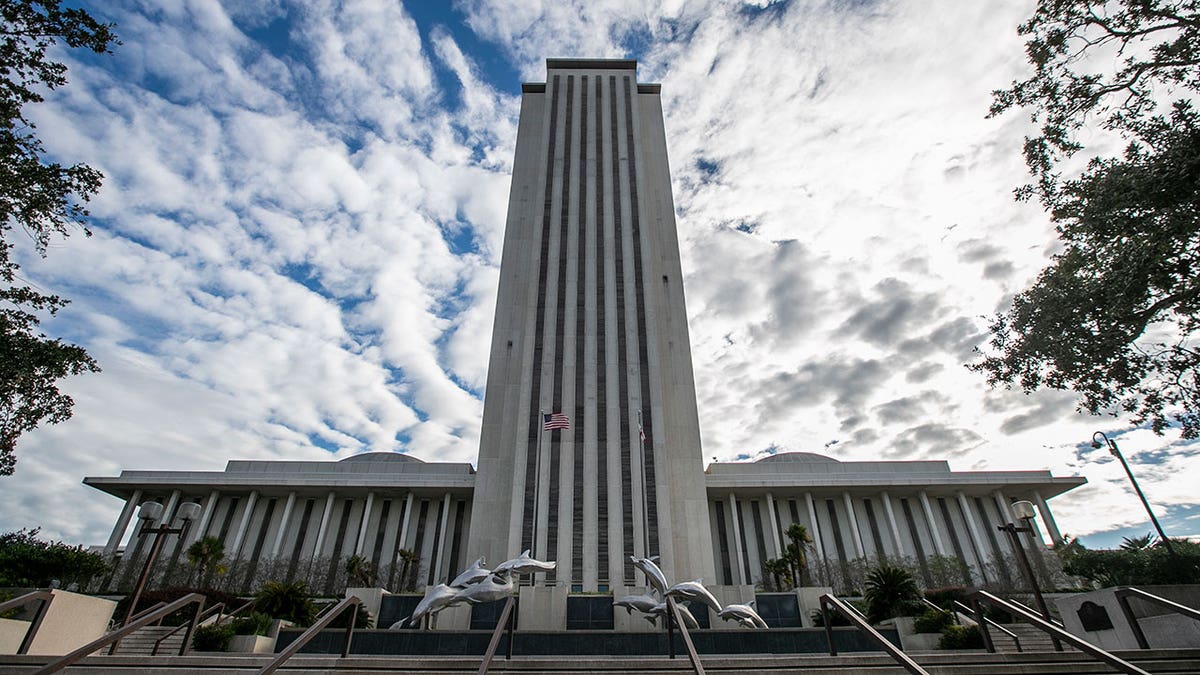
A view of the Florida State Capitol building in Tallahassee, Florida. (Mark Wallheiser/Getty Images)
And Florida Democratic Party Chair, Nikki Fried charged, «In the cover of night, Florida Republicans made it harder for U.S. citizens to vote.»
«While Democrats, civic groups, and voters voiced their concerns to stop this harmful policy, Republicans decided citizens’ voices didn’t matter and voted to disenfranchise hardworking Floridians,» she added.
The bill would make Florida the most populous state in the nation to mandate proof-of-citizenship to register to vote.
Arizona and Kansas enacted similar requirements in the past two decades, and Louisiana passed a law two years ago.
CLICK HERE TO DOWNLOAD THE FOX NEWS APP
Proof-of-citizenship bills passed recently in the South Dakota and Utah legislatures, and are awaiting the governors’ signatures.
And in 2024, New Hampshire mandated that all first-time voters show proof of citizenship when registering.
donald trump,ron desantis,voting,elections,midterm elections,florida

Tras el aumento: cuanto gana un camionero en marzo 2026

Crece el malestar en Francia por una decisión del director de la Casa Argentina en París

El Gobierno apelará el fallo contra el tope a las indemnizaciones que fija la reforma laboral

En un rincón azotado por los cárteles, los mexicanos están abiertos a la intervención de EE.UU.

Un argentino que fue campeón de la Premier reveló cómo fue su tensa relación con su DT

Yanina Latorre reveló quién es la figura explosiva que vuelve al streaming: «La Negra Vernaci»

Muni Seligmann respondió las críticas tras el accidente de su bebé y su viaje a Miami: “Hay que contarlo y naturalizarlo”

El ex novio de Luana de Gran Hermano reveló información sensible sobre su relación: “El bolso tenía plata”

Juan Carlos Schmid deja la conducción de Dragado y Balizamiento después de 33 años

Sorpresa en Gran Hermano tras la expulsión de Carmiña: la reacción de la producción y las dudas sobre su reemplazo

 CHIMENTOS3 días ago
Muni Seligmann respondió las críticas tras el accidente de su bebé y su viaje a Miami: “Hay que contarlo y naturalizarlo”
- CHIMENTOS1 día ago
El ex novio de Luana de Gran Hermano reveló información sensible sobre su relación: “El bolso tenía plata”
- CHIMENTOS1 día ago
Sorpresa en Gran Hermano tras la expulsión de Carmiña: la reacción de la producción y las dudas sobre su reemplazo