INTERNACIONAL
Iran moves hundreds of millions in crypto during nationwide internet blackout, report reveals


NEWYou can now listen to Fox News articles!
EXCLUSIVE: Cryptocurrency infrastructure linked to Iran’s Islamic Revolutionary Guard Corps (IRGC) continued operating during the country’s nationwide internet blackout after the Feb. 28 U.S.–Israeli strikes, a cyber intelligence report reviewed by Fox News Digital claims. It allowed hundreds of millions of dollars in crypto to move out of the country.
Omri Raiter, founder and CEO of RAKIA, a cyber intelligence firm that develops data analysis platforms used by governments and security agencies, told Fox News Digital his team began monitoring Iranian cryptocurrency activity in real time after the attacks and quickly detected a surge of funds leaving Iranian-linked crypto accounts.
«We’ve seen a surge of funds since the first hours of the war,» Raiter said. «It started with tens of millions in the first hours, and it grew to hundreds of millions and more. Money was just flowing out from Iranian crypto accounts.»
Wallets linked to the IRGC received more than $3 billion in cryptocurrency in 2025, according to the internal report based on blockchain intelligence data cited by RAKIA. The report also cites publicly available data from blockchain analysis firm Chainalysis, which estimated Iran’s cryptocurrency ecosystem reached $7.78 billion in activity in 2025.
IRAN PROXIES WAGE WAR ON ISRAEL, THREATEN US INTERESTS AS IRAQ SLAMMED FOR NOT DISARMING THEM
Strikes on the Iranian leadership, the IRGC and Iranian naval vessels and oil infrastructure have roiled the markets. ( Sasan/Middle East Images / AFP via Getty Images)
Raiter said the data suggests Iran has developed a significant crypto-based financial infrastructure capable of operating even during heavy sanctions and communications shutdowns.
«The IRGC has been financing proxy operations through the very same crypto corridors that sanctions were designed to shut down,» Raiter said.
The U.S. Department of the Treasury sanctioned cryptocurrency exchanges tied to Iranian actors Jan. 30, marking one of the first times the U.S. targeted entire digital asset platforms rather than individual wallets for sanctions evasion linked to the Islamic Revolutionary Guard Corps.
Treasury Secretary Scott Bessent said the move was part of a broader effort to disrupt financial networks connected to Tehran, Iran.
«The Treasury will continue to pursue Iranian networks and corrupt elites who enrich themselves at the expense of the people,» Bessent said in a Treasury press release in January. «This also applies to attempts by the regime to use digital assets to circumvent sanctions.»
The recent surge appears to reflect two parallel trends: funds moving to support Iran’s regional proxy networks and money being moved by individuals connected to the regime seeking to protect their personal wealth, according to RAKIA’s analysis.
«The proxy war funding and the personal capital flight are two sides of the same coin,» Raiter said. «They move through the same pipelines.»
IRAN WAR, 11 DAYS IN: US CONTROLS SKIES, OIL SURGES AND THE REGION BRACES FOR WHAT’S NEXT
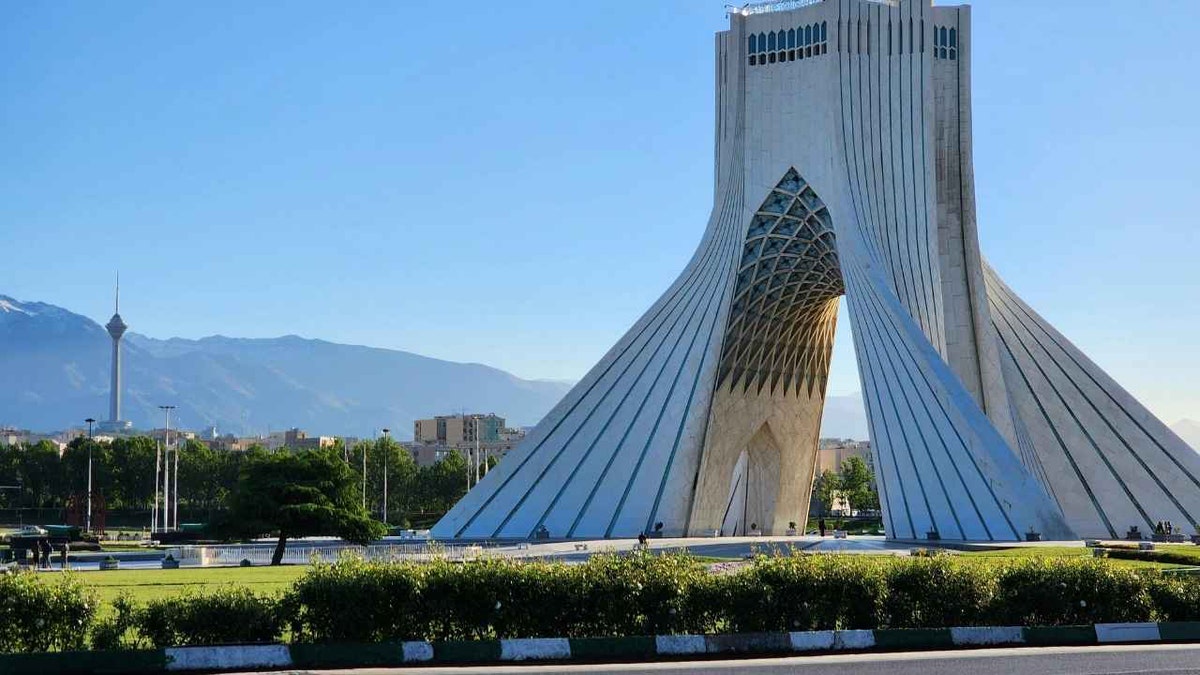
Tehran’s skyline, including the Azadi Tower, became the backdrop to a crisis shaped as much by cyber disruption as by missiles in the sky. (Kurt «CyberGuy» Knutsson)
Raiter said the firm identified cryptocurrency flows connected to networks previously associated with Iran-backed groups.
«Some of the accounts we saw are connected to areas where money historically flows to proxy wars,» he told Fox News Digital, citing activity linked to Lebanon and Yemen.
«Some of it could be people inside the IRGC trying to move their own money,» Raiter said. «But when you see the scale and the timing, it looks coordinated.»
The report produced by RAKIA claims the activity continued even after Iran imposed a sweeping internet shutdown across the country. National connectivity dropped to roughly 1% of normal levels during the blackout, according to internet monitoring group NetBlocks.
FROM MISSILES TO MINERALS: THE STRATEGIC MEANING BEHIND THE IRAN STRIKE
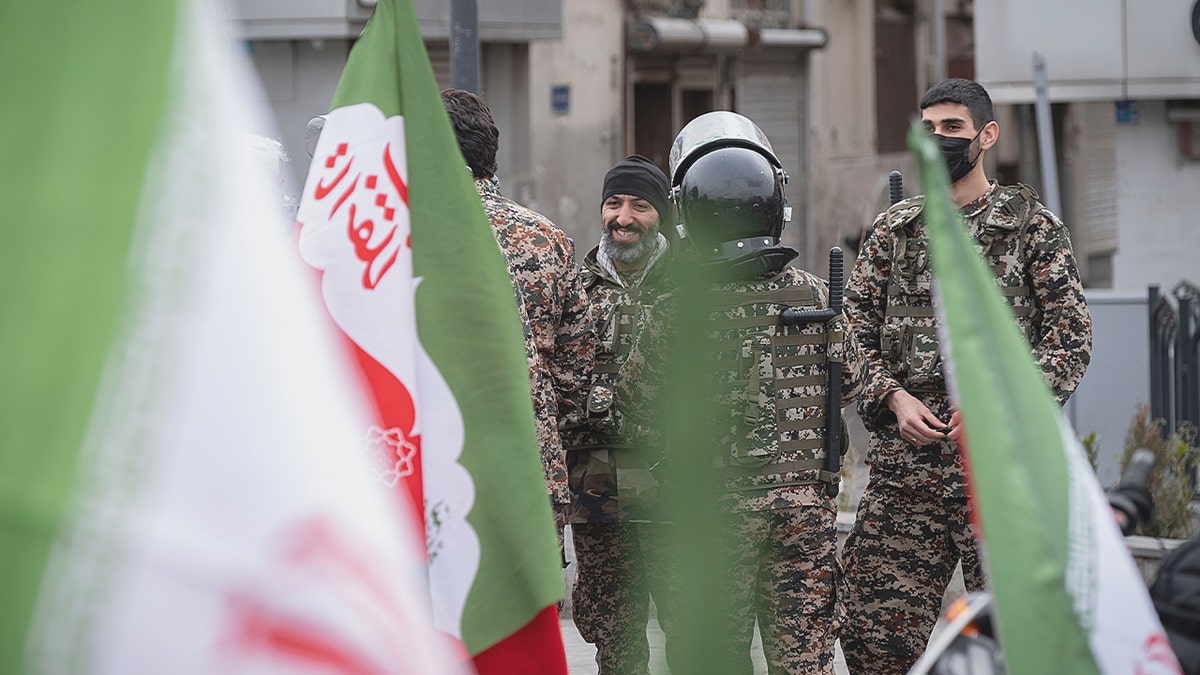
Military members of the Islamic Revolutionary Guard Corps in western Tehran, Iran (Morteza Nikoubazl/NurPhoto via Getty Images)
Despite that shutdown, RAKIA researchers said they detected more than 1,100 active cryptocurrency nodes operating inside Iran.
«When the internet is at one percent and you still see over a thousand active crypto nodes, you’re not looking at retail users,» Tom Malca, RAKIA’s head of cyber and AI research, said in the report. «Those nodes require dedicated bandwidth, stable power and deliberate exemption from the shutdown.»
RAKIA researchers said the activity suggests specialized infrastructure continued operating even as millions of Iranian civilians were cut off from the internet.
Most of the nodes were concentrated in the Tehran–Qom corridor, according to the report, an area that includes major government and IRGC institutions. Smaller clusters were detected in Iranian cities, including Isfahan, Mashhad, Tabriz and Kermanshah, according to the analysis.
CLICK HERE TO DOWNLOAD THE FOX NEWS APP
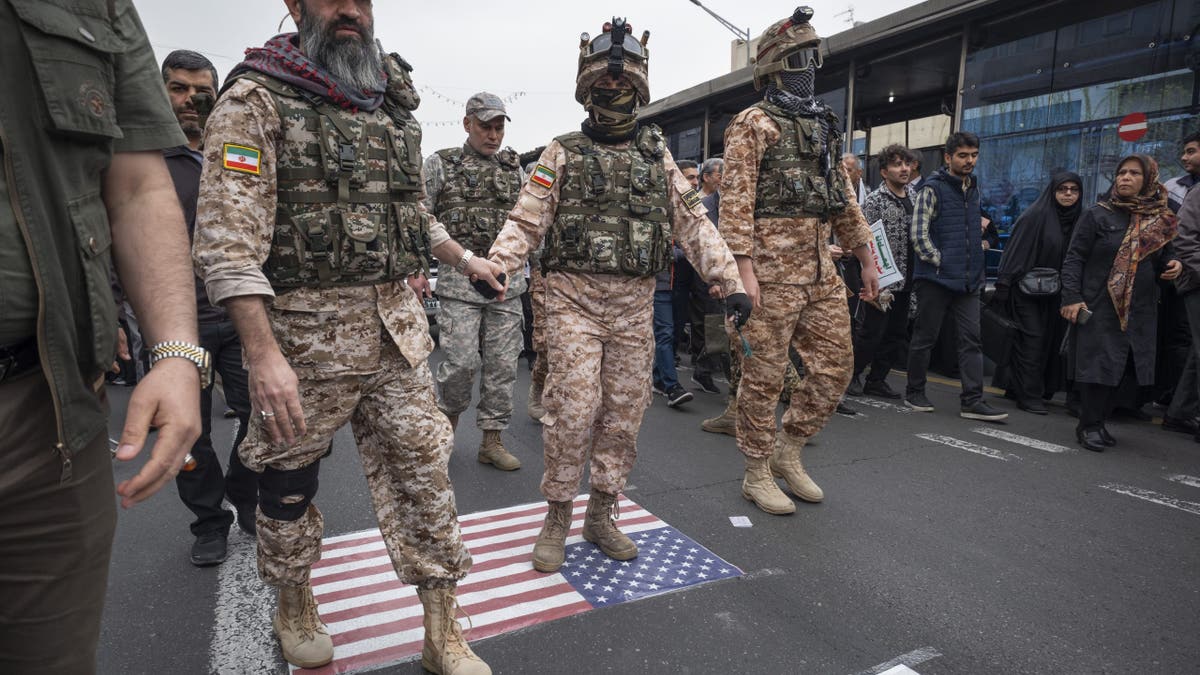
Islamic Revolutionary Guard Corps special forces walk on the U.S. flag during a rally commemorating International Quds Day, also known as Jerusalem Day, in Tehran, Iran, March 28, 2025. (Morteza Nikoubazl/NurPhoto via Getty Images)
RAKIA said its investigation relied on a combination of network monitoring and publicly available blockchain intelligence.
The Iranian mission to the United Nations in New York declined to comment on the report’s claims.
war with iran,terrorism,cybercrime





INTERNACIONAL
Por qué Frida Kahlo es mucho más que una artista y cómo su rostro llegó a la cultura pop
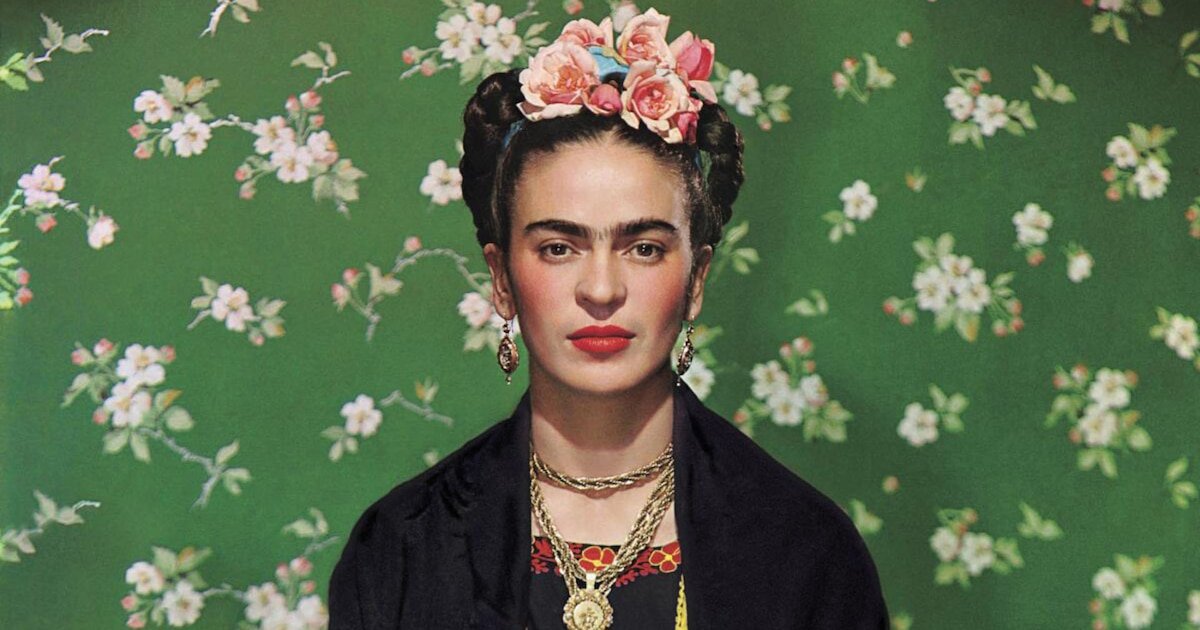
La exposición “Frida: The Making of an Icon”, inaugurada en el Museo de Bellas Artes de Houston, explora cómo la vida y la imagen de Frida Kahlo trascendieron su obra artística para convertirse en un icono cultural global. Con más de 200 piezas inspiradas en la artista y la participación de ochenta creadores de diversos países, la muestra analiza el proceso que configuró la figura de Kahlo como símbolo de identidad, activismo y objeto de consumo internacional.
Frida Kahlo se convirtió en icono cultural mundial porque su historia, marcada por la discapacidad, el activismo político y una identidad singular, ha sido reinterpretada por movimientos sociales, colectivos culturales y artistas de distintas generaciones.
El fenómeno Kahlo, según la exposición en Houston, trasciende el arte, influyendo en debates sobre la representación, el consumo cultural y el legado latinoamericano desde una perspectiva internacional.

La biografía de Frida Kahlo estuvo marcada por desafíos personales y compromiso político. Nació en 1907 en la Casa Azul de Ciudad de México. Desde la infancia enfrentó secuelas físicas de la polio, a las que se sumaron lesiones permanentes tras un accidente de autobús a los 18 años. Integrante activa del Partido Comunista Mexicano, inició su carrera artística en ese entorno y mantuvo una relación compleja con el muralista Diego Rivera.
Durante su vida, el reconocimiento de Kahlo fue limitado, aunque expuso de forma individual en Nueva York y mantuvo contacto con figuras destacadas como André Breton y Georgia O’Keeffe. Tras su muerte en 1954, su visibilidad creció por biografías como las de Teresa del Conde y Raquel Tibol en los años 70, seguidas de exposiciones retrospectivas en México y Estados Unidos.

El impulso decisivo hacia el reconocimiento internacional llegó con la exposición itinerante “Frida Kahlo and Tina Modotti” en 1982 y la presentación de ocho obras en la muestra “México: Esplendores de treinta siglos” en 1990, detalló Artnet News.
A partir de 1968, la imagen de Kahlo fue adoptada como emblema de orgullo y resistencia cultural por el movimiento estudiantil mexicano. Posteriormente, colectivos como el movimiento chicano en Estados Unidos, el feminismo, el activismo LGBTQ+ y numerosos artistas contemporáneos reivindicaron su legado como fuente de inspiración y plataforma para nuevas formas de expresión.

La curadora Mari Carmen Ramírez explicó a Artnet News que “el legado de Frida ha sido acogido por todos estos grupos, tanto en México como en Estados Unidos”. Añadió que la exposición es una exploración inédita de cómo distintas comunidades han incorporado y transformado la figura de Kahlo.
La influencia de Kahlo está reflejada en la presencia de ochenta artistas de cinco generaciones, entre ellos Judy Chicago, Kiki Smith, Ana Mendieta, Guerrilla Girls, Miriam Schapiro y Carrie Mae Weems. Muchos de estos creadores, sin vínculo directo con el arte mexicano, reconocen la relevancia de la artista como referencia principal en su trabajo.

El magnetismo de Kahlo reside en su capacidad de crear diversas identidades a través del autorretrato. Ramírez sostiene que “ella creó muchas clases de identidades a través del autorretrato, lo que la convierte en un icono multifacético”, según recoge Artnet News.
La artista es celebrada por sus valores de diversidad, autodefinición y la ruptura de barreras de género, raza y sexualidad. Su imagen actúa como emblema de colectivos que buscan visibilizar causas sociales y denunciar injusticias.
El catálogo de la exposición subraya la versatilidad de Kahlo como mestiza, mujer bisexual, intelectual y activista. Esta multiplicidad le permitió moverse entre distintas esferas culturales y políticas, posibilitando la construcción de una leyenda que, en ocasiones, ha superado la valoración individual de su obra pictórica.

La universalidad de Kahlo ha derivado en una mercantilización ampliamente documentada. Su rostro aparece en productos comerciales, desde camisetas hasta bolsos y joyas, fenómeno calificado como “fridamanía” en la muestra.
Mari Carmen Ramírez advierte en Artnet News: “Lo más peligroso es la mercantilización y la comercialización de su imagen. Cuando ves su imagen en una toalla sanitaria, creo que la están rebajando a algo muy vulgar”.
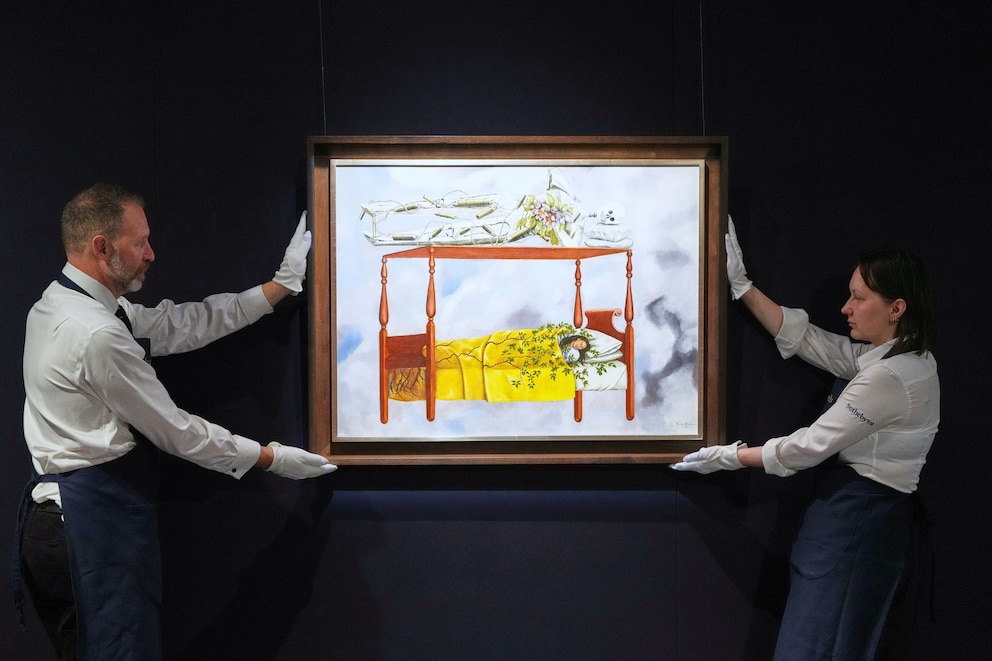
La exhibición presenta más de 200 objetos inspirados en Kahlo, seleccionados entre más de 100.000 artículos detectados en plataformas digitales, lo que refleja la magnitud y los dilemas éticos de su explotación comercial.
Junto a las críticas, la muestra pone énfasis en el denominado “fenómeno Frida”, que aborda la intersección entre la creación de mitos y la cultura de consumo. En este terreno, la imagen pública de Kahlo eclipsa a menudo la consideración de su obra artística.

La dimensión colectiva y participativa del legado de Kahlo se aprecia en proyectos como “Everyone Can Be Frida” de la fotógrafa brasileña Camila Fontenele. Entre 2012 y 2020, Fontenele realizó 5.800 retratos de personas que recrean el estilo de Kahlo, sin distinción de edad, género u origen, evidenciando la universalidad de este icono cultural.
Estas obras tienen un papel central en la exposición y muestran cómo la figura de Kahlo permite que cualquier persona encuentre una fuente de identificación e inspiración.
La invitación de la muestra, según expresó la curadora Mari Carmen Ramírez a Artnet News, es pensar la figura de Frida Kahlo como un espacio abierto donde cualquiera puede descubrir formas propias de expresión y empoderamiento a través del arte.
Frida Kahlo
INTERNACIONAL
GOP lawmakers would strip citizenship from terrorists after attacks tied to naturalized citizens
NEWYou can now listen to Fox News articles!
Rep. Riley Moore, R-W.Va., announced plans Thursday to introduce legislation allowing the U.S. to denaturalize and deport naturalized citizens who commit or support terrorism after a recent string of attacks involving immigrants who obtained citizenship.
On Thursday, Moore called out the «horrific pattern» of naturalized citizens committing acts of terror against the American people, saying it «must end.»
Moore announced he will be introducing a bill in Congress to denaturalize and deport any naturalized citizen who commits an act of terror, plots to unleash terror, joins a terrorist group or otherwise aids and abets terrorism.
Almost immediately, Rep. Brandon Gill, R-Texas, and Rep. Randy Fine, R-Fla., vowed to support the bill.
OLD DOMINION UNIVERSITY ROTC CADETS DISARM ISIS SUPPORTER SHOUTING ‘ALLAHU AKBAR’ DURING SHOOTING: OFFICIALS
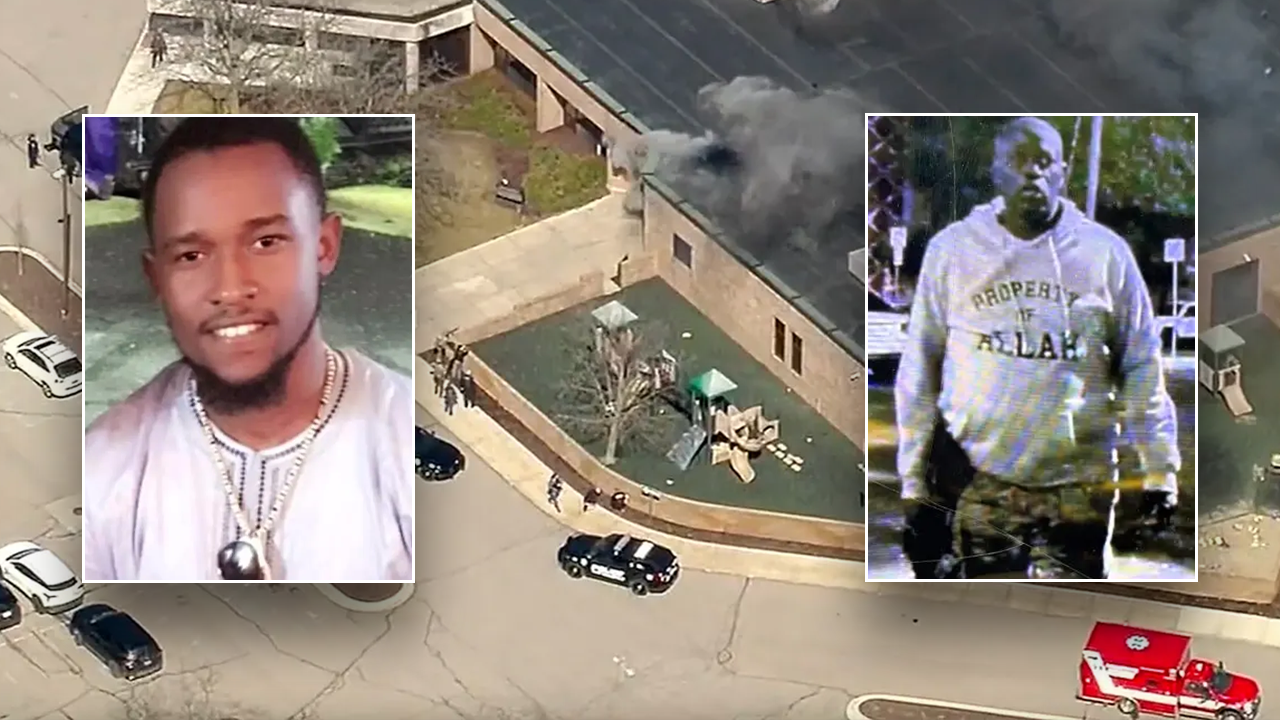
Mohamed Bailor Jalloh, at left, who was identified as the shooter at ODU Thursday, March 12, 2026. Ndiaga Diagne, 53, at right, a naturalized U.S. citizen born in Senegal, was identified as the suspect in Sunday’s shooting outside Buford’s Backyard Beer Garden in Austin. The background photo shows the aftermath of an attack on Temple Israel, a synagogue in Michigan, Thursday, March 12, 2026. (Obtained by WTVR; Obtained by Fox News; WJBK)
This week, Ayman Mohamad Ghazali, a naturalized U.S. citizen originally from Lebanon, allegedly attempted to ram his vehicle into a Michigan synagogue filled with children and teachers. The same day at Old Dominion University in Norfolk, Virginia, Mohamed Bailor Jalloh, a naturalized citizen from Sierra Leone, opened fire on a class of Reserve Officer Training Corps (ROTC) students, killing Lt. Col. Brandon Shah.
Days before, Emir Balat and Ibrahim Kayumi, the children of naturalized citizens from Turkey and Afghanistan, allegedly attempted to bomb an anti-Islam demonstration outside the mayor’s mansion in New York City. At the start of the month, Senegalese-born naturalized citizen Ndiaga Diagne killed three people and injured over a dozen in a shooting in Austin.
After this week’s attacks, Sen. Eric Schmitt, R-Mo., renewed his call to pass another bill known as the Stop Citizenship Abuse and Misrepresentation (SCAM) Act.
Schmitt is the Senate sponsor of the bill, which, if passed, would expand and clarify grounds for denaturalization if an individual participates in fraud against a government program, joins a terrorist organization or is convicted of an aggravated felony or espionage.
The bill was introduced in the House in January by Majority Whip Tom Emmer, R-Minn., amid widespread outrage over the rampant Medicaid and children’s services fraud scandal, which heavily involved the Somali immigrant community.
TRUMP WARNS OF IRANIAN ‘SLEEPER CELLS’ AS CANADA IS ACCUSED OF HARBORING REGIME OPERATIVES
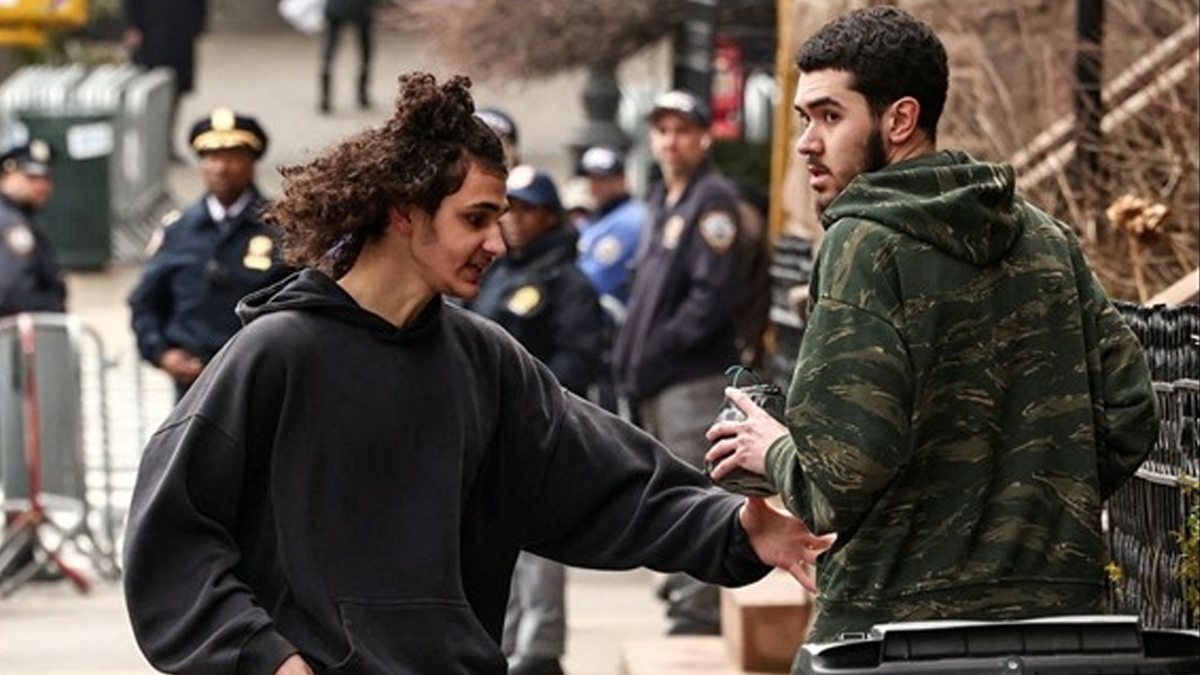
Ibrahim Kayumi, right, pictured handing an object to Emir Balat, left. Both men were arrested March 7 after allegedly attempting to bomb a protest in New York City and pledging allegiance to the ISIS terror group. (Justice Department Office of Public Affairs)
On Thursday, Schmitt posted on X that «after the SAVE America Act, we must pass the SCAM Act so we can denaturalize & deport those who are here to hurt Americans. We must denaturalize those who shouldn’t be here.»
Under current laws, the U.S. government may strip citizenship from a naturalized individual only in very limited circumstances, such as when it was obtained through fraud. There is also a very high standard of proof on the government to show that fraud occurred during the process of obtaining citizenship.
The SCAM Act, however, would expand the government’s ability to denaturalize, allowing it to revoke citizenship from a person who engages in terrorism, commits fraud, commits espionage or commits felonies within 10 years of becoming a citizen.
WE’RE IN DANGER OF MORE TERROR ATTACKS — AND THIS IS THE MOST INDEFENSIBLE PART OF IT ALL: SEN TED CRUZ
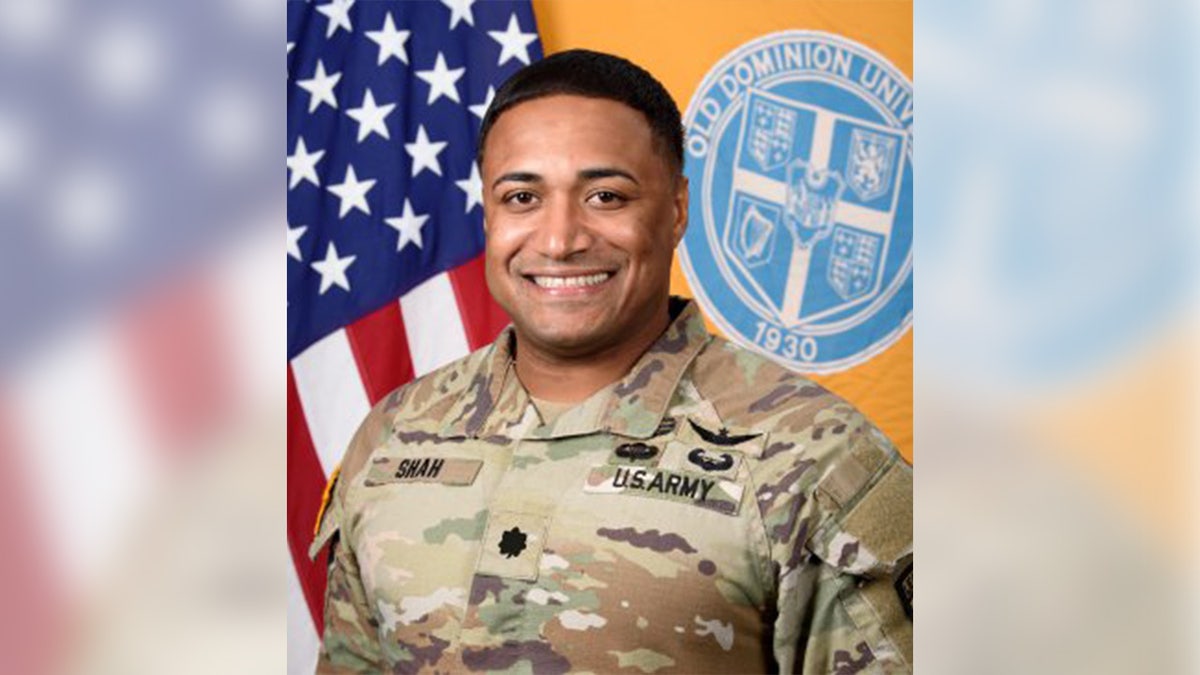
Lt. Col. Brandon Shah was identified as the instructor killed in Thursday’s deadly shooting at Old Dominion University. (Old Dominion University)
In another post, Schmitt emphasized «we need to give the Trump admin the SCAM Act. Under current law, it is practically impossible to denaturalize these terrorists.»
CLICK HERE TO DOWNLOAD THE FOX NEWS APP
He said the SCAM Act «will allow the Trump admin to denaturalize and deport those who should never have been granted citizenship in the first place.»
immigration,republicans,terror,terrorism,anti semitism,house of representatives politics,senate
INTERNACIONAL
En un rincón azotado por los cárteles, los mexicanos están abiertos a la intervención de EE.UU.


Memo Ochoa se apunta para jugar su sexto mundial… ¡a los 40 años!

El tenso cruce de Evangelina Anderson con Grego Rosello por Ian Lucas: “Yo voy a escuchar la versión de mi amigo»

La Justicia autorizó a Tapia a viajar a Paraguay la semana próxima

El oficialismo avanza en el control de comisiones claves en Diputados

Revelan cuántos salarios mínimos necesita una persona para vivir sola en Argentina

Estudiantes de La Plata recibe a Lanús en el cierre de la fecha 10 del Torneo Apertura

Muni Seligmann respondió las críticas tras el accidente de su bebé y su viaje a Miami: “Hay que contarlo y naturalizarlo”

El ex novio de Luana de Gran Hermano reveló información sensible sobre su relación: “El bolso tenía plata”

Juan Carlos Schmid deja la conducción de Dragado y Balizamiento después de 33 años

Sorpresa en Gran Hermano tras la expulsión de Carmiña: la reacción de la producción y las dudas sobre su reemplazo

 CHIMENTOS3 días ago
Muni Seligmann respondió las críticas tras el accidente de su bebé y su viaje a Miami: “Hay que contarlo y naturalizarlo”
- CHIMENTOS1 día ago
El ex novio de Luana de Gran Hermano reveló información sensible sobre su relación: “El bolso tenía plata”
- CHIMENTOS2 días ago
Sorpresa en Gran Hermano tras la expulsión de Carmiña: la reacción de la producción y las dudas sobre su reemplazo