INTERNACIONAL
El petróleo y el gas se desploman tras el informe de que Estados Unidos e Irán están cerca de un acuerdo para poner fin a la guerra


El petróleo cayó por debajo de los 100 dólares el barril y el gas se desplomó después de que Axios informara que Estados Unidos cree estar cerca de un acuerdo con Irán para poner fin a la guerra que dura ya casi diez semanas.
El crudo Brent de referencia cayó hasta un 9,4%, situándose en 99,50 dólares el barril en Londres, mientras que el West Texas Intermediate (WTI) se desplomó casi un 11%. El gas natural europeo también se desplomó hasta un 11%.
Según Axios, Washington y Teherán están cerca de firmar un memorando de entendimiento de una página para poner fin a la guerra. El memorando, que incluiría el levantamiento de las restricciones en el estrecho de Ormuz por ambas partes, aún no se ha acordado y Estados Unidos prevé una respuesta de Irán en las próximas 48 horas.
«El precio del petróleo está reaccionando a un cambio en el sentimiento del mercado, más que a los equilibrios existentes, impulsado por la noticia de un posible acuerdo entre Estados Unidos e Irán», afirmó Giovanni Staunovo, analista de UBS Group AG en Zúrich. «Aún no está claro cuándo se reanudará el flujo a través del estrecho».
El presidente Donald Trump declaró el martes en una publicación de Truth Social que Estados Unidos suspendería el escolta de buques a través del estrecho de Ormuz para intentar alcanzar un acuerdo con Irán. Añadió que se han logrado «grandes avances» en un acuerdo final para poner fin a la guerra.
El precio del crudo ha subido cerca de un 40% desde que comenzó el conflicto a finales de febrero, lo que ha provocado la interrupción del suministro de cientos de millones de barriles de petróleo del Golfo Pérsico a los mercados mundiales.
El flujo a través de este punto estratégico se encuentra ahora restringido por un doble bloqueo: Teherán obstaculiza el transporte marítimo, mientras que Estados Unidos impide que los buques accedan a los puertos iraníes.
El máximo diplomático chino pidió la pronta reapertura del estrecho de Ormuz en su primer encuentro con su homólogo iraní este año, lo que evidencia los esfuerzos de Beijing por reducir la tensión en la crisis global, pocos días antes de la reunión entre el presidente Xi Jinping y Trump.
El primer ministro pakistaní, Shehbaz Sharif, mediador en las conversaciones entre Irán y Estados Unidos, expresó en una publicación en X su esperanza de que el impulso actual conduzca a un acuerdo duradero.
Anteriormente, el secretario de Estado, Marco Rubio, declaró a la prensa en la Casa Blanca que la Operación Furia Épica ha concluido, 66 días después de que Estados Unidos e Israel comenzaran a bombardear Irán. «Logramos los objetivos de esa operación», afirmó.
El martes, Washington restó importancia a la posibilidad de un regreso a la guerra activa, y el secretario de Defensa, Pete Hegseth, confirmó que la tregua que comenzó hace poco menos de un mes sigue vigente. Mientras tanto, el general Dan Caine, presidente del Estado Mayor Conjunto, afirmó que los ataques de Irán contra buques en el Golfo Pérsico y la infraestructura energética en los Emiratos Árabes Unidos no constituían una violación del alto el fuego.
El cierre del estrecho de Ormuz ha dejado a más de 1.550 buques mercantes, con unos 22.000 marineros a bordo, atrapados en el Golfo Pérsico, según Caine.
Sin embargo, cualquier avance en las conversaciones de paz tardará mucho más en repercutir en los mercados energéticos.
«Cuando se abra el estrecho, creemos que el petróleo tardará medio año en volver a la normalidad«, declaró el director financiero de Equinor, Torgrim Reitan, en la conferencia telefónica sobre los resultados trimestrales de la compañía. «En el caso del gas, tardará mucho más».
El cierre efectivo del estrecho de Ormuz ha interrumpido el suministro de una quinta parte del gas natural licuado del mundo. Si bien la mayor parte de ese combustible normalmente se destinaría a Asia, la interrupción amenaza con intensificar la competencia por un suministro mundial limitado de combustible transportado por vía marítima, a medida que Europa reabastece sus reservas de gas antes del próximo invierno.
En Estados Unidos, los datos del sector mostraron que las reservas de crudo cayeron 8,1 millones de barriles la semana pasada, lo que supondría la mayor disminución desde mediados de febrero si se confirma con los datos oficiales que se publicarán el miércoles.

INTERNACIONAL
La reunión del CAPTAC-DR abre en Guatemala una agenda para la estabilidad económica regional
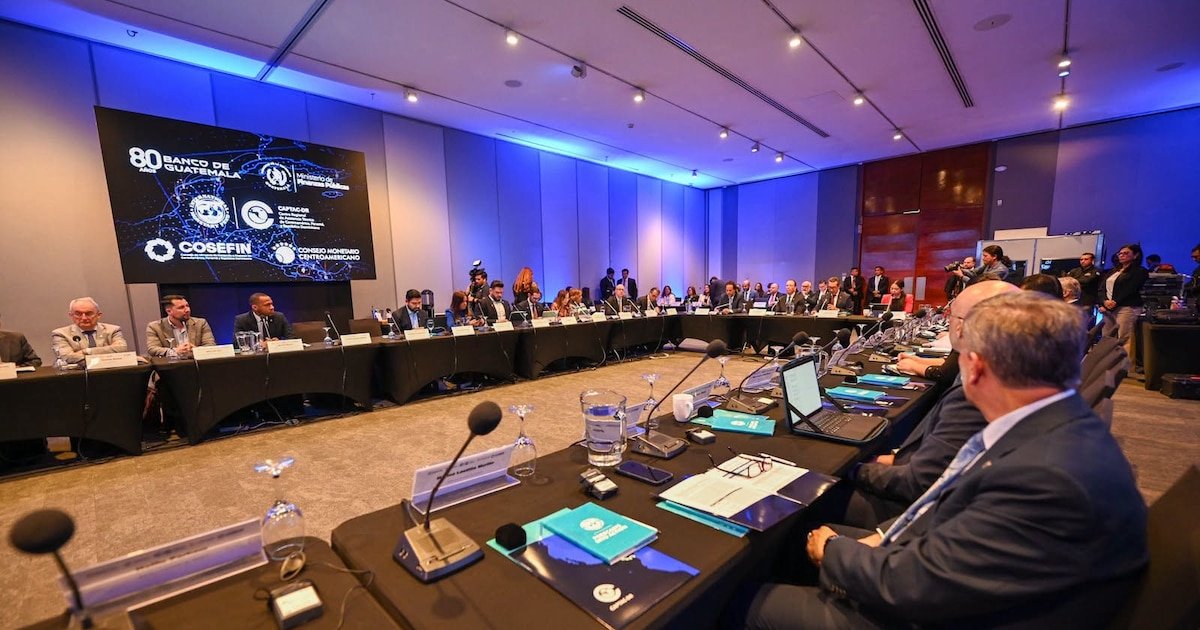
Guatemala abrió la XVIII reunión del CAPTAC-DR para coordinar con bancos centrales, ministerios de finanzas y organismos internacionales una agenda orientada a la estabilidad económica regional, en un escenario de incertidumbre global y con debates sobre inversión, innovación institucional y estadísticas macroeconómicas que continuarán durante dos días.
La agenda incluye el análisis de perspectivas macroeconómicas globales, posibles choques externos, innovación tecnológica en los bancos centrales, fortalecimiento institucional y oportunidades para atraer inversión extranjera directa.
La segunda jornada comenzó este viernes con una sesión sobre panorama e innovaciones en estadísticas macroeconómicas y con una revisión de los nuevos manuales del Sistema de Cuentas Nacionales.
Según información del Ministerio de Finanzas Públicas y del Banco de Guatemala, el encuentro se realiza junto con el Consejo Monetario Centroamericano y el Consejo de Ministros de Hacienda o Finanzas de Centroamérica, Panamá y República Dominicana.
La cita reúne a presidentes de bancos centrales, ministros de finanzas y hacienda, representantes del Fondo Monetario Internacional y socios para el desarrollo.
La ceremonia inaugural fue presidida por Álvaro González Ricci, presidente de la Junta Monetaria y del Banco de Guatemala, quien también ejerce como presidente del Consejo Monetario Centroamericano y del Comité de Dirección del CAPTAC-DR. Lo acompañaron Jonathan Menkos ministro de Finanzas Públicas de Guatemala, Magín Díaz ministro de Hacienda y Economía de República Dominicana y presidente pro tempore del COSEFIN, y Ari Aisen director del CAPTAC-DR.

Durante la apertura, Menkos sostuvo que el objetivo del diálogo es fortalecer la articulación regional para diseñar e implementar mejores políticas macroeconómicas y financieras con apoyo de asistencia técnica y capacitación internacional. En ese marco, afirmó: “Centroamérica, República Dominicana y Panamá no pueden ser espectadores en la economía global”.
El ministro agregó: “Tenemos ya un peso que vale la pena trabajar en conjunto y, por supuesto, desde el Gobierno de Guatemala estamos claros que podemos caminar bien si caminamos en sintonía”. También agradeció, en nombre del gobierno y del presidente Bernardo Arévalo, la participación de las delegaciones y su compromiso con la integración regional.
Menkos propuso cuatro líneas de trabajo: una estrategia conjunta para fortalecer producción, exportaciones e inserción en cadenas globales de valor; un pacto regional para reforzar la resiliencia fiscal y asegurar financiamiento sostenible; una agenda de inclusión y conectividad física, digital y financiera; y una posición coordinada para representar los intereses de la región en foros internacionales.

González Ricci destacó que Guatemala alberga la sede del Centro desde 2009 y subrayó el papel del CAPTAC-DR en el fortalecimiento de las capacidades técnicas de bancos centrales, ministerios de hacienda y superintendencias de bancos. Indicó además que la asistencia técnica y la coordinación promovidas por el Centro siguen siendo herramientas centrales para responder a los desafíos de las instituciones económicas y financieras.
El titular de la Junta Monetaria también presentó avances alcanzados por el CAPTAC-DR durante el año fiscal 2026 y reconoció el aporte de expertos residentes y externos. Añadió que la coordinación con distintas áreas del Fondo Monetario Internacional permitió ampliar el alcance de la asistencia técnica y consolidar una agenda de trabajo con mayor capacidad de respuesta ante los retos económicos regionales.
En la reunión, Luis Cubeddu director adjunto del Departamento del Hemisferio Occidental del FMI presentó un análisis sobre perspectivas macroeconómicas globales y choques externos que podrían incidir en la región.
Su exposición puso el foco en la necesidad de contar con instituciones sólidas, análisis macroeconómicos oportunos y cooperación estrecha entre los países de Centroamérica, Panamá y República Dominicana.
Aisen, por su parte, sostuvo que el fortalecimiento institucional requiere programas de desarrollo de capacidades alineados con las prioridades de los países miembros. Explicó que esa tarea apunta a mejorar la formulación de políticas económicas, la gestión institucional y la resiliencia de las economías de la región.
Como parte del programa, autoridades del Consejo Monetario Centroamericano, del COSEFIN y del CAPTAC-DR participaron en una sesión conjunta sobre perspectivas y experiencias vinculadas con el grado de inversión. El intercambio buscó identificar prácticas y lecciones que puedan contribuir al fortalecimiento de las políticas económicas e institucionales.
En esa sesión intervinieron Óscar Valencia, asesor económico regional del Banco Interamericano de Desarrollo, y Siobhan Morden, directora general de Santander Investment Securities. Ambos expusieron condiciones que han permitido a distintos países alcanzar y mantener ese reconocimiento.
La segunda jornada sumó un bloque técnico sobre producción de información económica regional. Allí se analizaron avances, desafíos y perspectivas para fortalecer las estadísticas macroeconómicas, junto con el impacto de las actualizaciones derivadas de los nuevos manuales del Sistema de Cuentas Nacionales sobre la comparabilidad y la calidad de los datos.
CAPTAC-DR,CMCA,COSEFIN,Banco de Guatemala,reunión,evento oficial
INTERNACIONAL
Former British MP and reality TV star Ann Widdecombe found dead; man arrested for murder
British Prime Minister Keir Starmer says he will resign amid political turmoil
British Prime Minister Keir Starmer has resigned, announcing his decision outside Number 10 Downing Street amid significant political turmoil. Fox News senior foreign affairs correspondent Greg Palkot reports that Starmer’s leadership has been plagued by economic struggles, immigration issues, and declining support from his Labour Party. Andy Burnham, a popular former mayor, is now considered a frontrunner to become the UK’s seventh Prime Minister in a decade.
NEWYou can now listen to Fox News articles!
A 26-year-old man has been arrested on suspicion of the murder of Ann Widdecombe, a former British member of Parliament and reality TV contestant, police said.
Widdecombe, 78, was found dead Thursday in her home on the edge of Dartmoor National Park in southwest England. Authorities said she died of serious injuries, Reuters reported.
The name of the suspect has not been released.
LABOUR MP PUTS CABINET ‘ON NOTICE,’ THREATENS TO TRIGGER LEADERSHIP CHALLENGE AGAINST STARMER BY MONDAY
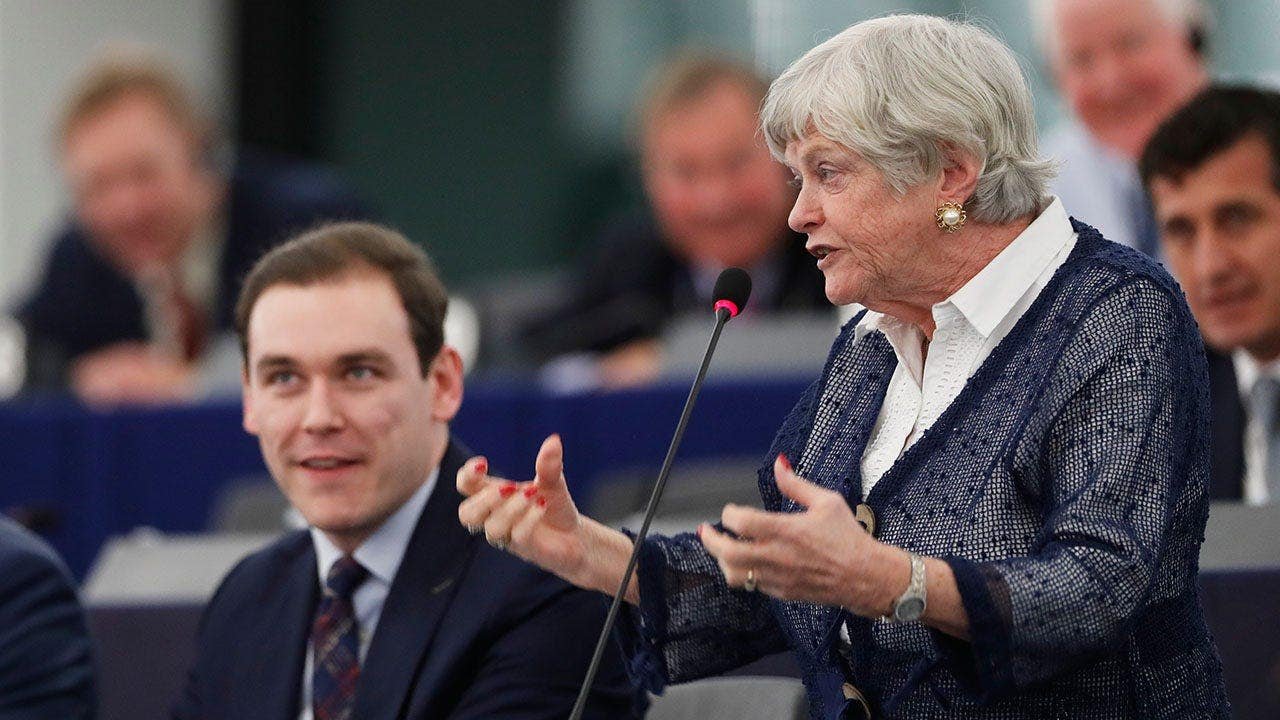
Britain’s European Parliament member Ann Widdecombe, right, of the Brexit Party, speaks during a debate at the European Parliament on Jan. 14, 2020, in Strasbourg, eastern France. Widdecombe was found dead in her home this week and a 26-year-old man has been arrested, authorities said. (Jean-Francois Badias/AP)
«This is really shocking news, and my thoughts, I think all of our thoughts, will be with the family and friends of Ann Widdecombe at this awful time,» Prime Minister Keir Starmer said. «Ann was a distinguished politician over many, many years with many achievements, and it’s a huge, huge loss.»
Investigators don’t believe the killing was politically motivated, Devon and Cornwall Police Assistant Chief Constable Matt Longman said.
«Our murder enquiry is in its early stages but moving at a significant pace,» Devon and Cornwall Police said in a statement.
Starmer said the security of lawmakers was «of the utmost importance,» and urged people to rise above political differences.
BRITISH PRIME MINISTER KEIR STARMER FACES POTENTIAL LEADERSHIP CHALLENGE FROM NEWLY-ELECTED ANDY BURNHAM
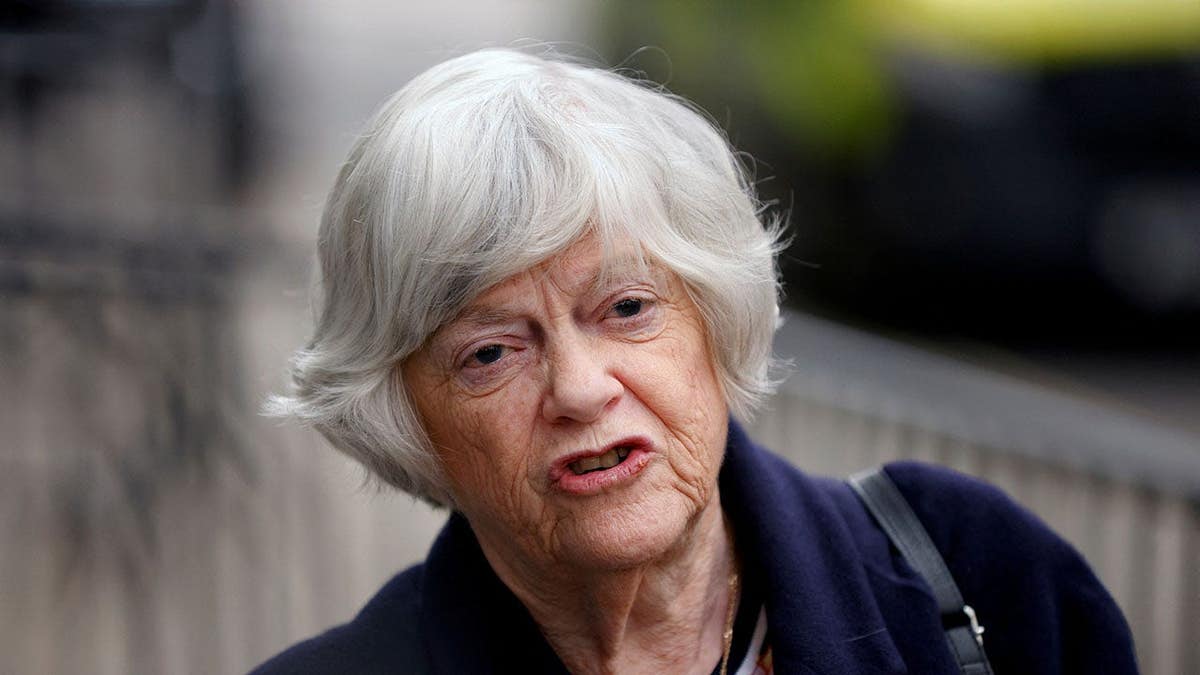
Former British member of Parliament Ann Widdecombe reads a statement outside the Old Bailey in London after the sentencing of Ali Harbi Ali in relation to the murder trial of the late British lawmaker David Amess. (John Sibley/Reuters)
Widdecombe served in Parliament, but found fame after leaving office as a contestant on the Strictly Come Dancing and Celebrity Big Brother reality television shows. She later joined the Brexit Party and became a spokeswoman for the anti-mass migration Reform UK party.
In a post on X, former British Prime Minister Boris Johnson called Widdecombe «a heroic Brexiteer and a great speaker who could move Tory audiences to such ecstasy that she was a very hard act to follow.»
Cloud9 Management, which represented Widdecombe for more than a decade, said her life was driven by her «strong Christian values and commitment to public service.»
«She loved the cut and thrust of political debate and, 16 years after leaving Parliament, was still actively campaigning for Reform UK and offering forthright views on the hot topics of the day across numerous radio and television programmes (sic). Ann was a valued patron of many causes, particularly her animal charities,» the company said in a social media post.
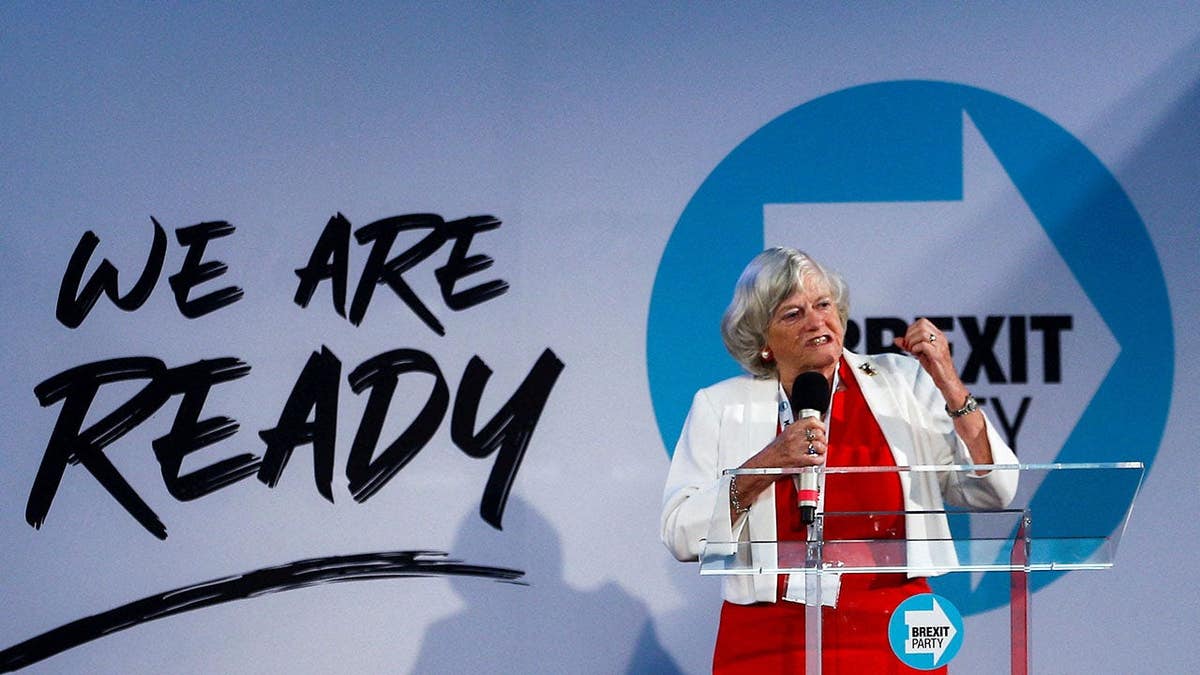
Brexit Party member and then-MEP Ann Widdecombe speaks during a Brexit Party news conference in London on Aug. 27, 2019. (Henry Nicholls/Reuters)
CLICK HERE TO DOWNLOAD THE FOX NEWS APP
In the past decade, two serving British members of parliament have been murdered.
In the midst of the Brexit campaign of 2016, Labour lawmaker Jo Cox was shot and stabbed by a Nazi-obsessed loner. Conservative lawmaker David Amess was fatally stabbed in 2021 by a man inspired by the Islamic State terror group.
The Associated Press contributed to this report.
united kingdom, world, crime, europe
NEWYou can now listen to Fox News articles!
The Trump administration on Friday released its fourth tranche of declassified unidentified anomalous phenomena (UAP) records, including newly released military infrared videos and additional details about a 2015 unidentified object reported near the nation’s primary nuclear weapons assembly facility.
Officials said the latest release is part of the administration’s effort to expand public access to UAP records while protecting information that could reveal sensitive military capabilities, eyewitness identities or national security operations.
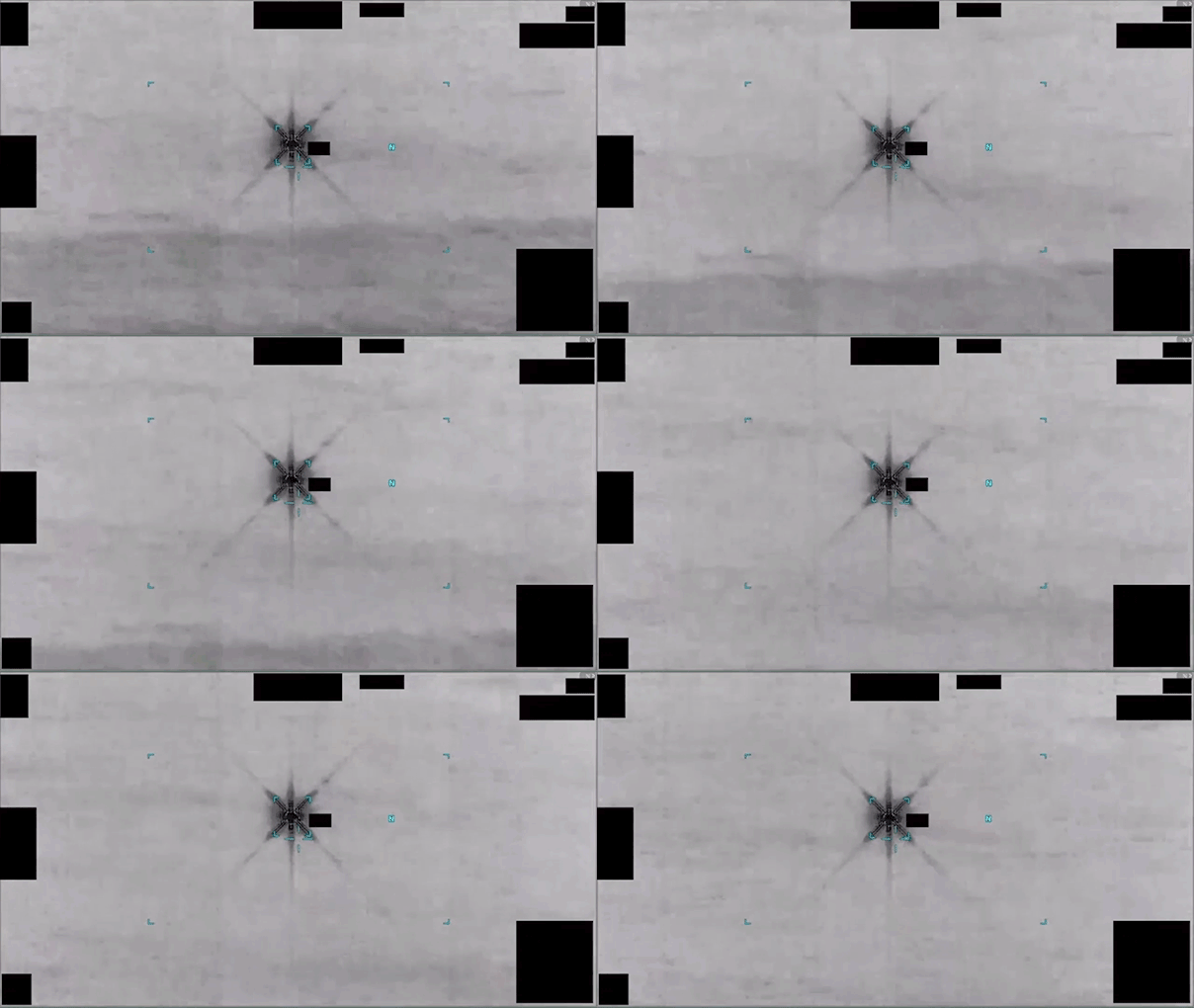
Among the newly released files is an 18-second infrared video submitted by U.S. Indo-Pacific Command in 2025 showing an object officials described as resembling a six-pointed star.
UFO EXPERT WARNS MYSTERY CRAFT ARE OUTMANEUVERING US MILITARY IN RESTRICTED AIRSPACE
An infrared image released by the Department of War shows an object described by officials as resembling a six-pointed star during a U.S. Indo-Pacific Command mission over the Yellow Sea on Jan. 1, 2025. (Department of War)
The footage, captured by an infrared sensor aboard a U.S. military platform over the Yellow Sea, shows the sensor tracking what the government described as an «area of contrast» while cautioning that the video’s description should not be interpreted as an official conclusion about the object’s identity or significance.
The latest release also includes a newly declassified Department of Energy report detailing a 2015 incident involving an unidentified object over the Pantex Plant near Amarillo, Texas, the nation’s primary facility for assembling, maintaining and dismantling nuclear weapons. Portions of the report had previously been released in a more heavily redacted form, but Friday’s tranche includes additional details and imagery.
The release also includes a 1-minute, 46-second infrared video submitted by U.S. Indo-Pacific Command in 2024 that shows a military sensor tracking an elongated area of contrast. As the sensor zooms in, the object appears as a line of several points moving across the field of view before becoming less distinct as it recedes into the distance. Officials cautioned that the video’s description should not be interpreted as an official conclusion about the object’s identity or significance.
Another newly released Navy «Range Fouler Debrief» — a standardized report used to document unauthorized intrusions into military training airspace — describes a military operator observing a «quite small» object with a metallic appearance and reflective underside that continued traveling in a constant direction. The report cautions that the descriptions reflect the observer’s impressions at the time and are not definitive assessments of the object’s characteristics.
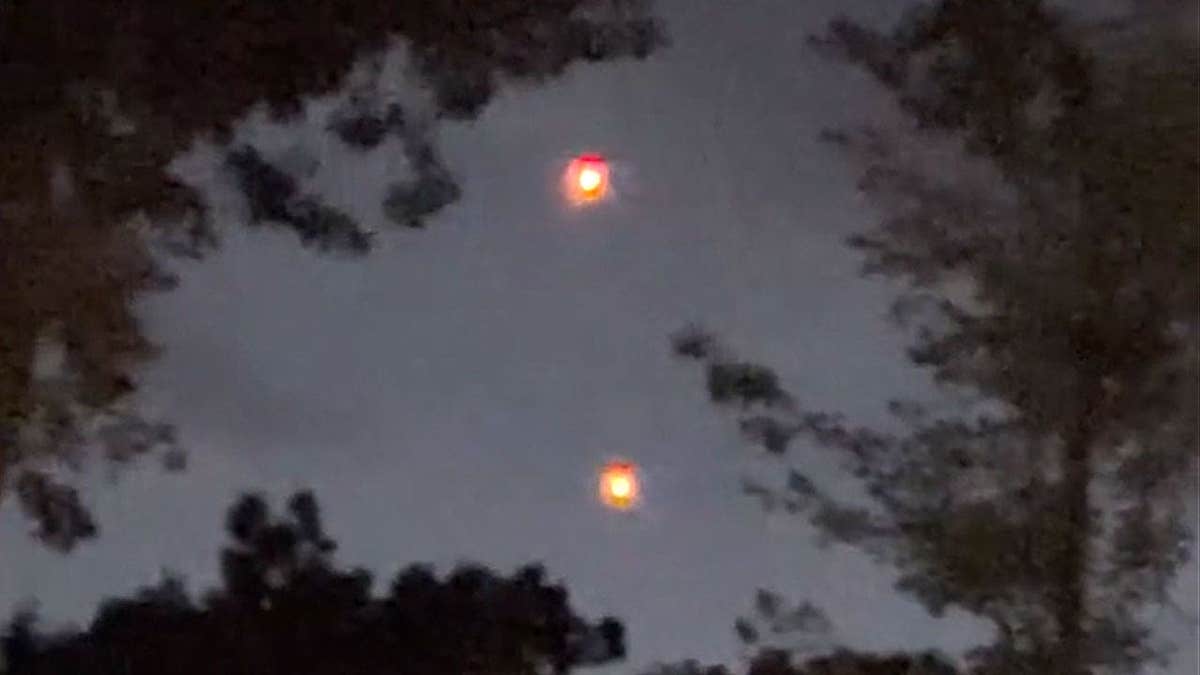
A screenshot of video footage from an alleged unidentified anomalous phenomenon (UAP) sighting in the northeastern United States in July 2025, which was detailed in files released by the DOW and originally obtained by the FBI. (DOW/FBI)
PENTAGON FILES REVEAL AGENTS’ REPORTS OF ‘ORBS LAUNCHING ORBS’ NEAR SENSITIVE US SECURITY SITE
The release also features additional infrared videos submitted by U.S. Central Command, the Air Force and Indo-Pacific Command. One 2024 video shows what appears to be an elongated area of contrast that later resembles a line of multiple bright points as the military sensor tracks it. Another 2023 video captures two areas of contrast crossing the sensor’s field of view in opposite directions.
In at least one case, AARO included technical context alongside the footage, noting that apparent flickering in a 2019 Air Force infrared video could result from the sensor’s automatic contrast adjustments when tracking an object whose temperature closely matched its background.
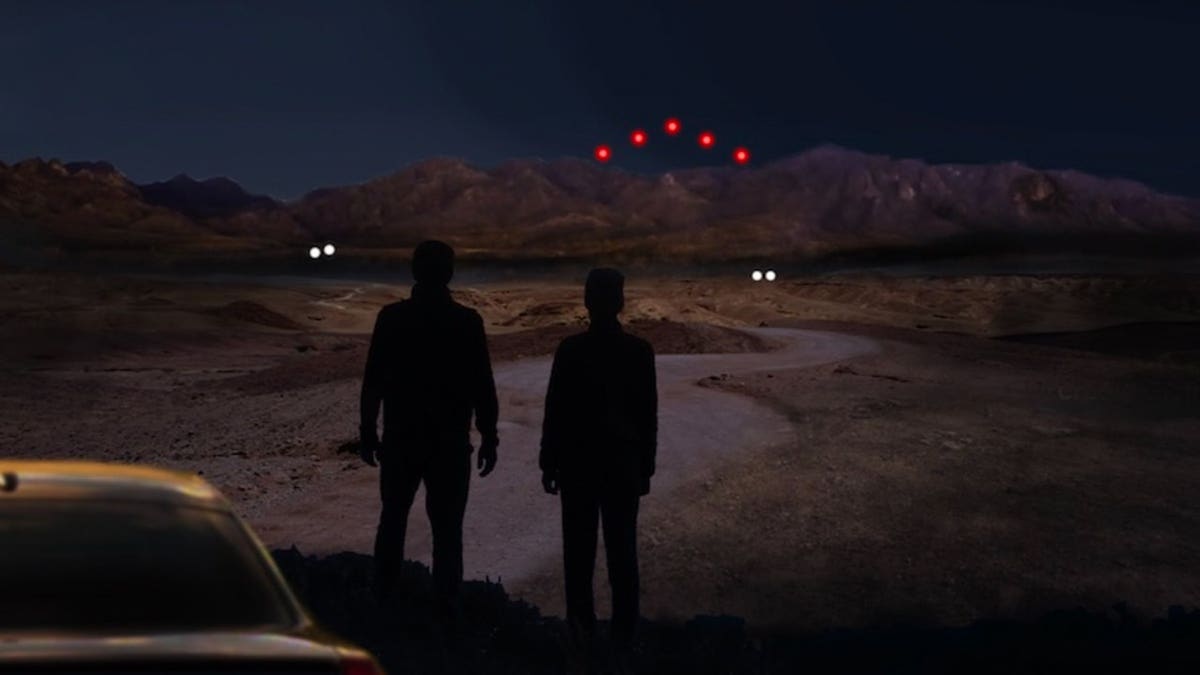
An artist’s rendering released by the U.S. Department of War depicting a 2023 sighting of «orbs launching other orbs» near a national security site in the western United States. (Department of War)
CLICK HERE TO DOWNLOAD THE FOX NEWS APP
Congress established AARO in 2022 to investigate reports of unidentified objects across air, sea, space and other domains, with a focus on determining whether incidents could pose flight safety or national security risks. The office is tasked with assessing whether sightings can be attributed to foreign adversaries, classified U.S. programs or conventional explanations before labeling them unresolved.
The latest release is the fourth tranche in a series that is part of President Donald Trump’s directive to expand public access to UAP records, adding that redactions were limited to protecting eyewitness identities, sensitive military locations and unrelated government facilities.
ufos, national security, pentagon defense, us navy

Caro Calvagni organizó una sesión de yoga en la playa de Miami junto a Rocío Guirao Díaz

La reunión del CAPTAC-DR abre en Guatemala una agenda para la estabilidad económica regional

El saludo de Javier Milei al bebé de Jorge Macri y María Belén Ludueña durante el Tedeum por el Día de la Independencia

Former British MP and reality TV star Ann Widdecombe found dead; man arrested for murder

La historia detrás de “La cuarta estrella”, la canción que nació en las redes y llegó al vestuario de la Selección

Fusión en el negocio de la música y eventos de la “Gen Z” y los millennials jóvenes: Bresh Global compró la mayoría de Polenta

Ojo con las multas de tránsito: las más caras llegan a $3.8 millones

Mora récord: Caputo aseguró que bancos privados están rescatando a sus clientes con préstamos al 25% anual

¿Conviene un plazo fijo? Esto ganás con $1 millón y las tasas de cada banco

Inédito: la billetera de una petrolera rinde más que usar Mercado Pago o invertir en plazo fijo

 ECONOMIA3 días ago
Inédito: la billetera de una petrolera rinde más que usar Mercado Pago o invertir en plazo fijo
- POLITICA3 días ago
Por qué nadie le cree a la Justicia
- POLITICA3 días ago
Causa Nisman: la Justicia confirmó el procesamiento de la exfiscal Viviana Fein por irregularidades en el lugar de los hechos