INTERNACIONAL
Boom de la renta corta en República Dominicana: el 57.6 % del hospedaje ya es temporal


La expansión de los alojamientos de renta corta ha modificado profundamente el turismo en la República Dominicana, desplazando buena parte de la oferta tradicional hacia plataformas digitales y estancias flexibles.
Para el año 2022, estos alquileres ya representaban el 57.6 % de la oferta habitacional turística nacional, según el estudio “Resultados Turismo Dominicano 2024” retomado por Listín Diario y elaborado por la Asociación de Hoteles y Turismo de la República Dominicana (Asonahores). Este dato señala un cambio de paradigma en el sector y anticipa una transformación estructural en la industria hotelera del país.
El epicentro de este fenómeno se ubica en el Gran Santo Domingo, que en 2022 acumulaba 10,613 alojamientos, lo que equivale al 26.9 % del total nacional. Plataformas como Airbnb y Vrbo lideran la modalidad de estancias inferiores a tres meses, permitiendo que tanto inversionistas nacionales como extranjeros participen activamente en la economía turística dominicana.
El dinamismo del sector se refleja en la cantidad de alojamientos activos: actualmente existen cerca de 31,800 unidades ofertadas a través de estas plataformas, de acuerdo con datos de Airbtics y Asonahores. La rentabilidad es uno de los principales atractivos, con un ingreso promedio de USD 91 por noche y hasta USD 14,667 al año para los anfitriones.
El crecimiento está vinculado al flujo constante de visitantes: en el primer trimestre de 2024, la República Dominicana recibió 3,710,374 turistas, lo que impulsó la demanda y fortaleció la inversión inmobiliaria tanto nacional como internacional. Así, el modelo de renta corta se posiciona como el eje de la nueva oferta de alojamiento en el país.

Entre 2018 y 2022, el ritmo de expansión fue sostenido, con un crecimiento promedio anual del 22.5 % en habitaciones activas. Cada año se sumaron unas 1,671 nuevas unidades en comparación con el punto de partida en 2018. El Gran Santo Domingo fue la provincia con mayor aumento absoluto, mientras que otras demarcaciones como Santiago Rodríguez y Duarte superaron el promedio nacional en términos relativos, aunque con menos de 200 habitaciones adicionales cada una.
El mapa del turismo dominicano también cambió en su distribución. En 2018, Puerto Plata concentraba el 25 % de las habitaciones de renta corta, cifra que bajó al 19 % en 2022. Las provincias de La Altagracia, Santo Domingo, Distrito Nacional y Santiago ganaron presencia, lo que refleja el dinamismo y la diversificación del sector.
El auge de los alquileres temporarios ha abierto el debate sobre la necesidad de una regulación específica que garantice competencia leal frente a los hoteles tradicionales y aborde temas de fiscalización y seguridad. El ministro de Turismo, David Collado, anunció en la feria FITUR 2024 que se alcanzó un consenso con plataformas como Airbnb para firmar próximamente un acuerdo regulatorio, pendiente solo de ajustes finales con el sector privado. La intención es establecer reglas claras que aseguren condiciones equitativas y control estatal sobre la actividad.
En el ámbito legislativo, se discute la creación de la Superintendencia de Condominios, propuesta por el diputado Tobías Crespo. La iniciativa contempla un registro obligatorio, control tributario y supervisión para las actividades de hospedaje fuera del circuito hotelero formal. A esto se sumó el intento gubernamental de aplicar el ITBIS a plataformas extranjeras como Airbnb, mediante el decreto 30-25 de marzo de 2025, que fue derogado poco después.

En contraste con otras ciudades donde la expansión de estos alojamientos genera presión sobre la vivienda, en la República Dominicana el 40 % de las reservas en plataformas digitales corresponde al turismo doméstico, según datos internos de Airbnb citados por Listín Diario. Las preferencias de los viajeros se orientan hacia destinos como Punta Cana, La Romana, Juan Dolio, Puerto Plata y Las Terrenas, aunque el mayor volumen de oferta se mantiene en el Gran Santo Domingo.
La proliferación de la modalidad ha provocado reacciones en zonas residenciales, donde empiezan a verse letreros prohibiendo el uso de Airbnb en determinados edificios. Sin embargo, la ausencia de restricciones estrictas y la facilidad de inversión siguen siendo aspectos resaltados por actores inmobiliarios y asesores legales, quienes enfatizan la lucratividad del alquiler de corta duración para inversionistas y propietarios.
El mercado dominicano de alquileres temporarios se encuentra en un proceso de consolidación y ajuste, en el que la regulación inminente, la digitalización y la inversión privada anticipan un nuevo ciclo para la industria turística, marcado tanto por la competencia como por la búsqueda de equilibrio entre los modelos tradicionales y emergentes.
Viajes,alojamiento,República Dominicana,turismo,planificación,reservas,llaves,smartphone,mapas,hogar










INTERNACIONAL
Beauty school moms caught in accreditation crossfire as Trump administration weighs consequential decision
NEWYou can now listen to Fox News articles!
The Trump administration is weighing the future of an accreditor overseeing roughly 1,300 beauty and cosmetology schools and more than 120,000 students, in a decision that could test how the president’s push to overhaul higher education accreditation is applied beyond the diversity, equity and inclusion (DEI) battles that have dominated the issue.
President Donald Trump promised during the 2024 campaign to «fire the radical left accreditors» and called accreditation his «secret weapon» against colleges and universities he argued had been captured by the political left.
But the case now before the U.S. Department of Education (DOE) is different.
Rather than allegations involving DEI requirements, it centers on whether the National Accrediting Commission of Career Arts and Sciences, or NACCAS, has complied with federal requirements and what consequences should follow if it has not.
MCMAHON TELLS HOUSE PANEL TRUMP ADMIN MOVING TO DISMANTLE ‘FAILED’ $3T EDUCATION BUREAUCRACY
Many beauty and cosmetology schools may lose their official accreditations under a review underway at the U.S. Department of Education. (iStock)
That distinction matters to students because recognition by a DOE-approved accreditor is generally necessary for schools to participate in federal student aid programs. NACCAS says it accredits approximately 1,300 institutions serving more than 120,000 students in cosmetology, beauty and related career programs.
DOE staff identified deficiencies with NACCAS but recommended continuing its federal recognition with restrictions, additional reporting and monitoring while it works to come into compliance.
The National Advisory Committee on Institutional Quality and Integrity, or NACIQI, took a harder line at its July meeting, voting 9-3 to recommend that the department deny NACCAS renewed recognition.
TRUMP ADMIN TIGHTENS VISE ON STUDENT AID FRAUD IN ‘GHOST STUDENT’ CRACKDOWN
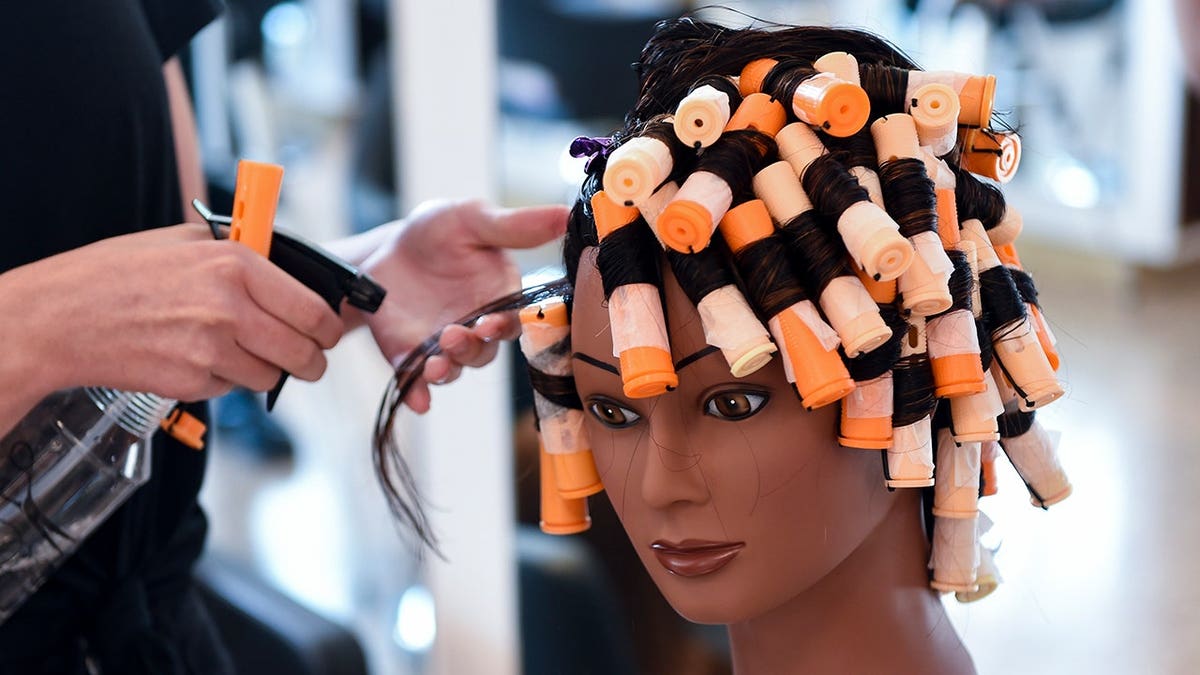
A cosmetology student practices a perm technique on a mannequin head in Reading, Pa. (MediaNews Group via Getty Images, File)
The DOE has not made a final decision.
The Department of Education told Fox News Digital that accreditor recognition is reviewed every five years through a three-step process: DOE staff makes a recommendation; the independent bipartisan NACIQI makes its own recommendation; a senior department official makes the final judgment based on both.
«We will not comment on details as the process is ongoing,» the DOE said.
For some students, the federal process has raised concerns about a source of funding they say they could not have attended beauty school without.
TRUMP ADMIN URGES RETURNING EDUCATION TO STATES, CITING $3 TRILLION OF TAXES SPENT AND POOR PROFICIENCY SCORES
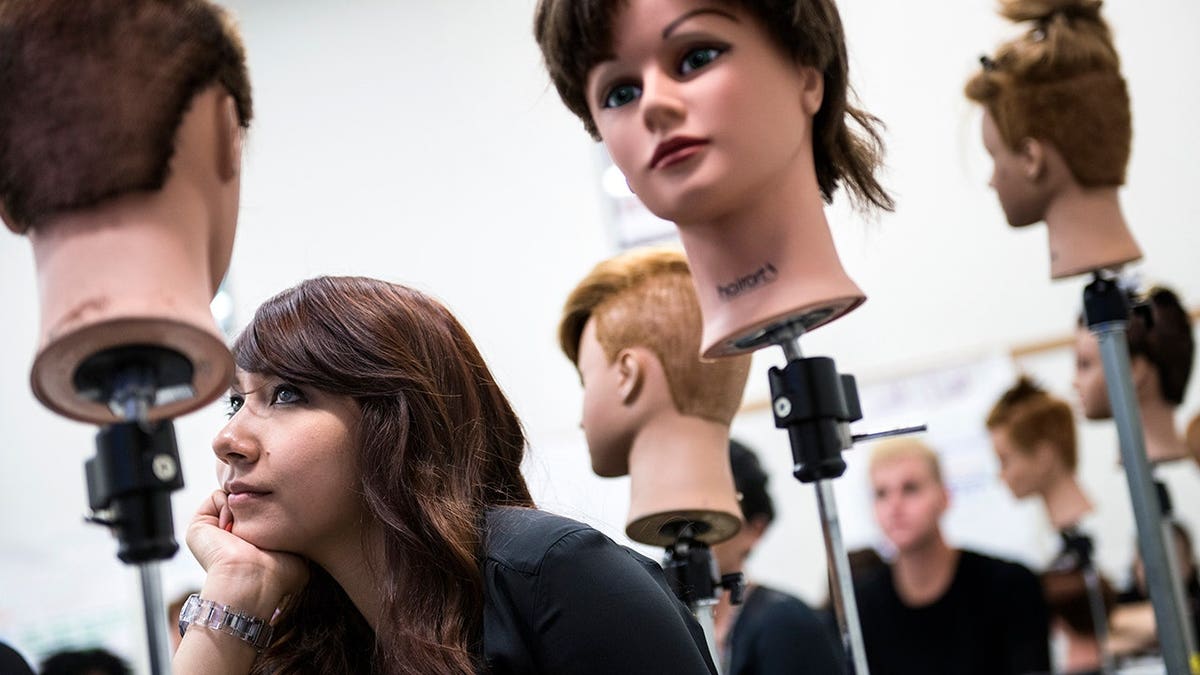
A student watches an instructional video while sitting with mannequin heads used to practice cutting hair at a cosmetology school in Virginia. (AFP via Getty Images, File)
Aliyah Fernandez, a recent Hollywood Institute cosmetology graduate and mother who now works as an assistant in a salon, said federal aid made her education possible.
«I could not have afforded beauty school without federal financial aid,» Fernandez told Fox News Digital. «It was because of that that I could attend at all.»
Fernandez said she chose cosmetology in part because she wanted a career that would allow her to earn a living while remaining present in her daughter’s life.
«I knew that if I worked full-time 9 to 5, I wouldn’t barely have any time to see her grow up,» Fernandez said. «I really just wanted to be there for her.
«I wanted an opportunity to financially support her and be present in her life at the same time,» she added. «I wanted to have both.»
I’M A UNIVERSITY PRESIDENT; TRUMP IS RIGHT TO MAKE COLLEGES DELIVER FOR STUDENTS
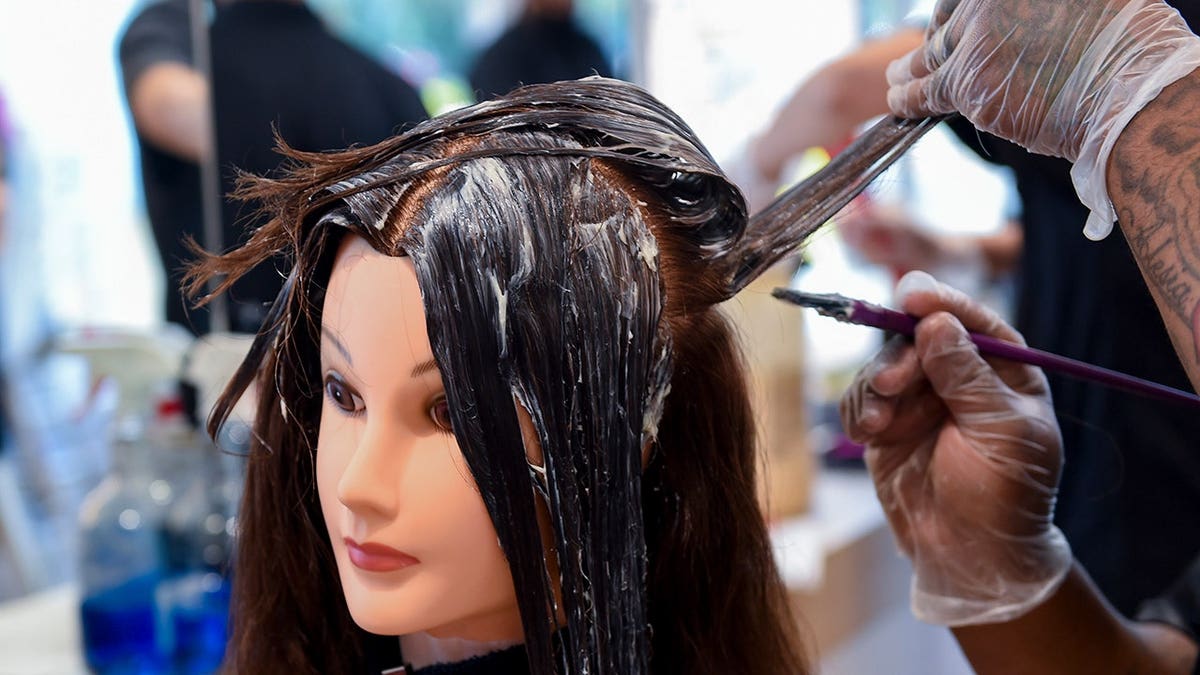
A student works with color application on a mannequin head at the American Barber and Beauty Academy in Reading, Pa. (MediaNews Group via Getty Images, File)
Blythe Fields, an expectant mother who is studying cosmetology while working in salons, said she previously paid for esthetician school herself and spent roughly two years saving her tips to continue her education.
«I paid out of pocket for esthetician school, and it made me go broke,» Fields told Fox News Digital.
Fields said she now works during the day and attends school at night, describing her schedule as «literally 12-hour days.»
She said federal financial aid allowed her to continue her education and that the flexibility of cosmetology will become even more important when her baby arrives.
«The first year is so important, and I need to be able to have that flexibility to raise a child,» she said.
Fernandez and Fields both said they helped start a petition asking the DOE not to adopt NACIQI’s recommendation outright. The petition calls instead for a monitored improvement period that would allow NACCAS to address the government’s findings while maintaining recognition.
Fernandez said she understood why federal officials raised concerns about NACCAS but believed denying recognition would go too far.
FOX NEWS POLL: FAITH IN HIGHER EDUCATION IN THE US IS COLLAPSING
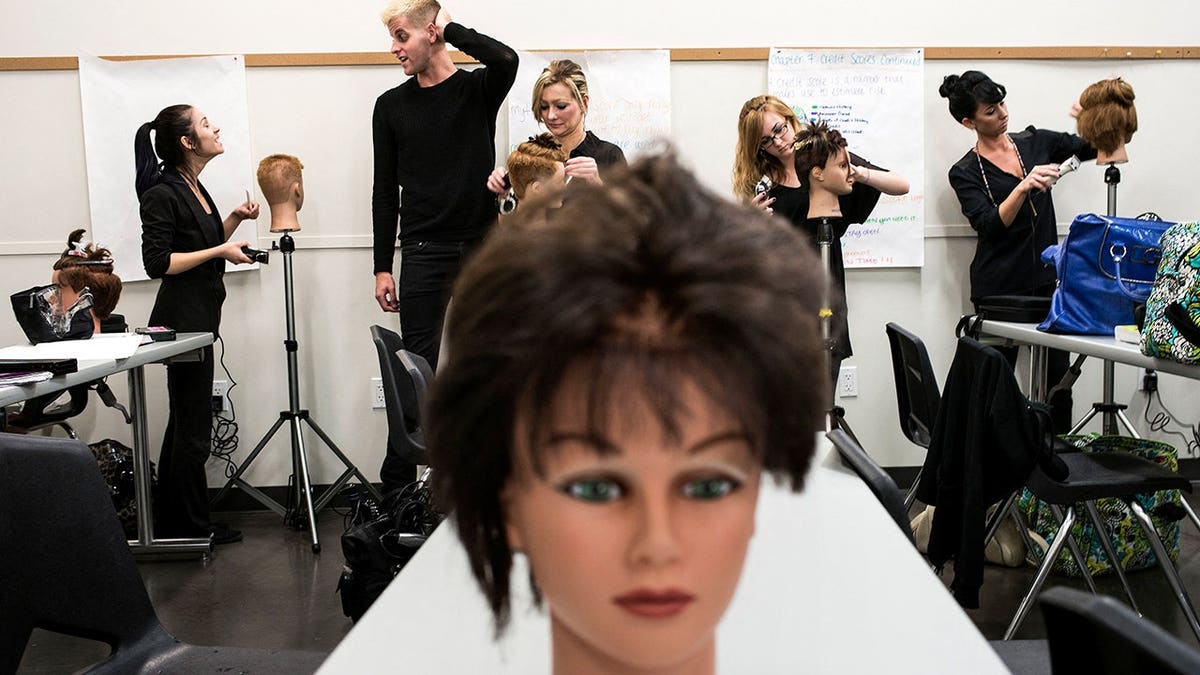
Students practice cutting hair on mannequin doll heads at a Paul Mitchell School in Virginia. (AFP via Getty Images, File)
«Having done the research myself, I can completely understand, you know, the side of the board,» Fernandez said. «However, I do not think a full termination of accreditation is reasonable considering how many people rely on this.»
Fields was more pointed when asked what she would tell Trump before his administration makes the final decision.
«I would ask him who cuts and colors his hair and how did they get there?» Fields said.
The disagreement over NACCAS centers on whether the deficiencies identified during its federal review warrant continued oversight or denial of recognition.
Education Department staff recommended that NACCAS be prohibited from accrediting additional institutions until it demonstrates compliance, complete corrective action within 12 months and submits additional reports to the department.
NACIQI instead recommended denial.
Zakiya Smith Ellis, a former Obama administration DOE official who serves on the advisory committee, made the motion to deny NACCAS renewed recognition.
Michael Poliakoff seconded the motion, which passed 9-3.
The Department of Education told Fox News Digital that accreditor recognition is reviewed every five years through a three-step process. (Getty Images for LIM College, File)
Smith Ellis argued during the July meeting that NACCAS had been given opportunities to address compliance problems and questioned whether giving it additional time would be sufficient. She also raised concerns about debt and earnings among students at NACCAS-accredited institutions.
Three committee members voted against denial, including Robert Eitel, who served in the DOE during Trump’s first term.
Eitel argued that NACCAS should be required to correct its deficiencies rather than lose recognition and raised concerns about the potential consequences for the schools and students it oversees.
The proceeding also creates an unusual contrast with the accreditation practices Trump highlighted in his April executive order.
The order directed the DOE to investigate whether accreditors require schools to engage in unlawful discrimination, including through DEI-related standards. The federal findings at issue in the NACCAS proceeding concern compliance and oversight rather than an allegation that NACCAS imposes DEI requirements.
The order directed the DOE to investigate whether accreditors require schools to engage in unlawful discrimination, including through DEI-related standards. (Kevin Carter/Getty Images, File)
Smith Ellis, meanwhile, has publicly defended DEI policies and previously served as a senior DOE official during the Obama administration.
Fox News Digital asked Smith Ellis why she favored denying recognition rather than the corrective measures recommended by DOE staff and what she would say to students concerned about the potential consequences. Smith Ellis did not respond to Fox News Digital’s request for comment.
Fields told Fox News Digital she believes beauty careers can be overlooked in ways that other skilled trades are not. Asked whether she thought the same fight would be playing out around traditionally male-dominated trades such as plumbing or welding, she said she did not.
«I think it’s because they’re like male fields, like mainly men are involved in,» Fields said. «They don’t think about that. They just think, ‘Oh, they went to hair school. It’s easy.’»
For Fields, however, the training will give her the career she hopes will allow her to earn a living while raising her child.
The White House, NACCAS, and the Hollywood Institute of Beauty did not respond to Fox News Digital’s requests for comment.
dept of education, regulation, education, dei, executive policy, donald trump, politics
NEWYou can now listen to Fox News articles!
A Spanish opposition leader branded the country’s socialist prime minister a traitor over his government’s handling of the influx of migrants in a North African enclave.
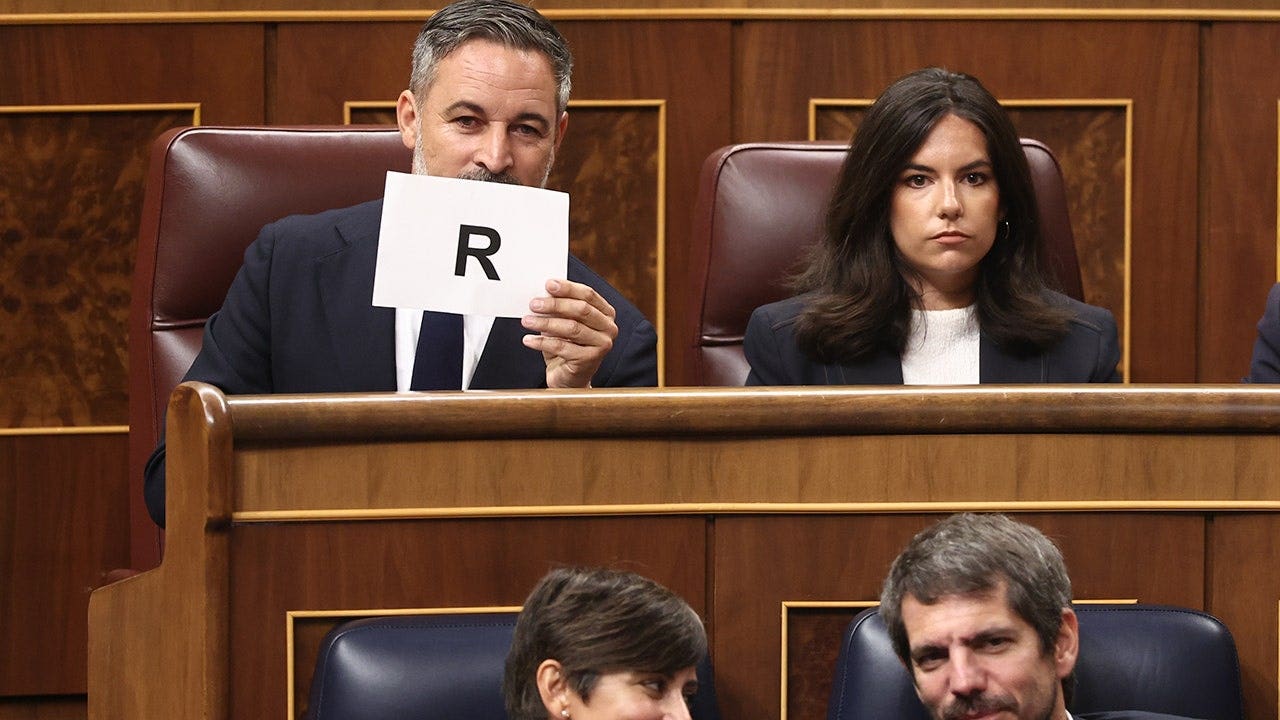
Santiago Abascal, leader of the Vox party, spoke during a parliamentary session when he asked if Prime Minister Pedro Sánchez was being blackmailed by Morocco amid the border crisis in Ceuta.
During his remarks, Abascal called Sánchez a «traitor» and «a dog.»
FIREBRAND REP UNLOADS ON SOCIALIST PRIME MINISTER AS ‘HORDES OF MILITARY AGED MEN’ SWARM EUROPEAN COUNTRY
Vox leader Santiago Abascal and Vox spokesperson in Parliament Pepa Millan attend a plenary session in the Congress of Deputies in Madrid on Wednesday. Abascal holds up letters that spelled «traidor,» or traitor, while describing Spanish Prime Minister Pedro Sánchez. (Europa Press via Getty Images)
Sánchez responded in a heated back-and-forth, saying, «I may be a dog, but I have no master.»
Abascal then held up sheets of paper one by one that spelled out «Traidor,» Spanish for «Traitor.» Sánchez then sat down.
Spain has seen major protests in response to the migrant arrivals in Ceuta, with critics blaming Sánchez for the crisis and some accusing him of pandering to Morocco.
LOCALS TORCH MIGRANT SHELTERS AS SPAIN’S PM POINTS BLAME BEYOND THE BORDER
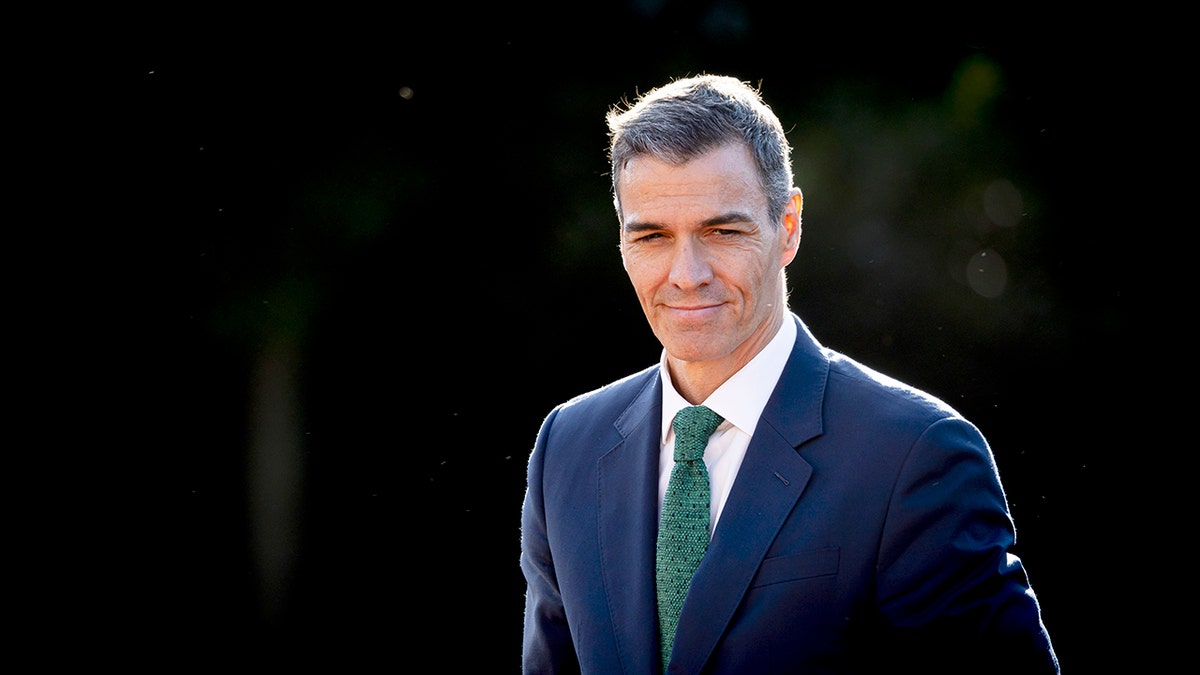
Sánchez hit back at Abascal, saying, «I may be a dog, but I have no master.» (Patrick van Katwijk/Getty Images)
More than 70,000 migrants poured into Ceuta in July. Most of them have returned to Morocco, but many remain in the enclave, with some living in tent encampments on the beach.
Meanwhile, Spain’s national intelligence agency issued multiple warnings before the mass crossing of migrants from Morocco into Ceuta in late July, according to declassified documents released by the government on Wednesday, The Associated Press reported.
On July 29, a day before people began crossing into Ceuta, the National Intelligence Center (CNI) sent an alert via WhatsApp to the Spanish government’s delegation in Ceuta about calls on social media «for an assault on the fence and by sea tomorrow at 8 p.m.»
«There are two different groups with a total of 180,000 followers,» the declassified WhatsApp message said, «just to give you an idea of its scale.»
The Associated Press contributed to this report.
spain, world politics, europe
INTERNACIONAL
El último adiós al rey de Noruega Harald V: entre la emoción y el comienzo de un nuevo reinado
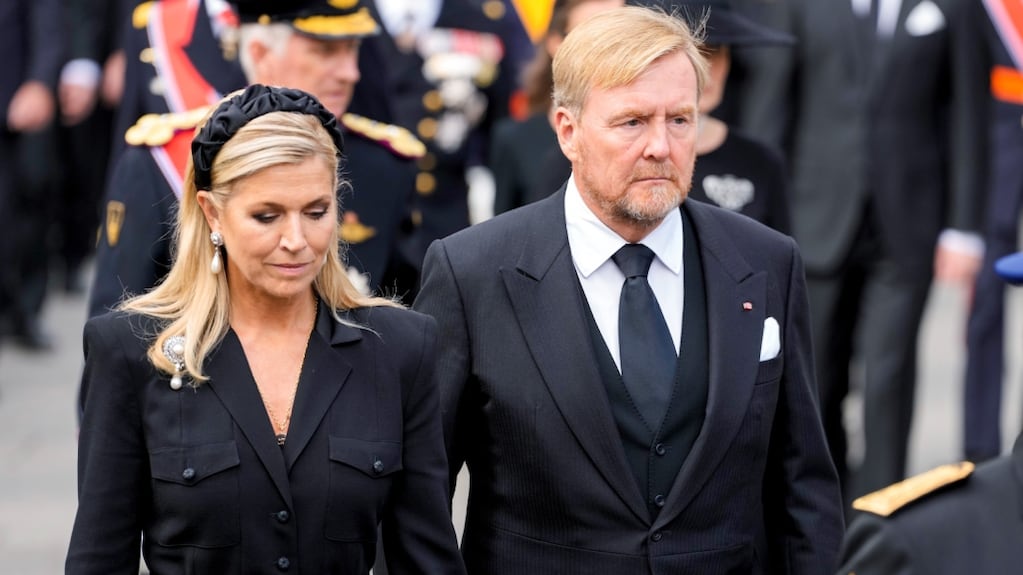
Noruega dio este miércoles el último adiós al rey Harald V, fallecido el 28 de agosto a los 89 años, y dio la bienvenida al nuevo monarca Haakon VIII, en una ceremonia fúnebre a la que asistieron las principales monarquías europeas y decenas de miles de personas.
Entre los asistentes se destacaron la reina Máxima de Países Bajos -la argentina Máxima Zorreguieta- y su esposo, el rey Guillermo.
Los más madrugadores se apostaban a partir de las 06:00 hora local a lo largo del recorrido de algo más de un kilómetro, protegido por unos 1900 militares y decorado con banderas de Noruega a media asta, que hizo el féretro desde el Palacio Real hasta la Catedral de Oslo.
Realeza europea y extranjera
En la procesión fúnebre marcharon detrás del féretro el rey Haakon VIII; la princesa heredera Ingrid Alexandra; su hermano, el príncipe Sverre Magnus; y la princesa Marta Luisa, hermana mayor del nuevo monarca. En tanto, la reina Mette-Marit, convaleciente todavía por su reciente trasplante de pulmón, y la viuda de Harald, la reina Sonia, cubrieron el recorrido en coche.
También participaron en el cortejo los miembros de otras casas reales europeas y extranjeras. Además de Máxima y Guillermo, estaban Felipe VI -uno de los padrinos de la princesa heredera noruega- y Letizia de España, y varios jefes de Estado y de Gobierno, entre ellos el presidente ucraniano, Volodimir Zelenski.
Según la Policía, hasta 53.000 personas se habían congregado a lo largo del recorrido en esta jornada, que comenzó soleada, para ver el paso del cortejo fúnebre, mientras que en el centro de la ciudad había unas 181.000 y en la zona periférica, 224.000.
Discursos, oraciones y flores para Harald
Durante el funeral en la catedral, que acogió a 850 invitados, el presidente del Parlamento, Masud Gharahkhani, y el primer ministro, Jonas Gahr Støre, pronunciaron discursos en memoria del fallecido rey, mientras que la princesa heredera de Suecia, Victoria, ahijada de Harald, leyó una oración de San Francisco de Asís.
Entre las coronas de flores destacaba la palabra “gracias” dedicada a Harald por el rey Haakon VIII, Mete-Marit, sus dos hijos en común y Marius Borg Høiby, el hijo de soltera de la reina, que se halla en arresto domiciliario mientras se resuelve un recurso a su condena a cuatro años de prisión por dos violaciones y otros delitos.
Leé también: Trump prometió que la guerra de Irán terminará después de las elecciones legislativas de EE.UU. en noviembre
Durante la ceremonia el rey tenía los ojos vidriosos y la princesa heredera tuvo que secarse las lágrimas con un pañuelo, mientras que la reina Sonia se levantó y depositó una rosa roja sobre el féretro de su difunto marido, se llevó la mano al corazón, retrocedió unos pasos y se inclinó ante el que fue su gran amor durante casi 70 años.
Tras el funeral, el féretro de Harald fue trasladado al castillo de Akershus en una procesión en la que Haakon VIII estuvo acompañado por el rey de Suecia, Carlos XVI Gustavo, y el de Dinamarca, Federico X.
En el Mausoleo Real de esta fortaleza del siglo XIV, el difunto monarca recibió sepultura en una ceremonia privada en la que participaron autoridades noruegas y extranjeras, así como representantes de monarquías.
Fin del luto e inicio simbólico del nuevo reinado
El silencio y la emoción marcaron durante todo el día las calles de Oslo, donde al final de la tarde miles de personas acudieron al Palacio Real para saludar al nuevo rey.
A las 16:50 hora local los nuevos reyes, la reina Sonia, la princesa heredera y su hermano salieron al balcón para saludar a la multitud congregada en la explanada frente al palacio que una media hora antes, cuando fueron retiradas las vallas de seguridad, corría hacia el edificio para asegurarse un buen sitio.
La familia real, visiblemente conmovida, fue recibida por aplausos y vítores tras una larga jornada en la que Noruega transitó entre dos emociones: la tristeza por despedir a un rey muy querido y la expectación ante el comienzo de un nuevo reinado.
(Con información de EFE)
realeza, Noruega, reina maxima

El Gobierno anunció que presentará “nuevas denuncias penales” contra empresas por sus actividades en Malvinas

Beauty school moms caught in accreditation crossfire as Trump administration weighs consequential decision

Spanish opposition leader calls prime minister a ‘traitor’ over Ceuta migrant crisis

Franco Colapinto reveló por qué rompió en llanto tras el GP de Italia de Fórmula 1

Yanina Latorre despidió a Chiche Gelblung y recordó sus momentos juntos: «Yo estaba enamorada de él»

Sebastián Galmarini habló sobre la deuda de las familias: “El Gobierno decía que no existía el problema”

1000 días de Milei: los logros, las crisis que lo marcaron y los déficits de su gestión

Martín Menem dijo que Milei será el primer no peronista en ser reelecto y llamó a invertir más

Franco Colapinto largará en el puesto 7 con su Alpine el Gran Premio de Italia de la Fórmula 1: hora, TV y todo lo que hay que saber

Multas millonarias, arrestos y trabajo comunitario: cómo se prepara una provincia para enfrentar el Súper Niño

 SOCIEDAD2 días ago
Femicidio brutal en Merlo: un jubilado de 64 discutió con su esposa y la asesinó a puñaladas
- POLITICA2 días ago
El gobierno de Kicillof retendrá un 2% en los premios de las apuestas online
- DEPORTE2 días ago
El rotundo cambio de Julián Álvarez en una foto presentación del Atlético de Madrid tras quedarse en el club