INTERNACIONAL
Una empresaria fingió durante años que su hija era su hermana y terminó acusada de asesinarla: el caso que conmocionó a India


Durante años, nadie puso en duda la historia que contaba Indrani Mukerjea. Era empresaria, figura conocida del ambiente mediático de India y siempre estaba presente en los eventos más exclusivos de Mumbai. Ella aseguraba que dos jóvenes que la acompañaban con frecuencia eran sus hermanos menores.
Entre ellos estaba Sheena Bora, una mujer de 24 años a quien presentaba públicamente como su hermana, aunque en realidad era su hija biológica.
En 2012, Sheena desapareció sin dejar rastros. Su entorno comenzó a buscarla, pero la explicación que recibían siempre era la misma: se había ido por decisión propia, quería empezar una nueva vida y no deseaba mantener contacto con nadie.
Durante más de tres años, esa versión fue aceptada por familiares, amigos e incluso por las autoridades. Sin embargo, en 2015 una confesión inesperada destapó uno de los casos criminales más impactantes de India y convirtió a Indrani Mukerjea en la principal acusada por el asesinato de su propia hija. Indrani Mukerjea junto a Sheena Bora, su hija, aunque ella la presentaba públicamente como su hermana. (Foto: The Indian Express)
Antes de que el caso ocupara las portadas de todos los medios, Indrani Mukerjea era considerada una mujer exitosa. Había nacido en el estado de Assam y, tras mudarse a Mumbai, construyó una carrera vinculada al mundo de los negocios y los medios de comunicación.
Su vida cambió cuando se casó con Peter Mukerjea, uno de los ejecutivos más influyentes de la televisión india. Juntos formaban una de las parejas más conocidas de la alta sociedad del país y frecuentaban empresarios, celebridades y dirigentes políticos. Sin embargo, detrás de esa imagen de éxito existía un secreto que muy pocas personas conocían.
Cuando era muy joven, Indrani había tenido dos hijos: Sheena Bora y Mikhail Bora. Según la investigación, durante años decidió ocultar ese vínculo y comenzó a presentarlos como sus hermanos menores. La versión fue aceptada por gran parte de su círculo social y se mantuvo durante décadas.

Indrani se casó con Peter Mukerjea, uno de los ejecutivos más importantes de la televisión india. (Foto: Hindustan Times)
Sheena creció creyendo que debía guardar ese secreto. Mientras construía su propia vida en Mumbai, trabajaba en una empresa y mantenía una relación con Rahul Mukerjea, hijo de Peter de un matrimonio anterior.
Ese noviazgo generó fuertes conflictos dentro de la familia. Mientras Rahul y Sheena sostenían que querían formalizar la relación, Indrani se oponía rotundamente. De acuerdo con la acusación, la posibilidad de que saliera a la luz que Sheena era en realidad su hija podía derrumbar la imagen que había construido durante años.
La desaparición
El 24 de abril de 2012 fue la última vez que Sheena Bora fue vista con vida. Según la reconstrucción realizada por la fiscalía, ese día la joven se reunió con Indrani después de recibir una invitación para cenar. Horas más tarde dejó de contestar mensajes y llamadas.
En los días siguientes comenzaron a llegar correos electrónicos y mensajes desde las cuentas de Sheena. En ellos aseguraba que había decidido mudarse, terminar su relación con Rahul y alejarse definitivamente de todos. Pero su novio nunca creyó esa explicación.
El hombre insistió durante meses en que algo extraño había pasado, ya que el contenido de los mensajes no coincidía con la forma habitual de escribir de su pareja. También sostuvo que nadie había podido volver a verla personalmente. Sheena Bora junto a su novio, Rahul Mukerjea. (Foto: The Hindu)
A pesar de sus sospechas, la desaparición no avanzó demasiado. La versión de que Sheena se había marchado voluntariamente terminó imponiéndose y el caso quedó prácticamente olvidado.
La confesión
Todo cambió en agosto de 2015, cuando la policía detuvo a Shyamvar Rai, el chofer que había trabajado para la familia Mukerjea. Inicialmente fue arrestado por otro hecho, pero durante su indagatoria realizó una confesión inesperada.
Según declaró, había participado del asesinato de Sheena Bora junto con Indrani Mukerjea y su entonces esposo, Sanjeev Khanna.
De acuerdo con su relato, aquella noche Sheena fue drogada y posteriormente estrangulada dentro de un auto. Después, el cuerpo fue trasladado hasta una zona boscosa del distrito de Raigad, a varios kilómetros de Mumbai, donde fue incendiado para intentar eliminar cualquier evidencia.

El momento de la detención del chofer cuyo testimonio provocó un giro en la investigación. (Foto: Hindustan Times)
Los investigadores comprobaron que en 2012 se habían encontrado restos óseos calcinados en ese mismo lugar, aunque en ese momento nunca habían podido ser identificados correctamente.
Tras la confesión del chofer, esos restos fueron sometidos nuevamente a distintos estudios y pasaron a ser considerados una pieza clave de la investigación.
Pocos días después de la confesión de Shyamvar Rai, Indrani Mukerjea fue detenida y acusada formalmente por homicidio, secuestro, destrucción de pruebas y conspiración criminal.
También fueron arrestados Sanjeev Khanna, segundo esposo de Indrani y señalado como uno de los participantes del crimen, y posteriormente Peter Mukerjea, acusado por los investigadores de haber tenido conocimiento del plan. Sin embargo, años después Peter obtuvo la libertad cuando la Justicia consideró que no existían pruebas suficientes para mantenerlo detenido mientras continúa el proceso.
Un juicio que todavía no terminó
La principal hipótesis sostiene que Indrani buscaba impedir que se conociera públicamente que Sheena era su hija biológica y no su hermana, un secreto que había mantenido durante años y que podía afectar tanto su imagen pública como su vida personal.
Los investigadores también analizaron posibles conflictos económicos y disputas familiares, además del rechazo que Indrani tenía hacia la relación entre Sheena y Rahul Mukerjea.

Mukerjea fue imputada por el homicidio de su hija Sheena Bora. (Foto: India TV News)
Para la fiscalía, el crimen fue cuidadosamente planificado y tuvo como objetivo silenciar definitivamente a la joven antes de que revelara la verdad sobre su vínculo familiar.
La defensa de Indrani, en cambio, negó desde el comienzo todas las acusaciones y sostuvo que las pruebas presentadas por la fiscalía no alcanzan para demostrar su responsabilidad.
Leé también: La asesinaron mientras caminaba con su hijo de dos años: el verdadero culpable fue identificado más de una década después
Desde su detención en 2015, el expediente avanzó lentamente debido a la gran cantidad de testigos y pruebas incorporadas a la causa.
En 2022, luego de pasar más de seis años en prisión preventiva, la Corte Suprema de la India le concedió la libertad bajo fianza al considerar que el juicio todavía estaba lejos de finalizar.
La decisión no implicó una absolución ni modificó los cargos en su contra. Indrani continúa imputada por el asesinato de Sheena Bora y debe presentarse ante la Justicia mientras sigue el proceso judicial.
India, desaparicion, Asesinato, Sumario







NEWYou can now listen to Fox News articles!
House Homeland Security Committee Chairman Andrew Garbarino, R-N.Y., remembers exactly where he was when the World Trade Center was attacked on Sept. 11, 2001.
«I was a senior in high school. I was in Mr. Ponzi’s government class. And that’s when the first plane hit. And one of the other teachers came in and was telling Mr. Ponzi about it,» he told Fox News Digital. «We all thought it was a little plane. And then we went to the next class. And then the second plane hit, and everybody realized that stuff was wrong.»
Twenty-five years later, Garbarino leads a congressional committee that oversees a Cabinet department created explicitly after the terror attack. He’s warning that Congress needs to change how it deals with potential threats to avoid another tragedy of that scale.
«Being chairman of the committee, being a New Yorker, it’s one of those things you focus on, and you want to make sure another 9/11 doesn’t happen, and doesn’t ever happen again. And that’s my goal. That’s my priority,» he said.
House Homeland Security Committee Chairman Andrew Garbarino, R-N.Y., is sounding the alarm against congressional «complacency,» 25 years after the Sept. 11, 2001, terrorist attacks. (Newspix via Getty Images)
9/11 IS BECOMING HISTORY. MY GENERATION MUST MAKE SURE AMERICA NEVER FORGETS
«Congress is very good at being reactive… We don’t want another 9/11. So if I could leave my fingerprints on something here, it’s the fact that the focus, Congress’ focus on national security, Congress’ focus on homeland security or safety, is that we address an issue before something happens.»
HOW 9/11 TRANSFORMED SYNAGOGUE SECURITY INTO A NEW REALITY FOR THE JEWISH COMMUNITY
He said Congress needed to get into the habit of passing laws ahead of time, «instead of being like, ‘Oh my God I can’t believe this happened, how did this happen, let’s fix it now.’»
«That’s why 9/11 happened. 9/11 happened because our intelligence agencies, they were siloed, they were not sharing information. I don’t know if it was a complacency or whatever, but there were a lot of problems,» Garbarino said. «I don’t want to fall into that same complacency.»
Garbarino represents New York’s 2nd Congressional District, part of Long Island’s south shore. As a suburb of New York City, its residents are deeply attuned to that tragedy 25 years ago.
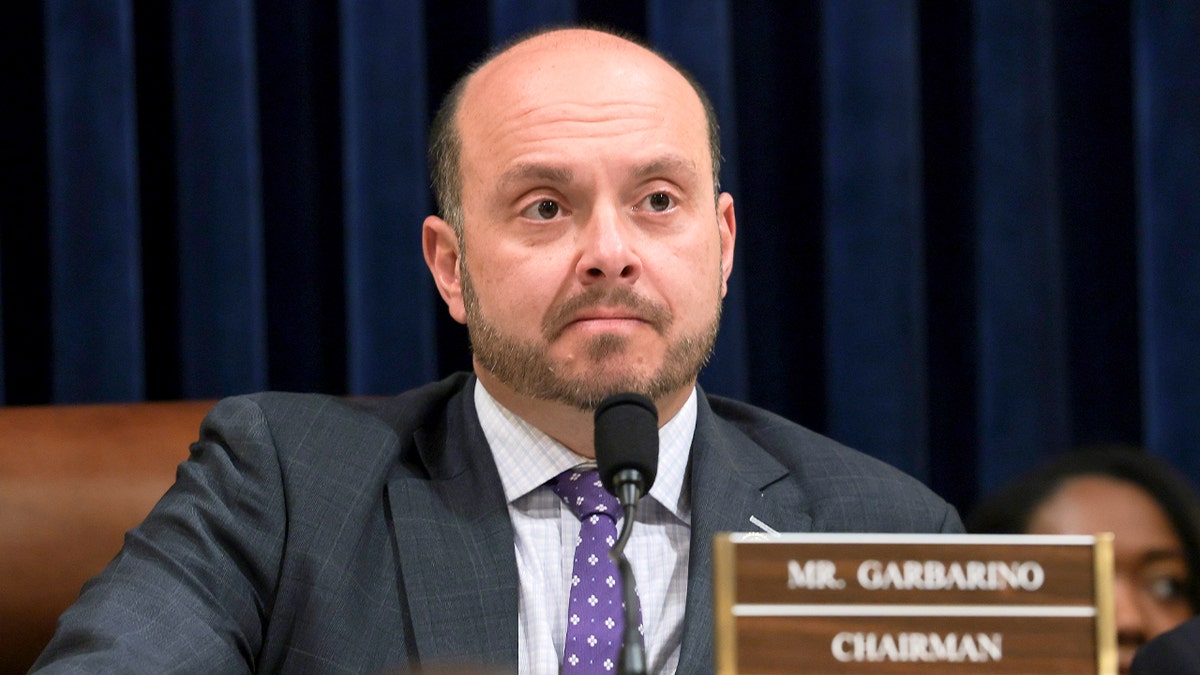
House Homeland Security Committee Chairman Rep. Andrew Garbarino presides over a hearing in the Cannon House Office Building in Washington on Dec. 11, 2025. (Anna Moneymaker/Getty Images)
«We have people that lost loved ones that day that are still dealing with it 25 years later,» Garbarino said. «So the scar is still there.»
His district and others are also still dealing with illnesses stemming from that day, including first responders who bravely rushed to the collapsing twin towers.
«There are now more people that have died from 9/11-related illnesses than died on the actual day. So it’s a day that keeps taking people away from us,» Garbarino said.
«You have firemen who, 9/11 was their first call. They were 21, 22 years old. They’re now 47… And a lot of these, some of these cancers, they take a while to take hold, and they’re now just getting sick.»
SCIENTISTS DISCOVER POSSIBLE LINK BETWEEN 9/11 AND ACCELERATED AGING
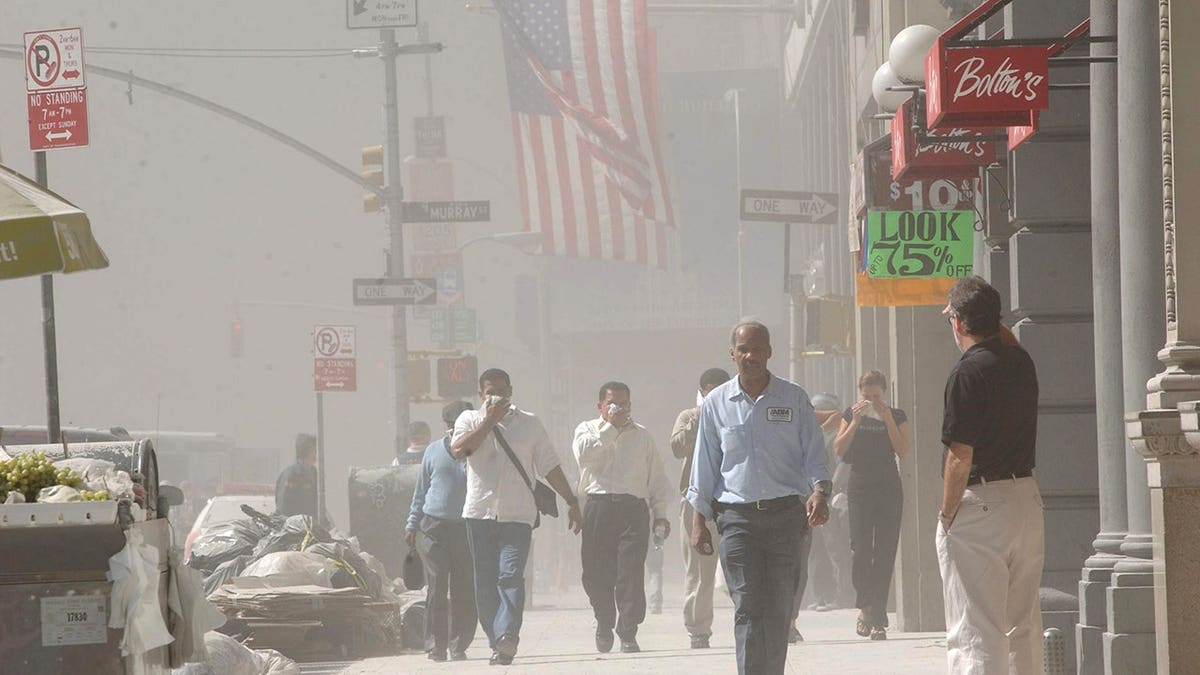
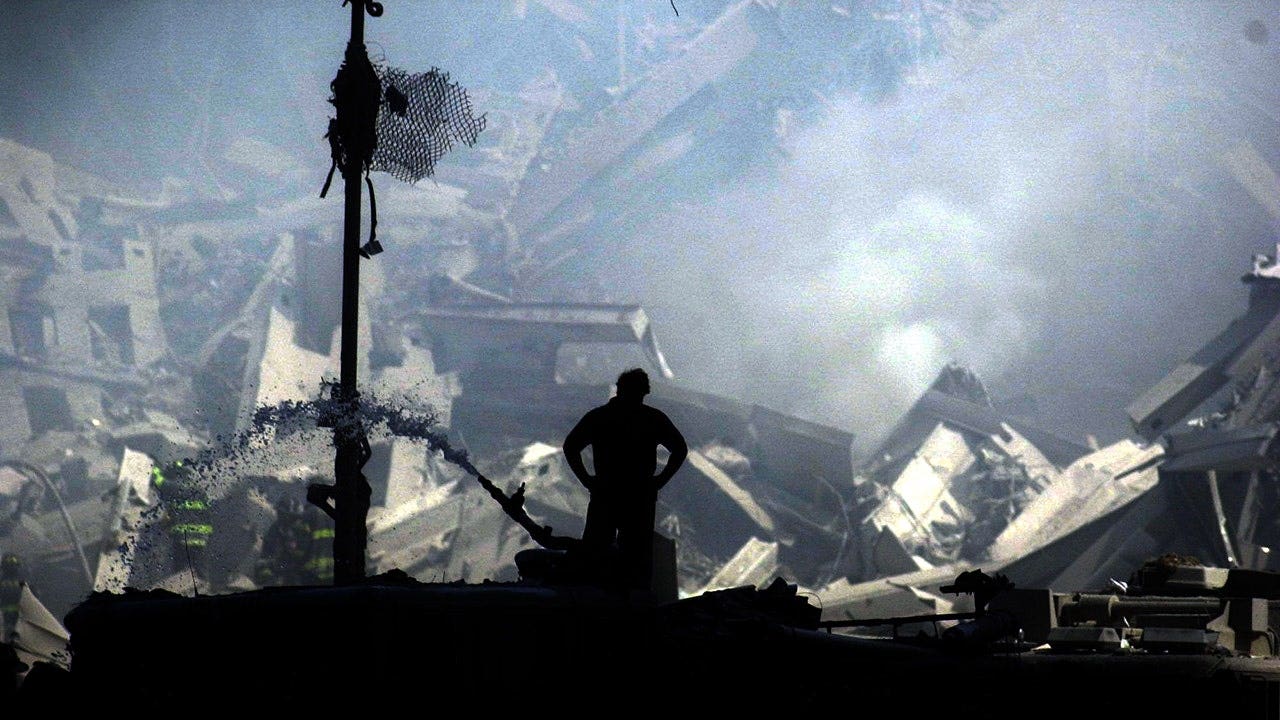
People rush away from the collapsing World Trade Center on Sept. 11, 2001, after two hijacked airplanes hit the twin towers in New York City in a terrorist attack. (Getty Images)
Earlier this year, President Donald Trump signed legislation led by Garbarino and others to address a projected funding shortfall for the World Trade Center Health Program, which helps survivors pay for their medical treatment.
He said nearly all congressional districts across the country have at least one person participating in the program, a testament to how widespread the tragedy’s effects are.
«People moved out of New York, people who came from all over the country after 9/11 to help, they all went back home, they also got sick. So this does affect the entire country,» Garbarino said.
september 11, politics, new york city, homeland security, terror
NEWYou can now listen to Fox News articles!
John Byrnes was swimming in a pool beneath Hunter College in Manhattan on the morning of Sept. 11, 2001, when he stepped outside for coffee and heard sirens blaring down Lexington Avenue.
He learned that a plane had hit the World Trade Center. Minutes later, he saw the North Tower collapse on a campus television and immediately headed toward his National Guard armory.
Byrnes spent the next two weeks helping secure Ground Zero. And spent the following years in both Iraq and Afghanistan.
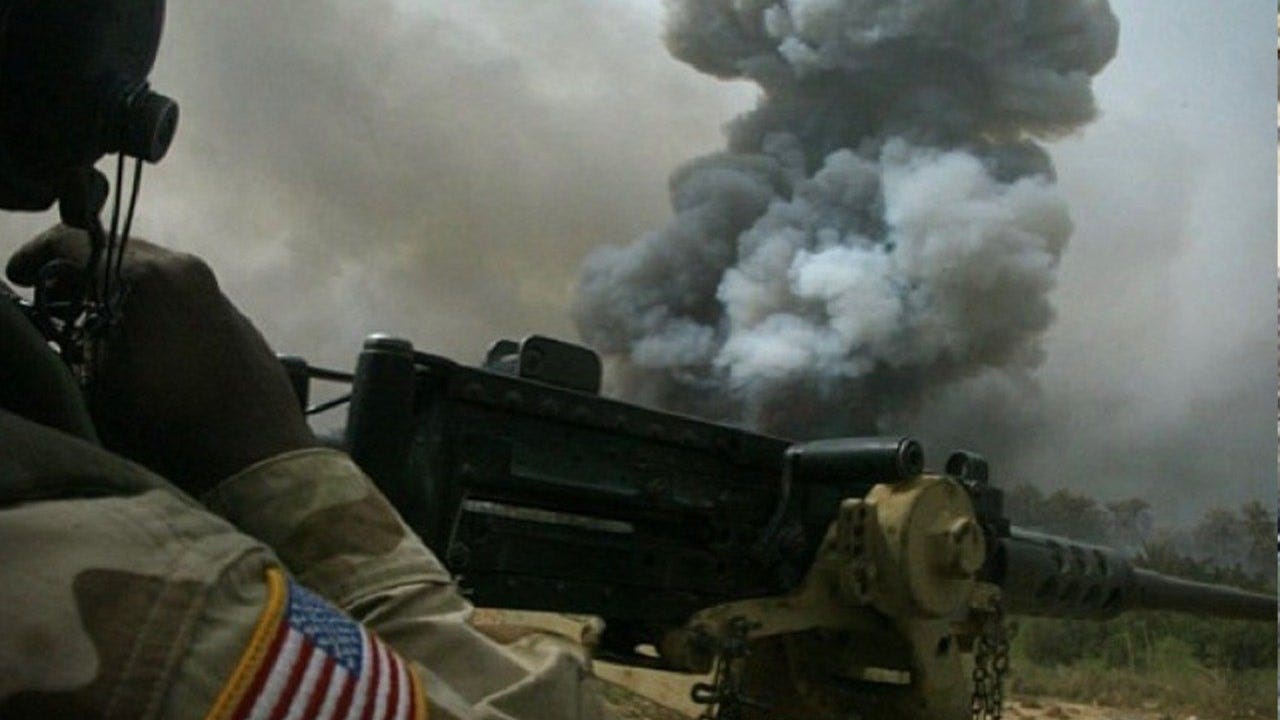
Each of the five veterans who spoke with Fox News Digital ahead of the 25th anniversary of 9/11 remembers where they were when they learned the nation had been attacked — and how Sept. 11 changed the trajectory of their life and service.
Some were already in uniform. Others, including a successful businessman and a teenager who watched the attacks unfold on television at his school, felt compelled to enlist.
Looking back 25 years later, Byrnes draws a sharp distinction between the wars, including the decision to respond to the terrorist attacks and the choices that followed to continue the war on terror.
«The decision to go to Afghanistan, that was absolutely necessary,» Byrnes, who is now a strategic director at Concerned Veterans for America, told Fox News Digital. «The decision to go to Iraq, which was not necessary.»
«The decision to stay in Afghanistan for so long was unfortunate, but it all came down to that day.»
ARMY VET LAWMAKER MARKS ABBEY GATE ANNIVERSARY WITH BLISTERING MESSAGE FOR BIDEN-HARRIS: ‘ABJECT FAILURE’
«The decisions that didn’t seem wrong at the time were just pebble after pebble into an avalanche,» he said.
Veterans who spoke to Fox News Digital all went to war believing they were protecting Americans by keeping the fight «over there.» Twenty-five years later, they remain proud that they answered that call. Their harder questions are about what came afterward: how the mission expanded, what two decades of war accomplished and whether the country ultimately made good on the sacrifices it asked of them — and the people of Afghanistan.
Chris Hoff was working for the state Department of Corrections while studying to become a special education teacher in his post-military service life. For him, the decision to return to service came as he watched the towers fall from the New Jersey shoreline.

Michael Matthews was already serving in the Army when the attacks happened that fateful day in 2001. He deployed to Iraq in 2003 with one of the first divisions to cross the border from Kuwait. His team was later hit by an IED. (Michael Matthews)
«When September 11 happened, I knew right then and there that I was going back in the military,» Hoff told Fox News Digital.
He returned to the reserves and deployed to Afghanistan twice. During his second deployment, he suffered multiple concussions and was ultimately forced to end his military career.
«For 20 years, all I knew was prison and war,» Hoff said. «And I was good at both of them.»
When he could no longer continue in either career, Hoff said he felt as though he had failed. But he credits connecting with the Wounded Warrior Project and beginning equine therapy for ultimately saving his life.
Hoff now shares his story in hopes other veterans will seek help sooner.
«If I can help just one soldier… get help,» he said, «it’s okay to get help. It truly is. I’m glad I did.»
If you or someone you know is having thoughts of suicide, please contact the National Suicide Prevention Lifeline at 1-800-273-TALK (8255).

John Byrnes was swimming in a pool beneath Hunter College in Manhattan on the morning of Sept. 11, 2001, when he stepped outside for coffee and heard sirens blaring down Lexington Avenue. He learned that a plane had hit the World Trade Center. Minutes later, he saw the North Tower collapse on a campus television and immediately headed toward his National Guard armory. (John Byrnes)
Rep. Troy Downing, R-Mont., now serving his first term in Congress, was moose hunting in remote Alaska when he first learned that the World Trade Center had been attacked.
He had been dropped in the bush with only an aviation radio, and no planes had flown overhead for days. When a pilot finally reached the hunting party, Downing learned that both towers had fallen.
«This country has been good to me,» Downing recalled thinking at the time when learning about the attack on U.S. soil. «What have I ever done to deserve it? We’re being attacked right now. Everything that this country stands for is being attacked. And I’ve never done anything to deserve this.»
Downing, the son of a single teenage mom, grew up poor. He went on to teach at New York University and help build a technology startup that became Yahoo.
He was 34, with no prior military service, when he returned home and walked into a recruiter’s office the next day. Downing joined the Air National Guard and served in combat search and rescue, including during two deployments to Afghanistan.
The way the war ended did not change Downing’s view of the decision to serve. But it did shape how he viewed what the country ultimately did with that service.
Downing called the withdrawal under former President Joe Biden «a blemish» that «squandered everything that we gained there.» He urged veterans not to conclude that their own sacrifices had been in vain.
«I just want to make sure that my brothers and sisters in arms, the folks that have served this mission, understand that they served this country and they served honorably,» Downing told Fox News Digital. «And not think just because of that one misstep that it was in vain because you stepped up to the dotted line when your country asked you to.»
MAMDANI TO RELEASE DOCUMENTS ON 9/11 HEALTH IMPACTS BEFORE 25TH ANNIVERSARY
Brandon Newberry has wrestled directly with that question.
Just 16 years old when he walked out of gym class and saw news coverage of the World Trade Center falling on a TV in his Spanish classroom, Newberry said: «I just felt lost and hopeless.»
«I wanted to do something,» he went on. «I wanted to help. I knew there were people suffering, people dying, and it hurt me really bad.»
Newberry joined the Marine Corps in 2006 because he believed the branch would put him closest to the fight. He deployed to Iraq in 2007 and later served two tours in Afghanistan.
«My whole philosophy behind it was take the fight to them,» Newberry told Fox News Digital. «As long as I kept it in their backyard, they couldn’t put it in our backyard.»

«For 20 years, all I knew was prison and war,» Hoff said. «And I was good at both of them.» (Chris Hoff)
Newberry said he spent roughly seven years in Afghanistan, including time as a government contractor after leaving the Marines. The years there gave him a close view of the Afghan people and the changes he believed had taken place while U.S. forces were in the country.
«At the time, women were allowed to go to school. We had women doctors,» he said. «They didn’t have that fear of the unknown, as long as we were there trying to help them out.»
Newberry said the U.S. «fumbled the ball» and could have done more to establish a lasting government and security force before leaving.
«It could have definitely been done better,» he said.
He also felt the conclusion of the two-decade war was a tragedy. «The withdrawal hurt us military guys. I lost a lot of good friends, and it hurts.»
The ending, Newberry said, raised a more personal question about the years he had spent there: «I almost feel like everything that I did was almost for nothing because, again, I feel like at this point I failed the Afghan people.»
Michael Matthews was already serving in the Army when the attacks happened that fateful day in 2001. He deployed to Iraq in 2003 with one of the first divisions to cross the border from Kuwait. His team was later hit by an IED.
Matthews suffered injuries to his face, neck, head, back, arms and legs, spent three and a half weeks in a coma and remained hospitalized for nearly nine months.
He had hoped to make a career of military service, but the injuries forced him onto a different path.
«It just ultimately changed the trajectory of what my goal was, which was to, of course, do this amazing life in the military and make a huge career out of it,» Matthews told Fox News Digital.
Instead, Matthews said the experience also gave him a new purpose: «Helping veterans and helping the community.»

Michael Matthews was already serving in the Army when the attacks happened that fateful day in 2001. He deployed to Iraq in 2003 with one of the first divisions to cross the border from Kuwait. His team was later hit by an IED. (Michael Matthews)
For the men who served, questions about the wars do not necessarily translate into regret over their own decision to fight.
Byrnes said one of the central lessons of the post-9/11 wars is that military and political leaders must look beyond the immediate objective — and be willing to acknowledge when a strategy is not working.
«You can never admit failure,» Byrnes said. «You always want to, no matter how bad things were, set the positive note. You tell the boss you’re winning until somebody else comes to take your place so you can get promoted without saying that you’re not winning.»
But 25 years after the attacks, the veterans’ reflections resist a simple judgment on the wars that followed.
They describe pride in having served despite the physical and psychological wounds, expressed frustration over the decisions that prolonged or expanded the wars, and issued sharply different conclusions about what the United States ultimately accomplished in its 20-year endeavor in the Middle East.
Matthews put that tension simply.
«We’re proud of what we did,» he said. «Even though we may not have fully understood what we were doing or why we were doing it.»
september 11, us marines, national guard, patriotism, veterans, us army, politics, tunnel to towers steel across america
INTERNACIONAL
AOC’s ‘modern-day lynchings’ claim torn to shreds online as Black hanging case findings tell a different story
‘Not exactly Alexandria from the Bronx’: ‘The Five’ ridicules AOC’s fake southern accent
The Five panel criticizes Alexandria Ocasio-Cortez’s use of a «fake Southern accent» at a Memphis rally for Justin Pearson, sparking debate about her political authenticity and policy prowess. Commentators question her ability to handle unscripted debates, highlighting past instances where her policy proposals lacked substance, like the Amazon HQ2 controversy in Long Island City.
NEWYou can now listen to Fox News articles!
This story discusses suicide. If you or someone you know is having thoughts of suicide, please contact the National Suicide Prevention Lifeline at 988 or 1-800-273-TALK (8255).
Rep. Alexandria Ocasio-Cortez, D-N.Y., warned Friday of «racial terror» and «widespread modern-day lynchings» in the U.S. as she joined dozens of Democrats demanding that the DOJ and FBI investigate hanging deaths of Black Americans.
Multiple official findings in several recent cases show that law enforcement or medical examiners ruled the deaths suicides, while at least one very recent death remains under a homicide investigation.
AOC alleges there is systemic racial bias at the agencies, while fellow progressive lawmaker Rep. Ayanna Pressley, D-Mass., called the hangings a «national crisis» in a letter to the agencies that she spearheaded.
MS RACHEL SPEAKS OUT ON BLACK HANGING CASES AS RALEIGH DEATH IS DECLARED SUICIDE
«This year, there have already been 10 reported hangings of Black people in the U.S. I’m proud to have signed onto Rep. Pressley’s letter to address these widespread modern-day lynchings and put a stop to this racial terror,» Ocasio-Cortez wrote on X in support of the call.
Pressley warned in her letter that «Black folks are being found hanged in America» and insisted: «We cannot stand by while strange fruit hangs from trees across the country.»
The letter, addressed to Attorney General Todd Blanche and FBI Director Kash Patel, was signed by Pressley, Ocasio-Cortez and about 50 Democrats. They demanded a «thorough, transparent, and comprehensive federal investigation into every hanging death of a Black individual across the United States,» arguing that federal agencies have failed for decades to adequately investigate such deaths.
FAMILY IDENTIFIES YOUNG WOMAN FOUND FATALLY SHOT IN HOME OWNED BY REP AYANNA PRESSLEY’S HUSBAND
One 2026 case involved the death of a 21-year-old Atlanta man who had gone missing. He was later found hanging from a tree in a Cobb County park, where officials ruled out foul play and deemed the death a suicide, according to Atlanta’s NBC affiliate.
Another 2026 case involved Delta State University student Demartravion Reed in Mississippi. Officials «determined the cause of death to be a hanging and the manner of death as suicide.»
At the time, the case reopened old memories of the murder of Emmett Till, according to reports. Till was a Black teen kidnapped and murdered by White men not far from the site after he was falsely accused of flirting with a White woman in 1955.
15-YEAR-OLD BLACK TEEN’S MURDER REVEALS THE UGLY TRUTH ABOUT WHITE GUILT IN AMERICA
A Grio report on Pressley’s letter also referenced the hanging deaths of a 58-year-old man in Albany, N.Y., and a 39-year-old man in Brookfield, Wisconsin.
The Albany Police Department said Earl Smith’s death was «ruled a suicide» and investigators found «no evidence» of criminal activity.
«The Albany Police Department is aware of concerns posted on social media suggesting that criminal activity was involved with this incident, which has understandably caused public concern,» the department said.
A preliminary investigation of the Wisconsin man’s death also indicated suicide, according to Brookfield’s police chief cited by the Waukesha County Freeman.
At least one case remains under homicide investigation, according to reports.
Tasia Fortune was found hanging outside an abandoned house in Jackson, Mississippi, CNN reported Thursday. Authorities later questioned Terence Bernard Anderson, the father of one of her children, and arrested him on unrelated weapons charges, according to several reports.
AOC SLAMS ‘OPPRESSED’ TRUMP STATES WHILE TOUTING NYC SERVICES DESPITE $5B DEFICIT AND TRANSIT CRIME SPIKE
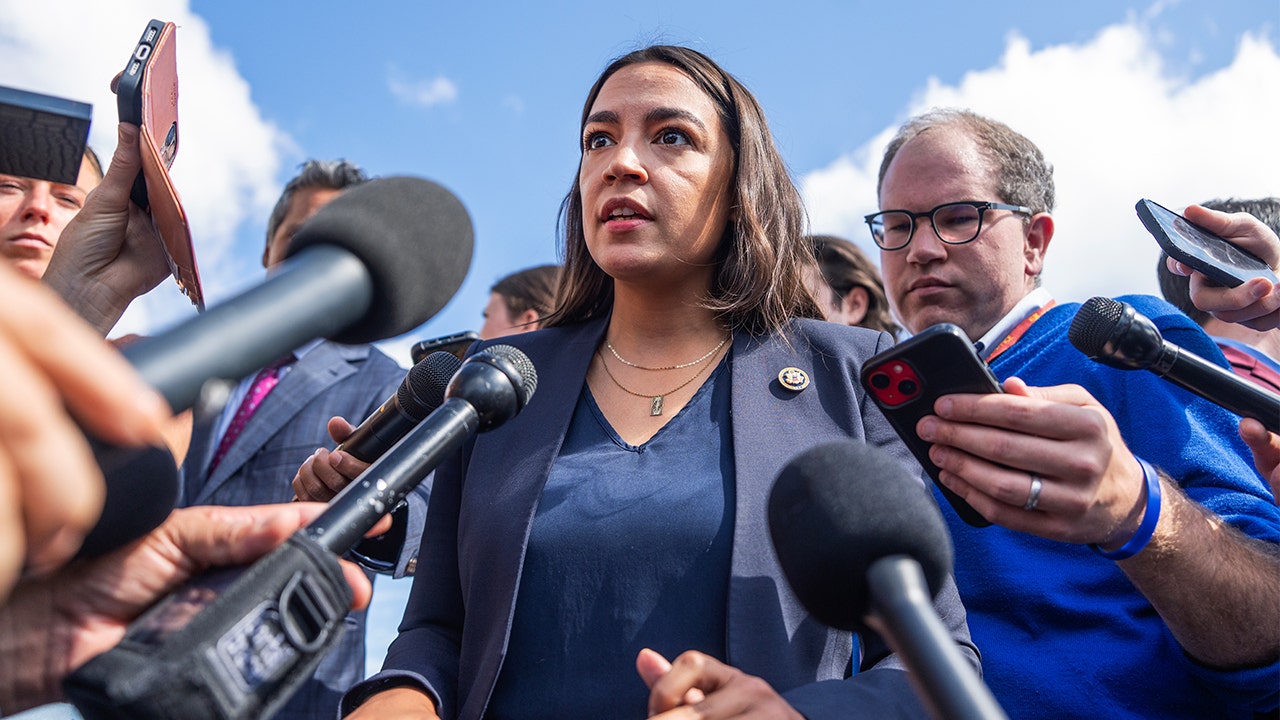
Rep. Alexandria Ocasio-Cortez, D-N.Y., talks with reporters outside the U.S. Capitol on Sept. 11, 2025. (Tom Williams/CQ-Roll Call, Inc via Getty Images)
The lawmakers’ characterization also drew criticism on social media.
«Those community notes are stacking up,» one critic said, as X’s crowdsourced correction indicator included several wire reports and media links disputing Ocasio-Cortez’ claims.
«There should be some sort of penalty for willfully lying on social media, especially for a politician,» another claimed.
Former Energy Department official Matt Van Swol posted to X, «In the last ‘lynching’ of a Black woman, the media conveniently left out the prime suspect in the case was her Black boyfriend. Zero White people are lynching Black people in America today.»
WATCH: SQUAD DEMOCRAT SPEAKS OUT AFTER TEEN FOUND SHOT DEAD AT HUSBAND’S BOSTON PROPERTY
Former Senate staffer Matt Whitlock added that «every death is a tragedy, but what do you think ‘widespread’ means if only one of these was actually a homicide. Not sure you’ve landed the point about ‘racial terror’ with this.»
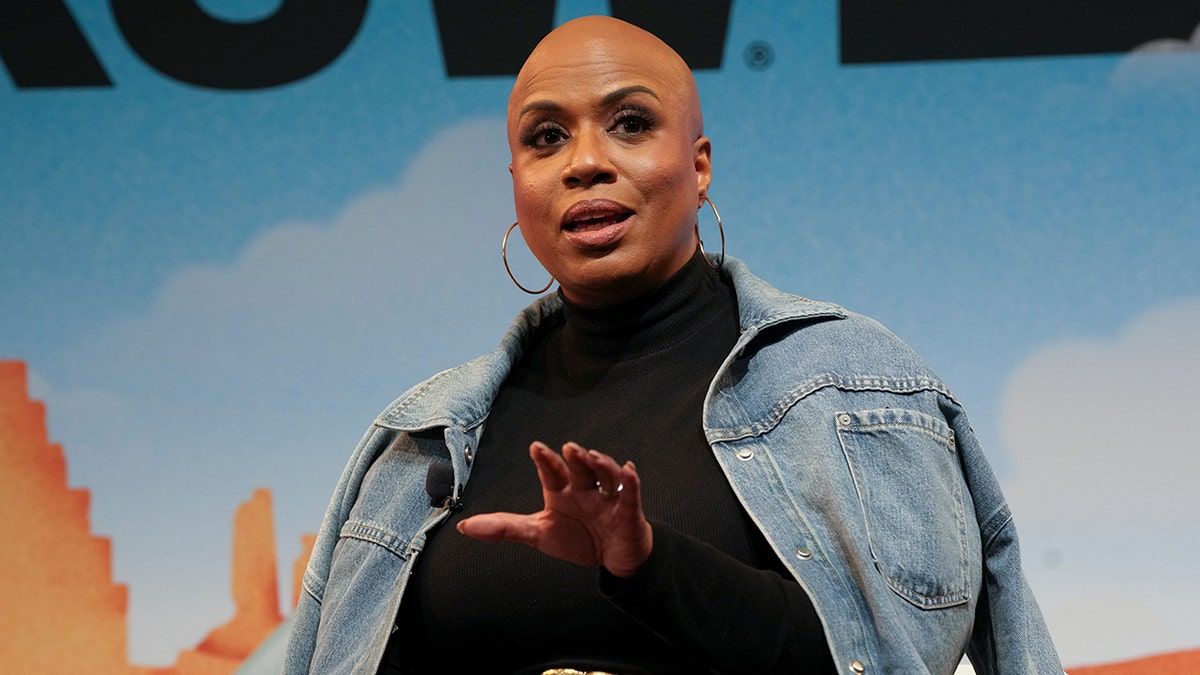
Ayanna Pressley at the Featured Session «Repro Revolution: A Conversation with Rep. Ayanna Pressley» during the SXSW Conference & Festivals held at the Austin Convention Center on March 9, 2025, in Austin, Texas. (Amy E. Price/SXSW Conference & Festivals via Getty Images)
X’s crowdsourced Community Notes feature also pointed readers to law-enforcement and medical-examiner findings in several of the cases, stating that most high-profile hanging deaths it identified in 2025 and 2026 had been ruled suicides and that one remained under homicide investigation.
When reached for comment, Pressley spokesperson Ricardo Sanchez directed Fox News Digital back to the lawmakers’ letter to Blanche and Patel, specifically a line reminding them that «Congress enacted the Emmett Till Antilynching Act in 2022 to ensure the DOJ and FBI are empowered to fully investigate suspicious deaths and hold individuals accountable.»
Fox News Digital reached out to Ocasio-Cortez, the DOJ and the FBI for comment.
alexandria ocasio cortez, hate crime, homicide, controversies state and local, politics, the squad, democrats

Fentanilo mortal: un informe del Gobierno revela que el potente anestésico y la morfina no tenían trazabilidad

Anunciado y ya lanzado: Uno de los juegos más polémicos de la historia de Blizzard estrena hoy una expansión que ofrece hasta 30 horas de contenido

El partido de Messi en el empate del Inter Miami: golazo tras una combinación con De Paul y bronca por sus tiros en los palos

El pedido de transporte para “La Noche de los Lápices” reavivó la interna entre Kicillof y el kirchnerismo

Tamara Paganini recordó su historia con El Potro Rodrigo y cómo intentó conquistarlo: “Acariciame con las pestañas”

Top House chairman warns Congress against ‘complacency’ 25 years after 9/11

El día que Owen Wilson se emocionó por el abrazo que le dio Lionel Messi tras un partido

Berni se diferenció de Kicillof en la aplicación de la baja de la edad de imputabilidad

Cuánto cuesta comprar una pick up en la Argentina y cuáles son los modelos más baratos en septiembre

La desafiante aventura de Carolina Baldini en moto por Europa: desde Edinburgo a Liverpool en dos ruedas

 ECONOMIA3 días ago
Así es la primera pickup compacta nacional: diseño, cuándo empezará a venderse y el novedoso sistema híbrido que tendrá
- POLITICA2 días ago
“¿Dónde está Kicillof?”: Patricia Bullrich cruzó al gobernador por la inseguridad en la Provincia
- DEPORTE3 días ago
Alarmante frase de Pierre Gasly antes del estreno del circuito de Fórmula 1 en Madrid