INTERNACIONAL
Why Trump is suddenly threatening Iran’s last untouched nuclear site

Trump doubles down on Iran nuclear weapons pledge with Pickaxe Mountain threat
President Donald Trump vows to ensure Iran never acquires a nuclear weapon, prompting a discussion with Mark Wallace, CEO of United Against Nuclear Iran. Wallace highlights the threat posed by Iran’s hidden ‘Pickaxe Mountain’ nuclear facility, which may contain centrifuges and enriched uranium. He emphasizes the need to neutralize this site and discusses the Iranian regime’s use of nuclear ambitions as leverage against the West.
NEWYou can now listen to Fox News articles!
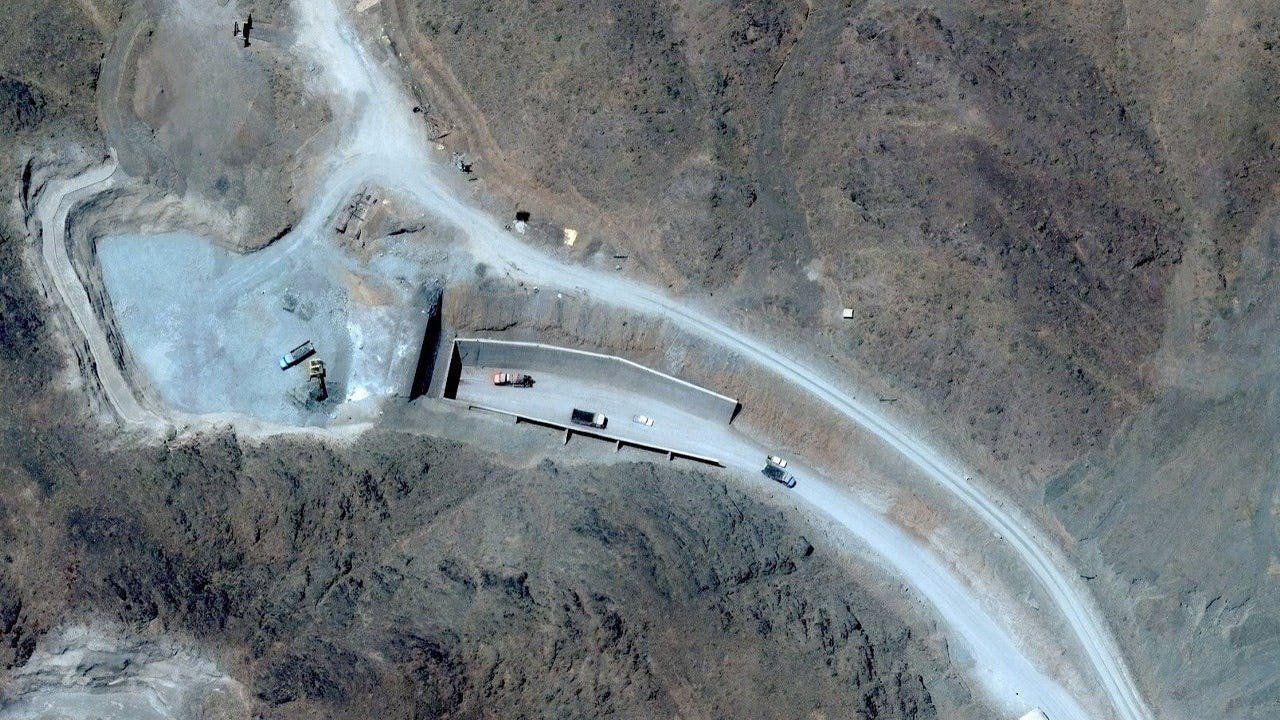
President Donald Trump is threatening to strike Iran’s deeply buried Pickaxe Mountain nuclear facility — a site the United States previously left untouched while bombing the country’s other major nuclear sites, raising new questions about what may have changed.
Estimated to lie beneath at least 100 meters of rock near Iran’s damaged Natanz nuclear enrichment complex, Pickaxe was designed to replace an above-ground plant capable of assembling roughly 6,000 advanced centrifuges each year before it was destroyed in 2020.
Iran said the replacement would be larger, more modern and built «in the heart of the mountain.» Analysts believe the tunnels could eventually hold a centrifuge assembly line, an enrichment plant or equipment used in certain nuclear weaponization activities.
Satellite image Pickaxe Mountain (Vantor/Handout via Reuters)
I’VE STUDIED MILITARY STRATEGY. TRUMP NOW FACES IRAN’S OLDEST BATTLEFIELD TRICK
Yet the administration has not said whether it has confirmed that centrifuges were moved inside — or why a site left untouched during earlier attacks now warrants a strike. Military experts also disagree over whether airstrikes could destroy Pickaxe’s interior or merely seal its entrances temporarily.
The same depth that could protect Iran’s nuclear infrastructure may place Pickaxe’s main chambers beyond the reliable destructive reach of America’s most powerful conventional bunker-busting weapon. Bombing its exposed entrances could deny Iran access without destroying the facility or anything stored inside.
Trump said Tuesday that the United States would probably strike the area «pretty soon» and «very heavily.»
TRUMP THREATENS ‘MAJOR MILITARY PUNISHMENT’ FOR IRAN OVER FUTURE HOUTHI ATTACKS
His warning came after The Wall Street Journal reported that Israeli intelligence believes Iran moved thousands of centrifuges into Pickaxe last fall. Trump said the transfer «may have» occurred but added that the United States did not have it «on record.»
«Maybe this one they have right,» Trump said. «But it’s okay. It doesn’t mean anything unless they have the material.»
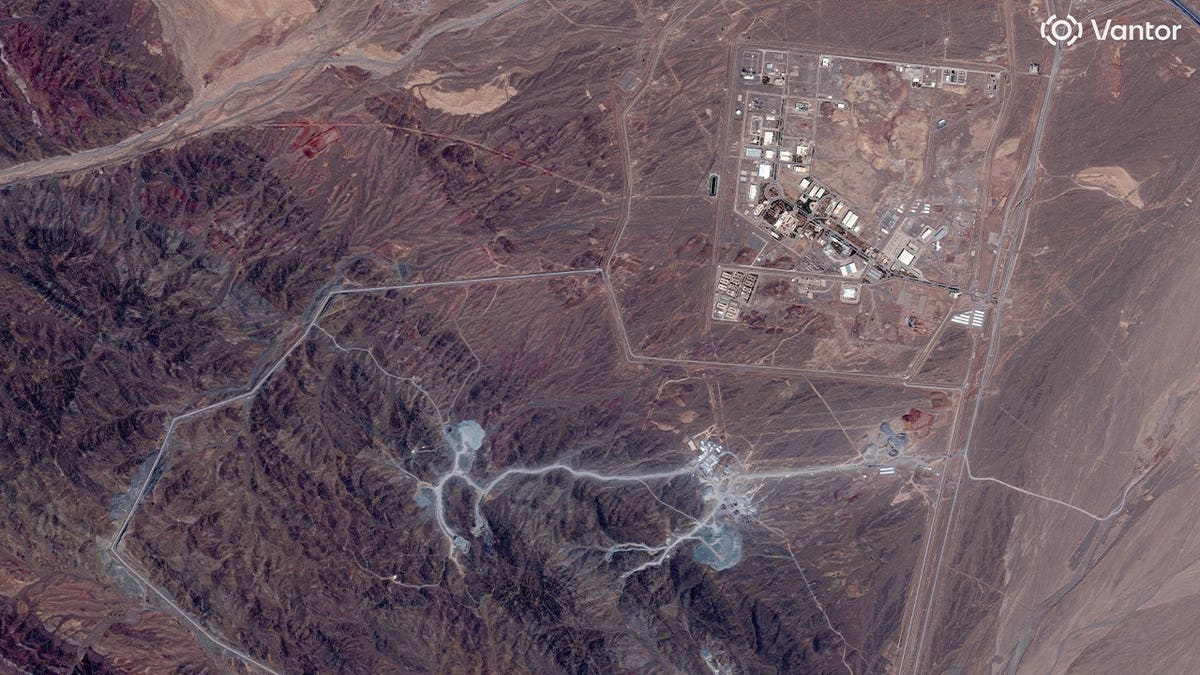
A satellite view shows an overview of the Natanz nuclear facility and Pickaxe Mountain, near Natanz, Iran, June 30, 2026 (Vantor/Handout via Reuters)
«We follow the material,» he added.
TRUMP SEEKS $672M TO STOP IRANIAN NUKES AS NEGOTIATORS WEIGH FATE OF URANIUM STOCKPILE
By «the material,» Trump was referring to Iran’s enriched uranium, including uranium gas that centrifuges can further enrich to weapons-grade levels.
Before the June 2025 attacks, the International Atomic Energy Agency had verified that Iran possessed 440.9 kilograms of uranium enriched to 60%, enough, if further enriched, for approximately 10 nuclear weapons under the agency’s standard measurement.
Most of the stockpile was believed to have been held at Isfahan, with additional material at Natanz and Fordow. Inspectors have since been unable to verify its amount, condition or present location.
The Institute for Science and International Security assesses that the material remains trapped at those three sites and does not believe enriched uranium has entered Pickaxe.
The administration has not said whether the United States independently corroborated the reported Israeli assessment, whether centrifuges are being stored or installed inside Pickaxe or whether nuclear material has entered the facility.
Storing centrifuges would not make Pickaxe an operational enrichment plant. The machines would have to be installed in connected cascades, linked to electrical, ventilation and piping systems and fed uranium gas.
Satellite imagery shows continued construction but no indication that Pickaxe is operational, according to the Washington-based institute. Images from February showed Iran adding concrete, rock and reinforced structures over tunnel portals in an apparent effort to harden them against airstrikes.
Analysts also observed smaller closed-roof vehicles near the entrances that could indicate Iran was outfitting the interior. The imagery could not establish what the vehicles carried.
Spencer Faragasso, a senior research fellow at the Institute for Science and International Security, said earlier U.S. and Israeli attacks prioritized Iran’s operating enrichment program. Based on what was understood about Pickaxe at the time, he said, there was «nothing of priority» inside that warranted expending valuable deep-penetrating weapons.
«The facility is still under construction, and it’s unlikely that a centrifuge plant is operating inside there,» Faragasso told Fox News Digital.
But Faragasso said centrifuges could have entered aboard covered trucks without being detected in commercial imagery, making the reported Israeli intelligence plausible but impossible for outside analysts to confirm.
The reported transfer could help explain Trump’s recent focus on Pickaxe, he said. The facility is also one of the last nuclear-related sites of its size that has not been struck.
Trump did not publicly name Pickaxe during the opening months of Operation Epic Fury. It entered his public rhetoric July 13, when conservative radio host Hugh Hewitt raised the facility during an interview.
Trump said American surveillance had detected no activity there but called Pickaxe a possible target for a «nice big fat shot right into the front door.»
At the end of the interview, Hewitt urged Trump to «go get Pickaxe Mountain.»
«We’re going to take out Pickaxe Mountain,» Trump replied. «Tell the Iranians to be ready.»
The White House could not be reached for comment for this story.
The administration has not explained whether the recent threats reflect new intelligence, an effort to deter Iran from activating the facility or a shift from destroying existing enrichment capacity to preventing Iran from rebuilding.
Whether the United States could destroy Pickaxe from the air remains disputed.
Nicole Grajewski, an assistant professor at Sciences Po and nonresident scholar in the Carnegie Endowment for International Peace’s Nuclear Policy Program, said it would be «very close to impossible» to destroy the facility through an air campaign like the one the United States carried out against Fordow.
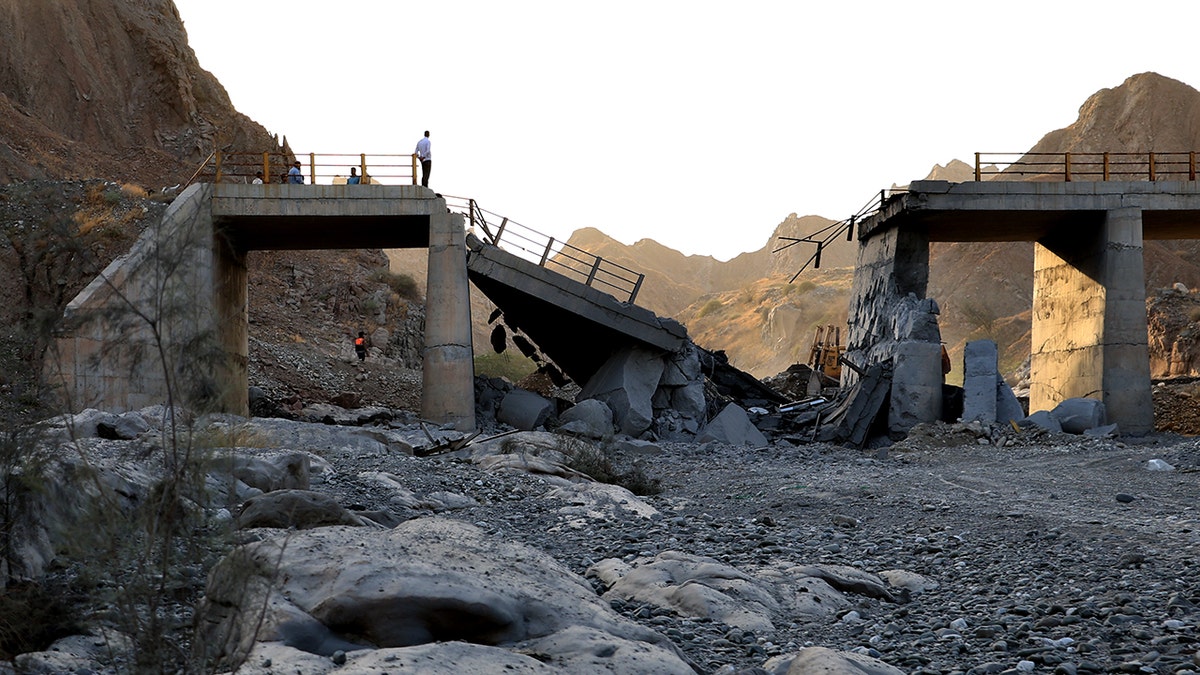
People stand on a bridge destroyed after a strike in Hormozgan province, southern Iran, Saturday, July 18, 2026. (Amirhosein Khorgooi/Iranian Students’ News Agency via AP)
Pickaxe is deeper and more heavily fortified, she said, and does not have a publicly confirmed structural weakness comparable to those exploited there.
Retired Air Force Brig. Gen. Robert Spalding, a former B-2 operations commander, said planners would first determine whether the mission required destroying Pickaxe’s interior or merely preventing Iran from using it.
«You assess what the goals are, and then you assess the costs associated with making something not fit for use — or destruction,» Spalding said.
If destroying the facility proved infeasible, he said, the U.S. could instead deny access and prevent Iran from bringing in the personnel and equipment needed to operate it.
The institute has identified two possible ventilation-shaft locations through satellite imagery, including one it considers probable. Without internal schematics, however, analysts cannot confirm their purpose or connection to the main chambers.
Faragasso said the shafts could provide weak points for deep-penetrating weapons, although the results of an attack might remain unclear.
«The facility is not invulnerable,» he said. «There are options.»
«At the minimum, the tunnel entrances can be collapsed,» Faragasso added, saying a strike could also send damaging shock waves into the facility.
Grajewski said collapsing the portals would prevent Iran from moving personnel or equipment in or out without first undertaking an excavation visible to American and Israeli surveillance. Any effort to reopen Pickaxe could trigger another strike.
But Iran has previously excavated entrances to missile tunnels after they were attacked, meaning keeping Pickaxe closed could require continued surveillance and repeated military action.
CLICK HERE TO DOWNLOAD THE FOX NEWS APP
Grajewski said a strike could provide the U.S. with a «symbolic win» against one of Iran’s most prominent remaining nuclear-related facilities but would not eliminate the broader program.
«It is a very high-value facility,» she said. «But it’s not the entirety of the Iranian nuclear program.»
war with iran, nuclear proliferation, middle east, national security, politics










INTERNACIONAL
El regreso de una figura polémica: François Hollande ya hace campaña para ser presidente de Francia
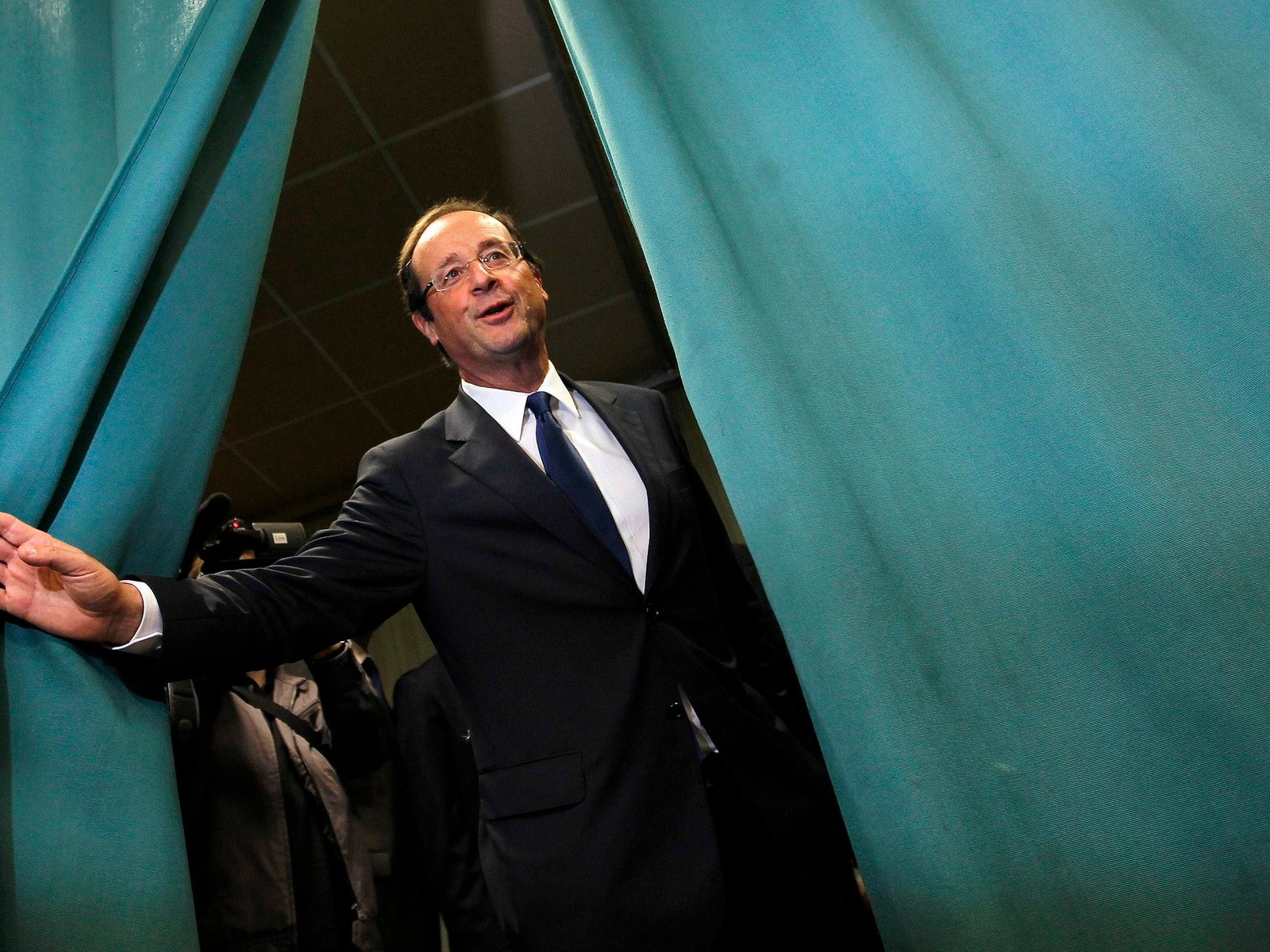
El regreso de una figura polémica

Hollande, el «bígamo»

El político más popular, según los sondeos

El escenario político

Campaña de verano
INTERNACIONAL
Christian persecution concerns rise in Egypt as State Department presses religious freedom
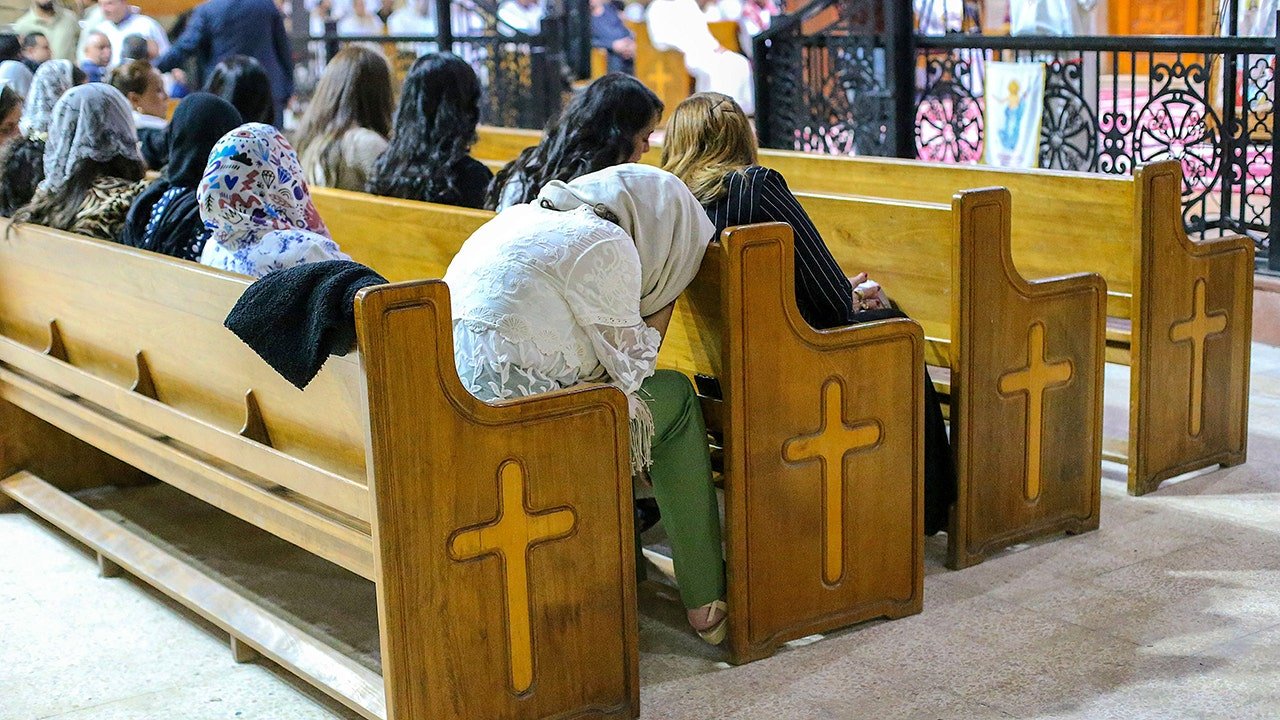
Christianity’s surge in Middle East sees millions of Muslim converts amid conflict
The Middle East experiences a significant spiritual shift as millions of Muslims convert to Christianity, a phenomenon tracked by Open Doors. Pastor Georges Houssney of Horizons International shares his 50 years of experience ministering in the region, detailing how many are disillusioned with Islam due to war and receiving visions of Christ, even risking death in Iran.
NEWYou can now listen to Fox News articles!
A series of violent attacks on Egyptian Christians, including the incarceration of a man who converted from Islam to Christianity, prompted the U.S. State Department to urge that religious freedom be respected in the Muslim-majority country of Egypt.
The situation of the Christian minority in Egypt has implications for religious freedom in the northern African nation that receives $1.3 billion in annual funding from the U.S.
Raymond Ibrahim, an expert on Christians in the Muslim world, wrote on the website of the Gatestone Institute, that «Said Mansour Rezk Abdelrazek, a Muslim convert to Christianity, has become one of Egypt’s most prominent religious freedom cases.
NIGERIAN PASTOR HIGHLIGHTED BY TRUMP SAYS HE’S NEXT AFTER MILITIA KILLS HIS RELATIVES
«After embracing Christianity in 2016, he endured years of harassment, detention, and abuse. On April 13, prosecutors referred him to a terrorism court, while his lawyers were denied access to the case file. He remains imprisoned, with advocates reporting torture, physical abuse, denial of adequate medical care, and repeated postponements of his trial.»
In another case, the Egyptian Initiative for Personal Rights (EIPR) reported that a mob of Muslims tossed stones at a church in Upper Egypt on July 8, injuring Christians and causing damage to the building and a priest’s car.
Just days later, a group of men attacked Father Matta Roushdy, 49, a priest at the Virgin Mary and Saint Abanoub Coptic Orthodox Church in Dahab, South Sinai Governorate.
REPORT DETAILS RISING PRESSURE ON UNDERGROUND CATHOLICS AS CHINA DENIES CRACKDOWN
A State Department spokesperson told Fox News Digital that President Trump has stated that «America will always defend the right of every person to live out their faith openly, freely, and without fear.» The spokesperson added that «Religious freedom is a fundamental American value. We aspire for all others to enjoy the same freedom, protection, and benefits.»
However, there has been some progress in combating bias against Coptic Christians. The organization Coptic Solidarity wrote last week that a breakthrough unfolded with respect to the alleged longstanding discrimination against Coptic athletes in soccer.
Egyptian Coptic Christians attend the Resurrection Mass at the Monastery of Saint Simon Al-Kharaz during Holy Saturday services on April 19, 2025 in Cairo, Egypt. The Coptic Church observes the same liturgical calendar as the Eastern Orthodox Church, whose Easter date coincides with that of the Western Christian calendar this year. (Ahmad Hasaballah/Getty Images)
«In an unprecedented move, Egypt’s Ministry of Youth and Sports announced that its investigation found sufficient evidence of misconduct by a coach at Alexandria’s Al-Ittihad Club who allegedly excluded a junior football player, Makari Younan, because of his Christian name,» the organization announced.
It added that, «The decision deserves recognition. Whether motivated by public pressure or a genuine policy shift, the Ministry’s response represents a notable departure from the longstanding official tendency to dismiss such allegations.»
CHRISTIAN SCHOOL CHAPLAIN WINS SETTLEMENT AFTER FIRING OVER LGBTQ SERMON
The organization continued, «It appears to be the first official acknowledgment that discrimination against Copts in Egyptian sport is not merely an allegation raised by disappointed families or human rights organizations, but a matter requiring government intervention.»
Open Doors, a global organization that aids persecuted Christians around the world, said of the attack on the priest that, «These types of attacks are usually committed by members of radical Islamist groups such as the Muslim Brotherhood.»
Their statement added, «Their actions reflect a broader anti-Christian sentiment, especially in rural and village societies across the country where weak law enforcement leaves Christians vulnerable to attack. Though violent cases like this have decreased in the last decade, these attacks will continue until the state takes anti-Christian fanaticism as seriously as it deserves.»
Fox News Digital sent multiple press query emails to the Egyptian embassies in Washington and Tel Aviv and called the embassy in Washington.
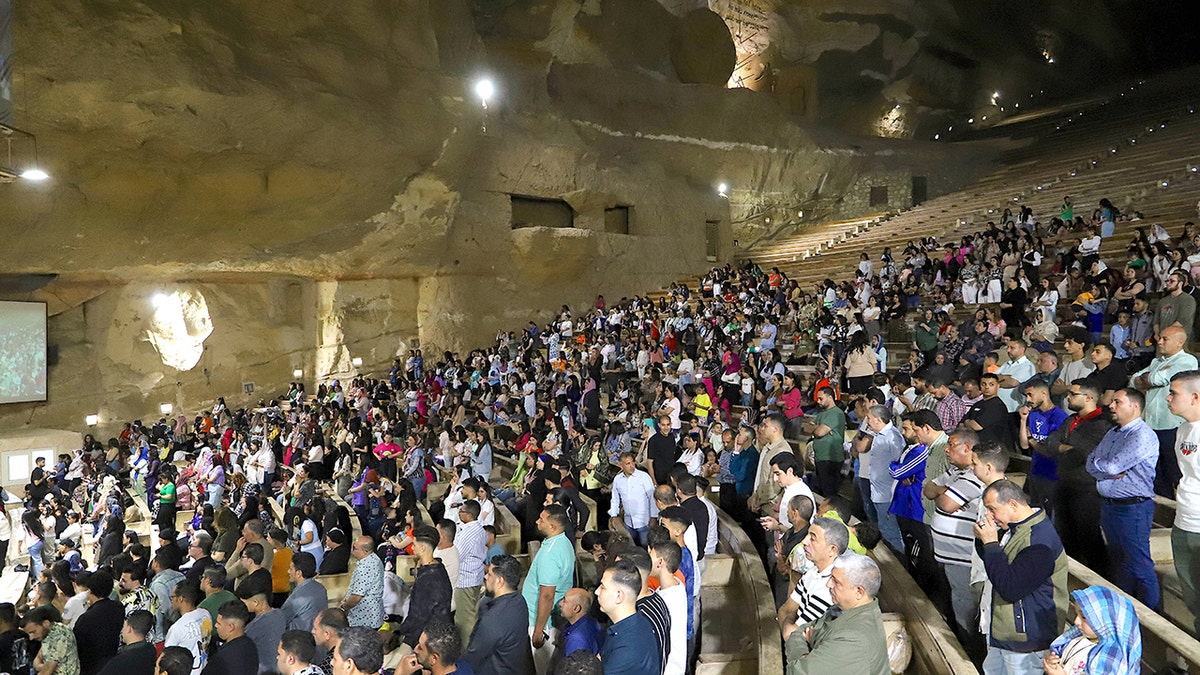
Coptic Orthodox Christians gather for an Easter service at the Monastery of Saint Simon the Tanner, located in the Mokattam Mountain area of Cairo on April 19, 2025. Christians believe Holy Saturday is the day Jesus lay in the tomb after His crucifixion, a time of quiet reflection and waiting. It marks the transition between His death on Good Friday and His resurrection on Easter Sunday. (Ahmed Sayed/Anadolu via Getty Images)
Dalia Ziade, an Egyptian Middle East Scholar and Research Fellow at The Institute for the Study of Global Antisemitism and Policy, told Fox News Digital that «These cases represent only a small fraction of what Coptic Christians endure in Egypt every day. We are speaking about a population of more than 20 million Egyptians. On paper, they are labeled a minority. In reality, they are at the essence of Egyptian identity. They are the preservers of the country’s history and cultural memory.»
According to Ziade, «Women and Coptic Christians constitute President El-Sisi’s most important political base. These were the two vulnerable groups that felt most threatened by the Muslim Brotherhood in the aftermath of the Arab Spring. They strongly supported El-Sisi then, and they continue to support him today. Consequently, he must maintain the appearance of protecting and pleasing them by visiting their church on Christmas every year. But beyond that, nothing is actually happening to make them less vulnerable.»
The U.S. State Department 2025 report on Christians depicts a bleak situation for the Egyptian Christian community. The community makes up an estimated 10% of the nation’s 120 million people.
CLICK HERE TO DOWNLOAD THE FOX NEWS APP
According to the State Department report on Egyptian Christians, «Despite efforts for greater representation, Christians remain underrepresented in senior positions across the public sector. Currently, only two Christians – the minister of local development and the minister of parliamentary affairs – serve in Egypt’s 31-member cabinet,» wrote the State Department, adding: «Of 27 appointed governors, only one is Christian. In the senate, 24 Christians (17 elected and seven appointed) hold seats, out of 300 senators. One serves as deputy speaker. A Coptic Christian is the head of the constitutional court. No Christian serves as president of any of the country’s 27 public universities. Employment discrimination against Christians – especially within the security services, judiciary, and senior civil service – remains a significant issue.»
According to an April 29 Christian Today report, a Coptic Christian YouTuber, Augustinos Samaan, was sentenced to five years in prison for insulting Islam because he published videos defending the Christian faith.
christianity religion, faith, religion us, human rights, persecutions
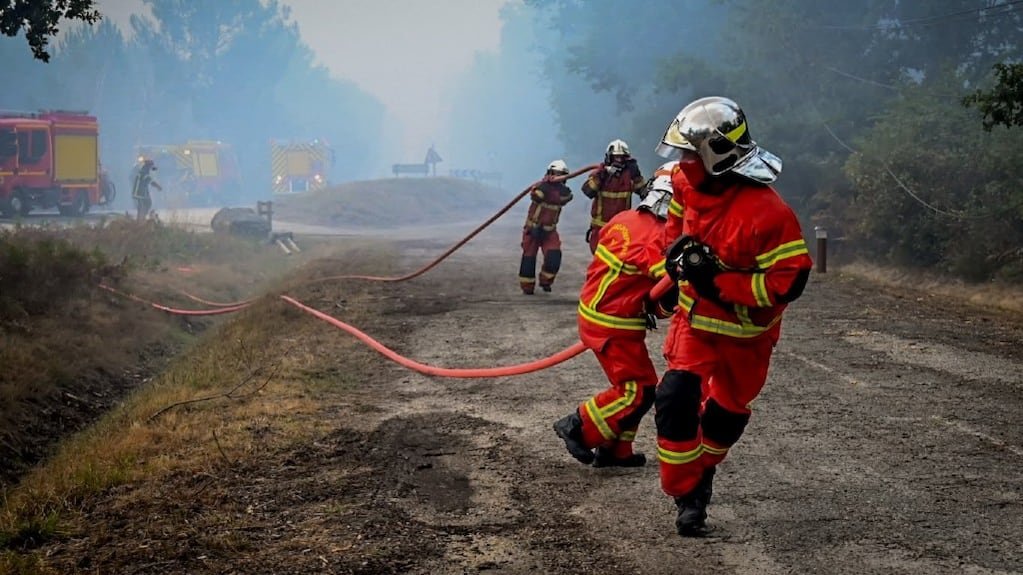
Parte de Europa sigue combatiendo este lunes una intensa ola de incendios forestales. España mantiene varios focos activos que ya afectan a miles de personas, mientras que Francia consiguió estabilizar durante la noche el megaincendio de Burdeos, aunque más de 200.000 evacuados aún no pueden regresar a sus hogares.
Mientras España arde con diferentes focos que afectan a más de 170.000 personas entre confinados y desalojados, Francia avanzó en la gestión de su megaincendio forestal del departamento de Gironda, en las proximidades de Burdeos, suroeste del país.
Francia: estabilizado el fuego en Burdeos con 220.000 evacuados
El fuego en Burdeos está “estabilizado”, informaron las autoridades francesas, porque desde la noche del domingo al lunes no avanzó. Sin embargo, el Gobierno puntualizó que la situación se mantiene “desfavorable”.
No constataron un avance de las llamas más allá de las 42.000 hectáreas que el fuego ya había calcinado hasta el domingo, mientras continúan los esfuerzos de extinción de 2500 bomberos, 1700 gendarmes y policías y 1500 militares, además de asociaciones de voluntarios y agricultores que están colaborando en segunda línea. Bomberos combaten las llamas en la zona de Le Porge, en Gironda, en Francia. (Foto: Reuters).
Están movilizadas un total de 18 aeronaves de distinto tipo para lanzar tanto agua como líquido retardante sobre la zona en llamas.
El número de evacuados se mantiene en 220.000 y no está previsto que puedan regresar a sus casas a corto plazo, hasta que el incendio no quede circunscrito, algo que se podría ver complicado por el repunte de las temperaturas que se espera a partir de mañana con una cuarta ola de calor del año para Francia, con temperaturas en el suroeste de hasta 40 grados.
Leé también: Tiroteo en un festival de Seattle: tres personas murieron y otras cuatro fueron heridas, entre ellas un nene de 2 años
Como colaboración, el Ejército alemán envió este lunes helicópteros y material de apagado de incendios.
El presidente francés, Emmanuel Macron, en tanto, visitaba la zona.
España, ante el fuego más devastador de su historia
Varios fuegos azotan en las últimas horas a España, aunque con especial fuerza lo hace el incendio declarado el pasado miércoles en Burgohondo (Ávila, centro), el más devastador en España desde que se tienen registros.
Cumplió este lunes cinco días con 40.000 personas desalojadas en dieciséis municipios, un perímetro de 160 kilómetros y una situación de leve mejoría.
Son ya cerca de 91.000 personas las afectadas, evacuadas o confinadas, por los incendios forestales que afectan a tres provincias del centro peninsular -Madrid, Ávila y Toledo-, según la última actualización facilitada por el Ministerio español del Interior.
Leé también: Tiroteo en un festival de Seattle: tres personas murieron y otras cuatro fueron heridas, entre ellas un nene de 2 años
En este sentido, la Comunidad de Madrid, donde hay 13 localidades evacuadas y 4 confinadas, es la región más castigada, con un total de 31.865 personas evacuadas y 19.062 confinadas.
Otro de los grandes fuegos que afectan al país es el de Vall d’Uixó (Castellón, este), en su tercer día activo, aunque ya no está fuera de la capacidad de extinción.
El fuego en Castellón arrasó 7.500 hectáreas y en los trabajos de extinción participan más de 400 efectivos terrestres y 25 aéreos.
Hasta la medianoche se mantendrán en esta región los desalojos de las 16.000 personas evacuadas de 18 localidades y urbanizaciones y el confinamiento de cerca de 64.000.
El total de afectados por el fuego en España, por tanto, asciende a más de 170.000 personas.
Qué está pasando en Portugal
Portugal combate combate este lunes seis incendios, uno de ellos en la zona de Bragança, en el norte del país y fronterizo con España, cerca de la provincia noroccidental de Zamora.
Una fuente de la Autoridad Nacional de Emergencias y Protección Civil (ANEPC) confirmó que existe la posibilidad de que el fuego se propague a España.
De hecho, las autoridades portuguesas trabajan ya con las españolas para controlar las llamas, a las que combaten 108 bomberos, 34 medios terrestres y siete aéreos, entre ellos algunos españoles.
Los otros dos incendios que más preocupan a las autoridades lusas se ubican en la región de Guarda, donde hay movilizados más de 230 bomberos, 63 medios terrestres y 7 aéreos, y en Santarém, con casi 200 bomberos, 55 medios terrestres y cuatro aéreos, ambas en el centro del país.
Los fuegos que llevan más tiempo activos se desarrollan en zonas montañosas, por lo que no hay acceso a los medios terrestres.
Con información de EFE.
Incendio, Europa

Aníbal Fernández: “Me quejo de los que no llegan a la lapicera más que afanándosela a la madre”

Brutal agresión a un árbitro en Brasil: recibió un cabezazo y ¡será operado de una fractura facial!

En el Gobierno ignoran en qué se basó Milei para hablar de una “campaña antiargentina” de Brasil, pero avalan sus acusaciones

Cuáles son los riesgos de usar el microondas en casa y cómo podemos atenuarlos, según un experto

El regreso de una figura polémica: François Hollande ya hace campaña para ser presidente de Francia

Mauro Icardi escala su enfrentamiento con Wanda Nara con un posteo provocador

Senado: Bullrich y Sturzenegger cierran filas para tratar de avanzar con la extranjerización de tierras

Mientras espera la vuelta de Macri, el PRO ya activó contactos con LLA: cómo sería la estrategia electoral en la Provincia

Río Negro: Alberto Weretilneck anunció un proyecto para eximir de Ingresos Brutos a los turistas extranjeros

González Charvay: el juez que disputa la causa por la quinta de Pilar y los extraños movimientos para que todo termine en su juzgado

 POLITICA3 días ago
Convivencia pacífica o tensión administrada: el PRO define cómo pararse frente al gobierno de Milei rumbo a 2027
- POLITICA2 días ago
Cuentapropismo emocional en lo profundo del conurbano
- SOCIEDAD23 horas ago
San Isidro: la ballena que quedó varada en un banco de arena murió pese al operativo de rescate