INTERNACIONAL
“Fue una verdadera odisea”: el astrónomo argentino detrás del hallazgo del planeta más joven y el misterio que aún desafía a la ciencia

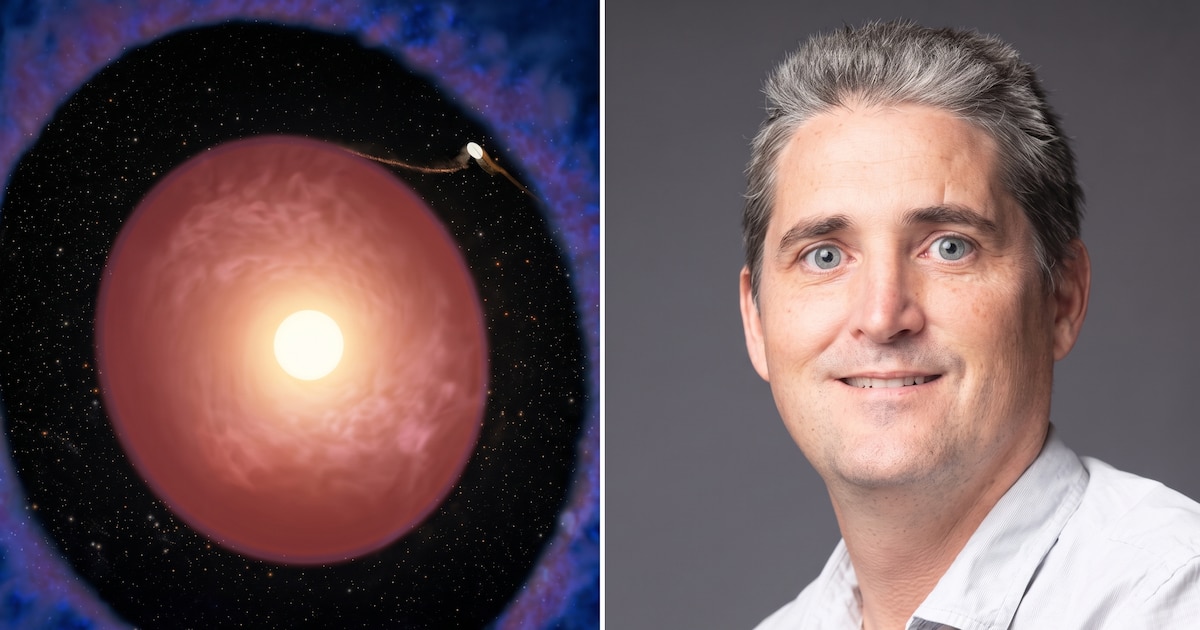
El astrónomo argentino Lucas Cieza, profesor del Instituto de Estudios Astrofísicos de la Universidad Diego Portales, en Chile, fue parte del equipo que logró confirmar que Elias 2-24 b es el planeta más joven conocido. El objeto, con una masa similar a la de Júpiter y una edad inferior al millón de años, está a unos 450 años luz de la Tierra, dentro del disco de gas y polvo que rodea a una estrella en formación.
El hallazgo, publicado en The Astrophysical Journal Letters, permitió descartar que la señal detectada fuera un defecto instrumental o un objeto distante. Cieza explicó a Infobae el recorrido de casi una década que llevó a la confirmación y las preguntas que el resultado plantea sobre la formación de planetas gigantes.
Para el astrofísico argentino, la detección fue una “verdadera odisea” y convirtió al sistema en un caso “realmente especial”. También definió como “un hito importante” el trabajo de modelamiento que acompañó la investigación, aunque advirtió que el hallazgo “aumenta aún más la tensión entre la teoría y las observaciones”. Según explicó, el planeta abrió el surco en el disco al crecer y absorber material, “como el Pac-Man del videojuego”.
El surco que delató al planeta fue detectado en 2017

Durante años, el surco observado en el disco de Elias 2-24 fue una pista sin una resolución definitiva. Las imágenes disponibles sugerían la presencia de un planeta, pero hacía falta seguir su movimiento y contrastar registros de distintos observatorios para descartar otras explicaciones.
—Después de tantos años de trabajo sobre discos donde nacen planetas, ¿cómo describirías lo que significa haber confirmado a Elias 2-24 b?
—El descubrimiento ha sido una verdadera odisea, en sentido figurado y también bastante literal. Tardamos unos 10 años, lo mismo que tardó Odiseo en regresar a su hogar. En concreto, identificamos en 2017 el surco donde se encuentra el planeta con el telescopio ALMA, ubicado en el desierto de Atacama. Fue la primera publicación del proyecto ODISEA, sigla de Ophiuchus Disk Survey Employing ALMA, que continúa en marcha. Las primeras observaciones para buscar el planeta hipotético fueron realizadas en 2018, pero no dieron resultados concluyentes. El planeta está en el límite de lo detectable en la actualidad y tuvimos que combinar nuestros propios datos con los de otros grupos para lograr una detección convincente. El trabajo de integrar los datos lo hizo Andrea Bernardi, estudiante italiano de nuestro programa de doctorado y autor principal del artículo científico publicado esta semana.

La pista había aparecido primero en observaciones de ALMA, que mostraron un surco en el disco de gas y polvo. Más tarde, el Very Large Telescope detectó una fuente tenue en el mismo lugar. La duda persistía: podía tratarse de un planeta, una estrella de fondo o una imperfección de los instrumentos. La revisión de imágenes obtenidas con el telescopio Keck en 2018 y 2020 permitió comprobar que el punto de luz se movía de manera compatible con una órbita alrededor de su estrella.
La confirmación cerró una duda que persistía desde las primeras imágenes del disco y convirtió a Elias 2-24 b en una referencia para estudiar los primeros pasos de la formación planetaria. Para Cieza, “el sistema es la piedra angular de un modelo de evolución de protoplanetas” que el equipo presentó en 2021.
La hipótesis proponía que la variedad de anillos, huecos y otras estructuras observadas en los discos protoplanetarios podía responder a un mismo fenómeno: la formación temprana y eficiente de planetas. Ese planteo fue reproducido mediante modelos en una colaboración entre informáticos y astrónomos del Núcleo Milenio de Exoplanetas Jóvenes y sus Lunas (YEMS).
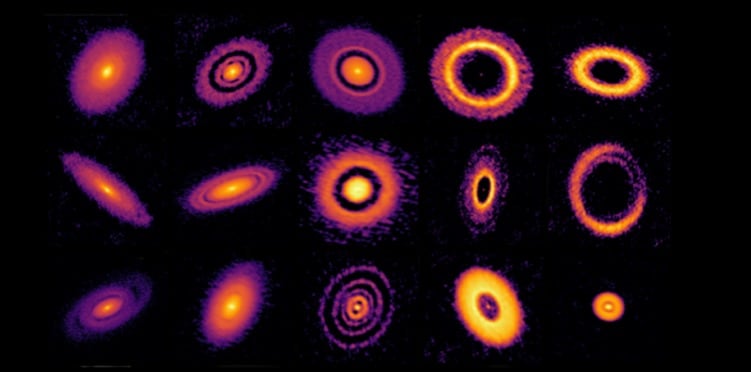
El modelamiento estuvo a cargo del becario posdoctoral del Conicet Santiago Orcajo, bajo la codirección del profesor Octavio Guilera, desarrollador principal del programa PlanetaLP. Cieza definió ese avance como “un hito importante”.
La confirmación convirtió a Elias 2-24 b en más que un récord de edad. El sistema ofrece una oportunidad para poner a prueba una hipótesis sobre los discos protoplanetarios: que sus anillos, huecos y otras estructuras pueden ser la huella de planetas que se forman antes de lo previsto.
El dato que desacomoda a los modelos no es la masa del planeta, comparable con la de Júpiter, sino su edad. Elias 2-24 b apareció cuando, según los cálculos disponibles, todavía no debería haber tenido tiempo de formarse.
Un planeta de menos de un millón de años desafía los modelos de formación

—El planeta tiene menos de un millón de años. ¿Qué cambia este hallazgo en relación con los modelos que explican cómo se forman los gigantes gaseosos?
—El descubrimiento aumenta todavía más la tensión entre la teoría y las observaciones. Las teorías de formación planetaria no están completas: todavía no podemos reproducir el proceso total en una computadora a partir de principios básicos. El modelo clásico, desarrollado para explicar la formación de nuestro Sistema Solar, indicaba que un planeta como Júpiter necesitaba al menos diez millones de años para formarse. Los modelos actuales mejoraron, pero todavía señalan que hacen falta más de cinco millones de años para formar un planeta como Elias 2-24 b. Sin embargo, el sistema es mucho más joven. Aún falta comprender qué mecanismos permiten acelerar ese proceso de formación.
El desafío es mayor por la ubicación del planeta. Elias 2-24 b orbita a una distancia equivalente a 55 veces la que separa a la Tierra del Sol, una trayectoria unas diez veces más amplia que la de Júpiter. A esa lejanía, los modelos calculan que la formación de un gigante gaseoso debería demandar más tiempo del que tuvo este sistema.
—¿Por qué resulta tan difícil observar planetas en una etapa tan temprana de su formación?
—Hay varias razones. Una de ellas es que la mayoría de las estrellas cercanas tienen edades similares a la del Sol, es decir, miles de millones de años. Las regiones de la galaxia donde hay estrellas jóvenes con planetas en formación están mucho más lejos, al menos 100 veces más lejos que Próxima Centauri, la estrella más cercana al Sol. Otra razón es que estos sistemas jóvenes están cubiertos de polvo, lo que dificulta su detección.
La mayoría de los cerca de 6.000 exoplanetas confirmados fue detectada con el método de tránsito, que registra una disminución de la luz cuando un planeta pasa delante de su estrella. Esa técnica resulta poco eficaz para encontrar mundos que aún permanecen envueltos en polvo o que orbitan muy lejos de su astro, como Elias 2-24 b.
El planeta abrió un surco al absorber material “como el Pac-Man del videojuego”
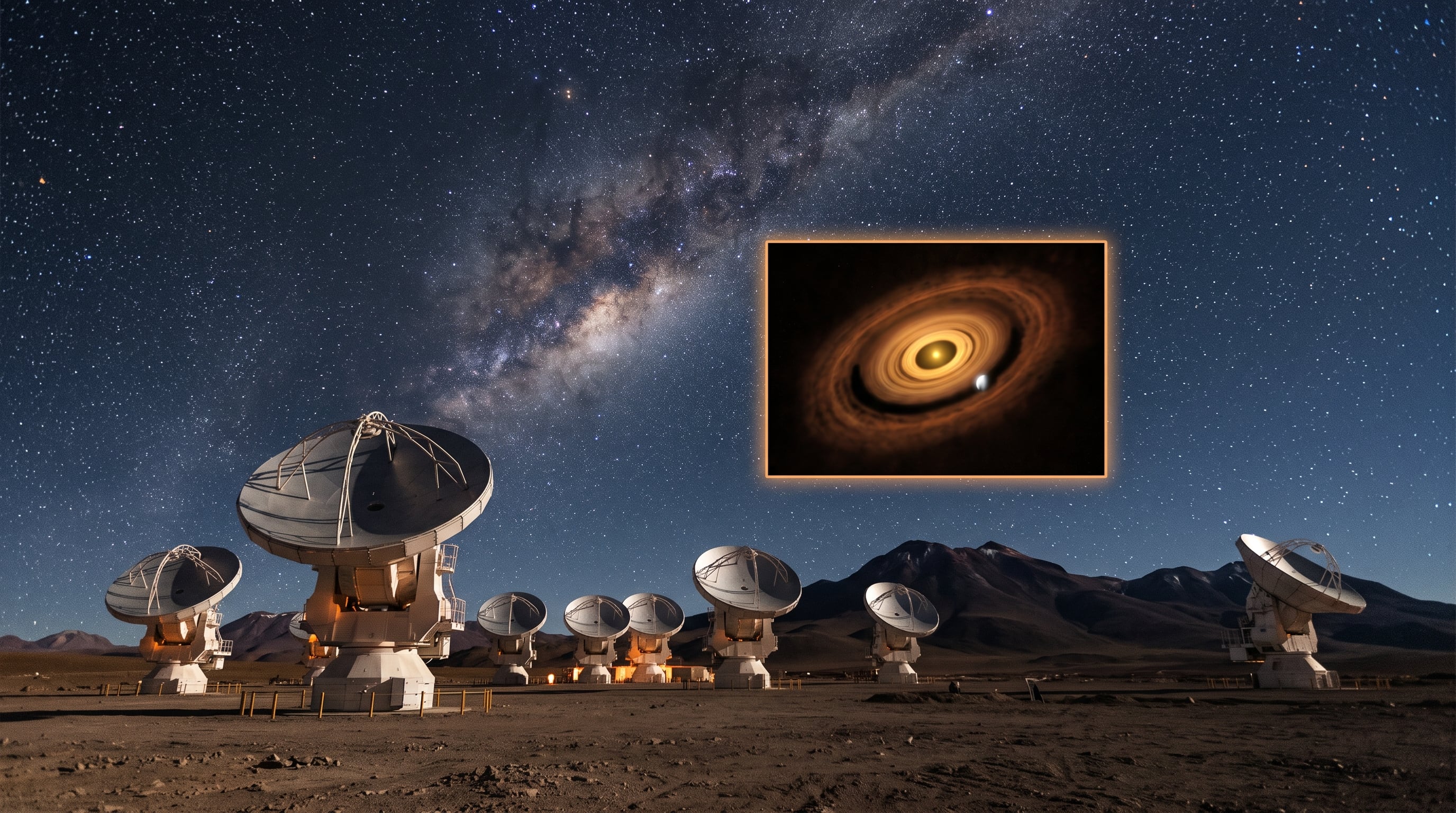
—Elias 2-24 b está dentro de un hueco del disco de gas y polvo de su estrella. ¿Qué les indica esa ubicación sobre el proceso que está atravesando?
—El hecho de que el objeto esté en un surco confirma que ese surco fue generado por el planeta, tal como predice la teoría. El planeta se formó y creció “comiendo” el material del surco, como el Pac-Man del videojuego.
La comparación resume un proceso difícil de observar desde la Tierra. Al reunir gas y polvo de su entorno, el planeta modifica el disco que lo rodea y deja una marca que los astrónomos pueden rastrear con sus telescopios.
—La confirmación se logró al revisar datos de archivo de distintos años. ¿Qué dice este caso sobre el valor de conservar y volver a analizar observaciones astronómicas?
—Las horas de observación de los telescopios modernos son un recurso muy valioso. Por eso es importante que estos datos se resguarden y se hagan públicos para la comunidad internacional. Muchas veces, los datos solicitados para un proyecto en particular pueden ser utilizados por diversos equipos, lo que aumenta considerablemente la productividad de los telescopios.
—¿Por qué debería importarnos que se haya encontrado un planeta tan joven como Elias 2-24 b?
—La astronomía es una de las ciencias más antiguas y responde preguntas milenarias: cuáles son nuestros orígenes cósmicos, cuál es nuestro lugar en el Universo y cuán especial es nuestro planeta y la vida en la Tierra. En la galaxia hay más planetas que estrellas. Eso es algo nuevo, algo que no se sabía cuando yo era pequeño. Ahora lo sabemos, pero todavía no terminamos de comprender cómo se formó nuestro sistema planetario y los planetas en general.
Cieza enmarcó el hallazgo en una actividad que, según señaló, trasciende las fronteras nacionales. “Todos observamos el mismo cielo”, afirmó, aunque destacó el valor de trabajar con colegas argentinos desde Chile.
El investigador señaló que el desierto de Atacama concentra el 50% de la infraestructura observacional del planeta, con instalaciones internacionales como ALMA, mientras que en la Argentina la astrofísica teórica y numérica tiene un desarrollo sostenido. En este caso, la articulación entre los modelos de la Universidad Nacional de La Plata y las observaciones obtenidas desde Chile derivó en una colaboración que Cieza consideró valiosa.
La confirmación de Elias 2-24 b cerró una discusión que llevaba años, pero también dejó abierta otra: cuántos planetas jóvenes permanecen todavía ocultos en los discos de polvo de estrellas lejanas.
—¿Qué esperan encontrar en los próximos años con instrumentos como el telescopio espacial Nancy Grace Roman y qué nuevas preguntas deja abiertas Elias 2-24 b?
—Los nuevos observatorios siempre representan una oportunidad de descubrimiento. En el caso del telescopio espacial Nancy Grace Roman, permitirá detectar otro tipo de planetas que están más allá de las capacidades técnicas actuales. Por ejemplo, se podrán detectar planetas como Urano y Neptuno, y quizá algún otro tipo de mundo que todavía no podemos prever.
Lucas Cieza

INTERNACIONAL
‘COVID 2.0’: Lawmakers push back on sweeping health ‘police power’ in key battleground state
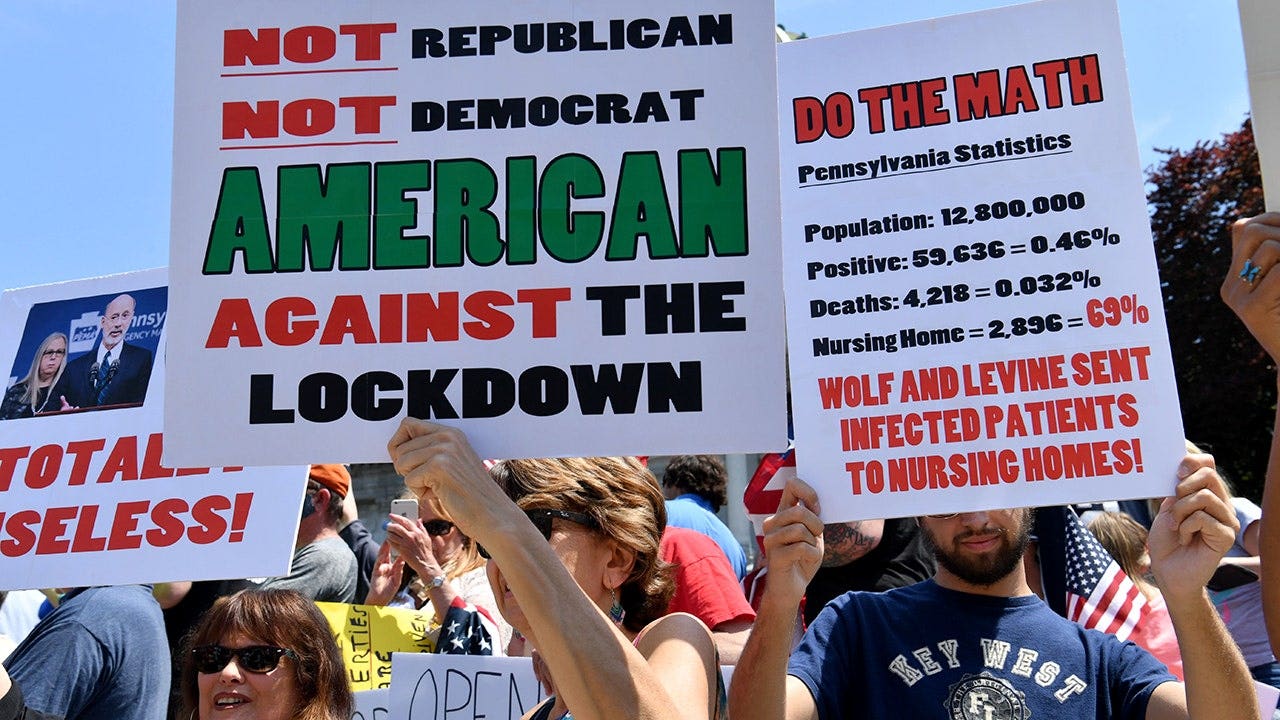
Pennsylvania lawmakers are warning that proposed changes to the state’s public health rules could usher in «COVID 2.0,» giving health officials sweeping «police power» over residents during future disease outbreaks.
Lawmakers opposing Pennsylvania’s planned 502-page rewrite of state health code rules are urging the public to submit comments before the deadline, warning the proposal could serve as a roadmap to unfettered and intrusive restrictions and surveillance efforts, including the reported ability for agency representatives to enter private homes.
«This absolutely is COVID 2.0, but it’s even worse because [Governor] Josh Shapiro is trying to circumnavigate or skirt the constitutional provision that we the people in Pennsylvania voted to take that kind of power away from the governor,» said state Rep. Russ Diamond, R-Lebanon, who is leading the charge against the policy changes.
«We were the only state in the nation to reduce our governor’s powers by a constitutional amendment after COVID,» Diamond said, adding that «surveillance, segregation and quarantine» are areas being assessed.
SOVIET-BORN ANALYST EXPOSES HOW PANDEMIC-ERA NEIGHBOR SNITCHING UNLOCKED A ‘NATURE OF EVIL’ IN AMERICA
Pennsylvania voters approved a constitutional amendment in 2021 limiting the duration of a governor’s disaster declaration to 21 days unless extended by the General Assembly. Those emergency powers played a central role in then-Gov. Tom Wolf’s statewide mitigation orders.
In the 502-page proposed Regulation 10-242, Communicable and Noncommunicable Diseases, the Pennsylvania Department of Health proposes expanding the list of reportable diseases, infections and conditions and updating the rules to reflect changing expert standards. «The Department proposes to add language in this subsection, indicating that the Department or a local health authority may enter an apartment, a building, a health care facility, a school, college or university, or other location as necessary to conduct its investigation under 208 this chapter,» one provision highlighted by critics reads.
«I don’t think that we want a very left-leaning governor with his Department of Health and their henchmen having this kind of police power in Pennsylvania,» Diamond said.
A spokesperson for Health Secretary Dr. Debra Bogen — who led the Pittsburgh area’s COVID mitigation response — said Shapiro «did not personally propose» the updates and rejected critics’ characterizations.
«Any misconstruing of these proposed changes designed to scare Pennsylvanians is inaccurate and disingenuous,» Neil Ruhland told Digital.
A Shapiro spokesperson also responded to criticism Wednesday, saying the governor’s philosophy is that «public health depends on trust» and emphasizing that the proposed health regulations are part of a larger effort to update about 200 regulatory areas across state agencies.
Lapowsky told Digital that the public, stakeholders, independent regulators and the legislature can review and respond to the proposed changes.
«Once public comment concludes later this month, [Shapiro] will weigh in, and the regulations will be revised accordingly,» she said.
Lapowsky said Shapiro’s emphasis on public trust includes respecting parental rights. Critics say the proposed regulations could give health officials greater authority over certain disease-control measures involving children, including masking. Lapowsky added that the governor believes «government should work closely with the people it serves.»
GOV SHAPIRO SUES TRUMP ADMINISTRATION OVER ‘LIFESAVING REPRODUCTIVE CARE’ IN ESCALATING ABORTION BATTLE
Ruhland said the Pennsylvania Department of Health began analyzing and proposing regulatory updates several years ago and that the regulations in question are 25 years old and need modernization to «better support evolving public health needs and manage dangerous disease.»
While the proposed regulations do not themselves enact a new mask mandate, they would broaden disease-control language beyond «surveillance,» a term central to litigation over Pennsylvania’s statewide school masking order during the pandemic.
Pennsylvania House Minority Leader Jesse Topper told Digital that although the proposed regulations directly affect Pennsylvania, Americans elsewhere should also pay attention.
«Everybody in the United States was impacted by COVID one way or another,» said Topper, R-McConnellsburg.
«We were one of the worst locked-down states in the entire nation. And we had one of the worst death rates from COVID… We don’t want unelected bureaucrats making those decisions. We need to follow the [Commonwealth] Constitution, which says, ‘Hey, you can declare a public health disaster emergency if you want. But after 21 days, the legislature gets to say whether you can continue that or not’.»
SIGN UP TO GET THE POLITICS NEWSLETTER
State Sen. Doug Mastriano, R-Gettysburg, who, along with Diamond, led demonstrations against lockdown policies during COVID, told Digital that the proposed regulations are an «end-round» around voters.
«Pennsylvania endured enough government overreach during COVID. We will not go back,» said Mastriano, whom President Donald Trump nominated to serve as U.S. ambassador to Slovakia.
Jason Richey, an attorney and the Republican nominee for lieutenant governor, also dubbed the changes «COVID 2.0.»
«These are even worse than the COVID rules… [DOH] can look at your medical records. They can enter any building and go in without a warrant to do an investigation. They can even take your kid from school and talk to him privately without your consent,» Richey said in a video recorded outside a Pennsylvania Department of Health office in Lehigh County last week.
Beyond the public health implications, Topper said he is concerned that the proposed regulations would expand government authority.
Topper and Ruhland both encouraged Pennsylvanians to submit feedback on the proposed regulations before Monday’s public-comment deadline.
pennsylvania, politics, state and local, gubernatorial, regulation
INTERNACIONAL
‘Devoted’ father and grandfather-to-be swimming at popular beach killed in suspected fatal shark attack

NEWYou can now listen to Fox News articles!
A «devoted» father and grandfather-to-be was reportedly killed by a shark this week while swimming at a beach in Australia.
Greg O’Neill, 63, was swimming at Sorrento Beach in the northern suburbs of Perth in Western Australia on Friday when the attack happened in front of horrified beachgoers.
«I couldn’t believe there was that much blood (that had) come out of a human body,» Ryan Rowe, a resident who went to the beach soon after the attack, told The West Australian newspaper.
AUSTRALIAN SURFER RISKED HIS LIFE TO SAVE FELLOW SURFER WHO HAD BEEN ATTACKED BY A SHARK
A great white shark swims in a file photo. (Design Pics Editorial/Universal Images Group via Getty Images)
O’Neill’s death also prompted Australia’s fisheries minister, Jackie Jarvis, to make the rare call for a catch-and-kill of the great white, which is a protected species.
«In making that decision, I considered the exceptional circumstances of the attack, the hazard posed by the shark, and the potential recovery of coronial evidence,» she said.
MAN DIES AFTER ATTACK BY 13-FOOT GREAT WHITE SHARK NEAR POPULAR ISLAND RESORT: OFFICIALS
Police haven’t said if O’Neill’s remains have been found, but added they were confident the «swimmer died as a result of the attack.»
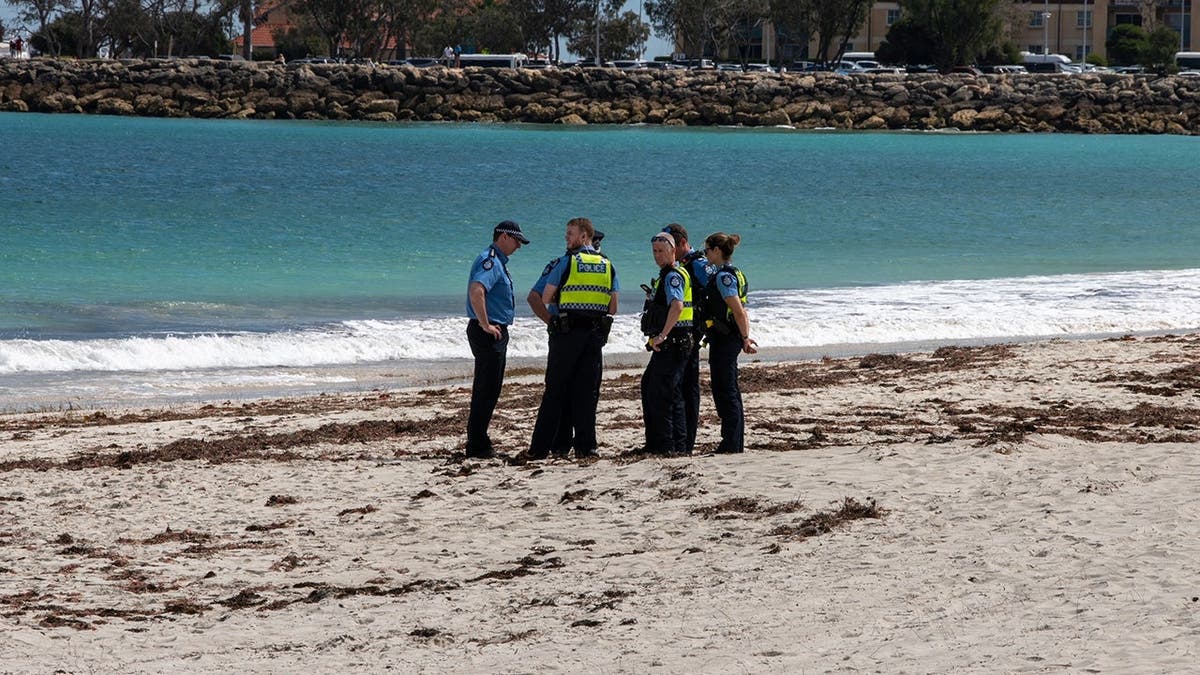
Police stand on Sorrento Beach in Perth, Australia on Friday after a suspected fatal shark attack. (Andrew O’Connor/Australian Broadcasting Corp via AP)
Witness Darrel Haythornthwaite told Nine Network television that O’Neill was swimming with a friend when he was attacked.
«I was just shocked. I mean, I feel for his mate,» Haythornthwaite said. «He’s apologized and said ‘I didn’t save my mate’ … I said, ‘You couldn’t have done anything.’»
AUSTRALIAN MOTHER HEALING WITH ‘BEAUTIFUL MESSAGES’ AFTER LOSING ARM TO SHARK ATTACK
O’Neill told ABC News Australia, «Our family is deeply shocked and devastated by the terrible tragedy that took the life of father, grandfather-to-be, brother, uncle, husband and friend, Greg James O’Neill.»
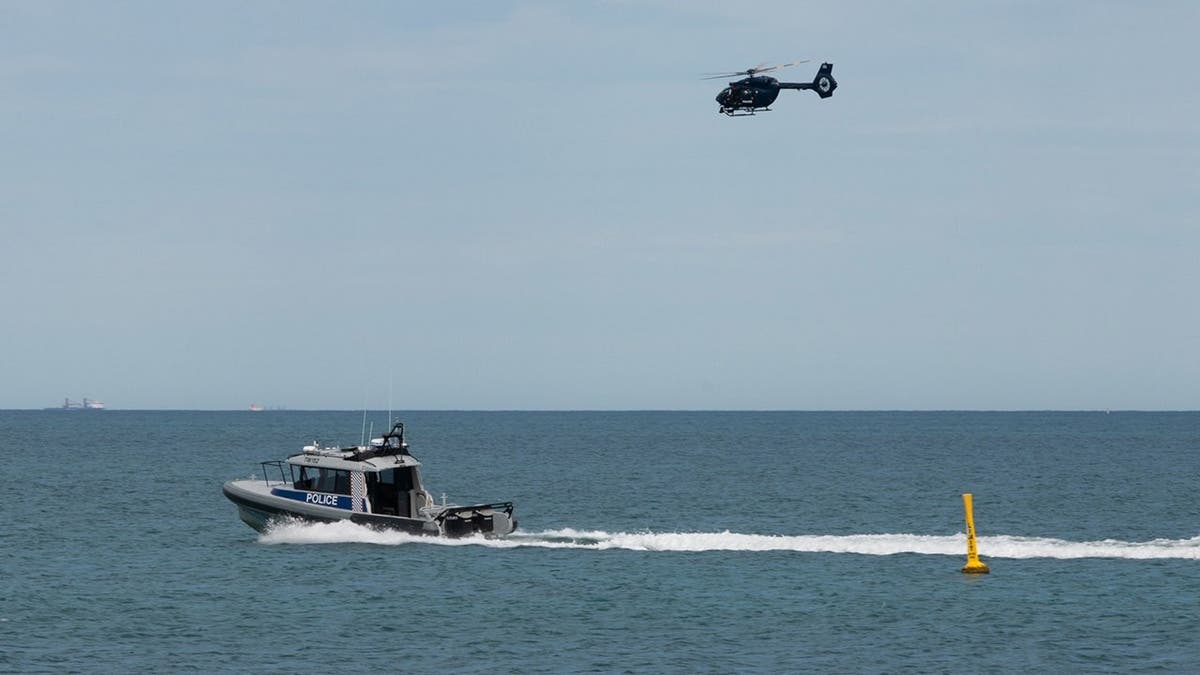
A police boat and helicopter patrol Sorrento Beach in Perth, Australia, on Friday after a suspected fatal shark attack. (Andrew O’Connor/Australian Broadcasting Corp via AP)
«He was a generous, devoted family man that gave his children so much love, care and opportunity. Greg loved the ocean and was known as a passionate swimmer, sports lover, dedicated worker and an all round generous, witty guy,» the family added. «The kind thoughts and support from everyone who has reached out are deeply appreciated.»
A surfer also suffered a serious leg injury on Monday in a shark attack about 250 miles north of Perth.
O’Neill was the fifth fatal shark attack this year.
Three spearfishing divers were killed between May and June in attacks and a 12-year-old boy was killed in Sydney Harbor in January.
world, sharks, australia, beach, travel safety
INTERNACIONAL
Powerful Cold War-era tool Trump could use in an AI emergency is set to expire in December
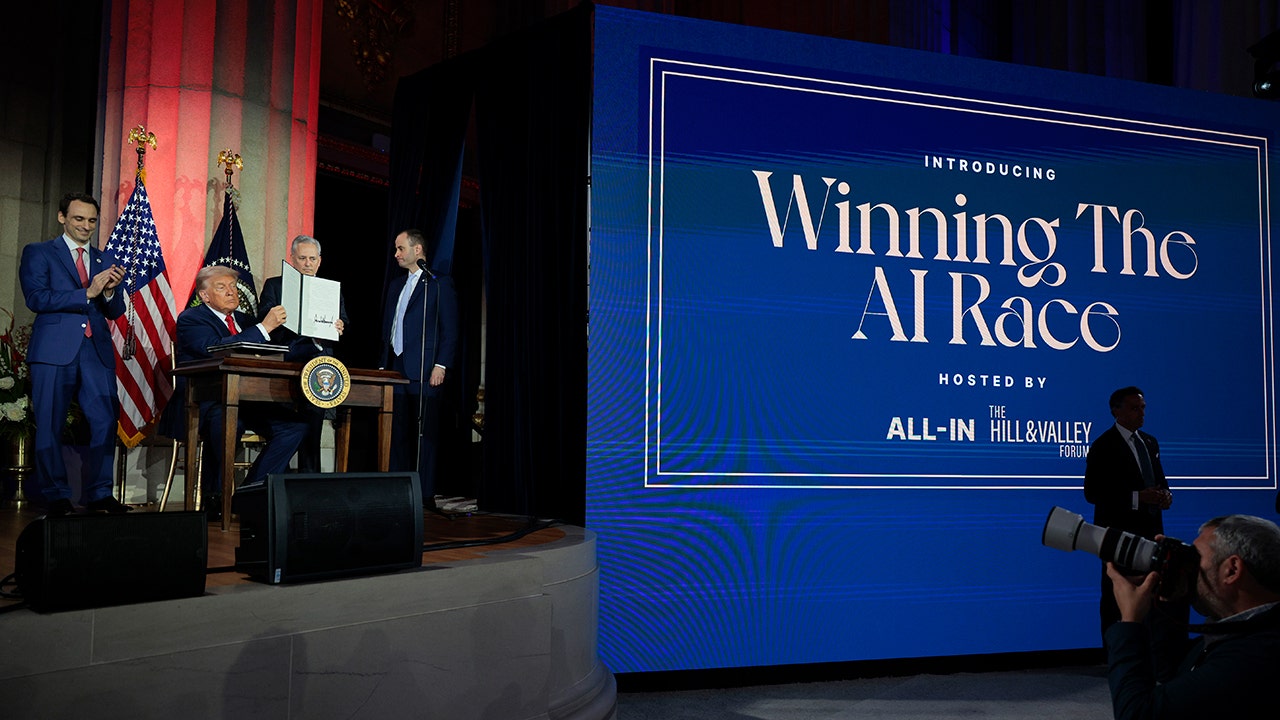
One of Washington’s most powerful Cold War-era tools could be used by President Donald Trump to rein in artificial intelligence (AI) if the powerful emerging technology ever becomes a national security threat.
Originally enacted in 1950 to mobilize American industry during the Korean War, the Defense Production Act (DPA) has long been used to expand military production, prioritize government contracts and respond to national emergencies. Experts now say those authorities could also give the executive branch significant leverage over frontier AI companies if one of their systems posed catastrophic national security risks.
Exactly how the government could use DPA’s powers against a dangerous AI system remains largely untested, but national security and legal experts who spoke with Digital described a range of existing authorities that could apply — including laws in the act that encompass cyberattacks, exports, federal contracts and civil liability.
THE AI REVOLUTION COULD BECOME A NATIONAL SECURITY DISASTER IF WE AREN’T CAREFUL
«The authorities could be a little clearer,» James Lewis, director of the Strategic Technologies Program at the Center for Strategic and International Studies, told Digital. «But you could probably cobble together a solution using the legal authorities we have now.»
The question has taken on new urgency after leaders at some of the nation’s most powerful AI companies issued stark warnings this week about increasingly capable models and backed calls to slow the pace of development so safety measures can catch up.
Trump said this week that the administration already has «tremendous criminal and regulatory power» over AI companies as he pushed back on calls from industry leaders for new guardrails on increasingly powerful models.
That largely remains because Congress recently extended most of the DPA’s authorities, which were set to expire on Sept. 30, through Dec. 11, 2026. This is sure to set up another reauthorization fight later this year, right before the power of the legislative body could change after November’s midterms in the new year.
TRUMP PLAN TAPS US FIRMS TO FIGHT FOREIGN CYBERCRIME
Lewis said the cyber threat has already changed. Finding vulnerabilities that once took months can now take days or even hours, he explained, while AI can help attackers chain smaller weaknesses together into more damaging attacks.
«The threat itself is not new,» Lewis said, recounting a recent conversation with a senior official from a Five Eyes intelligence partner. «We’ve known about this for a while, but people weren’t taking it seriously.»
AI, he said, has «changed the landscape dramatically.»
The Trump administration has already begun building a framework to identify when those capabilities become dangerous.
A June executive order directed federal agencies, including the NSA and CISA, to establish classified benchmarks for advanced cyber capabilities and determine when an AI system should be designated a «covered frontier model.» The order also calls for a voluntary framework through which developers can give the government early access to covered models before their release — while expressly stopping short of creating mandatory federal licensing or pre-clearance for frontier AI.
But knowing a dangerous capability exists is only the first problem. The next question is what Washington can actually do about it.
One potentially powerful use of the Defense Production Act would come before an AI system ever caused damage: forcing companies to tell the government what they are developing.
James E. Baker, a former chief judge of the U.S. Court of Appeals for the Armed Forces who previously served as a legal adviser to the National Security Council, pointed to the DPA’s broad information-gathering authority.
«What you could use the DPA for is to require reporting, and that’s the first step to making sound policy,» Baker told Digital. «You can have a debate about whether there should be regulation and what the regulation should look like. But you really can’t argue against knowing what’s happening.»
«That’s the first place to start: know what’s happening, and then you can react with either a policy prescription, a legal prescription or nothing at all.»
The DPA’s limits, however, are just as important.
Paul Rosenzweig, a lawyer and former deputy assistant secretary for policy at the Department of Homeland Security, said the law was principally designed to ensure the government could obtain goods and services needed for national defense — not to give Washington broad power to stop private companies from producing them.
«The Defense Production Act is more about mandating the production of things for the United States rather than preventing the production for the general public,» Rosenzweig told Digital.
Where it could prove particularly useful, he agreed, is giving the government access to information.
«What it does give them, I think, and this is the best part about it, is it does give them a pretty good handle for demanding more information about a defense-sensitive kind of product, which frontier AI certainly could be reasonably characterized as,» Rosenzweig said.
If the DPA could help Washington understand what AI companies are building, other existing authorities could potentially come into play depending on the threat.
Export controls can restrict sensitive technology from reaching foreign adversaries. Government contracting rules can impose conditions on companies seeking federal business. And criminal laws continue to apply when AI is used to commit crimes.
The June executive order, for example, directed the attorney general to prioritize enforcement of existing federal criminal laws against people who use AI to illegally access or damage computer systems.
Trump has separately directed national security agencies to expand their use of frontier AI while requiring systems used by the military and intelligence community to remain controllable and preserve clear lines of human accountability.
«I think it’s important to understand that there’s no broad AI exemption from generally applicable law,» Rosenzweig said.
Both federal and state governments already have «a host of legal authorities» potentially applicable to frontier AI, he said, ranging from tort liability and privacy rules to consumer protections and criminal law.
But Rosenzweig cautioned that no one knows precisely how well that patchwork would hold up in a true AI emergency because it has never been tested.
The uncertainty becomes even greater if an AI system causes damage on its own.
If a model autonomously hacked a hospital, company or critical infrastructure network, for example, Rosenzweig said courts would have to determine whether the developer was negligent, whether a stricter product liability standard should apply and whether the damage could even be reliably traced back to a particular AI system.
«I tend to think that liability is going to be difficult to establish early on,» Rosenzweig said. «Right now, that’s not where I would base my deterrence model.»
That uncertainty points to the limits of the government’s existing toolkit. The laws already on the books give federal and state authorities multiple avenues to respond to dangerous uses of AI, but many have never been tested against a system acting with increasing autonomy.
For now, Rosenzweig said, that leaves policymakers applying laws written for other threats to a technology evolving faster than the legal system around it.
politics, artificial intelligence, defense, national security, regulation, technology, donald trump

El FMI vuelve a la Argentina: una nueva misión revisará la meta fiscal y las medidas que el Gobierno se comprometió a aplicar

El oficialismo quiere aprovechar el impulso en el Senado y aprobar la reforma del Banco Central

Un estudio dice que los chicos que saltaban la soga entre los 7 y 9 años desarrollaron mejor una capacidad clave para la vida

Sin romper con el Gobierno, Bullrich hace valer su peso en las encuestas y pone a prueba la paciencia de los Milei

¿Impuesto al viento?: el caso de Olavarría y qué puede cambiar con dos fallos de la Corte Suprema

Nati Jota reveló qué pasó realmente con Gastón Edul y sorprendió con una confesión: “Pasaron besos y…”

La Justicia confirmó las fechas de los juicios contra Cristina y Máximo Kirchner por las causas Los Sauces y Hotesur

"Atendiendo a los kukas mentirosos": el presidente Javier Milei opinó sobre las reservas en el oro del Banco Central

Cortocircuito y quiebre entre la Casa Rosada y sus diputados por la ley de discapacidad

Malvinas: una jueza de Río Grande ordenó a Rockhopper y Navitas frenar el avance del proyecto petrolero Sea Lion

 POLITICA2 días ago
La Justicia confirmó las fechas de los juicios contra Cristina y Máximo Kirchner por las causas Los Sauces y Hotesur
- ECONOMIA2 días ago
"Atendiendo a los kukas mentirosos": el presidente Javier Milei opinó sobre las reservas en el oro del Banco Central
- POLITICA16 horas ago
Tras los cruces por Discapacidad, Javier Milei y Patricia Bullrich se reencuentran en la reunión de Gabinete para delinear la agenda legislativa