INTERNACIONAL
Rep Eric Burlison: ‘Most of my colleagues’ are ‘drunk on spending other people’s money, even Republicans’

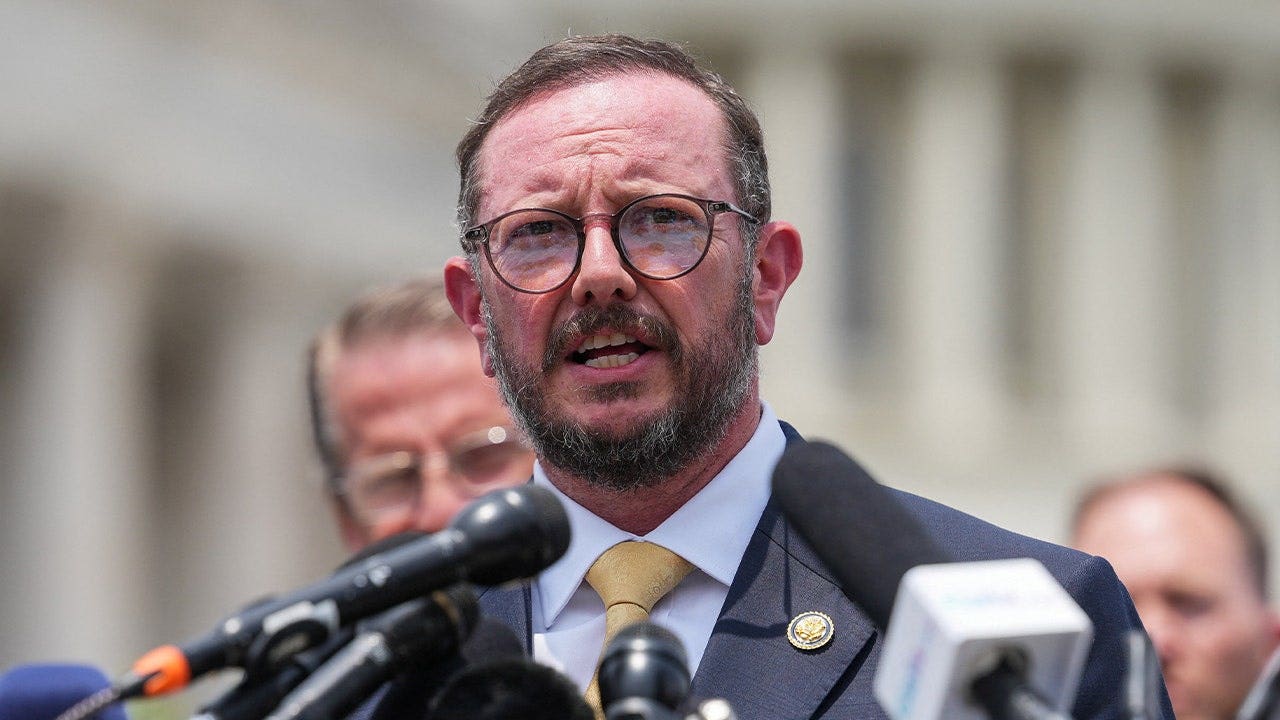
Facing a national debt that has exploded past $40 trillion, Missouri Rep. Eric Burlison isn’t holding back on his own colleagues — accusing Washington lawmakers on both sides of the aisle of being «drunk on spending» while working-class families pay the price.
Burlison recently sat down for an exclusive interview with Digital to discuss fiscal prudence, healthcare, inflation, and how Republicans can lift their fortunes ahead of midterm elections just six weeks away.
CONGRESSMAN ERIC BURLISON: IN THE BIDEN ADMINISTRATION, ‘THE INMATES ARE RUNNING THE PRISON’
«Most of my colleagues like to spend money…they like to spend other people’s money. They’re drunk on spending other people’s money, even Republicans, unfortunately, and there’s few people up here like myself who were willing to make significant spending reductions.
«And so we had to fight tooth and nail to get any spending reductions in the Big, Beautiful Bill. And we were demonized by the left, obviously, but we had to fight members even on our own side of the aisle to make those spending reductions.
«But, look, at some point, the party is going to be over, and we are all gonna wake up in a drunken stupor with a hangover, and it’s going to be painful, and we’re going to have to figure out how to get our way out of that.
«All of these sins of overspending are haunting us. And now we’re seeing…inflation that we can’t control. We’re seeing the interest rates go through the roof. At some point, you can’t keep borrowing money…Sadly, my colleagues that weren’t willing to cut spending are going to be forced to cut spending.»
Despite seeking to portray themselves as the party of affordability, the GOP seems to have a major messaging problem as it heads into the tumultuous midterm elections.
Burlison points to healthcare as the main problem:
«I mean, again, it’s really sad. This office has been broadcasting to the leadership every chance that we can that the American people are feeling the crunch, they’re feeling the affordability crunch. We put together a solution that we call the Great American healthcare plan. We also have another bill that addresses the housing affordability issue.
«This office has been doing everything we can to try to fix the affordability issue and have been putting these ideas and solutions in the faces of leadership for at least two years. It’s just unfortunate that we can’t get people to do the difficult things. And sadly that’s because Washington DC doesn’t like to do difficult things and fixing healthcare is the number one thing that we should be looking to do.
WE’RE MEMBERS OF THE HOUSE FREEDOM CAUCUS. THE US MUST CHOOSE: EITHER $20 TRILLION IN DEBT OR MEDICAID REFORM
«Healthcare cost is eating away everyone’s discretionary dollars…In the year 2000, the average American family was paying $6,000 a year for insurance premiums for a family of four. Today, that’s $27,000 a year. If that had followed normal inflation, that would only be $11,000 per year.
«So if you ask the average family of four, would you like to be paying health insurance premiums at $11,000 a year, they would say, heck, yeah, that sounds like a great deal. That is not what they’re paying today. They’re paying $27,000. So if you think about that, just that alone, that is crowding out everything else that the average American family has to pay. You have to come up with another $16,000 that you didn’t have to come up with before, in order to pay for a healthcare system that has exceeded inflation by three-fold.
«So three times normal inflation for the healthcare premiums, health insurance premiums. It’s not sustainable, and it’s crowded out everything else, and it is the reason why young people cannot afford to buy a home. It’s the reason why people have a hard time going out to eat. It’s a reason why people aren’t going on vacation as much. People are having to make very difficult choices, and it’s not the same choices that people had to make 20 years ago.»
As Elon Musk and DOGE-fervor swept across the nation’s capital at the beginning of 2025, Burlison’s initial enthusiasm soon turned to disappointment as he saw colleagues avoid much-needed spending cuts:
«DOGE was the most exciting thing I’ve ever seen in politics. And I was super excited about it. But I also was skeptical. I watched Elon come give speeches to my colleagues. And what was ironic is that some of the most swampy members of Congress were rushing to the microphones to embrace Elon to talk to him to tell him where he should go to look for spending reductions.
«And yet those very people were the ones that were voting against every spending reduction that you would ever bring to the floor. We’ve had hundreds and hundreds of opportunities to cut spending… We submitted hundreds of amendments to the appropriations committees to cut spending and yet each and every time, anytime there’s ever a vote to cut spending, they fail.
«So, look. All we have to do as Republicans is look in the mirror and say where’s the problem? It’s me, it’s us…I’m one of these almost going extinct members of the Republican Party that still believes in fiscal prudence, still believes and in cutting spendings this small government free market conservative. But unfortunately, that’s not how all of my colleagues feel.»
Burlison argues that the GOP has a fundamental messaging problem and has urged his colleagues to zero in on their economic pitch to the American public, with a particular focus on the healthcare crisis:
«So, in my opinion, it’s not enough to run against a platform. If you have to provide a vision to the American people, and if you ask the American voter today, what will the Republican Party do if they’re reelected…I don’t think that they would know. And so to me, the vision that I would provide is to say, ‘we’re going to fix healthcare. We’re going to make healthcare affordable. We’re gonna to make it a free market. The prices are going to be transparent, and you’re going to know exactly what you’re buying’.»
Finally, Burlison has a quick prescription for bringing down pain at the pump tied to the engagement in Iran:
«Well, conservatives, we love cutting taxes and I think that we should be cutting the fuel taxes during this period of time. I would love to eliminate the taxes altogether, but at least it would make sense that during this conflict that we should cut taxes on both gas and diesel until this war is resolved.
«I think that that would have a pretty good impact on people’s pocketbooks. I mean you’re talking for diesel that would be 40 cents a gallon. That’s, that’s pretty significant.»
politics, house of representatives politics, house of representatives, missouri, midterm elections










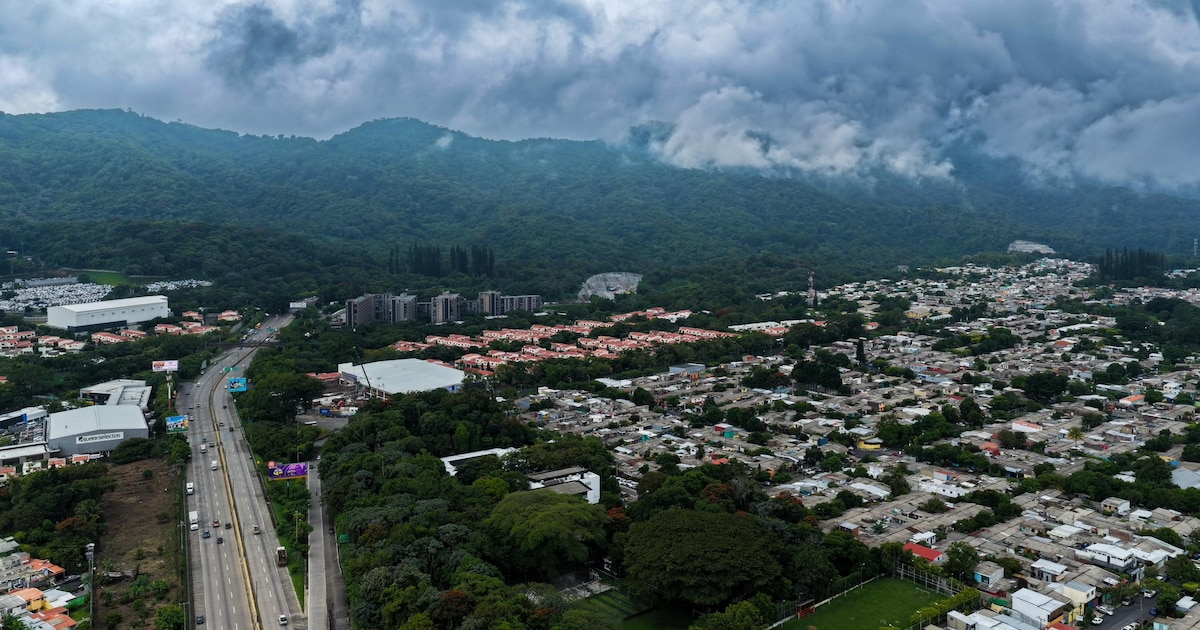
Las lluvias de los últimos días dejaron anegamientos en algunas viviendas de Zacatecoluca, tras el desborde de un río. El director de Protección Civil, Luis Alonso Amaya, explicó en YSKL que la situación estuvo vinculada con las precipitaciones y con un taponamiento en el cauce.
Amaya señaló que el bloqueo se formó por biomasa, como troncos, hojas y otros restos de árboles. Según relató, la tala o poda de un árbol y el depósito de esos materiales en el río habrían contribuido al problema.
“El punto menos indicado o el lugar menos indicado donde deberían hacerlo es tirarlo a un río”, dijo al referirse a la disposición de residuos de madera y árboles en ríos o quebradas.
El funcionario sostuvo que estos materiales pueden causar taponamientos y favorecer desbordamientos. Añadió que las personas afectadas por los anegamientos recibieron atención.
Amaya también mencionó inundaciones en la isla La Colorada y la isla El Cordoncillo, en el estero de Jaltepeque. En esos casos, indicó, la afectación estuvo relacionada con el oleaje.
El director señaló que los desechos sólidos suelen encontrarse con mayor frecuencia en áreas urbanas. En zonas rurales, según dijo, los taponamientos pueden asociarse con otros materiales, como restos vegetales.
La transición puede mantener lluvias en El Salvador
Amaya explicó que El Salvador se encuentra en la transición del período lluvioso al período seco. Según indicó, esa fase no supone que las lluvias terminen de manera inmediata.
El funcionario señaló que todavía pueden producirse tormentas convectivas. Describió que se forman rápidamente por el intercambio de temperaturas y pueden dejar acumulados de lluvia.
“Nada exime la posibilidad que tengamos algunas tormentas muy importantes”, expresó. Añadió que este tipo de eventos ya se ha presentado durante los últimos días.
Amaya indicó que la salida del período lluvioso parece haberse retrasado. A su juicio, esa variación se ha observado desde hace entre 10 y 15 años.
El director sostuvo que esta situación no depende solamente del fenómeno de El Niño. También mencionó efectos del cambio climático sobre la dinámica hidrometeorológica.
Según explicó, las precipitaciones deberían disminuir gradualmente conforme avancen los frentes fríos desde el norte. Estos sistemas pueden estar acompañados de vientos.
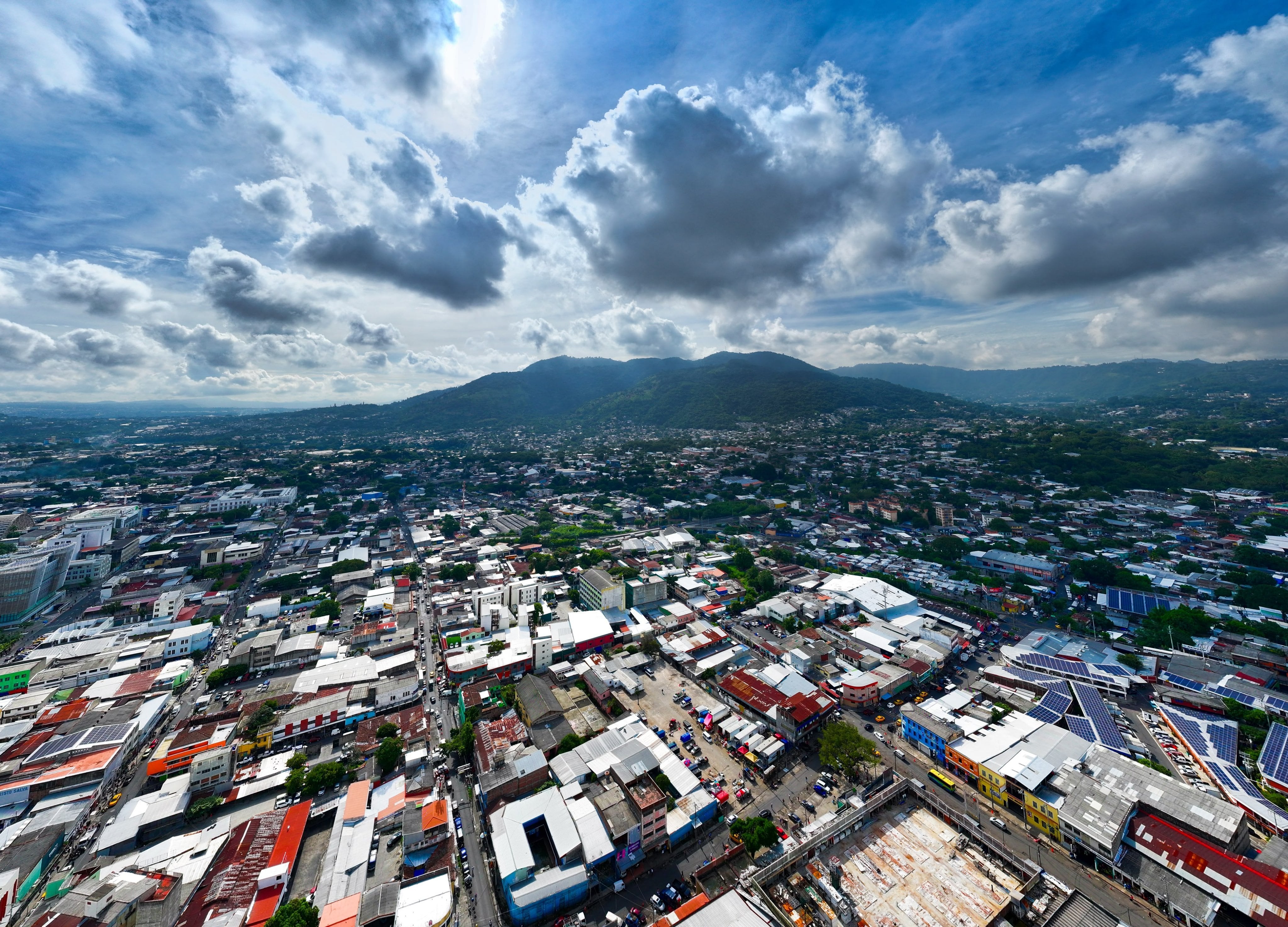
Amaya también habló de la zona de convergencia intertropical. Señaló que su ubicación incide en la humedad y en las lluvias que se registran en la región durante el año.
El funcionario explicó que, en esta época, las altas presiones desplazan esa zona hacia Costa Rica, Panamá y Colombia. Según su planteamiento, ese movimiento puede reducir gradualmente la probabilidad de lluvias en El Salvador.
Los frentes fríos pueden traer vientos y otros riesgos
Amaya señaló que la llegada de frentes fríos puede generar vientos nortes. Indicó que su incidencia suele sentirse con mayor fuerza en la cadena montañosa, aunque también puede afectar el Área Metropolitana de San Salvador.
Hasta el momento de la entrevista, dijo, no se habían registrado vientos con velocidades que provocaran caída de árboles o levantamiento de techos. Sin embargo, pidió a la población seguir los avisos oficiales.
El primer riesgo que mencionó fue la caída de ramas y árboles. Explicó que las lluvias recientes pueden reducir la capacidad del suelo para sostenerlos con firmeza.
El segundo riesgo, según detalló, incluye la caída de vallas publicitarias y daños en techos. El director recordó que estas situaciones se han presentado en otros años.
También mencionó los incendios como una preocupación durante la transición. Señaló que, cuando el suelo pierde humedad y la maleza se seca, aumentan las condiciones que pueden favorecer este tipo de emergencias.
La emergencia por sequía sigue vigente, según Amaya

Amaya sostuvo que las lluvias de las últimas semanas no compensan por completo los efectos de la sequía meteorológica sobre el sector agrícola. “La alerta o el decreto de emergencia nacional sigue su curso”, afirmó.
El funcionario pidió no asumir que las precipitaciones de las últimas cuatro o cinco semanas representan una recuperación total de las condiciones para los cultivos.
Según explicó, la primera cosecha debía desarrollarse durante el período de sequía. Bajo condiciones relativamente normales, indicó, los agricultores pueden obtener dos cosechas.
La primera producción suele salir entre mediados y finales de agosto, o durante la primera semana de septiembre. Luego llega la cosecha postrera, llamada tunalmil en algunas zonas.
Amaya señaló que la sequía coincidió con el desarrollo de la primera cosecha. “La primer cosecha debió haberse desarrollado bien y no pasó eso”, expresó.
También dijo que existe una expectativa favorable para la segunda cosecha en algunas zonas del país. Aclaró que esa condición no se observa de la misma manera en todo el territorio.
El director añadió que las lluvias contribuyeron a disminuir las olas de calor. Recordó que, en algunos momentos del año, se registraron sensaciones térmicas de hasta 42 ℃ (107,6 ℉).
Protección Civil reporta aumentos en incendios
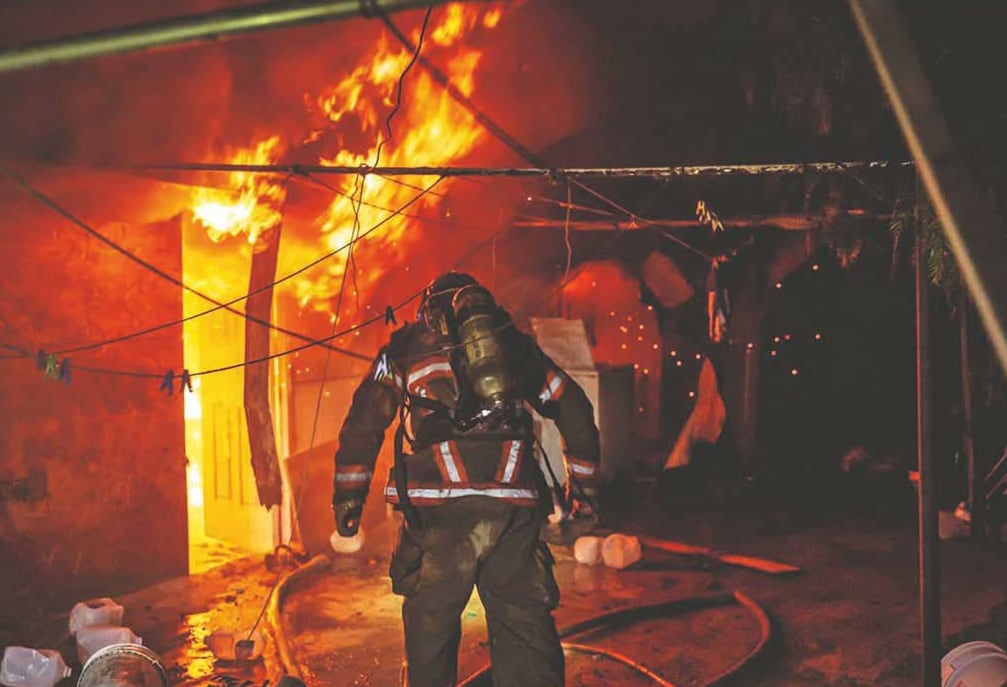
Amaya vinculó parte del aumento de incendios con las olas de calor y la sequía meteorológica. Precisó que la tendencia se ha registrado desde el 1 de enero.
En incendios de maleza, informó que se contabilizaban 2,810 casos, frente a los 1,852 registrados durante el año anterior. Según sus cálculos, el incremento supera el 50 %.
Los incendios forestales pasaron de 87 a 178, de acuerdo con las cifras expuestas por el director. Amaya indicó que ese cambio equivale a un aumento de 105 %.
En los incendios estructurales, la cifra pasó de 583 a 758. Además, informó que se contabilizaron 446 incendios de vehículos, frente a los 405 del año anterior.
El funcionario mencionó que los aumentos se concentran en incendios de maleza, forestales y estructurales. También destacó las inspecciones y acciones preventivas del Cuerpo de Bomberos en lugares de concentración masiva.
Amaya sostuvo que los incendios forestales están vinculados con acciones humanas. El director cuestionó las quemas para preparar terrenos agrícolas y señaló que algunos productores han realizado inversiones para aplicar métodos vinculados con una zafra verde.
El Salvador,sequía,alerta roja
At least 30 House Republicans lost during the 2026 midterm elections as the GOP suffered an electoral rout that will result in Democrats wielding the majorities in both chambers of Congress next year.
Because the results of multiple House contests remain unclear as of Monday, the tally of House GOP lawmakers who failed to secure another term could rise even higher.
Based on the results so far, here is the list of House Republicans who lost in the midterms:
CONGRESS RETURNS TO BRUTAL LAME-DUCK STRETCH WITH SHUTDOWN DEADLINE, LEADERSHIP RACES: ‘CLOSET IS FULL OF S—’
Rep. Juan Ciscomani, R-Ariz., who has served in the House since early 2023, lost to Democratic rival JoAnna Mendoza in the Grand Canyon State’s 6th Congressional District.
Rep. James Gallagher, R-Calif., who took office earlier this year, lost the election in the Golden State’s 1st Congressional District to Democratic candidate Mike McGuire, a member of the California state Senate.
Gallagher won election in June to fill the vacancy that arose due to the death of Republican Rep. Doug LaMalfa of California, who passed away in early January.
Rep. David Valadao, R-Calif. lost the race in California’s 22nd Congressional District to Democratic challenger Randy Villegas.
Valadao previously served in the House for three terms, but departed office in early 2019 after losing a 2018 re-election bid. He later won an election in 2020 and returned to the House in early 2021.
Rep. Jeff Crank, R-Colo., who just joined Congress last year, failed to clinch a second term, losing the contest in Colorado’s 5th Congressional District to Democratic challenger Jessica Killin.
Rep. Gabe Evans, R-Colo., who took office last year, failed to win reelection, losing the race in Colorado’s 8th Congressional District to Democratic challenger Manny Rutinel, a former member of the state’s House of Representatives.
In Iowa’s 1st Congressional District, Rep. Mariannette Miller-Meeks, R-Iowa, who joined Congress in early 2021, lost to Democratic candidate Christina Bohannan, a former Iowa state House member.
Rep. Zach Nunn, R-Iowa, who is currently serving his second term in Congress, lost his reelection bid to Democratic Iowa State Sen. Sarah Trone Garriott in Iowa’s 3rd Congressional District.
In Indiana’s 5th Congressional District, Rep. Victoria Spartz lost to Democratic candidate J.D. Ford, who was a state senator until departing office last week.
The congresswoman, who is an immigrant from Ukraine, has served in the U.S. House of Representatives since early 2021.
AFTER GOP’S BRUTAL MIDTERMS, ‘CHUCK NORRIS OF FLORIDA POLITICS’ TELLS PARTY TO ‘GET UP AND FIGHT’
Rep. Bill Huizenga, R-Mich., who has served in the U.S. legislature’s lower chamber since early 2011, lost to Democratic state Sen. Sean McCann in Michigan’s 4th Congressional District.
Rep. Tom Barrett, R-Mich., who took office last year, fell short in Michigan’s 7th Congressional District, losing his reelection bid to Democratic opponent William Lawrence.
In Missouri’s 2nd Congressional District, Rep. Ann Wagner, R-Mo., who has served since early 2013, lost to Democratic candidate Fred Wellman.
Rep. Addison McDowell, R-N.C., who joined Congress last year, failed to secure a second term in office.
He lost to Democratic challenger Cyril Jefferson in North Carolina’s 6th Congressional District. Jefferson is the mayor of High Point, North Carolina.
National Republican Congressional Committee (NRCC) chair, Rep. Richard Hudson, R-N.C., who has served in the House since early 2013, lost the election in North Carolina’s 9th Congressional District to Democratic challenger Richard N. Ojeda II, a former West Virginia state senator.
Rep. Brad Knott, R-N.C., a first-term congressman, lost his re-election bid in North Carolina’s 13th Congressional District to Democratic candidate Paul Barringer.
In North Carolina’s 14th Congressional District, Rep. Tim Moore, R-N.C., who took office early last year, lost to Democratic rival LaKesha Womack.
DEMOCRAT WHO TOPPLED GOP INCUMBENT WILL HEAD TO COURT ON FELONY CHARGE JUST DAYS AFTER ELECTION UPSET
Rep. Jeff Van Drew, R-N.J., lost to Democratic challenger Zack Mullock, the mayor of Cape May, New Jersey, in the Garden State’s 2nd Congressional District.
The congressman, who took office in 2019 as a Democrat, switched to Republican during his first term and has remained a Republican since.
Rep. Thomas Kean Jr., R-N.J., who has served in the House since early 2023, lost his reelection bid to Democratic challenger Rebecca Bennett in New Jersey’s 7th Congressional District.
In the Empire State’s 17th Congressional District, second-term Rep. Mike Lawler, R-N.Y., lost to Democratic candidate Cait Conley.
Conley previously served in roles including director for counterterrorism on the White House National Security Council and as senior advisor to the Cybersecurity and Infrastructure Security Agency (CISA) director.
Second-term Rep. Max Miller, R-Ohio, lost to Democratic candidate Brian Poindexter, a former Brook Park city council member, in the Buckeye State’s 7th Congressional District.
Veteran lawmaker Rep. Mike Turner, R-Ohio, lost to Democratic challenger Kristina Knickerbocker in Ohio’s 10th Congressional District.
Turner has served in the U.S. House of Representatives since early 2003.
REPORTER’S NOTEBOOK: HOW MIDTERMS MAY CHANGE THE HOUSE IMPEACHMENT EQUATION FOR HEGSETH
Rep. Mike Carey, R-Ohio, who took office in early November 2021, lost the contest in Ohio’s 15th Congressional District to Democratic candidate Don Leonard.
Rep. Brian Fitzpatrick, R-Pa., who has served in the House since early 2017, lost to Democratic challenger Bob Harvie, a member of the Bucks County Board of Commissioners, in Pennsylvania’s 1st Congressional District.
First-term Rep. Ryan Mackenzie, R-Pa., lost his reelection bid in Pennsylvania’s 7th Congressional District to Democratic challenger Bob Brooks.
Rep. Rob Bresnahan Jr., R-Pa., a first-term lawmaker who took office in early 2025, lost his race in Pennsylvania’s 8th Congressional District to Democratic opponent Paige Cognetti, the mayor of Scranton.
Rep. Scott Perry, a former chair of the House Freedom Caucus, lost the race in Pennsylvania’s 10th Congressional District to Democratic challenger Janelle Stelson.
The congressman has served in the House since early 2013.
Rep. Monica De La Cruz, R-Texas, who has served in Congress since early 2023, lost her reelection bid in Texas’s 15th Congressional District to Democratic challenger Bobby Pulido.
Long-serving Rep. Rob Wittman, R-Va., who has been a House lawmaker since late 2007, lost his reelection bid in Virginia’s 1st Congressional District to Democratic rival Shannon Taylor, Henrico County’s Commonwealth’s Attorney.
Rep. Jen Kiggans, R-Va., lost her re-election bid to former Rep. Elaine Luria in Virginia’s 2nd Congressional District.
Kiggans, who initially won the House seat by defeating then-incumbent Luria in 2022, has served in the lower congressional chamber since early 2023.
Four-term Rep. Bryan Steil, R-Wisc., who took office in early 2019, lost his re-election bid in Wisconsin’s 1st Congressional District to Democratic candidate Mitchell Berman.
‘SQUAD’ MEMBER URGES DEMS TO TAKE ADVANTAGE OF MIDTERM SWEEP BY PASSING FAR-LEFT POLICIES
Rep. Derrick Van Orden, R-Wis., who has served in the House since early 2023, lost to Democratic challenger Rebecca Cooke in Wisconsin’s 3rd Congressional District.
Rep. Kevin Kiley, I-Calif., who earlier this year dropped his Republican Party registration but continued caucusing with the GOP, lost to former California state lawmaker Richard Pan, the Democratic candidate in California’s 6th Congressional District.
Kiley, who currently represents California’s 3rd Congressional District, has served in the House since early 2023.
politics, elections, house of representatives, republicans, congress
INTERNACIONAL
La fiscalía de Paraguay analiza cómo abrir la bóveda que encontraron detrás de una pared falsa en la casa del expresidente Peña
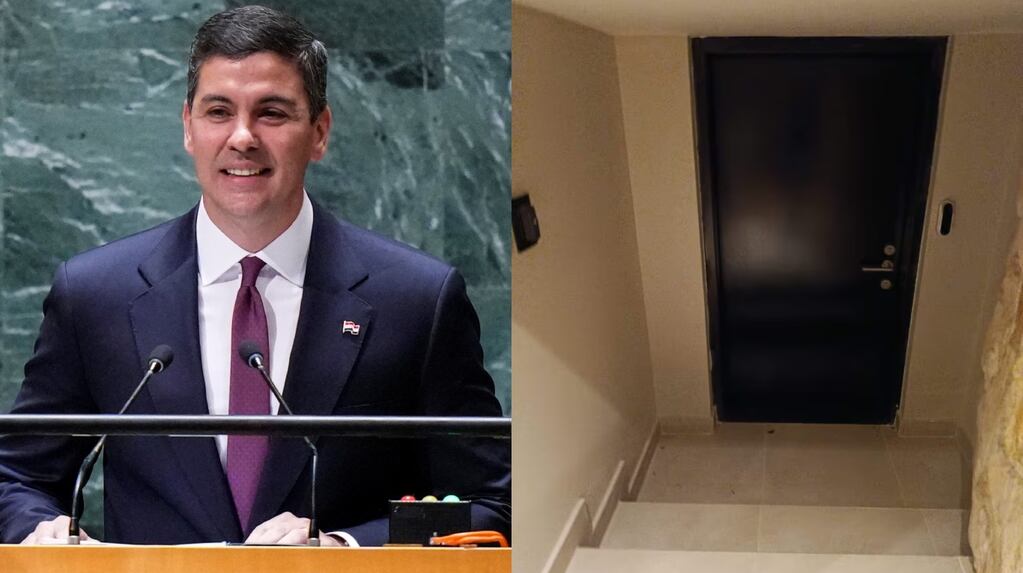
La Fiscalía de Paraguay enfrenta un desafío inédito tras descubrir una bóveda oculta en la residencia de verano del expresidente Santiago Peña en San Bernardino.
El compartimento, protegido por un sofisticado sistema de seguridad —que incluye reconocimiento de iris, según medios locales—, solo permitió el acceso a su primera puerta durante el allanamiento, pero la segunda compuerta sigue cerrada.
El fiscal Christian Benítez confirmó que los investigadores no lograron superar la segunda barrera y que están evaluando distintas alternativas para acceder al interior. Entre las opciones, se mencionó la posibilidad de una detonación controlada, aunque esta medida dependerá de la opinión de especialistas en explosivos y seguridad.
La ex primera dama, en la mira para abrir la bóveda
Una de las alternativas que analiza el Ministerio Público es trasladar a la ex primera dama, Leticia Ocampos, para comprobar si tiene autorización de acceso mediante los sistemas biométricos instalados en la bóveda, según indicó el diario paraguayo Abc.
Benítez explicó que esta opción resulta más sencilla que llevar al propio Peña, quien permanece detenido y no está contemplado como alternativa por el momento.
“Es una opción que estamos manejando. Creemos que es una posibilidad un poco más sencilla que un eventual traslado hasta el lugar del expresidente”, dijo.
Además, el fiscal no descartó consultar a otros familiares para saber si alguno puede colaborar, aunque aclaró que no están obligados a hacerlo.
“Estamos en conversaciones para ver si esa es una posibilidad factible”, sostuvo Benítez, quien remarcó que la colaboración de los allegados no es obligatoria.
Detonación controlada: una opción bajo análisis de expertos
El Ministerio Público también baraja la posibilidad de recurrir a una detonación controlada para abrir la estructura, aunque esta alternativa solo se ejecutará si los especialistas la consideran segura.

Benítez aclaró que la decisión final dependerá de los expertos y que aún no hay una postura concreta. “Todavía no hay una postura concreta, pero sí estamos trabajando con personas que nos van a poder guiar para buscar la mejor manera de poder abrir esa segunda compuerta”, explicó.
Los investigadores sospechan que el compartimento podría funcionar como una habitación de pánico. Además, la bóveda está ubicada bajo una piscina y en una zona elevada, lo que complica aún más cualquier intervención.
Avances de la causa y detalles de la investigación
El allanamiento de la casa de Peña en la localidad de San Bernardino se da “por la presunta comisión de los hechos punibles de lesión de confianza, en calidad de instigador, y administración en provecho propio, en calidad de autor”, informó la fiscalía en un comunicado.
El exmandatario es investigado por haber favorecido con fondos públicos a Ueno Bank, entidad de cuyo grupo controlador fue accionista hasta 2025.
La Fiscalía sostiene que el banco recibió depósitos de entidades públicas mientras otorgaba créditos irregulares a empresas vinculadas a sus propietarios.
La residencia de Santiago Peña fue allanada en el marco de la investigación por el colapso de Ueno Bank, que derivó en la destitución y detención del exmandatario.
La propiedad, valuada en US$ 2 millones tiene 1015 metros cuadrados construidos yfue construida entre 2024 y 2025 con financiamiento de Ueno.
El exmandatario recibió dos préstamos simultáneos del Ueno Bank en mayo de 2024 por un total de 3.548 millones de guaraníes (unos 567.254 dólares).
Según la investigación, las cuotas mensuales de los préstamos para la construcción eran seis veces superiores al salario que Peña percibía como jefe de Estado.
El fiscal Benítez aclaró que los US$ 834 millones de dinero público depositados en Ueno Bank, mencionados en las imputaciones contra Peña y el expresidente del Banco Central, Carlos Carvallo, son cifras provisorias sujetas a revisión.
La Fiscalía mantiene reserva sobre otros aspectos de la causa y evitó adelantar si Leticia Ocampos será incluida formalmente en la investigación. Tampoco brindó detalles sobre eventuales allanamientos en la vivienda de Peña en Asunción.
Qué pasó con el Ueno Bank
El banco digital Ueno Bank fue intervenido el martes por el Banco Central del Paraguay (BCP) por insolvencia y unos tres millones de clientes -la mitad de la población del país- quedaron sin acceso a sus depósitos. Ocho de sus directivos están presos.

El vicepresidente Pedro Alliana asumió el poder y ordenó este domingo que los contribuyentes afectados por la caída de Ueno “no paguen multas, recargos por mora ni intereses derivados de este problema”, según informó en X.
El nuevo mandatario informó que ya se le devolvieron los depósitos a casi 1,2 millones de ahorristas por un monto cercano a 158 millones de dólares. Está previsto que el proceso de restitución continúe a lo largo de la semana.
Paraguay, Santiago Peña, Ueno Bank

Estiman que habrá solo dos nuevos empleos por cada millón de dólares de RIGI

El detrás de escena del primer encuentro de León XIV con Kicillof y sus ministros

Sorpresa en las juveniles de la selección argentina: la estrella de Vélez que cambió de país para el Mundial Sub 17

Boca Juniors sigue atento a si podrá contar con Leandro Paredes para el duelo ante Banfield por Copa Argentina

Lo que nadie vio del encuentro del papa León XIV y Abel Pintos, con su esposa involucrada: qué mostró Mora Calabrese de forma inédita

Anegamientos y sequía marcan transición climática en El Salvador

Así fue el saludo entre Javier Milei y el papa León XIV en Aeroparque tras la llegada a la Argentina

Artemis IV: los detalles de cómo será la misión de la NASA que busca llevar astronautas a la superficie lunar en 2028

Casi un cuarto de millón de dólares costarían nueve altares navideños en Nicaragua

Pedro Sánchez le respondió a Milei: “El insulto no forma parte de mi forma de entender la política. Ahí lo dejo”

 POLITICA22 horas ago
Así fue el saludo entre Javier Milei y el papa León XIV en Aeroparque tras la llegada a la Argentina
- DEPORTE3 días ago
Canales para ver el Tigre vs. Sarmiento por el Torneo Clausura
- DEPORTE2 días ago
Gimnasia de Mendoza vs Independiente Rivadavia: formaciones, hora y dónde ver por tv