INTERNACIONAL
Lula prohibió las apuestas online en Brasil: “Hacen creer a las personas más necesitadas que les va a resolver la vida”


El presidente de Brasil, Luiz Inácio Lula da Silva, anunció este viernes la prohibición de las apuestas deportivas y los casinos online, una medida que entrará en vigor de inmediato y que fue presentada por el Gobierno como una respuesta al impacto de las llamadas “bets” sobre el endeudamiento de las familias.
El anuncio se produjo a nueve días de las elecciones presidenciales del 4 de octubre, en las que Lula busca un nuevo mandato frente al senador Flávio Bolsonaro, hijo del expresidente Jair Bolsonaro. Los sondeos recientes muestran una competencia estrecha entre ambos candidatos.
“Desde hoy no se puede poner más dinero en los sitios de apuestas en el país”, afirmó el ministro de Hacienda, Dario Durigan, durante un acto encabezado por Lula en San Pablo.
La medida será implementada mediante un decreto provisional y comenzará a regir una vez que sea publicada en el Diario Oficial. Para mantener su vigencia, deberá ser convalidada por el Congreso dentro de un plazo máximo de 120 días. El Gobierno también anunció que enviará al Parlamento un proyecto de ley para incorporar la actividad al Código Penal y reforzar las sanciones contra el juego en línea.
Lula convirtió el combate contra las apuestas en uno de los ejes de su discurso en la recta final de la campaña. El Gobierno sostiene que el crecimiento de las “bets” contribuyó al endeudamiento de los hogares y que el fenómeno afecta especialmente a los sectores de menores ingresos.
Durante el acto en San Pablo, Lula aseguró que el problema de las apuestas ya era analizado desde hacía tiempo por su Gobierno porque, según afirmó, había algo más que el endeudamiento habitual de las familias. El mandatario vinculó la situación con la facilidad para acceder al crédito y señaló que muchas personas llegan a tener hasta seis tarjetas.
“El casino está en la cocina, en la sala, con niños, con jubilados. Es necesario tener un control”, afirmó Lula, quien relató que había hablado con una mujer que intentó suicidarse y cuyo hijo se había ahorcado a raíz de las deudas.
“No es una broma, es algo serio que está afectando la salud mental de las personas pobres que juegan para ver si consiguen comprar el pan al día siguiente. Hacen creer a las personas más necesitadas que el juego va a resolverles la vida. Esto es como un cáncer. O sacamos el tumor o el tumor nos va a matar”, sostuvo el presidente brasileño.
Según datos citados por el Ejecutivo, cerca de 25 millones de brasileños apostaron durante 2025 unos 220.600 millones de reales, equivalentes a alrededor de 42.500 millones de dólares. Un estudio de la Universidad de San Pablo divulgado este mes calculó, además, que las apuestas redujeron el consumo y restaron entre 120.000 y 141.000 millones de reales a la actividad económica brasileña durante 2025.
El mercado había crecido rápidamente después de su legalización en 2018 y fue regulado durante el actual Gobierno de Lula en 2023. Desde entonces, decenas de empresas obtuvieron autorización para operar en el país y comenzaron a pagar impuestos.
La prohibición también generó preocupación en el fútbol brasileño. Los clubes dependen en buena medida de los ingresos provenientes de las casas de apuestas, que se convirtieron en patrocinadores principales de numerosos equipos de la primera división. Entidades como Flamengo y Palmeiras cuestionaron públicamente el posible impacto económico de la medida.
Además, el sector advirtió sobre el riesgo de que una prohibición de las plataformas autorizadas impulse el crecimiento de sitios ilegales, que quedarían fuera del sistema de regulación y fiscalización estatal.
apuestas












INTERNACIONAL
“Iba para una empresa, pero lo mandaron al ejército”: la trampa que arrastró a dos hondureños a la guerra en Rusia
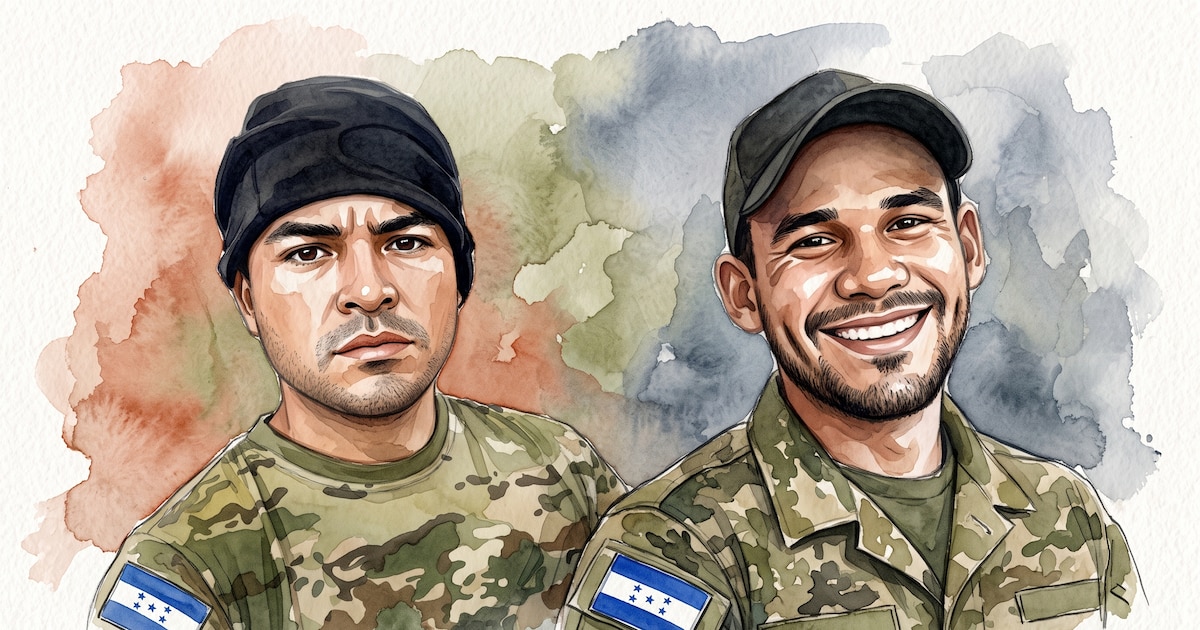
El reclutamiento de centroamericanos y latinoamericanos para el conflicto armado entre Rusia y Ucrania se ha convertido en una pesadilla silenciosa para decenas de familias.
A través de entrevistas exclusivas con Infobae, Gabriela Sandoval y Rocío Medina rompieron el silencio para relatar, desde dos realidades y casos completamente distintos, cómo sus respectivos hermanos hondureños fueron arrastrados a miles de kilómetros de casa, atrapados en una red de engaños, opacidad y guerra.
El drama del reclutamiento de hondureños en Rusia no responde a un solo patrón, pero sí a un mismo detonante: la vulnerabilidad económica de familias que buscan desesperadamente una salida. Mientras el hermano de Gabriela Sandoval partió seducido por ofertas millonarias en internet, el caso del hermano de Rocío Medina revela una variante aún más cruel del engaño.
Medina comentó a Infobae que la decisión de su hermano, Wilfredo Lemuel Medina Zelaya (36 años), de partir hacia Rusia estuvo empujada por la asfixia económica y la urgencia de pagar el tratamiento médico de su hija de dos años, quien sufre graves cuadros convulsivos.
Según relató Rocío a este medio: “Mi hermano sí se va engañado, incluso que iba para una empresa relacionada con construcción de arpones, elaboración de arpones de pesca. Pero ya estando allá, sucedió que lo mandan al ejército.”
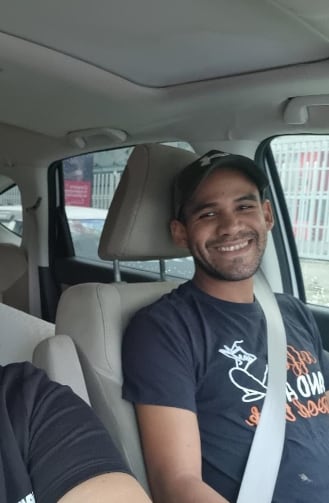
Esta falsa oferta de empleo fue el gancho perfecto para arrebatarlo de su hogar en El Progreso, entrelazando su destino con el de otros compatriotas como el hermano de Gabriela que terminaron atrapados bajo la misma maquinaria de guerra en territorio ruso.
El proceso de salida fue vertiginoso. Los intermediarios del viaje fueron identificados por la familia como presuntos reclutadores de origen colombiano llamados Dani y Dayana. El joven comunicó su partida solo tres días antes de abordar el avión:
“Él nos comunica como tres días antes de irse. Él se fue el 29 de abril… Fue superrápido todo el trámite que le hicieron.”
Su trayecto incluyó escalas en Panamá y Estambul antes de tocar suelo ruso a inicios de mayo. Una vez allí, fue despojado de su dinero e ingresos iniciales y sometido a un aislamiento de quince días en condiciones precarias de alimentación. Le confiscaron su teléfono móvil y lo obligaron a firmar documentos en idioma ruso que no podía comprender.
La última vez que se comunicó con su esposa fue el 10 de julio de 2026. Afectado emocionalmente y consciente del peligro inminente, logró transmitir su destino final: “Él le dijo que al parecer lo iban a enviar al Batallón Oriental, al Dombás… que es la zona más caliente.” Desde esa llamada, la familia Medina no ha vuelto a tener ninguna noticia sobre su estado o paradero.

El caso de Gabriela Sandoval: la oferta millonaria en internet y el contrato en Kazán
El segundo caso es el del hermano de Gabriela Sandoval, Héctor Gabriel Sandoval Zuniga de 31 años originario de San Ignacio, Francisco Morazán, y padre de una niña de tres años. En su caso, el contacto no fue a través de una oferta laboral pesquera, sino mediante un portal de internet donde se le ofreció un contrato con sumas de dinero sumamente elevadas.
Gabriela detalló las promesas económicas que sedujeron a su hermano: “Aquí decía: pago inicial quince mil seiscientos USD… Salario mensual desde tres mil ochenta y ocho… Bono en zona de combate treinta mil por día… Indemnización por lesiones o fallecimiento hasta ciento cincuenta mil.”
Pese a que la familia intentó disuadirlo tras enterarse de la propuesta, el joven tomó la decisión de viajar solo el 4 de mayo de 2026, siguiendo una ruta de tránsito similar por Panamá y Turquía hasta arribar al Aeropuerto Internacional de Kazán, en Rusia.
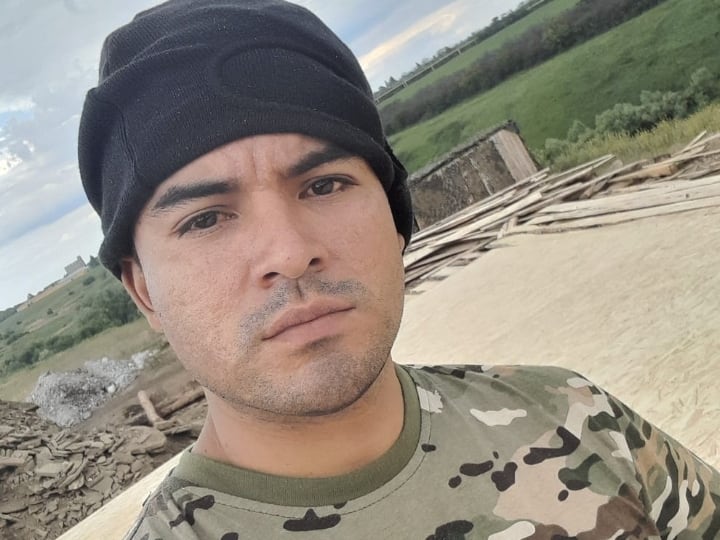
Durante sus primeras semanas en territorio ruso, el joven mantenía breves llamadas diarias con su familia mientras realizaba entrenamientos matutinos. Sin embargo, las trabas para descargar la aplicación exigida por los reclutadores para enviar dinero a Honduras derivaron en la firma forzosa de documentos en papel.
El punto de inflexión ocurrió un mes después de su llegada. El 15 de junio de 2026, envió un último mensaje que encendió todas las alarmas en el hogar de las Sandoval:
“Hoy me separaron del grupo de compañeros. No sé si me van a dejar en algún taller o a saber, porque hasta el arma ya me la guardaron.” Ese texto representó la última interacción. Tras esa fecha, se perdió todo rastro de su paradero.
El antecedente de las fugas en abril y la red de trata de personas
Los casos de los hermanos de Rocío y Gabriela no son hechos aislados. Justo cuando estos jóvenes realizaban sus trayectos a finales de abril e inicios de mayo, en Honduras resonaba la noticia de cinco hondureños que lograron escapar de campos de entrenamiento en Rusia tras percatarse de que serían enviados a combatir al frente. En aquella ocasión, la Cancillería hondureña logró intervenir para su repatriación.
Sin embargo, para Gabriela y Rocío el camino institucional ha sido sumamente desgastarte. Al cumplirse 15 días sin comunicación, la familia Sandoval acudió el 30 de junio a la Cancillería para interponer la denuncia correspondiente. Allí, la respuesta inicial fue contundente respecto al portal donde se inscribió el joven:
“Cuando fuimos a Cancillería… allá nos dijeron que esa página era página de trata de personas.” A pesar de esta admisión, las autoridades han argumentado limitaciones legales para actuar, señalando que la firma de contratos militares impide el acceso a información por ser catalogada como “confidencial” por el gobierno ruso.

Sin respuestas claras y enfrentando el hermetismo diplomático, tanto Gabriela Sandoval como Rocío Medina han decidido coordinar esfuerzos con comités internacionales de búsqueda de ciudadanos latinoamericanos desaparecidos o prisioneros en el conflicto ruso-ucraniano.
En esta entrevista exclusiva con Infobae, ambas hermanas hacen un llamado urgente al Gobierno de Honduras y al cuerpo diplomático para que activen canales extraordinarios de verificación humanitaria.
Su exigencia es clara: determinar si sus hermanos se encuentran con vida, si están en centros médicos de atención o en campos de prisioneros, y coordinar las gestiones diplomáticas necesarias para rescatarlos de la guerra y traerlos de vuelta a casa.
Héctor Gabriel Sandoval Zúñiga,Wilfredo Lemuel Medina Zelaya,Honduras,ilustración
INTERNACIONAL
As Singham faces federal probe, wife marches in anti-Israel protest led by groups he funded

NEW YORK — A network funded by Neville Roy Singham, a communist tech tycoon living in Shanghai, mounted a coordinated anti-Israel protest through Midtown Manhattan Thursday after Israeli Prime Minister Benjamin Netanyahu addressed the United Nations, deploying field marshals, pre-made signs, banners, megaphones, drums, portable sound equipment and a stage for a four-hour demonstration.
At 3:40 p.m. Thursday, field marshals and foot soldiers from the People’s Forum Inc. connected to their «comrades» in the Singham network at the steps of the New York Public Library on Fifth Avenue. Digital watched the operation unfold from setup to breakdown.
At the center of the protest was Jodie Evans, Singham’s wife, a longtime leader at the People’s Forum and the co-founder of CodePink — a nonprofit that has operated within the broader pro-communist activist network funded by her husband. As Digital first reported, the Justice Department’s U.S. Attorney’s Office for the Southern District of New York opened a grand jury investigation into alleged money laundering, bank fraud and wire fraud by Singham and his network. Singham and the organizations he has funded haven’t been charged with any crimes.
As the march moved through Manhattan, self-declared «comrades» of the Revolutionary Communists of America chanted, «Long live the intifada,» while Evans and activists from other organizations within the Singham network marched alongside members of the Democratic Socialists of America.
«Intifada! Intifada! Long live the intifada!» the crowd shouted, chanting the term used by Palestinian militants to violently oppose the existence of the state of Israel.
FROM AUSTIN TO NEW YORK, PRO-CHINA NETWORK FUELS WEEK OF ANTI-US PROTESTS AS XI MEETS TRUMP
Earlier, police arrested actress Susan Sarandon, a regular speaker at People’s Forum events and protests, after demonstrators blocked First Avenue in an anti-Israel sit-in. CodePink co-founder Medea Benjamin and actress Cynthia Nixon were also among the protesters. The demonstration included activists from Jewish Voice for Peace, another partner of the Singham network whose leaders have advocated replacing Israel with a state called «Palestine.»
By the end of the evening, at 8:08 p.m., Digital observed the protesters rolling their carts back to the People’s Forum Inc., the network’s Midtown headquarters on W. 37th Street and a key organizing hub for the Singham network’s street demonstrations on issues from Israel to anti-American tech. Congressional lawmakers, the Justice Department and federal, state and local policymakers have criticized the groups as antisemitic, anti-American and «Trojan horses» for the Chinese Communist Party.
WATCH: Revolutionary Communists of America march at anti-Netanyahu protest in NYC
The day’s events, documented in real time by a Digital investigative team, provided a rare, on-the-ground view of the infrastructure behind the network’s protests. The operation involved assigned marshals, paid nonprofit staff, pre-made signs, portable sound equipment, rolling wagons, a stage, coordinated slogans and a media team producing content for online distribution.
While not every group participating in the demonstration was directly funded by Singham, the personnel and logistics showed how organizations with overlapping leadership, funding and messaging can operate together to turn a political flashpoint into a professionally-managed street campaign.
WATCH: Singham-linked Party for Socialism and Liberation activists roll in stacks of protest signs at Bryant Park
SOCIALIST, COMMUNIST GROUPS COORDINATE, PROMOTE ‘SPONTANEOUS’ ANTI-ICE PROTESTS IN AUSTIN
The appearance of Singham’s wife alongside leaders and activists from the People’s Forum, BreakThrough News, the Party for Socialism and Liberation, the Palestinian Youth Movement and a «Shut It Down for Palestine» campaign provides visible evidence of the Singham network’s central role in organizing and promoting anti-Israel protests, particularly in the aftermath of Hamas’ Oct. 7, 2023, attacks on Israel.
The coordinated signage and equipment revealed an organizing and logistics infrastructure that moved people, messaging and materials through the city for three hours. Digital has observed the same materials at a number of separate protests, targeting not only Israel but rallying support for the Islamic Republic of Iran, the communist regimes of Venezuela and Cuba, and fighting data centers and American AI. That infrastructure helps explain how the same network has repeatedly transformed breaking news and political flashpoints into large, highly-coordinated anti-Israel protests across the country.
The protest’s visible organization reflected the scale of the financial network behind some of its leading participants. After his wedding to Evans in 2017 and the sale of ThoughtWorks, the technology company he founded, Singham directed $285 million to nonprofits and media organizations, according to a Digital investigation. The People’s Forum received $22.4 million from Singham, while CodePink received $1.33 million. BreakThrough BT Media Inc., which operates BreakThrough News, received $1.098 million, according to tax filings.
POWER COUPLE OF CHAOS: HOW A TYCOON AND ACTIVIST BUILT A ‘REVOLUTIONARY BASE’ AT THE HOUSE OF SINGHAM
DOJ LAUNCHES GRAND JURY PROBE INTO MARXIST MOGUL NEVILLE ROY SINGHAM’S FUNDING OF LEFTIST GROUPS
In his United Nations address, Israeli Prime Minister Benjamin Netanyahu called the demonstrators «phony human rights protesters» who have been silent in speaking out against atrocities by the Islamic Republic of Iran against its citizens.
Evans’ presence also offered an unusually direct view of the people behind the anti-Israel protest machine that has mobilized repeatedly across New York and other American cities against Israel.
At about 4 p.m., Manolo De Los Santos, executive director at the People’s Forum, arrived and moved near the anti-Israel signs his foot soldiers had rolled onto the steps of the New York Public Library. A lieutenant handed out signs calling for sanctions against Israel and declaring, «WAR CRIMINALS NOT WELCOME» and «NEW YORK REJECTS ZIONISM.» At the bottom, the signs carried the branding of a communist group that the People’s Forum works with closely: the Party for Socialism and Liberation, which doesn’t publicly disclose its finances.
Beside De Los Santos stood Layan Fuleihan, a controversial fixture in anti-Israel protests. Fuleihan, a Palestinian American, spoke at an Oct. 8, 2023, protest that the People’s Forum organized, supporting the Hamas attack on Israel and saying, «Yesterday, the world woke up to incredible news. The media will tell you that yesterday, terrorists invaded Israel. But we know that actually what happened is that the oppressed people of Palestine broke out of the open-air prison they have been subjected to.»
People’s Forum posted the video on its own X account. In the same video, De Los Santos declared, «If you listen to the media in this country, you will think the war started 48 hours ago. We know this war started 75 years ago,» with the birth of the state of Israel. Fuleihan didn’t reply to questions from Digital.
REPORT: CHINESE PROPAGANDA, SINGHAM NETWORK, FOREIGN DARK MONEY LINKED TO CAMPAIGNS AGAINST DATA CENTERS
The demonstration also showed the role of paid personnel in the network’s street protest operations. Fuleihan was paid $78,649 as the People’s Forum’s education director, while David Chung, the organization’s organizing director, earned $76,249, according to the nonprofit’s latest IRS filings. Their presence alongside field marshals, volunteer coordinators and campaign organizers showed an operation with designated personnel responsible for recruitment, messaging, crowd movement and event logistics.
Nearby, towering over many of the protesters, Taher Dahleh, an organizer with another partner of the People’s Forum — the Palestinian Youth Movement — moved through the crowd, grabbing a Winstone Blue cigarette from another activist, directing demonstrators and coordinating the march. He has been a familiar presence at anti-Israel demonstrations since Oct. 7, 2023, regularly hosting volunteer meetings on Monday nights at the People’s Forum for a campaign called «Shut It Down For Palestine.» During the «March on Washington to Let Gaza Live!» that People’s Forum co-organized in November 2025, Dahleh slammed «tech companies» for allegedly contributing to the «slaughter» of Palestinians by selling services to the government of Israel.
Between late 2023 and late 2024, far-left nonprofit WesPac Foundation Inc. gave Palestinian Youth Movement $1 million through its nonprofit fiscal sponsor, Honor the Earth, according to tax filings. Records show it’s received funds from several other sources over the years. The Palestinian Youth Movement still shares a post on its Facebook page from years ago, quoting a young Palestinian killed after murdering three Israelis: «You who possess arms and bullets, remember that there is an enemy so that you may put your bullets in their bodies, not the bodies of your own people.» Dahleh didn’t respond to a request for comment.
HOUSE PANEL SUBPOENAS 3 LEFT-WING GROUPS IN PROBE OF $39M TIED TO MARXIST TYCOON NEVILLE SINGHAM
The protest followed a familiar playbook that Evans, De Los Santos, Fuleihan, Dahleh, Chung, the People’s Forum and the Singham network have used since Oct. 7, 2023, to mobilize students at Columbia University, launch a campus encampment and storm Grand Central Terminal. Since then, the same constellation of communist, socialist and anti-war groups has repeatedly turned out for protests over Israel, ICE, the Trump administration, the war against the Islamic Republic of Iran, the arrest of Venezuelan dictator Nicolás Maduro and other political flashpoints — including protests against U.S. data centers, American AI, and U.S. technology companies like Palantir Technologies, Microsoft and Google.
This time, Dahleh and People’s Forum field marshals led the activists from the steps of the public library on Fifth Avenue to E. 42nd Street, where they headed eastbound toward the United Nations past Grand Central Station. Inside the crowd, the network’s social media operation made the march seem like a spontaneous display of mass public anger. At 5:20 p.m., with the march still in force, People’s Forum posted a tightly-cropped video on X, showing demonstrators streaming below flapping American flags with a caption celebrating a «massive crowd of protesters taking to the streets demanding war criminal Netanyahu be brought to justice! Free Palestine!»
However, outside the limited mile-long path of the march, New Yorkers went about their ordinary days. The repeated appearance of the same organizations, leaders, signs, sound systems, wagons and protest infrastructure rolling through the streets of New York City revealed the professional organizing system operating behind the scenes, not a «massive crowd.»
WATCH: Neville Roy Singham’s wife Jodie Evans appears at anti-Israel protest, denies he funds protest efforts
On E. 42nd Street, Evans — Singham’s wife and a central figure in the network surrounding the People’s Forum and other Singham-funded organizations — smiled widely as she kept step with the activists, marching behind the bright yellow-and-black signs marked «Party for Socialism and Liberation.»
Evans marched with CodePink activists behind a large «STOP ARMING ISRAEL» banner and carried a poster depicting Israeli Prime Minister Benjamin Netanyahu as «WANTED» for «GENOCIDE.»
Evans stood out in trademark CodePink colors, wearing an oversized fuchsia hat, pink peace-sign earrings, dark glasses, a pink-and-white keffiyeh and a shirt reading «I ♥ Palestinian Human Rights.»
Her appearance placed a member of the financier’s immediate family directly in the middle of the protest activity his money has helped sustain.
When Digital asked her about her husband’s funding for nonprofits leading anti-Israel protests, she didn’t answer the question directly and responded, «He’s not been in the United States for six-and-a-half years.»
When asked about his position on the protests, she answered: «He supports stopping a genocide, you bet.»
Evans laughed off questions about Singham backing the Chinese Communist Party. In a video that Digital unearthed, Singham stood at the Golden Tulip Hotel in Shanghai during a November 2025 conference and expressed support for «a new world order that is based on multilateralism that President Xi and the CPC [Communist Party of China] and China have proposed.»
LAWMAKERS THROW OUT ‘TROJAN HORSE’ ACTIVISTS THEY SAY ARE ENGAGED IN AMERICAN SUBVERSION
Evans denied allegations from lawmakers on the House Foreign Affairs Committee that the Singham network acts as a «Trojan horse» for the Chinese Communist Party, calling them «a lot of lies.»
«We’re not doing anything wrong. So it’s a lot of ‘alleging,’ and we’re very honest about what we do: protesting every day,» she said. «That’s what we do. And that’s what I’ve done for 55 years.»
She got visibly agitated on the topic of China. «China is not our enemy!» she said. «That’s the message. You know what? I’ve been going to China for six and a half years. I can’t talk about China. It’s complex. I don’t understand it. I’m just trying to learn about it. So it’s not about China. It’s about the United States not using our tax dollars to go to war on China. There’s never an excuse to go to war on people.»
The protest was also packaged for online amplification. During the march, Zoe Alexandra, news editor of BreakThrough News, moved through the crowd conducting interviews, pulling Danaka Katovich, national co-director of CodePink, away from Evans’ CodePink contingent for a chat. BreakThrough later posted a branded one-minute, 21-second video on X under the headline: «Thousands protest…» Singham gave $1.098 million to Breakthrough BT Media Inc., which operates BreakThrough News, according to tax filings.
SINGHAM-LINKED NONPROFITS FIGHT HOUSE SUBPOENAS, ACCUSE LAWMAKERS OF MCCARTHY-ERA ‘WITCH HUNT’
The protest featured black-and-white keffiyehs, a torched effigy of Netanyahu, bloodied cardboard imagery of Netanyahu and Arabic chants declaring that «Israel will be Arab.» Critics say the slogans and imagery go beyond criticism of Israeli policy, invoking violent resistance and portraying the elimination of Israel as a political objective.
To close out the protest near the United Nations, a leader from the Singham network manned the pop-up stage with a black-and-white keffiyeh over his shoulders, his arms tightly crossed, as speakers blasted the U.S. and Israel. As their last speaker, organizers returned to another leader from the People’s Forum, Tajee Bounds, who serves as membership, events and volunteer coordinator.
A graduate of Columbia University, Bounds was in the middle of the campus’s first encampment in April 2024 with People’s Forum organizers when he stood, holding a banner and yelling along with a chant: «Up, up with liberation! Down, down with occupation!» The Columbia Spectator posted a video with his proclamation.
«Glory, glory to our martyrs,» an activist chanted, before Bounds took the microphone at 6:31 p.m. to lead the crowd in a chant: «Gaza! Gaza! You will rise!»
At 7:01 p.m., People’s Forum activists began rolling away their wagon full of yellow-and-black signs, set upside down, declaring, «ARREST WAR CRIMINAL BENJAMIN NETANYAHU!» Bounds and others began breaking down their stage and speaker system.
HOW CODEPINK CO-FOUNDER MEDEA BENJAMIN’S FAMILY FOUNDATION BECAME A MAJOR FUNDER OF LEFT-WING ACTIVIST GROUPS
For a dramatic backdrop, the protest moved west on 42nd Street to Times Square, like so many protests have ended before. There, CodePink’s Benjamin, Evans’ fellow co-founder and a guest at Singham and Evans’ wedding in 2017, created a video for Instagram with herself standing in front of the protesters wearing a black-and-white keffiyeh scarf and narrating to the camera the day’s events: «These protests against Netanyahu and the Israeli regime have been going on since 10 a.m. All day long! Now it’s nighttime!»
CodePink’s message throughout the video repeated the mantra of the day’s protest: «FROM THE RIVER TO THE SEA PALESTINE WILL BE FREE.»
The videos presented the demonstration as a spontaneous eruption of grassroots anger. But the footage was the product of the same operation it portrayed: professional organizers supplied the signs, sound equipment, rolling carts, stage and coordinated messaging, while BreakThrough News, People’s Forum and CodePink activists recorded and distributed footage from the event. The sequence created a feedback loop in which organizers built the spectacle, captured it on video and circulated the images as evidence of the movement’s scale and momentum.
After the Times Square theater, foot soldiers for the People’s Forum rolled their wagon back onto W. 42nd Street, past the Port Authority and a McDonald’s on Eighth Avenue, with their trademark bright yellow-and-black signs. Others carried the bloodied cardboard imagery of Netanyahu and other protest paraphernalia.
They ended up at the hub of the anti-Israel activist, the headquarters of the People’s Forum on W. 34th Street, carrying signs past books by communist leader Karl Marx and other ideologues.
Inside the People’s Forum’s large meeting hall, Chung, organizing director of the People’s Forum, awaited the returning protesters.
De Los Santos greeted them at the door, stepping outside to tell Digital that he was proud of the group’s work leading the anti-Israel protests for the past three years.
«We organize protests. What is wrong or illegal about that?» De Los Santos said, as his workers drew the shades on the People’s Forum.
He also declared proudly, «Yeah, I am a communist.»
politics, benjamin netanyahu, us protests, israel, investigations, fox news investigates, new york city, united nations
INTERNACIONAL
Diputados guatemaltecos impulsan ley para regular derechos de conductores y repartidores de aplicaciones en Guatemala

Diputados ex oficialistas presentaron en el Congreso de Guatemala una iniciativa para reconocer derechos laborales de conductores y repartidores de aplicaciones, con acceso a salario mínimo, seguro médico y seguridad social.
La propuesta busca incorporar estas tareas al Código de Trabajo y otorgar una relación laboral formal a quienes transportan personas, alimentos o documentos mediante plataformas digitales.
El proyecto ya fue entregado a la Dirección Legislativa del Congreso y deberá ser conocido por el pleno antes de pasar a una comisión para su análisis. Pérez espera que la iniciativa reúna el respaldo de la mayoría de los legisladores para avanzar hacia una eventual aprobación.
La propuesta está acompañada por los diputados Samuel Pérez, Román Castellanos, Patricia Orantes, Andrea Reyes, Ronalth Ochaeta y Orlando Pérez.
Su alcance incluye a quienes trabajan para servicios de transporte y entrega gestionados desde aplicaciones móviles.
“Esta es una ley importante para cubrir los derechos laborales como seguro médico y salarios dignos para quienes prestan estos servicios para transporte de personas, alimentos o documentos”, afirmó Pérez.
La iniciativa plantea que estos trabajadores accedan al Instituto Guatemalteco de Seguridad Social, conocido como IGSS, y a las protecciones previstas para el resto de los empleados del país.

El Código de Trabajo como marco para repartidores y conductores
La incorporación al Código de Trabajo busca extender la protección legal a quienes dependen de estas actividades como fuente principal de ingresos.
El planteamiento persigue tres objetivos: ampliar la cobertura laboral, garantizar beneficios básicos durante la prestación del servicio y actualizar la legislación ante las nuevas modalidades vinculadas al comercio y al transporte digital.
La propuesta responde a una expansión de las plataformas en un mercado laboral sin una cifra oficial consolidada sobre el número de personas que trabajan como conductores o repartidores. Aplicaciones como Uber, InDrive, Urban, Picap y Yango se convirtieron en alternativas de ingresos para cientos de guatemaltecos.
El fenómeno se desarrolla en un país donde alrededor de 5,3 millones de personas trabajaban en el sector informal en 2025, equivalentes al 66% de la población económicamente activa, de acuerdo con el Observatorio Centroamericano de Violencia Laboral. Las plataformas han ganado presencia entre jóvenes y personas con obstáculos para acceder a empleos formales, aunque suelen ofrecer flexibilidad sin prestaciones asociadas.
El reparto a domicilio muestra la dimensión de esa actividad: Uber Eats superó los cuatro millones de pedidos en Guatemala desde su lanzamiento e integró a más de 1,400 comercios a su sistema, según datos de la empresa.
La ausencia de cobertura médica, aportes previsionales y otras garantías laborales constituye uno de los problemas que la iniciativa pretende atender.
La actualización normativa busca adaptar la legislación guatemalteca a la economía digital, según detalló Publinews. El debate también se vincula con otras propuestas legislativas recientes sobre las formas de trabajo creadas por la tecnología.
Más de 60 leyes en el mundo sobre trabajo en plataformas
La discusión en Guatemala ocurre mientras distintos países ensayan fórmulas para definir el vínculo entre las plataformas y quienes prestan servicios a través de ellas. Hasta 2024 existían al menos 60 legislaciones sobre trabajo en plataformas digitales y más de 120 fallos judiciales sobre la naturaleza de esa relación laboral.
En junio, la Organización Internacional del Trabajo aprobó en Ginebra un convenio destinado a equiparar los derechos de los trabajadores de plataformas con los del resto de los empleados. El instrumento contempla salario mínimo, seguridad social y protección frente al despido, y entrará en vigor 12 meses después de que al menos dos Estados miembros lo ratifiquen.
España aprobó en 2021 la Ley Rider, que presume una relación laboral directa para los repartidores de comida a domicilio. La norma obliga a las plataformas a contratarlos formalmente y les reconoce salario mínimo, vacaciones pagadas, cotizaciones a la seguridad social y negociación colectiva.
El Reino Unido adoptó otro criterio tras un fallo de su Tribunal Supremo en 2021, que clasificó a los conductores de Uber como workers, una categoría intermedia con derechos laborales mínimos, pero sin equipararlos plenamente a empleados.
Chile promulgó en 2022 la Ley 21.431, una de las primeras regulaciones de América Latina sobre esta actividad.
El modelo chileno permite elegir entre un régimen de dependencia y otro de independencia. Quienes optan por la segunda modalidad deben acceder obligatoriamente a seguridad social en salud, pensiones y seguros contra accidentes laborales, además de contratos formales y transparencia sobre el funcionamiento de los algoritmos.
México avanza en una reforma de su Ley Federal del Trabajo para reconocer prestaciones a los colaboradores que superen un umbral mínimo de ingresos. En Colombia, la reforma laboral de 2025 estableció un esquema dual por el que las plataformas cubren el 60% de los aportes de salud y pensión de los repartidores independientes.
Congreso de la República de Guatemala,legislatura,documento oficial,política

La decisión de la familia de Oscara González Oro tras su muerte: dónde será el velatorio

Riesgo país: el Gobierno atribuye la suba al contexto global y espera una baja en los próximos meses

“Iba para una empresa, pero lo mandaron al ejército”: la trampa que arrastró a dos hondureños a la guerra en Rusia

Mara Pegoraro: “Crecen las actividades que no generan empleo y las que generan empleo no crecen”

Mauricio Macri encabezó un acto en Jujuy y bajó la tensión entre el PRO y LLA: “Apoyamos a este Gobierno como nunca nadie lo hizo”

Tini Stoessel compartió las postales de su show en Ecuador: la romántica foto con Rodrigo de Paul

El Senado se encamina a una dura pelea por dos lugares en el Consejo de la Magistratura y el rol de Villarruel podría ser decisivo

Gabriela Margall, escritora: “Se puede vivir de la literatura si uno tiene disciplina, se compromete y entiende que a veces hay momentos buenos y a veces no tanto”

Discapacidad: nuevo desafío para el oficialismo en Diputados y más sospechas en un área sensible

Radiografía del ajuste: Los flancos más criticados de la gestión de Javier Milei entre recortes sociales, crisis previsional y salarios de miseria

 ECONOMIA1 día ago
La pobreza subió al 32,3% en el primer semestre del año y afectó a 15,5 millones de personas
- INTERNACIONAL3 días ago
Ex-Democrat shares abortion pill experience that left her ‘hemorrhaging in the bath’
- CHIMENTOS3 días ago
Luck Ra apuntó contra Tiago PZK por su romance con La Joaqui: “Fuimos muy amigos y obviamente duele”