INTERNACIONAL
Diputados guatemaltecos impulsan ley para regular derechos de conductores y repartidores de aplicaciones en Guatemala


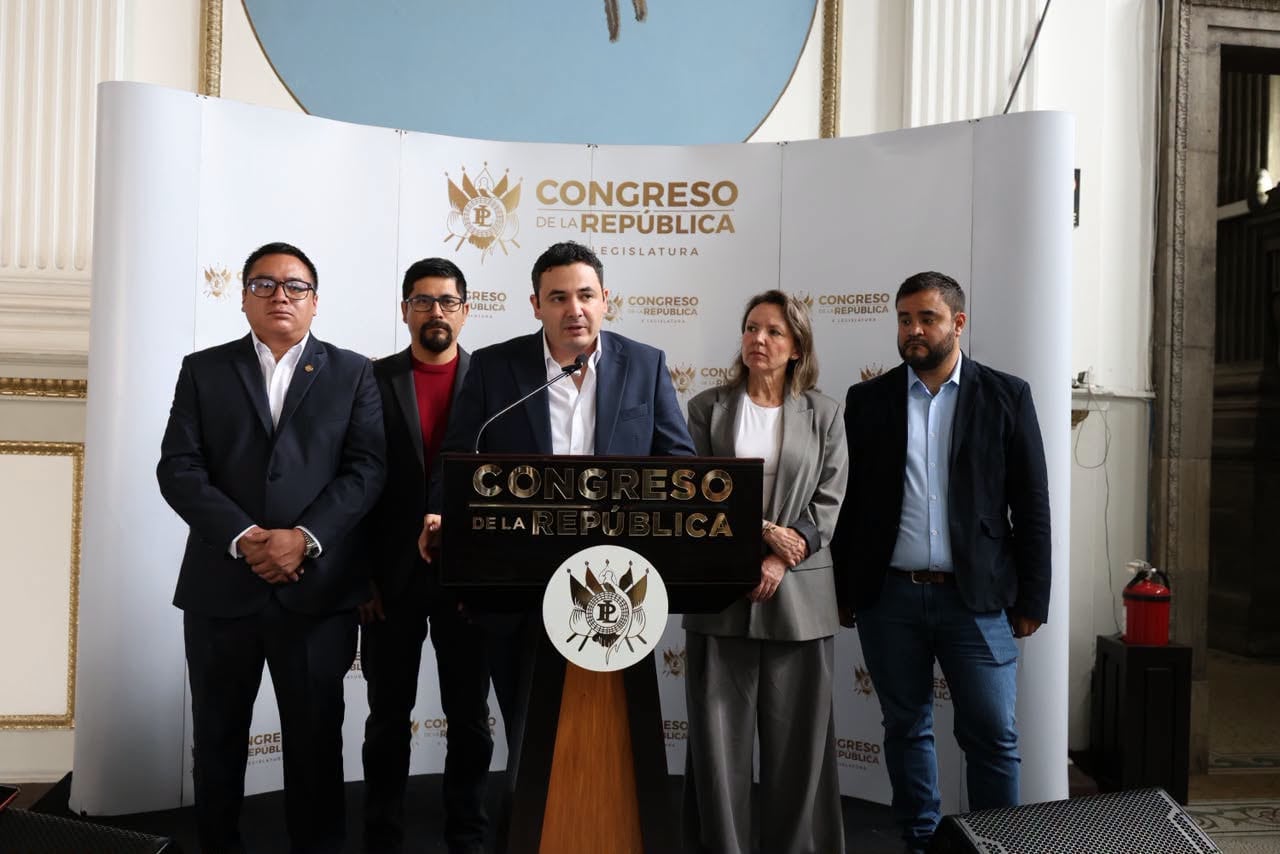
Diputados ex oficialistas presentaron en el Congreso de Guatemala una iniciativa para reconocer derechos laborales de conductores y repartidores de aplicaciones, con acceso a salario mínimo, seguro médico y seguridad social.
La propuesta busca incorporar estas tareas al Código de Trabajo y otorgar una relación laboral formal a quienes transportan personas, alimentos o documentos mediante plataformas digitales.
El proyecto ya fue entregado a la Dirección Legislativa del Congreso y deberá ser conocido por el pleno antes de pasar a una comisión para su análisis. Pérez espera que la iniciativa reúna el respaldo de la mayoría de los legisladores para avanzar hacia una eventual aprobación.
La propuesta está acompañada por los diputados Samuel Pérez, Román Castellanos, Patricia Orantes, Andrea Reyes, Ronalth Ochaeta y Orlando Pérez.
Su alcance incluye a quienes trabajan para servicios de transporte y entrega gestionados desde aplicaciones móviles.
“Esta es una ley importante para cubrir los derechos laborales como seguro médico y salarios dignos para quienes prestan estos servicios para transporte de personas, alimentos o documentos”, afirmó Pérez.
La iniciativa plantea que estos trabajadores accedan al Instituto Guatemalteco de Seguridad Social, conocido como IGSS, y a las protecciones previstas para el resto de los empleados del país.
El Código de Trabajo como marco para repartidores y conductores
La incorporación al Código de Trabajo busca extender la protección legal a quienes dependen de estas actividades como fuente principal de ingresos.
El planteamiento persigue tres objetivos: ampliar la cobertura laboral, garantizar beneficios básicos durante la prestación del servicio y actualizar la legislación ante las nuevas modalidades vinculadas al comercio y al transporte digital.
La propuesta responde a una expansión de las plataformas en un mercado laboral sin una cifra oficial consolidada sobre el número de personas que trabajan como conductores o repartidores. Aplicaciones como Uber, InDrive, Urban, Picap y Yango se convirtieron en alternativas de ingresos para cientos de guatemaltecos.
El fenómeno se desarrolla en un país donde alrededor de 5,3 millones de personas trabajaban en el sector informal en 2025, equivalentes al 66% de la población económicamente activa, de acuerdo con el Observatorio Centroamericano de Violencia Laboral. Las plataformas han ganado presencia entre jóvenes y personas con obstáculos para acceder a empleos formales, aunque suelen ofrecer flexibilidad sin prestaciones asociadas.
El reparto a domicilio muestra la dimensión de esa actividad: Uber Eats superó los cuatro millones de pedidos en Guatemala desde su lanzamiento e integró a más de 1,400 comercios a su sistema, según datos de la empresa.
La ausencia de cobertura médica, aportes previsionales y otras garantías laborales constituye uno de los problemas que la iniciativa pretende atender.
La actualización normativa busca adaptar la legislación guatemalteca a la economía digital, según detalló Publinews. El debate también se vincula con otras propuestas legislativas recientes sobre las formas de trabajo creadas por la tecnología.
Más de 60 leyes en el mundo sobre trabajo en plataformas
La discusión en Guatemala ocurre mientras distintos países ensayan fórmulas para definir el vínculo entre las plataformas y quienes prestan servicios a través de ellas. Hasta 2024 existían al menos 60 legislaciones sobre trabajo en plataformas digitales y más de 120 fallos judiciales sobre la naturaleza de esa relación laboral.
En junio, la Organización Internacional del Trabajo aprobó en Ginebra un convenio destinado a equiparar los derechos de los trabajadores de plataformas con los del resto de los empleados. El instrumento contempla salario mínimo, seguridad social y protección frente al despido, y entrará en vigor 12 meses después de que al menos dos Estados miembros lo ratifiquen.
España aprobó en 2021 la Ley Rider, que presume una relación laboral directa para los repartidores de comida a domicilio. La norma obliga a las plataformas a contratarlos formalmente y les reconoce salario mínimo, vacaciones pagadas, cotizaciones a la seguridad social y negociación colectiva.
El Reino Unido adoptó otro criterio tras un fallo de su Tribunal Supremo en 2021, que clasificó a los conductores de Uber como workers, una categoría intermedia con derechos laborales mínimos, pero sin equipararlos plenamente a empleados.
Chile promulgó en 2022 la Ley 21.431, una de las primeras regulaciones de América Latina sobre esta actividad.
El modelo chileno permite elegir entre un régimen de dependencia y otro de independencia. Quienes optan por la segunda modalidad deben acceder obligatoriamente a seguridad social en salud, pensiones y seguros contra accidentes laborales, además de contratos formales y transparencia sobre el funcionamiento de los algoritmos.
México avanza en una reforma de su Ley Federal del Trabajo para reconocer prestaciones a los colaboradores que superen un umbral mínimo de ingresos. En Colombia, la reforma laboral de 2025 estableció un esquema dual por el que las plataformas cubren el 60% de los aportes de salud y pensión de los repartidores independientes.
Congreso de la República de Guatemala,legislatura,documento oficial,política













ALEXANDRIA, Va. — On South Washington Street, 26-year-old environmental engineer Nayely Cruz Hernandez had a straightforward message for voters as she joined a phalanx of protesters lining the street for nationwide «No Kings» protests against President Donald Trump: «Vote blue.»
«We got to take the power away from Trump, from the Republicans,» Hernandez told Digital. «So we got to win the House, we got to win the Senate, not only in Virginia, but across the country.»
Standing beside her boyfriend, Noah Schwarzott, 25, their 13-year-old Maltese-poodle, Maybellene, in her arms, Hernandez acknowledged that national No Kings organizers had their own rules for the protests to be «nonpartisan,» but she wasn’t following orders.
‘NO KINGS’ FOOT SOLDIERS IGNORE ORGANIZERS’ WARNING, GO ALL IN FOR DEMOCRATS
«The No King … organizers can say whatever,» she said. «But I’m saying vote blue, because why are we here? Who’s in the House? Who’s in the Senate? Who is the President? It’s red, it’s Republicans, and it’s Trump.»
A Digital investigation documented about 300 organizations with $2.5 billion in combined annual revenues behind the «No Kings» protest network, including Democratic-aligned advocacy groups, major labor unions and nonprofits including MoveOn, the American Federation of Teachers and the ACLU.
Cruz Hernandez ended by introducing Maybellene and declaring that the dog was «telling you to vote for Don Beyer,» a Democratic member of Congress who represents Alexandria, Arlington and other Northern Virginia communities.
The national organizers’ position is that the Oct. 17 events must be «nonpartisan.» That’s to comply with the federal laws that regulate the nonprofits that fund the No Kings protests.
PARTY POOPERS’ FIGHT CARD: JANE FONDA, ‘NO KINGS,’ COMMUNISTS ROLL OUT RIVAL SPECTACLE TO TRUMP’S 250TH
Her comments directly contradicted the written instructions of the national «No Kings» organization and its leaders at the Indivisible nonprofit, prohibiting calls to «vote Blue,» elect Democrats or endorse candidates and target individuals.
Nearby, a man held a sign by a far-left group called «Refuse Fascism» with another message defying the organizers’ guidance: «TRUMP MUST GO NOW!» Another man held an inflatable balloon mocking Trump as a baby in a diaper. Another sign said «86 47,» the controversial message former FBI Director James Comey posted on social media and which federal prosecutors deemed an overt threat against Trump.
As the young couple cheered honking cars, Eunic Epstein-Ortiz, national spokesperson for No Kings, called Digital to insist «No Kings» is a «nonpartisan, peaceful movement that has brought millions of Americans together to stand up for democracy, defend our freedoms, and reject authoritarianism.»
DAVID MARCUS: AS DEMOCRATS PROTEST IN DALLAS, CONSERVATIVES ARE QUIET AND CAUTIOUS
Told that a DIgital investigation found «No Kings» events from Maine to Oregon were clearly partisan, Epstein-Ortiz said, «We are aware of partisan events circulating online that are not affiliated with or officially organized by No Kings. Many people utilize the No Kings name as a rallying cry.»
But, in this case, the protest on South Washington Street was an official «No Kings» event, advertised on the organizers’ official website.
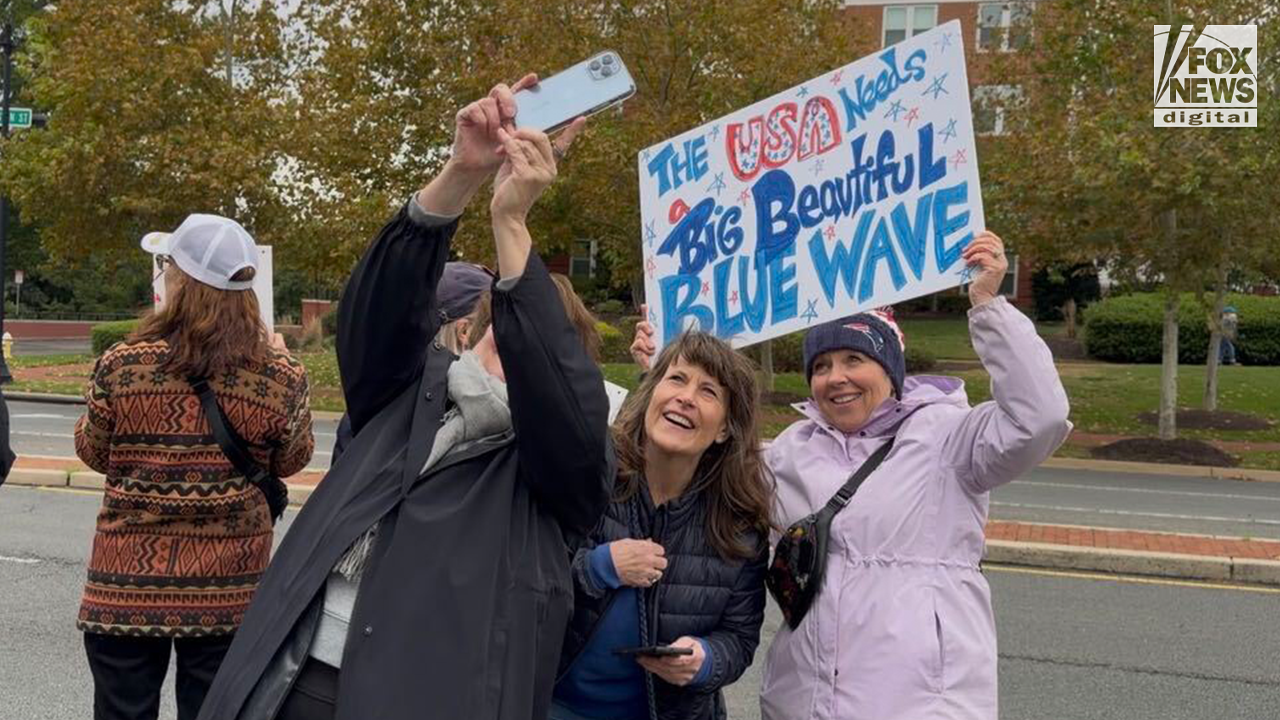
Among the demonstrators, one woman beamed while waving a sign that was explicit about the protest’s agenda: «THE USA Needs a Big Beautiful BLUE WAVE.»
But hours after the Alexandria demonstration, Digital encountered another protester marching on H Street NW by the White House who openly rejected the nonpartisan description. She marched at an official «No Kings» event.
Nadine Seiler, a self-described «professional protester» recently mentioned by Trump, was asked whether she agreed with organizers’ insistence that the demonstration was nonpartisan.
«No, no, the people who agree with Trump are not out here,» Seiler responded from behind an inflatable costume. «So it’s never gonna be non-partisan if it’s a resistance to the fascist regime.»
«They can pretend, but it’s not,» she added.
Asked directly whether the event was partisan, Seiler answered: «Yes, this is a partisan protest.»
She explained that participants were resisting what she described as illegal policies of the Trump administration.
«Yeah, so this is as partisan as you can get,» she concluded.
The exchanges offer a ground-level perspective on the political character of a movement whose organizers have gone to considerable lengths to insist its voter-mobilization activities are «nonpartisan.»
FIRST ON FOX: ‘NO KINGS’ PROTEST NETWORK BEHIND FIGHT AGAINST AI DATA CENTERS AND FLOCK CAMERAS
«No Kings» has distributed detailed election-law guidance prohibiting partisan slogans, campaign materials, candidate endorsements and coordination with political parties.
Yet the movement’s own leadership has openly discussed its broader Democratic electoral objectives.
During an Oct. 15 livestream, Indivisible co-founder Ezra Levin contrasted the parties’ candidates.
«Our candidates are quite good all around the country. Their candidates are quite trash all over the country,» Levin said.
In an Oct. 9 webinar, Levin explained how activists could criticize Trump while avoiding explicit Democratic endorsements.
«Uh, you’ve got to let people connect the dots on that one,» he said.
Indivisible co-founder Leah Greenberg, meanwhile, described No Kings as a «nonpartisan coalition» intended to welcome participants across the political spectrum.
The distinction matters legally. Individual protesters expressing partisan opinions don’t automatically establish that event organizers violated election law. Tax-exempt charities also face restrictions different from those governing political advocacy groups. In yet another sign, a protester again targeted Trump, writing, «EVERY DAY I HATE HIM MORE THAN I DID THE DAY BEFORE.» Another sign read: «NO CROWN FOR THE CLOWN.»
From northern Virginia to the White House, participants were making no effort to conceal their political preferences.
For Seiler, the description was simple: «This is as partisan as you can get.»
Digital’s Reagan Schroeder and Tessa Hoyos contributed to this report.
politics, us protests, donald trump, midterm elections
INTERNACIONAL
‘Vast majority’ of Iran’s attempted attacks on Strait of Hormuz are unsuccessful, CENTCOM spokesman says

NEWYou can now listen to Fox News articles!
The «vast majority» of Iran’s attempted attacks on shipping in the Strait of Hormuz are «unsuccessful» as the key waterway remains open for transit, U.S. Central Command spokesperson and U.S. Navy Capt. Tim Hawkins told Fox News Digital this week.
Hawkins spoke after CENTCOM said the GFS Pride, a Singapore-flagged, Cyprus-owned container ship was hit by an Iranian projectile in the Strait of Hormuz Wednesday and sunk while being towed ashore due to a fire on board the ship.
«The vast majority of Iran’s attempted attacks on innocent civilian mariners transiting an international waterway, being the Strait of Hormuz, they are unsuccessful,» Hawkins said.
«As a matter of fact, the U.S. military has assisted in providing coordinated protection for thousands of ships that have safely transited.
LIVE UPDATES: IRANIAN ARMY SPOKESPERSON SAYS STRAIT OF HORMUZ WILL REOPEN ‘IF AMERICA LEAVES THE REGION’
«That translates to about 97% of the ships that have sought to transit the Strait of Hormuz have done so successfully without being hit by an Iranian projectile.
«But let’s be clear here. What the Islamic Revolutionary Guard Corps of Iran is doing is unjustified, and it’s also unsuccessful because they are not achieving their objective of closing the Strait of Hormuz,» he added.
«It is open, it is available for transit and we’ve seen that transit continue this very day.»
An MH-60R Sea Hawk helicopter lands on the flight deck of the USS Rafael Peralta as it transits regional waters, in this photo released by U.S. Central Command Oct. 15, 2026. (CENTCOM)
In an update Friday from CENTCOM Commander Adm. Brad Cooper, he said, «In recent days and months, we have seen the IRGC continually attack merchant ships transiting the Strait of Hormuz, and, in many cases, kill innocent civilian mariners.
«The International Maritime Organization reports that more than 20 civilian mariners have been killed by Iran’s attacks against commercial shipping since February,» Cooper continued.
«Over the last seven days alone, about 400 merchant ships have sailed through the Strait. U.S. forces have also assisted Gulf partners in shipping over 100 million barrels of crude oil during the same period, adding to the more than 1.3 billion barrels of crude we have helped regional allies ship through the Strait in recent months.»
Hawkins also told Fox News Digital he thinks «every American should be proud of American service members who are serving in the Middle East, in particular focusing on doing two things at once as it relates to Iran.
VIDEO: ISRAEL’S AMBASSADOR TO THE UN ISSUES STARK WARNING TO IRAN, HEZBOLLAH DURING ELECTION PERIOD

Vessels in the Strait of Hormuz near Musandam, Oman, Oct. 2, 2026. (Reuters)
«And one is helping maintain flow through the Strait of Hormuz in the form of commercial vessels despite Iran’s unjustified aggression,» Hawkins said, noting that thousands of ships have crossed through the waterway over the last few months, «in addition to more than 1 billion barrels of crude oil.
«At the same time that they are encouraging traffic flow in support of international shipping, they are maintaining a steel wall blockade against Iran. There have been no exports or imports to Iran without U.S. permission in the form of allowing humanitarian ships to go through,» Hawkins continued.
«So, that shows the precision, dedication and professionalism of our troops who are executing this complex mission — not just one — but two at the same time.»
More than 50,000 U.S. service members are stationed across the Middle East, according to Hawkins.

A U.S. Air Force F-15E Strike Eagle is refueled by a KC-135 Stratotanker while patrolling the skies over the Middle East, according to CENTCOM, in this image released on Oct. 2, 2026. (CENTCOM)
«They are highly vigilant, they are highly dedicated and they’re serving with courage and bravery. And they’re doing so alongside our regional allies and partners. It shouldn’t be forgotten that we continue to stand shoulder to shoulder with our Gulf allies and partners to help them defend their airspace from unjustified and unwarranted attacks from Iran, and we have been highly successful in working together. And will continue to do that,» he said.
Fox News’ Liz Friden contributed to this report.
war with iran, military, iran, us navy, middle east, world
INTERNACIONAL
Honduras supera los 1,500 muertos en accidentes viales en 2026 y aumentan las víctimas frente a 2025

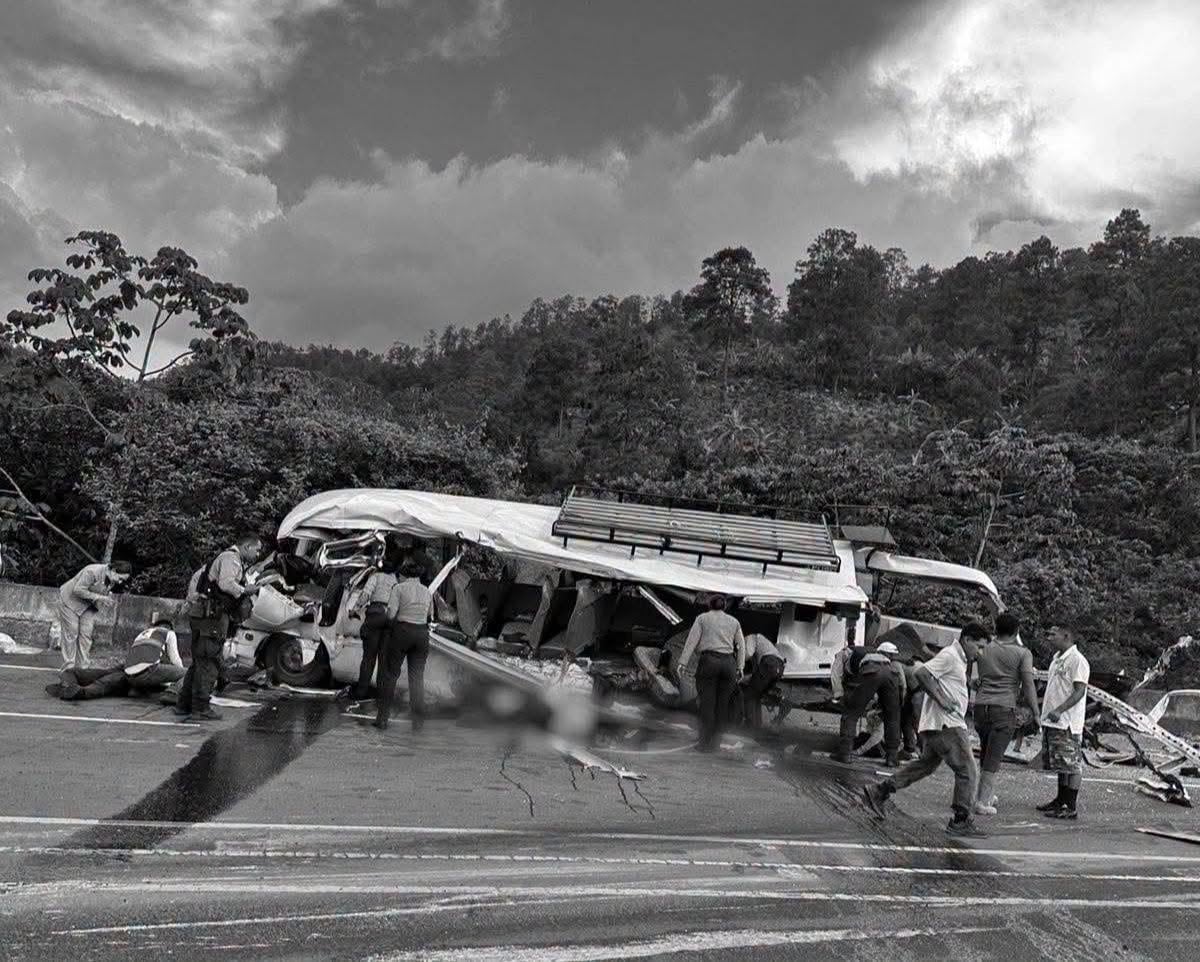
La mortalidad vial en Honduras mantiene en alerta a las autoridades, que contabilizan 1.599 fallecidos en accidentes de tránsito en lo que va de 2026, una cifra que supera en 19 muertes la registrada durante el mismo período de 2025.
El balance refleja los riesgos que persisten en las carreteras del país y la necesidad de reforzar las medidas de prevención.
Los datos fueron proporcionados por el subcomisario Darwin Hernández, jefe del Sistema de Investigación de Accidentes de Tránsito, quien detalló que durante el año se han registrado 15.730 eventos viales en territorio hondureño.
El oficial atribuyó parte de esta situación a la imprudencia y la irresponsabilidad de los conductores, al señalar que algunas personas no adaptan su comportamiento a las condiciones de circulación ni toman las precauciones necesarias para evitar colisiones.
La comparación con 2025 evidencia un aumento de 19 fallecimientos en el período analizado, una variación que mantiene la preocupación de la Dirección Nacional de Vialidad y Transporte (DNVT) por las consecuencias de los accidentes en las carreteras.

Uno de los factores que preocupa a las autoridades es la conducción bajo los efectos del alcohol, una conducta que incrementa los riesgos para quienes viajan en vehículos y para otros usuarios de la vía pública.
Hernández informó que, en el marco de los operativos desarrollados durante 2026, las autoridades han sancionado a más de 300.000 personas por distintas infracciones de tránsito.
De ese total, 17.740 conductores recibieron sanciones por manejar bajo los efectos de bebidas alcohólicas, según las cifras proporcionadas por el funcionario.
El consumo de alcohol puede afectar los reflejos, la capacidad de reacción y la toma de decisiones al volante, condiciones que aumentan la posibilidad de sufrir o provocar un accidente. Por esa razón, la DNVT mantiene controles para identificar y sancionar a quienes conducen en estado de ebriedad.
El subcomisario lamentó que, pese a las medidas implementadas, continúen registrándose comportamientos que ponen en peligro la vida de conductores, pasajeros, peatones y motociclistas.
Las autoridades desarrollan jornadas de capacitación vial en centros educativos, con el propósito de fomentar una cultura de prevención entre niños y jóvenes que en el futuro podrían incorporarse a la circulación como conductores.
Estas actividades buscan promover el respeto a las señales de tránsito, el cumplimiento de los límites de velocidad y la adopción de conductas responsables al conducir.
Hernández explicó que las acciones operativas y educativas pretenden reducir la cantidad de accidentes y sus consecuencias. Sin embargo, reconoció que los resultados también dependen de que los ciudadanos modifiquen sus hábitos y asuman la responsabilidad que implica conducir un vehículo.

La combinación de controles policiales, sanciones y educación vial forma parte de las estrategias con las que las autoridades intentan contener la siniestralidad en las carreteras hondureñas.
En medio de las cifras de fallecidos, también ha surgido una propuesta legislativa para endurecer las sanciones contra quienes provoquen accidentes de tránsito.
La iniciativa fue presentada por el diputado liberal Alex Berríos y plantea revisar las consecuencias legales que enfrentan los conductores responsables de hechos viales.
Consultado sobre el anteproyecto, Hernández expresó su respaldo a la propuesta y consideró necesario revisar algunos artículos de la Ley de Tránsito, vigente desde 2005, así como disposiciones del Código Penal.

Según el funcionario, los cambios podrían contribuir a fortalecer la aplicación de la normativa y establecer mayores responsabilidades para quienes incumplan las reglas de circulación y provoquen situaciones de riesgo.
El oficial puso especial atención en los accidentes que involucran vehículos de transporte pesado, debido a que las dimensiones y características de estas unidades pueden agravar las consecuencias de una colisión y ocasionar múltiples víctimas.
corresponsal:Desde Tegucigalpa, Honduras

Crecen las tensiones en el Gobierno por la ley de Malvinas y hay diferencias sobre los cambios al Consejo de Seguridad

Una profecía inconclusa en la capital del poder

Luciana Rubinska contó la pesadilla que vivió con un acosador obsesionado con ser su pareja: «Apareció en medio del canal y me…»

Estados Unidos presiona al Gobierno de Milei para que la Ley de Malvinas no perjudique a sus empresas – Nexofin

‘No Kings’ protesters spurn organizers’ rules: ‘This is as partisan as you can get’

‘Vast majority’ of Iran’s attempted attacks on Strait of Hormuz are unsuccessful, CENTCOM spokesman says

Autos chinos en Argentina: el caso de Noruega reaviva las alertas por espionaje y riesgos para la seguridad nacional

El Índice de Incertidumbre Económica de septiembre alcanzó el nivel más alto de 2026, según la UCA

La FIFA busca justificar el indulto a Balogun tras la llamada de Trump