INTERNACIONAL
El día después del fallido atentado contra el avión de Flydubai: cuáles son los nuevos desafíos de seguridad que enfrenta Israel

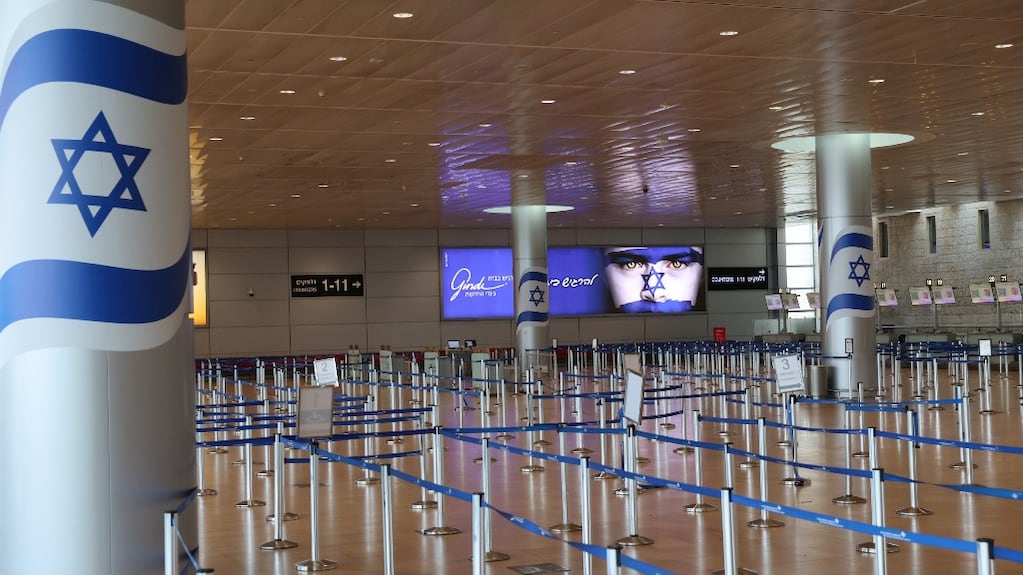
El intento de atentado terrorista contra un vuelo de Flydubai que volaba el miércoles a Israel plantea nuevos desafíos para el gobierno de Benjamin Netanyahu. Más allá de la estricta seguridad aérea civil israelí, el incidente trae a la memoria los secuestros de aviones que conmocionaron al país en los años 70, a menos de un mes de las elecciones legislativas del 27 de octubre.
El problema es claro. Israel cuenta con una seguridad extrema en sus aeropuertos, que incluyen agentes armados a bordo de sus vuelos internacionales y sistemas antimisiles en su aerolínea de bandera El Al. Pero no puede controlar del mismo modo la salida de los vuelos internacionales que llegan desde un país extranjero. Tampoco a sus pilotos.
“No es ningún secreto que los vuelos son un fin atractivo para países enemigos y grupos terroristas. Si el avión es secuestrado y obligado a aterrizar en territorio hostil, los secuestradores tienen a decenas e incluso cientos de pasajeros israelíes como moneda de cambio. Y si los secuestradores estrellan el avión, podrían estar matando a más civiles israelíes que una docena de atentados suicidas o ataques con cohetes exitosos”, advirtió el diario Times of Israel.
Israel estuvo el miércoles al borde de vivir uno de los días más trágicos desde los brutales ataques de Hamas el 7 de octubre de 2023. De hecho, el país se preparó “para una serie de escenarios catastróficos: desde un accidente en territorio israelí o en un país vecino, hasta la necesidad de derribar el avión para evitar un ´doble desastre´, o su secuestro con fines de negociación», escribió el influyente portal Ynet.
Cómo son las medidas de seguridad aeroportuarias
Los agentes israelíes saben que perpetrar un atentado terrorista en uno de sus aeropuertos o en alguno de los vuelos de sus líneas aéreas es virtualmente imposible. La seguridad es total.
Las medidas incluyen:
- Interrogatorios a los pasajeros y control de equipajes. Agentes entrenados buscan indentificar eventuales sospechosos y revisan cada objeto o valija con sistemas de última generación.
- Seguridad a bordo. Las aerolíneas israelíes cuentan con agentes armados a bordo de todos sus vuelos internacionales.
- Defensa en el aire. Sistemas antimisiles están instalados en los vuelos internacionales de El Al.
- Puertas selladas. Las cabinas de mando son a prueba de balas. Deben permanecer cerradas con llave durante todo el vuelo. Incluso, hay un sistema de doble puerta. Siempre una de ellas estará bloqueada cuando el piloto o su copiloto salgan al baño.
Pero poco puede hacer para controlar lo que pasa en un aeropuerto de otro país y mucho menos en una aerolínea foránea que traslada a pasajeros israelíes, como el caso del vuelo de Flydubai. La mirada ahora se dirige además a los pilotos de las líneas aéreas extranjeras.
“Puede ser que a partir de ahora Israel exija nuevos controles cruzados de los pilotos que vuelan a su pais. Puede ser una posibilidad o que esto implique aumentar el alerta”, dijo a TN el analista Said Chaya, director del Núcleo de Estudios de Medio Oriente (NEMO) de la Universidad Austral.
Terrorismo









INTERNACIONAL
El brote de ébola está fuera de control en la República Democrática del Congo y crece el temor a una epidemia continental
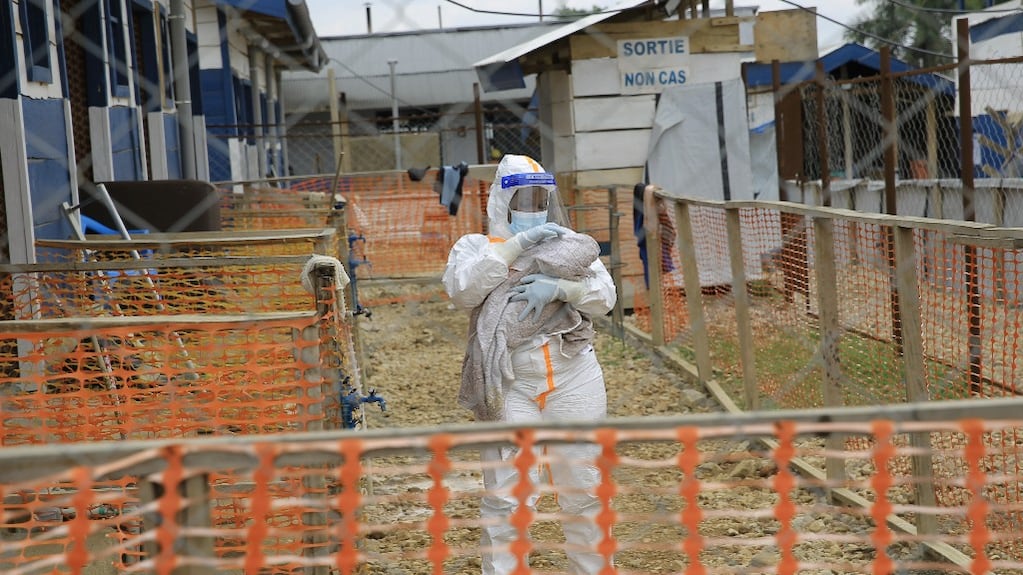
El brote de ébola declarado hace seis meses en la República Democrática del Congo está fuera de control y amenaza con extenderse “a nivel continental”, según advirtieron especialistas y organizaciones regionales.
La epidemia fue declarada el 15 de mayo pasado en la provincia congoleña de Ituri, en el nordeste del país, afectada por una emergencia sanitaria, violencia y un masivo desplazamiento de la población.
“Es una región con inseguridad, crisis humanitaria, personas viviendo en campamentos sin ningún apoyo básico, un enorme movimiento de población y que además es una zona minera. Esto, sumado a la desconfianza de la comunidad, puede derivar en un gran brote a nivel continental”, alertó el director general de los Centros para el Control y la Prevención de Enfermedades de África (CDC), Jean Kaseya.
El último reporte oficial del Instituto Nacional de Salud Pública congoleño, divulgado el 13 de noviembre, fijó en 11.254 los contagios totales confirmados con 5506 muertes.
Se trata de una elevada tasa de letalidad del 48,9%. Además, 1538 personas están bajo aislamiento y otras 3054 fueron dadas de alta.
El virus también golpeó a los trabajadores sanitarios. Setenta y cuatro de ellos murieron, de los 445 que se contagiaron desde que estalló la epidemia.
Hasta ahora, el brote de ébola más letal ocurrió en África Occidental entre 2014 y 2016 con más de 11.000 muertos. Ahora, en solo seis meses, las víctimas fatales ya llegan a la mitad.
Un caldo de cultivo
Esta compleja situación epidemiológica representa un caldo de cultivo para la expansión del virus, de la cepa Bundibugyo, una de las más mortíferas.
Algunos países vecinos, como Kenia, Nigeria y Uganda, reportaron casos importados, pero lograron por ahora contener la expansión del brote. Incluso, Francia anunció en junio un contagio de un médico que regresó al país tras una misión sanitaria en la República Democtática del Congo.
Mientras tanto, los médicos luchan en primera línea con escasos recursos.
Qué está pasando hoy en la República Democrática del Congo
La organización Médicos sin Fronteras (MSF) está presente en Ituri para ayudar a combatir la epidemia. La situación es desesperante.
“El brote está fuera de control”, dijo a TN el epidemiólogo español Manuel Albela, consejero del departamento medico de la sección suiza de la organización y que estuvo en agosto tres semanas en el epicentro de la emergencia.
Según el especialista, hay dos indicadores que demuestran la gravedad de la situación. “El primero es el ratio de casos confirmados que están en la lista de contactos. El porcentaje detectado es todavia muy bajo”, dijo.
“El segundo indicador es el numero de muertes comunitarias en el total de muertes confirmadas. Son pacientes que no llegan a los centros de tratamiento y mueren en sus casas. Entonces hay mas posibilidad de contagio”, indicó.
Según el informe oficial, el 65 % de los pacientes muere en sus hogares o comunidades sin llegar a un centro sanitario especializado.
Otro de los puntos clave es la falta absoluta de cuidados en los entierros de las víctimas. “En los funerales se producen los contagios masivos. La gente toca al paciente o preparan el cuerpo. Es ahí donde se produce el mayor contagio”, advirtió.
Para Albela, el riesgo de una epidemia continental está latente.
“Este es el brote de ébola más grande en expansión geográfica. Ya toca a ocho provincias. El número de casos es más alto de lo que habíamos visto en otros años. El riesgo es la falta de predictibilidad. No saber dónde vamos a ver los próximos casos”, indicó.
En ese escenario, los indicadores son inquietantes y el riesgo de que el brote se extienda es cada vez más probable.
Sumario
INTERNACIONAL
Hometown of accused US military plane saboteur is a known magnet for anti-Israel activism
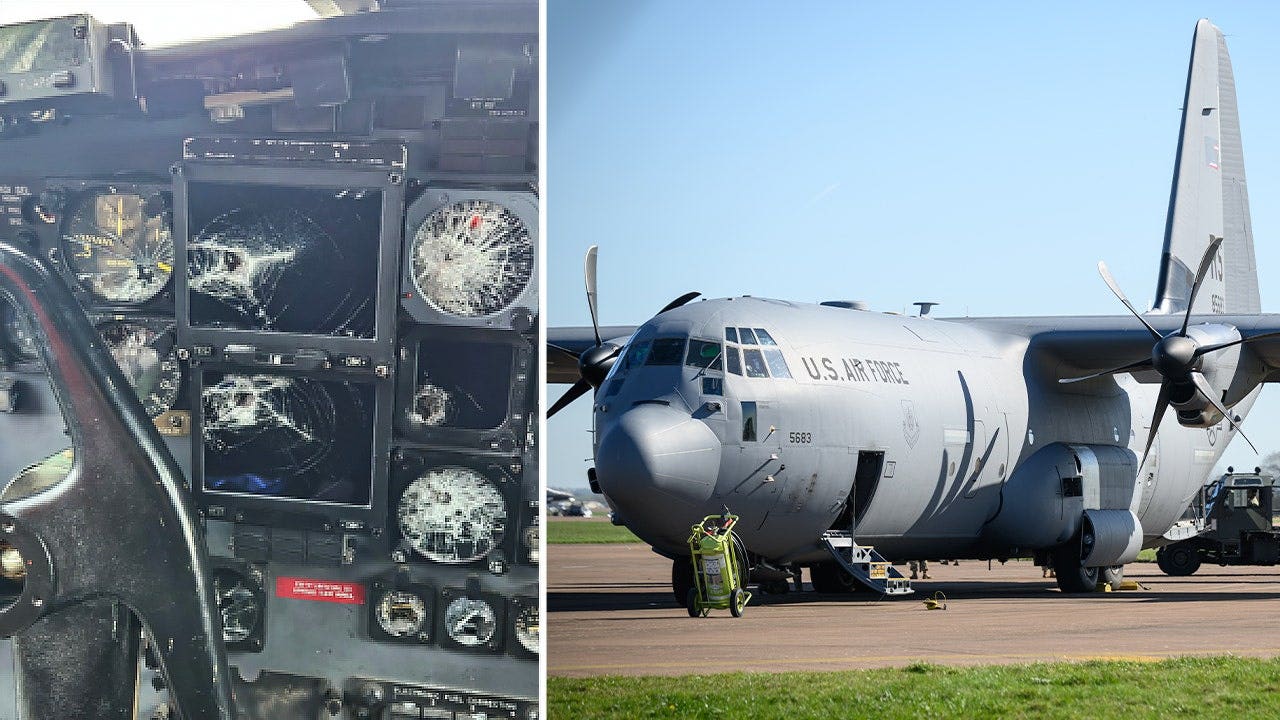
The European hometown of the man who single-handedly destroyed a U.S. military transport aircraft in an act of apparent protest, has a rich history of pro-Palestinian support.
This includes the town council for Cork, Ireland, barring Israeli Prime Minister Benjamin Netanyahu from entering its city limits, citing his «illegal occupation of Palestine and bordering countries» and the continuous pro-Palestinian protests taking place every Saturday since October 2023, organized by the Cork Palestine Solidarity Campaign (CPSC).
Cork’s opposition to Israel adds context to the possible motives for why Daithí O’Corráin, an Irish national, allegedly destroyed a U.S. military C-130 Hercules aircraft in April. The incident also draws attention to the several anti-Israel groups that have sprung up in Ireland in recent years.
IRELAND’S ELITES HAVE FOUND THEIR NEW RELIGION: HATING ISRAEL
Ireland’s anti-Israel foothold became international news in April when O’Corráin, a Cork native, barricaded himself inside a C-130, a U.S. military transport plane. Once inside, he tore out critical wiring, destroyed gauges, contaminated fuel tanks and even poured corrosive chemicals into the aircraft, according to the U.S. Department of Justice.
Although his motives remain unclear, several groups from Cork interpreted his act as a form of resistance against Israel and U.S. military interventionism.
In one such case, a Cork business owner named Tracey Ryan launched an initiative to raise €20,000 for O’Corráin’s legal defense, praising his efforts to resist «the unwanted presence of U.S. military in Ireland in the face of their illegal war & support of Israel’s genocide.»
«We, Daithí’s friends and comrades, are raising funds to support him through his court case. We would really appreciate your support & will keep you updated here on ways to support Daithí,» Ryan wrote in the description of the fundraising page.
According to her personal Facebook profile, Ryan joined a bus of pro-Palestinian activists who went to support O’Corráin at his court appearance. «Bus going to the high court to support Daithí on Thursday!!» Ryan wrote.
O’Corráin has also received support from CPSC, the Cork pro-Palestinian group.
As news of the incident spread, CPSC co-chair Anne McShane posted on her Palestinian advocacy Facebook page in support of O’Corráin, encouraging viewers to send him letters of encouragement after his incarceration.
«Daithi needs our support in order to keep up his morale. Letters are a lifeline for prisoners,» an April 17 post read.
CPSC spearheads anti-Israel demonstrations in Cork. In addition to hosting several pro-Palestinian fundraising initiatives, the group facilitates weekly Saturday demonstrations and invites speakers. At one point, CPSC’s website featured a fundraising site for O’Corráin, but the page has since been removed.
INSIDE THE PROTEST PLAYBOOK TO VILIFY ISRAEL ON ‘GLOBAL DAY OF ACTION’
In CPSC’s own words, the group is part of a larger pro-Palestinian movement.
«It’s not just the city. Towns across all of County Cork stand in solidarity with Palestinians, including Ballincollig, Bandon, Cobh, Charleville, Clonakilty, Fermoy, Kinsale, Macroom, Mallow, Mitchelstown, Skibbereen and more,» the group states on its website.
«Cork Palestine Solidarity Campaign is a branch of the Irish Palestine Solidarity Campaign (IPSC),» it added.
As part of its sister groups’ efforts «to foster links between Palestine and Irish institutions and organizations,» CPSC and IPSC have both applauded Cork’s city council efforts to promote pro-Palestininian policies.
«Well done to the Cork City Council which passed a motion … calling for the Central Bank to end the sale of Israeli bonds,» one Facebook post reads.
The groups have also held Cork up as a template for Ireland’s national policy.
«We call on the Irish government to follow the example of both Dublin and Cork city councils by officially recognizing Israeli Apartheid – and acting to end any and all links to this regime,» another statement reads.
For its own part, the Cork City Council has earned the support of IPSC and CPSC through a range of its official resolutions, making the town’s formal position to condemn any of Ireland’s ties to Israel.
In addition to banning Netanyahu from entering the city’s limits in a 41-8 vote in 2024, Cork’s council has flown the Palestinian flag over city hall on U.N. International Day of Solidarity and called on Ireland to ban trade from Israeli settlements.
Cork has even passed a «twinning» mechanism with the Palestinian city of Nablus — a largely symbolic partnership.
IRISH PM REJECTS ANTISEMITISM CONCERNS IN IRELAND AMID DRAMATIC VOTE OVER BOYCOTTING ISRAEL GAME
Fergal Dennehy, the Lord Mayor of Cork from 2025 to 2026, hosted the mayor of Nablus in February, calling the partnership «just the beginning of what we hope will be a wonderful relationship between our two great cities.»
Neither CPSC nor Cork City Council responded to Digital’s requests for comment on the city’s pro-Palestinian positions or about connections to O’Corráin.
O’Corráin is incarcerated in Ireland and faces criminal charges in the U.S. for «destruction of government property,» valued at $60 million.
politics, ireland, middle east foreign policy, benjamin netanyahu, israel, anti semitism
INTERNACIONAL
Syria’s Christian leaders warn of ‘grave’ threat to community’s future amid wave of attacks
NEWYou can now listen to Fox News articles!
The leaders of Syria’s oldest Christian denominations issued a dire warning about the intensified persecution of their communities and whether there is a future for them in the Middle Eastern nation.
Syrian President Ahmed al-Sharaa, a former U.S.-designated terrorist who commanded the al Qaeda-linked Nusra Front during the nation’s civil war, has since sought to distance himself from his extremist past as he oversees the nation’s rebuilding amid a deteriorating situation for Christians and other minorities.
Senior Christians released a joint statement that noted «a series of heinous and recurring attacks targeting the Syrian people, and Christians in particular. Time and again, we have raised our voices, and we continue to do so, as this wave of attacks has persisted without interruption. These attacks are not, and have never been, isolated incidents.»
The signers were John X, Greek Orthodox Patriarch of Antioch and All the East, Ignatius Aphrem II, Syriac Orthodox Patriarch of Antioch and All the East, and Youssef Absi, Melkite Greek Catholic Patriarch of Antioch and All the East.
SYRIA OFF US TERROR BLACKLIST AFTER NEARLY 50 YEARS AS TRUMP ADMIN CLEARS INVESTMENT HURDLE
Patriarch of the Syrian Orthodox Church of Antioch, Ignatius Aphrem II, on Sept. 18, 2026. (Bernd von Jutrczenka/picture alliance via Getty Images)
The religious leaders cited examples of recent violent attacks on members of the Christian community in the Muslim-majority country.
«What has happened, and continues to happen, in many places, including most recently in Al- Suqaylabiyah, in the form of systematic assaults and kidnappings carried out for exorbitant ransom payments, constitutes a violation of the most basic human rights, as evidenced by the video showing the brutal torture of the jeweler Maher Sankari,» they wrote.
«In view of the competent authorities’ failure to provide security and protection in response to what has occurred and continues to occur, these attacks have once again escalated in recent days, culminating in the targeting of Archbishop Youhanna Abdo Arbash of the Melkite Greek Catholic Archdiocese of Homs, Hama, Al-Nabk Yabroud, and their Dependencies. He was bound, blindfolded, and gagged while his office was ransacked. «
The leaders warned about a «grave question regarding the future of Christians in this country.»
TURKEY DEPORTS PEACEFUL CHRISTIANS UNDER GUISE OF ‘NATIONAL SECURITY’ CLAIMS WATCHDOG
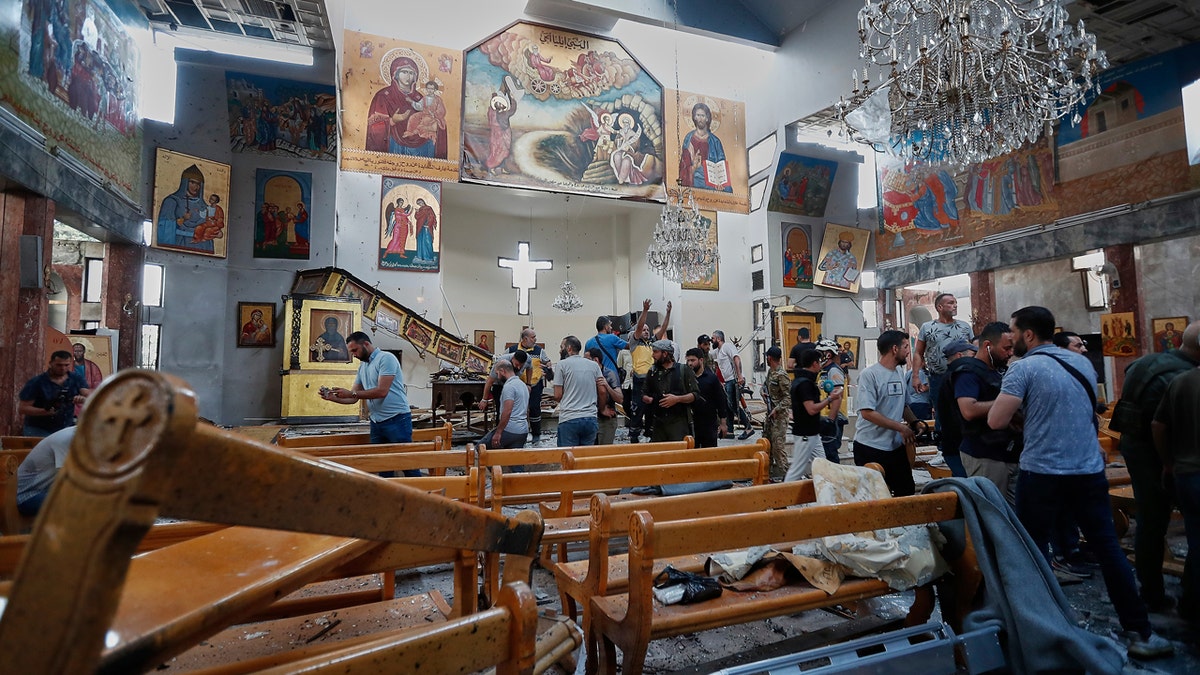
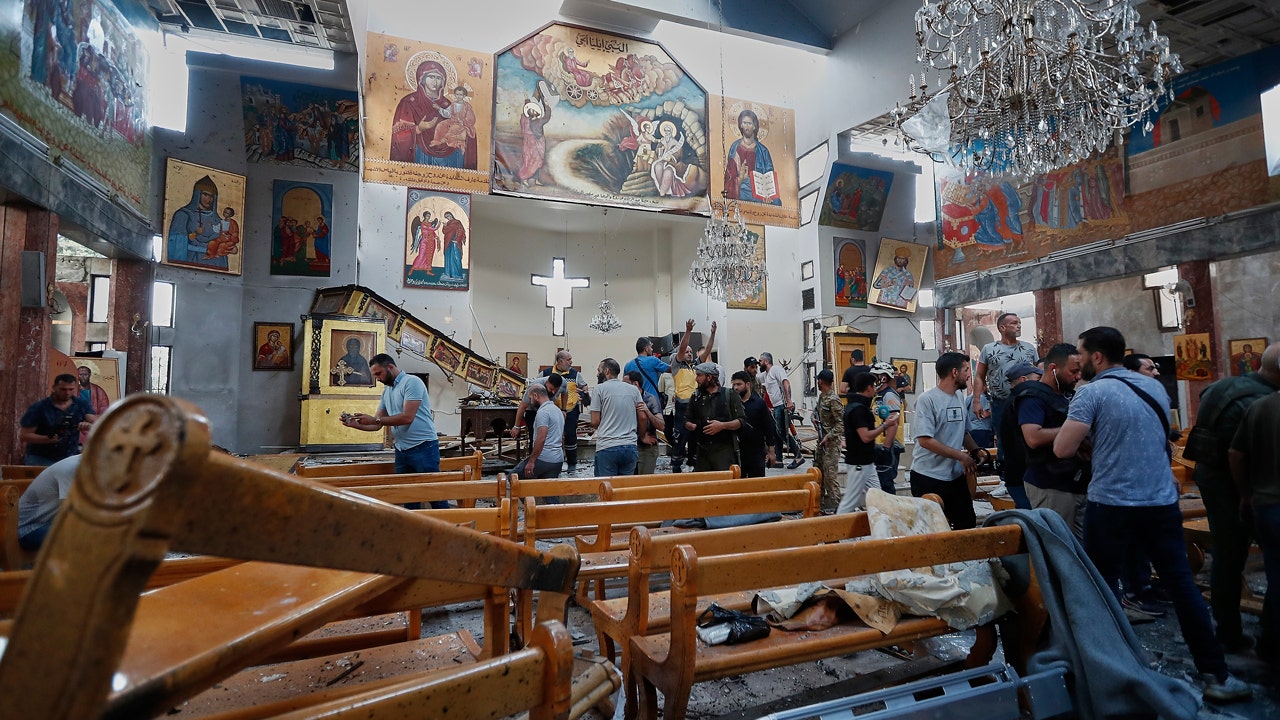
Syrian citizens and security forces inspect the damage inside Mar Elias church, where a suicide bomber detonated himself in Dweil’a in the outskirts of Damascus, Syria, June 22, 2025. (AP Photo/Omar Sanadiki)
A State Department spokesperson told Fox News Digital, «We are concerned by reports of attacks, kidnappings and violence against Christians in Syria and regularly raise these concerns with the Syrian government. We continue to stress the importance of protecting the unalienable rights of all Syrians, regardless of ethnicity or religion.»
Alberto Fernandez, former U.S. ambassador and Mideast analyst, who closely follows the persecution of Christians in the region, told Fox News Digital, «The government in Damascus is an Islamist-controlled one but has tried generally to treat Christians fairly — more so than the treatment of Alawites and Druze. So some Christian property has been returned and some Christian representation has been secured. The regime is still deeply ideological, and includes figures that are more extreme than the norm. «
He added, «Christian existence is seen more as a concession than a question of fundamental rights. But the biggest danger for Christians has been the government’s inability to secure law and order in the country, especially in some areas like Homs, and the difficulty in improving the country’s disastrous economic situation. So deep economic crisis and crime/chaos have driven Christian flight more than actual persecution by the state. «
Fox News Digital reported last year about radical Islamists who targeted Syrian Christians and reportedly murdered Khaled Mazhar, pastor of the Good Shepherd Evangelical Church in Sweida, along with 11 family members. An additional person survived the massacre of Christians because the Islamists thought she was dead.
CHRISTIAN-JEWISH ORGANIZATION DELIVERS EMERGENCY AID TO PERCECUTED SYRIAN MINORITIES UNDER THREAT
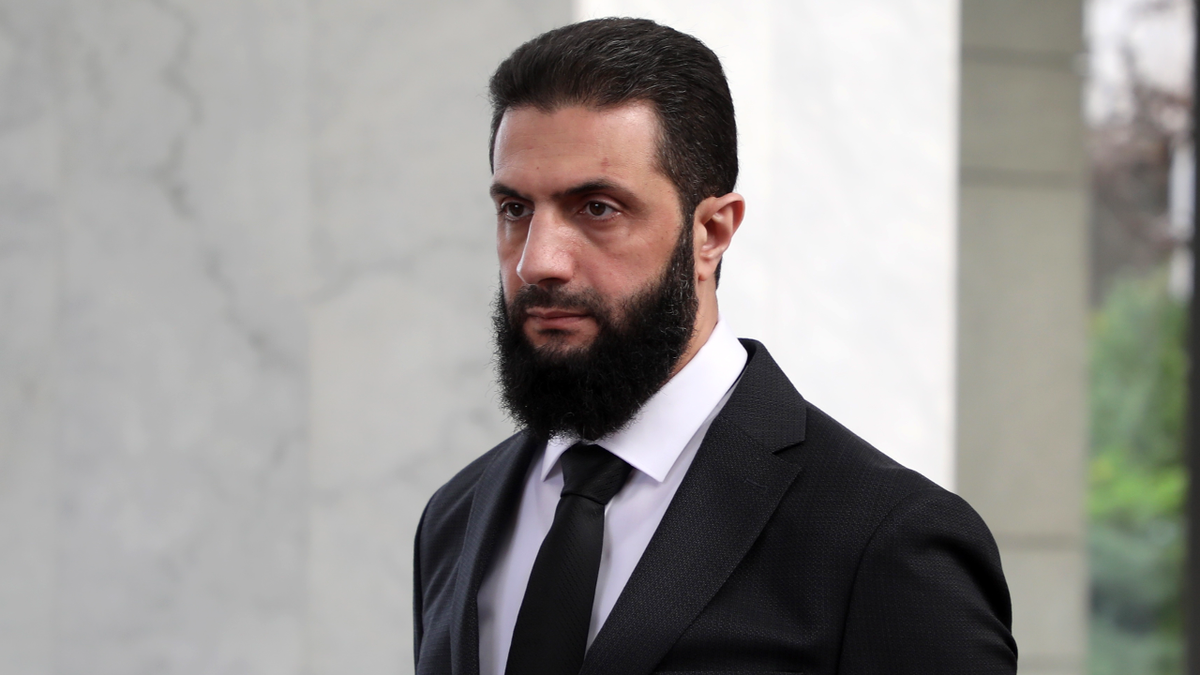
Syrian President Ahmed al-Sharaa on Dec. 30, 2024, in Damascus. (Ali Haj Suleiman/Getty Images)
Syrian government actions
While the Syrian government did not respond to Fox News Digital requests for comment, there have been some positive pronouncements over the last year, according to reports. After the bombing of the Mar Elias Church in Damascus last year, when the Islamic State murdered 25 people, President al-Sharaa pledged to tackle security threats against Christians.
In 2025, his government said it prevented a planned attack on a church in Tartus. Syria’s Interior Ministry said two men had been arrested «en route to carry out a terrorist operation.»
Syria appointed Hind Kabawat, a lawyer, as minister of social affairs and labor. She is the only Christian and woman in the president’s cabinet.
A British government report from earlier this year seemed to downplay threats to the Christian community. It noted, in part, «Since coming to power in Dec. 2024, the new government has engaged with Christian and Shia community leaders and has provided security for religious sites and festivals. While there are reports of attacks, harassment and discrimination by both state and non-state actors, the frequency and severity of these incidents do not suggest that there is a generalized risk to Christians and Shia Muslims.»
After the bombing of the Mar Elias Church in Damascus last year, President al-Sharaa pledged to tackle security threats against Christians. (AP Photo/Omar Sanadiki)
Yet the Rev. Dr. Petra Heltd, a Christian scholar, told Fox News Digital, «The Joint Statement issued regarding the escalating wave of violence, extortion, and targeted attacks against the Christian communities in Syria is a heartfelt cry for help. «
She said, «While standing in solidarity with the suffering brothers and sisters in Syria, we call upon international governments, diplomatic missions and multilateral bodies to take concrete steps to support and protect Christians in Syria and to speak out against those acts against the ancient, living Christian presence in the region — a community that has already dwindled from only roughly one million before 2011 to fewer than 300,000 today.»
STATE DEPARTMENT PRESSES EGYPT TO RESPECT RELIGIOUS FREEDOM AS CHRISTIAN CONVERT FACES POSSIBLE EXECUTION
Hayvi Bouzo, who was born in Syria and is the co-founder and executive director of Middle East 24, told Fox News Digital, «Kidnappings for ransom, an assault on a bishop, and repeated attacks on Christians are not isolated incidents. They are a pattern, and they show that extremist Islamist elements still operate with impunity in parts of Syria. That is not the new Syria that can be stable. Given America’s involvement in Syria, Washington has both the leverage and the responsibility to make the protection of minorities a clear, stated pillar of U.S. policy, and to ensure these abuses do not go unpunished.»

A clock tower and bell tower are pictured at the Greek Orthodox Convent of Our Lady of Saydnaya in southeastern Syria on Aug. 30, 2026. (Louai Beshara/AFP via Getty Images)
Israel’s special envoy to the Christian world, George Deek, told Fox News Digital, «The latest warning from Syria’s church leaders clearly shows that a regime that emerged from jihadist movements and continues to rely on fighters from that background offers little reassurance to Christians or other minorities. We have already seen the consequences for the Druze and Alawites. This is a recurring pattern that should alarm everyone.»
He added, «The international community must stop mistaking promises of moderation for actual moderation. Any engagement with Damascus must be conditioned on concrete protection for minorities, accountability for perpetrators and genuine religious freedom. The future of Syria’s ancient Christian communities cannot depend on the goodwill of former jihadists.»
christianity religion, syria, persecutions, orthodox, religion

El brote de ébola está fuera de control en la República Democrática del Congo y crece el temor a una epidemia continental

Cuadernos de las Coimas: un testigo que auditó la obra pública en Santa Cruz dejó una frase confusa y se desdijo en pleno juicio

Supermercado: qué provincias registraron los mayores aumentos de precios en el último año

Investigan vínculos de Luis D’Elía con la Guardia Revolucionaria: Stornelli pidió su indagatoria – Nexofin

Ponzio prepara el equipo de River Plate para enfrentar a Lanús: las dudas y los cambios

Cómo es Perfume, el documental que rescata los tesoros de María Gabriela Epumer: “Una mujer humana, potente, hermosa”

La inflación de octubre: el dato que sorprendió a casi todos y la distancia que persiste con los parámetros internacionales

Milei dijo que el riesgo país sube por el miedo a "Orcolandia" y afirmó: "Los argentinos no van a votar hacia el pasado"

Se agudiza la suba de tasas y se complica la economía mundial

Encontraron muerto a un trabajador en el Observatorio de La Plata

 POLITICA3 días ago
Milei dijo que el riesgo país sube por el miedo a "Orcolandia" y afirmó: "Los argentinos no van a votar hacia el pasado"
- SOCIEDAD3 días ago
Encontraron muerto a un trabajador en el Observatorio de La Plata
- CHIMENTOS3 días ago
¡Bomba! Sofía Jujuy Jiménez confirmó su primer embarazo a los 35 años: tras pasar una escandalosa infidelidad, conoció a su nuevo novio y será mamá