INTERNACIONAL
Honduras: Ley de Justicia Energética entra en vigor y activa cambios para usuarios, municipios y la ENEE

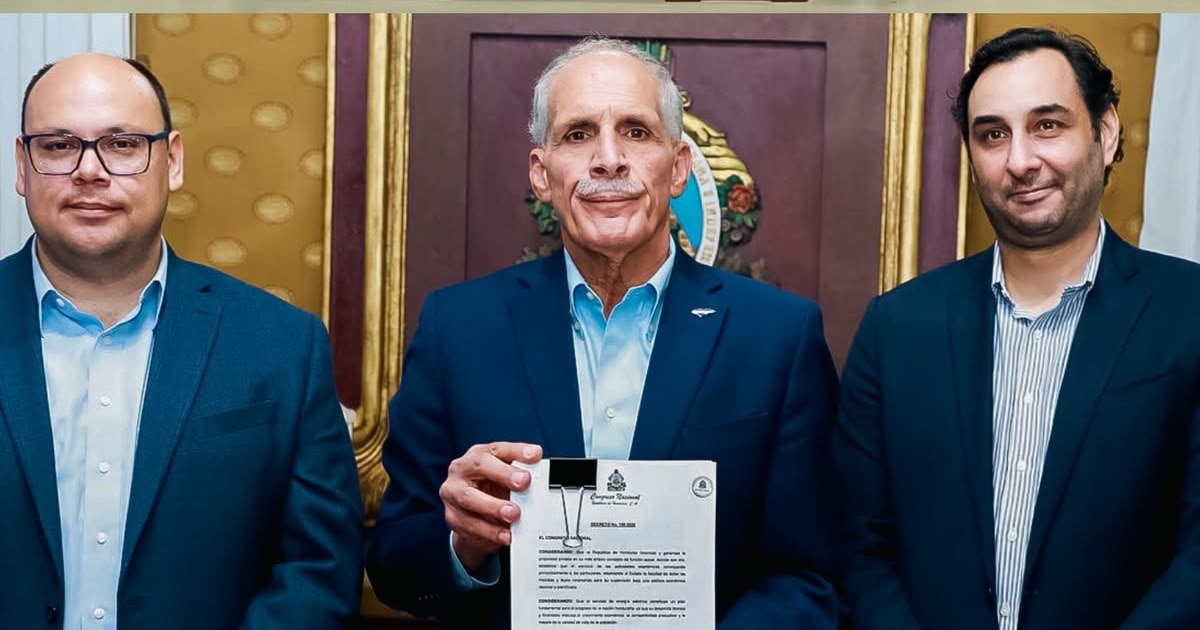
La entrada en vigor de la Ley de Justicia Energética marca el inicio de una nueva etapa para el subsector eléctrico hondureño. La normativa fue publicada en el Diario Oficial La Gaceta No. 37,258, correspondiente al 29 de septiembre de 2026, y desde ese momento comenzaron a correr varias de las disposiciones contempladas para usuarios, municipalidades, instituciones públicas y la Empresa Nacional de Energía Eléctrica (ENEE).
Uno de los primeros efectos de la ley es el congelamiento de la tarifa eléctrica durante seis meses. El artículo 1 establece que el precio aplicado por la ENEE en el último recibo de cada usuario no podrá incrementarse durante ese período. El Congreso Nacional podrá prorrogar la medida por otros seis meses.
Otro de los beneficios dirigidos a los hogares es la condonación de deudas para usuarios residenciales de bajo consumo.
La normativa establece que quienes registren un consumo promedio de hasta 250 kilovatios hora (kWh) podrán solicitar la condonación de las obligaciones acumuladas hasta la entrada en vigor de la ley, incluidos recargos, intereses y multas.
Para acceder al beneficio, el usuario deberá realizar la solicitud ante la ENEE, acreditar la titularidad del servicio y permitir la inspección del medidor. Cuando no exista medidor, la empresa estatal deberá instalarlo.
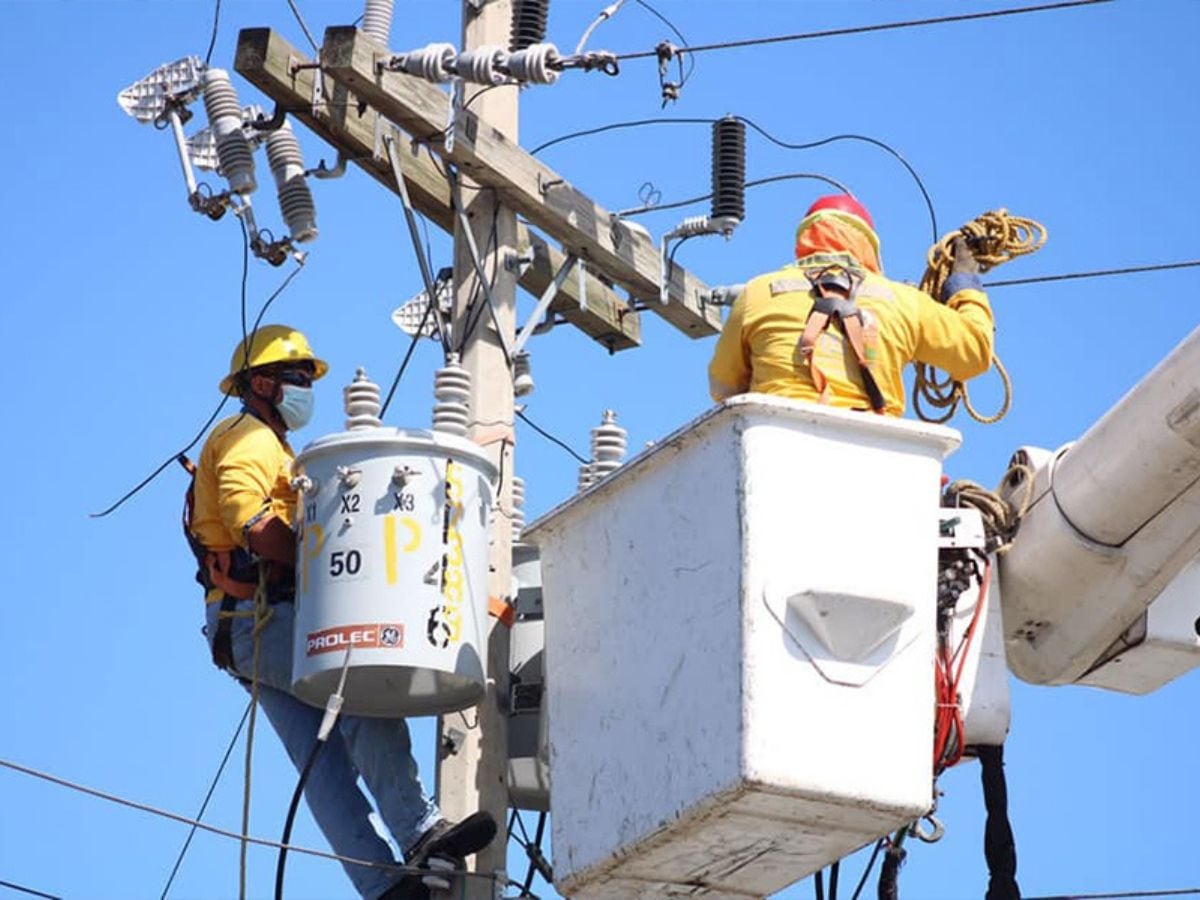
La normativa contempla igualmente la condonación de las deudas municipales acumuladas con la ENEE hasta la fecha de entrada en vigor de la ley, independientemente de que estas se encuentren vencidas, en proceso de cobro o bajo un convenio de pago.
A partir del mes siguiente, el consumo de electricidad de las corporaciones municipales deberá pagarse mediante débito automático de las transferencias realizadas por la Secretaría de Finanzas (SEFIN).
Para implementar este mecanismo, SEFIN, la Secretaría de Gobernación, la ENEE y la Asociación de Municipios de Honduras (AMHON) deberán realizar las adecuaciones correspondientes. Las municipalidades de categorías A y B también podrán conciliar saldos mediante inversiones, de acuerdo con las disposiciones establecidas.
La ley establece además una amnistía de tres meses para usuarios que mantengan conexiones clandestinas, reconexiones no autorizadas o medidores alterados.
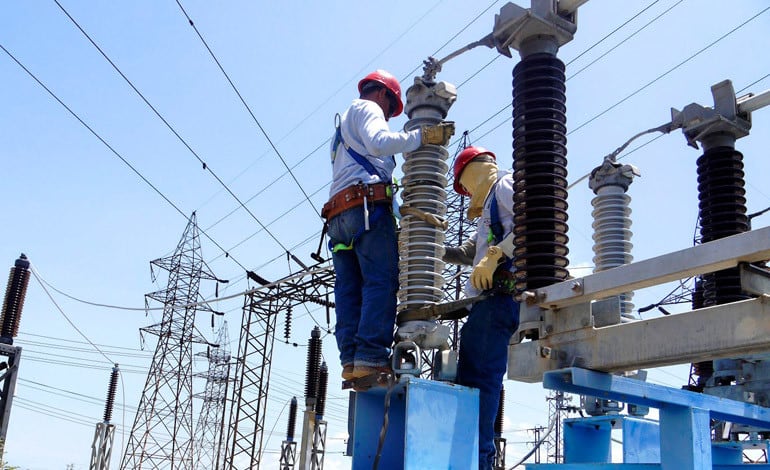
Durante ese período, quienes regularicen voluntariamente su situación podrán hacerlo sin responsabilidad penal, bajo el carácter único y excepcional establecido por la normativa. El objetivo es permitir la incorporación de estos usuarios al sistema formal antes de que concluya el plazo.
La legislación también incorpora incentivos para la generación residencial de energía solar. Las familias podrán adquirir e instalar sistemas para sus viviendas, incluidos paneles, inversores y baterías, sin pagar ISV, aranceles ni otros impuestos aplicables. Los requisitos y límites del beneficio deberán establecerse posteriormente mediante el reglamento correspondiente.
La entrada en vigor también activa el cronograma para la transformación del sistema eléctrico. El Ejecutivo, mediante la Secretaría de la Presidencia, tendrá 45 días hábiles para emitir el reglamento del Comité de Conducción de la Reforma y de la Unidad Técnica de Implementación.

En un período de 120 días deberán avanzar tareas como la elaboración de los estatutos de las nuevas subsidiarias de Generación, Transmisión y Distribución, el reglamento de la Junta Nominadora de la Comisión Reguladora de Energía Eléctrica (CREE) y el informe de la ENEE y SEFIN al Congreso sobre la deuda histórica y su plan de pago.
La normativa establece además una hoja de ruta bajo responsabilidad de la Unidad Técnica adscrita a la Presidencia, que deberá monitorear hitos, responsables y riesgos de la reforma y presentar informes trimestrales públicos.
Uno de los cambios centrales es la orden de transformar y escindir la ENEE en sociedades mercantiles, aunque estas mantendrán su carácter público.
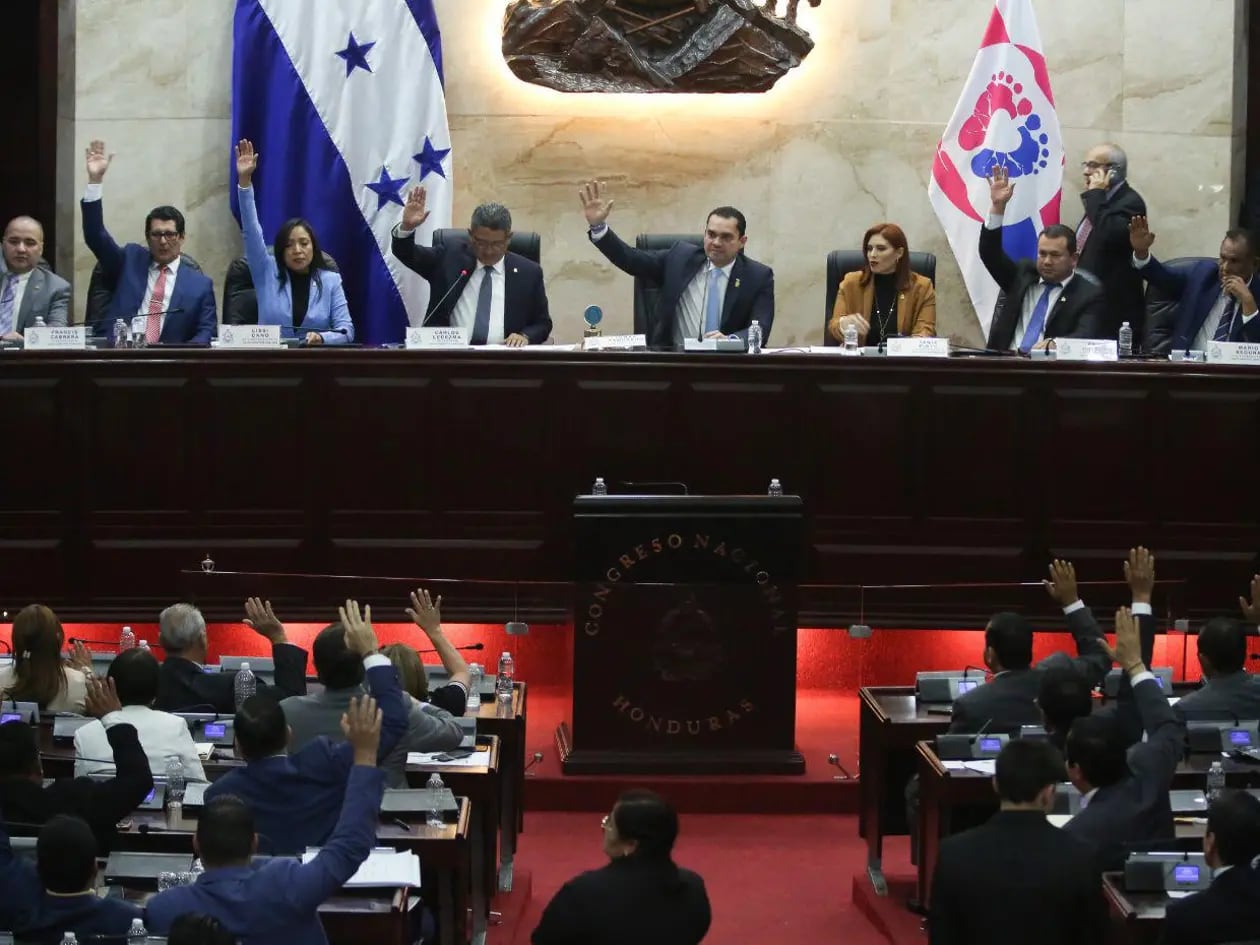
Mientras se completa ese proceso, la estatal podrá continuar realizando licitaciones públicas abiertas para evitar que la reorganización institucional afecte las contrataciones necesarias para el funcionamiento del sector energético.
Con la publicación de la Ley de Justicia Energética, el desafío pasa ahora de la aprobación legislativa a su ejecución. Las disposiciones establecen beneficios, obligaciones, plazos y responsables cuya aplicación deberá traducirse en medidas concretas para los usuarios y en cambios verificables dentro del sistema eléctrico nacional.


NEWYou can now listen to Fox News articles!
Violent student unrest intensified across France on Friday as riot police clashed with teenagers in several cities, roughly 400 high schools remained shuttered and authorities said some 2,000 people had been arrested since the protests began — while the government increasingly blamed the country’s hard left.
Tear gas filled streets in Strasbourg, protesters fired fireworks toward police lines in Marseille, and garbage bins were set ablaze in Rennes, while clashes also broke out in Paris, Reuters reported Friday. The latest violence marks a sharp escalation from the unrestt reported by Fox News Digital Thursday, when hundreds had been arrested as school blockades and clashes spread across the country.
Justice Minister Gérald Darmanin told RTL radio Friday that approximately 2,000 people — most of them teenagers — had been arrested since the protests erupted. He said parents whose children damage property should be required to pay reparations, according to Reuters.
«In the streets, the children are in danger,» Education Minister Édouard Geffray told BFM TV.
ISRAELI AMBASSADOR COMPARES FRANCE’S FAR-LEFT LEADER’S RHETORIC TO HITLER AS ANTISEMITISM SURGES
A protesting student feeds a burnt barrier during a blockading action outside the secondary school Le Corbusier, in Aubervilliers, northern Paris on October 1, 2026. Since late September, students have staged protests outside schools over grievances ranging from timetables, class sizes and a shortage of teachers to overheated classrooms during this year’s heatwaves. The protests started in the Ile-de-France region around Paris but have now spread to other cities nationwide. (Photo by LOU BENOIST / AFP via Getty Images)
Euronews reported Friday that at least 65 school staff members, including 40 principals, have been injured since the unrest began, along with roughly 170 students. More than 100 high schools have suffered what Geffray described as «severe damage.»
The protests began over complaints about overcrowded classrooms, teacher shortages, long school days and deteriorating facilities. Students have blamed years of underinvestment for conditions inside schools, as the government unveiled its draft 2027 budget Thursday. Under the proposal, education spending would rise 1.7% to 65.53 billion euros, excluding teacher pensions — an increase below the rate of inflation, according to Reuters.
But as the protests have grown more violent, the unrest has also become a major political fight.
French intelligence agencies told a government crisis meeting Thursday that the protest movement had been initiated by politicians from the hard-left France Unbowed Party, known as LFI, Reuters reported Friday.
FRENCH COURT CLEARS PATH FOR CONSERVATIVE PRESIDENTIAL CANDIDATE, BUT HOUSE ARREST THREATENS CAMPAIGN
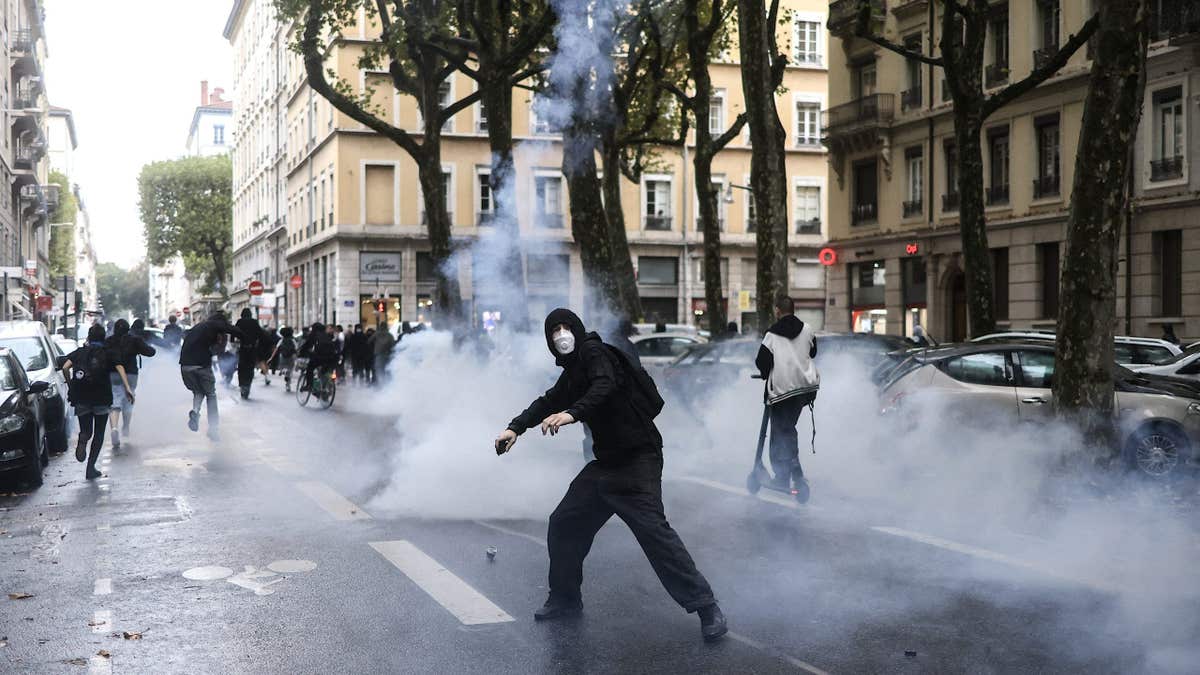
Students clash with police during ongoing student protest action, in Lyon, central eastern France, on Oct. 1, 2026. Since late September, students have staged protests outside schools over grievances ranging from timetables, class sizes and a shortage of teachers to overheated classrooms during this year’s heatwaves. The protests started in the Ile-de-France region around Paris but have now spread to other cities nationwide. (Alex Martin AFP via Getty Images)
LFI lawmakers rejected the allegation and accused President Emmanuel Macron’s government of politicizing the protests ahead of France’s 2027 presidential election.
Le Monde reported Friday that Geffray accused LFI of fueling the initial demonstrations before saying the movement had been «taken hostage by ultra-left groups.» LFI leader Jean-Luc Mélenchon has denied responsibility for the violence.
Simone Rodan-Benzaquen, senior envoy to Europe at the Foundation for Defense of Democracies, told Fox News Digital on Thursday that the unrest began with legitimate concerns but has since evolved into something far more serious.
«The students’ grievances about missing teachers and deteriorating schools were real at first,» Rodan-Benzaquen said. «But dousing a principal in gasoline and attacking firefighters are acts of extreme violence. What makes this politically significant is the effort to turn frustration over schools into a much broader confrontation with the government.»

Protesters burned trash cans and plastic containers near a campus in the Paris suburb of Pantin, where students blocked the gates outside Berthelot High School. Riot police used tear gas, while protesters threw firecrackers in return on Oct 2, 2026. (Reuters)
The protests are quickly becoming a major issue in the campaign to succeed Macron next May, with Mélenchon denouncing the government’s response as repressive. Rodan-Benzaquen said LFI has «actively supported the mobilization,» adding that «activists circulate footage of clashes, party accounts amplify it and elected officials present themselves as the students’ defenders.»
«With an election next year,» she said, «Mélenchon sees these mobilizations as a way to consolidate young voters and marginalize the moderate left. At a time of deep political, geopolitical and economic challenges, this is a very dangerous situation for France.»
Marine Le Pen also accused LFI of playing a direct role in the unrest. «This is no longer about high school student protests. It is about riots organized by professionals and overseen by deputies from La France Insoumise,» Le Pen wrote on X in a translated post. «We must pass a new anti-rioters law so that participation in a riot is a clearly identified offense.»
PSG CHAMPIONS LEAGUE VICTORY CAUSES CHAOS IN PARIS, WITH 45 ARRESTED AND FIRES SET ACROSS CITY
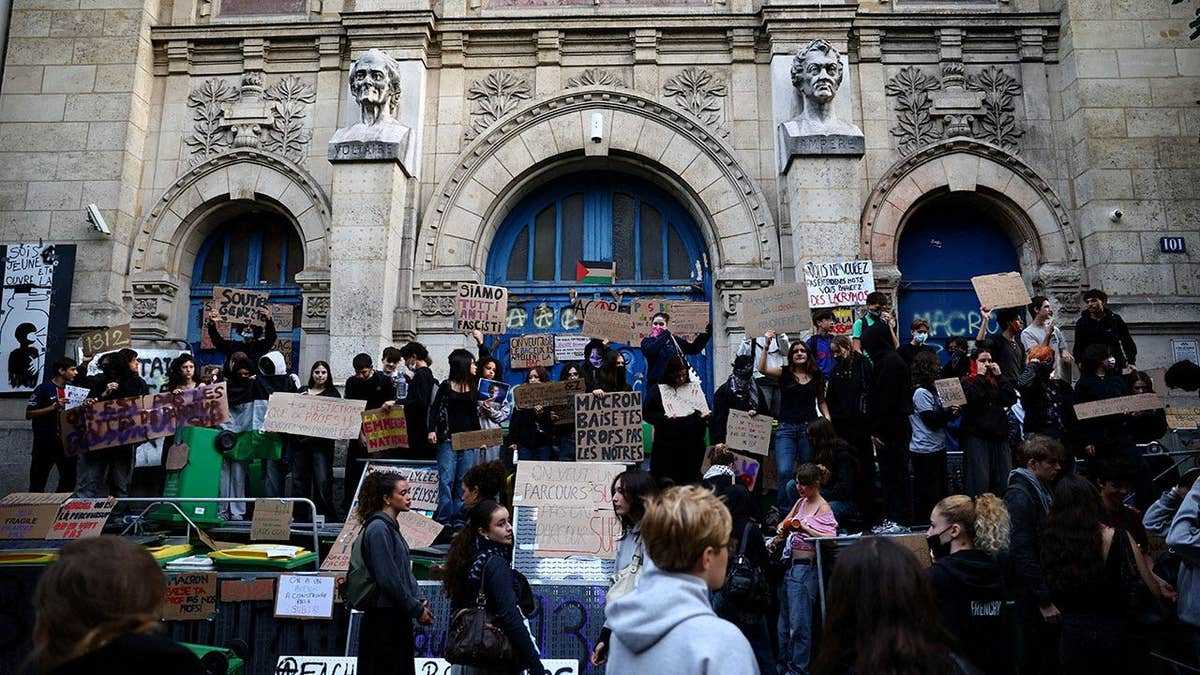
French high school students gather outside the Lycee Voltaire high school as part of nationwide protests to demand the hiring of substitute teachers, increased resources and better learning conditions, in Paris, as more than 400 schools remain closed following days of student protests that have escalated into violence in some places, France, October 2, 2026. (Sarah Meyssonnier/Reuters)
The government has now deployed specialized riot police and mobile gendarmes as authorities struggle to contain the unrest, Le Monde reported.
The government’s response is also drawing scrutiny. Students and rights groups have accused police of excessive force against minors, including the use of batons, tear gas and non-lethal weapons. Amnesty International warned against excessive force, while France’s Interior Ministry said Friday that three investigations into alleged police violence had been opened, according to Reuters.
The unrest may also be beginning to spread beyond France. Students in Liège, Belgium, began demonstrating Thursday, and high schools there were closed Friday.
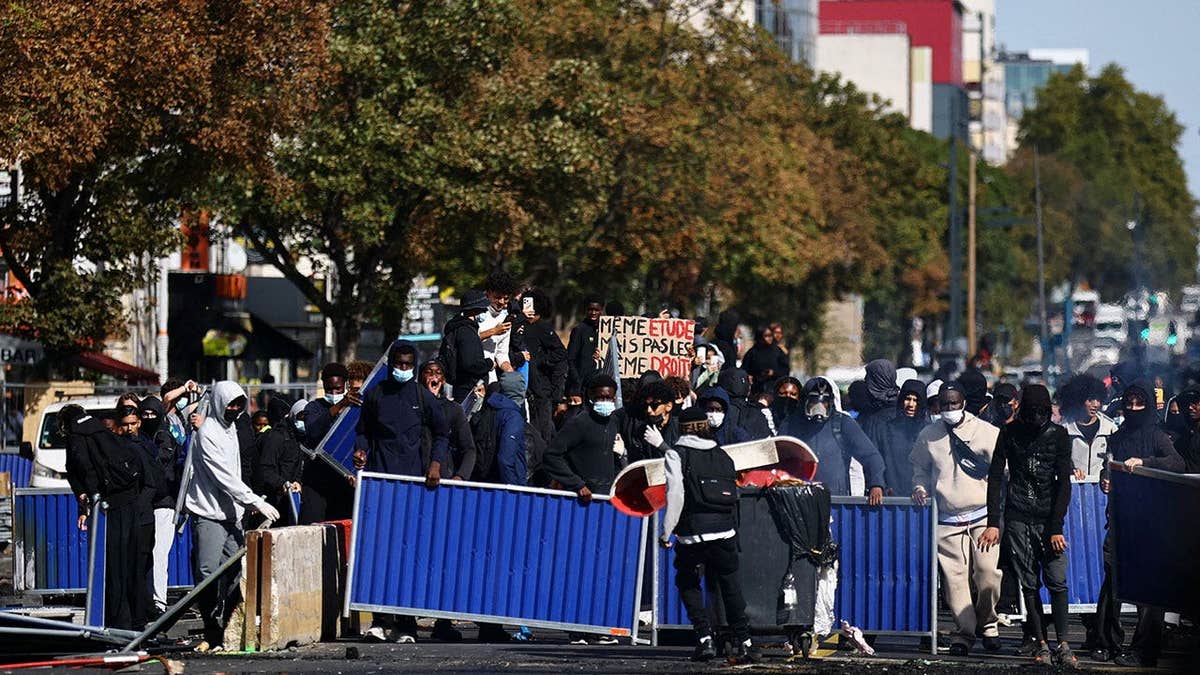
Masked protesters install a barricade amid clashes with police during a protest by high school students near the Lycee Berthelot high school in Aubervilliers near Paris as part of nationwide protests to demand the hiring of substitute teachers, increased resources and better learning conditions, as more than 400 schools remain closed following days of student protests that have escalated into violence in some places, France, October 2, 2026. The slogan on the placard reads «Same studies, but not the same rights.» (Sarah Meyssonnier/Reuters)
Fox News Digital reached out to the French government, the Education Ministry, the Interior Ministry and La France Insoumise for comment but did not receive responses in time for publication.
Tyler Speicher and Reuters contributed to this story.
world protests, france, emmanuel macron, trending news, world
INTERNACIONAL
Trump campaign insider reveals strategy behind midterm blitz that White House hopes pays off big
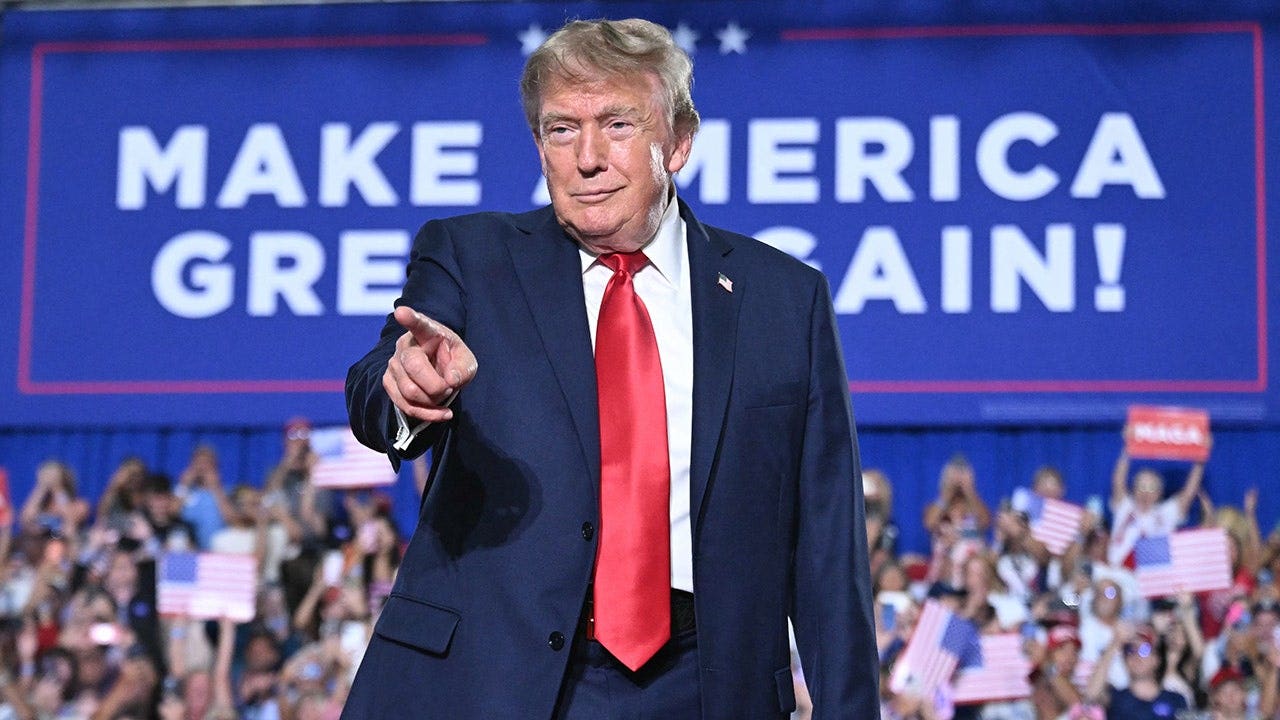
A veteran campaign strategist who worked for Donald Trump’s 2024 reelection bid told Digital that pundits are misreading the strategy behind the president’s 32-state pre-midterms rally tour, which includes stops in deep red states.
Thursday, the president spoke in Denton, Texas, a suburb of Dallas before traveling to Oklahoma, a longtime bastion of conservatism that hasn’t been carried by a Democrat in a presidential election since Lyndon B. Johnson in 1964. Trump on Friday will rally in Mobile, Alabama, another traditionally Republican-dominated state.
While political analysts speculate Trump’s blitz signals doom for the GOP in November, Luke Ball, who knows intimately the inner-workings of how the 47th president operates on the campaign trail, has a different view.
CAN THE ‘BEST SHOWMAN IN POLITICS’ DELIVER AGAIN? GOP BETS ON TRUMP AT HISTORIC MIDTERM CONVENTION
«So, for people who are maybe commenting and doing it from a perspective of ‘the president’s in trouble,’ I think that it’s kind of a lazy analysis for you to just take it at surface value that he’s in red states,» Ball said.
He added that Texas and Oklahoma go «hand in hand,» and that the appearing in both places can boost Republican midterm turnout in November across swing district or more competitive districts found in some deep red states.
Though he admits the strategy is a «risk» for Trump, he says the month-long tour isn’t a fly-by-night operation.
GOP FACES BRUTAL MIDTERM HEADWINDS AS REPUBLICANS PAINT ELECTION AS ‘COMPETITION WITH COMMUNISM’
«They keep saying — and it’s a risk politically for the president — but they keep saying that he is on the ballot and on the top of the ballot, but the reason they’re doing it is because the RNC the MAGA Incs, and the James Blair’s of the world have the data that show who’s going to turn out for the president and nobody else,» said Ball.
MAGA Inc. is a Super PAC that poured more than $375 million into electing Trump in 2024, and is now backing Republican congressional candidates nationwide. James Blair was Trump’s 2024 campaign political director, and is now the White House Deputy Chief of Staff.
BLACK CONSERVATIVE REVEALS HOW GOP CAN LOCK DOWN MINORITY VOTERS WITHOUT TRUMP ON BALLOT
«The next stop is in Mobile, Alabama, another media market that I worked in, which is going to encompass Pensacola, Florida — which always brings out the vote for the rest of the state,» Ball said. «So if you want to solidify your standing in Florida and show that you still are the kingmaker in that state that used to be purple a few years ago, and now Democrats don’t even bother spending in it, you’ve got to make sure that you lock that down.»
«So, great optics in Alabama, great optics in Oklahoma, but in addition to that, you’re getting a red area of Texas motivated to turn out and a very, very red area of Florida to turn out for those elections.»
Nationwide media coverage of the rallies is in itself part of the strategy, too.
«Other traditional candidates would strategically target and fine-tune the principal’s time in various states, but people were saying Trump wasn’t going to go out on the campaign trail at all, and now it’s the total opposite,» Ball explained. «It’s, ‘why is he doing so much? Why is he hitting all of these deep red states?’ It’s also from a perspective too, when you have these major rallies in Mobile, Alabama, or Oklahoma or deep red states across the nation, that still gets major national coverage.»
LARGEST-EVER US STEEL PLANT IS COMING TO A KEY RED STATE AS TRUMP UNVEILS $15B INVESTMENT
In Denton, Trump toured a Peterbilt truck manufacturing plant, where he met with employees of the company and made brief remarks. Stops like that are part of a broader campaign strategy, according to Ball.
«When we were on the campaign trail, I remember [former co-campaign manager] Susie Wiles saying that at every stop he goes to, she wants him at an off the record event, whether that’s going into the Bluebird Diner in Iowa or eating a hoagie in Buc-ee’s or whatever it might be, and I almost see a little bit of parallel here with the macro strategy behind the tour,» he said.
Wiles is now Trump’s closely trusted White House Chief of Staff.
«Instead of popping into a mom and pop show or store, he’s touring manufacturing or he’s going to a specific industry in one state and then holding a rally that captures the media market in another. So you’re not just showing up and leaving,» Ball continued. «You always think about what’s the additional thing you can do to draw out voters in that state.»
politics, donald trump, midterm elections, fox news media, campaigning, texas, oklahoma, alabama
INTERNACIONAL
“Desagradable, obra maestra, desconcertante, brillante”: la campaña publicitaria de ‘Digger’ juega con las valoraciones de la crítica
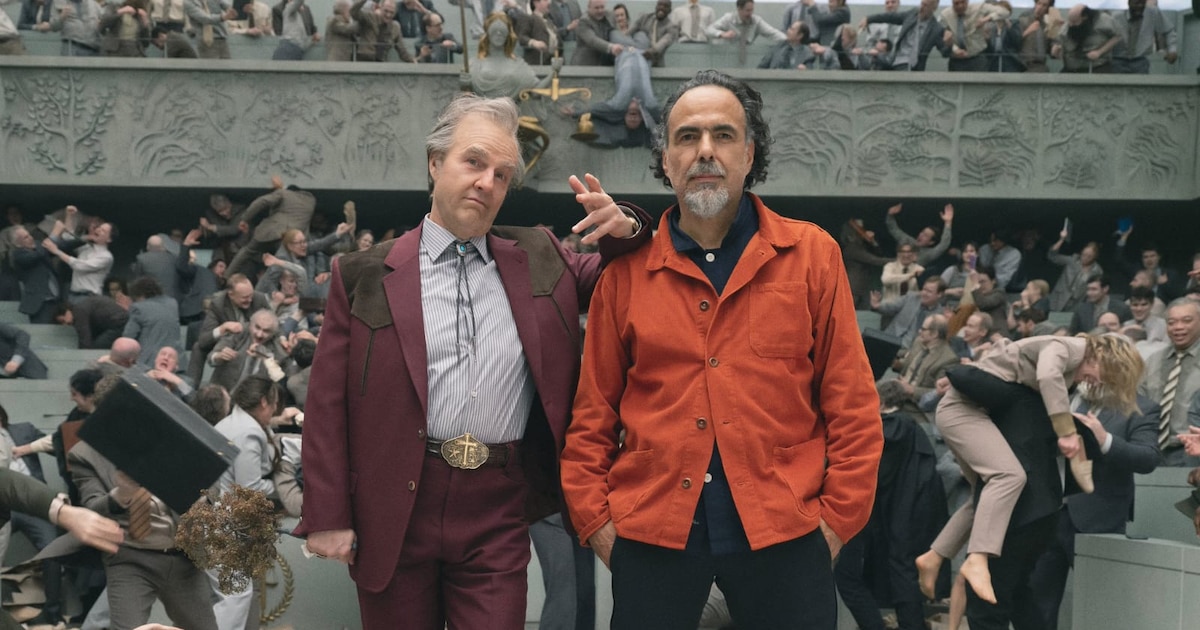
Digger, la nueva película protagonizada por Tom Cruise y dirigida por Alejandro G. Iñárritu, generó una de las divisiones más profundas de la temporada entre los críticos de cine internacionales. La cinta, que se estrenó esta semana, acumula un puntaje de 46 sobre 100 en Metacritic y ronda entre el 50% y el 53% de aprobación en Rotten Tomatoes, cifras que la convierten en la calificación más baja de la carrera de Iñárritu en ese agregador y en la primera película “podrida” de Cruise en nueve años, según consignó la web de noticias de la industria del entretenimiento ScreenRant.
En la película, Cruise interpreta a Digger Rockwell, un magnate petrolero texano cuya empresa provoca un desastre de escala planetaria tras liberar una fractura masiva de hielo en Groenlandia que amenaza con generar un tsunami devastador sobre Europa. Riz Ahmed, John Goodman, Sandra Hüller, Jesse Plemons y Sophie Wilde completan el elenco.
El filme, descrito por varios medios como una versión contemporánea de Dr. Insólito de Stanley Kubrick aplicada al colapso climático, incorpora un giro narrativo hacia la mitad de la trama que revela que los sucesos observados forman parte de una representación teatral titulada Fossil Fools, protagonizada por un actor llamado Curtis Markson. Esa decisión estructural se transformó en el eje de la controversia crítica.
The New York Times y The Guardian encabezan el rechazo
Entre las publicaciones de mayor peso internacional, el rechazo fue contundente. The New York Times calificó la cinta como “un elefante blanco tan torpe que casi provoca lástima por todos los involucrados” y cuestionó directamente las decisiones del director: “¿Y qué diablos estaba pensando el director, Alejandro G. Iñárritu?”. El medio sostuvo que, pese al trabajo físico de Cruise, el resultado es “una colección de momentos —discursos, acciones, gestos, muecas— que nunca cohesionan”.
The Guardian fue igual de severo. El crítico Peter Bradshaw definió la película como “una sátira exasperante, superficial, laboriosa y autocomplaciente”, aunque reconoció valor en algunas imágenes oníricas logradas por el director de fotografía Emmanuel Lubezki y el diseño de producción de Dennis Gassner. El periódico británico señaló además que la película “resuena con el afán voraz de Donald Trump por saquear el Ártico y cualquier otro lugar”, aunque consideró que la propuesta resulta “superficial e inflada”.
Variety e IndieWire respaldan la ambición pero cuestionan la ejecución
Variety fue uno de los medios que reflejó con mayor claridad la fractura. Clayton Davis escribió tras las primeras proyecciones: “Respeto el riesgo y lo que Alejandro González Iñárritu busca. Tom Cruise y John Goodman entregan un trabajo estelar, y el diseño de producción y la fotografía son impresionantes. Al final, no todos los puntos conectan, y desearía que la película se hubiera inclinado con más fuerza hacia el absurdo y la sátira que buscaba”. Davis anticipó que la reacción del público será “la prueba definitiva del poder de estrella de Tom Cruise”.
En IndieWire, la división se replicó dentro de la propia redacción. Jim Hemphill calificó la cinta como “una de las películas de estudio más inventivas visualmente, conceptualmente audaces e impredecibles jamás realizadas”, y sostuvo que sus riesgos estéticos hacen que Bardo, la obra previa de Iñárritu, “parezca un episodio de The Golden Girls”. Su colega David Ehrlich, en cambio, la describió como “un riff de mega presupuesto sobre Dr. Insólito tan alejado de la verdad humana que su personaje más creíble es un gato animatrónico tuerto llamado Maggie”, y remató: “ver a Alejandro González Iñárritu intentar construir un chiste es como ver a Frank Gehry intentar dibujar una línea recta”.
The Hollywood Reporter y The Wall Street Journal profundizan la crítica negativa
David Rooney, de The Hollywood Reporter, comparó la película con “fracasos colosales como Babylon de Damien Chazelle o Amsterdam de David O. Russell, obras infladas dirigidas por cineastas tan embriagados por su propia reputación que olvidaron que había un público a considerar”.
Kyle Smith, de The Wall Street Journal, fue igual de implacable: calificó la película como “intencionalmente mala en la superficie, e involuntariamente mala por debajo de ella”, y agregó que “resulta gracioso que la franquicia de acción de Cruise, Mission: Impossible, presente un escenario de fin del mundo más verosímil que este intento de conseguir un Óscar tras una década de ausencia”. La revista Rolling Stone, a través de su crítico David Fear, optó por una lectura más ambigua. El medio definió la obra como “una sátira tumultuosa, una especie de sinfonía para violines mientras arde Roma”, y reconoció que Iñárritu, Cruise y el resto del elenco —que incluye a Hüller como hermana emprendedora de Rockwell, a Michael Stuhlbarg como asesor servil y a Plemons como un empresario tecnológico— “han creado deliberadamente algo caótico, torpe y demasiado ingenioso, pensado para sonar como un grito de angustia y furia”. “Es imposible descartarla como un simple error, e igualmente imposible afirmar que funciona en algún nivel”, sentenció.

El País resalta el riesgo actoral y la ambición de Iñárritu
El País dedicó dos coberturas al estreno. En su crítica, el medio español definió al filme como “la película más pretenciosa, histérica y tonta del año”, y expresó sorpresa por encontrar la firma de un director que había entregado “películas admirables como Amores perros, 21 gramos y Babel”. El diario describió la segunda mitad del filme, centrada en la representación teatral, como “tan presuntamente sofisticada como aburrida”.
En una entrevista con Iñárritu publicada este viernes, el director defendió su creación: “La única forma de saber cómo sabe un mango es ponértelo en la boca. Y esta película hay que ponérsela en los ojos para poder entender, porque si te la explico, no la vas a entender”, afirmó. Para él, la obra explora “la naturaleza humana, el poder y la insaciable ambición que hace que el beneficio de una sola persona sea el problema de millones”. Según relató, Cruise considera a Rockwell “el mejor papel que ha hecho en su vida” tras 46 años de carrera.
Del otro lado del espectro, publicaciones como Los Angeles Times, BBC y USA Today destacaron la transformación física y actoral de Tom Cruise. Amy Nicholson, de Los Angeles Times, escribió que “Ha colgado de acantilados, rascacielos y aviones, pero el magnate petrolero Digger Rockwell es su papel más riesgoso en décadas”.
Nicholas Barber, de la BBC, señaló: “Cuando Cruise trepa por todo el set entregando sermones atronadores sobre la industria petrolera, no pude evitar sonreír ante la escala gigantesca de su actuación, la convicción del mensaje ambiental del guion y el estilo frenético de Iñárritu”. En la misma línea, Brian Truitt, de USA Today, remarcó que, con prótesis faciales, una panza falsa y un acento tejano exagerado, Cruise “empuja sus propios límites y recuerda que puede ofrecer una clase magistral de actuación cuando se lo propone”.
Ante la recepción crítica dividida, la distribuidora lanzó una campaña publicitaria que exhibe de forma directa los calificativos contrapuestos de la crítica, con frases como “DESAGRADABLE – OBRA MAESTRA” y “DESCONCERTANTE – BRILLANTE”. En uno de los anuncios, el propio Cruise, en su personaje de Rockwell, responde a las reseñas negativas con la frase: “¿Sabes qué? Al diablo con esa gente”.

France’s teen riots take explosive new turn as government points finger at hard left

Trump campaign insider reveals strategy behind midterm blitz that White House hopes pays off big

Mercados: suben las acciones y los bonos argentinos, con el empuje positivo de Wall Street

Victoria Villarruel se mostró con el Rey de España y marcó diferencias con Milei sobre IA, pymes y empleo

Todo sobre Pokémon GO en la Comic-Con Málaga 2026 – Nintenderos

“Desagradable, obra maestra, desconcertante, brillante”: la campaña publicitaria de ‘Digger’ juega con las valoraciones de la crítica

El riesgo país vuelve a subir y llega a su nivel máximo en lo que va del año

Cayó la confianza en el Gobierno e igualó la peor medición de la era Milei

Nuevo parte médico por la salud de Mirtha Legrand: “Finalizó el tratamiento antibiótico”

Antes de viajar a París, Milei les envió un mensaje a inversores franceses: “Son bienvenidos para venir a llenarse los bolsillos”

 POLITICA3 días ago
Antes de viajar a París, Milei les envió un mensaje a inversores franceses: “Son bienvenidos para venir a llenarse los bolsillos”
- INTERNACIONAL3 días ago
Bombshell report exposes healthcare fraud schemes as taxpayers lose up to $521 billion annually
- POLITICA3 días ago
LLA consiguió el dictamen sobre morosidad pero la oposición presiona para avanzar con créditos blandos del Estado