INTERNACIONAL
Socialist streamer Hasan Piker faces fury after pressuring Talarico to enact far-left policy if elected

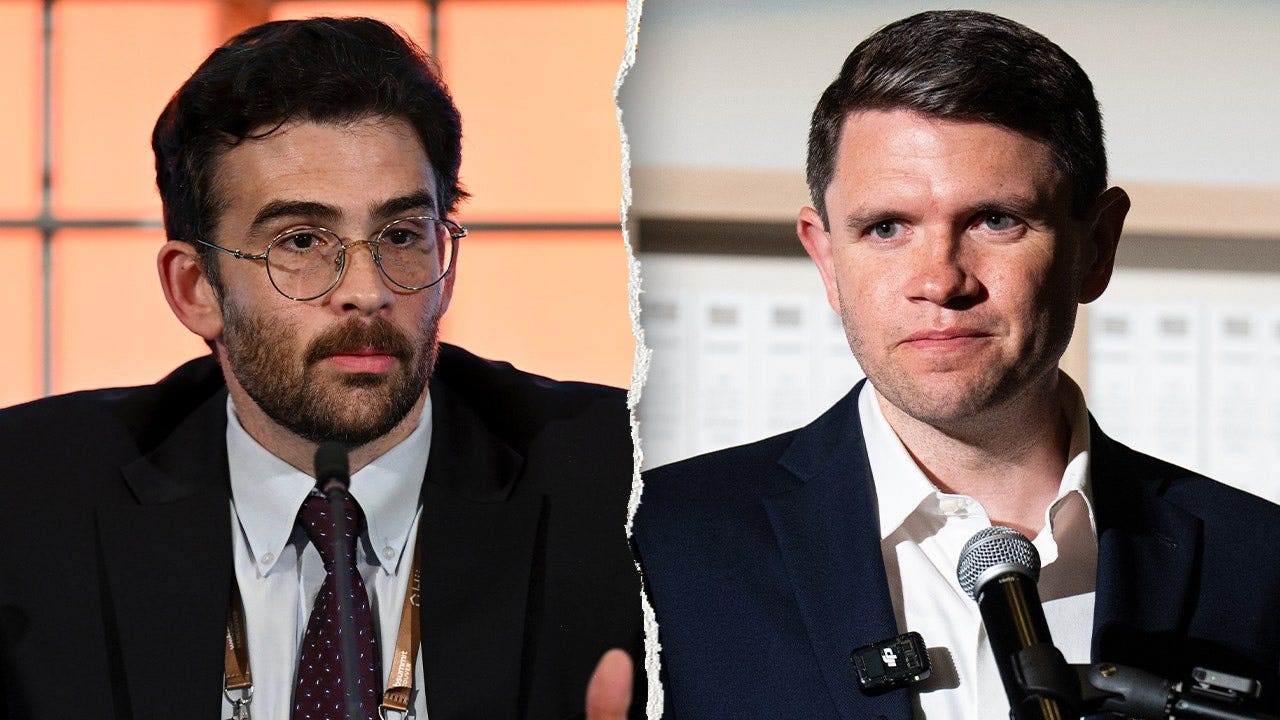
Far-left streamer Hasan Piker is getting dragged online after calling for Texas Senate nominee James Talarico to «play ball» by governing as a leftist if elected in this year’s midterms.
Talarico, running to be the first Democrat to win a Senate seat in Texas in more than three decades, has publicly realigned on some of his more radical stances and tried to campaign on a more moderate platform despite his previous comments.
But Piker, who has gained prominence through his relationship with socialist-aligned Senate candidate Abdul El-Sayed in Michigan, appears to want Talarico to pull a bait-and-switch if he wins in November.
«Hopefully, after James Talarico wins, we’ve got to hold him to account,» Piker said during a campus event at the University of Texas at Austin. «We’ve got to make sure that he doesn’t become another, ‘do nothing Democrat’ ‘business as usual,’ and we’ve got to keep up that pressure.
HASAN PIKER SPEAKS TO UT AUSTIN STUDENTS AFTER BACKLASH FROM TEXAS LAWMAKERS
As his campaign has progressed, Talarico has rolled back on some of his controversial statements like his claim that «God is non-binary.» But he continues to back progressive policies like universal healthcare, arguing his beliefs stem from «biblical grounds.»
Piker’s recent remarks quickly became ammunition for Republicans. Talarico’s opponent, GOP Senate nominee Ken Paxton, and Sen. Ted Cruz, R-Texas, pounced, claiming that Piker is saying the quiet part out loud and showing the pressure Talarico could face from the party’s left flank if he were to ascend to the U.S. Senate representing the Lone Star State.
«James Talarico is bought and paid for by the Democratic Socialists,» Paxton posted in response to Piker’s comments on Talarico. «And if he wins, they’ll cash in at YOUR expense: raising your taxes and making life more expensive to pay for their radical agenda. Texas can’t afford Talarico.»
Ted Cruz said on X: «When they tell you who they are…believe them.»
EL-SAYED TRIES TO PUT THE HASAN PIKER DEBATE BEHIND HIM AS MIDTERMS APPROACH
«James Talarico will be nothing more than a puppet of the radical left,» Rep. Brandon Gill, R-Texas posted.
Piker erupted in the left-wing party over the past couple years, most notably campaigning with El-Sayed. Democrats, including El-Sayed, are now distancing themselves from Piker after many of his controversial statements caught heat — like his claim that «America deserved 9/11.»
«Hasan ‘America Deserved 9/11’ Piker expects James Talarico would support his extreme agenda & be beholden to his base,» Political Analyst Guy Benson warned.
«He think he’s a mafia boss, and with the psychotic state of today’s Democrat party, he’s kinda right…» Dave Rubin posted.
New York City Council member Vickie Paladino said, «Hasan Piker says he’s the one actually in charge of the Democrat party.»
Piker’s comments, mixed with Talarico’s back-and-forth from progressive to moderate rhetoric, have sparked skepticism about the direction the Texas Democrat would take in governing if elected.
«Here we have Hasan Piker—an outspoken socialist, hater of Israel and opponent of capitalism — telling us exactly what he expects from James Talarico if elected,» one user posted. «He says, ‘We gotta remind [James] that we are the force that backed him…’ and got him elected and that we expect him to remember that and fall in line. Every Republican, Independent and even common-sense Democrat even thinking about voting for Talarico needs to see this and think deeply about it.»
«A huge reason not to vote for Talarico he has to answer to the Fascist wing of his party,» another posted. «No thanks.»
TALARICO SAYS HE ‘MISSED THE MARK’ AS HE BACKTRACKS ON CONTROVERSIAL WOKE STATEMENTS
Other users on social media argued Piker’s comments are irrelevant to Talarico’s campaign, and would not impact the agenda he would bring to the Senate if elected.
«Hasan needs to shut the hell up,» a X user named Adam Cochran posted. «He has nothing to do with Talarico’s campaign. Talarico’s campaign is the success of Talarico’s morals, policies and his hard working team’s outreach to the people of Texas.»
«What is Hasan even talking about,» another user posted. «Talarico isn’t DSA and doesn’t owe DSA anything. He will be a senator that represents Texans, not California Socialists like Hasan.»
Talarico’s campaign did not immediately respond to request for comment.
hasan piker, politics, midterm elections, socialism, democrats elections, democratic party, senate








INTERNACIONAL
Dems demanding Venezuela brief face State Dept fury as senators leave town without answers
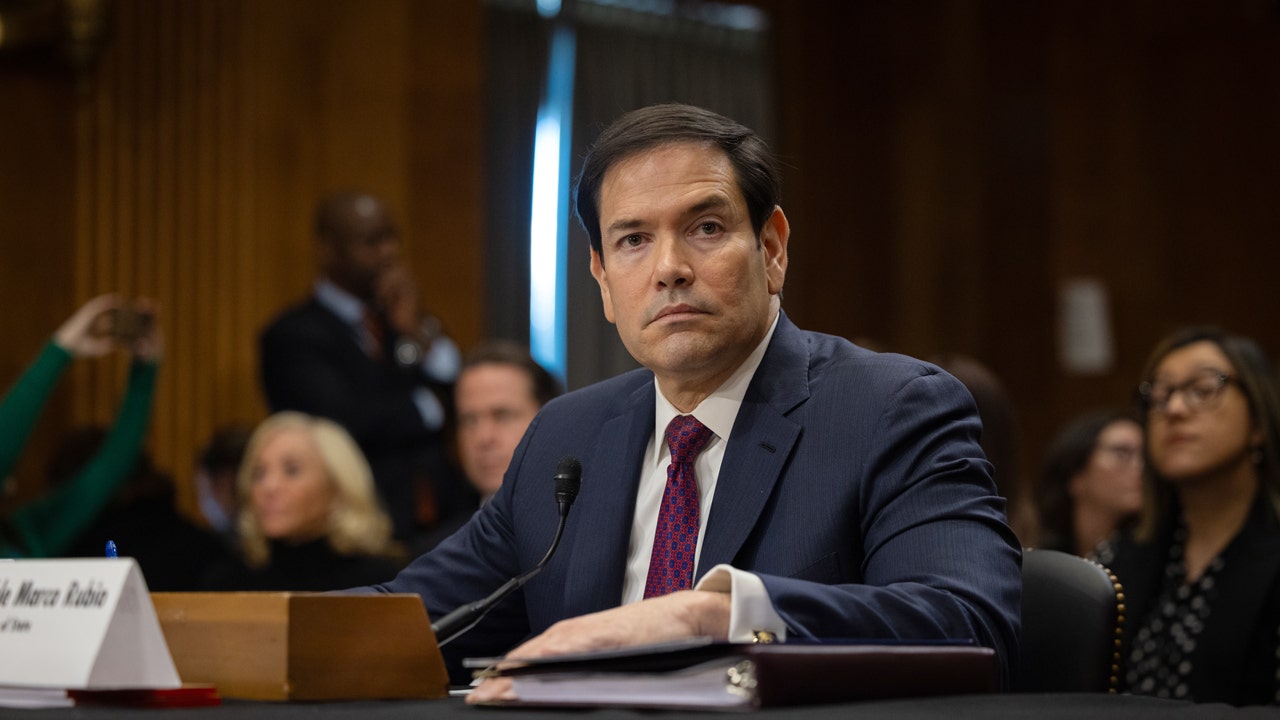
The State Department is accusing Democrats of performative «grandstanding» by demanding a sweeping Venezuela oil deal briefing then postponing it so the Senate could leave town early.
Four senior Senate Democrats demanded documents they already knew were coming, according to material reviewed by Digital. Then, the Senate rescheduled a congressional briefing on the agreement planned for Oct. 1, 2026, so it could break for fall recess.
The group of lawmakers were seeking more information on the Pentagon’s involvement in an agreement with North American Blue Energy Partners (NABEP) that gives the Department of War a 35% stake in one of Venezuela’s largest oil producers.
TRUMP TOUTS ACCESS TO 65 BILLION BARRELS OF VENEZUELAN OIL IN DEAL HE SAYS WILL SLASH GAS PRICES
State says the lawmakers had known for weeks that administration officials planned to brief the Senate Foreign Relations Committee and provide documents on the deal on Thursday.
The department went forward with delivering copies of the U.S. government’s strategic partnership agreement with NABEP to the committee, claiming it did so despite the briefing being pulled down «as a courtesy.»
«Copies of the USG Strategic Partnership Agreement with NABEP for your Members are in the SFRC front office,» a senior State Department official wrote. «Each Member has a folder with their copy.»
State Department Assistant Secretary for Global Public Affairs Dylan Johnson claimed Senate Democrats canceled the briefing so they could «skip town and go on vacation.»
«This is pure grandstanding,» Johnson wrote on X. «When they sent this letter, they had known for weeks that we planned to brief them and provide the documents today, on October 1.»
A congressional source familiar with the planned briefing disputed State’s characterization, telling Digital that lawmakers had not been told the written NABEP agreement would be provided before writing the letter and that the briefing was intended as a broader update on U.S. policy toward Venezuela, not specifically the oil deal.
And emails reviewed by Digital show the briefing postponement request itself came from a Republican majority staffer on the Foreign Relations Committee, who told State early Oct. 1 that «the Senate has left town» and asked to move the briefing until November.
A State Department official told Digital the staffer was acting on behalf of the full committee.
The congressional source said Republican leadership had ended legislative business for the week, with senators on both sides of the aisle preparing to leave Washington ahead of next month’s midterm elections.
The group of Democrat lawmakers demanding the briefing are challenging the legality and prudence of the Trump administration’s agreement with NABEP, which would give the Pentagon rights to a 35% stake in one of Venezuela’s largest oil producers.
Under the arrangement, the Pentagon’s Office of Strategic Capital would receive rights to the stake through so-called penny warrants, while the State Department would receive preferential rights to purchase 20% of the company’s production at cost.
The unusual structure is part of the administration’s broader effort to revive Venezuelan oil production and expand U.S. economic influence after Nicolás Maduro’s ouster. Democrats argue the Pentagon may lack legal authority to take the stake and have raised questions about the administration’s vetting of NABEP and its leadership.
The administration argues the structure could generate substantial returns for the U.S. without requiring taxpayers to buy the stake up front. The White House has said the government’s 35% position could ultimately be worth hundreds of billions of dollars in equity and dividends if NABEP succeeds in developing the fields.
The deal could also give Washington a new source of relatively low-cost crude at a time when the administration is trying to increase global supply and bring down fuel prices. State would have the right to buy 20% of NABEP’s production at cost and the right of first refusal on the remaining output, which the administration says could help replenish the Strategic Petroleum Reserve and supply U.S. military and other sensitive needs.
The White House also says millions of barrels of additional Venezuelan production could eventually flow through U.S. refineries and be developed using American drilling equipment and infrastructure, generating investment and jobs in the United States.
NABEP produces roughly 220,000 barrels a day and has said it plans to more than double production to 500,000 barrels a day by late 2028. The administration is betting that private investment can revive fields that have suffered years of underinvestment and mismanagement.
The agreement is part of a much broader U.S. effort to remake Venezuela’s economy after the dramatic removal of Nicolás Maduro earlier this year.
On Jan. 3, U.S. forces carried out a military operation in Venezuela to capture Maduro and his wife, Cilia Flores, and transport them to the United States to face federal charges. The administration has characterized the operation as a law enforcement mission supported by the military and has since made rebuilding Venezuela’s oil sector a central part of its stabilization strategy.
Interim leader Delcy Rodríguez, Maduro’s former vice president, has remained in power while cooperating with Washington, even as Venezuela’s political transition remains unsettled and opposition figures continue pressing for elections.
The White House has described the NABEP agreement as part of a three-part strategy of stabilization, reconstruction and eventual democratic transition, arguing that restoring oil production is necessary to rebuild Venezuela’s economy and reduce the influence of China, Russia and other U.S. adversaries in its energy sector.
TRUMP ‘SERIOUSLY CONSIDERING’ PLAN TO MAKE VENEZUELA AND ITS $40 TRILLION IN OIL PERMANENT PART OF USA
Senators Jeanne Shaheen, D-N.H.; Jack Reed, D-R.I.; Martin Heinrich, D-N.M.; and Elizabeth Warren, D-Mass., challenged both the legality and prudence of the deal in a letter to Secretary of State Marco Rubio, War Secretary Pete Hegseth and Energy Secretary Chris Wright.
Among their central questions is whether the Pentagon office being used to structure the investment has the legal authority to acquire an equity position in a foreign oil company. The senators also demanded the agreement itself, details about how State would pay for oil and information about the administration’s vetting of NABEP and its leadership.
«The proposed agreement is unlikely to reduce high energy costs for Americans, and it risks undermining the Venezuelan people’s transition away from a dictatorship,» the senators wrote.
Digital reached out to the offices of all four senators who signed the letter for comment.
The unusual Pentagon role has drawn scrutiny since the deal was announced. Rather than immediately purchasing shares with taxpayer money, the Office of Strategic Capital’s position is structured through penny warrants that give the government the right to acquire equity for a nominal price.
The Democratic senators argue that structure does not resolve the underlying legal question.
They contend the statute establishing the Office of Strategic Capital authorizes loans and loan guarantees but does not explicitly empower the Pentagon to acquire equity stakes in private foreign companies.
«It is unclear,» the lawmakers wrote, «why the American public should support this attempt to entangle the United States with a relatively unknown foreign oil company that lacks the capacity or credibility to develop oil fields of the magnitude described.»
The senators also raised concerns about NABEP Chairman Alejandro Betancourt, noting past money-laundering investigations involving the Venezuelan businessman. Betancourt has not been charged with a crime, and Rubio has previously said he is not under active U.S. investigation.
The dispute could form the basis for broader congressional scrutiny of one of the Trump administration’s most unconventional efforts to expand U.S. economic influence in Venezuela.
venezuelan political crisis, state department, foreign policy, congress, nicolas maduro, politics, national security
INTERNACIONAL
“La minería y el medio ambiente pueden coexistir”: universidad peruana debate los desafíos de la minería sostenible
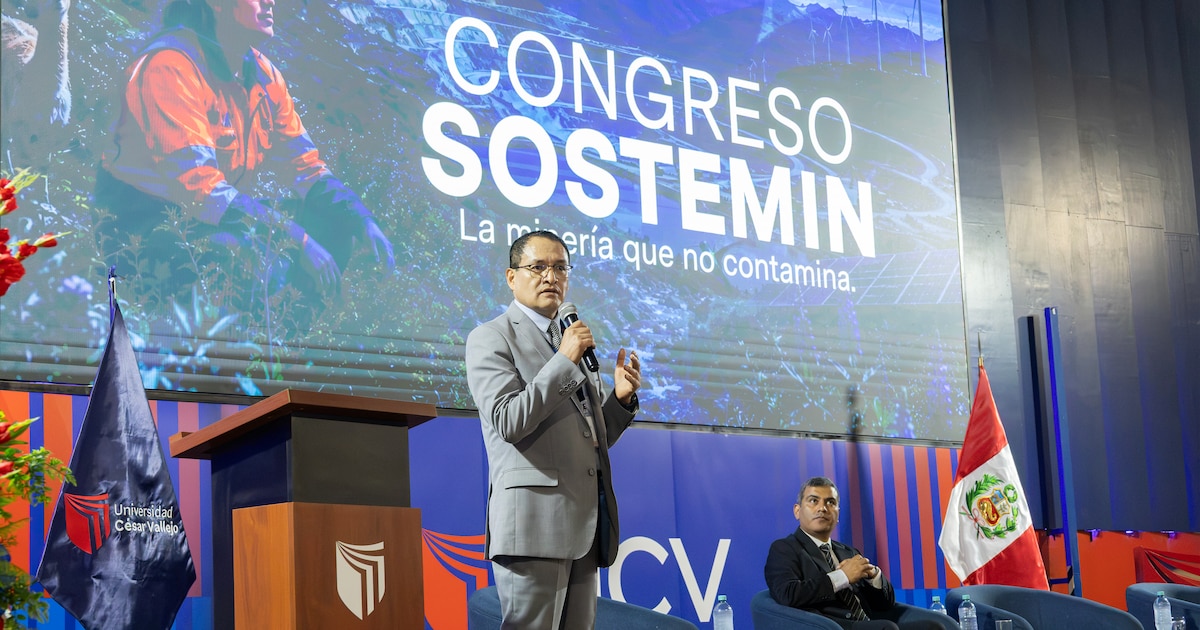
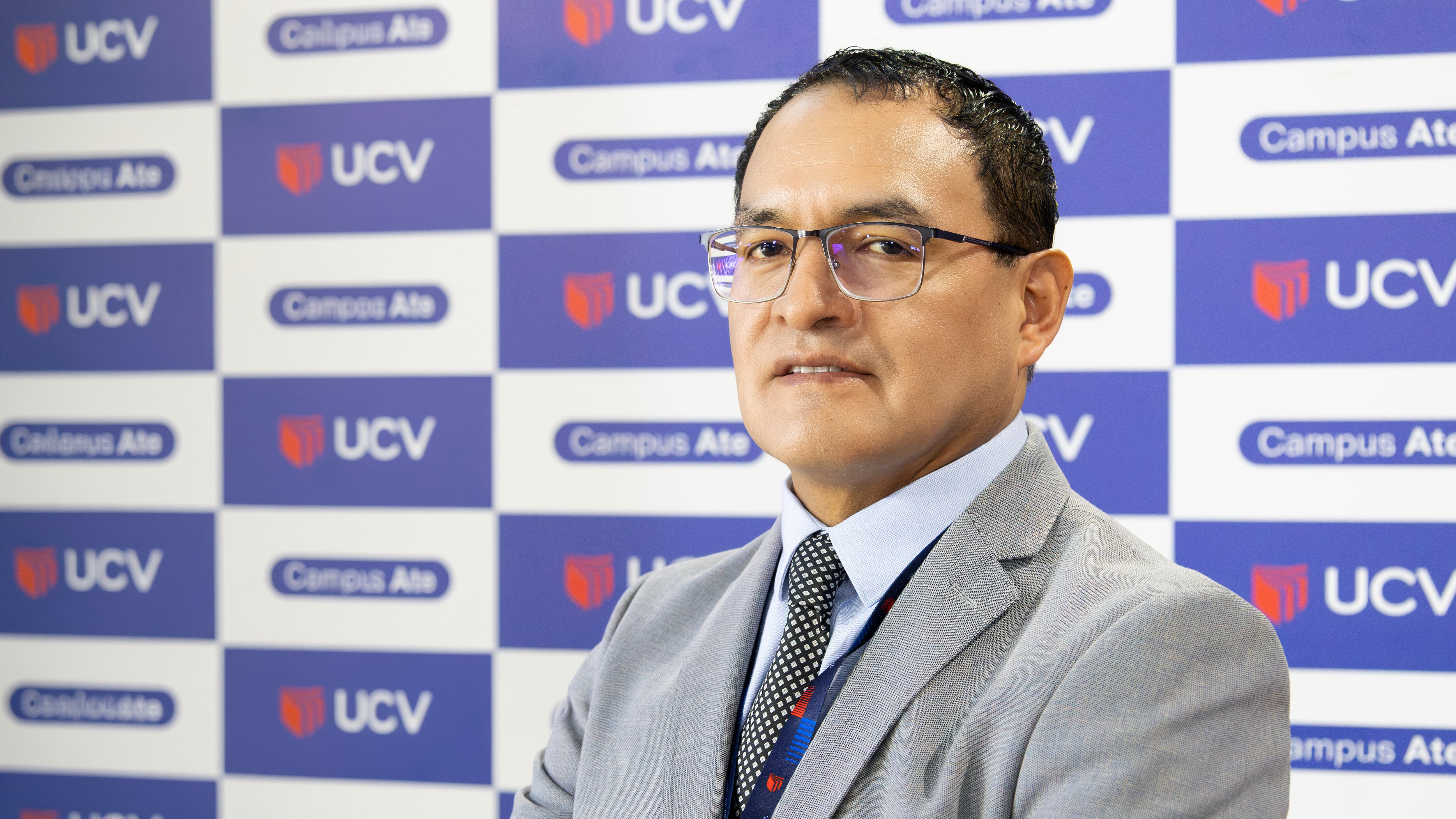
La Universidad César Vallejo (UCV) planteó fortalecer la articulación entre la academia, el Estado y las empresas frente a los desafíos vinculados con la actividad minera, durante SOSTEMIN 2026 – Encuentro de Minería Sostenible, realizado este 30 de septiembre en su campus Ate.
Nelson Zarzosa, decano de la Facultad de Ingeniería y Arquitectura de la UCV, reconoció que todavía existe una brecha entre estos sectores y sostuvo que la universidad busca asumir un papel activo para acercarlos.
“Sí, falta ese engranaje, falta el engranaje público, privado y desde la academia queremos tomar la batuta”, afirmó.
El encuentro reunió a representantes del Ministerio de Energía y Minas (MINEM), especialistas nacionales e internacionales y estudiantes para abordar temas como desarrollo sostenible de la actividad minera, normativa ambiental, biodiversidad, recuperación de ecosistemas, licencia social, diálogo preventivo, conservación de suelos y adaptación al cambio climático.
SOSTEMIN incorporó además un Reto Universitario. La iniciativa convocó a equipos de entre dos y cinco estudiantes para trabajar propuestas relacionadas con desarrollo sostenible, normativa ambiental minera y la relación entre minería y biodiversidad.
Zarzosa explicó que el encuentro surgió meses atrás después de coincidir con representantes del MINEM en una actividad similar. Según señaló, uno de sus objetivos es proporcionar información sobre la actividad minera y abordar su relación con el ambiente.
Minería, biodiversidad y recuperación de ecosistemas
Uno de los principales ejes del encuentro fue la posibilidad de compatibilizar el aprovechamiento de los recursos minerales con la protección ambiental. Zarzosa sostuvo que ese es también uno de los mensajes que la universidad busca transmitir a sus estudiantes.
“Sobre todo y principalmente, nosotros queremos que nuestros estudiantes sean totalmente conscientes de que la minería y el medio ambiente pueden coexistir”, señaló.

El decano diferenció en ese contexto la minería formal de las actividades informales e ilegales. Sostuvo que los proyectos que considera responsables pueden generar efectos positivos sobre el ambiente y atribuyó a la minería informal parte de los impactos negativos asociados con la actividad. También señaló que la formación universitaria debe procurar que los futuros profesionales no se vinculen con este tipo de operaciones.
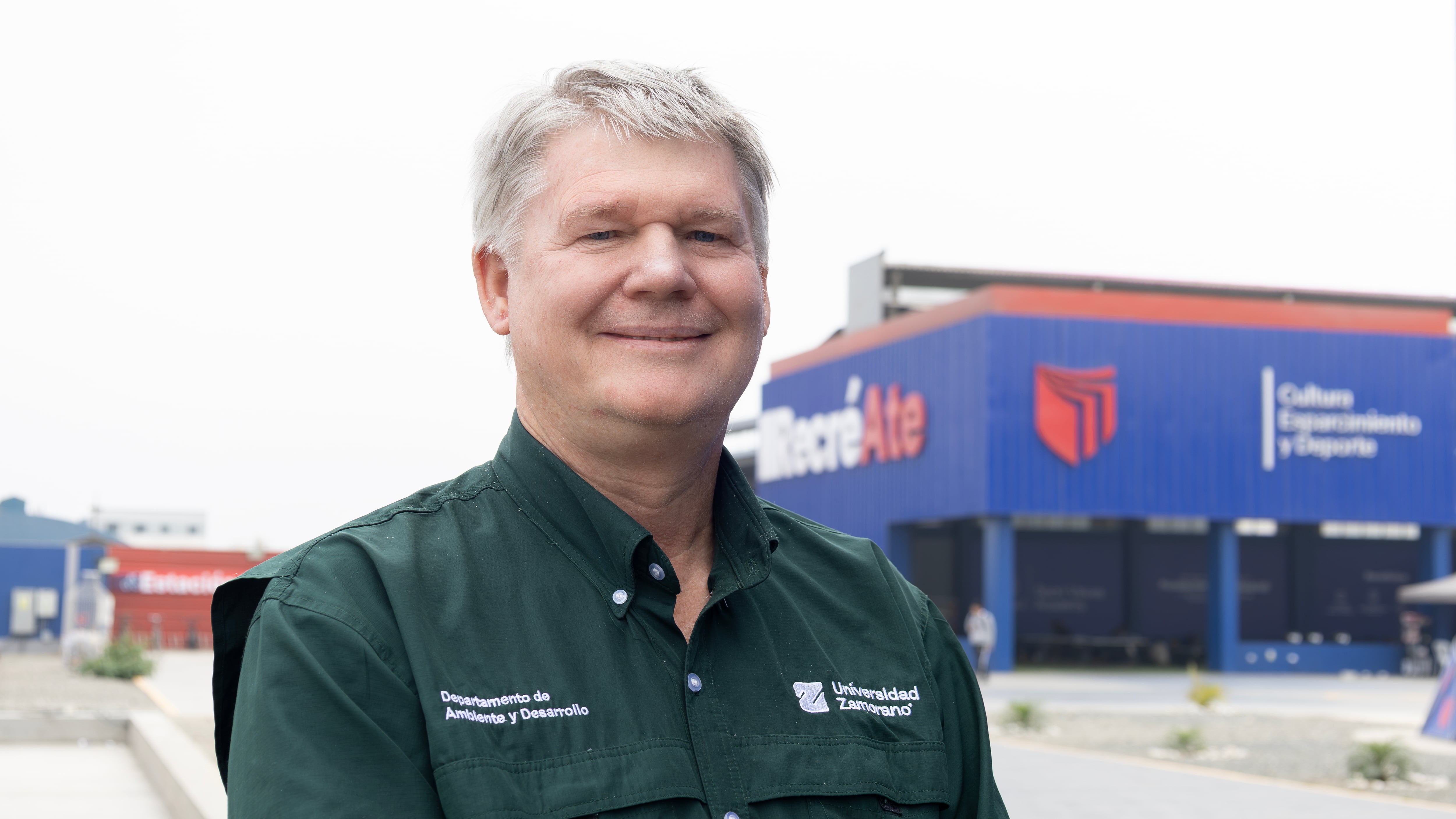
La discusión incorporó la perspectiva de Eric van den Berghe, ecólogo e investigador internacional especializado en biodiversidad y conservación de la Universidad Zamorano, en Honduras, quien planteó que el uso productivo de los recursos naturales y la protección de la biodiversidad no necesariamente deben entenderse como objetivos contrapuestos.
Para el especialista, una actividad sostenible debe considerar no solo el beneficio inmediato, sino también las condiciones que recibirán las siguientes generaciones. Bajo esa perspectiva, sostuvo que la recuperación de las áreas intervenidas debería avanzar junto con el aprovechamiento de los recursos.
El investigador mencionó además tecnologías emergentes que, según indicó, permiten enfrentar algunos efectos de antiguas prácticas mineras, entre ellas el empleo de bacterias para tratar aguas contaminadas y procesos biológicos aplicados a la extracción de metales como el cobre.
“Hay muchas cosas que en el pasado eran muy dañinas, que ahora podemos revertir y mejorar. Y esas son tecnologías todavía emergentes”, afirmó.
Van den Berghe consideró también “crítico” que estos enfoques formen parte de la preparación de los jóvenes. Señaló que históricamente existieron prácticas mineras dañinas y no sostenibles, mientras que actualmente existen otros estándares, tecnologías y formas de abordar la explotación de los recursos.
El papel del Estado y la academia
La minería informal e ilegal también formó parte de las declaraciones recogidas durante el encuentro. Zarzosa reconoció que la capacidad de actuación de las universidades frente a este fenómeno es limitada, aunque sostuvo que pueden contribuir mediante la formación de profesionales y la generación de conocimiento.
El decano atribuyó al Estado la responsabilidad principal de enfrentar las actividades ilegales y mencionó específicamente a la Policía y al Ejército peruano. Durante su intervención utilizó los conceptos de minería informal e ilegal al referirse a estas actividades y sostuvo que desde la universidad se busca evitar que los estudiantes se vinculen profesionalmente con ellas.
Van den Berghe también identificó las explotaciones clandestinas y no autorizadas de pequeña escala como un problema ambiental y social. Según explicó, estas operaciones pueden desarrollarse sin planes posteriores de recuperación y, al mismo tiempo, exponer a quienes trabajan en ellas a condiciones sin mecanismos adecuados de protección.
“Tanto producen los impactos, pero también son víctimas”, sostuvo el investigador.
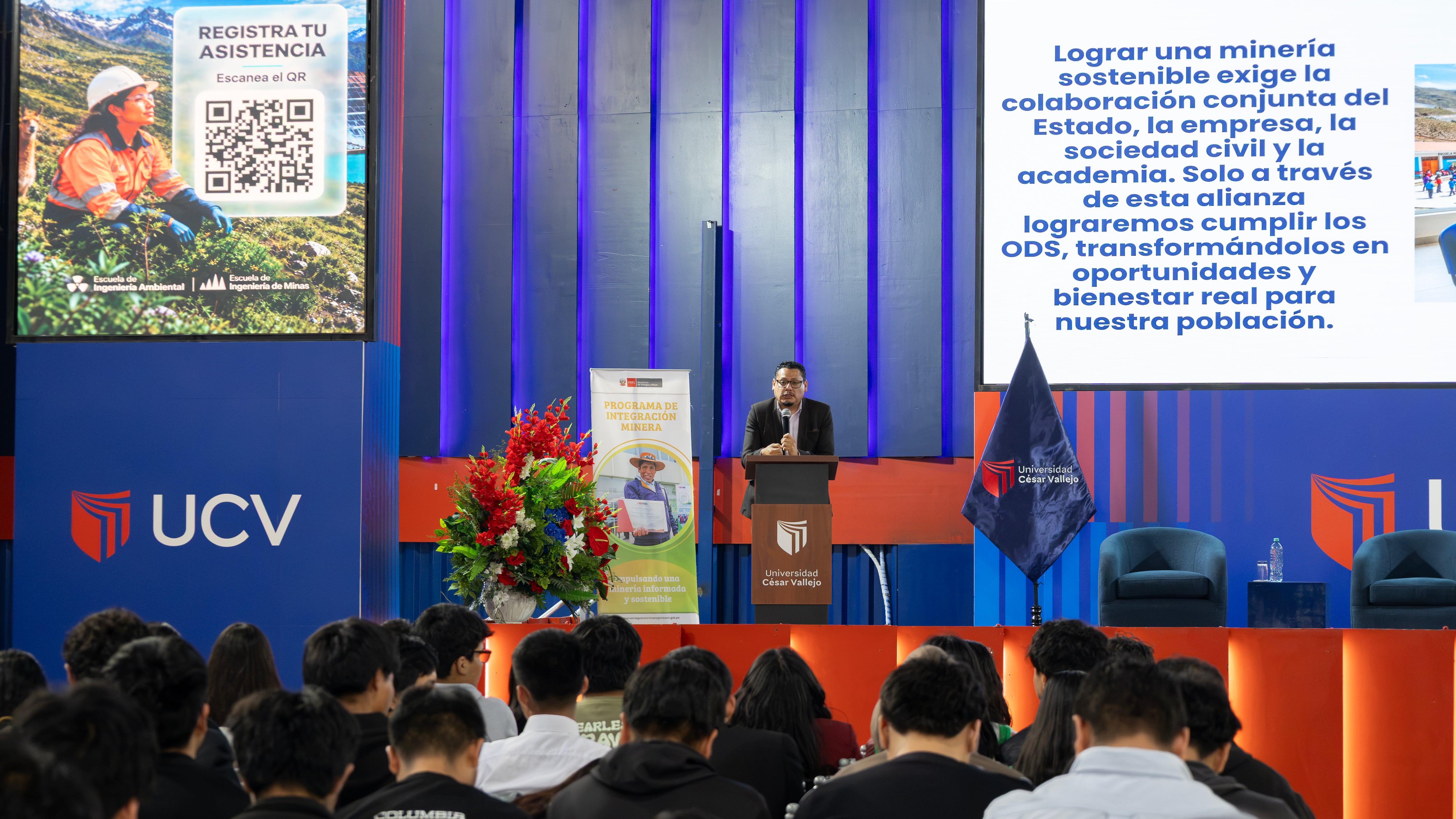
Frente a este escenario, Zarzosa señaló que encuentros como SOSTEMIN buscan generar mayores vínculos entre el sector público, el privado y la academia. La programación reflejó ese propósito mediante un bloque académico del MINEM, conferencias de especialistas y espacios de participación universitaria.
El decano anunció finalmente que la universidad pretende mantener este tipo de encuentros sobre minería, sostenibilidad y medio ambiente.
“Este es el primero, pero no es el único. Todos los años se van a organizar eventos similares”, afirmó.
INTERNACIONAL
Detienen a instructor de banda musical con nueve paquetes de supuesta droga en Panamá y decomisan otro cargamento que tenía como destino Italia
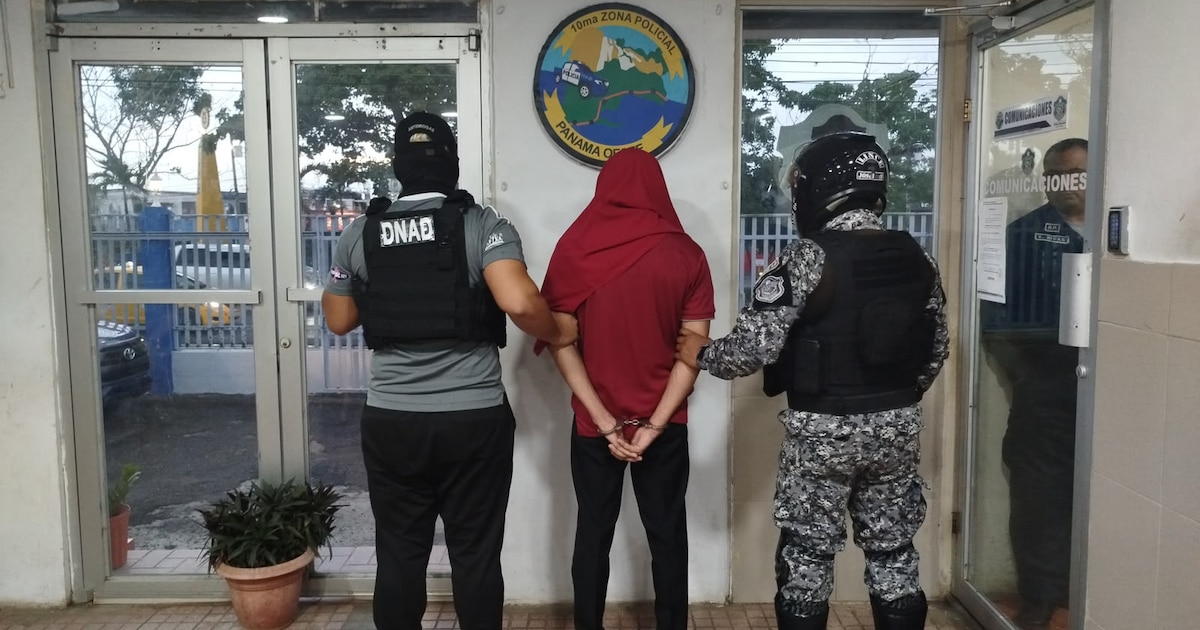
Un instructor de una banda de música de un centro educativo fue aprehendido en La Chorrera, Panamá Oeste, luego de que acciones de inteligencia de la Policía Nacional permitieran ubicarlo.
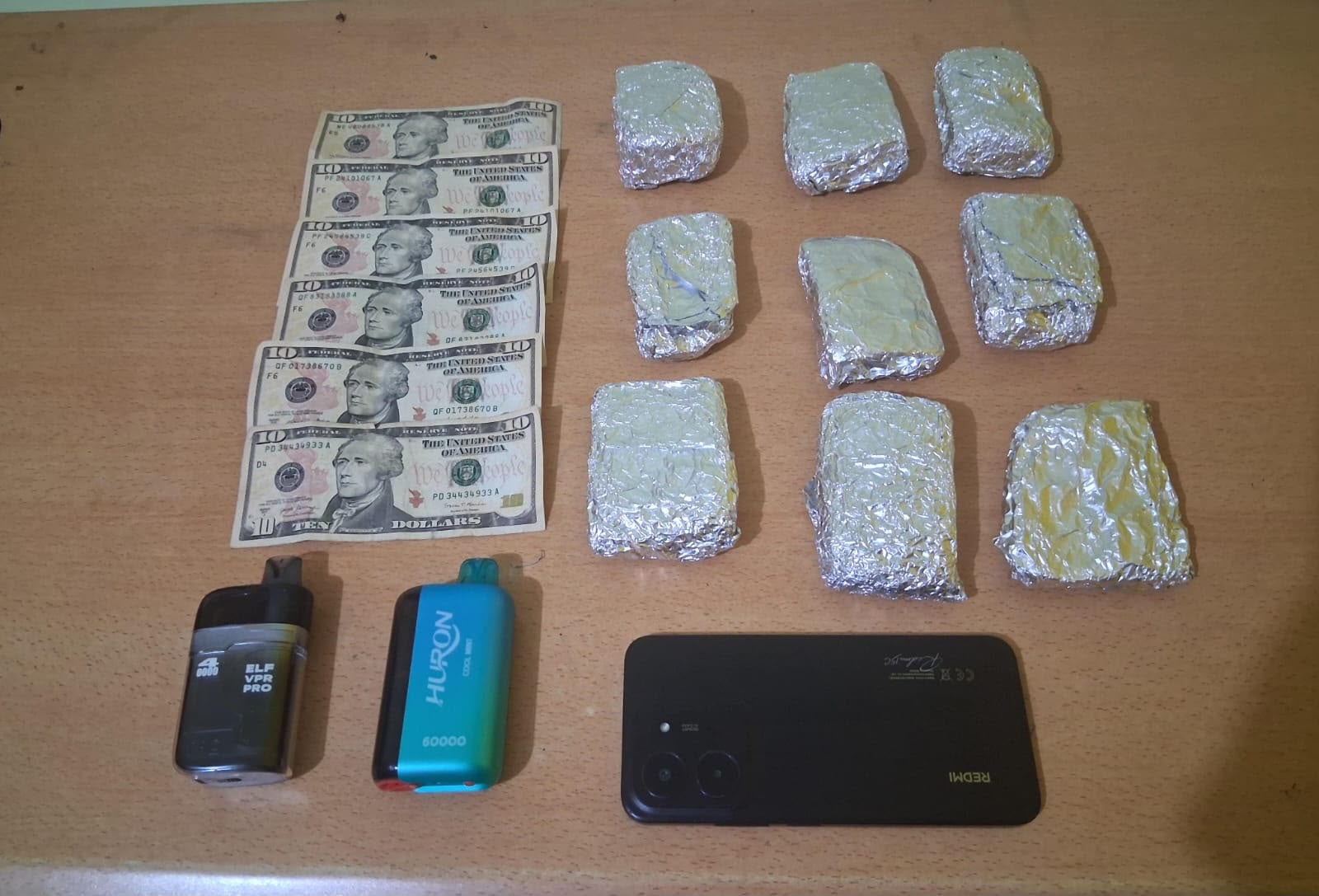
En su poder fueron encontrados nueve paquetes rectangulares con presunta sustancia ilícita, además de dos vapeadores, un celular y $60 en efectivo.
La Policía Nacional informó que las investigaciones permitieron confirmar la presunta actividad ilícita antes de realizar la intervención.
El organismo no ha revelado la identidad del instructor ni el centro educativo donde trabajaba, mientras el sospechoso y todos los indicios quedaron a disposición de las autoridades judiciales para las diligencias correspondientes.
El caso ocurre meses después de que las autoridades desplegaran la operación Impacto Escolar contra el microtráfico y la venta de drogas en áreas próximas a centros educativos.
La acción se desarrolló simultáneamente en diferentes provincias y permitió procesar a personas señaladas por comercializar sustancias ilícitas alrededor de planteles escolares.
Solo en Panamá Oeste, la operación dejó cuatro condenas de 170, 90, 84 y 60 meses de prisión, además de tres personas bajo detención provisional.
Las intervenciones se realizaron en Chame y San Carlos, mientras otros procedimientos fueron ejecutados en Panamá, Colón, Veraguas, Bocas del Toro, Chiriquí, Herrera y Los Santos.
En Chiriquí, por ejemplo, la Policía Nacional realizó cuatro allanamientos contra la venta de drogas al menudeo cerca de centros educativos y aprehendió a siete personas.
Las autoridades decomisaron presuntas sustancias ilícitas, dinero, teléfonos celulares y un vehículo, como parte de las acciones dirigidas a reducir la presencia del microtráfico en los entornos escolares.
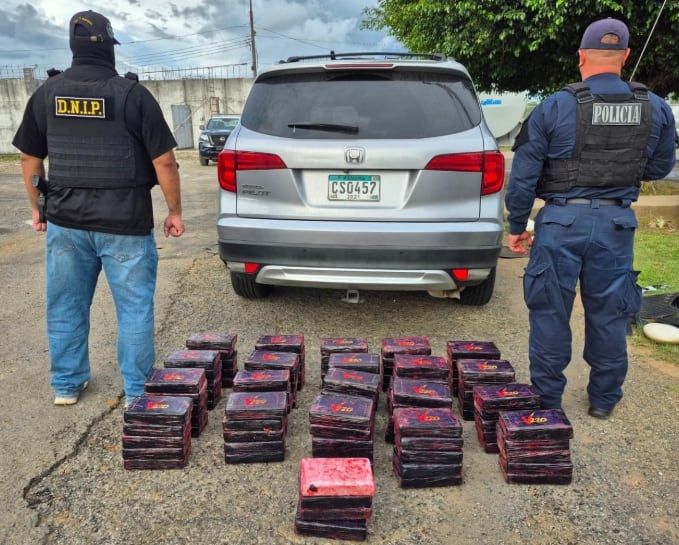
La seguridad alrededor de los planteles también ha llevado a reforzar durante 2026 los recorridos preventivos y las jornadas de orientación para estudiantes y docentes.
La Policía Nacional mantiene dispositivos de verificación en centros educativos y acciones de acercamiento destinadas a prevenir delitos y reducir los riesgos que enfrentan los alumnos en sus comunidades.
El procedimiento contra el instructor coincidió con otras acciones de los estamentos de seguridad relacionadas con el tráfico de drogas. En Darién, unidades de las Fuerzas Especiales del Servicio Nacional de Fronteras (Senafront) se enfrentaron a tiros con presuntos integrantes de una estructura vinculada al narcotráfico y al crimen organizado.
El enfrentamiento ocurrió en Río Chico, en el sector de Yaviza, mientras los agentes desarrollaban operaciones de seguridad. Tras el intercambio de disparos fueron aprehendidas varias personas, entre ellas ciudadanos panameños y colombianos, y las unidades continuaron desplegadas para ubicar a otros posibles integrantes de la organización.
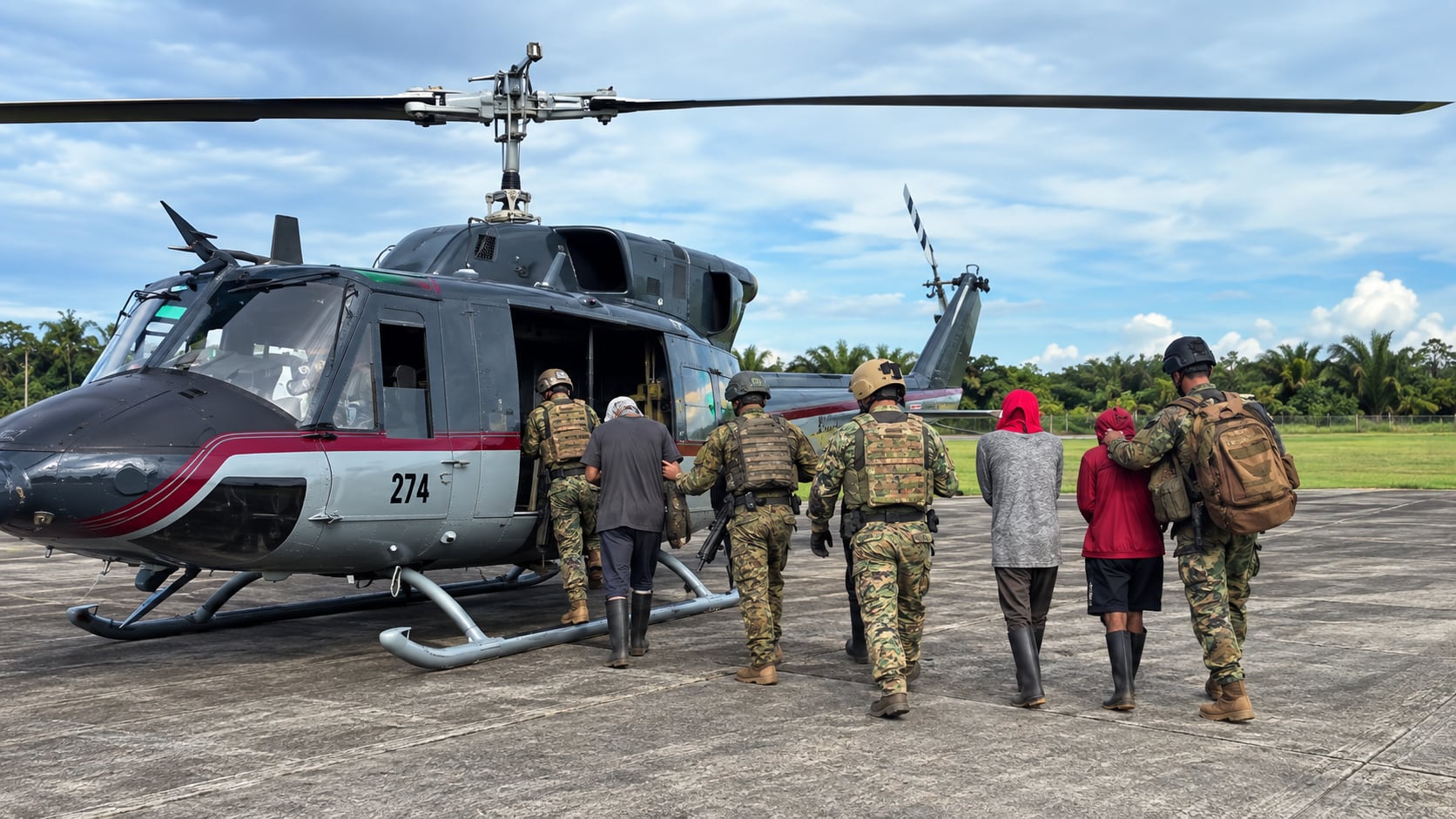
Durante el operativo también fueron localizadas mochilas que presuntamente podrían contener sustancias ilícitas, por lo que se esperaba la intervención del Ministerio Público para verificar su contenido.
Senafront mantuvo las operaciones de búsqueda y control como parte del Plan Firmeza y de la operación Escudo de Acero en Darién.
A estas acciones se sumó un decomiso realizado por el Servicio Nacional Aeronaval (Senan) junto con la Policía Nacional en una terminal portuaria de Colón.
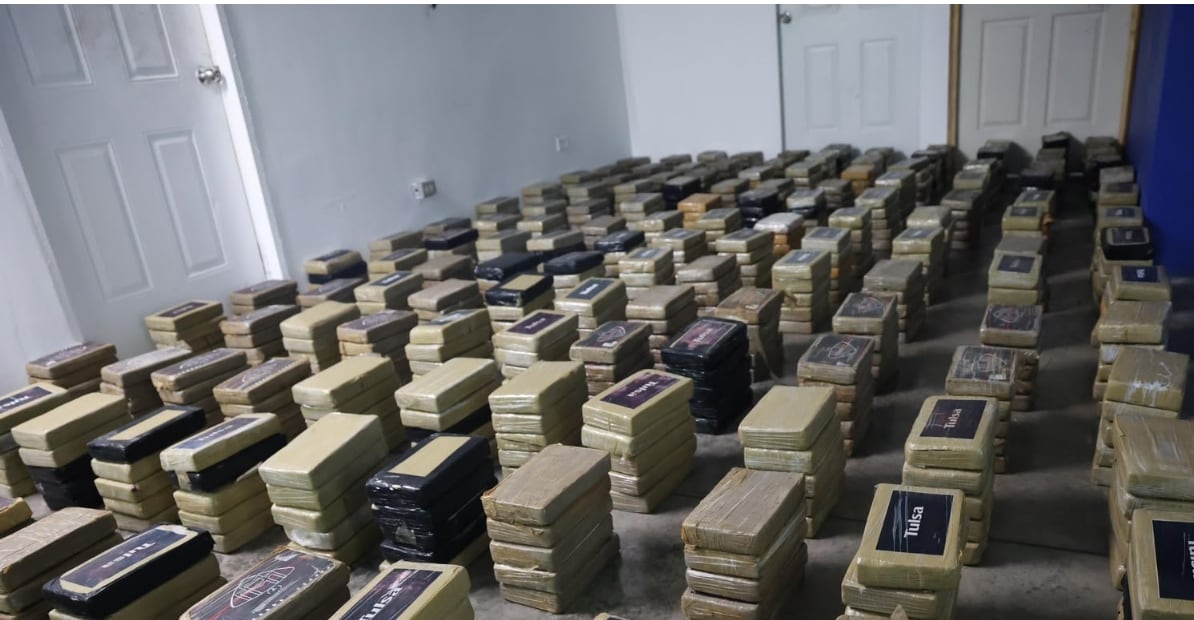
Las unidades localizaron 210 paquetes de presunta sustancia ilícita ocultos dentro de un contenedor que había llegado desde Moín, Costa Rica, y realizaba transbordo en Panamá.
El cargamento tenía como destino final Gioia Tauro, Italia, una ruta que vuelve a colocar los puertos panameños dentro de las operaciones contra el tráfico internacional. Las autoridades no habían precisado inicialmente el tipo ni el peso definitivo de la sustancia encontrada, mientras los paquetes quedaron sujetos a los procedimientos de verificación correspondientes.
Los nuevos decomisos se producen después de que Panamá acumulara 69.50 toneladas de drogas incautadas entre enero y agosto de 2026. De ese volumen, 46.20 toneladas correspondieron a cocaína y 23.18 toneladas a marihuana, mientras cantidades menores estuvieron relacionadas con metanfetaminas, THC y otras sustancias.
Colón concentró 18.44 toneladas durante los primeros ocho meses del año, seguida por Panamá Oeste con 15.92 toneladas. Panamá contabilizó 13.24 toneladas y Chiriquí otras 12.91, mientras Darién acumuló 2.28 toneladas dentro de los decomisos registrados a escala nacional.
Los tres procedimientos reflejan distintas modalidades que enfrentan actualmente los organismos de seguridad, desde el microtráfico y la presencia de drogas en entornos vinculados a centros educativos hasta estructuras que operan en zonas fronterizas. A ello se suma el uso de la plataforma portuaria panameña para movilizar cargamentos hacia mercados internacionales.
corresponsal:Desde Panamá

Créditos hipotecarios: cuál es el cambio clave que habilitará a más familias a tomar préstamos para vivienda

Pese a las coincidencias de fondo, los libertarios plantean objeciones al presupuesto que envió Jorge Macri a la Legislatura

Dems demanding Venezuela brief face State Dept fury as senators leave town without answers

Javier Milei defendió su gestión: “Cuando terminen las convulsiones internacionales, el riesgo país volverá a bajar”

“La minería y el medio ambiente pueden coexistir”: universidad peruana debate los desafíos de la minería sostenible

Dólar hoy: a cuánto operan todas las cotizaciones minuto a minuto este viernes 2 de octubre

Antes de viajar a París, Milei les envió un mensaje a inversores franceses: “Son bienvenidos para venir a llenarse los bolsillos”

Bombshell report exposes healthcare fraud schemes as taxpayers lose up to $521 billion annually

Elecciones en la UTA: se pone en juego la conducción del poderoso gremio de colectiveros

Jugueterías en crisis: “Se han cerrado más de doscientas en el último año”, afirmó el presidente de la Cámara de la Industria del Juguete

 POLITICA2 días ago
Ley de Tierras: la CGT repudió el fallo de la Corte Suprema y le exigió a Diputados que rechace el DNU de Milei
- POLITICA3 días ago
La CGT descartó un paro general, pero hará una movilización el 8 de octubre en defensa de la industria
- POLITICA4 horas ago
Milei volvió a dar un discurso en la Argentina Week de París y se emocionó en el cierre