INTERNACIONAL
GOP rising star helped topple Trump-backed incumbent. Now he’s caught leadership’s eye

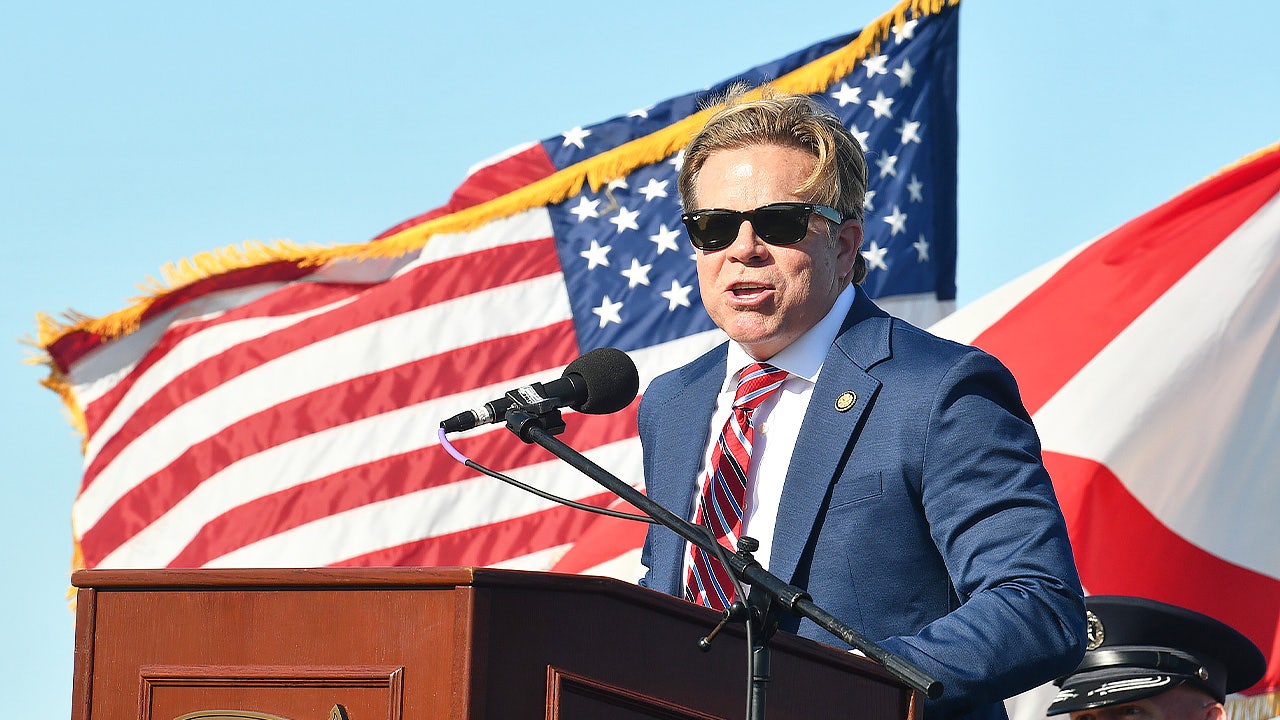
It’s June 2026 and the summer’s intense heat is slowly creeping across the East Coast. In Florida, a different kind of heat is threatening to burn Republicans — a firestorm of political backlash that could at best force the GOP to spend millions more in the midterms, and at worst cost the party what should be a safely red House seat.
Rep. Mike Haridopolos, R-Fla., was one of the first to sound the alarm publicly about embattled Rep. Cory Mills, R-Fla., and the scandals that could have sandbagged his re-election chances. It’s an unusually bold move for a first-term congressman, particularly when all of the House GOP leadership and the White House were still publicly backing Mills.
But Haridopolos’ plan was well-executed — and with the help of Rep. Anna Paulina Luna, R-Fla., Mills went down as one of only four Republican incumbents to lose a primary in the 2026 midterm cycle. Republican election watchers saw the loss with some relief, privately feeling better about their chances with former journalist Ryan Elijah, who Haridopolos recruited to run, against Democratic former NASA official Bale Dalton.
And Haridopolos was there with Elijah both figuratively and literally. The former local news anchor said he was «right there in the front row» during the primary debate.
REPUBLICANS MOVE TO OUST EMBATTLED FLORIDA GOP LAWMAKER IN BITTER PRIMARY FIGHT
«Not only was he there, he was kind of like the spin room. He did a lot of the media interviews, and that was huge for us,» Elijah told Digital.
TRUMP’S SUPPORT DOESN’T SAVE SCANDAL-PLAGUED LAWMAKER IN PRIMARY
Haridopolos told Digital, «I recognized that Cory Mills was absolutely going to lose a general election against a solid Democrat candidate. And so I went to the leadership and, of course, the president’s team and said, look, we need to find a way for Mills to step aside.»
«Unfortunately, Mr. Mills was not willing to step aside. And so I let the leadership and the president know that I’d be helping someone else in the primary,» he continued. «It was not the easiest thing to do, taking on a colleague. But … this is a team sport and all of us need to work together.»
WATCH: CORY MILLS BLASTS DOJ PROBE AS ‘POLITICAL OP’ AHEAD OF FLORIDA PRIMARY
«Team sport» is an analogy that the Florida Republican has used frequently, and one that he’s used to try and define his tenure in the House.
It’s paid off for him so far, with Haridopolos having forged close relationships with both House GOP leaders and his peers.
«He’s a trusted ally and somebody you can count on. He delivers. You never have to worry about where he’s going to be,» House Majority Leader Steve Scalise, R-La., who has known Haridopolos for roughly two decades, told Digital.
The two politicos first forged a relationship in their respective state houses. When Haridopolos said he would launch a campaign for Congress, Scalise said he told him, «I want to be your first check … I want to support you.»
And in his short time so far, he’s already been entrusted to lead a House panel. Haridopolos is chair of the House Science, Space, and Technology Committee’s space subcommittee, a fitting position for someone whose district is home to the Kennedy Space Center despite his junior status.
The Florida freshman said space has long been a passion of his, dating back to his efforts as a state lawmaker to bring the shuttle program back to his backyard.
NASA’S ARTEMIS FOLLOW-UP MISSION ‘RIGHT AROUND THE CORNER’ AFTER SUCCESSFUL LUNAR FLIGHT
«So many people were concerned that we’d go back to the post-Apollo days, which are very detrimental to the economy of Central Florida. And so at that time, Rick Scott was governor … We decided that we needed to not just rely on NASA but start pushing for public-private partnerships,» Haridopolos said.
The U.S. has seen an unprecedented resurgence of success in space in the last two years, partly propelled by the public-private partnerships that Haridopolos is pushing. NASA completed its historic Artemis II mission just this year, sending four astronauts around the moon and back in the first such mission in decades.
PETER NAVARRO: TRUMP’S ARTEMIS VISION IS NOW FLYING — AND CHINA IS PAYING ATTENTION
«I’m really confident that in two years we’ll be landing back on the moon,» Haridopolos said.
That’s also due in no small part to the federal government investing in the new space race, after the Trump administration initially proposed a roughly 24% cut to NASA’s budget in May 2025.
Haridopolos, seeing space as another frontier for national security, was alarmed. He told Digital at the time that he would seek a «constructive conversation with the White House» about a higher figure.
«I’m not sure what that number will be in the end, but in my conversations with the president about space, he’s absolutely committed to it,» he said in May 2025.
Eventually, President Donald Trump signed into law a spending bill that included $24.4 billion for NASA — rather than the initial $18.8 billion proposal — and approved an additional $9.9 billion in the One Big, Beautiful Bill Act.
NASA Administrator Jared Isaacman told Digital that Haridopolos «understands that so much of America’s future in space runs through Florida and Kennedy Space Center.»
«He is serious about the mission, willing to engage on the hard issues, and always focused on how we can move the ball forward,» Isaacman said.
Before his political career began, Haridopolos was a history professor at what is now Eastern Florida State College. He was born to an American mother and Greek immigrant father, and is currently married to Stephanie Haridopolos — a physician by profession who has spent the last several months as acting surgeon general.
But despite his accomplishments and connections, Haridopolos’ name is not one that has garnered headlines in the way that more bombastic House Republicans have in their public defiance of GOP leaders or criticism of Trump.
That’s because he prefers to settle disputes behind closed doors, a hallmark of politics that has largely been abandoned in an age where attention is seen as political currency.
«When you hear members of Congress saying, like, ‘Oh, I want you to get me on TV,’ it’s usually like, ‘Uh-oh, someone’s about to do something crazy here to get on TV.’ He was like … I’m going to earn my spot on there legitimately by being a good, reliable messenger for the party,» a Republican aide familiar with Haridopolos’ operation told Digital.
The aide said that could pose a challenge in times when television networks were looking for dramatic tales of discord, but that his communication skills still got him a «high volume» of press.
That aide said they also witnessed Haridopolos turn down media interviews that did not fit his schedule, but offer to help fellow House Republicans secure that spot instead.
«He was just finding ways to help out leadership, but also just his fellow members, especially his fellow freshman members,» the aide said.
Haridopolos told Digital of the chaos that’s become a regular facet of Republicans’ majority, «One of my goals is to tell those folks who always stand [in front of cameras] after we finish the session, you know, what we need to do more is spend time in the caucus having these knock-down, drag-outs. Not through the press, but as a family, and come out there unified. I think it’s the best way to solve problems.»
He’s also been known to offer help on the fundraising side — as Scalise put it, «He raises a lot of money.»
The political maneuvering has raised questions for some about where Haridopolos sees his future and what he’s looking to get out of the relationships he is building in a largely transactional world.
«He knows how to work with people and how to advance what he wants,» the Republican aide said. «I could see him in senior leadership … and sooner than people expect.»
Scalise said, «Mike has a bright future, because he’s a natural leader.»
But Haridopolos has insisted that his efforts are all dedicated to the greater good of the Republican Party.
«A lot of people have asked me if I’m going to pursue a leadership position after the elections this year. I’m absolutely not going to pursue one of those leadership positions,» he said. «There’s people who have been in Congress for three, four, or five terms who I think have really put that effort in.»
He named members like fellow freshman Rep. Brian Jack, R-Ga., Republican Study Committee Chairman August Pfluger, R-Texas, and Rep. Rudy Yakym, R-Ind.
«If I’m focused on the team, I think great things could happen in the future,» Haridopolos said.
politics, meet the new congress, house of representatives politics










INTERNACIONAL
Gobierno de Guatemala actualiza las reglas para administrar fideicomisos públicos y fija un plazo de adaptación hasta 2027
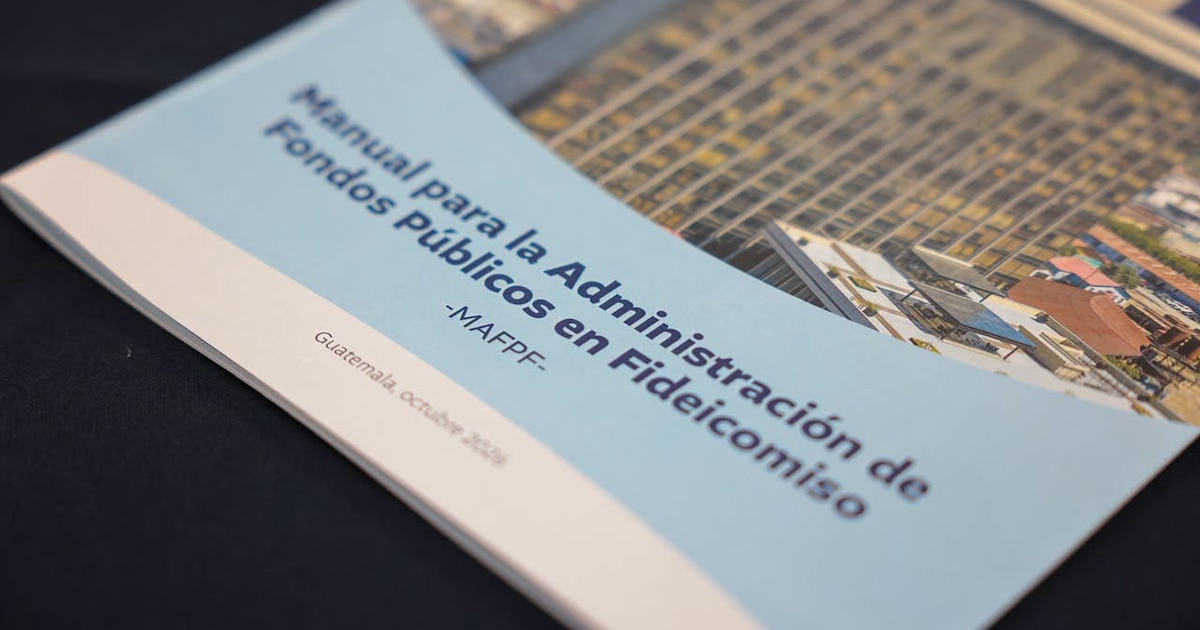
El Ministerio de Finanzas Públicas de Guatemala aprobó el Acuerdo Ministerial 527-2026 para establecer nuevas reglas sobre los fideicomisos que administran recursos estatales, exigir mayores registros contables y financieros, y obligar a las entidades del Organismo Ejecutivo a adecuar sus procedimientos antes del segundo cuatrimestre de 2027, según el Minfin.
La disposición fue emitida el 24 de septiembre y publicada el 5 de octubre de 2026. El manual fue presentado el 18 de noviembre y reemplazó al Acuerdo Ministerial 25-2010-A, que reguló estos mecanismos durante 16 años.
Las nuevas exigencias alcanzan a la Presidencia, los ministerios, las secretarías y otras dependencias del Organismo Ejecutivo que utilicen fideicomisos para ejecutar fondos públicos. También deberán cumplirlas los bancos fiduciarios y las unidades ejecutoras responsables de administrar los recursos.

Tres modalidades y un requisito de ejecución previa
El Manual para la Administración de Fondos Públicos en Fideicomiso diferencia los contratos según el destino de los recursos y las condiciones para recuperarlos: fideicomisos no reembolsables, reembolsables y de garantía. Cada categoría tendrá disposiciones propias sobre registros contables, controles y responsabilidades institucionales.
Los fideicomisos reembolsables deberán incorporar obligaciones específicas para registrar y recuperar cartera. La normativa anterior no contemplaba algunas condiciones de la operación actual de estas figuras financieras, por lo que el nuevo instrumento ordena los procedimientos desde el traslado de recursos hasta el cierre de cada contrato.
Las entidades deberán demostrar una ejecución mínima del 75% de los fondos recibidos antes de solicitar nuevos anticipos. El requisito vincula la entrega de recursos adicionales con el avance de la ejecución presupuestaria.
Las unidades ejecutoras asumirán tareas de actualización de registros sobre ingresos y operaciones. También deberán cumplir los procedimientos que defina la Dirección de Fideicomisos del Minfin y mantener información actualizada sobre el dinero administrado bajo esta modalidad.
Los intereses generados por esos recursos deberán incorporarse a los sistemas institucionales. El registro permitirá seguir el movimiento financiero de cada contrato, incluidos los saldos disponibles y las obligaciones pendientes.

Información centralizada y reglas para el cierre de contratos
Los fideicomisos que reciban transferencias del Presupuesto General de Ingresos y Egresos del Estado tendrán un tratamiento particular. Aunque estarán parcialmente exceptuados de ciertas disposiciones, deberán enviar información periódica a la Dirección de Fideicomisos mediante herramientas informáticas.
La concentración de esos datos en la dependencia financiera permitirá al ministerio revisar la ejecución de los fondos que operan fuera del esquema presupuestario ordinario. Las entidades tendrán que identificar además a los funcionarios y unidades encargados de cumplir las obligaciones administrativas, financieras y contables.
Los fideicomisos constituidos después de la entrada en vigencia del acuerdo deberán incluir cláusulas que obliguen al cumplimiento del manual. La regulación incorpora también procedimientos para su liquidación y extinción, con reglas para definir el destino de los saldos, concluir obligaciones pendientes y registrar la finalización de los contratos ante las autoridades competentes.
El director de Fideicomisos, Miguel García, afirmó que la actualización permitirá regularizar los registros contables y ampliar los controles sobre la ejecución de recursos. El funcionario sostuvo que las disposiciones apuntan a fortalecer la rendición de cuentas de las entidades responsables.
El viceministro de Ingresos y Evaluación Fiscal, Wilberto Rojas, señaló que el manual constituye una primera etapa de una revisión más amplia sobre los fideicomisos públicos. El Minfin prevé desarrollar reglas para todo el ciclo de estos contratos, desde su constitución hasta su liquidación.
La cartera financiera inició capacitaciones y prevé brindar acompañamiento técnico a las instituciones obligadas. Durante el período de adecuación, las entidades deberán revisar los fideicomisos vigentes, actualizar sus sistemas de información y definir las responsabilidades de los funcionarios que intervienen en cada operación.
Guatemala,Ministerio de Finanzas Públicas,fideicomiso,fondos públicos
INTERNACIONAL
Los últimos momentos con vida de la influencer dominicana Melissa Medina: ¿Qué pasó en 84 minutos antes de morir repentinamente?
La madrugada transcurrió entre el silencio de los pasillos de la torre Arpel 07 y el registro ininterrumpido de las cámaras de seguridad. Ese rastro audiovisual, pieza central de la investigación que hoy conducen la Policía Nacional y el Ministerio Público, reconstruye paso a paso las últimas horas con vida de Melissa Medina, una joven de 22 años empresaria e influencer.
Todo comenzó pasadas las dos de la madrugada del martes 17 de noviembre. Según las grabaciones recopiladas por los investigadores y presentadas por el vocero policial, coronel Diego Pesqueira, a las 2:06 a. m. ingresó al edificio Mariana Michelena, una joven venezolana de 21 años que acompañaría a Melissa durante aquella jornada.
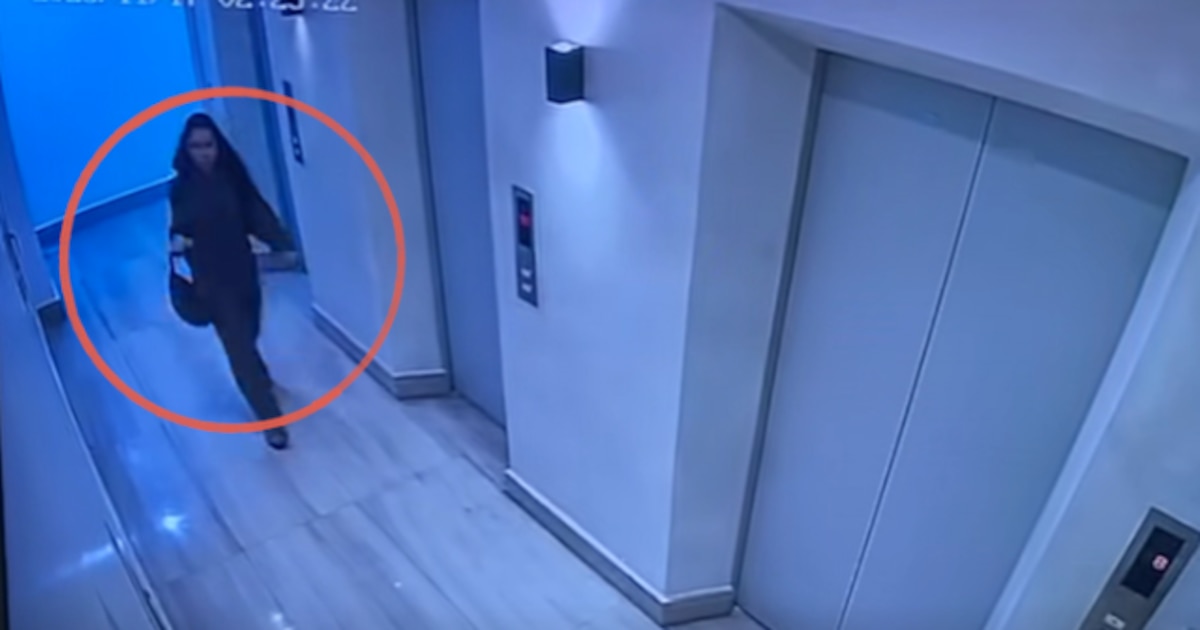
Diecinueve minutos más tarde, a las 2:25 a. m., las cámaras captaron la llegada de Medina. Entró al inmueble caminando por sus propios medios, con vida y sin señales visibles de alerta, sin imaginar que aquellas imágenes se convertirían en el último registro de su ingreso al lugar.
Durante las siguientes dos horas, el movimiento en los accesos principales pareció detenerse, hasta que a las 4:26 a. m. el lente de vigilancia volvió a encuadrar una presencia clave: el empresario Eliezer Salvador arribó a la torre residencial y subió al apartamento donde se encontraban ambas jóvenes.
No obstante, según la versión de Michelena, Salvador fue el primero en llegar a la habitación y volvió a salir alrededor de las 4:15 de la madrugada, pero regresó nuevamente al lugar. Lo ocurrido detrás de esa puerta durante los 84 minutos antes constituye hoy el principal enigma que intentan despejar los peritos y fiscales.
El reloj marcó las 5:50 a. m. cuando la escena dio un giro dramático. Las cámaras de seguridad registraron el momento en que Melissa abandonaba el apartamento, pero ya no lo hacía por sí sola. Inconsciente y sin capacidad de sostenerse, la joven era cargada y sostenida por Mariana Michelena y Eliezer Salvador mientras descendían hacia el lobby del edificio. El trayecto por el vestíbulo reflejaba la urgencia de un traslado improvisado en medio de las primeras luces del día.
21 minutos después, a las 6:11 a. m., otro video que posteriormente comenzó a circular en redes sociales documentó la llegada de Melissa a un centro médico. El esfuerzo por reanimarla resultó infructuoso: el personal de salud que la recibió certificó que la joven había llegado sin signos vitales. En apenas tres horas y cuarenta y seis minutos desde su entrada a la torre Arpel 07, su vida se había apagado.
Una investigación científica sin personas detenidas
Hasta el momento, el caso se mantiene en una fase estrictamente técnico-pericial y no hay personas capturadas ni imputadas formalmente por el fallecimiento. El coronel Diego Pesqueira explicó este viernes 20 de noviembre que la Policía Nacional ha tomado entrevistas a dos personas clave: a Mariana Michelena, testigo presencial de las horas previas, y al vigilante de seguridad de la torre Arpel 07, cuya identidad permanece bajo reserva para proteger el curso de las indagatorias.
En cuanto al empresario Eliezer Salvador, cuya presencia en el apartamento quedó plenamente confirmada por los videos de vigilancia, las autoridades precisaron que aún no ha sido entrevistado directamente por los agentes investigadores, aunque se confirmó que ya se ha establecido contacto a través de su representante legal. Su estatus jurídico, al igual que el rumbo procesal del expediente, depende por completo de lo que determinen los exámenes médicos.
Mientras los investigadores reconstruyen cada lapso de tiempo entre las 2:25 y las 6:11 de la mañana, la fiscal del Distrito Nacional, Rosalba Ramos, ofreció un primer adelanto técnico sobre el estado del cuerpo. De acuerdo con los hallazgos preliminares del Instituto Nacional de Ciencias Forenses (Inacif), el deceso de Melissa Medina apunta a una falla cardíaca.
Sin embargo, el Ministerio Público y la Policía Nacional han sido enfáticos en señalar que ese dato inicial no cierra el caso. Las autoridades aguardan los resultados definitivos y toxicológicos de Patología Forense para establecer qué provocó exactamente ese fallo cardiorrespiratorio y descartar o confirmar la intervención de terceros o el consumo de alguna sustancia.
Solo cuando ese informe científico llegue a manos de los fiscales se definirán las próximas acciones legales en torno a una madrugada que aún guarda demasiadas preguntas.

TONOPAH, Nev. — An Obama-era solar power plant once hailed as a «clean energy marvel» and backed by more than $1 billion in federal support has gone bankrupt for a second time and sold for just $7 million — with the estimated taxpayer tab potentially reaching $507.6 million.
Rising from the barren Nevada desert, the Crescent Dunes Solar Energy Project looks like a futuristic fortress in a vast, dusty wasteland, with more than 10,000 mirrors surrounding a giant central tower. The plant was designed to generate solar electricity even after sunset, using an emerging technology that promised to revolutionize green energy in America.
The Obama administration bet big on the project, backing it with a $737 million federal loan guarantee and around $275 million in Treasury grant awards as part of its broader $90 billion push to combat climate change and stimulate the economy following the 2008 financial crisis.
OBAMA-ERA ‘CLEAN ENERGY’ SOLAR POWER PLANT STILL USES FOSSIL FUELS – AND KILLS THOUSANDS OF BIRDS ANNUALLY
But the promise never matched the performance.
After operations began in late 2015, leaks and equipment failures repeatedly knocked the plant offline, production fell short and cheaper solar alternatives undercut its economics — driving the project into financial ruin and leaving taxpayers shouldering the cost.
The financial collapse comes 15 years after Solyndra, another Obama-backed solar company, went bankrupt and left taxpayers in the red for $528 million — a sum Crescent Dunes’ estimated taxpayer tab could nearly match.
«The Crescent Dunes solar project is a microcosm of what is wrong with Democrat governance: the Green New Scam, hundreds of millions in taxpayer dollars wasted, fraud, and a cover-up,» Rep. Lance Gooden, R-Texas, told Digital.
OBAMA-BACKED $2.2B GREEN ENERGY ‘BOONDOGGLE’ LEAVES TAXPAYERS ON THE HOOK
Crescent Dunes sits about 13 miles northwest of the old mining town of Tonopah, roughly halfway between Las Vegas and Reno.
The isolated facility, which Digital toured, is surrounded by miles of barren desert, scrubland and distant mountain ranges.
Across the 2,250-acre federal site, more than 10,000 giant mirrors surround a 640-foot tower — the centerpiece of a system designed to overcome one of solar power’s biggest limitations: darkness.
Unlike ordinary solar panels, which convert sunlight directly into electricity, Crescent Dunes focuses the sun’s rays onto a receiver atop the tower, heating molten salt to roughly 1,050 degrees Fahrenheit. The salt stores that heat in a massive insulated tank, allowing it to produce steam that drives an electricity-generating turbine long after sunset.
That combination made it the first commercial-scale U.S. solar tower to use molten salt to both collect and store the sun’s heat. DOE projected it would generate 482,000 megawatt-hours annually, with a maximum output of 110 megawatts — enough to supply more than 75,000 Nevada homes during peak periods.
American developer SolarReserve developed the project, while Spanish contractor Cobra, a subsidiary of construction giant ACS Group, built it.
Both held ownership stakes in the company that owned the plant, Tonopah Solar Energy.
Spanish banking giant Banco Santander also held an ownership stake in Tonopah Solar Energy.
Then-Senate Minority Leader Harry Reid, D-Nev., championed the project. In 2016, he called it an «engineering and clean energy marvel» and predicted that «Nevada will benefit for decades.»
The project reflected the Obama administration’s push to expand clean energy by using taxpayer-backed financing to help bring promising but commercially risky technologies to market.
But Crescent Dunes showed how expensive those gambles could become when they failed.
Crescent Dunes’ problems emerged almost immediately.
A major leak in its molten-salt storage tank occurred in October 2016 — less than a year after commercial operations began.
During that shutdown, Treasury approved a cash-grant payment in March 2017 under the Obama-era stimulus program — funding that later became the subject of serious fraud allegations.
It went back online in July 2017, but restarting the plant did not resolve its performance problems.
Even in 2018, its best full year through 2025, Crescent Dunes generated just 41% of the annual electricity output projected by DOE, according to federal energy records.
Then another tank failure halted generation in March 2019.
Seven months later, the repeated breakdowns and poor performance eventually cost Crescent Dunes its sole electricity customer when NV Energy terminated its 25-year agreement.
Without its long-term power contract, Crescent Dunes spiraled into financial trouble, culminating in its first bankruptcy in July 2020.
The 2020 restructuring handed ownership to ACS through its affiliate, Crescent Dunes Investment, with Cobra running the plant. The turnaround plan counted on extensive repairs restoring production to 400,000 megawatt-hours a year — more than twice its best annual output.
But the revival faltered.
The plant restarted in July 2021, only for further molten-salt-tank leaks in 2022 and 2023 to force additional shutdowns.
Although the plant resumed selling electricity under shorter-term agreements, it continued to lose money and relied on financial support from affiliated companies, court records show.
REGULATORS ALLOW OBAMA-ERA SOLAR PLANT TO KILL THOUSANDS OF BIRDS ANNUALLY, INVESTIGATION FINDS
By January 2026, it was back in bankruptcy court. This time, the billion-dollar plant went on the auction block.
Mississippi-based Sons of Liberty Construction, a company owned by three brothers, bought it for $7 million in July and are attempting to revive it.
The plant was generating electricity during Digital’s visit, although they said it remained well below its initial intended output. Their efforts to restore the troubled facility are examined in Part 3 of this series.
Behind that history of breakdowns and bankruptcies lies a dispute over what failed: the solar technology, the construction behind it, or a combination of both.
Bill Gould, SolarReserve’s co-founder and former chief technology officer, blamed the project’s Spanish construction contractor, ACS Cobra.
«It was a tragedy of mismanagement,» Gould told Bloomberg in 2020, accusing the contractor of delaying necessary work and designing a defective molten-salt tank.
An unnamed engineer who said he had worked at Crescent Dunes since its early development offered a similar account, blaming the tank failures on design and welding problems. He told SolarPACES in 2023 that the plant’s solar collection technology had experienced comparatively few problems.
«It’s just the old tech that’s having these troubles,» the engineer said, referring to the conventional thermal-power equipment.
The sheer size of the storage system posed a significant challenge, according to Oliver Hemmers, a physicist and energy researcher who formerly led the Harry Reid Center for Environmental Studies at the University of Nevada, Las Vegas.
«Ultimately, the larger you make those tanks that hold the molten salt, the harder the material science challenges become,» Hemmers told Digital.
Hemmers said temperature swings of hundreds of degrees can cause the metal to repeatedly expand and contract, eventually creating cracks and leaks. He had not reviewed the plant’s engineering plans but questioned whether the developers had sufficiently tested the tank design.
«You need to have alloys that can withstand that heat variation without moving much. Otherwise, when the walls move, the vessel breaks, cracks and leaks. So I’m not sure how much research they really put into the vessel design,» he said.
Hemmers noted that Crescent Dunes relied on a massive molten-salt storage tank, while other solar thermal facilities have used multiple smaller tanks to reduce the stresses caused by repeated heating and cooling.
Court records show how efforts to prevent further failures came at a cost.
When the plant resumed operations in July 2023, operators lowered the hot-salt tank’s temperature from its original design level of about 1,050 degrees Fahrenheit to about 850 degrees. They later raised it to as high as 900 degrees, but the lower temperatures still reduced electricity production and revenue.
As Crescent Dunes struggled to meet its production targets, competing solar technology was getting cheaper.
Falling prices for conventional solar panels, known as photovoltaic panels, including those manufactured in China, undercut the project.
Photovoltaic panels convert sunlight directly into electricity, offering a simpler and increasingly cheaper way to generate solar power.
Crescent Dunes, by contrast, uses more than 10,000 computer-controlled mirrors, called heliostats, to focus sunlight onto a receiver atop its central tower. The heat warms molten salt, which is then used to produce steam that drives turbines to generate electricity.
Crescent Dunes, however, has one key advantage: Its molten-salt storage system allows it to generate electricity even after sunset, something conventional solar panels cannot do without additional storage.
Those same economic pressures have battered California’s Ivanpah solar plant, another Obama-era project Digital reported on that uses thousands of heliostats to concentrate sunlight. Unlike Crescent Dunes, Ivanpah cannot store the sun’s heat to generate electricity after dark.
Digital contacted ACS Group and its attorneys but received no response.
The project was backed by more than $1 billion in federal loan guarantees and grants.
That included a $737 million Department of Energy loan guarantee. DOE said it resolved its financial interests in the project through the plant’s first bankruptcy settlement in 2020 in an effort to maximize taxpayer recovery and estimated its loss on the loan at $232 million — a figure the department confirmed to Digital on background.
The Trump administration’s Department of Energy blasted the handling of taxpayer money behind the project.
«It is unfortunate that previous administrations irresponsibly managed taxpayer dollars in their support of the Green New Scam. Since 2020, DOE has had no ownership, operational, or financial interest in the Obama-era project,» DOE assistant press secretary Caroline Murzin told Digital in a written statement.
The project also received a $275.6 million Treasury grant award, which, unlike the loan, was not intended to be repaid provided the project met the program’s requirements.
Combined, the Treasury grant awards and DOE’s estimated loan loss would put the total federal cost at approximately $507.6 million, although Treasury has not confirmed the full grant was disbursed and DOE has not provided a final accounting of its loan losses.
Digital has filed Freedom of Information Act requests with both the Energy and Treasury departments seeking a full accounting of the federal loans, grant payments and taxpayer losses associated with Crescent Dunes.
The Treasury grant also became the focus of a private investor-backed lawsuit alleging that companies involved in construction fraudulently secured the money. A judge dismissed the case at DOJ’s request and the investors are appealing.
The allegations and the fight over the dismissal are examined in Part 2.
Reid, who died in 2021, had championed Crescent Dunes as a showcase for government and private industry working together to build «the next generation of clean energy technology.»
Its financial collapse has sharpened the question behind that partnership: Should taxpayers bankroll commercially risky energy projects that private lenders are unwilling to fully finance?
«The government shouldn’t be picking winners and losers,» Véronique de Rugy, an economist at George Mason University’s Mercatus Center, told Digital.
«This is not the role of the government. The government is not good at actually picking projects that somehow the private sector is leaving on the sidewalk,» she said.
De Rugy argued that politicians take credit for publicly financed projects without facing the same consequences when they collapse. Unlike private investors, she said, politicians don’t personally bear the financial losses when their bets go wrong.
«So then they can go and do a ribbon cutting ceremony when the plant opens, and then they’re usually nowhere to be seen when the company goes under,» she said.
She also argued that many companies receiving government assistance would have succeeded without it, questioning why taxpayers should shoulder the risks of commercial investments.
«These subsidies go to projects that end up failing, right, then taxpayers have to shoulder the bill,» she said.
Nick Loris, president of the Conservative Coalition for Climate Solutions (C3 Solutions), a conservative energy and environmental policy think tank, offered a different perspective, arguing that government financing can sometimes justify the risks of developing new technologies.
«I wouldn’t call it a mistake. I think it took a risky bet on a potentially promising technology that aimed to solve one of the challenges with solar in its intermittency,» Loris told Digital.
He argued that federal financing can help promising technologies reach the market when private investors are reluctant to take the risk, and that failures such as Crescent Dunes should be weighed against successful projects and interest earnings across DOE’s broader loan portfolio.
One example is California’s Desert Sunlight, a 550-megawatt solar farm that uses panels instead of mirrors and molten salt. In a 2024 assessment, DOE said the project helped prove the viability of large-scale solar and was meeting its loan obligations.
Across the broader program, DOE reported in its fiscal 2027 budget justification that borrowers had paid nearly $5 billion in interest, compared with nearly $1 billion in default losses, through Sept. 30, 2025.
But Hemmers questioned whether Crescent Dunes ever made economic sense, arguing that the billion-dollar investment was a risky gamble from the outset.
«Right, we kind of say, okay, that was a boondoggle. It didn’t work. And so now we move on, right, do something else,» Hemmers said.
Asked whether Crescent Dunes deserved that label, he doubled down.
«I think so, yeah. I think from the get-go, it started off too expensive, and I think it was unfortunate, let’s say for the developer, that they run into all these technical issues on top of it,» he said.
«And as we can see from that project, it completely failed in the end.»
politics, nevada, energy in america, energy planet earth, energy, barack obama, climate, fox news investigates

Malvinas: el gobernador de Tucumán le entregó al canciller Pablo Quirno un documento inédito de 1833 sobre la usurpación británica

Gobierno de Guatemala actualiza las reglas para administrar fideicomisos públicos y fija un plazo de adaptación hasta 2027

Las acciones de Anthropic empezaron a cotizar en Wall Street: subieron 17% después de una salida récord a la bolsa

Video: el gol de Equi Fernández en el triunfo 4-0 del Leverkusen ante Paderborn

Se casaron, tuvieron hijos y todo era perfecto, pero todo explotó con una escandalosa separación: ahora ella confirmó que está otra vez de novia

La Cámpora y Kicillof cerraron un acuerdo en medio de la interna: Máximo Kirchner asumió al frente del Congreso del PJ bonaerense

Javier Milei y sus medidas, en vivo: “Hoy discutimos si crecemos un punto más o menos”, dijo el Presidente

Javier Milei destacó el desembarco de Tesla en el país y aseguró: “Esto también es devolverle la libertad a los argentinos”

El Gobierno rechazó las actividades de la princesa Ana, hermana del rey Carlos III, en las Islas Malvinas

El brote de ébola está fuera de control en la República Democrática del Congo y crece el temor a una epidemia continental

 POLITICA2 días ago
Javier Milei y sus medidas, en vivo: “Hoy discutimos si crecemos un punto más o menos”, dijo el Presidente
- POLITICA17 horas ago
Javier Milei destacó el desembarco de Tesla en el país y aseguró: “Esto también es devolverle la libertad a los argentinos”
- INTERNACIONAL2 días ago
El brote de ébola está fuera de control en la República Democrática del Congo y crece el temor a una epidemia continental