INTERNACIONAL
Nuevo sismo de magnitud 6,3 provoca evacuaciones preventivas y se percibe en todo Panamá

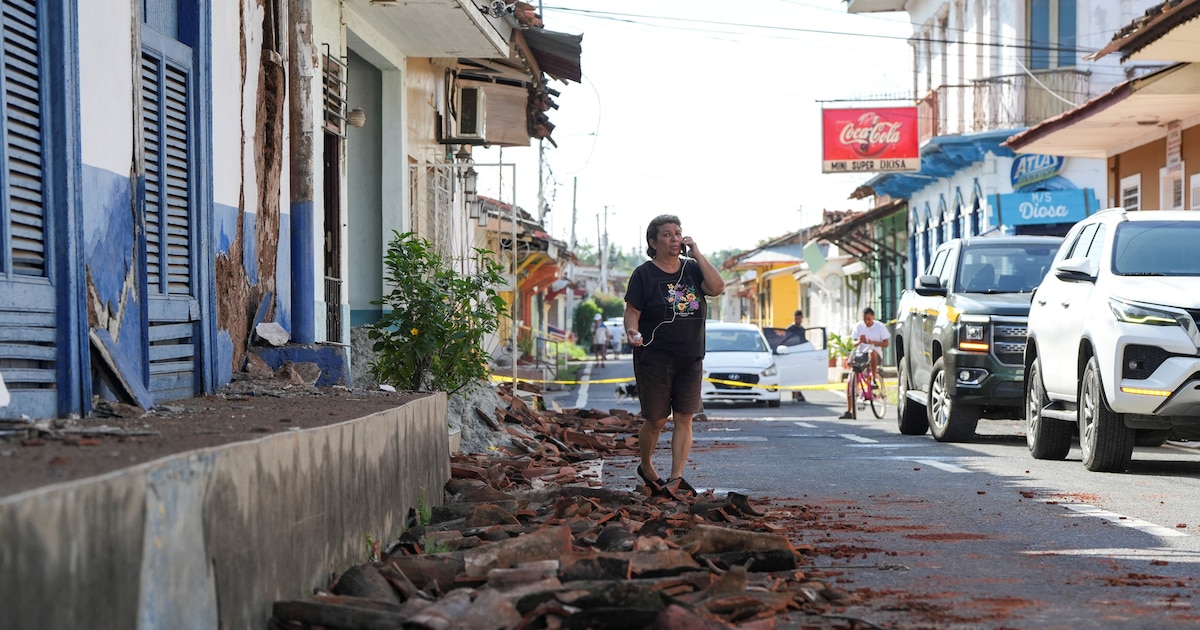
El Instituto de Geociencias de la Universidad de Panamá informó un nuevo sismo de magnitud 6,3 a las 18:20 (hora local), localizado a 32 km al suroeste de Soná y a 10 km de profundidad. El movimiento se percibió en todo el país y motivó evacuaciones preventivas, en medio de una secuencia iniciada por el terremoto de magnitud 7,5 del viernes 9 de octubre.
La actividad posterior al terremoto principal superó los 230 movimientos en la región, de acuerdo con registros preliminares del Instituto de Geociencias. La frecuencia promedio fue de un sismo cada 11 minutos, aunque algunos temblores se produjeron con apenas segundos de diferencia.
El terremoto de magnitud 7,5 ocurrió a las 12:56 del viernes 9 de octubre. Sus réplicas se concentraron principalmente en los alrededores de Tonosí, Soná e isla Coiba, mientras también se registraron eventos con referencia a Santiago, Las Tablas y Chitré.
Hasta las 7:11 del domingo 11 de octubre, el catálogo del Instituto de Geociencias contabilizaba aproximadamente 85 movimientos en las cercanías de Tonosí, 56 en relación con Soná y 39 próximos a isla Coiba. Las cifras permanecieron sujetas a revisiones conforme se incorporaron nuevos registros.

Daños en viviendas, escuelas y servicios básicos
La emergencia dejó afectaciones en más de 700 viviendas y en 419 centros educativos, además de daños en carreteras, instalaciones públicas y servicios básicos. Los problemas se concentraron en sectores de Los Santos, Herrera y Veraguas, donde las interrupciones de agua y electricidad, junto con el deterioro de las vías, dificultaron la atención a las familias.
Las comunidades de Macaracas, en Los Santos, y Los Pozos, en Herrera, figuraron entre las localidades con mayores daños. En áreas rurales alejadas de las cabeceras distritales, las dificultades de acceso demoraron las evaluaciones de viviendas y la distribución de asistencia.
Muchas familias permanecieron fuera de sus casas por la presencia de grietas, desprendimientos y daños estructurales. La incertidumbre se intensificó durante la noche, cuando el temor a nuevas réplicas impidió que algunos residentes regresaran a dormir bajo techo.
Cerca del 90% de los eventos incluidos en el recuento preliminar ocurrió a una profundidad de 10 km o menos. También hubo registros a cinco, cuatro, tres y dos kilómetros, una condición que puede intensificar las sacudidas cerca del epicentro, aunque los efectos dependen además de la magnitud, la distancia y las condiciones del terreno.
Réplicas frecuentes a poca profundidad
El Servicio Geológico de Estados Unidos (USGS), agencia federal estadounidense, explicó que las réplicas se producen cuando un terremoto modifica las tensiones acumuladas en la corteza terrestre y provoca nuevas rupturas cerca de la falla activada. La elevada frecuencia inicial forma parte de un comportamiento habitual de las secuencias sísmicas, que suelen disminuir con el tiempo sin que sea posible anticipar cada movimiento.

El sistema de fallas que atraviesa el sur panameño
El sismo del 9 de octubre ocurrió en una región atravesada por el Sistema de Fallas Azuero-Soná, una estructura regional de cizalla con orientación noroeste-sureste. El Instituto de Geociencias la identificó como responsable de la actividad sísmica de gran magnitud en Tonosí, Veraguas y el suroeste de Panamá.
El sistema combina fallas de desgarre lateral con mecanismos de extensión, asociados a fallas normales, y de compresión, vinculados a fallas inversas. Esa diversidad se refleja en los mecanismos focales registrados en sus distintas secciones.
La zona de Mariato y el golfo de Montijo presenta una combinación de fallas de desgarre con componentes normales e inversos. En isla Coiba y sus alrededores predominan fallas transcurrentes vinculadas a la interacción entre la fractura de Coiba y estructuras locales, que generan una sismicidad frecuente con rupturas laterales.
La península de Azuero tiene antecedentes históricos de terremotos asociados a esa estructura. Cronistas de la época colonial registraron un sismo el 2 de octubre de 1516, considerado el primero documentado en tierra firme y sentido en toda la península.
En 1913, un terremoto con magnitud de momento estimada en 6,9 fue asociado a la falla de Tonosí. El evento provocó deslizamientos y graves daños en poblados del sur de Azuero, además de un pequeño tsunami que llegó al golfo de San Miguel, en Darién.
Panamá se asienta sobre una microplaca que abarca principalmente su territorio, Costa Rica y la franja occidental de Chocó, en Colombia, delimitada por bordes convergentes y de transformación. Esa configuración también está relacionada con terremotos registrados en Puerto Armuelles y su entorno en 1934, 1979, 2002, 2003 y 2019, además del sismo de magnitud 6,7 al sur de David en 2022.
Accidents,Disasters,Natural Catastrophes,Disasters / Accidents,South America / Central America









INTERNACIONAL
NATO warns Russia: ‘We will break’ forces, destroy ‘anything and everything’ if you attack
NEWYou can now listen to Fox News articles!
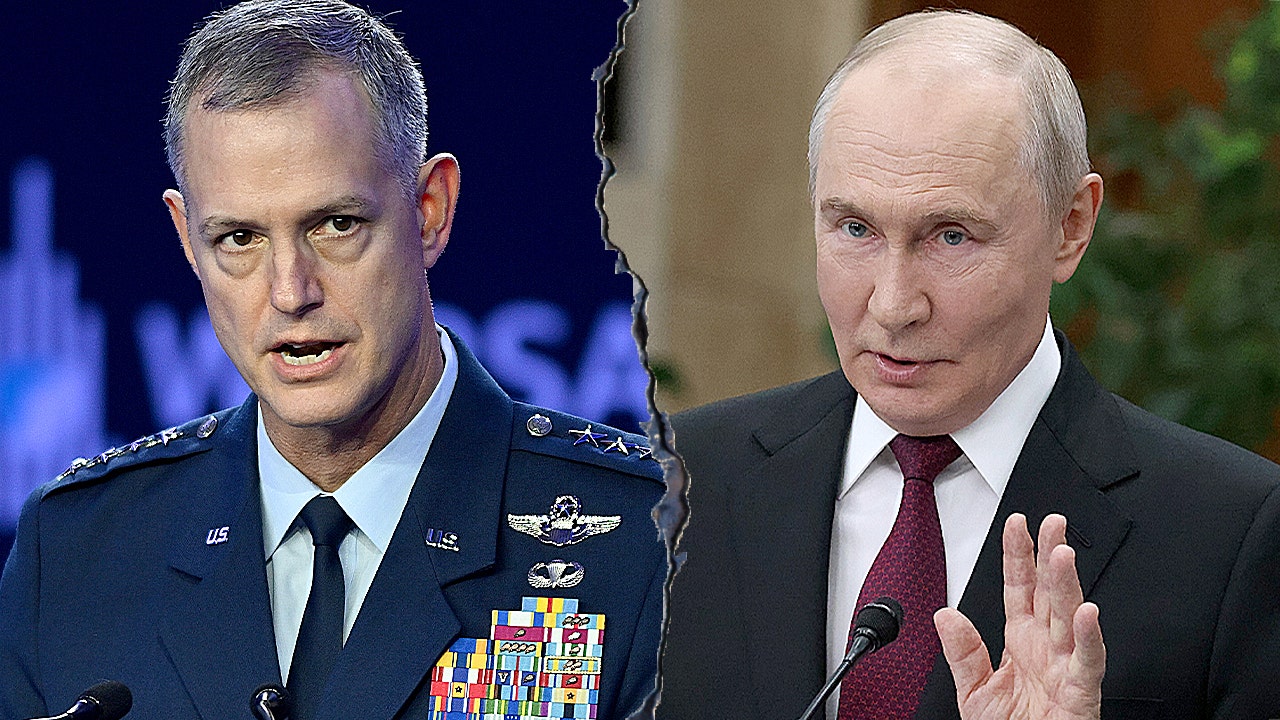
NATO’s top military commander warned Monday that what he called the «lethal alliance» would destroy «anything and everything» supporting an attack on allied territory and «break» enemy warfighting systems to thwart any potential future Russian assault.
«Should the adversary choose to press the attack or commit his reserves, we will break the warfighting system engaged against us,» U.S. Air Force Gen. Alexus Grynkewich said at the Warsaw Security Forum in Poland, in an apparent warning to Moscow.
«This includes not just the attacking force itself, but anything and everything that supports, sustains, and controls that force,» he said during a panel titled «Theory of Victory: How Do We Achieve Military Success Against Russia in Deterrence and Defence?» on the first day of the forum.
US ALLIES NEED TO SHOOT DOWN RUSSIAN AIRCRAFT TESTING NATO BOUNDARIES, CZECH PRESIDENT WARNS
NATO’s top military commander warned Monday that the alliance would destroy «anything and everything» supporting an attack on allied territory and «break» enemy warfighting systems to thwart any potential future Russian assault. (Photo by Artur Widak/Anadolu via Getty Images)
Grynkewich, NATO’s supreme allied commander in Europe, also outlined a three-pronged strategy of «blocking, blunting and breaking» enemy forces, making clear that while NATO is a defensive alliance, it is prepared to respond decisively to an assault on any of its 32 members.
«If someone is foolish enough to attack us, we will fight,» he said. «We will stop the attack and deny them the ability to achieve their objectives, whatever those might be. We will, in short, ensure any attack, against any ally, proves utterly futile.»
The warning came amid heightened tensions between Russia and Western nations following a series of drone incursions and suspected sabotage operations that European countries have linked to Moscow.
«We stand here together in Poland today stronger than ever united in our common vision of a more balanced, more ready and more lethal alliance,» Grynkewich also said.
European officials have accused Russia of waging a campaign of hybrid warfare involving sabotage, arson and cyberattacks, alongside increasingly provocative military activity near NATO territory.
I’M PRESIDENT OF ONE OF AMERICA’S MOST RELIABLE ALLIES. HERE’S HOW WE STAND UP TO RUSSIA
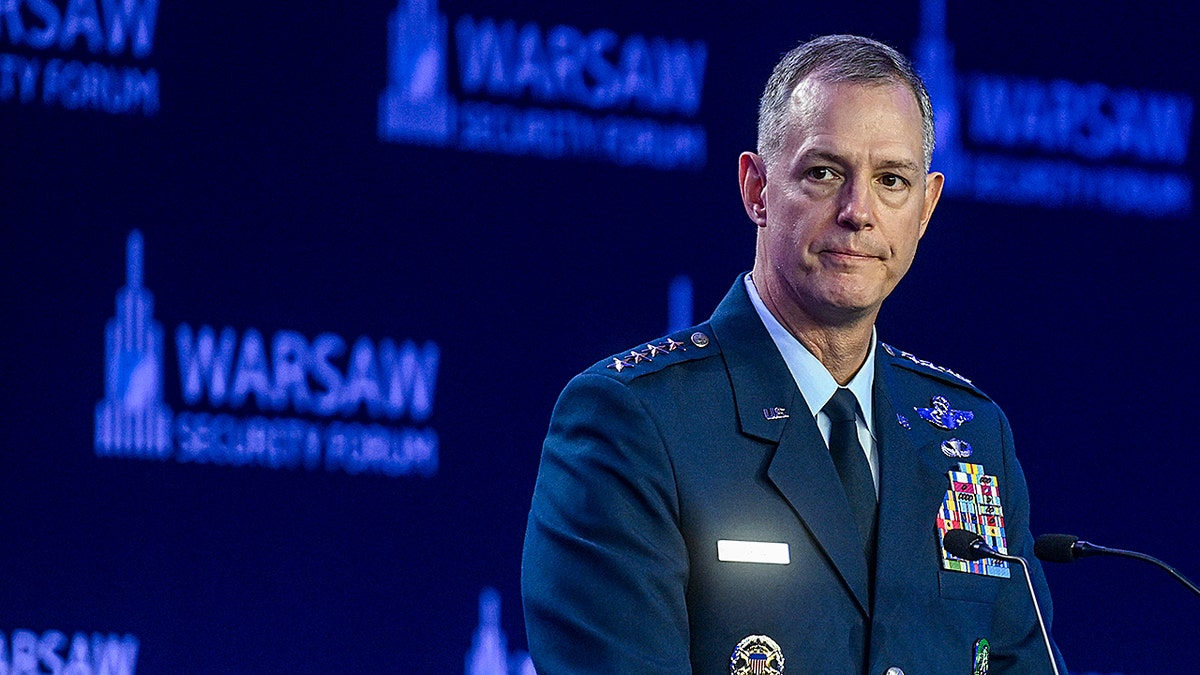
Grynkewich’s warning came amid heightened tensions between Russia and Western nations following a series of drone incursions and suspected sabotage operations that European countries have linked to Moscow. (Photo by Artur Widak/Anadolu via Getty Images)
In 2025, multiple Russian drones entered Polish airspace during a large-scale attack on Ukraine, prompting a response from Polish and allied aircraft.
NATO launched Operation Eastern Sentry to strengthen defenses along its eastern flank.
Romania has also reported Russian drone incursions, while Estonia has accused Russian military aircraft of violating its airspace.
Grynkewich’s remarks had followed a tense weekend between Russia and Ukraine, with Moscow launching fresh strikes against Ukrainian energy infrastructure despite diplomatic efforts to reduce hostilities.
President Donald Trump had announced that he had reached an agreement with Russian President Vladimir Putin to increase Russian diesel supplies to the U.S. and global markets.
ZELENSKYY ACCUSES PUTIN OF DEFYING TRUMP’S CEASEFIRE PUSH, SENDS POINTED MESSAGE TO WHITE HOUSE
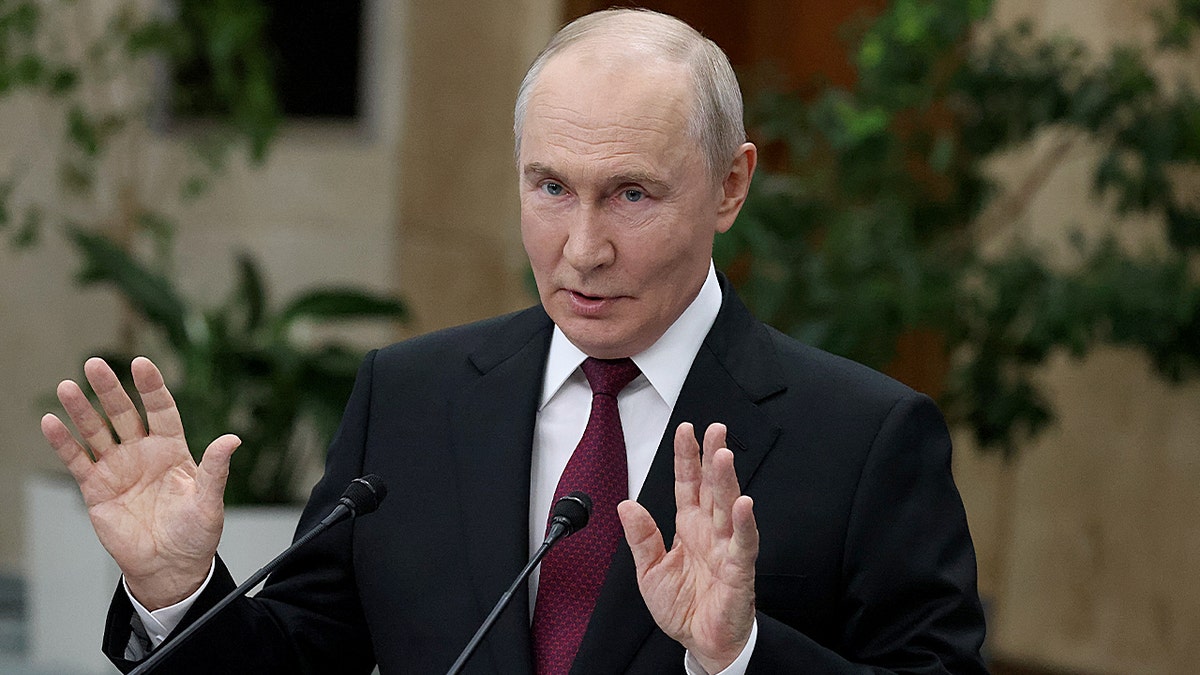
On Sept. 30, Russia warned NATO that it could use nuclear weapons if the alliance attempted to isolate Kaliningrad, its heavily militarized Baltic Sea exclave between Poland and Lithuania. ( Photo by Contributor/Getty Images)
The reported agreement included a waiver of certain U.S. sanctions on Russian energy exports.
Zelenskyy went on to accuse Russia of continuing attacks on Ukrainian energy facilities, casting doubt on prospects for a broader ceasefire.
The tensions have also been accompanied by recent nuclear warnings from Moscow.
On Sept. 30, Russia warned NATO that it could use nuclear weapons if the alliance attempted to isolate Kaliningrad, its heavily militarized Baltic Sea exclave between Poland and Lithuania.
In a diplomatic note obtained by Reuters, Moscow accused NATO of pursuing a «dangerous and reckless course» that carried «high risks of the outbreak of a direct armed conflict.»
According to the note, Russia warned it could use its full military arsenal, including nuclear weapons, to defend Kaliningrad and raised the possibility of strikes against decision-making centers in NATO countries at the outset of a conflict.
RUSSIA’S NEIGHBOR REVEALS PERSONAL APPEALS TO TRUMP AS US WEIGHS NATO TROOP PULLBACK IN EUROPE
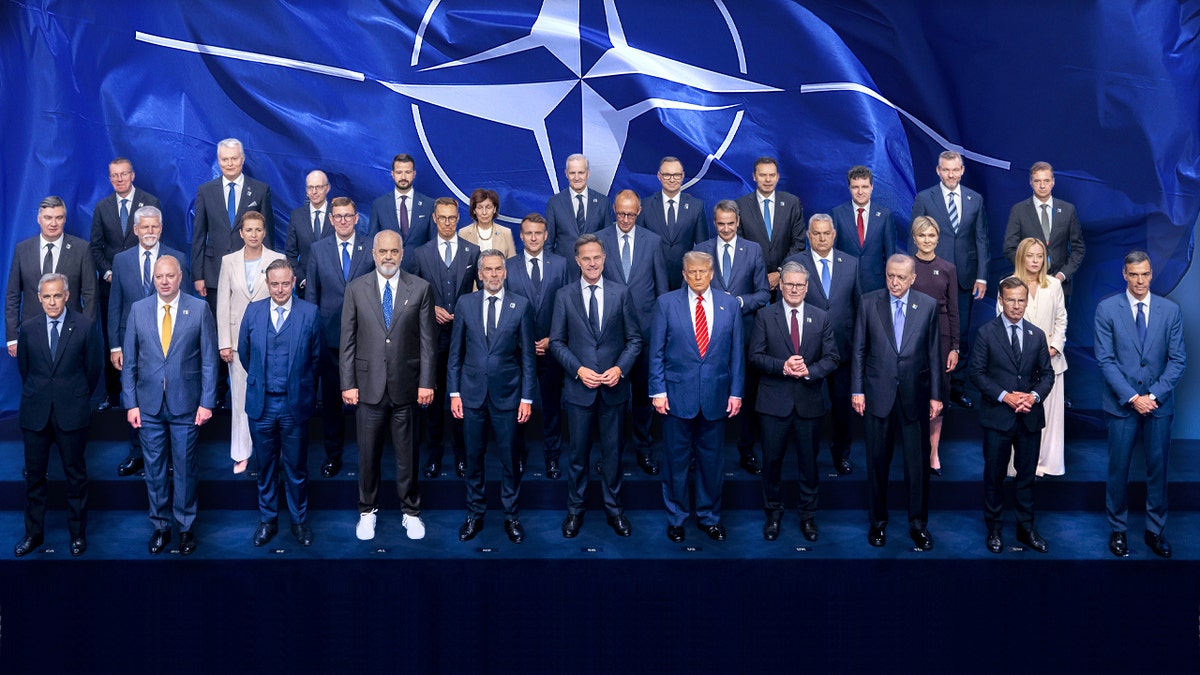
The Hague, Netherlands – In photos, NATO leaders participate in the summit in The Hague, Netherlands, on June 25, 2025. NATO countries pledged to increase their defense spending to 5% of GDP by 2035, as demanded by U.S. President Donald Trump. The summit’s final declaration states that countries will invest «at least 3.5%» of their GDP annually in military capabilities and an additional 1.5% in protecting critical infrastructure. (Handout / Latin America News Agency via Reuters Connect)
NATO Secretary-General Mark Rutte rejected the threats, emphasizing the alliance’s defensive mission and calling on Moscow to end its war in Ukraine.
«Putin knows that he can never win from NATO,» Rutte said during a Sept. 30 appearance at the Euronews Defence and Space Summit.
Putin has also maintained that Russia has no plans to attack European countries and wants peaceful coexistence with its neighbors.
Grynkewich did not mention Russia by name during his Warsaw address, but his warning appeared directed at Moscow and with NATO’s 2022 Strategic Concept also identifying Russia as the most significant and direct threat to allied security.
«My theory of victory is simple: we will block the initial attack. If the attack persists, we will blunt it and prevent enemy advance,» Grynkewich said on Monday.
«And if required, we will break the enemy’s forces and the operational warfighting system that is arrayed against us.»
Grynkewich said NATO was already putting the strategy into action through military exercises, enhanced military readiness and investments in new capabilities.
SHE GREW UP UNDER SOVIET RULE. NOW EU’S TOP DIPLOMAT WARNS EUROPE AGAINST GIVING RUSSIA WHAT IT WANTS
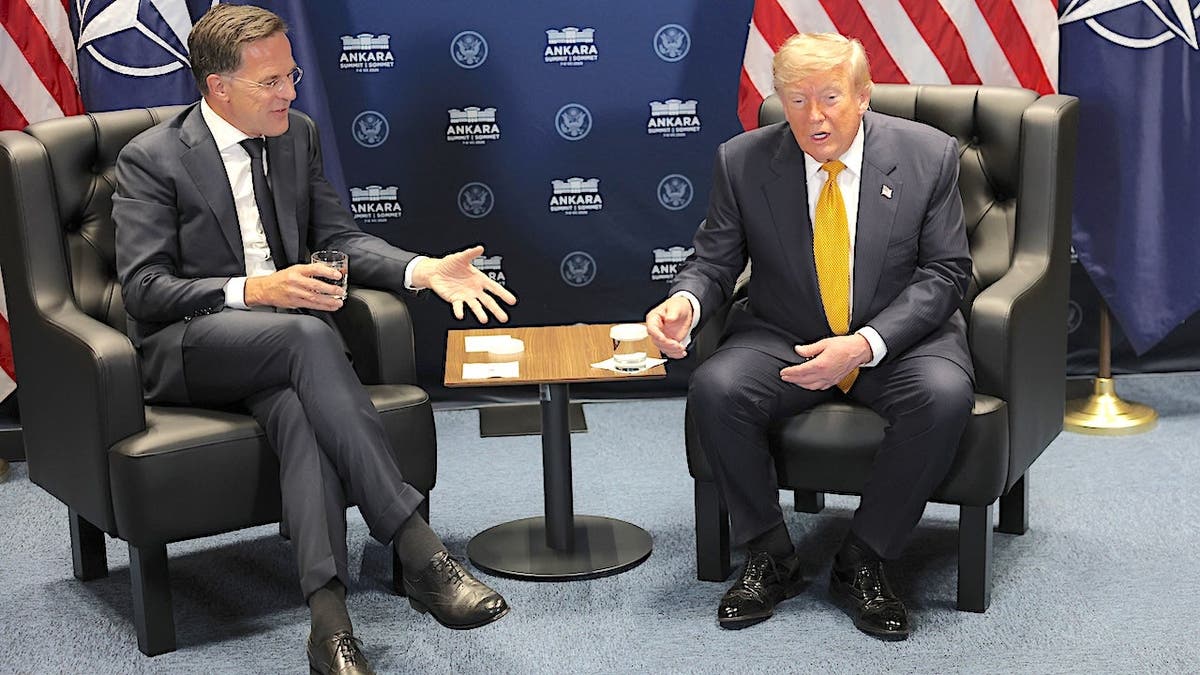
NATO Secretary Gen. Mark Rutte attempts to assure President Donald Trump on Wednesday in a news conference that allies are increasing their financial commitments so Europe’s defense is not all on the U.S. taxpayers. (Win McNamee/Getty Images)
«If attacked, we are ready to fight tonight, but we are not complacent,» he said.
The general made clear that NATO’s response would not necessarily be limited to enemy troops directly involved in an assault, but could extend to the broader military infrastructure enabling the attack.
Meanwhile, Trump has pressed European allies to increase defense spending and has questioned whether countries that fail to meet their obligations should expect U.S. protection.
Grynkewich sought to downplay concerns about Washington’s commitment, recalling Trump’s positive remarks about the alliance during the 2025 NATO summit in The Hague, Netherlands.
«I was in the room and I felt the love,» Grynkewich said of the 2025 event.
«What I want to do is assure the one billion citizens of our alliance that we’ve got this. We know what we need to do. We know how we would do it,» he added.
He also indicated a willingness to discuss suspected hybrid attacks more openly if individual NATO governments wanted him to address their concerns.
«If a nation wants me to, I’m happy to talk about it,» he said.
The Warsaw Security Forum brought together European political and defense leaders as the continent grappled with Russia’s continuing war in Ukraine and the growing threat of confrontation along NATO’s eastern flank.
world, nato, military, russia, vladimir putin, foreign affairs, geopolitics, wars
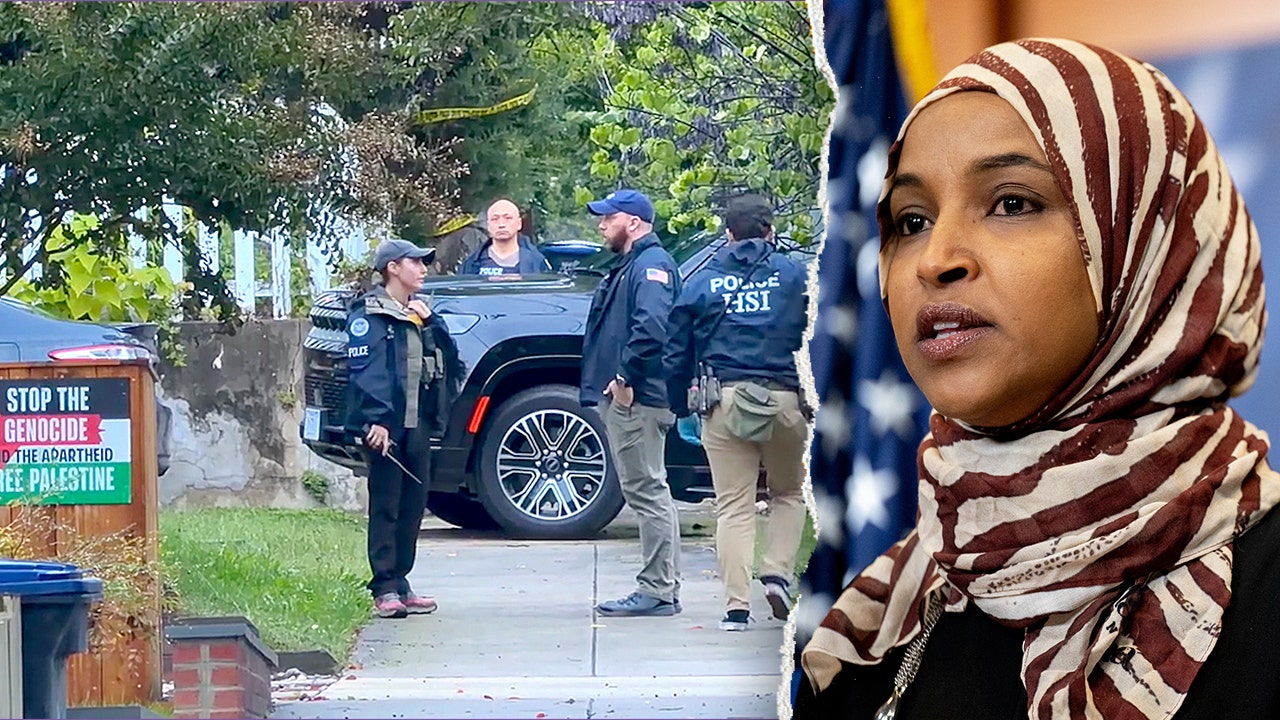
EXCLUSIVE: The home of Rep. Ilhan Omar, D-Minn, was raided early Monday morning by Homeland Security Investigations (HSI), a source familiar with the matter told Digital.
Multiple federal agents with HSI jackets were seen outside Omar’s Washington, D.C. home in the early hours of Monday.
Two sources close to the investigation say the search stems from a criminal fraud investigation into the Somali-born congresswoman’s immigration paperwork, which was filled out by her late father when she was a child.
Omar responded to the raid on X, slamming it as a way for President Donald Trump to «target political enemies» with «baseless lies,» and insisted: «I will not be silenced.»
OMAR’S GOP CHALLENGER COMES OUT FIRING WITH VOW TO CLEAN UP ‘MESS’ IN DEEP BLUE DISTRICT: ‘PEOPLE ARE FED UP’
The raid of the Somali-born congresswoman’s home started around 6 a.m. with HSI and Department of Homeland Security (DHS) leading the operation. The Department of Justice (DOJ) is also involved in the investigation.
«Today in the Washington, D.C., area, Homeland Security Investigations executed a judicially authorized search warrant secured by the Department of Justice. This enforcement action is part of an ongoing federal investigation,» a DOJ spokesperson told Digital.
The DOJ later added that the investigation was «criminal» in nature.
HSI is the principal investigative arm of DHS. Its scope includes investigating cross-border crime and global threats, including human trafficking and child sexual exploitation, drug smuggling and cybercrime. HSI plays a major front-line role in America’s counterterrorism operations.
A spokesperson for Omar did not respond to Digital’s request for comment. The White House and DHS spokespeople declined to provide comment.
«I’m ok,» Omar wrote on X hours after the search commenced. «Make no mistake: this is an attempt to target political enemies and weaponize federal law enforcement.»
«For ten years, Trump has targeted me with baseless lies and smear campaigns,» she continued. «This is just the latest escalation in his campaign of political intimidation. I will not be silenced.»
In a post from her official government X account from just after 1:30 p.m., Omar elaborated further.
«This raid by Trump’s DHS is an outrageous abuse of power and an unprecedented escalation in the weaponization of federal law enforcement to target political enemies. For a decade, Donald Trump has relentlessly targeted Congresswoman Ilhan Omar with inflammatory rhetoric, repeatedly putting a target on her back,» she said.
«Now, those attacks have escalated to a pointless federal raid. The Congresswoman has done nothing wrong. No president should be able to use the power of the federal government to intimidate his political enemies.»
The Council on American-Islamic Relations (CAIR) Minnesota says it will hold a rally in support of Omar Monday afternoon.
«Later today, CAIR-Minnesota and community partners will join a rally in solidarity with Congresswoman Omar, reaffirming the community’s commitment to standing against racism, political intimidation, and attacks on democratic representation,» CAIR-Minnesota Executive Director Jaylani Hussein said in a statement.
President Donald Trump’s Border Czar Tom Homan said in mid-September that the progressive congresswoman was subject to an ongoing «criminal» investigation, but did not specify the nature of the probe.
WATCH: OMAR SILENT WHEN CONFRONTED ON ALLEGED TIES TO MASSIVE MINNESOTA FRAUD SCANDAL
Omar has been under fire for months and faced a myriad of controversies during her time in Congress. Most recently, her financial disclosures have come into focus.
In 2024, the congresswoman reported that her husband possessed between $6 million and $30 million in assets.
A more recent 2025 financial disclosure report shows Omar’s revised value of shared assets between her and husband to sit at a maximum of $125,000 — a multimillion-dollar drop from the year prior, a difference of about 29.9 million. The lower estimate of their assets, $20,000, compared to the low and high debt estimates, $30,000 and $100,000, would imply the Minnesota Democrat could have a negative net worth.
ILHAN OMAR’S OFFICE SAYS SHE’S ‘NOT A MILLIONAIRE’ AFTER $30M FILING REVISED DOWN TO UNDER $100K: REPORT
Both she and her husband have separate debts, each ranging somewhere between $15,000 and $50,000 — from her own student loans and her husband’s credit card debt, according to the disclosures.
Omar has repeatedly refused to clarify the disclosures.
During her tenure in Congress, she has been plagued by allegations that she married her brother in 2009 in an alleged immigration fraud scheme.
A federal prosecutor recently told Digital that the statute of limitations could hinder an investigation into that matter.
Additionally, Omar made headlines this summer after her son’s residence was raided in connection to allegations his felon roommate possessed illegal firearms and ammunition.
Fox News’ Hannah Brennan contributed to this report.
politics, congress, fbi, justice department
INTERNACIONAL
‘Busque, robe, lo que sea’: el paciente cubano que desafía un sistema roto para no morir de un tercer infarto
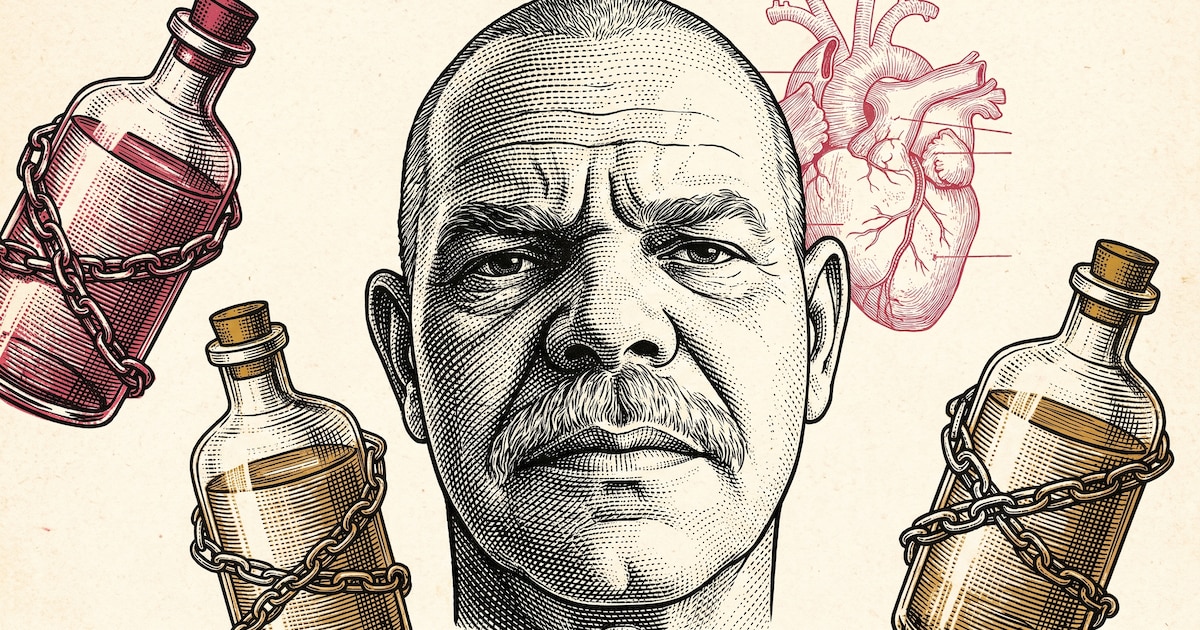
Un hombre de 62 años en Matanzas, Cuba, que ya sufrió dos infartos, asegura que aceptaría “una intervención, lo que quiera que venga” con tal de que termine la crisis que lo obliga a elegir entre comprar sus pastillas o alimentarse.
Su testimonio, difundido por Árbol Invertido, retrata el drama cotidiano de miles de pacientes crónicos en la isla.
El hombre vive en la calle Pilar, en el reparto Collazo de Matanzas. En el video que circula en Árbol Invertido aparece con un blíster en la mano y relata que acaba de pagar 500 pesos- unos 20.82 USD- por diez tabletas de clopidogrel, el medicamento antiplaquetario que debe tomar de por vida tras su segundo infarto, ocurrido hace cinco meses.
Diez tabletas de clopidogrel cuestan la mitad de un salario mínimo
El hombre no trabaja de forma estable porque su condición cardíaca se lo impide. Según contó a Árbol Invertido, sale a vender “cualquier bobería” en la calle para reunir el dinero de su tratamiento.
“Yo mismo, que no estoy trabajando, que tengo que salir para la calle a vender cualquier bobería, cualquier cosa para poder comprarme mis pastillas”, dijo el hombre a Árbol Invertido.
El precio que pagó equivale a cerca del 16% del salario mínimo mensual en Cuba, fijado en 3,210 pesos (133.69 USD) desde julio, de acuerdo con datos recogidos por CiberCuba sobre el mismo caso. La pensión mínima de jubilación, de 3,056 pesos (127.28 USD), resulta todavía más insuficiente frente a ese gasto.
Los medicamentos escasean en Cuba porque las farmacias estatales no logran cubrir ni un tercio del cuadro básico de fármacos, lo que empuja a los pacientes hacia el mercado informal y hacia las nuevas farmacias privadas, donde los precios se fijan libremente.
Para un jubilado o un enfermo sin ingresos fijos, sostener un tratamiento continuo se vuelve, en la práctica, inalcanzable.
En el video, el hombre niega que el encarecimiento responda al alza del dólar, como le explicaron en el punto de venta, y acusa directamente a quienes revenden los fármacos de aprovecharse de la necesidad ajena.
“Esto es una necesidad para el pueblo. Para un enfermo, coño, entre la vida y la muerte. Porque si no la tomas, te mueres. Y el Gobierno no la tiene”, afirmó ante la cámara de Árbol Invertido.
El cuadro básico de medicamentos cubano cubre apenas un tercio de la demanda
El reclamo del matancero no es un hecho aislado. El Ministerio de Salud Pública de Cuba mantiene un listado de 603 medicamentos esenciales, de los cuales apenas poco más de un tercio está disponible en la red estatal, según informó la agencia Associated Press.
Unos 400 de esos productos dependen de laboratorios cubanos que a su vez necesitan materia prima importada. BioCubaFarma, la principal empresa del sector, reconoció en junio que no logró fabricar 300 de los 395 medicamentos que tenía comprometidos por falta de insumos del exterior, según la misma agencia.
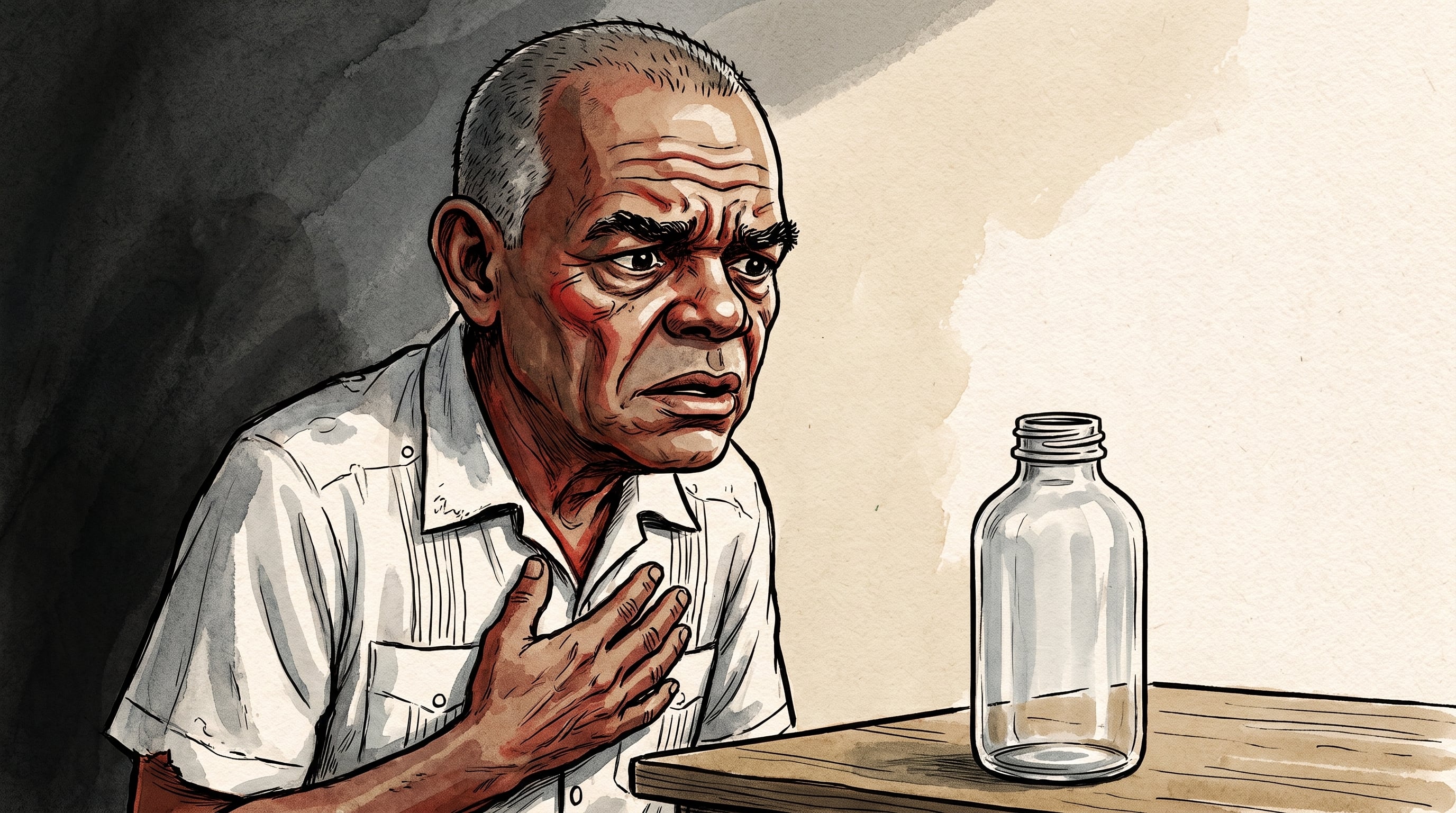
La situación se agrava en algunas provincias. En Ciego de Ávila, las autoridades admitieron que las farmacias estatales contaban apenas con el 10% del cuadro básico, un déficit que atribuyeron a problemas logísticos y a la falta de combustible para la distribución.
Frente a ese panorama, el presidente Miguel Díaz-Canel reconoció públicamente el desabastecimiento y la existencia de un mercado ilegal donde se revenden productos importados a precios excesivos, aunque atribuyó la crisis al embargo estadounidense, según reportó CiberCuba.
Farmacias privadas habilitadas desde agosto, con precios libres
Como parte de un paquete de 176 medidas económicas aprobadas en junio por el Parlamento, el Gobierno autorizó desde agosto la apertura de farmacias privadas gestionadas por micro, pequeñas y medianas empresas y cooperativas, bajo supervisión del Ministerio de Salud Pública (MINSAP). A comienzos de septiembre se evaluaban 36 proyectos y 14 ya contaban con autorización, de acuerdo con CiberCuba.
Esas farmacias operan con precios libres y, según el mismo portal, ya ofrecen productos a valores difíciles de pagar para la mayoría: la cefalexina pediátrica llega a costar 2,000 pesos y algunas vitaminas superan los 3,000 pesos.

El vacío que dejan las farmacias estatales también alimenta las redes de venta informal por WhatsApp y Telegram, además de iniciativas comunitarias gratuitas que reparten medicamentos donados desde el exterior, documentadas por Associated Press en reportajes recientes sobre la crisis sanitaria cubana.
El hombre de Matanzas no confía en que esas alternativas resuelvan su problema. En el video asegura que ya agotó su paciencia frente al desabastecimiento y al costo de sobrevivir con una enfermedad crónica.
“Ya está bueno de abuso, señores. ¿Hasta cuándo vamos a seguir aguantando esto?”, preguntó ante la cámara de Árbol Invertido, antes de insistir en que seguirá comprando sus pastillas “busque, robe, lo que sea” para evitar un tercer infarto.
Cuba,hedcut,medicamentos,corazón

Estudiantes se ilusiona con el Mundial de Clubes 2029: el ranking Conmebol y el panorama de Boca, River y todos los argentinos

Julieta Prandi confesó qué quebró su confianza con Emanuel Ortega en su matrimonio para dejarlo a 27 días de casarse: “Prefiero decirlo ahora, a tener que soportar…”

La impactante cifra por la que se vendió una icónica camiseta de Michael Jordan: es la segunda prenda deportiva más cara de la historia

NATO warns Russia: ‘We will break’ forces, destroy ‘anything and everything’ if you attack

Día de la Lealtad: sin una estrategia común, las distintas facciones del peronismo harán su propia demostración de fuerza

Los psicólogos coinciden: no es fácil saber qué se desea porque entre el deseo y uno mismo se interponen deseos ajenos y mandatos

Conciliaciones entre comercios y consumidores resuelven reclamos por más de $12.5 millones en Panamá

Regresos importantes y una duda clave: Arruabarrena definió el equipo de Boca Juniors para visitar a Instituto

El nuevo mapa del mercado automotor: qué marcas ganaron y cuáles perdieron con la apertura de las importaciones

Cómo evitar multas durante el fin de semana largo: cuál es la documentación que hay que llevar sí o sí al salir a la ruta

 DEPORTE2 días ago
Carlos Tevez busca juntar a Cristiano Ronaldo y Leo Messi en su partido de despedida
- POLITICA2 días ago
Régimen Penal Juvenil: la Defensoría Oficial busca que la Justicia porteña revise la baja de la edad de imputabilidad
- INTERNACIONAL3 días ago
Democrats are changing their transgender message. Republicans say they’re just flip-flopping