INTERNACIONAL
‘Not wanted’: Irish hotel reportedly cancels 70 rooms reserved for antisemitism conference attendees


NEWYou can now listen to Fox News articles!
A Dublin hotel declined to host an international event focused on combating antisemitism and subsequently withdrew approximately 70 rooms reserved for delegates after its general manager questioned whether the Israel Defense Forces would be involved, according to a Jewish community leader who attended the meeting.
Maurice Cohen, chairman of the Jewish Representative Council of Ireland, told Fox News Digital that he and an event organizer met with representatives of the Herbert Park Hotel, including its general manager, on May 7 to explain the gathering and discuss arrangements.
The event was connected to this week’s Special Envoys and Coordinators Combating Antisemitism Conference, which brought Jewish leaders, diplomats and government officials responsible for confronting antisemitism to Dublin, Ireland.
IRISH PM REJECTS ANTISEMITISM CONCERNS IN IRELAND AMID DRAMATIC VOTE OVER BOYCOTTING ISRAEL GAME
The Herbert Park Hotel, a 4-star hotel in Ballsbridge, Dublin, Ireland. (Luciann Photography / Shutterstock via Getty Images)
Cohen said organizers had received written confirmation that approximately 70 rooms were being held for participants.
During the meeting, Cohen explained that the event would bring together Jewish community representatives, diplomats and government officials, many of whom were not Jewish. He said the manager’s demeanor appeared to change before she asked whether the IDF would be involved.
«I was completely taken aback by that question,» Cohen told Fox News Digital. «I said, ‘What would the IDF have to do with a conference on antisemitism?’»
Cohen said the hotel did not answer. The general manager told him she would need to consult the hotel’s owners before deciding whether the event could proceed.
On May 8, one day after the meeting, organizers received an email stating that the hotel could not accommodate their «event,» Cohen said. Two to three days after the May 7 meeting, organizers followed up by asking whether the approximately 70 rooms reserved for delegates remained available.
The hotel then informed them that the rooms were no longer available and claimed they had automatically been released one week before the meeting, according to Cohen. He said the hotel never mentioned that during the discussion with management.
ANTISEMITIC VIOLENCE ESCALATES AS DEADLY WEAPON ATTACKS SURGE IN 2025: REPORT

Pro-Palestinian activists from the Ireland Palestine Solidarity Campaign, supported by members of left-wing parties including People Before Profit and the Socialist Party and students, participate in the National March for Palestine from the Garden of Remembrance to O’Connell Street and Leinster House, on May 18, 2024, in Dublin, Ireland. (Artur Widak/NurPhoto via Getty Images)
«Why would you hold a meeting seven days after the rooms had been canceled without mentioning them?» Cohen said. «To my mind, that excuse was a retrospective excuse.»
Israel’s ambassador to the United Nations, Danny Danon, told Fox News Digital, «If the reports from Dublin are accurate, this is a disgraceful example of the very antisemitism the conference was organized to combat.»
«Seventy rooms had been booked. Seventy people had been welcomed as guests,» Cohen said during an Oct. 13 address at Ireland’s Department of Foreign Affairs. «The only thing that changed was what they were understood to be.»
The experience was personal for Cohen, who said he had attended meetings, New Year’s Eve celebrations and his mother’s birthdays at the hotel through her 93rd birthday.
«How quickly does the word ‘Jewish’ change a conversation?» Cohen asked during his address.
The disputed hotel cancellation is the latest episode to raise concerns among Jewish leaders about antisemitic discrimination in Ireland. The country has no official state mechanism dedicated to tracking antisemitic incidents, leaving community organizations to document cases and prompting concerns that many experiences are never formally recorded.
FROM LONDON SYNAGOGUES TO NEW YORK PRESCHOOLS — ANTISEMITIC ATTACKS ESCALATING ON BOTH SIDES OF THE ATLANTIC

Ireland’s Prime Minister Micheál Martin is scheduled to meet with President Trump on Tuesday. (Charles McQuillan/Getty Images)
Ireland’s Jewish community numbers only about 2,200 people. Against that backdrop, the Jewish Representative Council of Ireland recorded 143 self-reported antisemitic incidents through its first six-month reporting initiative, including verbal abuse, threats, vandalism and discrimination. The council cautioned that the findings represent only a partial picture because antisemitism is often underreported.
Cohen said the atmosphere for Ireland’s small Jewish community has deteriorated since the Oct. 7 Hamas terrorist attacks, describing the wider climate facing Jewish and Israeli people in Ireland as «ambient antisemitism.»
Fox News Digital sent questions to the Irish government asking whether it condemns the hotel’s reported actions and whether any review or investigation is being considered. The office of Prime Minister Micheál Martin, the government departments responsible for foreign affairs and justice, and the Irish Embassy in Washington, D.C., were contacted for comment. None had responded at the time of publication.
In an exclusive interview with Fox News Digital in September, Martin said, «We have no toleration for antisemitism, none.»
SIGN UP FOR ANTISEMITISM EXPOSED NEWSLETTER

Palestinian, EU, Ukrainian and Irish flags flutter, after Ireland has announced it will recognize the Palestinian state, amid the ongoing conflict between Israel and the Palestinian Islamist group Hamas, outside Leinster House in Dublin, Ireland, May 28, 2024. (REUTERS/Damien Eagers)
«It’s all around us,» Cohen told Fox News Digital. «If you say you’re Israeli, you may not get into certain places. The narrative is so one-sided.»
When Fox News Digital reached the Herbert Park Hotel directly by phone and asked about Cohen’s account, the decision to reject the event and the subsequent release of approximately 70 rooms, a hotel representative responded, «No comment.»
Cohen said the hotel’s management should speak directly with Jewish community representatives and receive training on contemporary antisemitism.
«They need training on what antisemitism is,» Cohen told Fox News Digital. «They need to be cognizant of the fact they are promoting antisemitism. They need to understand why they’re so wrong.»
Cohen said several Irish lawmakers and civil servants contacted him personally after his Oct. 13 address, though he had not seen a broader public condemnation from the Irish government.
«I, like most people, don’t want to be in a place where I’m not wanted,» Cohen said.
Fox News Digital also reached out to the owners of the hotel through its corporate entity but did not receive a response by the time of publication.
anti semitism, ireland, europe, israel











The American military has largely operated on a familiar premise: combat the enemy overseas before the fight reaches home.
But as drones, cyberattacks and long-range weapons pose growing threats to U.S. military installations and critical infrastructure, Army leaders are preparing for a future in which American forces could come under attack before they ever deploy overseas.
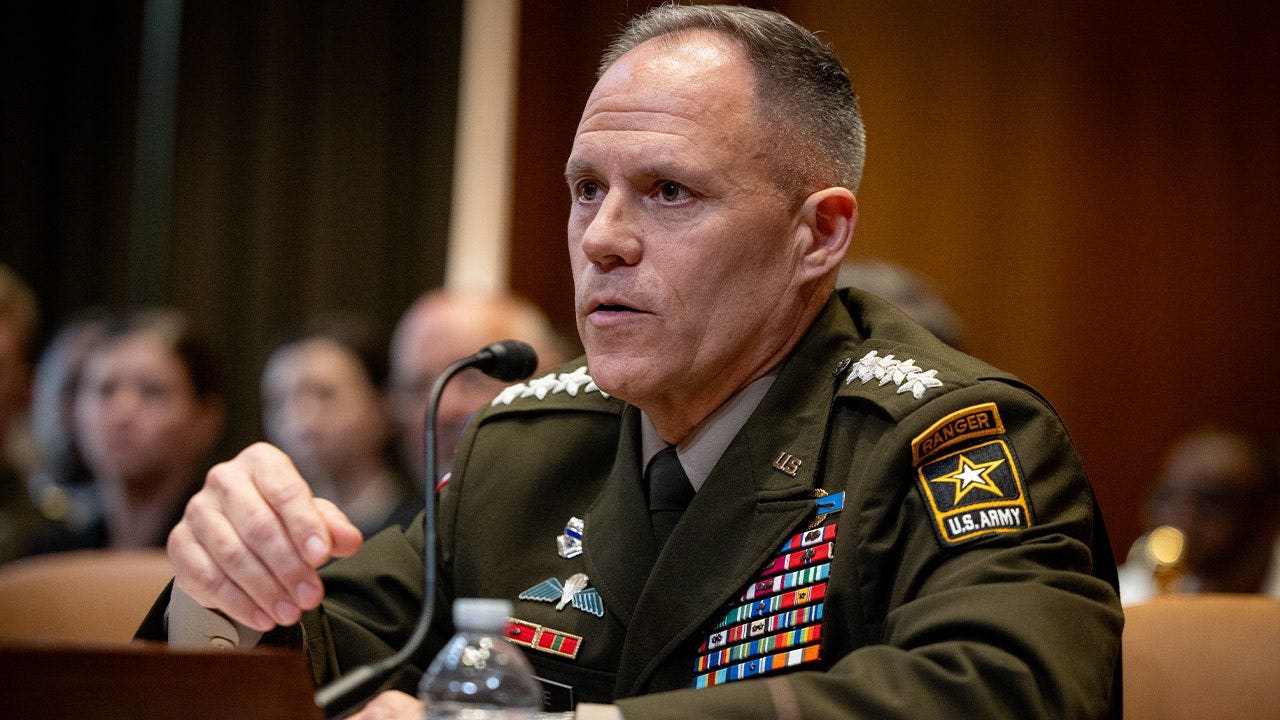
«If we’re going against a pacing threat, power projection will be contested,» Gen. Christopher LaNeve, the Army’s acting chief of staff, told Digital on Wednesday.
He said the military is rethinking assumptions that were held during decades of fighting in Iraq and Afghanistan, when American forces could largely count on secure bases and supply lines at home.
FBI WARNS BATTLEFIELD-STYLE DRONE ATTACKS COULD REACH US: ‘ONLY A MATTER OF TIME’
«During the Global War on Terror, we took a lot of things for granted, because we could,» LaNeve said during a small-group roundtable at the Association of the United States Army’s annual conference in Washington this week.
In a potential conflict with China, disrupting American military bases, transportation networks and communications could delay U.S. forces from reaching the battlefield. The Pentagon’s latest report on China’s military capabilities warns that Beijing has positioned cyber capabilities inside U.S. critical infrastructure networks that could be used to disrupt American military mobilization during a conflict.
The concerns come as the Pentagon places renewed emphasis on homeland defense and military installations as they prepare to potentially confront threats closer to home. U.S. officials have previously confirmed drone incursions over installations — including Joint Base Langley-Eustis in Virginia and Picatinny Arsenal in New Jersey. Though those incidents have not been publicly attributed to China.
The warning of a future fight on American soil comes amid the How the Army Fights rollout. The new operational framework places greater emphasis on preparing American forces to deploy, communicate and sustain operations even when military bases, supply lines and communications networks are under attack.
The guidance places greater emphasis on the Army’s ability to deploy and sustain forces under threat, including when communications, supply lines and military infrastructure are disrupted.
US MILITARY BASES ARE ‘ILL-EQUIPPED’ TO STOP DRONE SWARMS, TOP COMMANDER REVEALS AFTER RUBIO’S UAP WARNING
LaNeve said the Army is using the framework to establish clearer priorities for how its formations train, fight and incorporate new technology.
«It was important to get this document out to provide a direction for our Army, a stake in the ground in where we’re moving,» LaNeve told Digital in an interview Wednesday.
The changes are being led by an Army leadership team serving in acting capacities following the departures of former Army Secretary Dan Driscoll and Chief of Staff Gen. Randy George. LaNeve remains the Senate-confirmed vice chief of staff.
LaNeve explained how the Army is preparing to keep fighting even when an adversary disrupts military communications.
«I think what you would see inside this command and control capability is the ability to operate disconnected and then reconnect when you have that capability, but to continue to be able to maneuver,» he said.
The Army is also rethinking how it protects military installations at home. LaNeve pointed to Joint Interagency Task Force 401, which is working with federal and local law enforcement to strengthen counter-drone defenses around military bases and critical infrastructure.
CARTELS USE DRONES TO SCOUT BORDER AGENTS AND MAP SMUGGLING ROUTES, EXPERT WARNS
Acting Army Secretary Adam Telle pointed to the southern border as an example of how soldiers are already confronting drone threats closer to home. He said soldiers are using the mission to test new counter-drone technology against real-world threats, gaining experience they can bring back to their units as the Army prepares for future conflicts.
The Army is also expanding its preparations for biological threats that could disrupt military operations. Officials announced this week that biological incidents will be incorporated into routine combat training as part of a broader effort to ensure soldiers can continue carrying out their missions through disease outbreaks or deliberate biological attacks.
During a separate panel Wednesday, Air Force Secretary Troy Meink warned that advances in surveillance technology could soon make it increasingly difficult for military forces to operate anywhere without being detected.
«We are rapidly heading to a point in time where, depending on what your signature is, how fast you’re moving, the enemy is going to have some sense to where you are no matter where you are on the planet,» Meink said.
He suggested that level of surveillance could emerge within five years, potentially sooner, as China and other adversaries expand their ability to track and target military assets.
Meink said the Pentagon is working to make its forces more survivable, including through autonomous systems capable of operating in dangerous environments where commanders might hesitate to send manned platforms.
War Secretary Pete Hegseth, speaking alongside Meink and the other service secretaries, criticized what he described as the Pentagon’s failure to keep pace with technological advances under the Biden administration.
«On hypersonics, they took a nap. On space, they took a nap. On weaponization of space, they took a nap. On drones, they took a nap,» Hegseth said.
LaNeve emphasized that despite the Army’s growing reliance on advanced technology, soldiers must still be able to carry out their missions when those systems are unavailable.
«Soldiers are our number one platform. It is the Army’s platform,» he told Digital.
The technology, he said, is intended to make troops more capable, but soldiers must remain grounded in the fundamental skills needed to fight without it.
military, us army, politics, armed forces topics, defense, national security
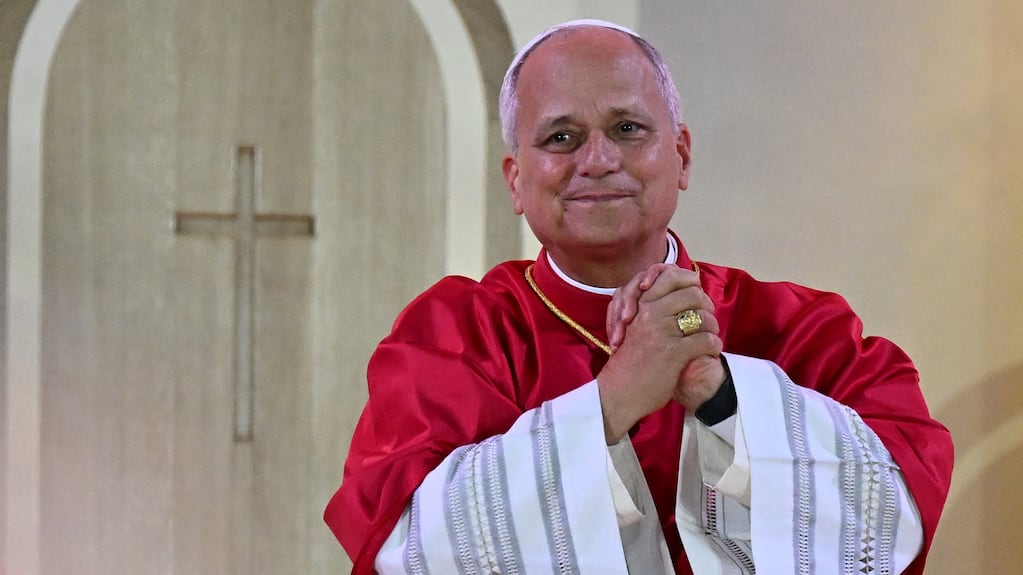
El martes, durante al menos 90 minutos, el papa León XIV estuvo inconsciente bajo anestesia general. La situación plantea una interrogante: ¿qué sucede cuando un papa está incapacitado y no puede dirigir la Iglesia católica?
La respuesta corta es: nada. La Iglesia tiene reglas para algunas situaciones, como cuando un papa muere o renuncia, o cuando no puede ejercer sus funciones con libertad (por ejemplo, cuando un papa es encarcelado, como ocurrió con el papa Pío VI a manos de Napoleón, un escenario poco probable hoy en día). Sin embargo, no tiene reglas específicas para los casos en que el papa se encuentra enfermo de gravedad o, digamos, en coma.
En caso de la hospitalización temporal del papa, la extensa estructura administrativa del Vaticano funciona por sí sola, un escenario que los observadores del Vaticano vivieron en repetidas ocasiones durante las frecuentes hospitalizaciones de san Juan Pablo II y el papa Francisco.
Desde hace décadas, el Hospital Gemelli de Roma cuenta con un conjunto de habitaciones equipado para el papa. Juan Pablo estuvo ahí con tanta frecuencia que comenzó a decirle “el tercer Vaticano”. (Actualmente esa área se está remodelando, por lo que León se está recuperando en habitaciones cercanas).
Incluso allí, el papa sigue a cargo.
“No hay un papa suplente”, dijo Alberto Melloni, un historiador de la Iglesia. Si hay que tomar decisiones o hacer nombramientos, “se le pueden llevar al papa mientras está en el hospital”.
Y basándose en lo que se ha dicho hasta el momento sobre la recuperación de León, parece ser que él estará de vuelta en el Vaticano en una semana, como el Vaticano había anticipado.
Los médicos de León dijeron el miércoles que su recuperación avanzaba según lo esperado. En un comunicado emitido por el Vaticano, sus médicos dijeron que León estaba haciendo ejercicios respiratorios, había comenzado a caminar y había desayunado y almorzado.
Matteo Bruni, el vocero del Vaticano, dijo que el pontífice estaba “de buen humor”, sin dar más detalles.
Por ahora, el funcionamiento diario del Vaticano y de la Iglesia mundial se delega en un equipo de funcionarios -encabezado por el secretario de Estado, el cardenal Piero Parolin– que garantiza que su administración funcione sin contratiempos.
La Santa Sede es el órgano central de gobierno de la Iglesia católica y comprende decenas de oficinas o departamentos que, a su vez, supervisan áreas específicas, como la evangelización, el clero, la educación o la economía. Tan solo la Secretaría de Estado del Vaticano es como una combinación de un ministerio del interior y un ministerio de asuntos exteriores que supervisa la gestión general, así como las relaciones con otros Estados y las embajadas de la Iglesia en el extranjero.
“Sabemos que las operaciones diarias continúan como de costumbre, en el sentido de que ninguna regla le impide a nadie seguir haciendo lo que hace”, dijo Giovanni Maria Vian, un experto en la Iglesia y exdirector de L’Osservatore Romano, el periódico del Vaticano. “Digamos que es una máquina que funciona de forma normal y automática, por así decirlo”.
El reverendo Filippo Di Giacomo, experto en derecho canónico y comentarista, señaló que la Iglesia ha tenido siglos para afinar su funcionamiento.
“Toda la estructura del Vaticano, y también la del clero, ha sido construida a lo largo de los siglos de tal manera que incluso cuando un gobierno eclesiástico se ve obligado a disminuir el ritmo, nunca colapsará”, dijo. “La sabiduría jurídica de la Iglesia reside en el ‘Estado profundo’ que mantiene a flote al Vaticano”, añadió. Este “no entra en crisis solo porque el papa esté enfermo”, dijo.
Esto no quiere decir que no se haya planteado la pregunta de qué hacer si un papa está incapacitado físicamente, como ocurrió durante el papado de Juan Pablo II, quien durante una década padeció la enfermedad de Parkinson y otros problemas de salud.
“Uno de los factores que sin duda influyó en la decisión de Benedicto XVI de renunciar al papado fue el hecho de que no quería que eso le pasara a él”, dijo Vian sobre la decisión que Benedicto tomó en 2013 de renunciar cuando su propia salud comenzaba a deteriorarse.
El domingo pasado, León anunció durante su oración semanal que le habían encontrado un nódulo en el pulmón y que sus médicos decidieron operarlo, lo cual hicieron dos días después. El Vaticano no ha dicho cuándo se descubrió el nódulo del pulmón del papa, solo que surgió durante un examen de rutina.
El miércoles, Bruni dijo que los resultados histológicos del tumor “tomarán tiempo”. También dijo que el papa todavía esperaba viajar a Sudamérica el próximo mes.
Algunos observadores del Vaticano han señalado dos nombramientos recientes -cargos importantes durante el periodo de transición papal- como prueba de que el papa estaba dejando todo en orden antes de la cirugía.
La semana pasada, León aprobó el nombramiento del cardenal Luis Antonio Tagle, de 69 años, como nuevo decano del Colegio Cardenalicio, un cargo clave durante una transición papal.
También nombró al arzobispo Vittorio Viola como arcipreste de la Basílica Papal de San Pedro en el Vaticano y vicario general para la Ciudad del Vaticano. Aunque la mayoría de los cardenales pierden sus cargos en caso de muerte o renuncia papal, estos puestos clave se mantienen.
—-
Elisabetta Povoledo es una reportera del Times con sede en Roma, que cubre Italia, el Vaticano y la cultura de la región. Ha sido periodista durante 35 años.
The New York Times, data-cc, data-cc-nyt
INTERNACIONAL
Panamá fortalece la capacitación en salud con tecnología de simulación de última generación
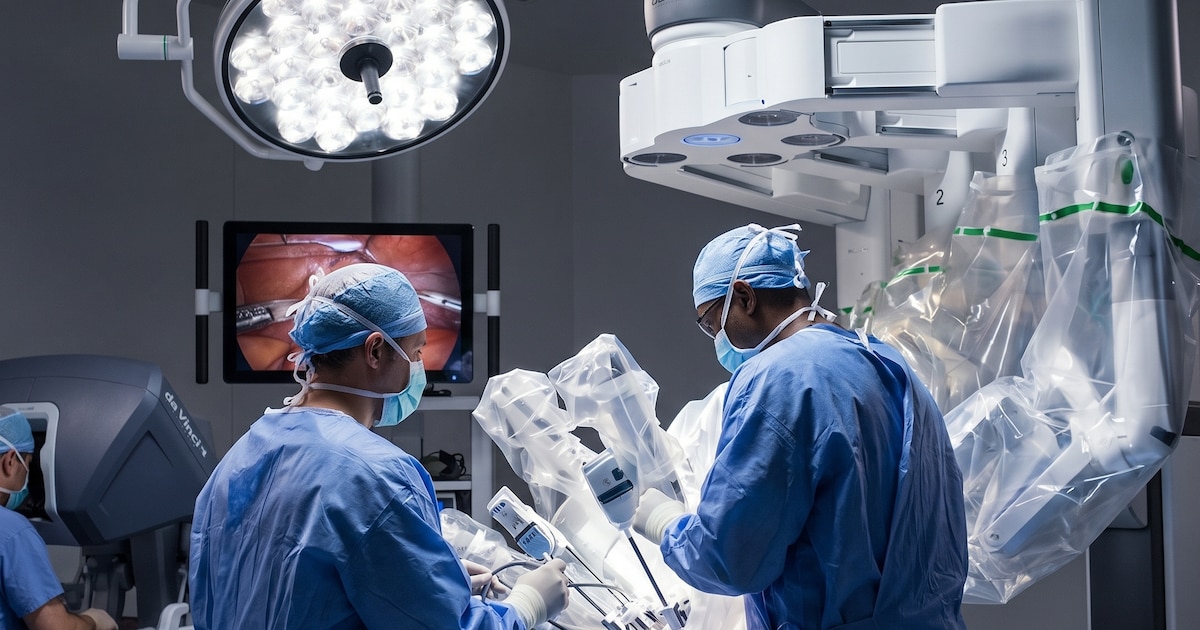
El Centro Regional para Adiestramiento y Simulación en Salud (CREASS-AIP) abre sus salas de simulación a la población panameña para capacitarla en primeros auxilios, reanimación cardiopulmonar (RCP) y respuesta ante emergencias.
La iniciativa busca ampliar la preparación de quienes pueden intervenir antes de la llegada de los equipos de socorro.
El centro regional es una asociación de interés público adscrita al Ministerio de Salud de Panamá (Minsa).
Se informó que la actividad combina formación especializada para el personal sanitario, con programas dirigidos a ciudadanos sin formación médica previa.
Una nota de prensa oficial señala que el centro ofrece cursos básicos y avanzados de soporte vital, primeros auxilios y formación para primeros respondientes.
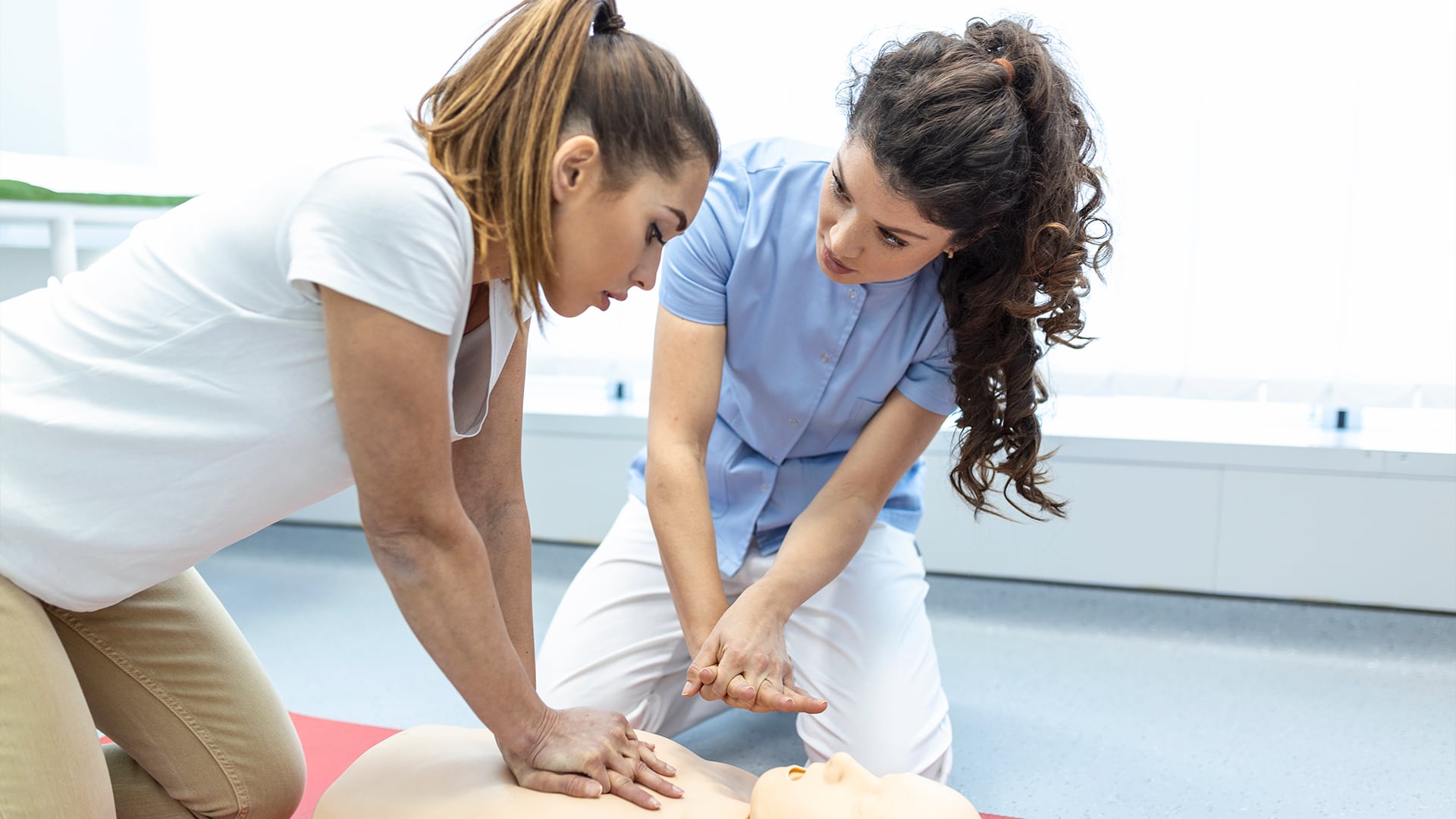
Las capacitaciones están disponibles para médicos, técnicos, otros profesionales de la salud, personal administrativo y particulares.
Al detallar la propuesta, se manifestó que permite que cualquier persona aprenda a actuar frente a accidentes, atragantamientos, fracturas o paros cardíacos.
La preparación busca que los asistentes puedan brindar ayuda inicial mientras se trasladan al lugar los servicios de emergencia.
La doctora Lourdes Cortés, asesora del Despacho Superior del Minsa y presidenta de la Junta Directiva del CREASS-AIP, explicó junto con la directora del centro, la doctora Melva Cruz, que la oferta académica contempla distintos niveles de capacitación según el perfil de cada participante.
La formación ciudadana ocupa un lugar central en el proyecto. Los conocimientos básicos pueden resultar determinantes ante una situación crítica que ocurra en el hogar, en una escuela, en un centro comercial o en cualquier otro espacio de uso público.
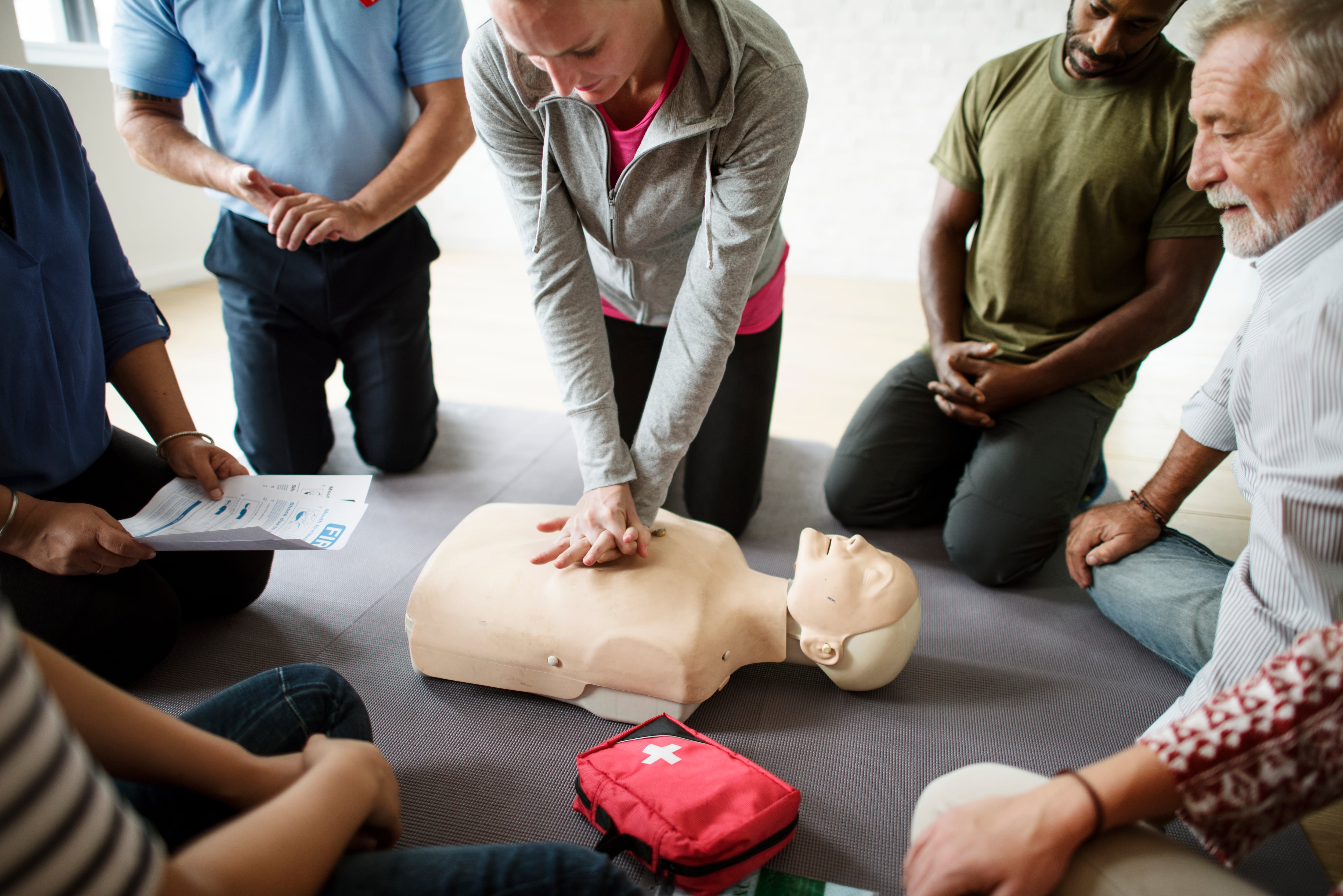
“Los primeros minutos son vitales”, señaló la doctora Anabelys Batista, médica general e instructora de Soporte Vital Básico y Cardiovascular Avanzado del CREASS-AIP. La profesional indicó que una intervención inicial puede ayudar a preservar la vida hasta que lleguen los equipos especializados.
La doctora Batista afirmó que el CREASS-AIP es un centro de entrenamiento acreditado por la American Heart Association (AHA). Esa certificación respalda los programas de reanimación cardiopulmonar y atención de emergencias cardiovasculares que dicta la institución.
“Nuestras salas de simulación están abiertas a todo público”, sostuvo la instructora. Según explicó, los espacios reciben tanto a trabajadores del sector salud como a personas interesadas en aprender RCP, maniobras ante atragantamientos y primeros auxilios.
El desarrollo del proyecto surgió de un convenio interinstitucional en el que participan la Caja de Seguro Social, la Secretaría Nacional de Ciencia, Tecnología e Innovación, el Programa de las Naciones Unidas para el Desarrollo y la Ciudad del Saber.
Las instalaciones están equipadas para reproducir escenarios clínicos y de emergencia en condiciones controladas. Los participantes pueden practicar procedimientos, corregir errores y mejorar sus respuestas antes de aplicar esas destrezas en situaciones reales.
El CREASS-AIP cuenta con espacios destinados a que médicos, técnicos y otros profesionales fortalezcan habilidades para la atención de pacientes. Los ejercicios permiten recrear circunstancias que requieren decisiones rápidas y coordinación entre integrantes de un equipo.
La práctica mediante simulación busca mejorar las competencias del personal sanitario y reforzar la seguridad de la atención.
El modelo también facilita el aprendizaje de protocolos para responder ante eventos de gravedad.
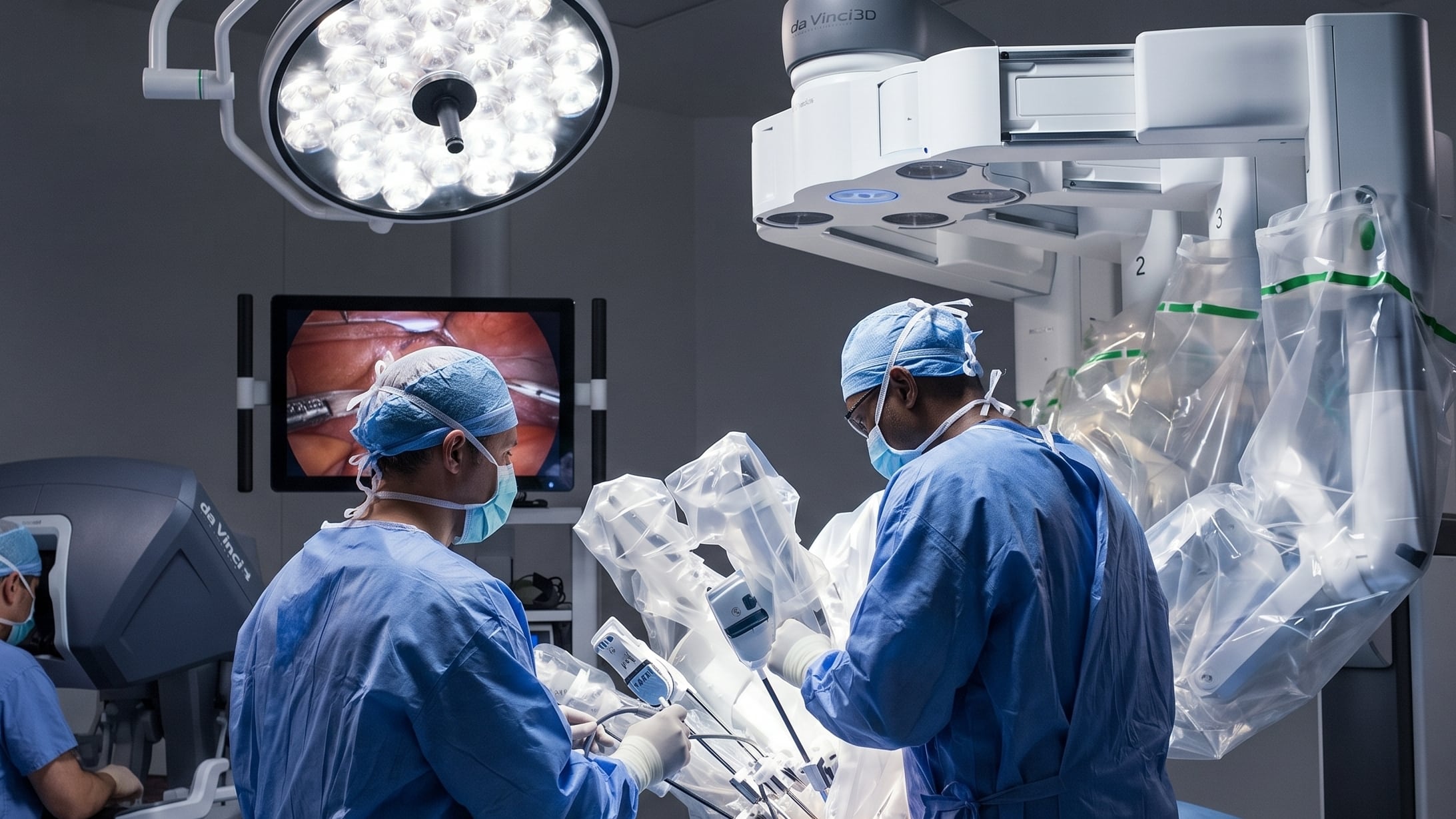
El centro incorporó la plataforma de simulación de cirugía robótica Da Vinci, diseñada para entrenar procedimientos quirúrgicos tridimensionales en un entorno seguro. La herramienta permite que los profesionales practiquen técnicas antes de trasladarlas a la actividad clínica.

El doctor Francisco Yanisselly, especialista del equipo de simulación, explicó que la tecnología abre opciones de formación en urología, ginecología y cirugía general. El sistema reproduce con precisión los movimientos que realiza el cirujano durante una intervención.
“La tecnología robótica permite operar en tres dimensiones”, indicó Yanisselly. El especialista afirmó que la disponibilidad de este recurso permite capacitar a médicos del país en distintas especialidades y fortalecer la seguridad de los procedimientos para los pacientes.
El CREASS-AIP mantiene programas de formación continua con costos accesibles para hospitales, escuelas, centros comerciales y personas interesadas en aprender a responder ante emergencias. La iniciativa apunta a extender estos conocimientos fuera de los entornos asistenciales.
cirugía robótica,quirófano,Da Vinci,cirujanos,robot médico

Cuadernos de las coimas: un fotógrafo de declaró como testigo en el juicio y validó las anotaciones de Oscar Centeno

Mientras se debate su futuro en la Argentina, otro auto apela a la historia para reinventarse en versión eléctrica

Comparativa en vídeo entre PS5 y Nintendo Switch 2 de Resident Evil 2 – Deluxe Edition – Nintenderos

America’s next war could reach US soil, top Army general warns

La hermana de Cristiano Ronaldo puso en duda el regreso a la selección de Portugal: «Es más un no que un sí» :: Olé

La abrumadora confesión de Tomás Yankelevich, el tío de Valentín Yankelevich, sobre los golpes que le daba su papá: “Los despreciaba, los golpeaba, les tiraba del pelo mientras subían la escalera”

El presidente Mulino confirma una llamada con Delcy Rodríguez tras el terremoto que sacudió Panamá

Miguel Merentiel dejó un emotivo mensaje para el Manteca Martínez

El Gobierno enfrenta una nueva marcha universitaria en medio del conflicto por la Ley de Financiamiento

La Corte frenó a los jueces que recortan los honorarios de los abogados y debaten posibles sanciones en el Consejo

 INTERNACIONAL2 días ago
Más de 2.000 islas sin hospitales: así funciona la red de clínicas flotantes de India
- CHIMENTOS2 días ago
La angelita de LAM que reveló la peor infidelidad que sufrió en un matrimonio: «Encontré mensajes con otras mujeres y…»
- POLITICA3 días ago
El Niño golpea el litoral: abrieron las compuertas de la represa de Itaipú y preocupa su impacto en el río Paraná